

Product Details
Capillary Rheometer, Torque Rheometer, Voltage Breakdown Resistance, Fully Automatic Melt Flow Index Tester, Dielectric Loss, Dielectric Constant


价 格Negotiable
最小起订0 piece库存0 piece
 Business Card
Negotiable

Negotiable

Negotiable

Negotiable
 Composite material capillary rheo
Negotiable
Composite material capillary rheo
Negotiable
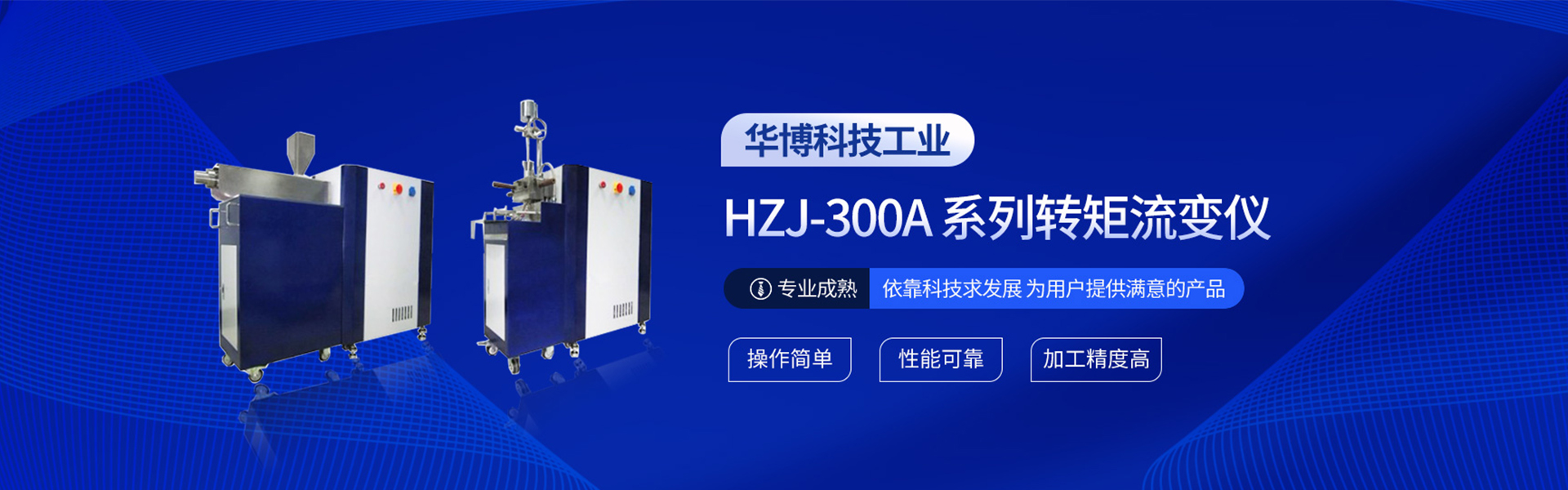
 Cable material torque rheometer
Negotiable
Cable material torque rheometer
Negotiable
 PVC Material Torque Rheometer
Negotiable
PVC Material Torque Rheometer
Negotiable
 Shear Viscosity Capillary Rheomet
Negotiable
Shear Viscosity Capillary Rheomet
Negotiable
 High-molecular-weight material ca
Negotiable
High-molecular-weight material ca
Negotiable
 Melt Flow Index Tester for Fluoro
Negotiable
Melt Flow Index Tester for Fluoro
Negotiable
 Melt Flow Rate Tester
Negotiable
Melt Flow Rate Tester
Negotiable
 Voltage Breakdown Test Equipment
Negotiable
Voltage Breakdown Test Equipment
Negotiable
 Torque Rheometer Manufacturer
Negotiable
Alloy Material Capillary Rheomete
Negotiable
Torque Rheometer Manufacturer
Negotiable
Alloy Material Capillary Rheomete
Negotiable
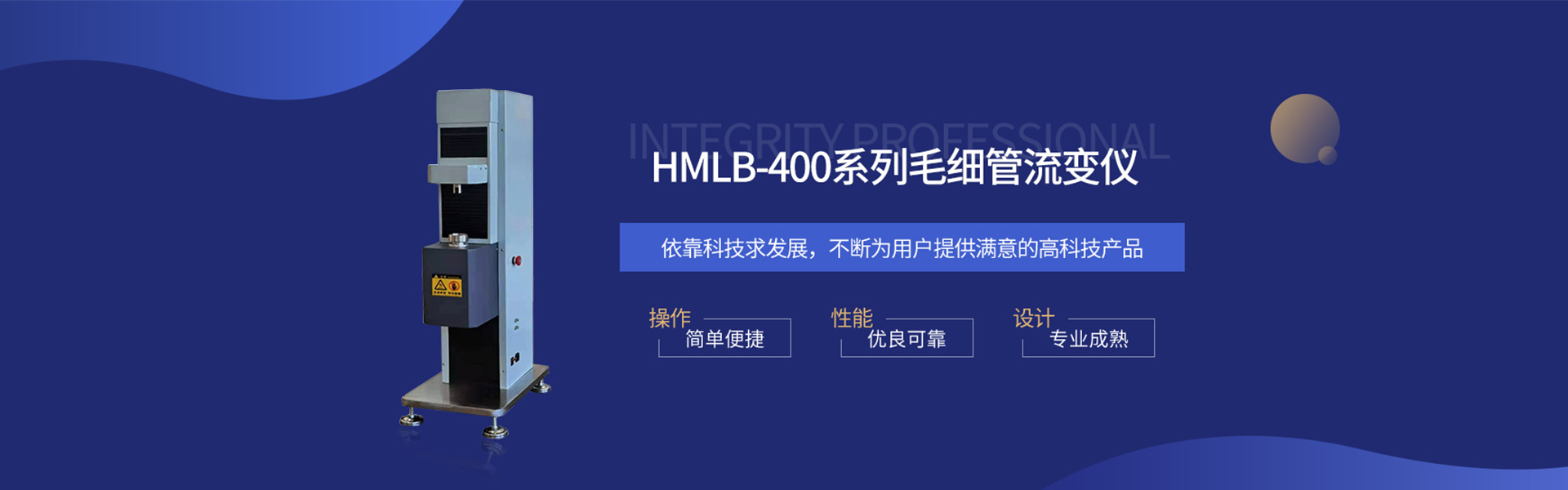
HMLB-400 Capillary Rheometer
Equipment Usage and Features:
Capillary rheometer is used to measure the fluidity and curing speed of high polymer materials, and can plot stress-strain curves, plasticization curves, and determine the softening point, melting point, and flow point temperatures of high polymer materials. It operates under constant pressure and speed control via computer, measuring the extrusion speed of various specifications of capillaries at different heating rates and temperatures under various pressures. The computer collects extrusion speed, pressure, and heating temperature, and processes the data, plotting curves accordingly.
Rheological properties are typically measured using rheometers, sometimes also referred to as viscometers. Among the various instruments used to determine and study the rheological behavior of plastic melts, the capillary rheometer is a commonly used and suitable testing device, offering multiple functions and a wide range of shear rate capacities. The capillary rheometer can measure the relationship between shear stress and shear rate of plastic melts within a capillary, and can also investigate the elasticity and unstable flow phenomena (including melt fracture) of the melt by altering the length-to-diameter ratio of the capillary under constant stress, based on the diameter and appearance of the extrudate. This enables the measurement of processing behavior, which serves as a basis for selecting compound formulations, seeking molding process conditions, and controlling product quality; or it can provide essential data to assist in the design of molding molds and plastic machinery.
Capillary rheometers can measure the softening point, melting point, flow point, viscosity, and activation energy of viscosity for high polymers, as well as the curing temperature of thermosetting materials. These data play a significant role in studying the rheological properties of high polymers.
If you're looking for a precise melt index tester, consider using a capillary rheometer. While a standard melt index tester typically measures just one point on the shear rate/viscosity curve, it can only assess the material's flowability or average molecular weight. In contrast, a capillary rheometer can determine how the material's viscosity changes with temperature and pressure. During testing, the temperature is kept constant, and the piston moves at various speeds, allowing for the understanding of the relationship between viscosity, shear rate, and shear force.
Experimental raw materials
Thermoplastic plastics such as PE, PP, PS, and their compounds in powder, granular, strip, or molded block forms; appropriate pre-treatment should be conducted before the experiment based on the material type and properties, such as drying.
As the plastic melt passes through the capillary die, the pressure and temperature of the melt are measured by the pressure sensor and thermocouple installed at the die, with the microcomputer recording the pressure and temperature values of the melt.
Key Technical Specifications: (For detailed parameters, please contact the manufacturer for a quote.)
1. Temperature Range: Room Temperature to 400°C
2. Heating Rate: 1-10℃/min, continuously adjustable, and capable of rapid heating
3. Programmed Scanning Rate: 1-50°C/min
4. Temperature Control Accuracy: ±0.5°C, Overall Accuracy: ±1°C
5. Pressure Range: 1-50 MPa; Control Accuracy: +/- 1%
6. Speed Range: 300mm/min - 0.001mm/min
7. Displacement Value: 300m
8. Positioning Accuracy: ±0.5%
9. Load Resolution: 100,000 yards
10. Discharge Port Sizes (Diameter × Length): 5/1, 10/1, 20/1, 40/1 mm (mm × mm) and more options available
11. Head Area: 1 cm²
12. Material for discharge port: Tungsten Carbide
Sensor Pressure: 5 kN
14. Software Requirements: Capable of real-time recording of the softening point, melting point, flow point, viscosity, and activation energy of high polymer melt. Moreover, data and charts should be freely exportable and savable.
15. Working Voltage: 220V, 50Hz, Power < 400W
After-sales service
1. Installation and Acceptance: Perform installation and debugging within 5 working days after arrival. The supplier's technical staff will install the equipment free of charge on-site and complete the verification of the equipment's performance in the presence of the user's personnel.
2. Training: Free training for two or more trainees post-installation until they can operate independently, covering basic operations, basic maintenance of the equipment, and simple troubleshooting.
3. Warranty: The entire unit is warranted for one year from the date of acceptance, with free maintenance and care provided within the warranty period, and for more than one year. A response to any issues will be provided within 24 hours.
Phone Consultation