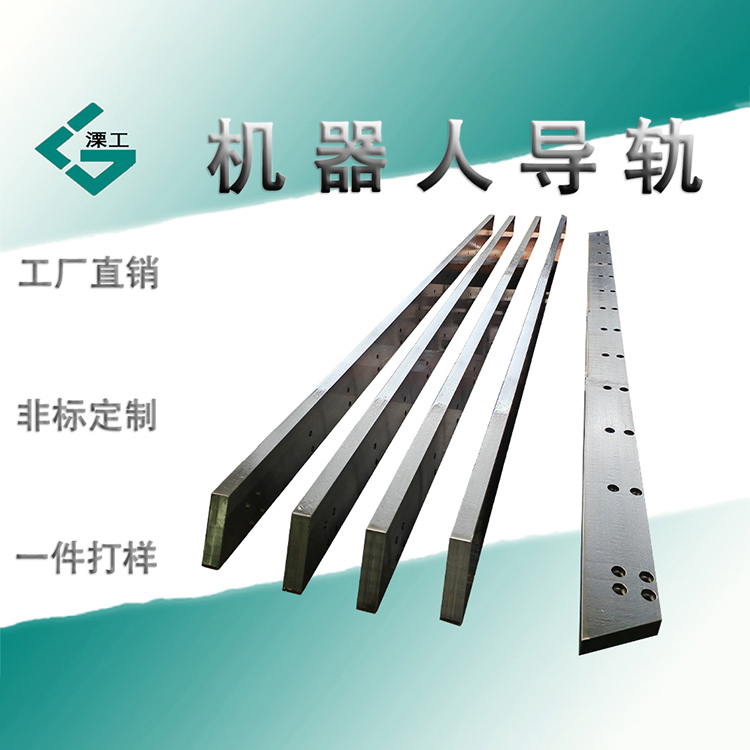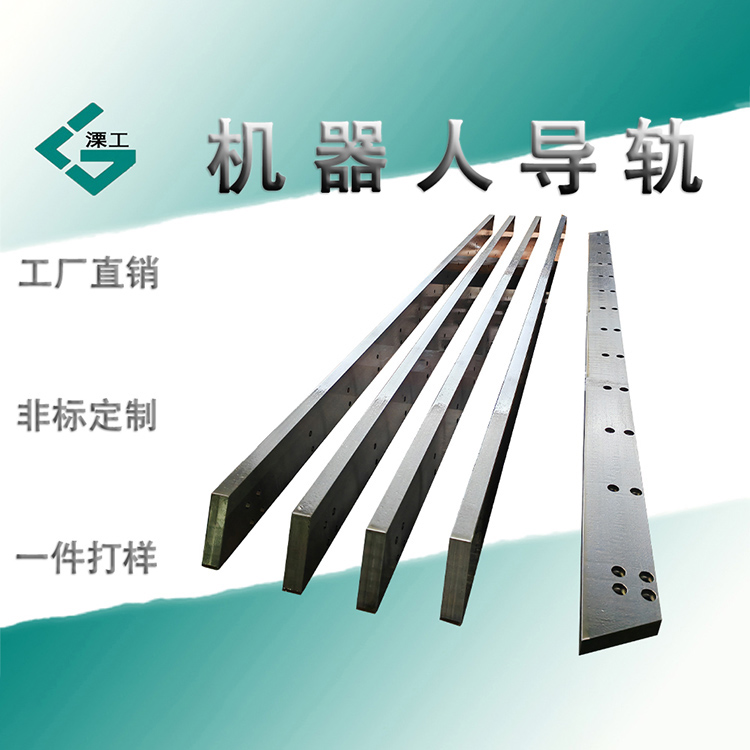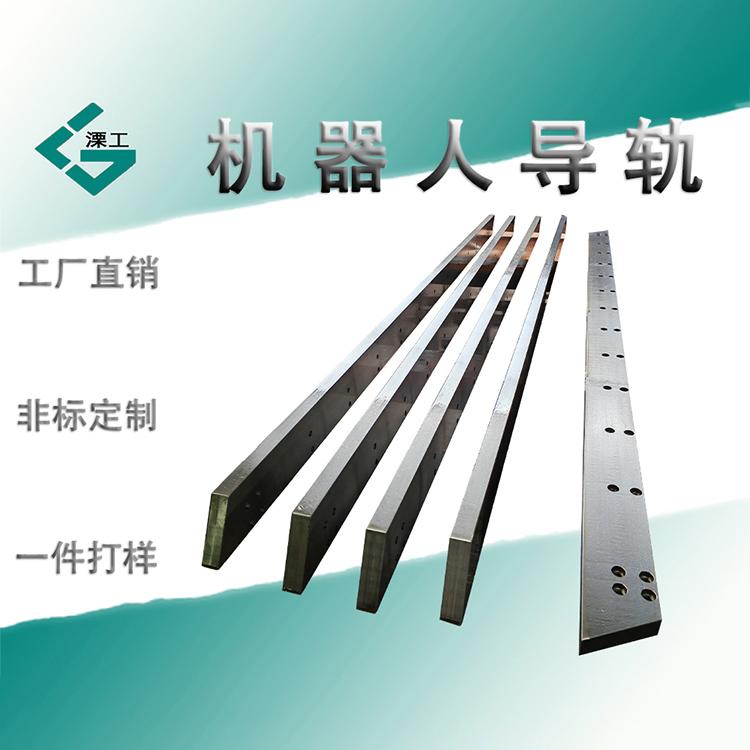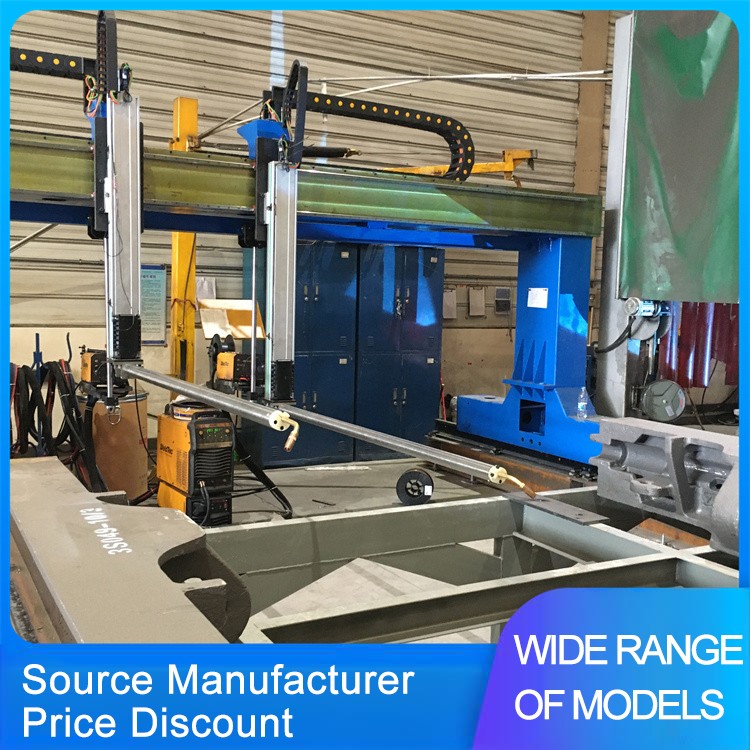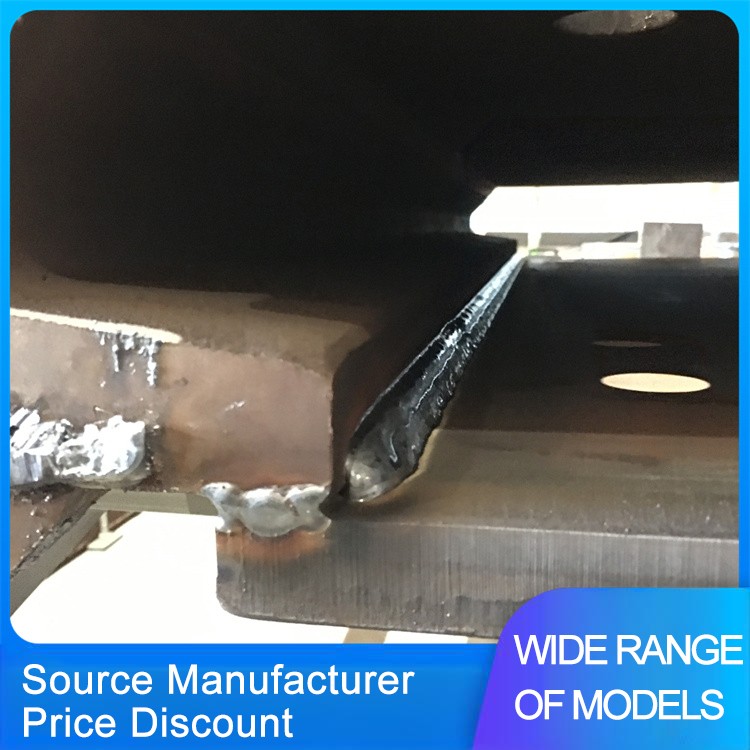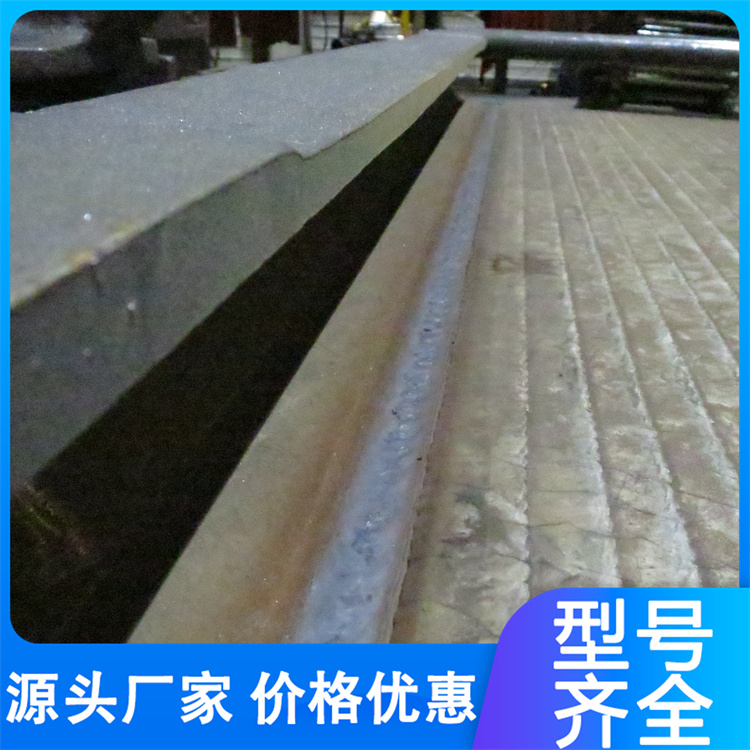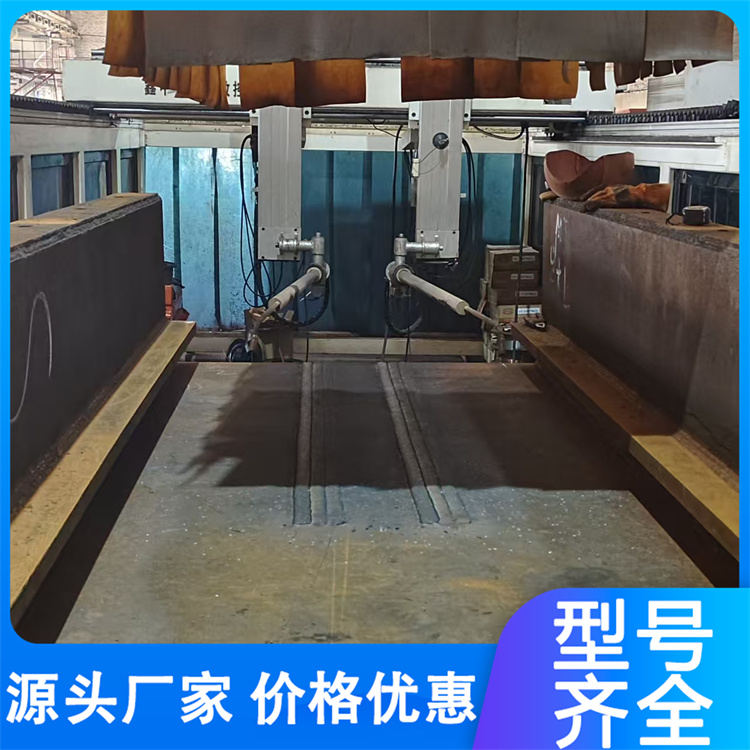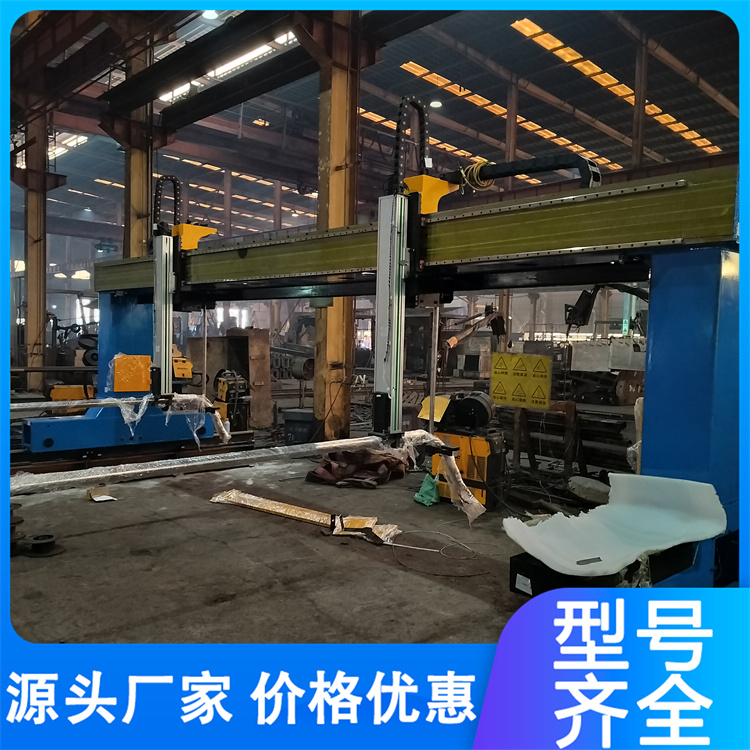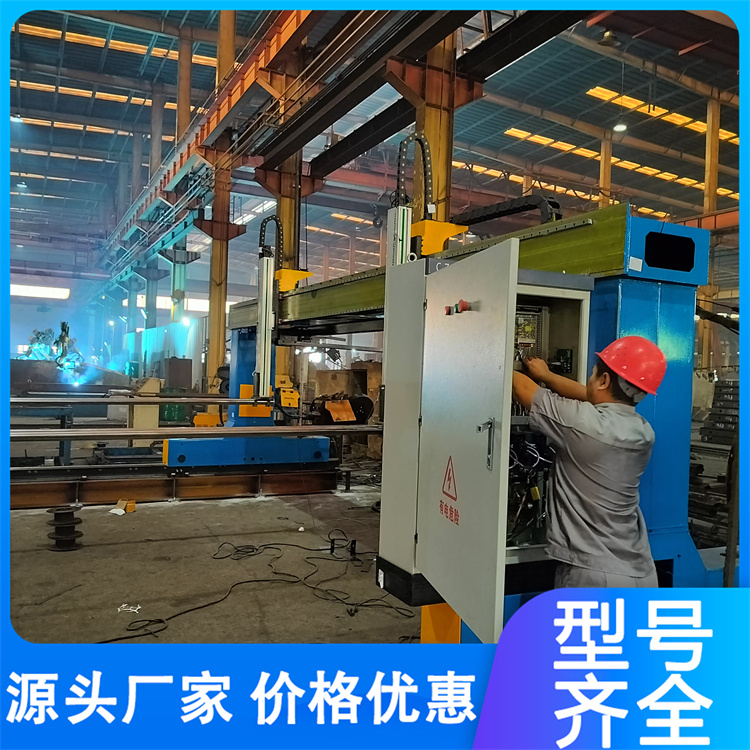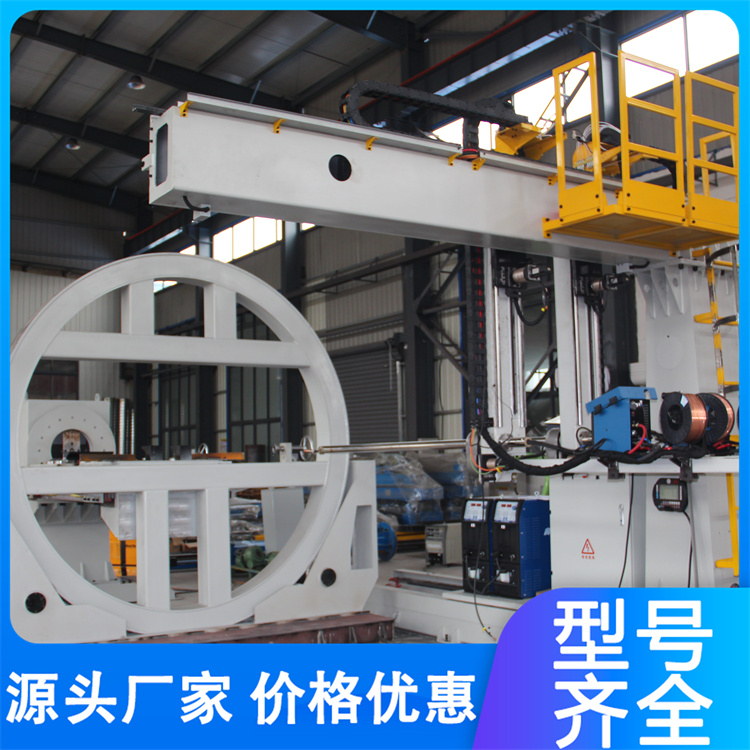


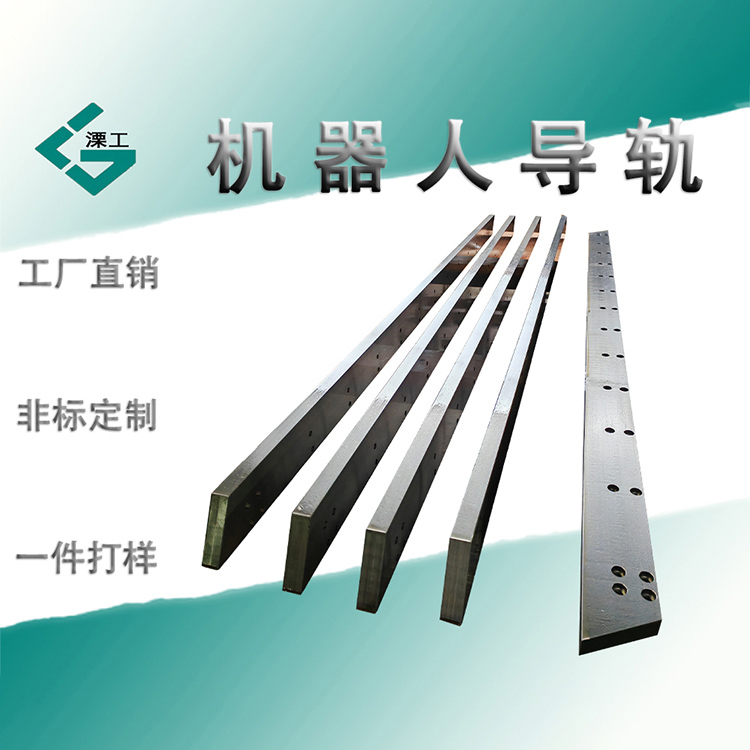











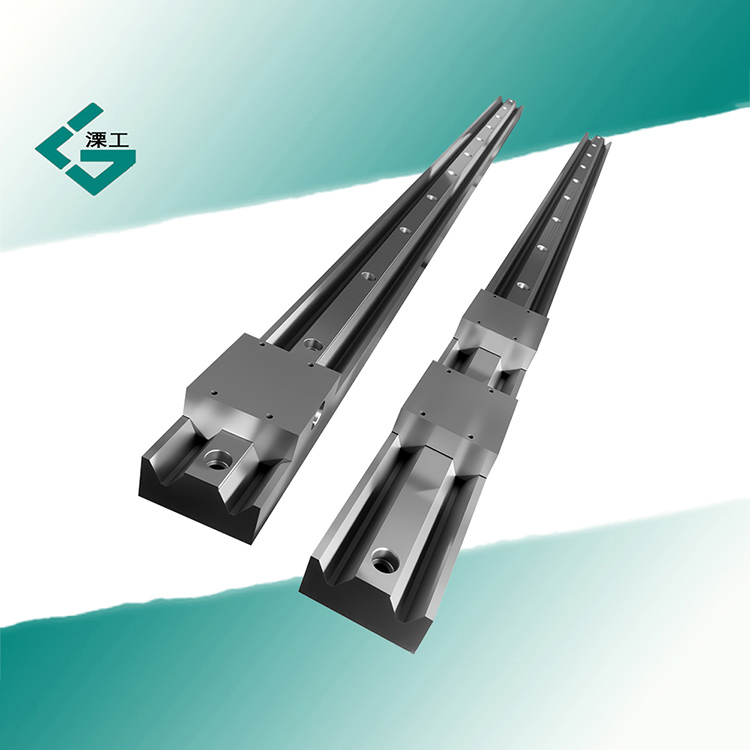
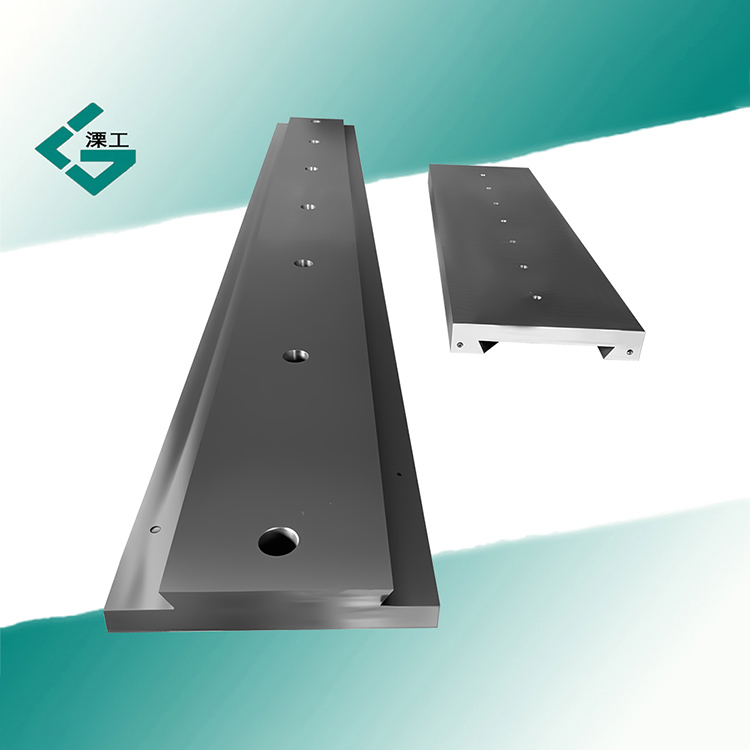
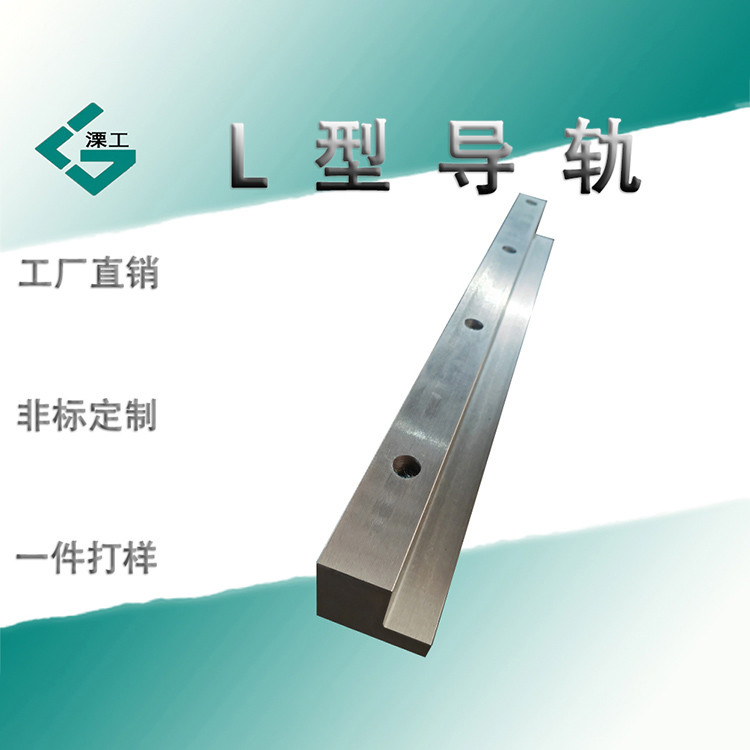


Robot guide rails are linear guidance devices specifically designed to meet the motion requirements of industrial and collaborative robots. Their core function is to provide high-precision and high-stability linear motion support for the robot's end effector or the robot itself, serving as a key component in automation production lines for enabling the robot to perform over a wide range of operations.
Key Features
High rigidity and overturning resistance
During robotic operation, load impacts and torques are generated, requiring the guideways to have sufficient rigidity to prevent deformation that could affect positioning accuracy. For heavy-load robot guideways, a reinforced cross-sectional design is often employed, paired with high-tensile bolts for fixation, which can effectively resist overturning torques.
High precision and repeatable positioning
For sorting, assembly, welding, and other precise operation scenarios, the repeat positioning accuracy of the robot guide rail can reach ±0.01mm, meeting the robot's precise switching needs between different workstations.
Suitable for robotic motion characteristics
Can be integrated with robotic servo systems, supporting high-speed start/stop and smooth directional changes, to prevent vibrations or creeping during motion, ensuring operational efficiency and quality.
Modular design
Guides can be assembled to the desired length and can be paired with slides, chains, guards, and other accessories, compatible with different robot brands' installation interfaces, facilitating integration into automated production lines.
Key Components and Maintenance
Accessories
Drive System: Compatible with servo motors + ball screw/synchronous belt, for precise speed and position control.
Protective Device: Add an expandable steel plate shield or an accordion-style shield to prevent iron shavings and dust from entering the guide rail assembly.
Lubrication System: Equipped with an automatic lubricator, regularly replenished with specialized lubricant to minimize guide rail wear.
Maintenance Points
Regularly clean the track surface to prevent debris accumulation.
Inspect the tightness of the guide rail bolts to prevent loosening due to long-term vibration.
Monitor guide rail operation noise and temperature rise, and promptly investigate and troubleshoot any anomalies.