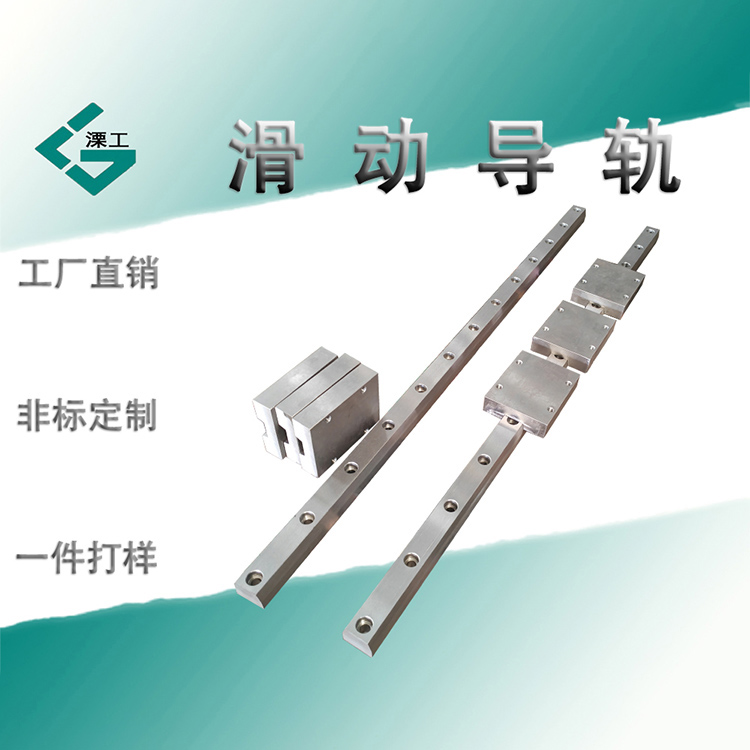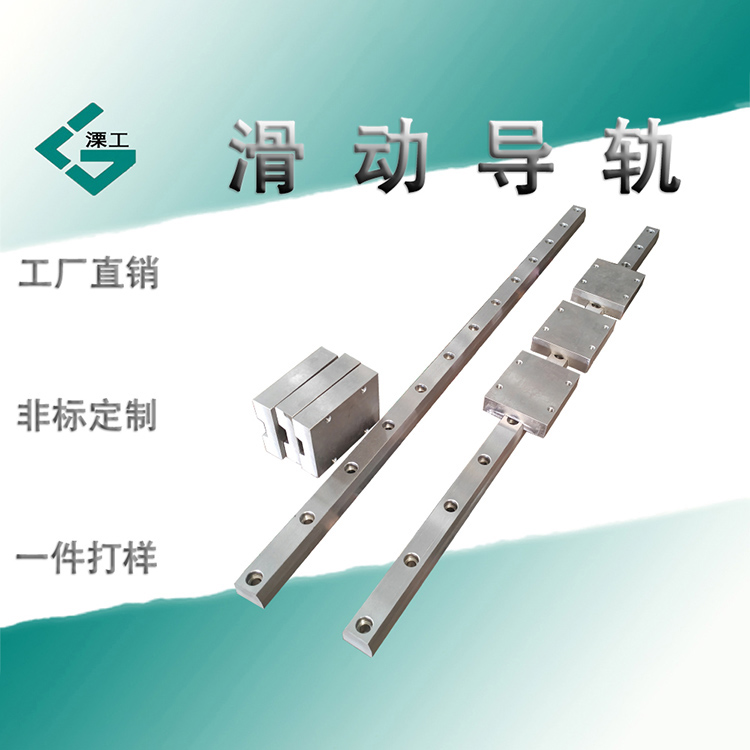


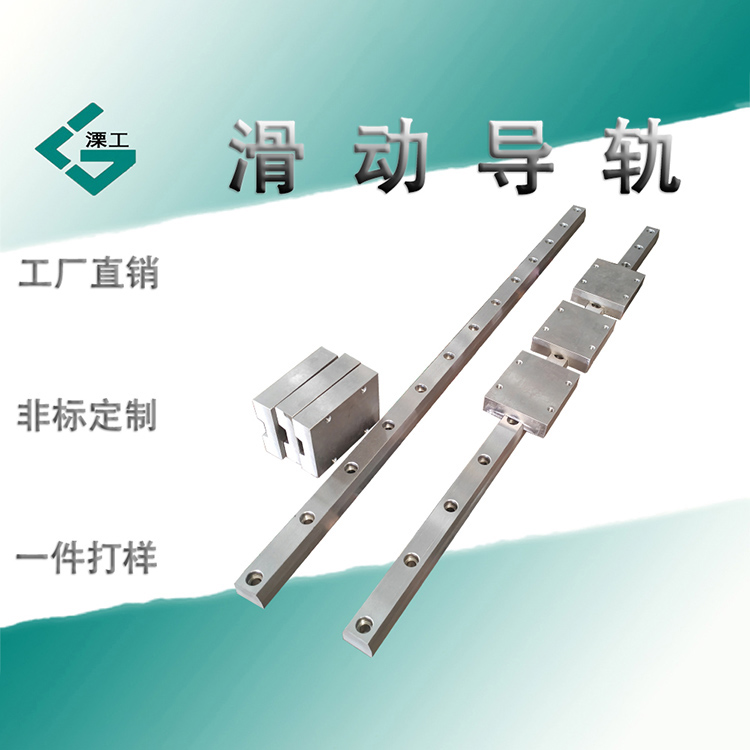









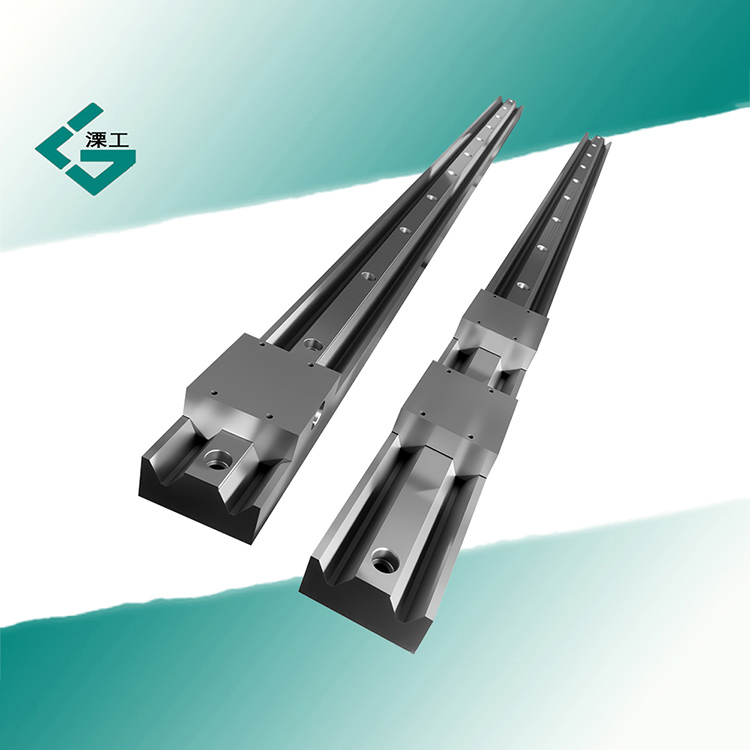
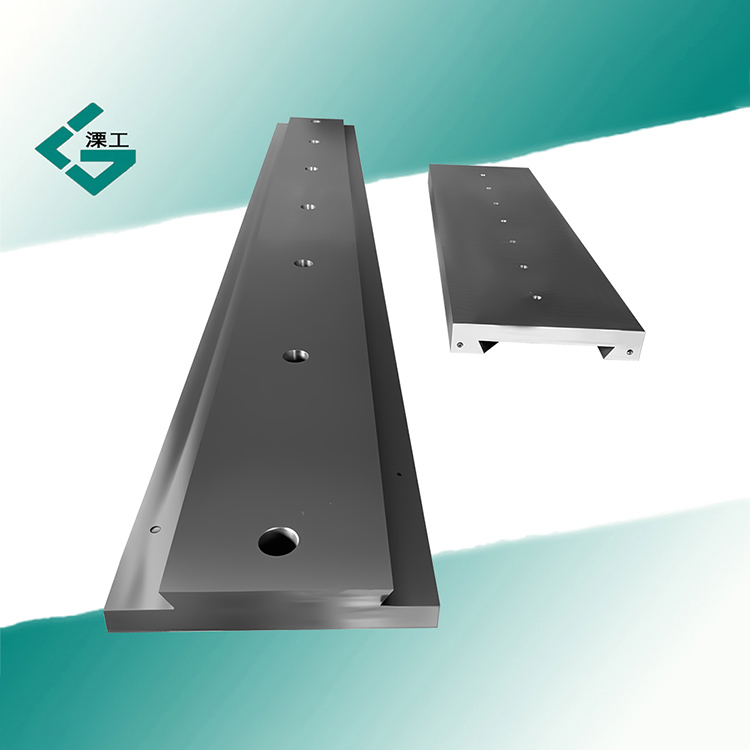
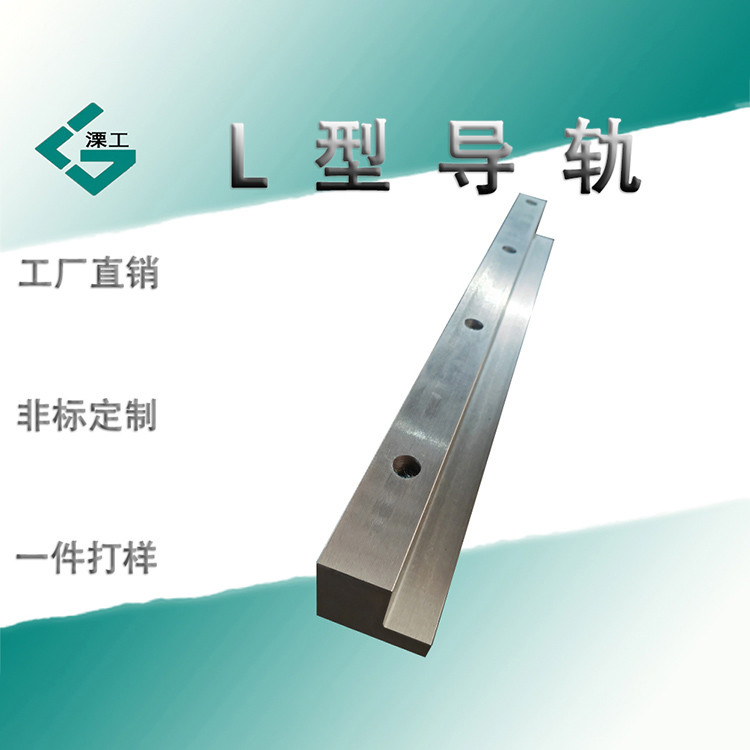


Sliding guides are a type of guide rail that achieves guidance through direct contact between the moving parts and the supporting guide components. They are among the earliest and most widely used guide rails in the mechanical field, characterized by their simple structure, high rigidity, and strong load-bearing capacity.
Core Structure and Principles
The guide surfaces of sliding guide rails are typically precision-machined flat or inclined surfaces. The moving parts and guide components are in face contact, and friction and wear are reduced through a lubricating oil film. To accommodate different load and precision requirements, common cross-sectional shapes include:
Rectangular sliding guide rail: Guiding surface is parallel plane, easy for manufacturing, installation, and adjustment. Capable of bearing significant vertical loads and certain lateral forces. Commonly used on workbenches of lathe and milling machines.
Tailed Sliding Guideway: Featuring a swallow-tail cross-section, it can bear vertical loads, lateral forces, and overturning moments. The structure is compact, with gaps adjusted by inserts, suitable for space-limited environments, such as machine tool tool holders.
Triangular sliding guide rail: V-shaped guiding surface, capable of automatically compensating for wear gaps, with high guiding precision, commonly used in precision grinding machines, coordinate boring machines, and other high-precision equipment.
Performance Advantages
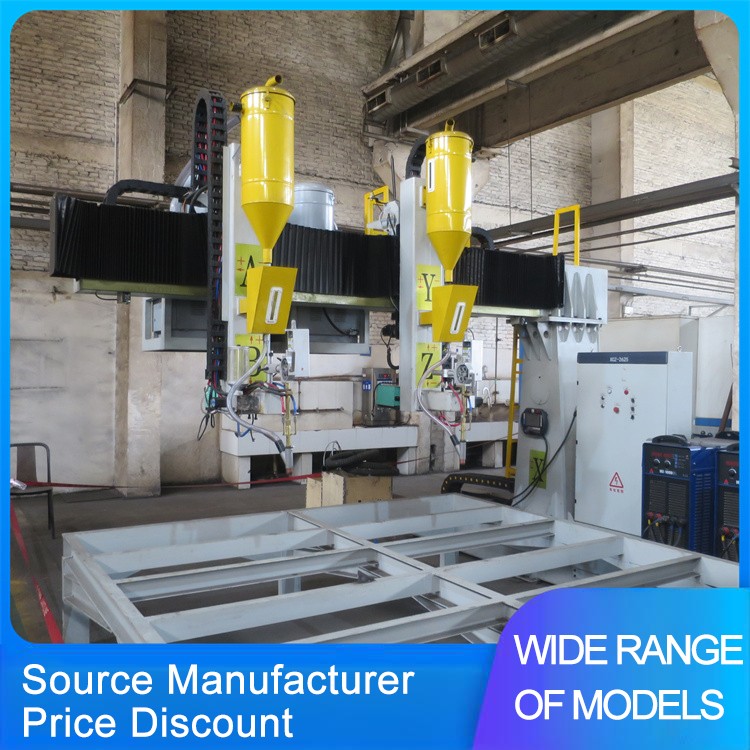
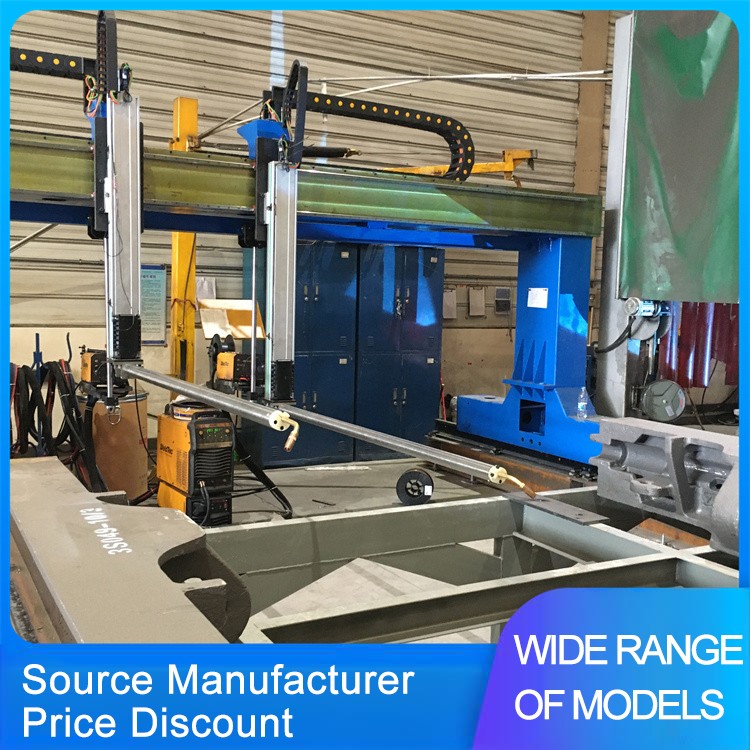
High rigidity and impact resistance: The face-contacting structure allows it to withstand greater cutting forces, workpiece weight, and impact loads, offering significant advantages in heavy-duty machine tools such as floor boring and milling machines, and gantry planers.
Low manufacturing costs: Simple structure, mature processing technology, no need for complex rolling elements or hydraulic systems, suitable for mass production and cost-effective equipment.
Easy installation and maintenance: Simply ensure parallelism and flatness of the guiding surface during installation, with maintenance focusing on lubrication and cleaning, featuring a low operational threshold.
Primary Shortcomings
High friction coefficient: The sliding friction coefficient of direct metal-to-metal (or plastic-to-metal) contact is about 0.1~0.3, significantly higher than that of rolling guides, resulting in greater power loss.
Low-speed crawl: When moving parts operate at low speeds, changes in friction can easily lead to uneven speed, resulting in a "crawl" phenomenon that affects processing accuracy.
Wear relatively quickly: Long-term sliding can cause wear on the guide surface, necessitating regular adjustment of the gap or replacement of the guide rail.
Maintenance and Care Points
Regular lubrication: Select appropriate guide oil or grease based on working conditions to maintain a complete oil film on the guiding surface, reducing friction and wear.
Clean Protection: Install protective covers to prevent iron filings, dust, and coolant from entering the guide rail assembly; regularly wipe away impurities on the guide rail surface.
Gap Adjustment: Adjust the guide rail gap using accessories such as spacers and pressure plates to prevent excessive gap due to wear, which may affect guiding accuracy.