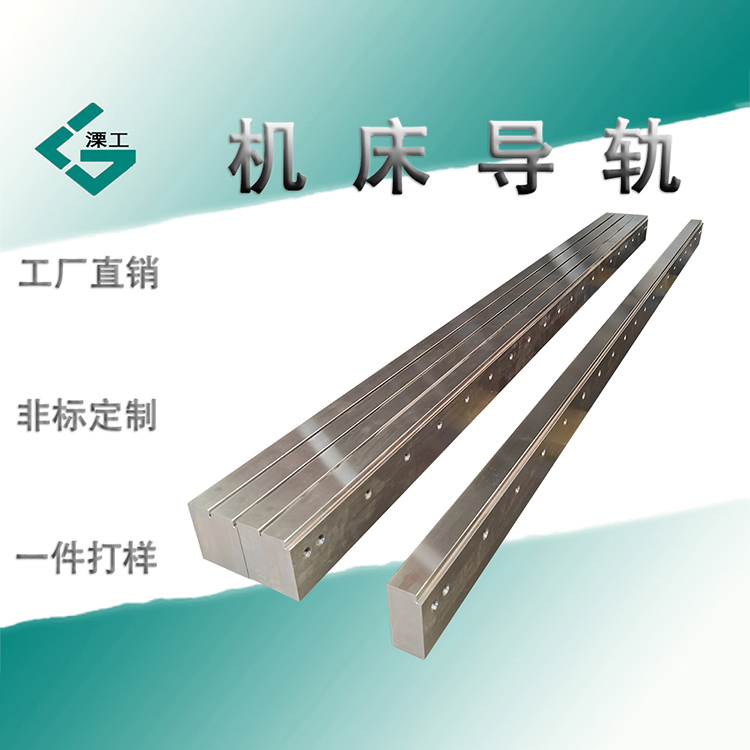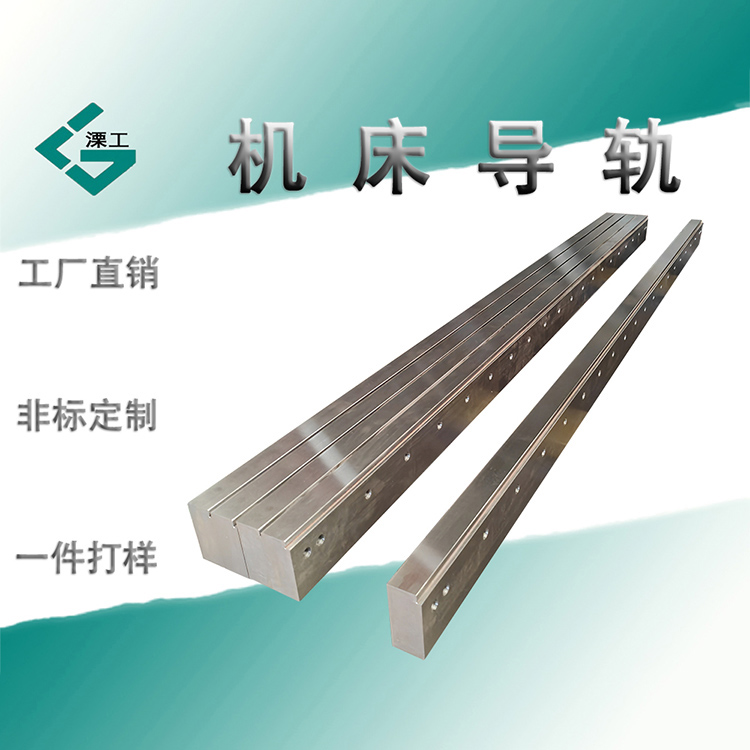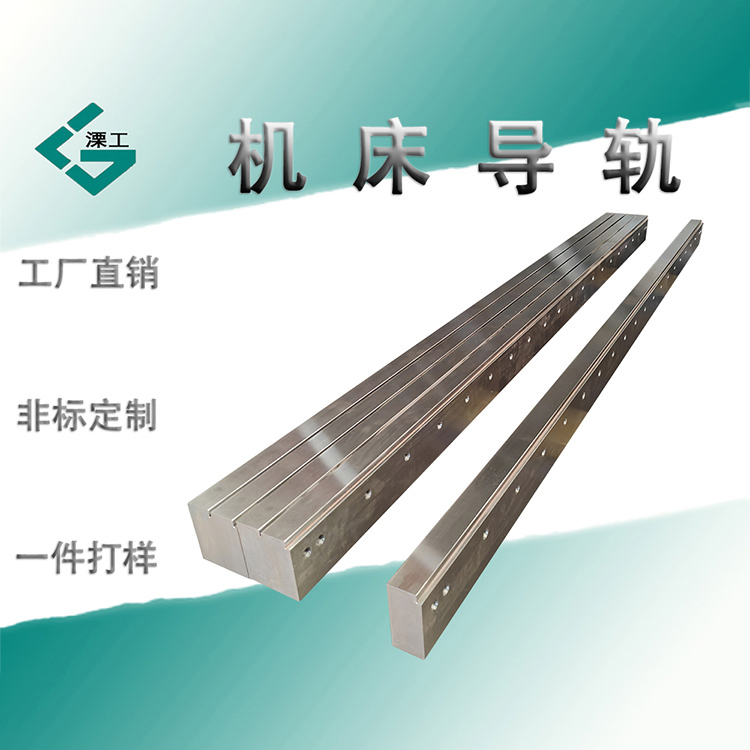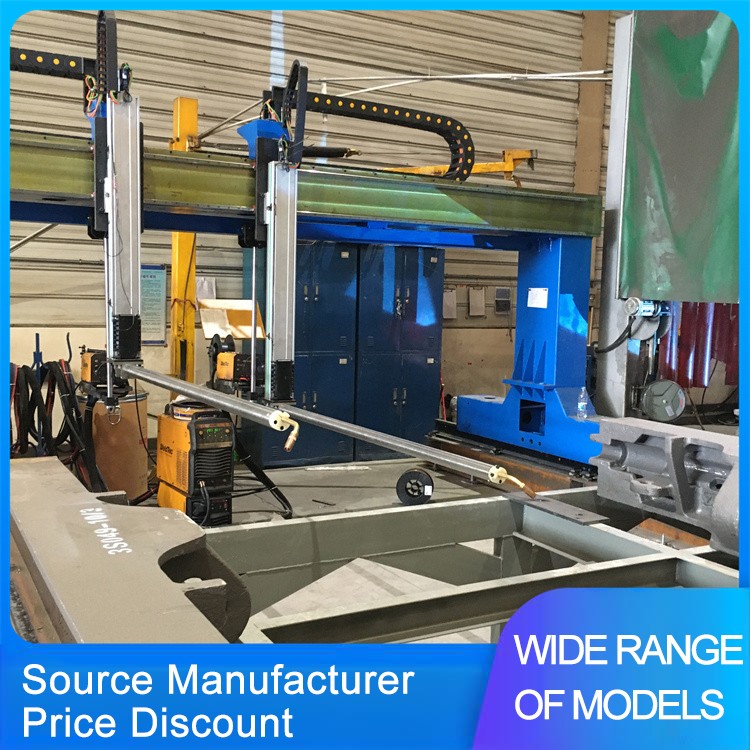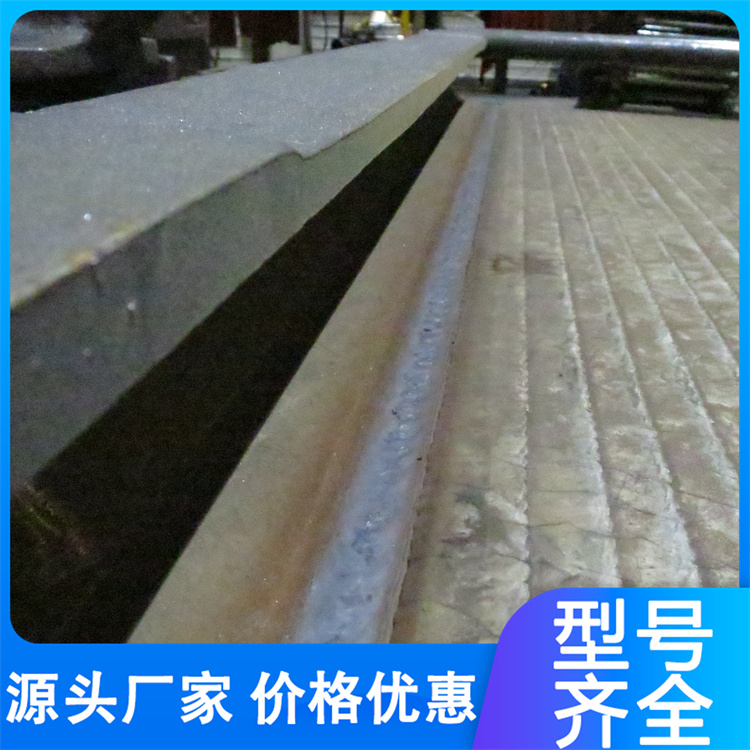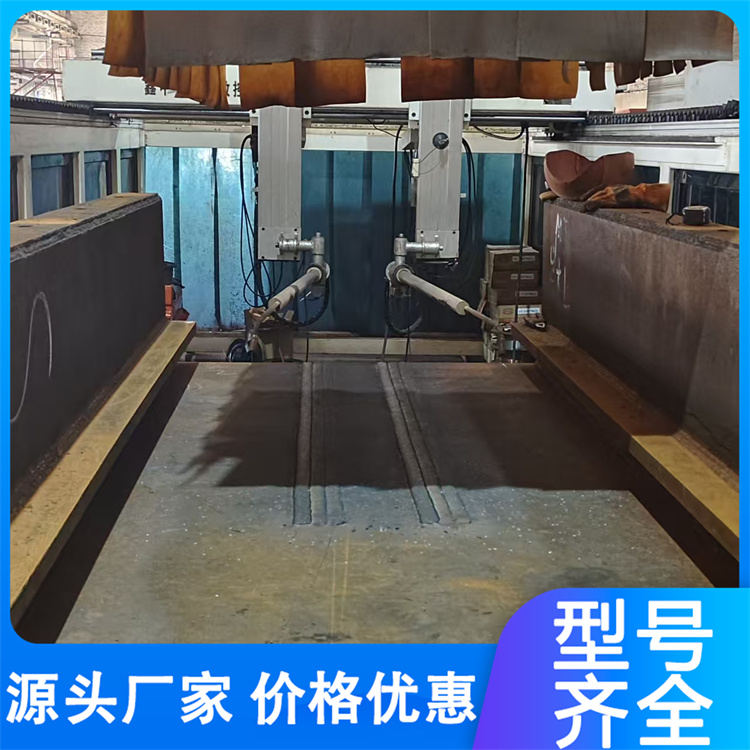

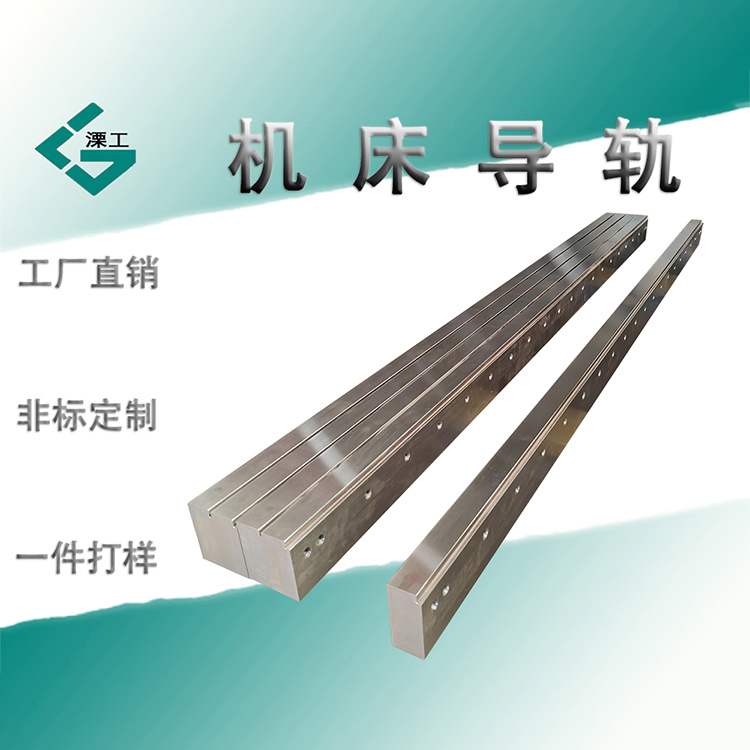











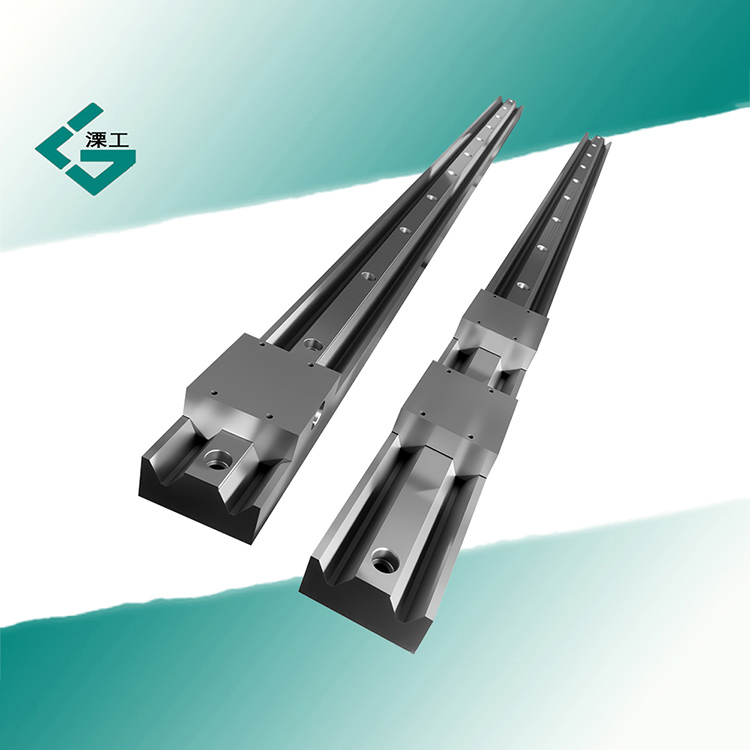
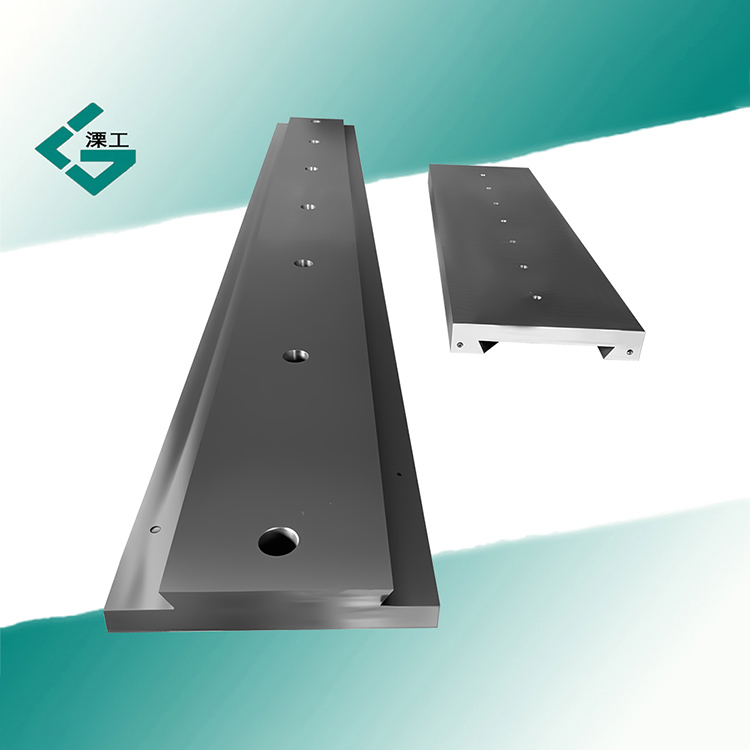
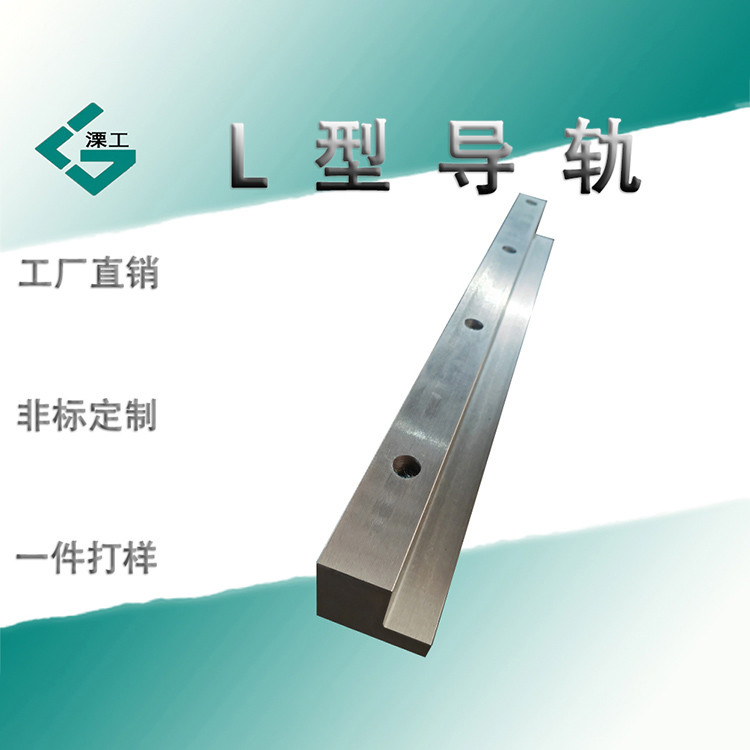


Machine tool guideways are the core guiding components of machine tools, directly determining the processing accuracy, movement stability, and service life of the machine tool. Their function is to guide the movement of the worktable, tool holder, slider, and other moving parts along a predetermined path for linear or rotary motion, while simultaneously bearing cutting forces, workpiece weight, and inertial forces of motion.
Core Categories and Features
The classification of machine tool guideways primarily depends on the friction properties, with different types suitable for various machine tool operating conditions.
Sliding guide rail
Structural Features: Moving parts are in direct contact with bearing components, with the contact surfaces undergoing scraping or fine grinding treatment. Some parts are also lined with wear-resistant plastic strips.
Common Types: Rectangular Sliding Guides, T-slot Sliding Guides, Triangular Sliding Guides.
Core Advantages: Simple structure, low manufacturing cost, high rigidity, good shock resistance, capable of bearing heavy loads.
Applicable Scenes: Standard lathes, milling machines, drilling machines, and other traditional machine tools, as well as heavy-duty machine tools (such as floor-type boring and milling machines).
Rolling Guide Track
Structural Features: Ball bearings and roller elements are added between moving parts and load-bearing components to create rolling friction.
Common Types: Ball Linear Guides, Roller Linear Guides, Crossed Roller Guides.
Core Advantages: Extremely low friction coefficient (only 1/10~1/50 of sliding guide rail), high motion sensitivity, no crawling at low speeds, high positioning accuracy and repeat positioning accuracy, and long service life.
Application Scenario: CNC machine tools, machining centers, precision grinders, coordinate boring machines, and other high-precision equipment.
Static Pressure Guide Rails
Structural Features: Forms a pressure oil film or air film between the guide rail surfaces through an external hydraulic/pneumatic system, allowing the moving parts to be completely separated from the bearing guide components, achieving frictionless movement.
Common Types: Liquid Static Pressure Guides, Gas Static Pressure Guides.
Core Advantages: Friction coefficient approaching zero, extremely high motion precision, wear-free, good shock resistance, and long-term precision retention.
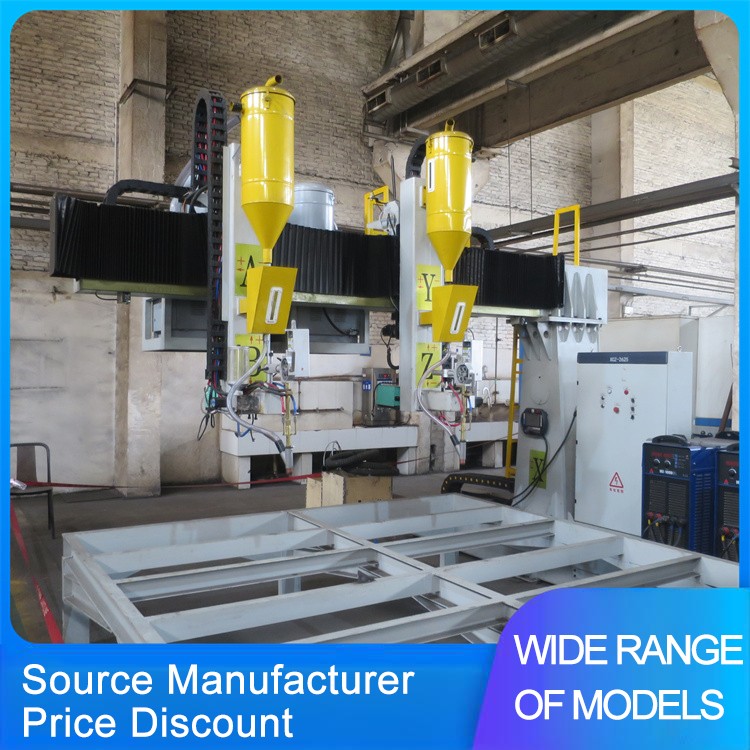
Application Scenes: Ultra-precision machine tools, high-precision coordinate measuring machines, large gantry machining centers, and other high-end equipment.
Key Performance Requirements
Guidance Accuracy: The precision of the guide rail movement trajectory, including geometric accuracies such as straightness, parallelism, and perpendicularity, which directly affects the processing size accuracy of the workpiece.
Stiffness: The ability of the guide rail to resist deformation under load. Insufficient stiffness can lead to vibration during processing, affecting the surface roughness of the workpiece.
Precision Retention: Determined by the wear resistance of the guide rail, closely related to the rail material (such as cast iron, quenched steel, wear-resistant plastic) and surface treatment processes (such as quenching, chrome plating).
Low-speed Stability: Prevents "creep" in moving parts during low-speed feed, ensuring uniformity in processing. Maintenance and Care Points
Lubrication: Regularly add track oil to sliding guides, apply special grease to rolling guides, and ensure the stability of the hydraulic/gas pressure system for hydrostatic guides.
Cleaning: Install protective covers (such as steel plate covers, accordion covers) to prevent iron shavings and coolant from entering the guide rail assembly; regularly wipe away impurities from the guide rail surface.
Adjustment: Adjust the gap through the sliding guide rails by using shims, check the pre-tension on the rolling guide rails to ensure it is appropriate, to avoid excessive or insufficient gaps affecting accuracy.