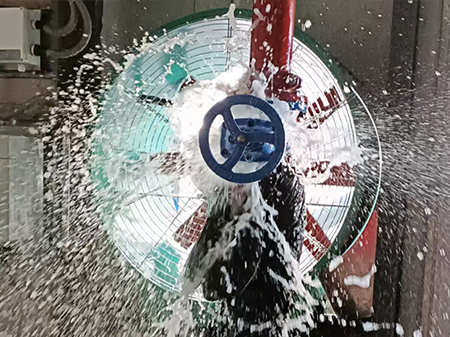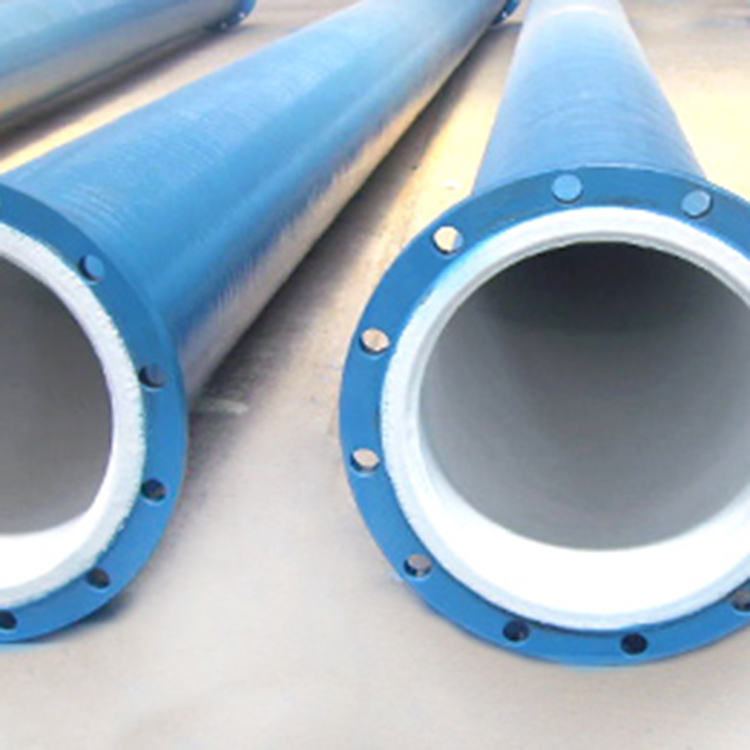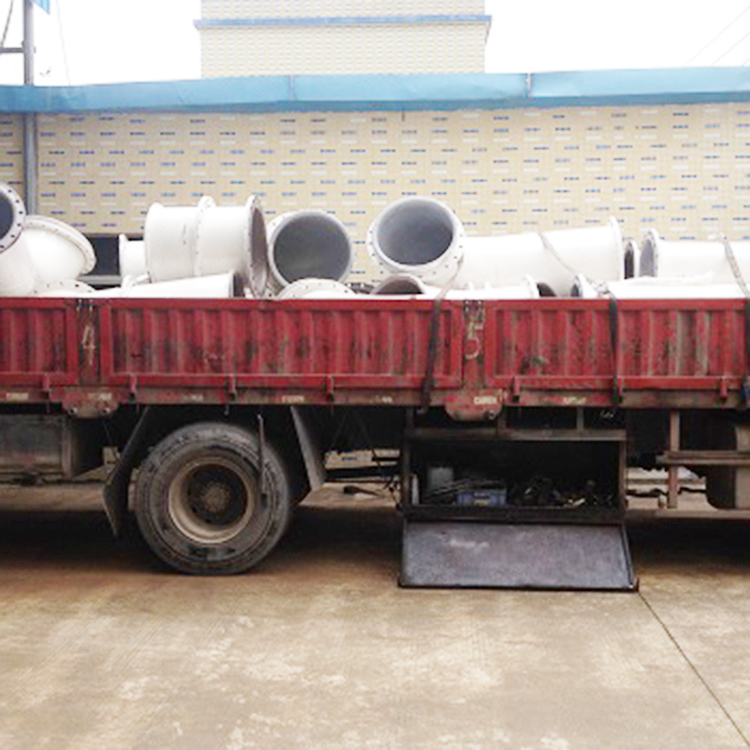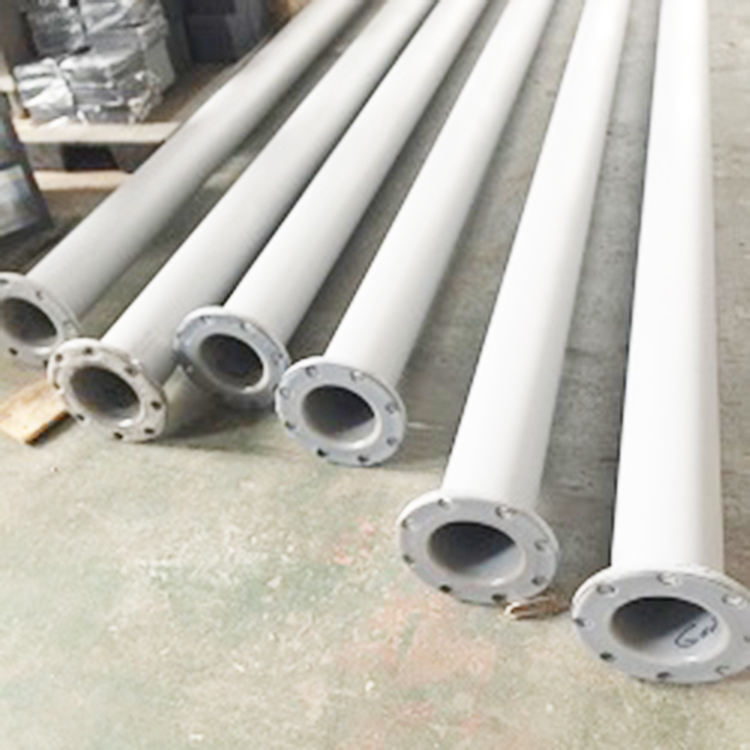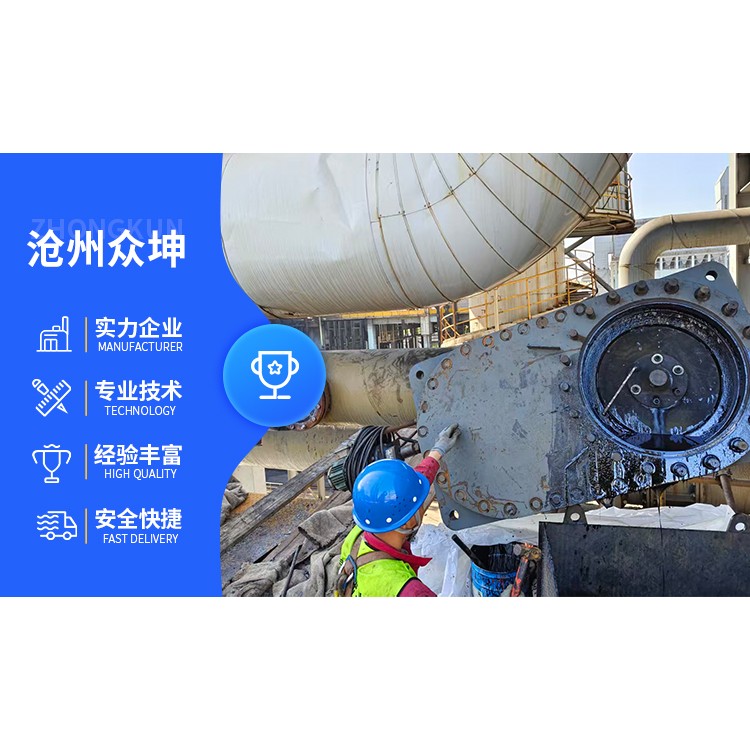

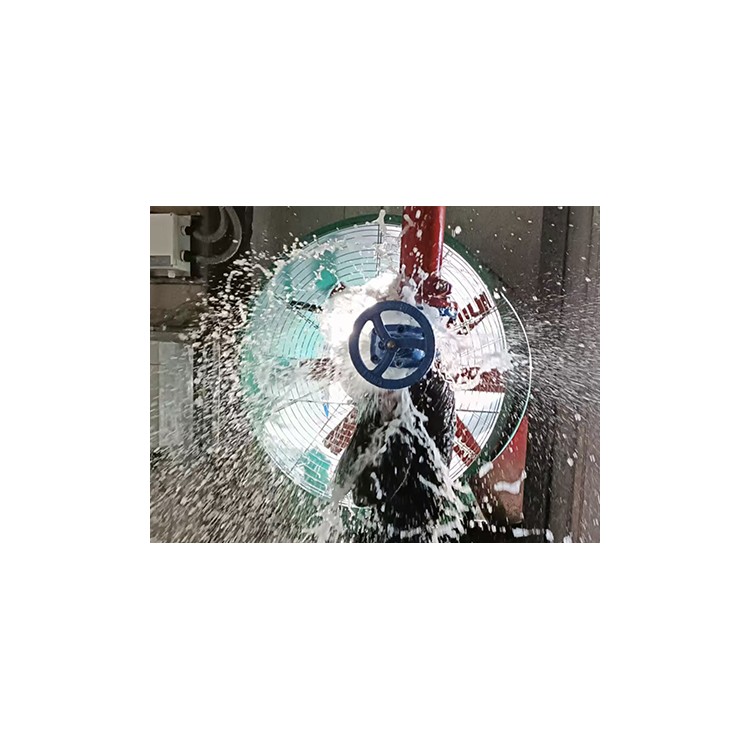

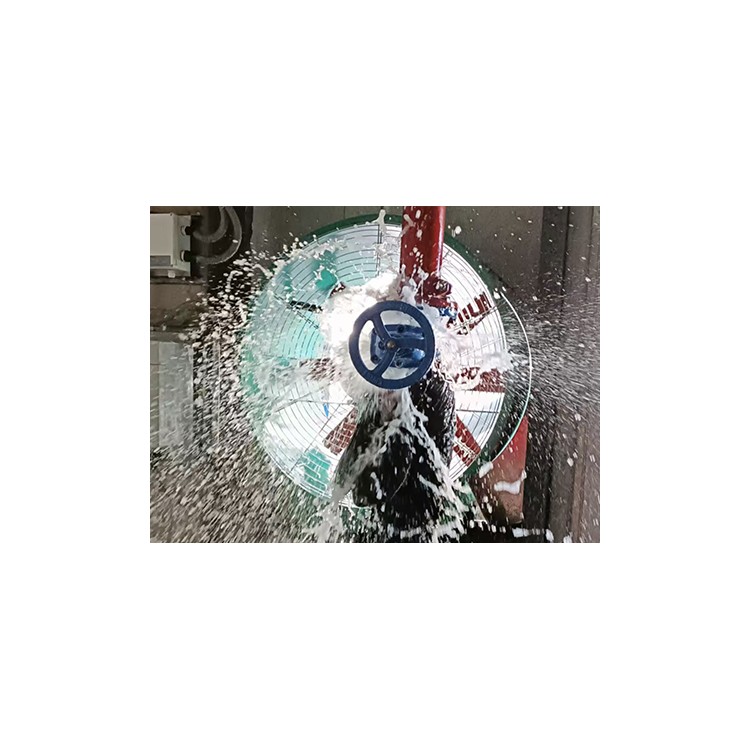


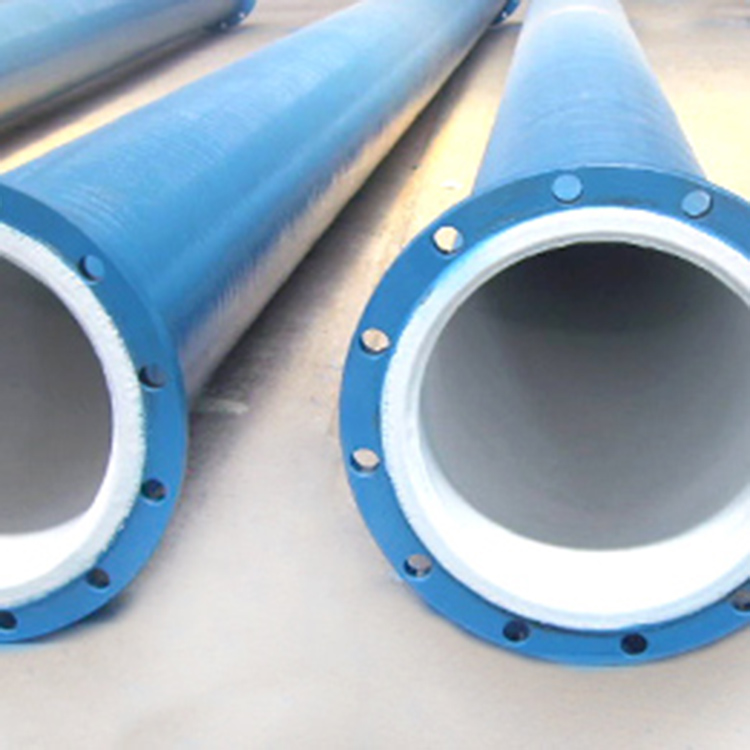
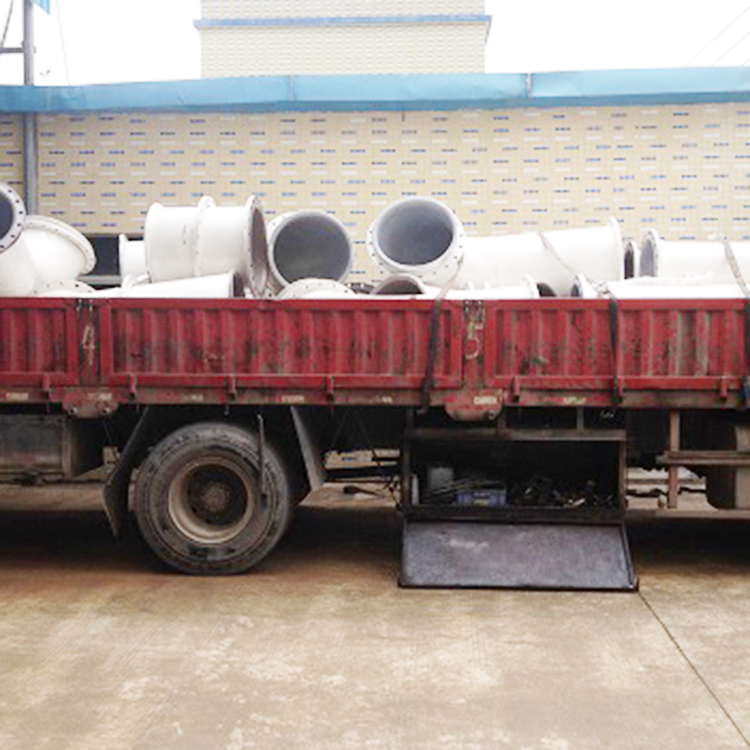
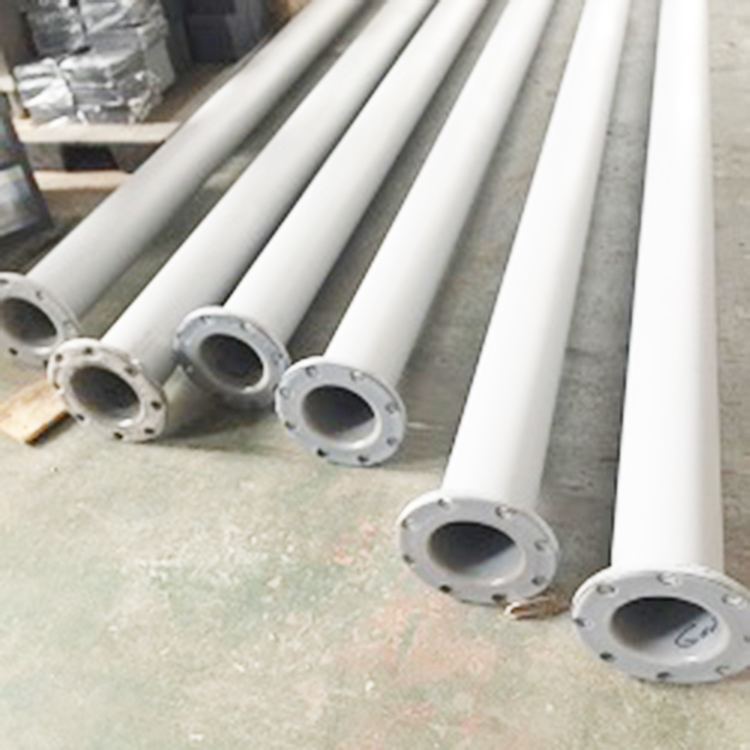





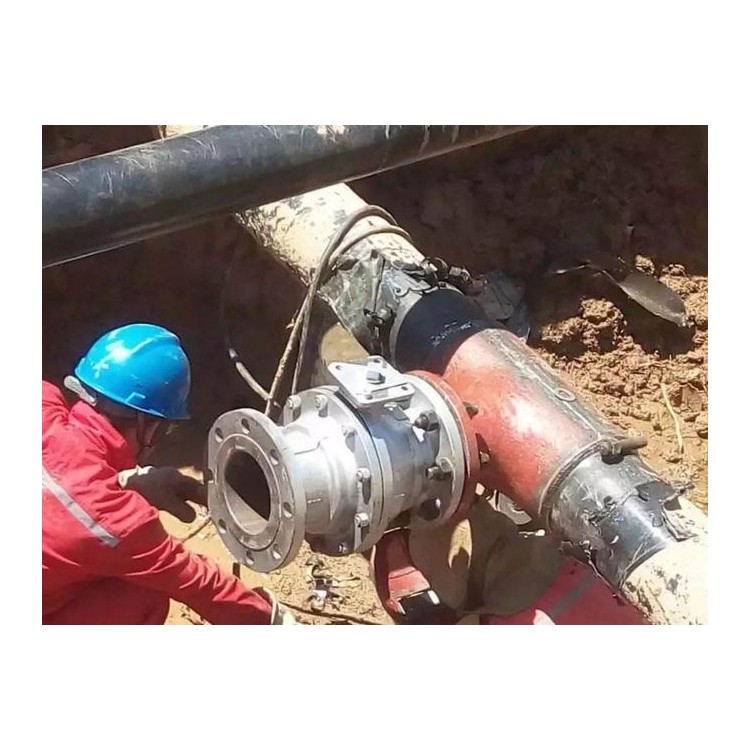
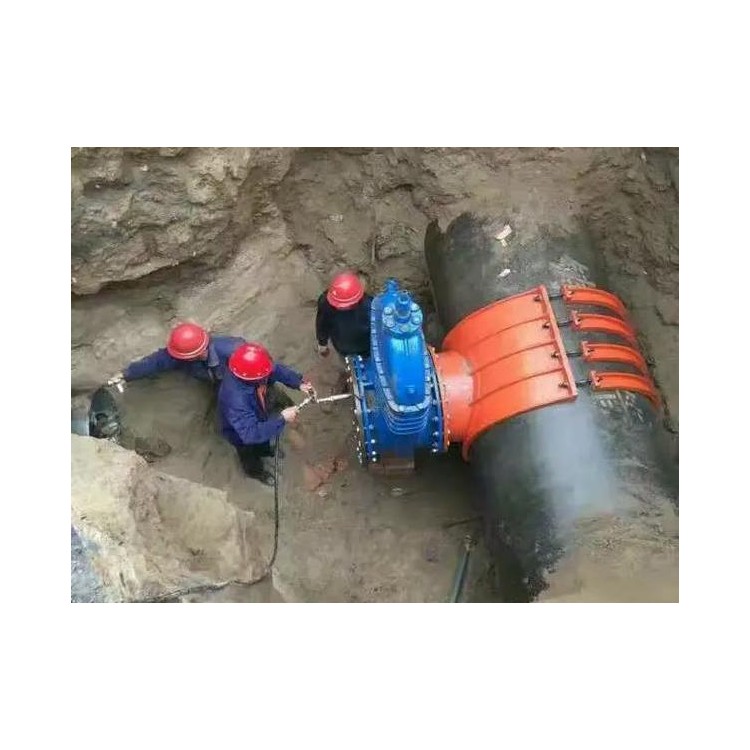
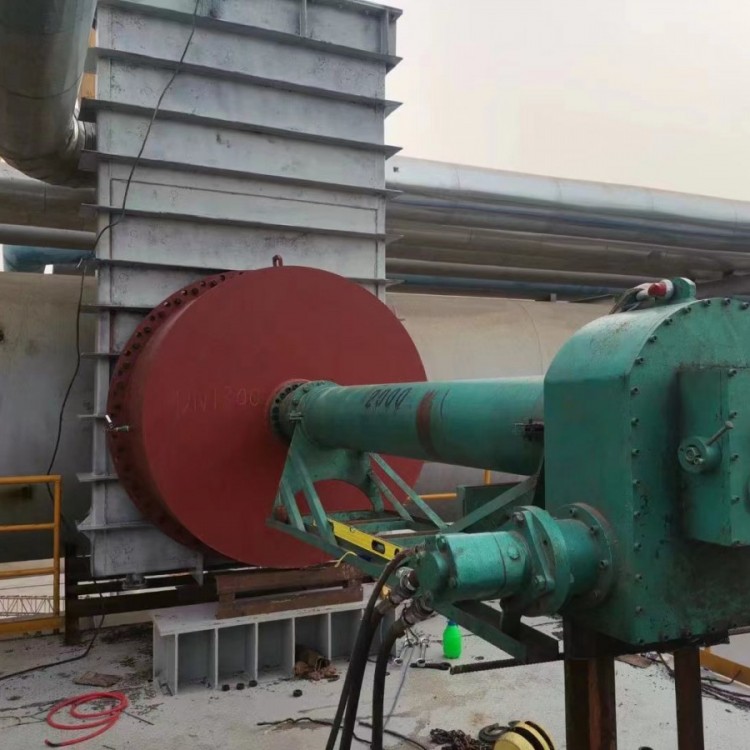
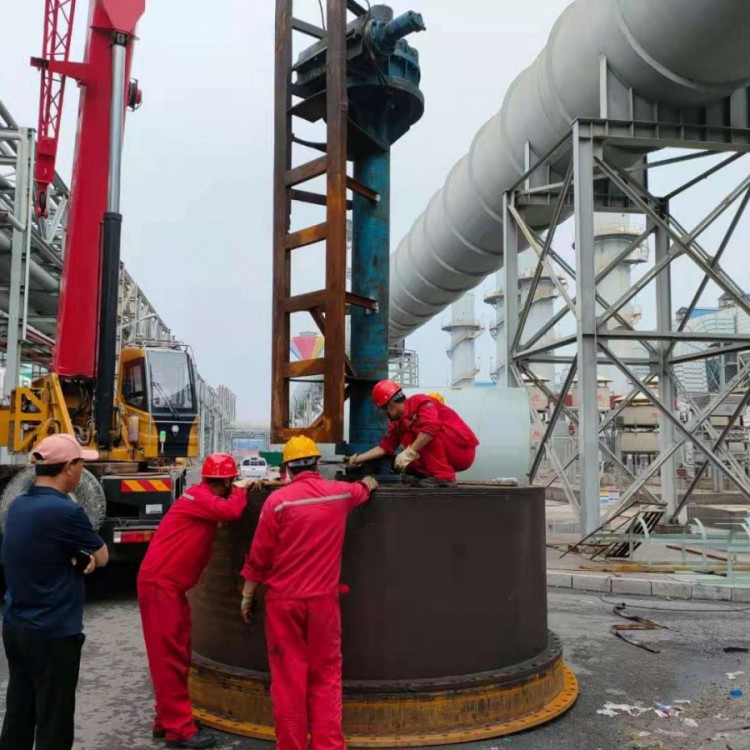
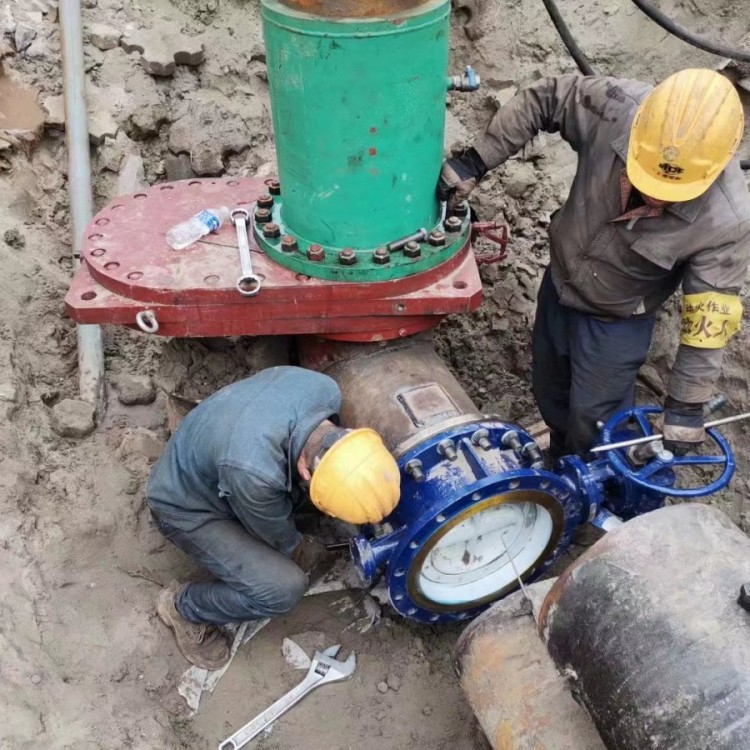
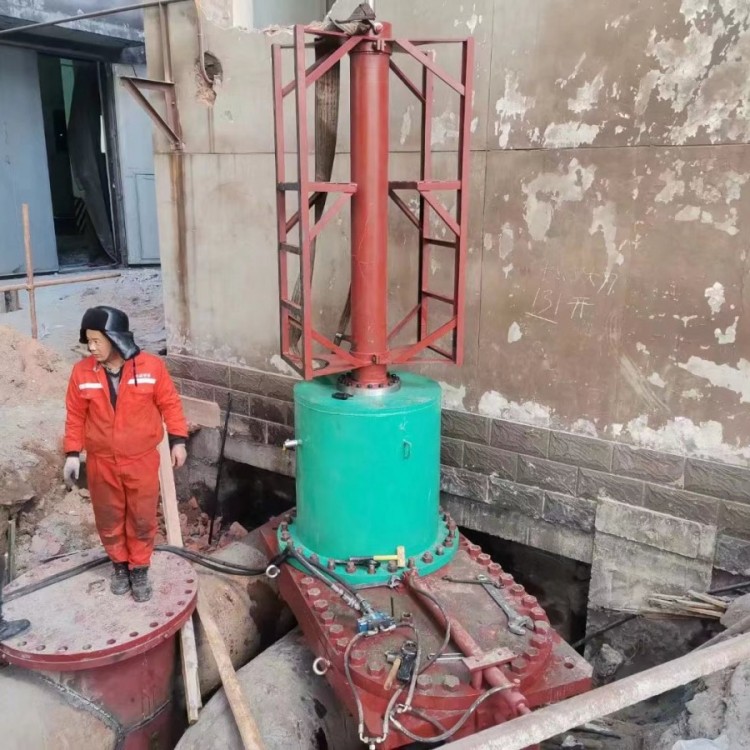
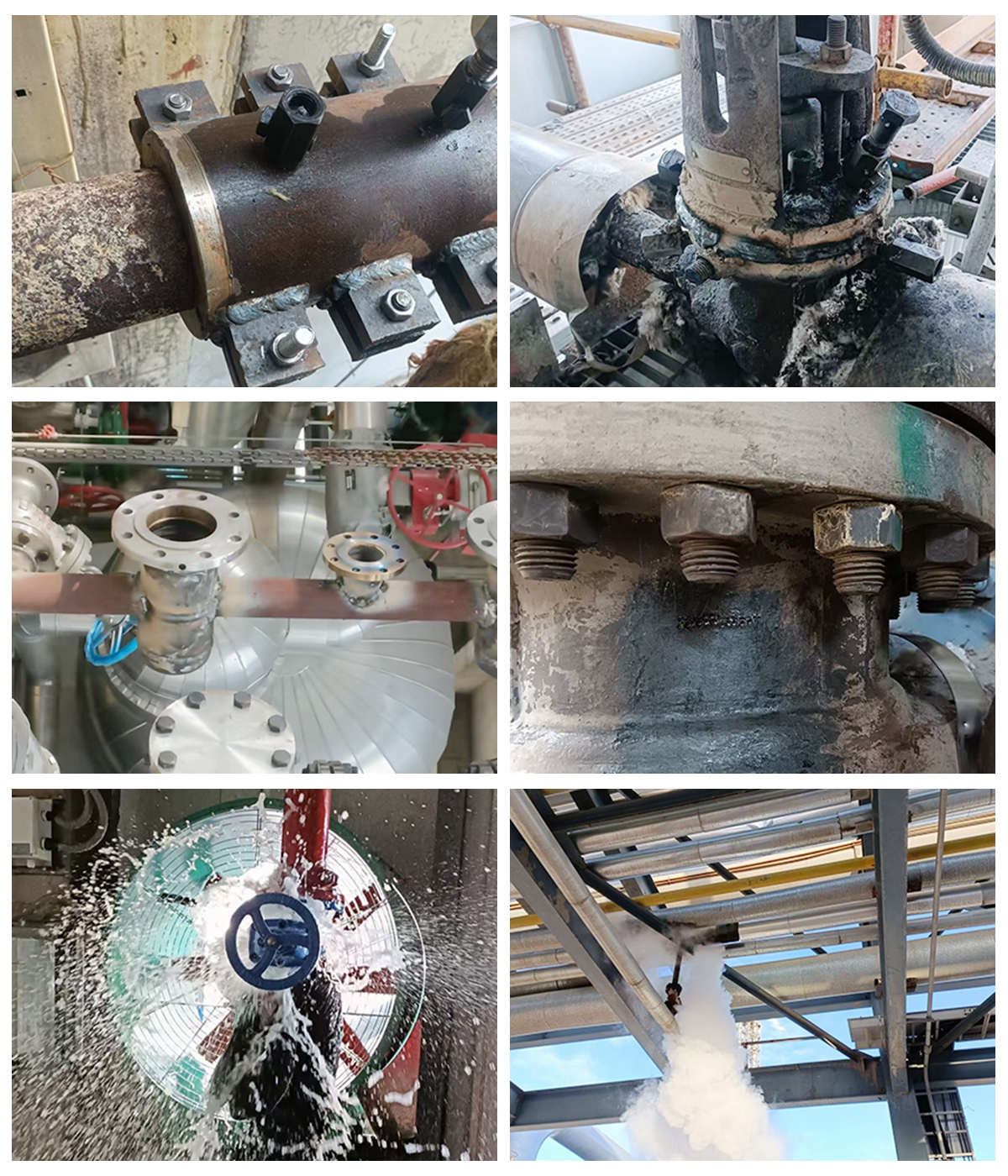
 Pressure Sealing is a technique for quickly sealing leak points on equipment or pipelines without stopping operation or releasing pressure, with the core principle being to isolate the medium through sealing materials or mechanical structures.
Core Principle
Establish a temporary sealed cavity using specialized tools, inject the sealant into the cavity, fill the leakage gap, and cure it.
Using mechanical clamping force, the sealing material is made to fit tightly against the leakage surface, forming a reliable sealing layer.
Applicable Scenarios
Industrial pipeline and pressure vessel gas and liquid leaks, including water, oil, steam, and chemical media.
Critical equipment that cannot be shut down for pressure relief, such as power plants, chemical factories, and oil refineries' operational systems.
Common Methods
Mechanical leak sealing method: Directly compresses sealing components using clamps, bands, and other mechanical devices, suitable for leaks in flange and pipeline welds.
Sealant leak sealing method: Injects a high polymer sealant to form a cured sealing layer at the leak point, suitable for complex leak shapes.
Welding Plug Method: For metal materials, a special welding technique is used to directly seal the leak, requiring professional operation.