







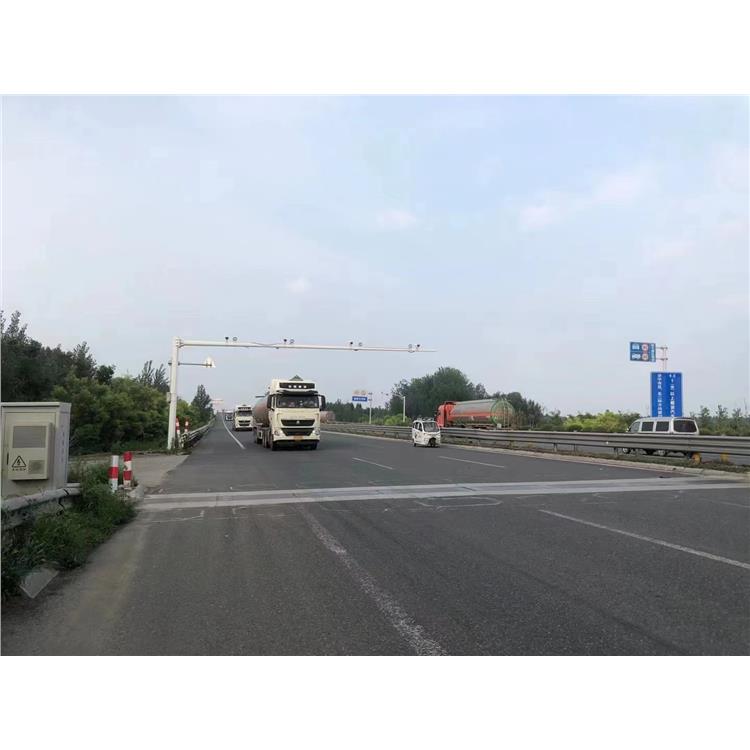
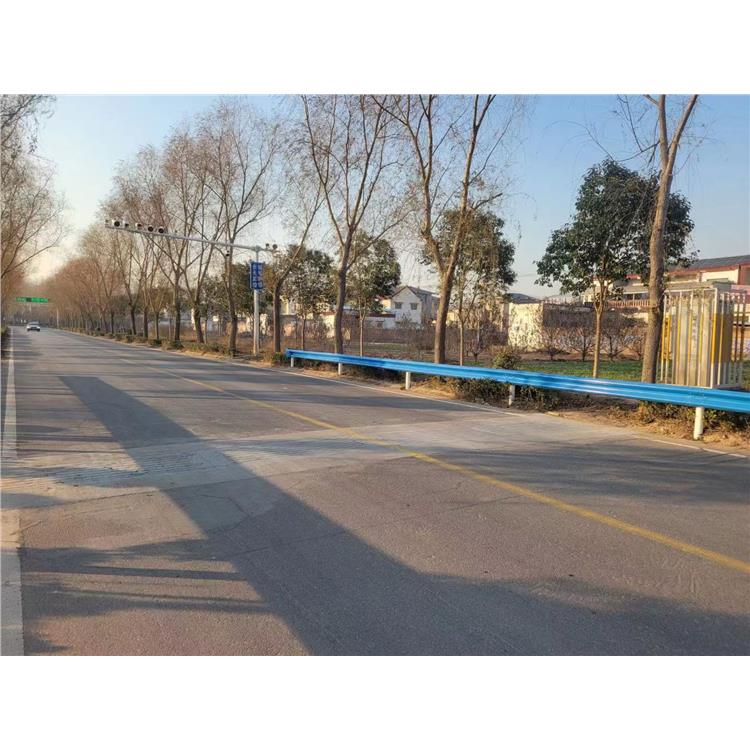
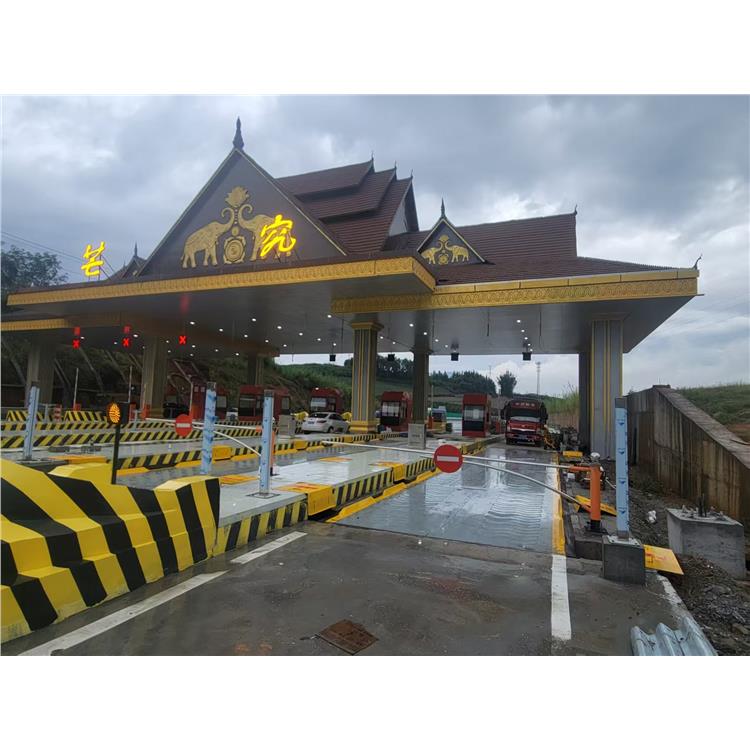
High-speed toll station dynamic weighing equipment's domestic technology and self-controllable advantages
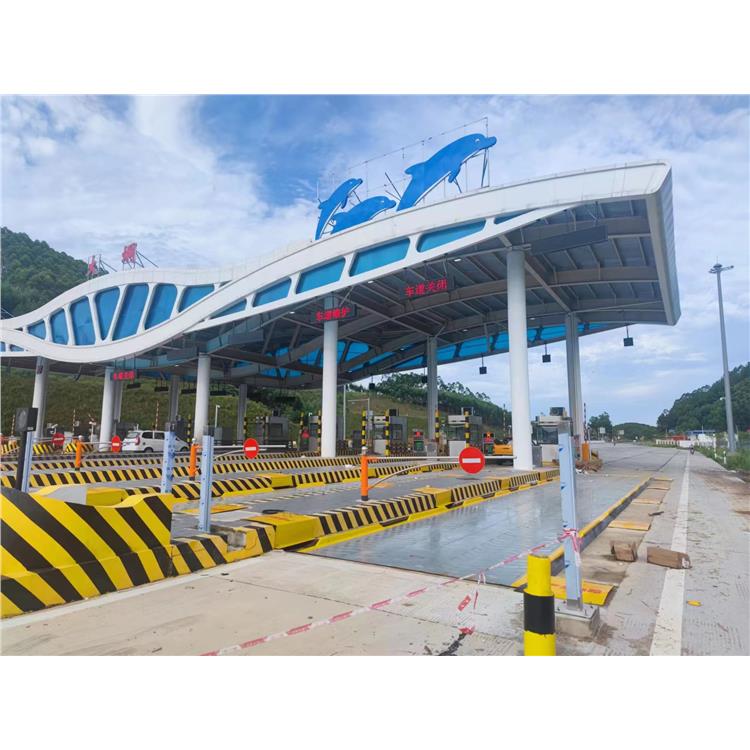
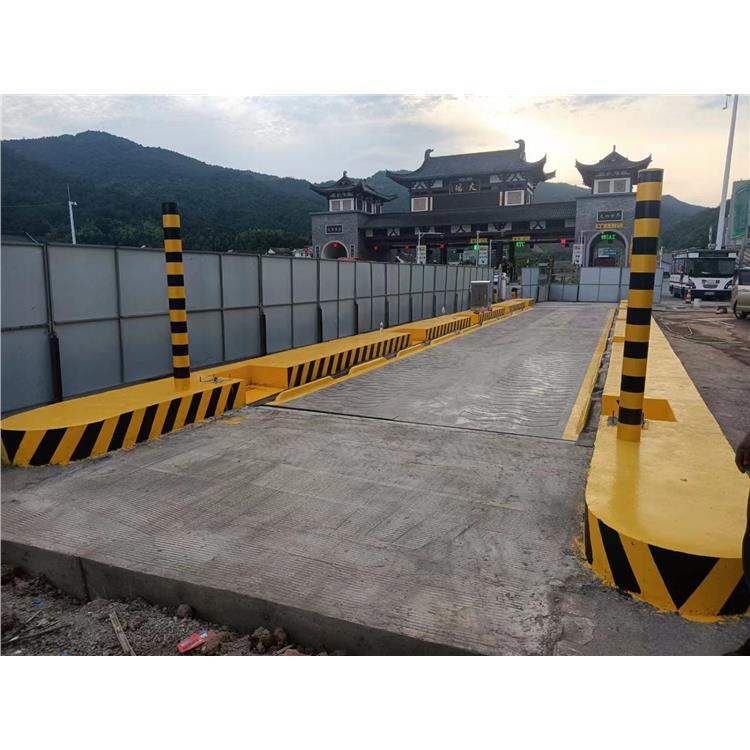
The current high-speed toll station dynamic weighing equipment has achieved core technology localization with independent control advantages. The sensors, core controllers, and algorithm models of the equipment are all developed and produced domestically, freeing us from dependence on foreign technology. The core algorithms, such as dynamic error correction algorithms and vehicle identification algorithms, possess independent intellectual property rights. They can be flexibly optimized according to the characteristics of domestic highway freight transportation and toll station operational needs. Localized technology not only reduces equipment procurement costs (30%-50% lower than imported equipment) but also shortens the response time for after-sales service. Domestic maintenance teams can arrive on-site to address issues within 24 hours, whereas the after-sales response cycle for imported equipment is typically over 72 hours. Additionally, localized equipment aligns more closely with domestic overweight policies and technical standards, ensuring seamless compatibility with data interfaces, communication protocols, and domestic overweight platforms, facilitating nationwide equipment networking and data sharing.
High-speed toll station dynamic weighing equipment for the detection and compatibility with special vehicles at toll stations
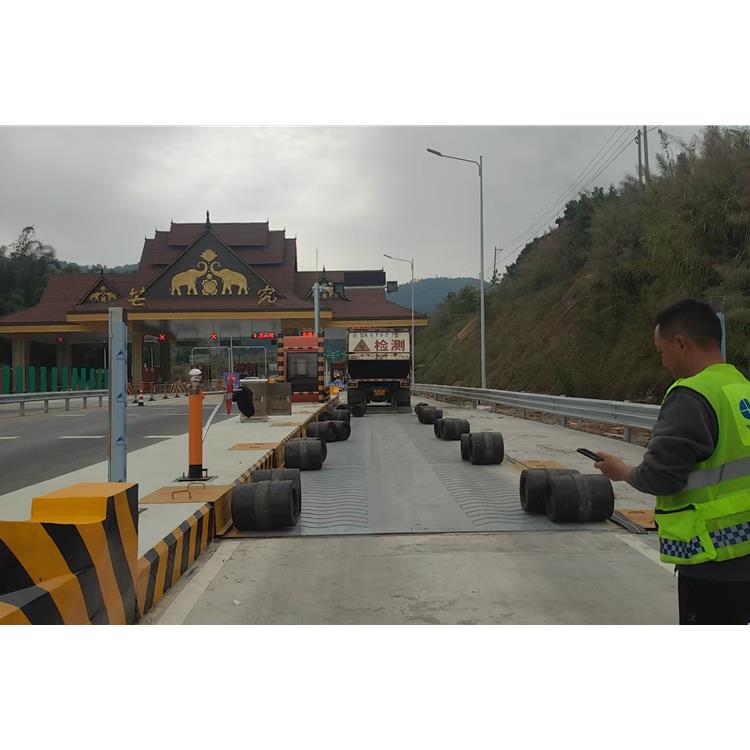
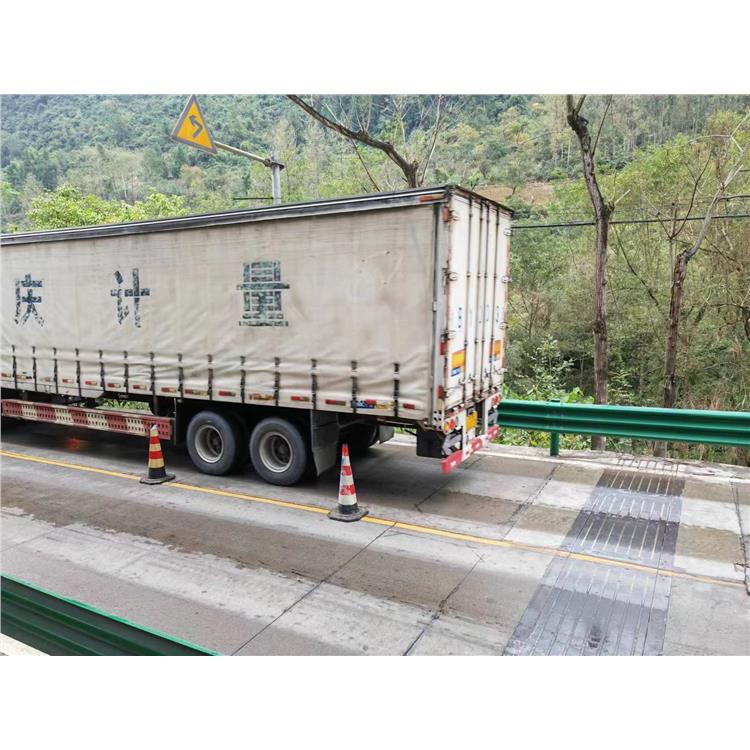
High-speed toll station dynamic weighing equipment is specially adapted for vehicles with special configurations (such as heavy goods transport vehicles, lowboy semi-trailers). For heavy goods transport vehicles, the equipment measures the vehicle's length, width, and height using a laser contour scanner, and combines multi-sensor splicing technology to achieve full-axle detection for extra-long vehicles, preventing missed inspections due to the vehicle's excessive length. Additionally, the equipment pre-loads the approval information for heavy goods transport vehicles, automatically retrieving and comparing the approved weight and axle type data when an approved vehicle passes through, allowing for quick clearance if it meets the requirements. For lowboy semi-trailers, the equipment optimizes the sensor trigger mechanism, adjusting the sensor sensitivity to cater to their narrow tire spacing and low body design, ensuring tire pressure signals are captured to avoid weighing errors due to the unique vehicle structure, meeting the detection needs for special vehicles.
The role of high-speed toll station dynamic weighing equipment in toll station safety management
Dynamic weighing equipment plays a role in the safety management at high-speed toll stations. By analyzing weight data, the equipment can identify high-risk vehicles that are "overweight but not exceeding the limit" (such as those weighing close to the threshold limit), which have longer braking distances and more challenging handling during travel. The equipment tags these vehicles as "high-risk" and pushes the information to the toll station safety management terminal, alerting staff to monitor their passage. Additionally, the equipment's video surveillance function can monitor vehicles in real-time for illegal behaviors like going against the flow, reversing, or occupying the emergency lane, triggering an immediate audio-visual alarm upon detection to prompt drivers to correct their actions. Moreover, the equipment's data is interconnected with the toll station's fire and emergency systems. In the event of an accident, the equipment's video can quickly reconstruct the accident scene, providing a reference for accident handling and enhancing the toll station's safety management level.
Dynamic weighing equipment at high-speed toll stations for subsequent processing of overweight vehicles at toll exit gates
When the expressway toll gate exit detects overloaded vehicles, the dynamic weighing equipment is deeply integrated with the subsequent toll gate processing procedures. The equipment first sends the overloaded vehicle information (including weight and overload ratio) to the exit toll booth terminal, where the cashier informs the driver of the overload situation and guides the vehicle to the temporary overload area within the toll gate. At the same time, the equipment联动s the weighing equipment in the overload area, allowing drivers to have their vehicles re-weighed. If the re-weighing still shows overload, the system automatically generates a "Overloaded Vehicle Processing Notice" and sends it to the local traffic law enforcement department, where enforcement officers can conduct follow-up penalties and unloading based on the notice. Additionally, the overload data recorded by the equipment will be included in the credit evaluation system of the vehicle's parent company, implementing penalties such as industry-wide notifications and restricted access for companies with repeated overloads, forming a complete control chain of "detection - guidance - handling - punishment."
WeChat Official Account

Scan to follow Official Account