







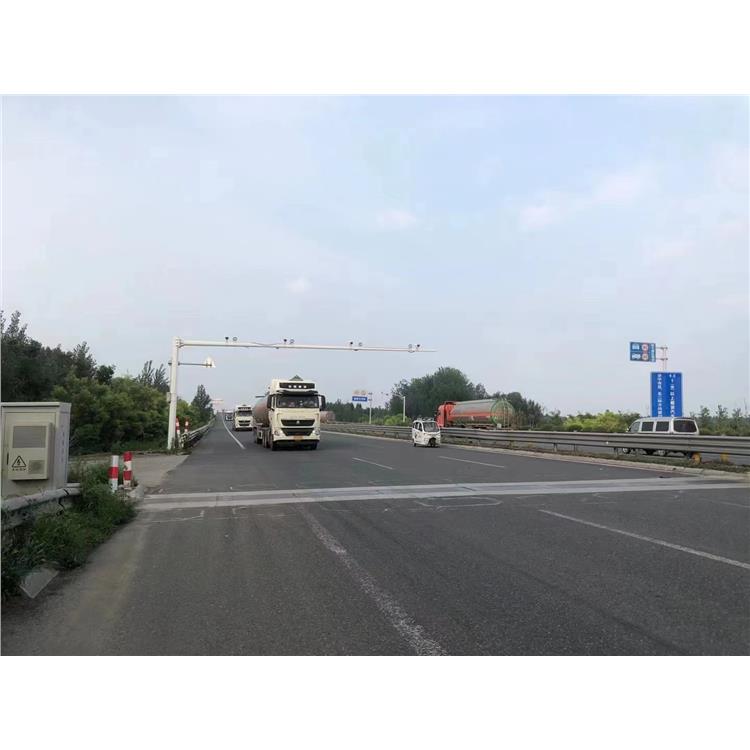
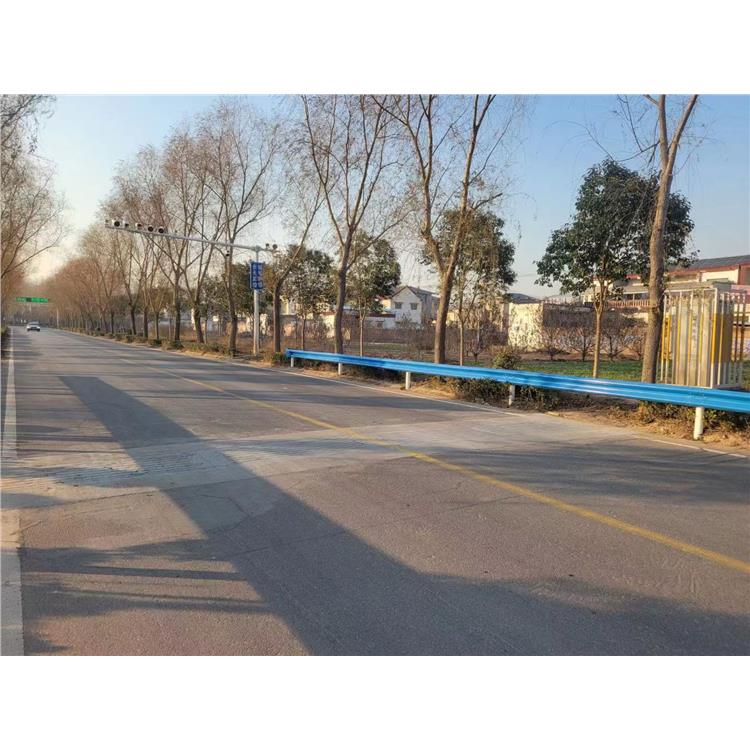
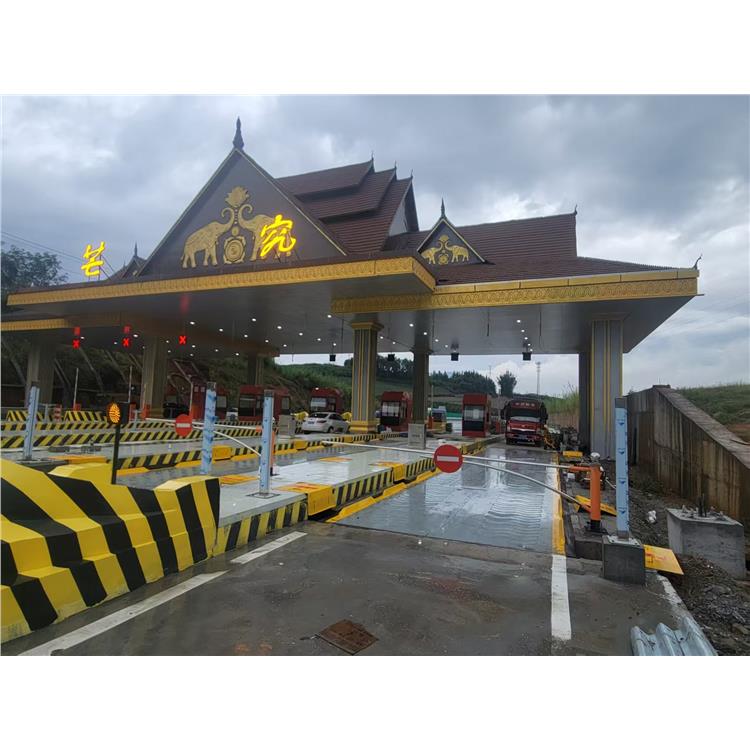
Dynamic weighing equipment calibration mechanism and accuracy guarantee for high-speed toll stations
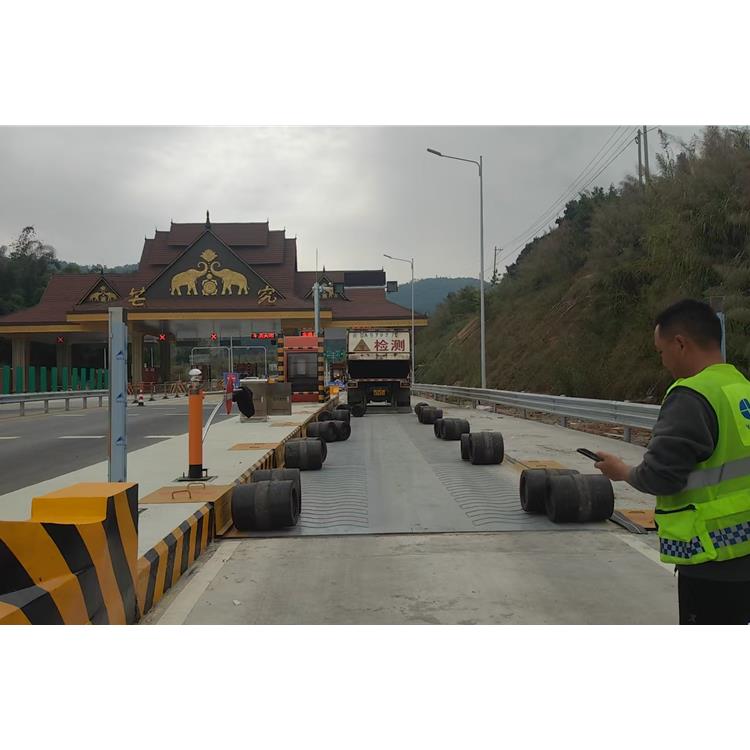
To ensure long-term weighing accuracy, the dynamic weighing equipment at high-speed toll stations has an established calibration mechanism. The equipment undergoes a static calibration automatically once a month, correcting errors by comparing the built-in standard weight parameters with actual detection data. Every quarter, technicians perform dynamic calibrations using a standard calibration vehicle (with known weight and certified by the metrology department), driving through the detection area at various speeds to collect multiple sets of data, adjust algorithm parameters, and maintain weighing accuracy within 1.5%. Additionally, the device supports remote calibration functionality. When the provincial overweight management platform detects significant data discrepancies in a toll station's equipment, it can remotely issue calibration instructions, automatically initiating the calibration process to reduce on-site calibration labor and time costs. Calibration data is automatically stored and uploaded to the metrology management department, meeting metrological certification requirements and ensuring the legitimacy and effectiveness of the equipment's detection results.
Modular design and upgrade convenience for high-speed toll station dynamic weighing equipment
The high-speed toll station dynamic weighing equipment features a modular design, significantly enhancing the ease of upgrades and maintenance. The core components (such as sensors, cameras, and data collectors) are all independent modules, interconnected via standardized interfaces. When an upgrade is needed, there's no need to replace the entire set of equipment; simply swap out the corresponding module. For instance, to improve license plate recognition accuracy, replace the high-definition camera module; to expand detection capabilities, add a laser module. The modular design also simplifies repairs. In case of a module failure, maintenance personnel can quickly disassemble and replace it without tools, reducing the repair time from the traditional 4 hours to under 1 hour. Moreover, the strong compatibility of the modules allows for interchanges between modules from different manufacturers, reducing equipment upgrade costs and extending the overall lifespan of the equipment.
Optimized Design for Handling Toll Plaza Traffic Peaks
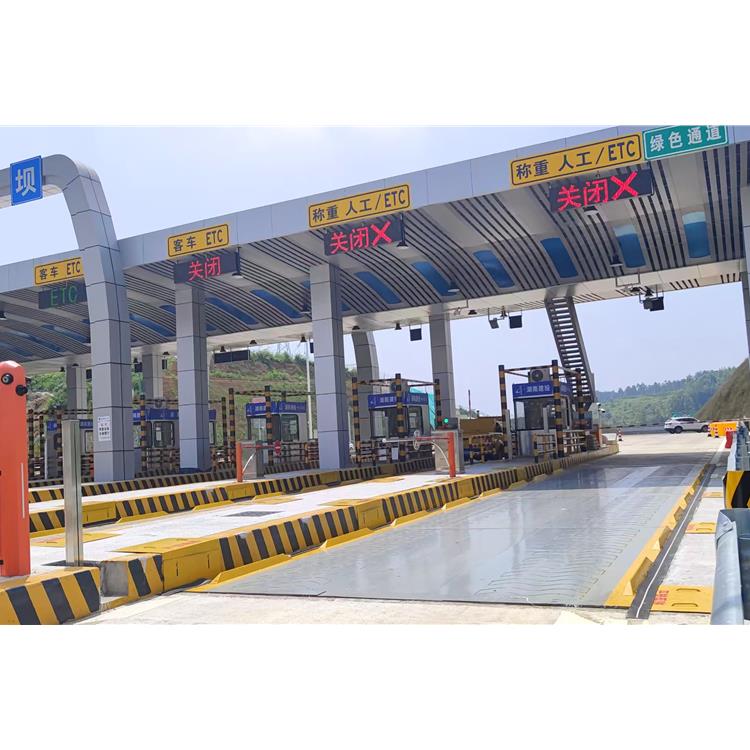
For scenarios of increased traffic during morning and evening rush hours, as well as holidays, dynamic weighing equipment undergoes specialized optimization from hardware to software. On the hardware side, multiple sensors are arranged in parallel, dividing the detection area into 2-3 vertical detection units, enabling simultaneous detection across multiple lanes. Each lane can process 300-400 vehicles per hour, a 50% increase in processing efficiency over traditional equipment. At the software level, a traffic adaptive algorithm is installed; when traffic density exceeds the threshold, the process of unnecessary data handling is automatically simplified, prioritizing weight calculation and data upload. The complete analysis function resumes once the traffic subsides. Additionally, the device features an internal caching module that can temporarily store over 1000 detection data entries during peak hours, preventing data loss due to network congestion. This ensures smooth weighing and no data omission during peak periods.
Dynamic weigh-in-motion equipment at high-speed toll stations for联动 subsequent processing of overweight vehicles at toll booths.
When an over-dimensional vehicle is detected at the exit of a high-speed toll station, the dynamic weighing equipment is deeply integrated with the subsequent processing procedures. The equipment first pushes the over-dimensional vehicle information (including weight and over-dimensional ratio) to the terminal at the exit toll booth, where the cashier informs the driver of the over-limit situation and guides the vehicle to the temporary over-dimensional area within the toll station. At the same time, the equipment links up with the weighbridge equipment in the over-dimensional area, allowing drivers to have their vehicles re-weighed. If the re-weighing still results in over-limit, the system automatically generates a "Notice of Over-dimensional Vehicle Handling" and sends it to the local traffic enforcement department, where officials can initiate subsequent penalties and unloading procedures. Additionally, the over-dimensional data recorded by the equipment will be included in the credit evaluation system of the vehicle's affiliated company. Enterprises with repeated over-dimensional violations will face industry-wide announcements, access restrictions, and other disciplinary measures, forming a complete control chain of "inspection - guidance - handling - punishment."
WeChat Official Account

Scan to follow Official Account