










I. Introduction:
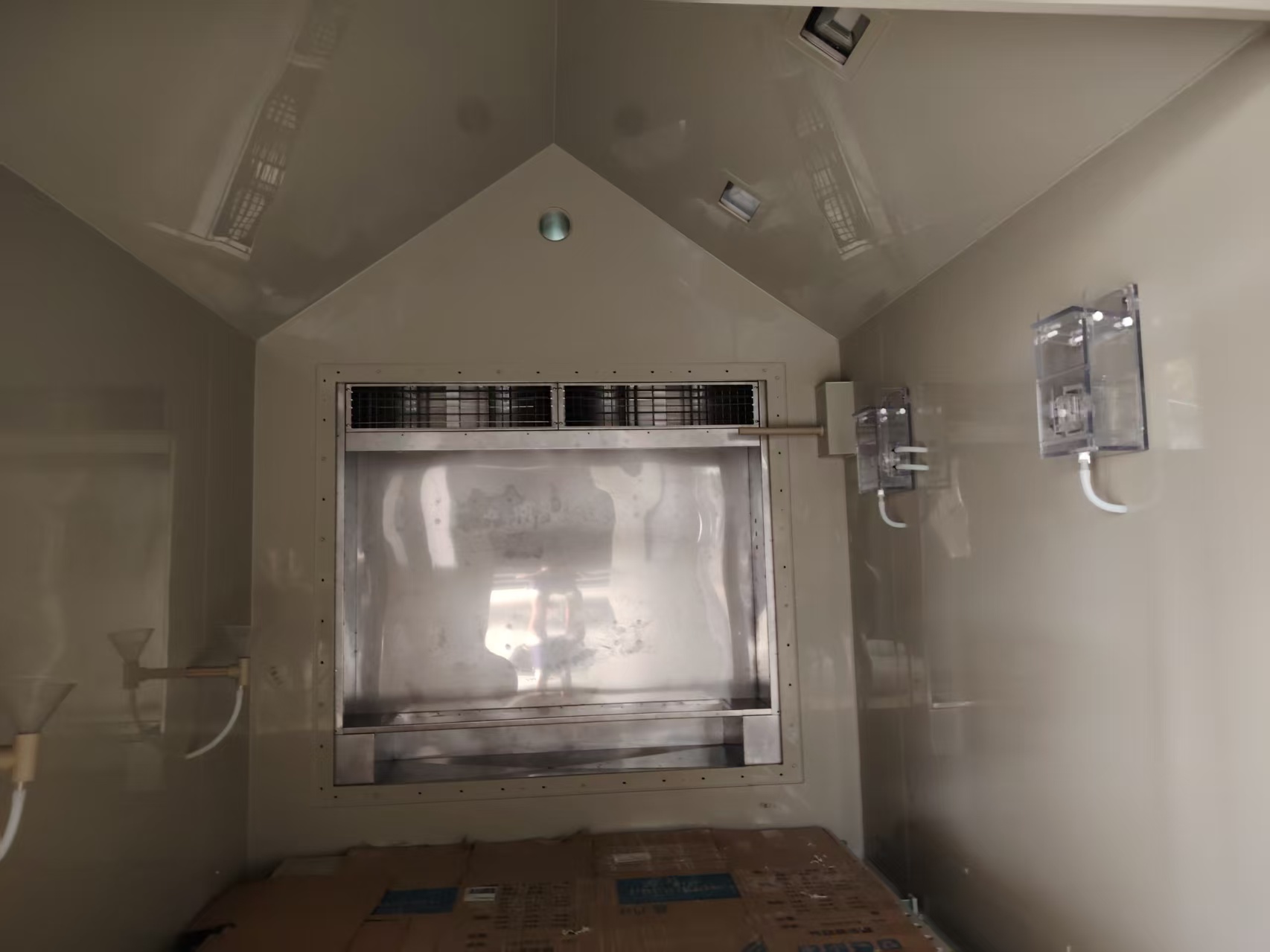
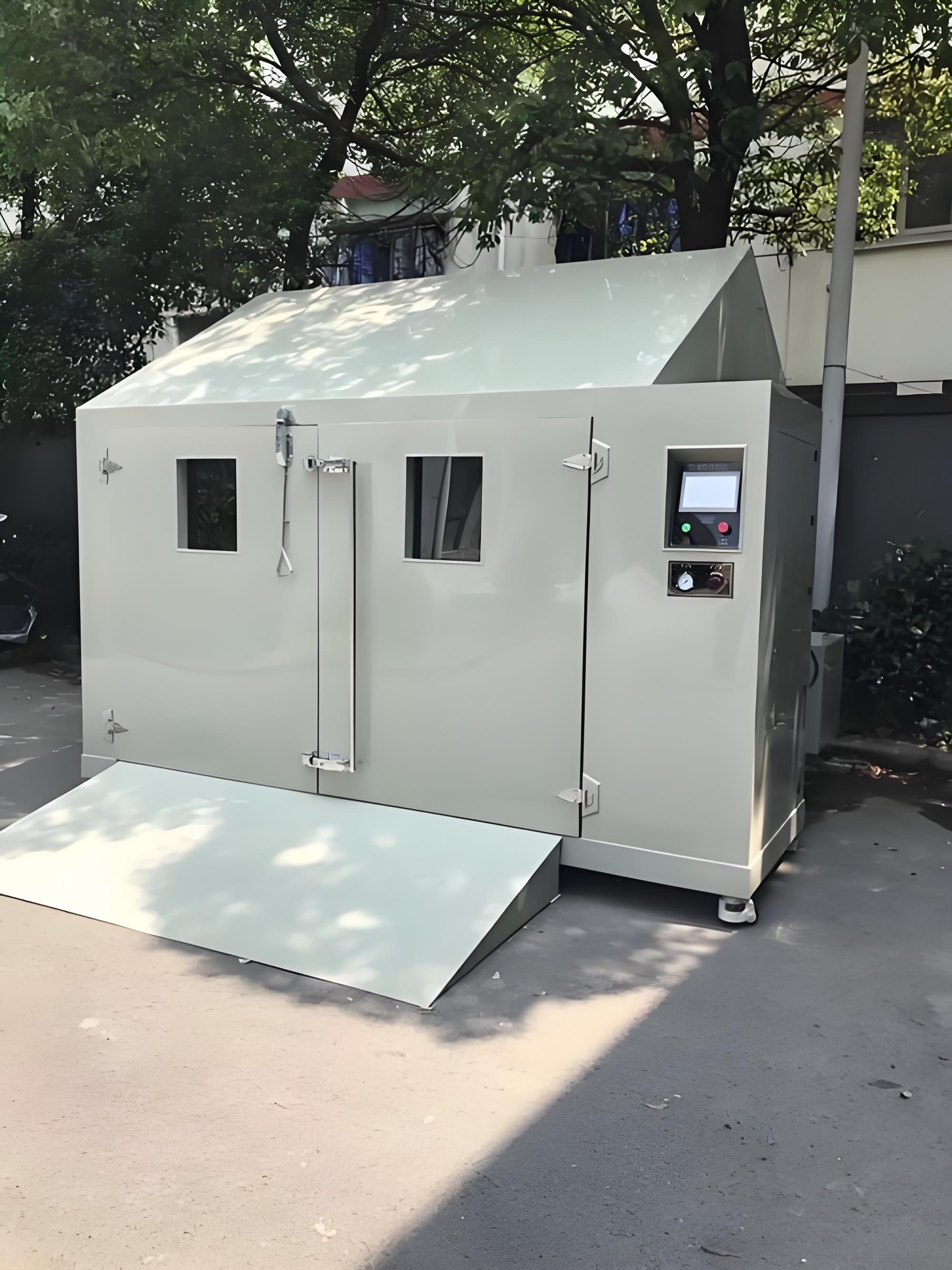
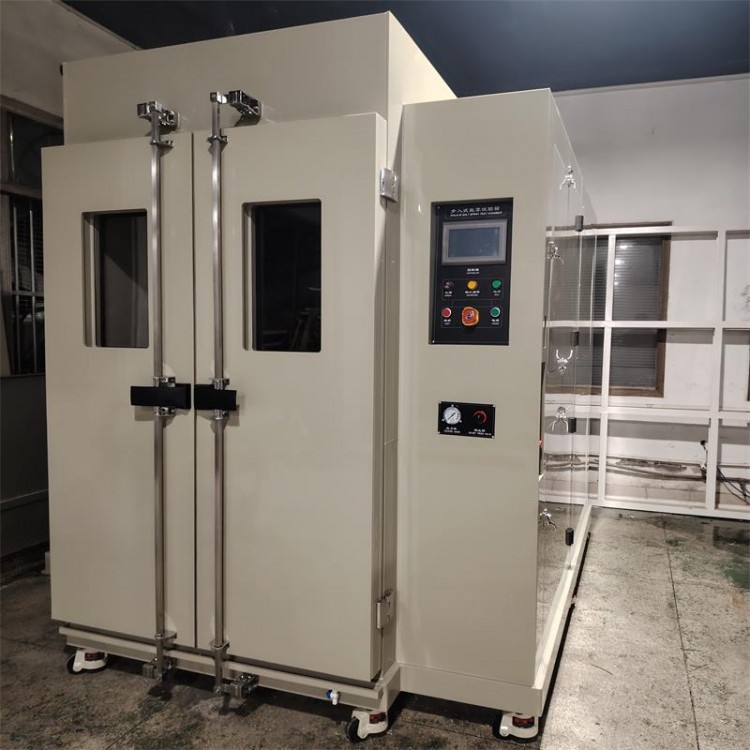
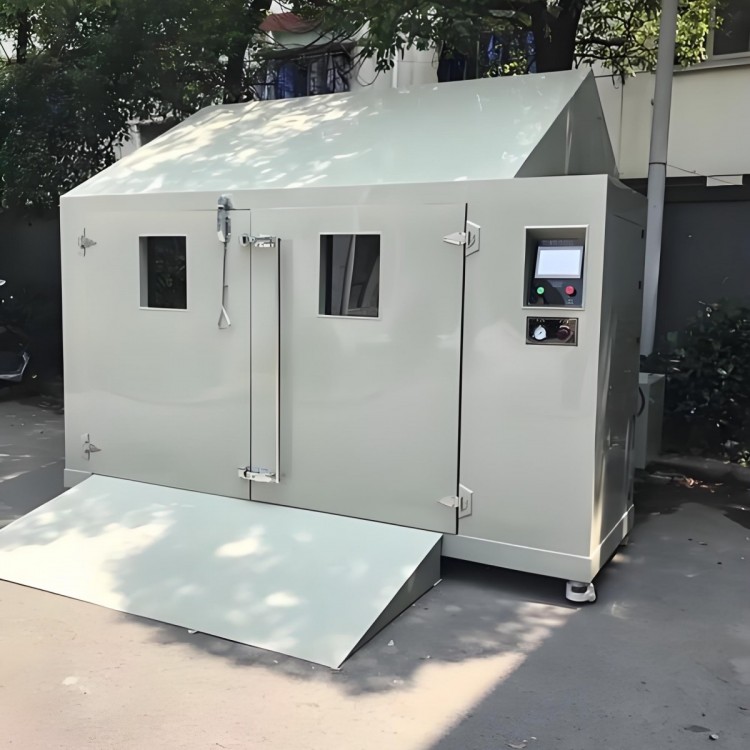
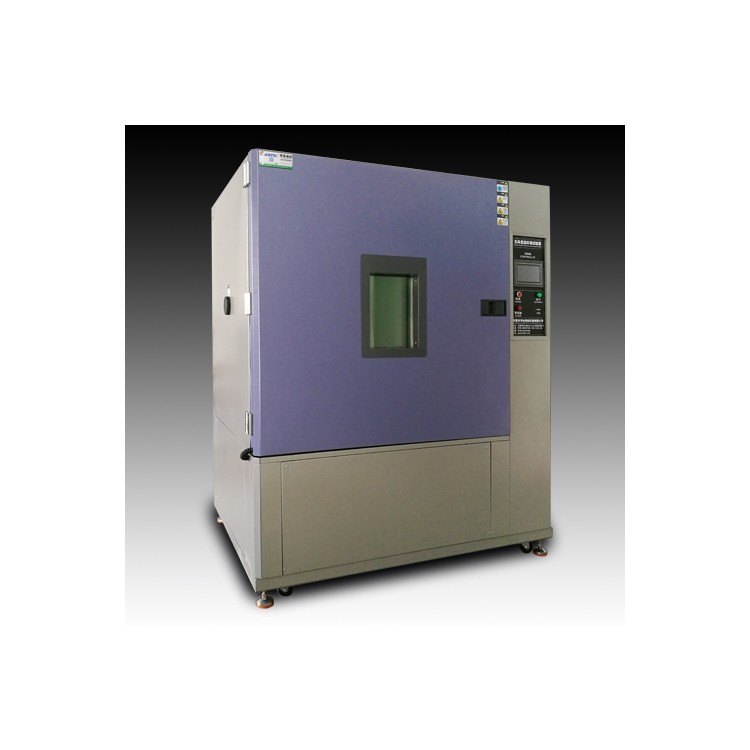
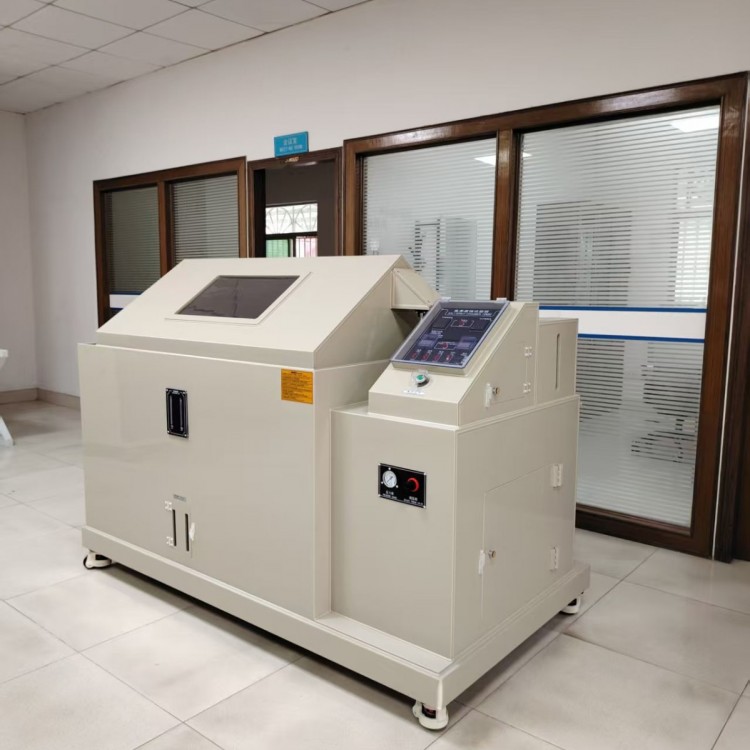
Corrosion tests in simulated artificial environments, a method for comparing the quality of metal materials with or without corrosion protection; suitable for rapid analysis of discontinuities, pores, and damage phenomena in organic and inorganic coatings. Used for salt spray corrosion testing on large products such as antennas, outdoor LEDs, photovoltaic components, and vehicles. Additionally, it allows for comparisons between samples coated with the same paint for quality control purposes. Salt spray testing is particularly suitable for detecting discontinuities in certain metals, organic, anodized, and conversion coatings, such as small holes and other defects.
II. Parameters:


Section 3: Execution Standards:
█Equipment Manufacturing and Performance Standards
These standards ensure that walk-in salt spray test chambers produced by different manufacturers meet a unified quality and performance benchmark, guaranteeing the reliability and reproducibility of test results.
1Chinese National Standard
· GB/T 10587-2006"Salt雾 Test Chamber Technical Specifications"
· This is the most core national standard in China for salt spray test chambers (including walk-in models). It specifies in detail the operating conditions, technical requirements, testing methods, inspection rules, as well as marking, packaging, and storage of the test chambers. It is an essential standard that domestic equipment must refer to and comply with.
2IEC Standard
· IEC 60068-2-11TestingKaSalt雾
Although this is primarily a testing method standard, it has clear requirements for the structure of the testing equipment, salt solution, and conditions inside the box, thus indirectly becoming a specification that equipment manufacturers need to follow.
3Other Reference Standards
· Equipment typically needs to comply with general standards for environmental testing of electrical and electronic products, such as...GB/T 10592-2008"Technical Conditions for High and Low Temperature Test Chambers" andGB/T 11158-2006Safety and structural requirements in "Technical Conditions for High-Temperature Test Chambers," as walk-in salt spray chambers often integrate temperature and humidity control functions.
█Standard Test Methods Conducted Inside the Box
This is the most concerning part for users, i.e., "What standard should my products be tested against?" The Walk-in Salt Spray Test Chamber meets the requirements of various testing methods by providing a stable environment.
Basic Salt Spray Test Standard
1Neutral Salt Spray Test
This is the most widely used and traditional method for corrosion testing.
· International Standards:
· ISO 9227:2017"Artificial Atmosphere Corrosion Test - Salt Spray Test"
· This is the most authoritative and universally accepted salt spray test standard internationally, which specifies in detailNSSNeutral Salt SprayAASS(Vinyl acetate mist) andCASSThree testing methods for copper acetate mist.
· China National Standard:
· GB/T 10125-2021"Artificial Atmosphere Corrosion Test - Salt Spray Test"
· This standard is equivalent in adoptionISO 9227:2017It is the latest and authoritative standard in China that aligns with international practices.
· American Standards:
· ASTM B117-19Standard Practices for Operating Salt雾 (Aerosol) Equipment
· This is the oldest and most widely used standard in North America.ISO 9227The core parameters are generally consistent, but there may be differences in details (such as the number and placement of collectors).
· German Standard:
· DIN 50021-1998Salt Spray Test
· European standards, particularly those commonly used in Germany, are now beingISO 9227 largelyReplaced, but may still be found in some older specifications.
2Acetate Mist Test
· Standard: Included inISO 9227 AndGB/T 10125 In Chinese, it is calledAASS Test.
· Features: By adding acetic acid to the salt solution,pHValue reduced3.1-3.3Corrosion rate comparisonNSSFaster.
3Copper Accelerated Acetic Acid Fume Test
· Standard: Included inISO 9227 AndGB/T 10125 In Chinese, it is referred to asCASS Testing.
· Features: OnAASSOn this basis, copper chloride is added to further accelerate corrosion, mainly used for the rapid testing of decorative coatings.
█Alternating composite salt spray test standard
Modern industry's requirements for testing are becoming increasingly stringent, and mere salt spray testing no longer suffices. One significant advantage of a walk-in salt spray test chamber is its ability to..."Variable composite salt spray test," which involves cycling between different environmental conditions such as salt spray, dryness, humidity, and low temperatures.
Automotive Industry:
· ISO 11997-1:2017"Paints and Varnishes - Determination of Resistance to cyclic corrosion conditions"1Partial: Wet (Salt雾)/Dry/Humidity >
· ISO 16701:2015Corrosion Conditions, Artificial Atmosphere, Accelerated Corrosion Testing
· SAE J2334Automotive Industry Laboratory for Cyclic Corrosion Testing- Widely used in the North American automotive industry.
· Volkswagen PV 1210、Ford CETP 00.00-L-467、GM 9540P、Chrysler SAE J2334 Awaiting the corporate standards from various vehicle manufacturers.
Electrical and electronic products:
· IEC 60068-2-52:2017TestKbSalt Spray, Alternating (Sodium Chloride Solution)
This is the core international standard for alternating salt spray testing of electrical and electronic products, defining various severity levels.
· GB/T 2423.18-2021"Electrical and Electronic Products Environmental Testing - Part"2Partial: Test Method TestKbSalt Spray, Alternating (Sodium Chloride Solution)
Equivalent to adoptingIEC 60068-2-52China's National Standards.