










I. Introduction:
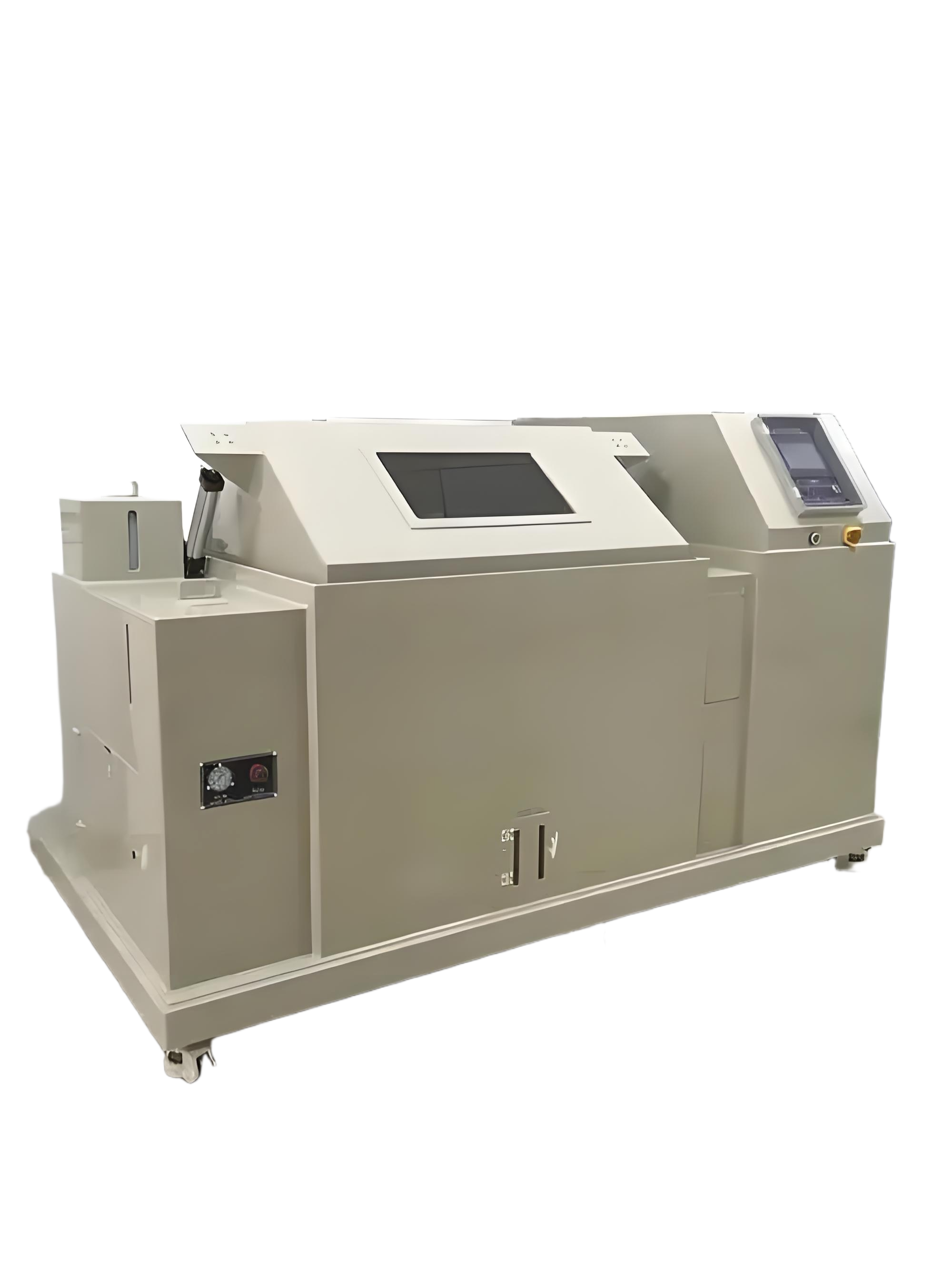
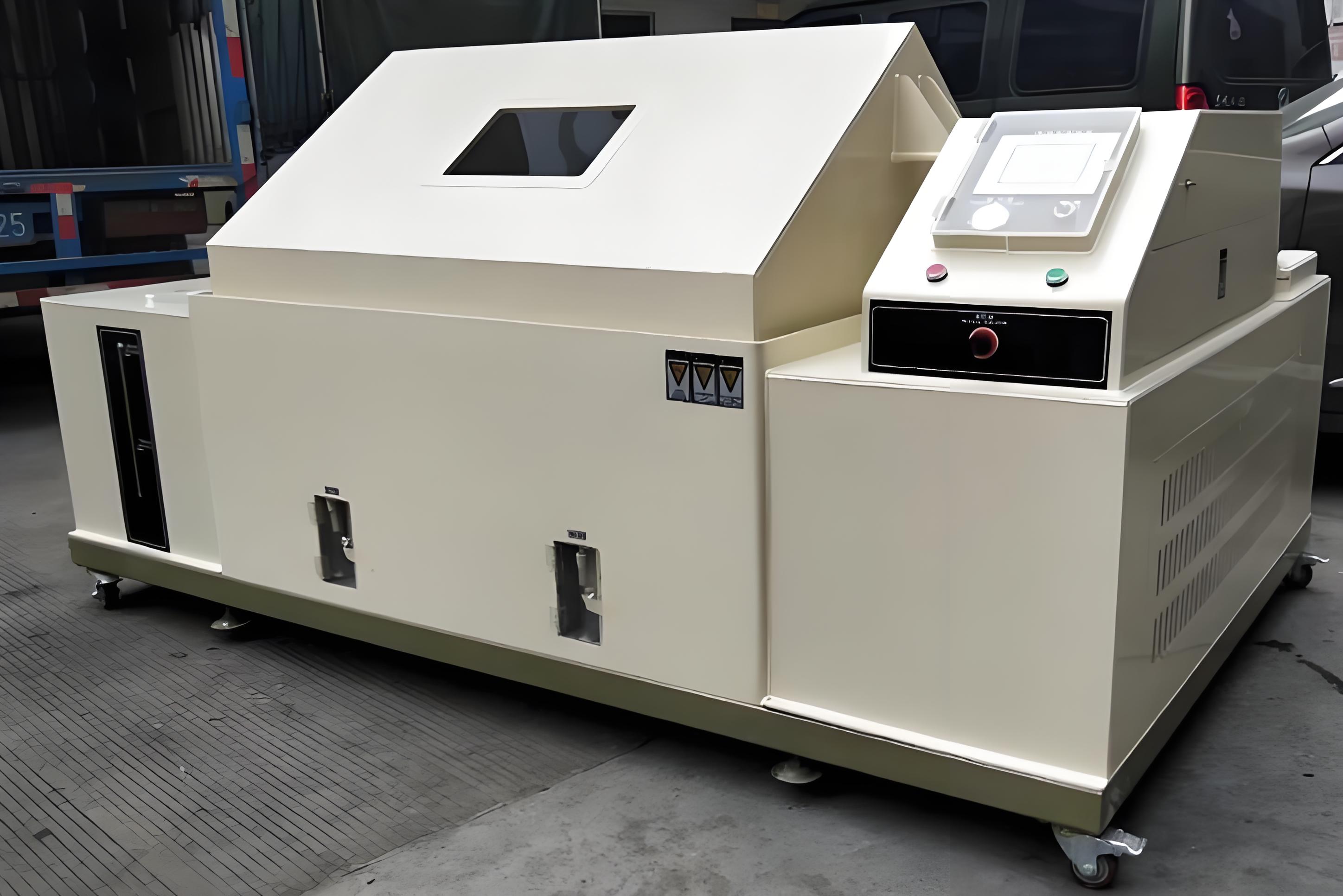
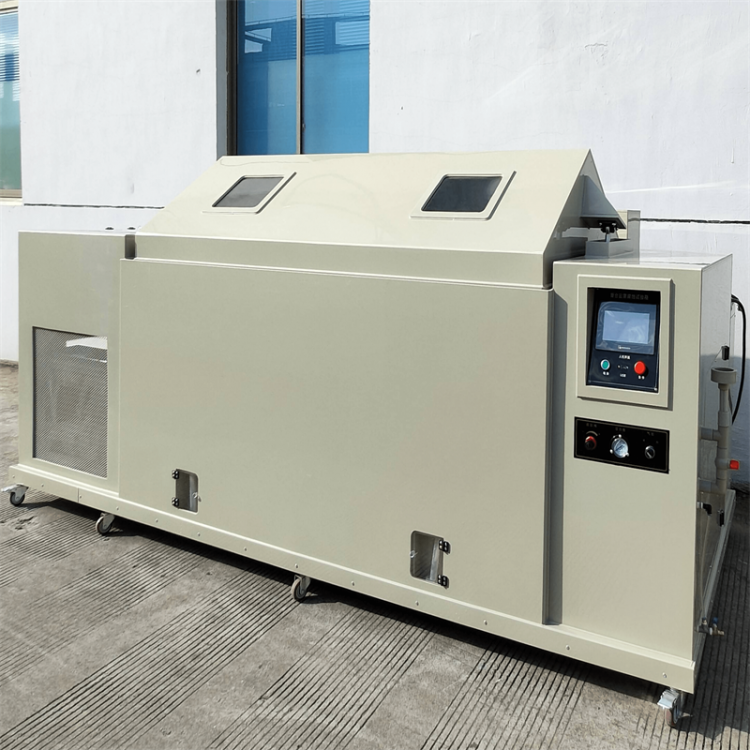
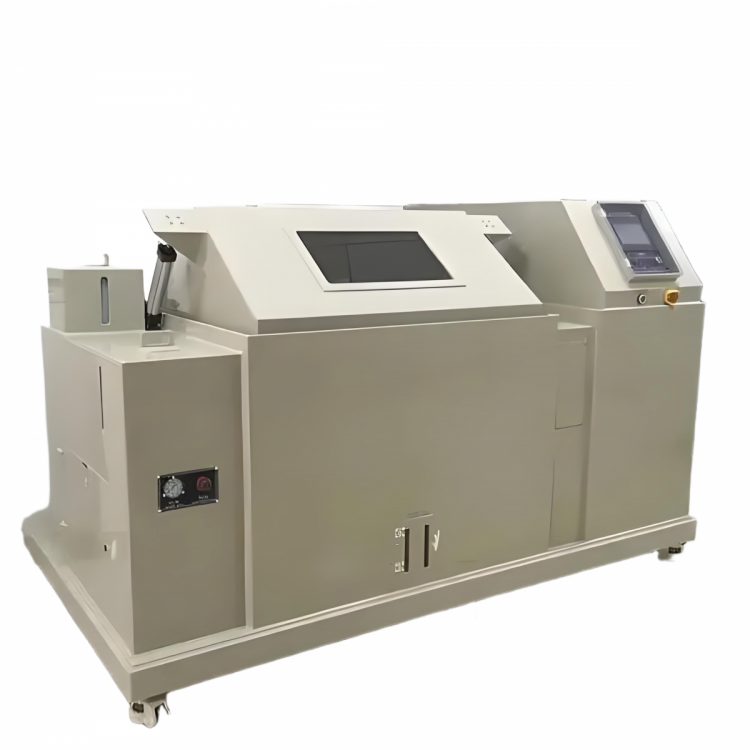
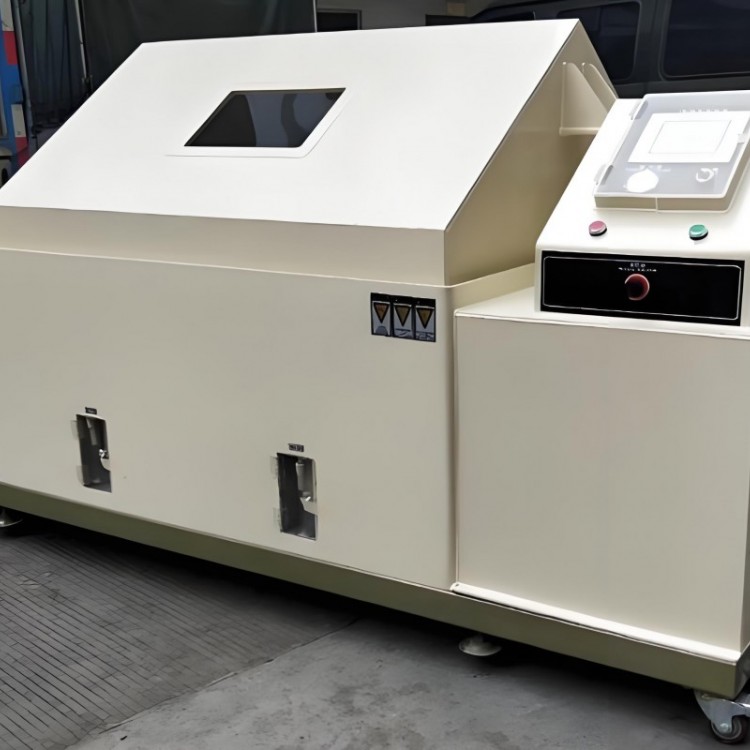
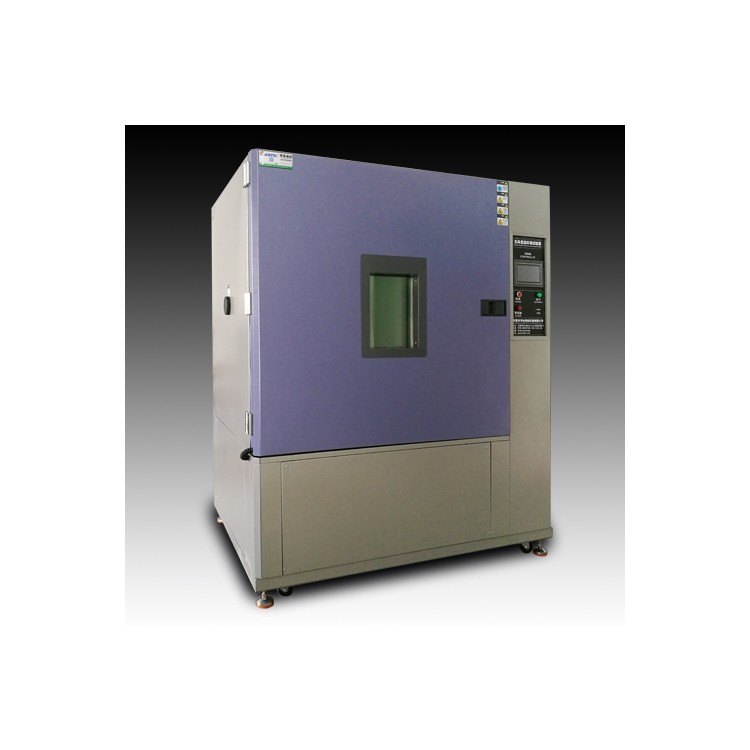
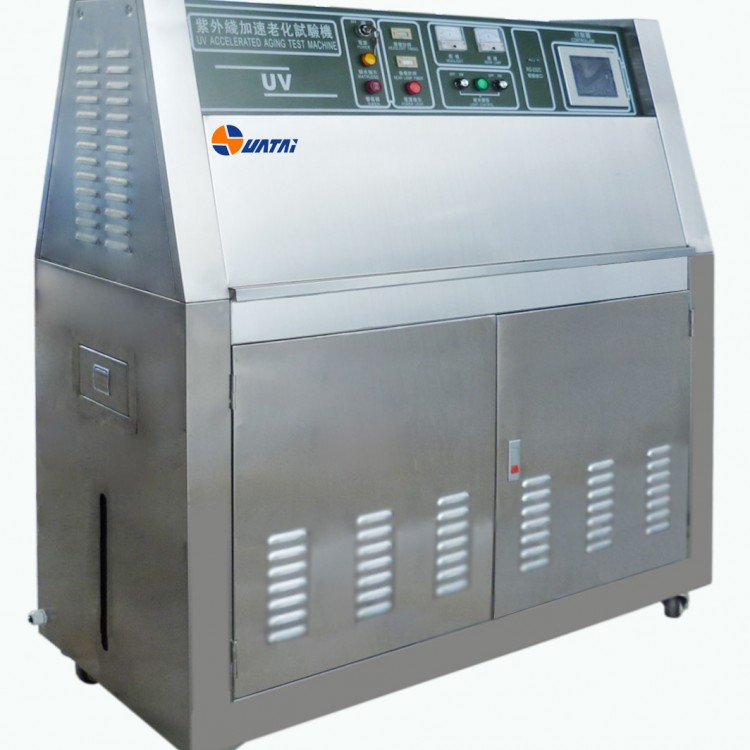
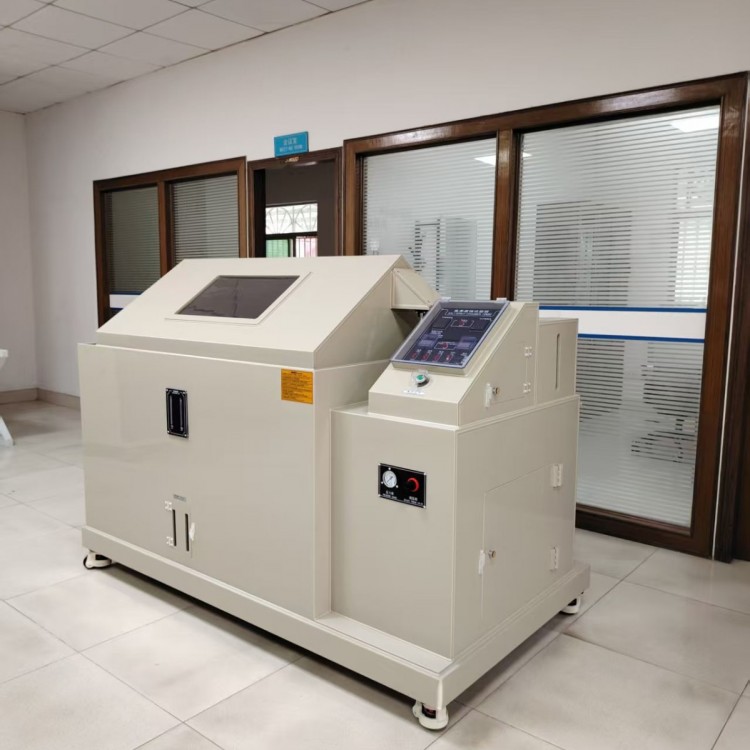
The Composite Salt Spray Test Chamber, also known as the Cyclic Salt Spray Corrosion Test Chamber or Salt Dry-Wet Corrosion Test Chamber, is designed to simulate the natural conditions that are *closest to the voids in accelerated corrosion tests. It mimics the more common conditions found in the natural environment and tests under conditions that are several times harsher than those of the natural environment, such as salt spray, dryness, humidity, ambient static storage, and spray washing, among others. Tests can be executed in any sequence or individually.
II. Parameters:


Equipment Performance and Technical Standards
These standards specify the requirements that a composite salt spray test chamber must meet in terms of manufacturing, performance, and safety, serving as the foundation for evaluating whether a device is qualified. Common equipment standards include:
1、GB/T 10587-2006"Salt Spray Test Chamber Technical Conditions"
·China's National Standard is the most fundamental and general technical standard for the domestic production and use of salt spray test chambers. It specifies the operating conditions, technical requirements, testing methods, and inspection rules for the salt spray test chambers.
2. IEC 60068-3-5 Environmental Testing- Section3-5Partial: Supporting Documents and Guides- Temperature Test Chamber Performance Verification
·IEC standards, although not specifically written for salt spray chambers, their confirmation methods for temperature uniformity, fluctuation, deviation, etc., are widely referenced and serve as a crucial basis for evaluating the climate environment simulation capability of test chambers.
3、JB/T 13209-2017 Composite Salt雾 Test Chamber
· China's machinery industry standards, specifically formulated for the composite salt spray test chamber, are...GB/T 10587More specifically, it clearly specifies the technical parameters of the test chamber capable of alternating cycles under various conditions such as salt spray, dryness, humidity, and storage at normal temperatures.
●Main Equipment Specifications:
· Temperature Range: Room Temperature~+70℃ or wider.
· Temperature Uniformity: The difference in temperature among various points inside the box, usually required to be ≤2℃。
· Temperature Fluctuation: The up and down change of temperature at a certain point, usually required to be ≤ ±0.5℃。
· Salt雾 settling rate:1.0~2.0ml/80cm²·hBetweenGBStandard).
· Corrosion Solution Concentration: Sodium chloride solution concentration andpHValue control.
Environmental Test Methods Standard
These standards specify how to conduct tests, including test conditions, cycles, sample preparation, and result evaluation. The core value of the composite salt spray test chamber lies in its ability to perform these complex cyclic corrosion testing methods.
●Please provide the Chinese content you would like translated into American English.Here are some globally recognized and widely-used core testing methods standards:
1、Automotive Industry (Most Common Field)
· Volkswagen (Volkswagen) - PV 1210
· This is a classic salt spray test standard, with a typical cycle of: Salt Spray → Dry → Wet Heat Cycles.
· Total test time can reach dozens to hundreds of cycles (such as)40Week/1000Simulates the corrosion conditions of automotive parts under severe environments (hours).
· Ford (Ford Automobiles) - CETP 00.00-L-467
· The corrosion test standard in Ford's laboratory employs a multi-environmental alternating cycle test, including salt spray, drying, and static storage.
· General Motors (General Motors) - GMW 14872
GM's cyclic corrosion laboratory testing standards, methods similar.
· SAE J2334
· Developed by the Society of Automotive Engineers in the U.S., it is an industry-standard laboratory cyclic corrosion test, referenced or adopted by many automotive manufacturers.
· ISO 11997-1 & 2 Enamel paint and varnish- Determination of resistance to cyclic corrosion conditions
· International standards, widely used for corrosion resistance evaluation in the paint industry.
2International Standard
· ASTM G85 Improved Salt Spray Test Standard Practices
This is one of the most important standards for composite salt spray testing methods. It is for traditional neutral salt spray tests.ASTM B117On the basis of the previous version, multiple appendices have been added, each representing a modified and more rigorous cyclic test.
AppendixA5Continuous acidic salt spray test, commonly used in the automotive industry, simulating environments such as deicing salt.
· Additional appendices are also tailored for different application scenarios.
· ISO 14993 Corrosion Test- Test under cyclic exposure to salt spray, "dry" and "wet" conditions
· This is an international standard specifically for composite salt spray testing, providing standardized cyclic conditions.
· DIN 50017 Condensate Water Climate Test
Although primarily a humid heat test, its test conditions (condensation under saturated humidity) are an important reference for the "humid heat" stage in the salt spray cycle.
· JIS D 0205 Corrosion Resistance Test Methods for Automotive Parts
· Japanese Industrial Standards, including cyclic corrosion testing.
3Traditional Salt Spray Test Standards (for comparison)
Compound salt spray test chambers can usually perform these traditional tests as well, but they do not belong toComposite testing.
· GB/T 10125-2021 / ISO 9227:2017 Artificial Atmosphere Corrosion Test - Salt Spray Test
· Including neutral salt spray test (NSSAcetate Mist TestAASSAnd copper acetate mist testCASSThese are all continuous spray systems; they do not include alternating stages such as drying or humidification.