








●Application:
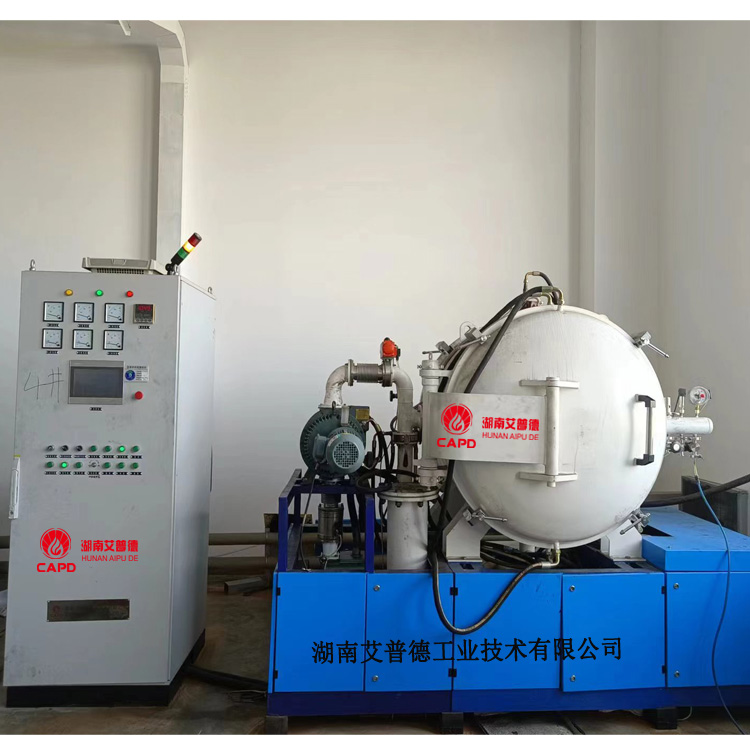
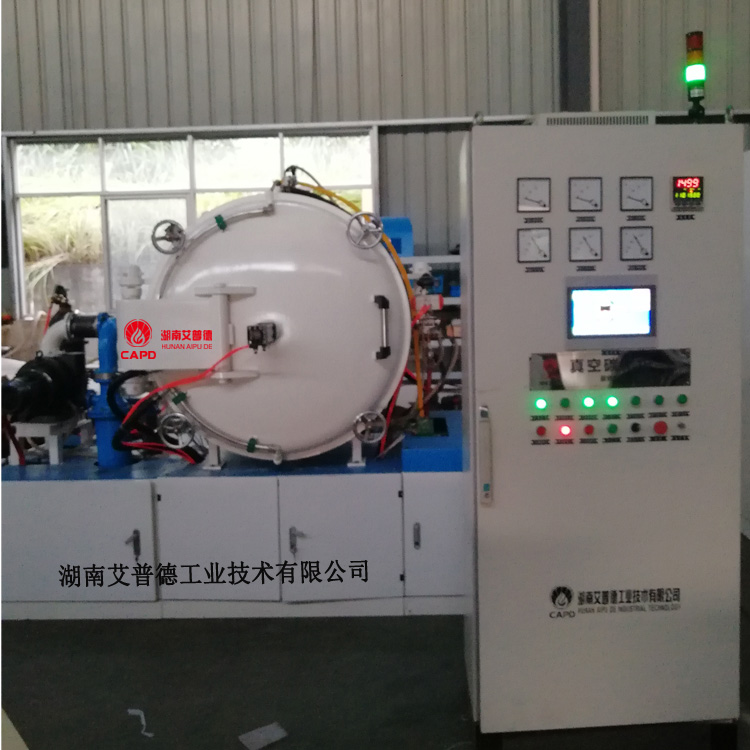
Vacuum carbonization for high thermal conductivity materials (PI film).
● Product Structural Features:
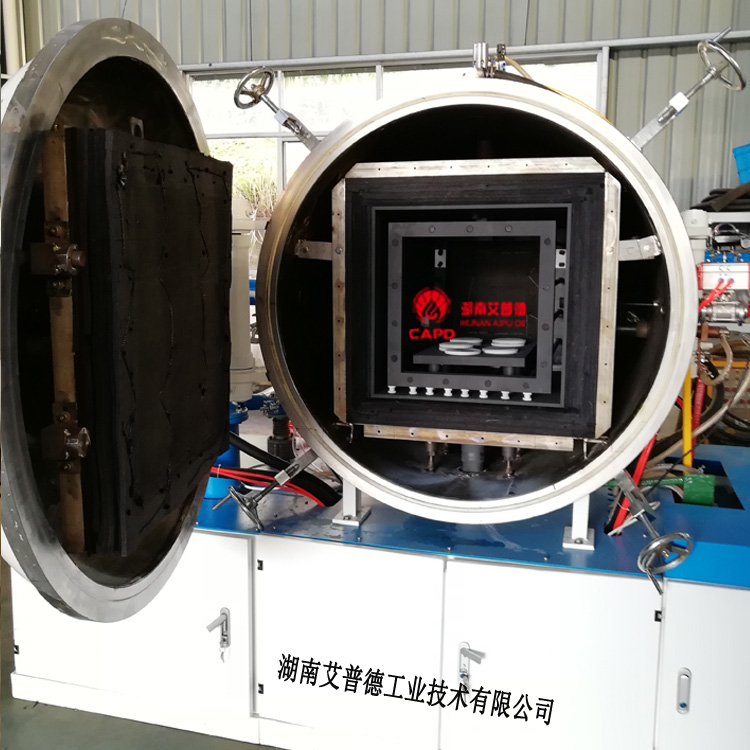
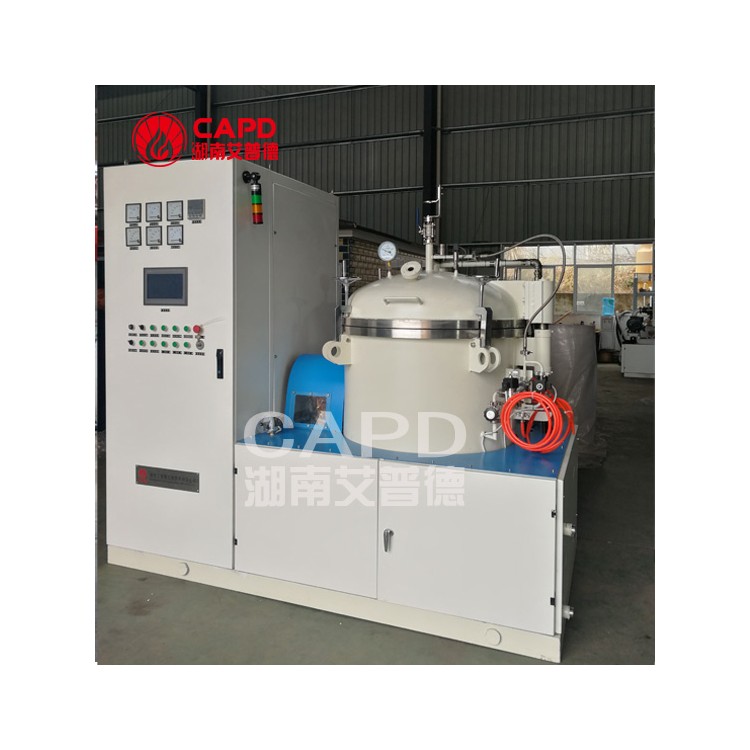
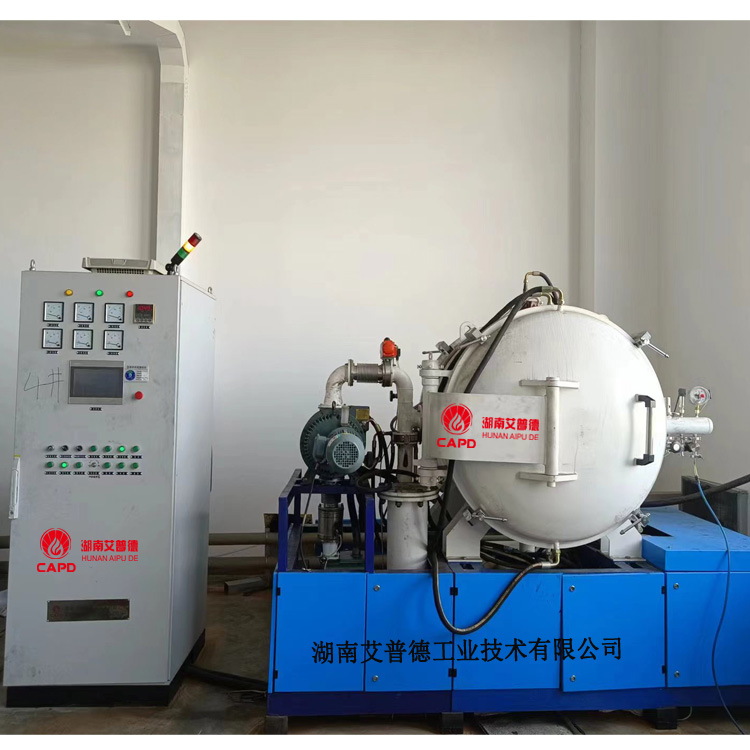
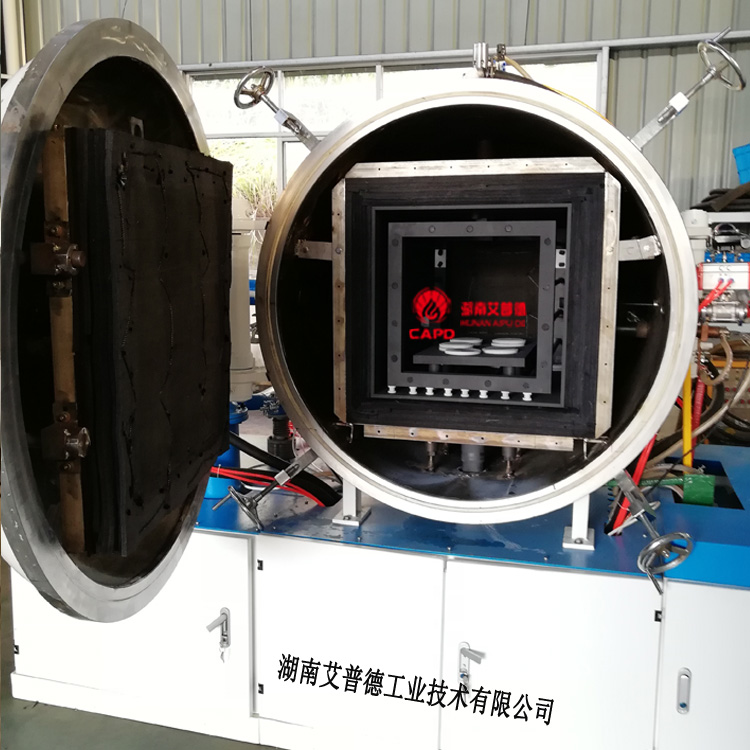
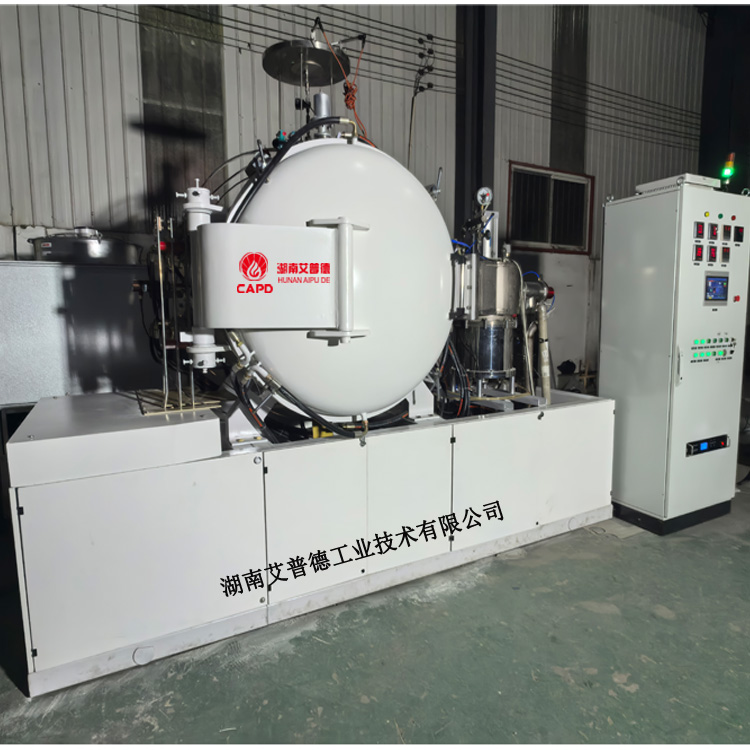
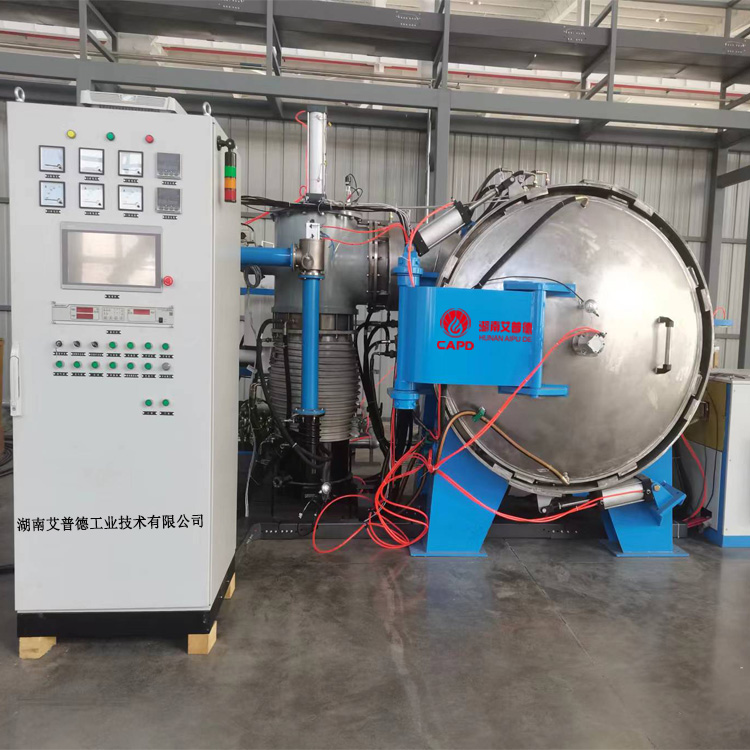
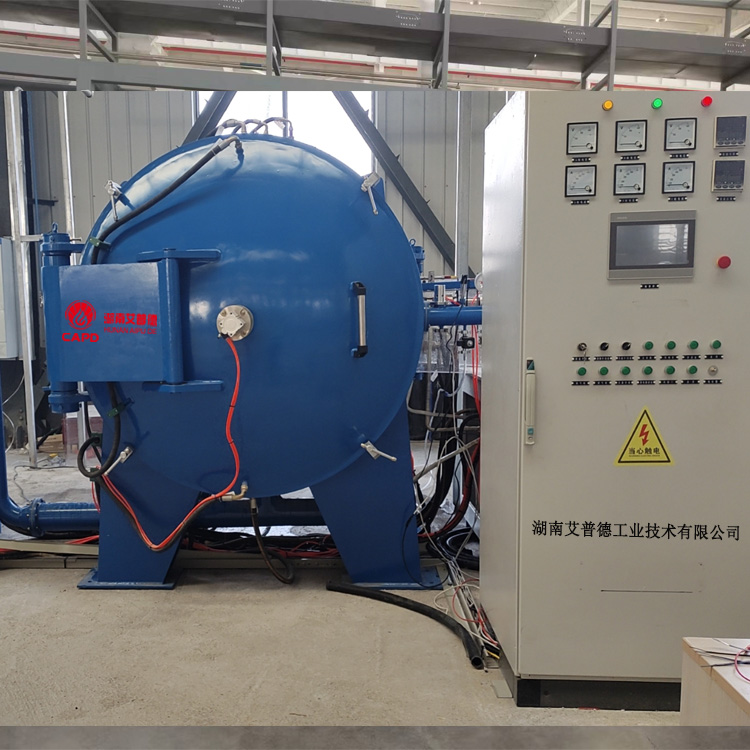
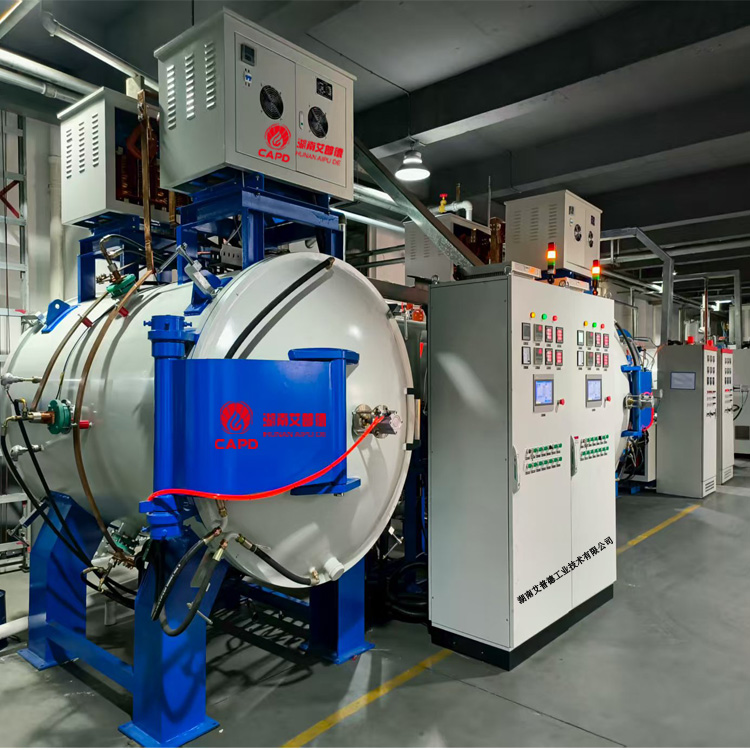
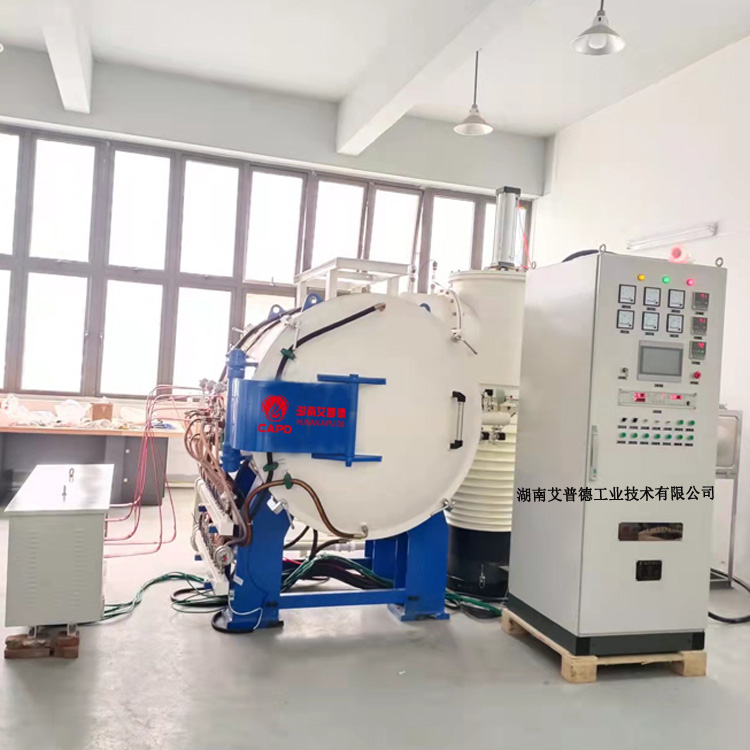
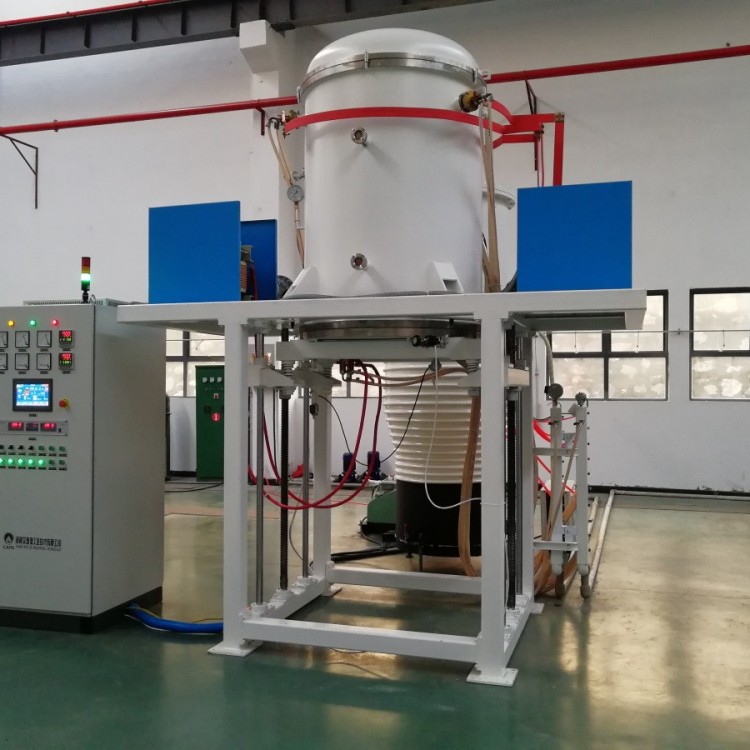
1. High thermal conductivity film vacuum carburization equipment is used for producing thermal conductivity films, featuring front door or double doors (front and back). The PI film carburized by this equipment boasts excellent resistance structure and density. It can achieve continuous vacuum carburization sintering process; equipped with a de-carbonization system to enhance de-carbonization effects, stable furnace atmosphere, and easy quality control; and extends the service life of carbon felt and heating materials.
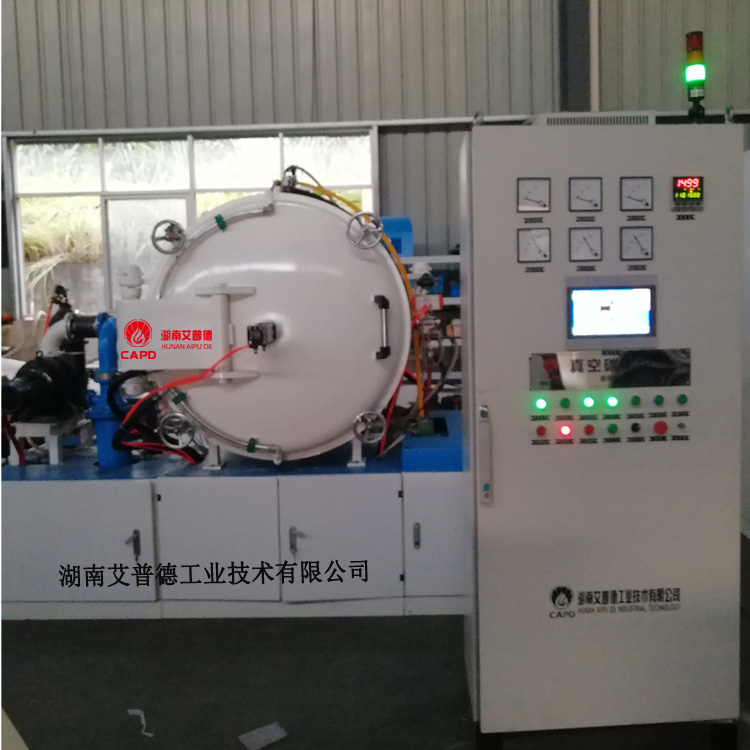
2. Utilizes resistive heating with a long-lasting graphite tube heating element, offering excellent heating performance and easy maintenance. Features uniform heating, reliable insulation, and a temperature measurement system. Incorporates advanced furnace design concepts, rational heating structure, high-quality materials, ensuring uniformity of the furnace temperature under vacuum conditions. Equipped with both domestic and international brand temperature sensors to guarantee precise temperature measurement. Features an imported digital display intelligent temperature control gauge that can communicate with PLC systems, achieving fully automatic and high-precision temperature measurement and control. The system can follow a given heating curve and store various process heating curves. Single-chamber, horizontal structure with compact and reasonable equipment layout, occupying minimal space.
3. Advanced automation control with comprehensive PLC-based water, electricity, and gas automatic control and protection systems. PLC-activated safety interlock features audible and visual alarms for over-temperature, sensor disconnection, water pressure, furnace overpressure, water flow, and high water temperature. Environmentally friendly, energy-saving, and free of purification essence vacuum exhaust gas, effectively ensuring the normal operation of vacuum pumps and excellent deashing performance.
4. The furnace's high-temperature section is cooled by natural cooling, while the low-temperature section can be cooled by filling with positive pressure inert gas to accelerate the cooling process.