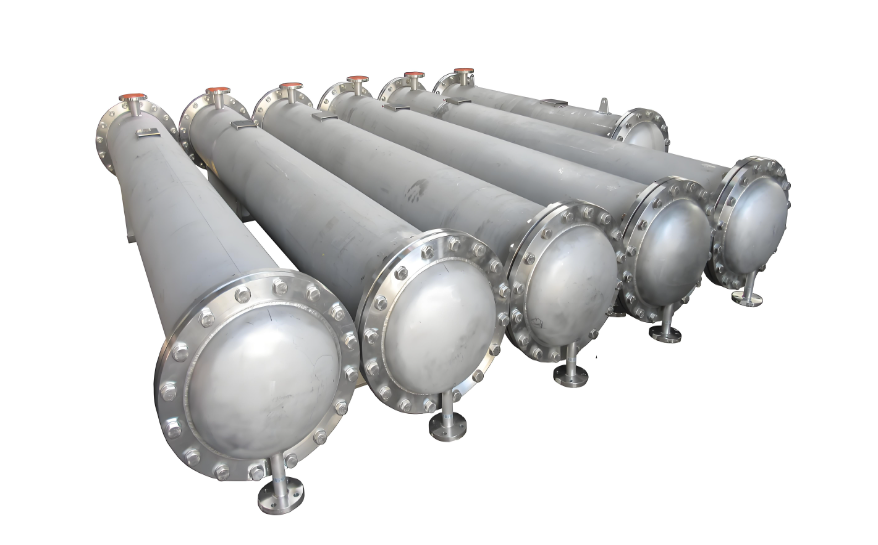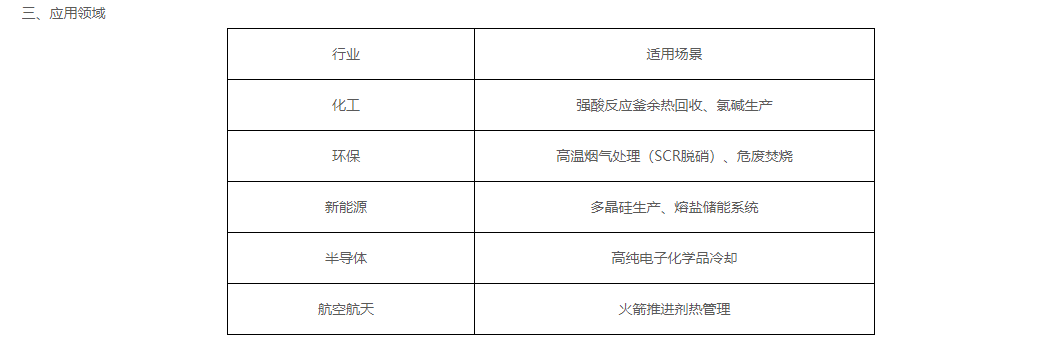

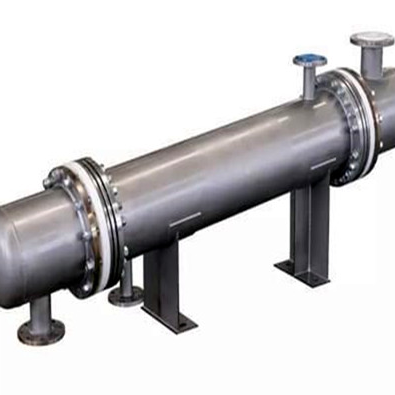







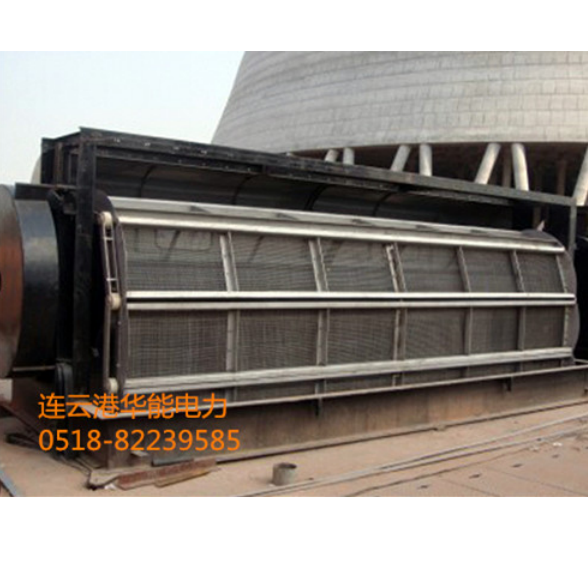


Silicon carbide anti-corrosion heat exchangers are heat exchangers that utilize silicon ceramic materials as the heat transfer medium for corrosion resistance. Due to the excellent properties of silicon ceramics, such as corrosion resistance, high-temperature resistance, high thermal conductivity, high hardness, and wear resistance, silicon ceramic heat exchangers are suitable for use in high-temperature and harsh corrosive environments.
Core Material: Silicon Carbide (SiC) Properties
Material essence
Chemical Formula: SiC, a covalent bond non-metallic compound of silicon and carbon, with a hardness second only to diamond (Mohs hardness 9.2).
Crystal Structure: α-SiC (hexagonal system, stable at high temperatures up to 2400°C)
β-SiC (cubic crystal system, phase transition at 2127°C)
Industrial Purity: SiC content ≥95%, colors are black (high tensile) and green (high abrasive).
2. Extreme environmental tolerance
Silicon Carbide Heat Exchanger Core Advantages
Corrosion resistance
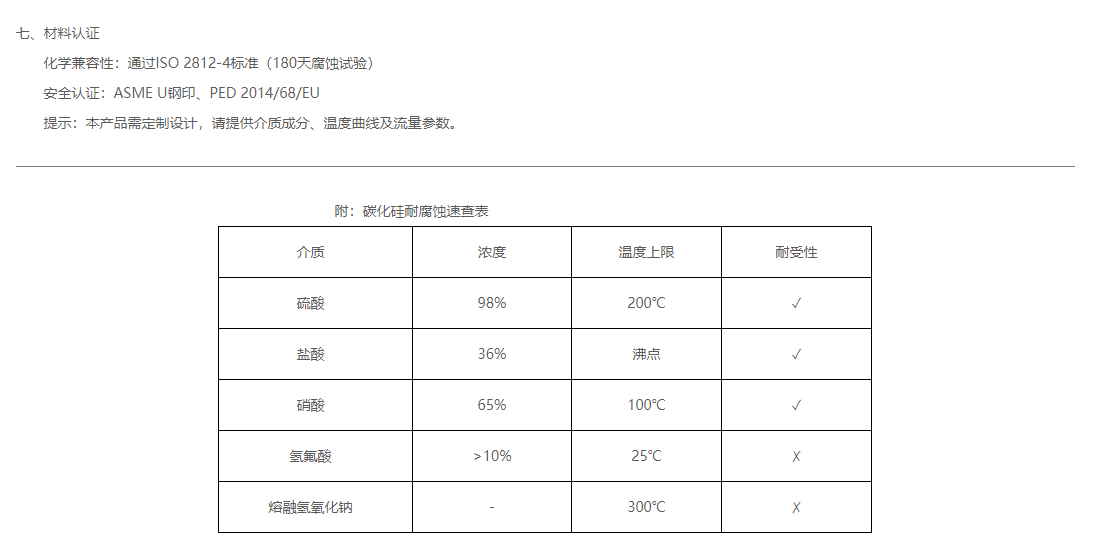
Applicable Medium:
Strong acids (except sulfuric acid mixtures)
Melting Salts, High Purity Chemicals
2. High Temperature Stability
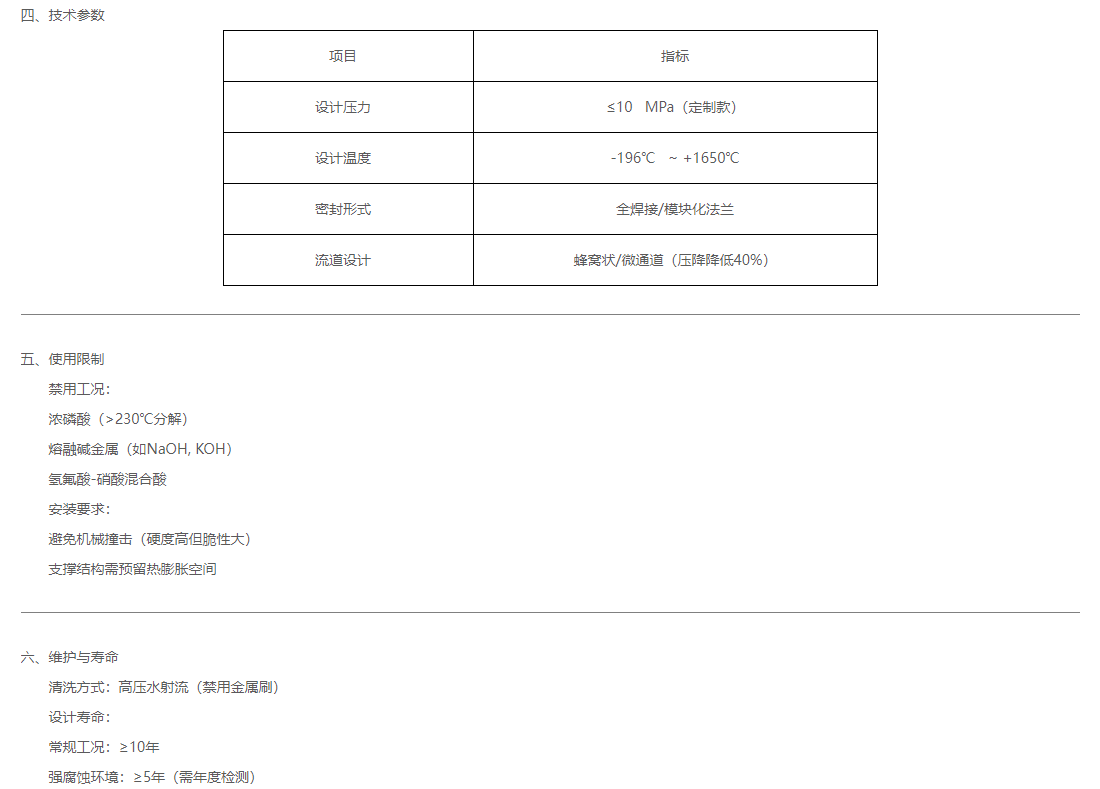
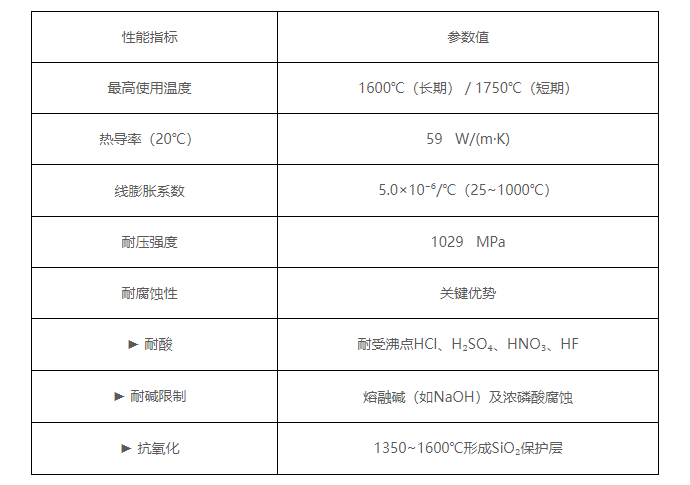
Scope of Work: -50°C to 1600°C (Design Pressure ≤ 6.4 MPa)
Thermal shock resistance: Low coefficient of expansion + high thermal conductivity, withstands rapid cooling and heating (ΔT > 500℃/min).
3. Heat Transfer Efficiency
Thermal conductivity reaches 59 W/(m·K), approximately 15 times that of stainless steel, significantly enhancing heat exchange efficiency.