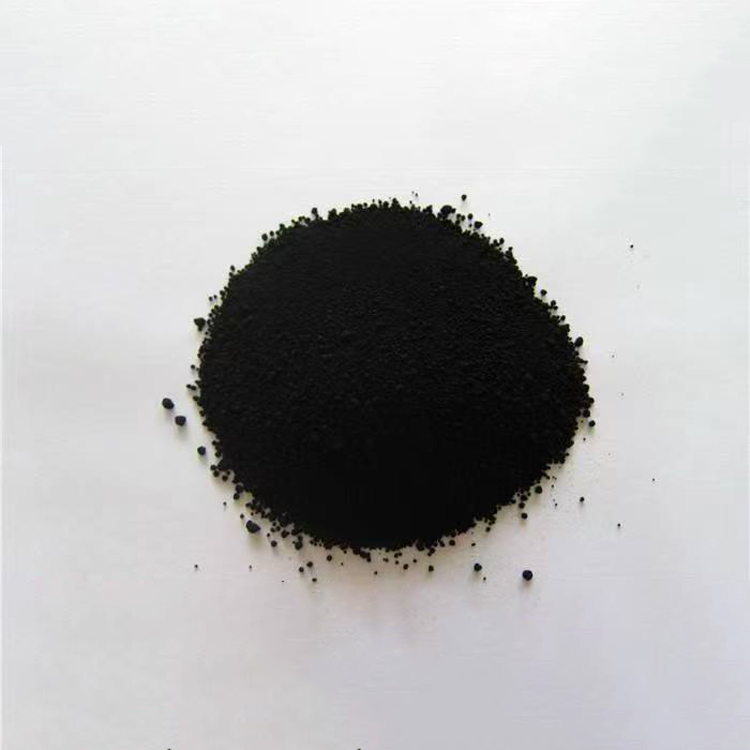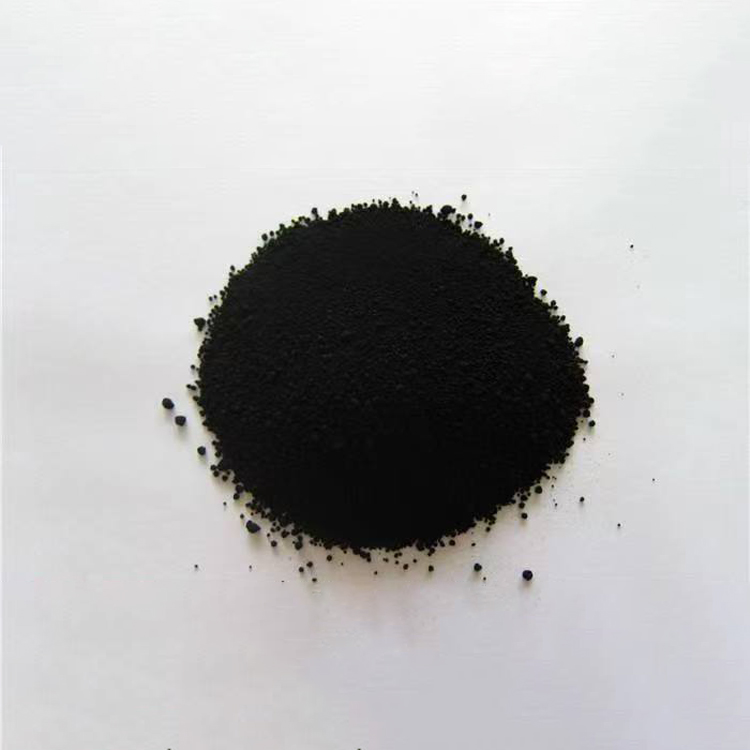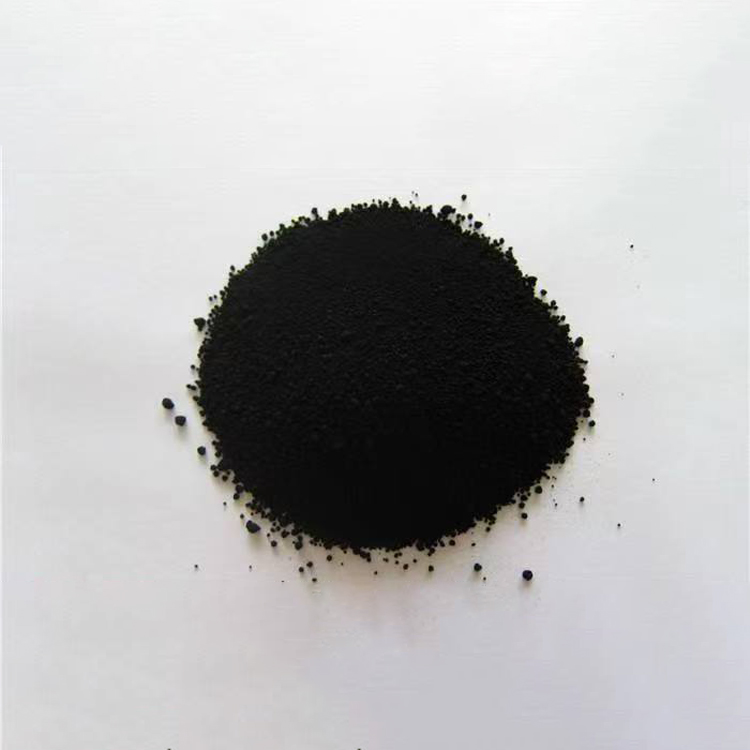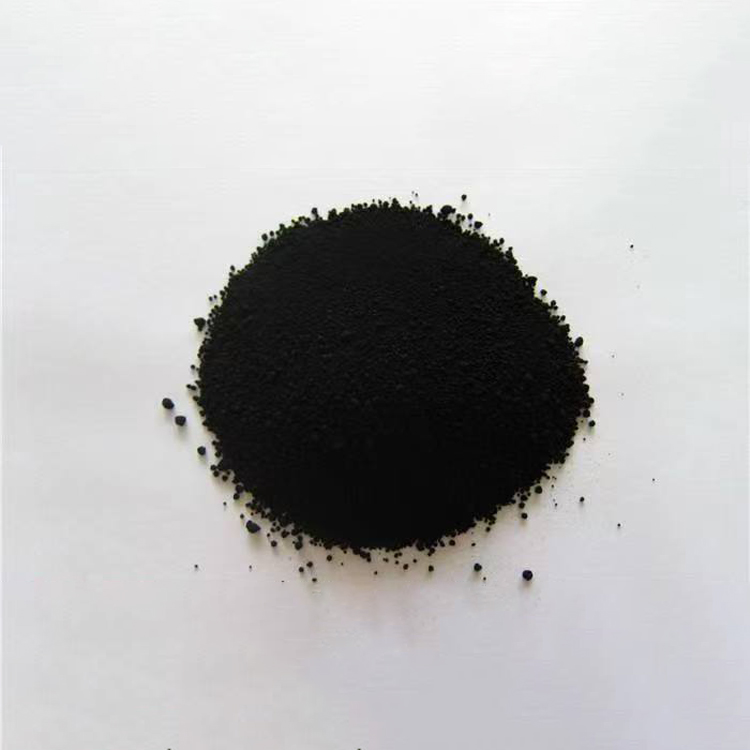

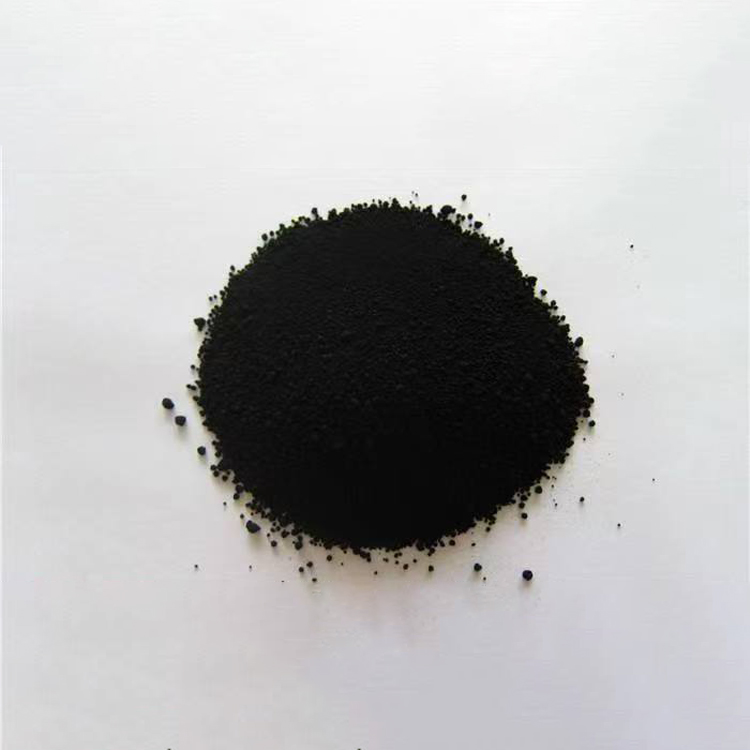
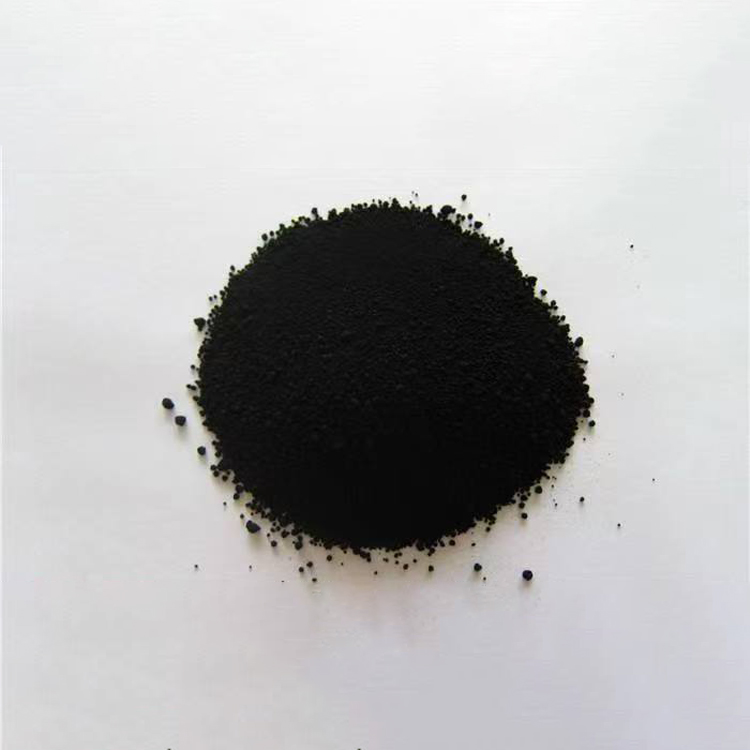
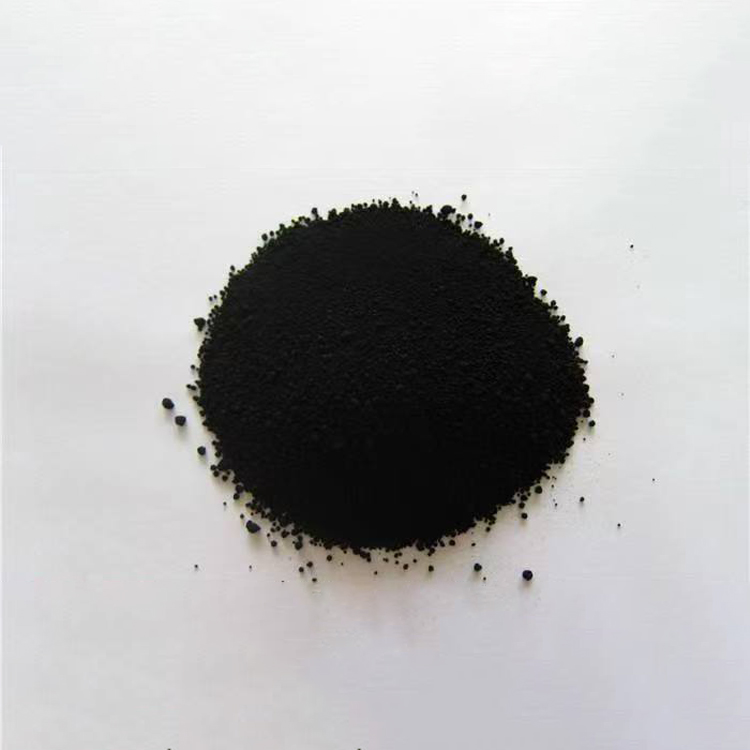







Pellet Carbon Black
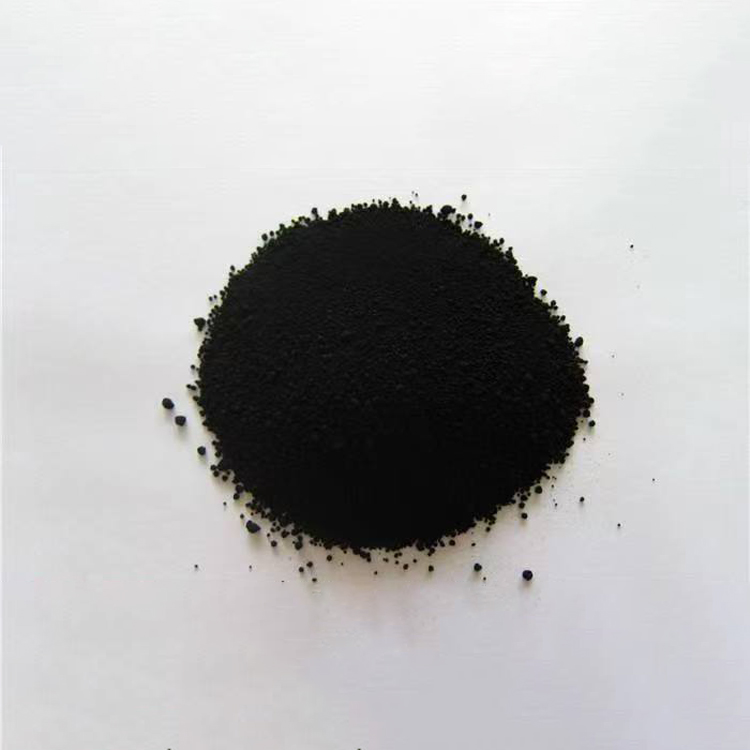
Carbon Black PelletsIt is an important industrial raw material. The following sections will introduce it from several aspects, including its basic properties, preparation methods, application fields, and performance advantages.
I. Basic Features
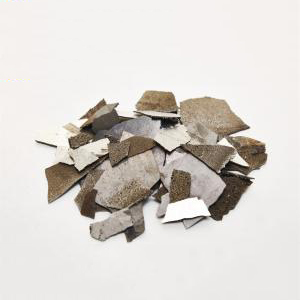
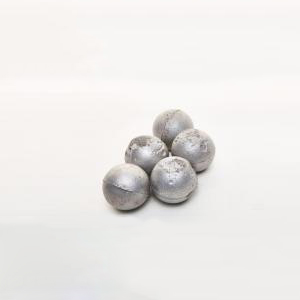
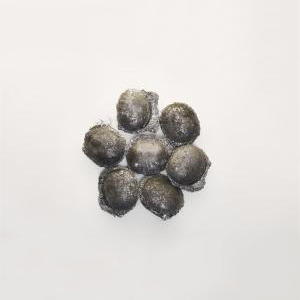
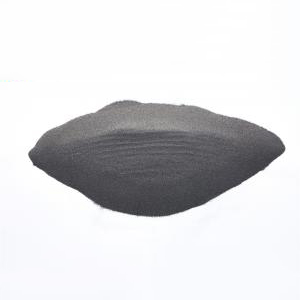
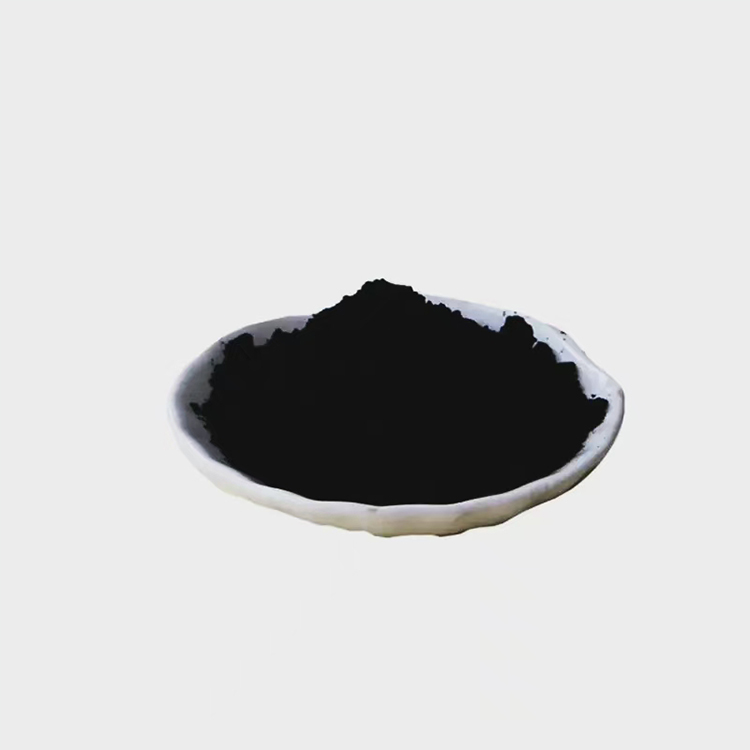
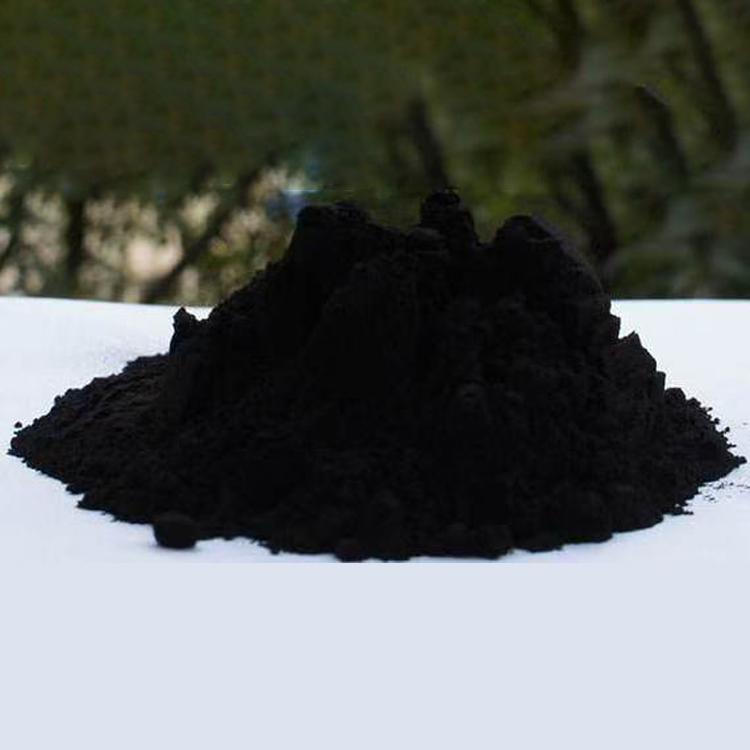
Composition and FormGranular carbon black is an amorphous carbon, produced by incomplete combustion or pyrolysis of carbon-containing materials (such as coal, heavy oil, etc.) under insufficient oxygen conditions. It primarily consists of carbon (90%-99%), with trace amounts of oxygen, sulfur, and other elements. It has a black, lightweight powder appearance with a large surface area (10-3000 m²/g).
Physical PropertiesParticle size range: 0-500μm, featuring high adsorption, coloring, conductivity, and enhanced filling properties. The particle morphology and structure (such as chain-branching or fibrous aggregates) directly affect the material's performance.
Chemical StabilityAcid and alkali-resistant, light-fast, heat-resistant, with stable chemical properties, suitable for various industrial environments.
II. Preparation Method
Furnace methodMade from raw materials like oil, carbon black is produced through high-temperature cracking, offering advantages such as high production efficiency and low costs.
Hot Splitting MethodAt high temperatures, carbon-containing materials are decomposed to produce carbon black, which has larger particles and is suitable for inks, pigments, and other fields.
Section 3: Application Fields
Rubber IndustryAs a filler and reinforcing agent, it enhances the strength, wear resistance, and aging resistance of rubber products, widely used in tire manufacturing.
Plastic IndustryEnhance the mechanical properties and stability of plastic products, improve weather resistance and abrasion resistance.
Inks and CoatingsAs a black pigment, it imparts high blackness, excellent opacity, and superior lightfastness to inks and coatings.
Ink IndustryManufacture black ink to enhance writing fluidity and elongation.
Dyes and TextilesBlack pigment for dyeing, suitable for various dyeing needs, while also enhancing the abrasion and light resistance of fibers.
CosmeticsAs a key ingredient in eyeliners, mascaras, and other cosmetics, it offers a deep black color.
Food IndustryAs a food additive, used in sauces, biscuits, chocolate, etc., to enhance color.
Electronics IndustryUtilize its conductivity to manufacture batteries, conductive coatings, and electronic devices.
Environmental Protection SectorUsed for water treatment and waste gas purification, adsorption and catalysis of harmful substances.
Four: Performance Advantages
Enhanced and FilledPigment carbon black forms a network structure in rubber and plastic, significantly enhancing the material's strength and hardness.
ConductivityHighly crystalline carbon particle structures form a continuous electronic network, suitable for conductive rubbers, coatings, and other products.
AbsorbentThe porous surface structure can adsorb harmful gases and impurities, suitable for environmental purification and wastewater treatment.
Weather-resistantExcellent light and heat resistance maintain product stability in outdoor environments.
Granular carbon black, with its unique physical and chemical properties and wide range of applications, has become an indispensable and important material in modern industry.