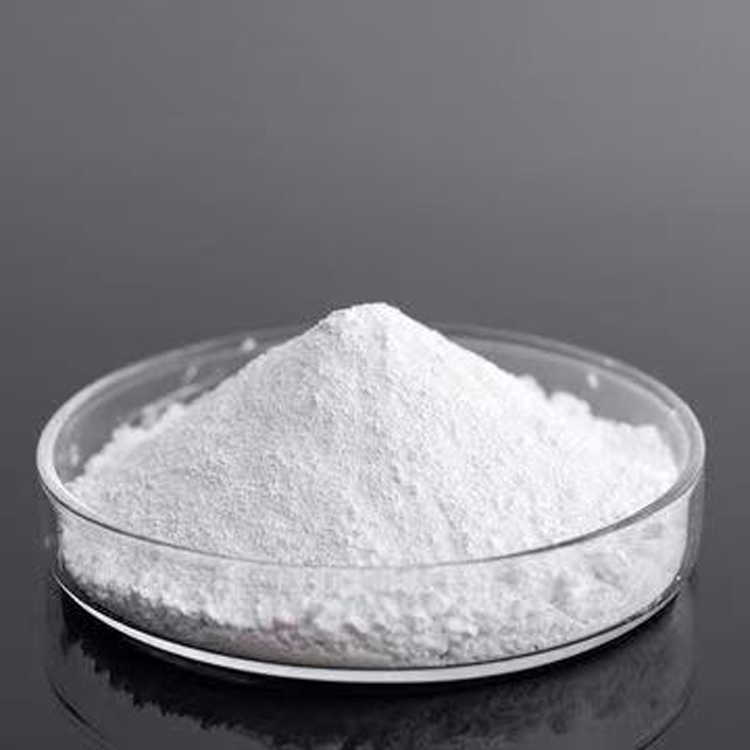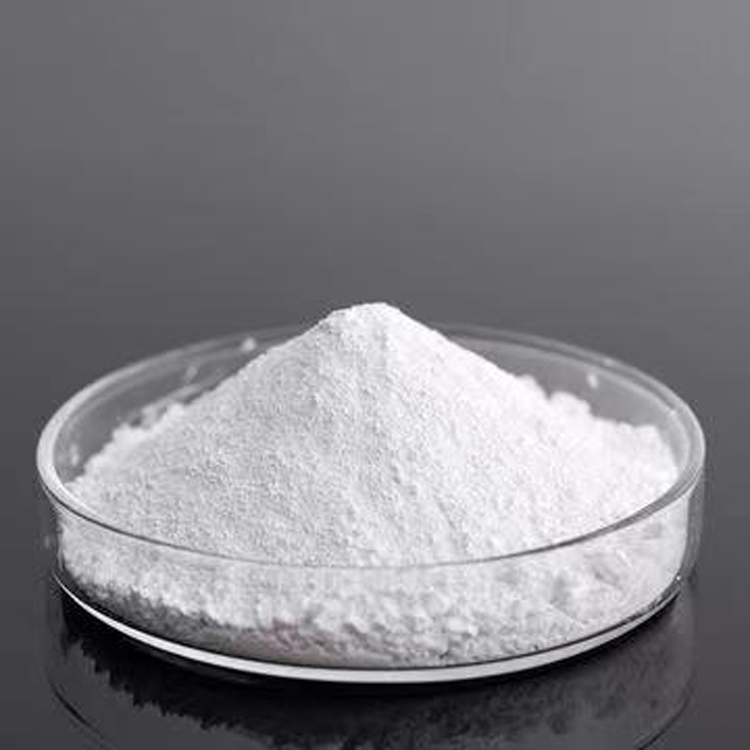

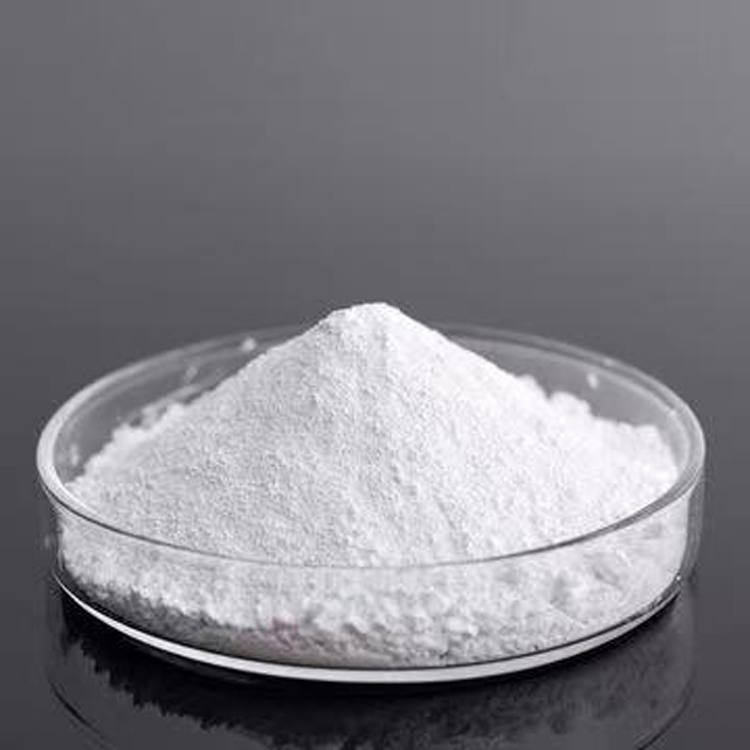
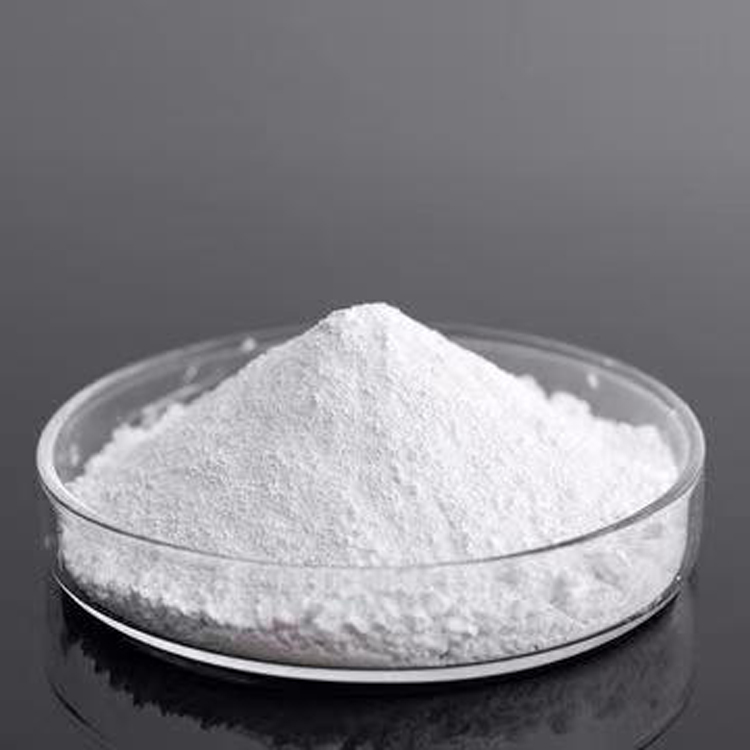
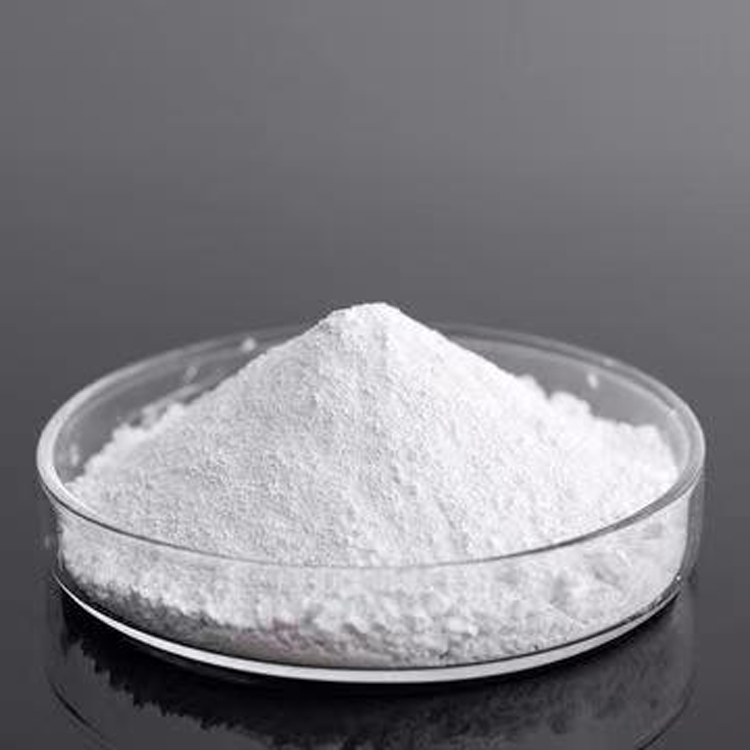







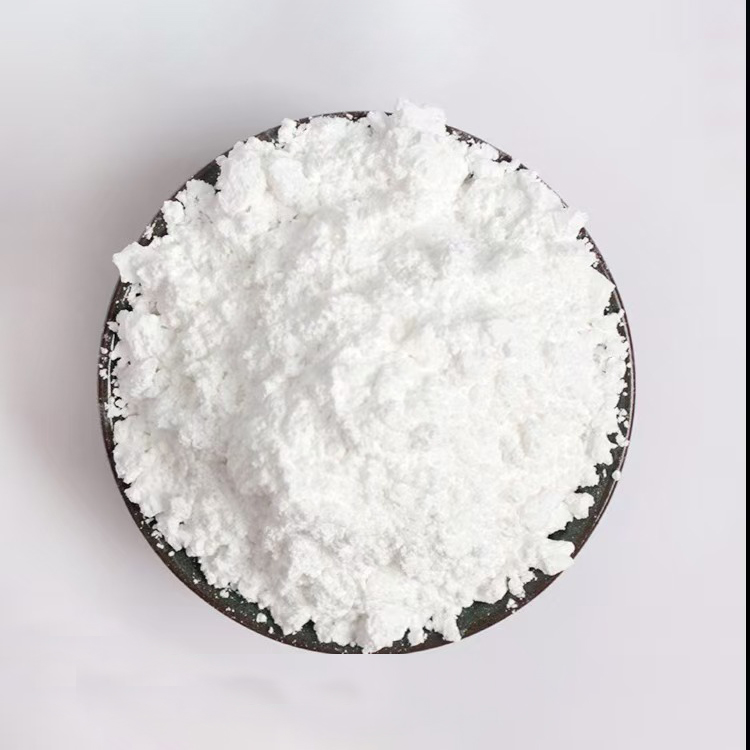
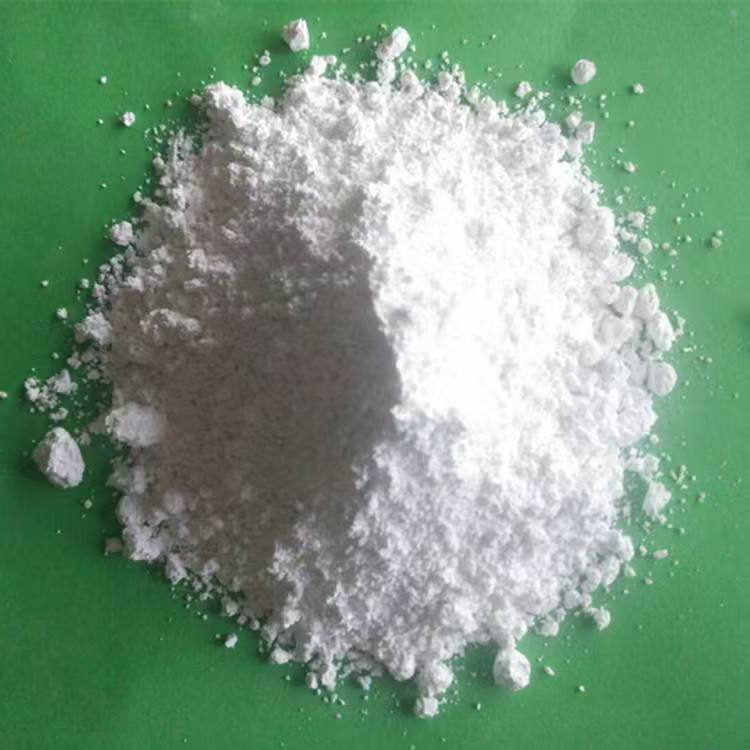
Titanium dioxide rutile pigment
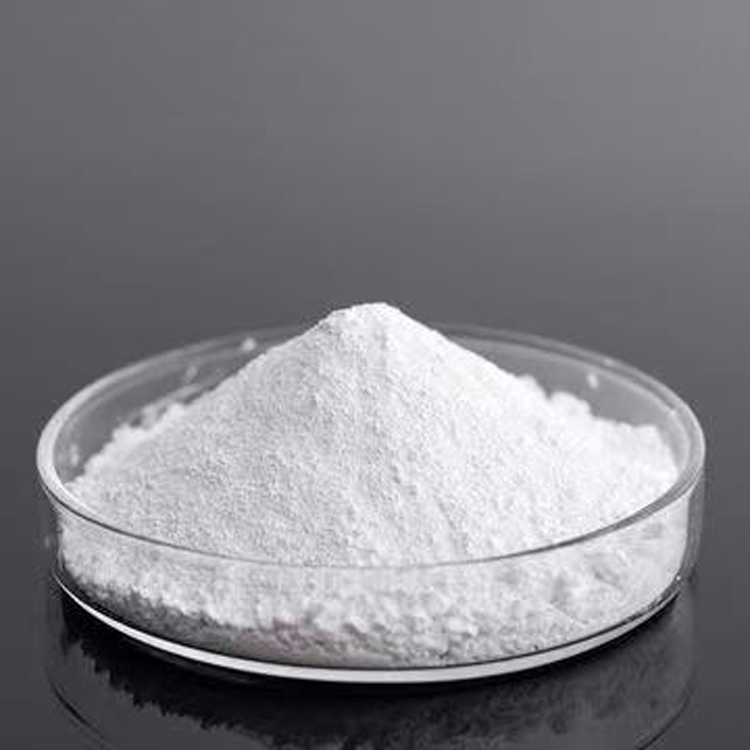
Titanium Dioxide (Rutile) White PowderIt is an important white inorganic pigment with excellent optical properties, chemical stability, and weather resistance, widely used in coatings, plastics, rubber, inks, papermaking, cosmetics, food, medicine, ceramics, and many other fields. Below is a detailed introduction to titania pigment:
I. Basic Nature
Chemical compositionThe main component is titanium dioxide (TiO₂), with a rutile-type crystal structure, which belongs to the tetragonal crystal system.
Physical Properties:
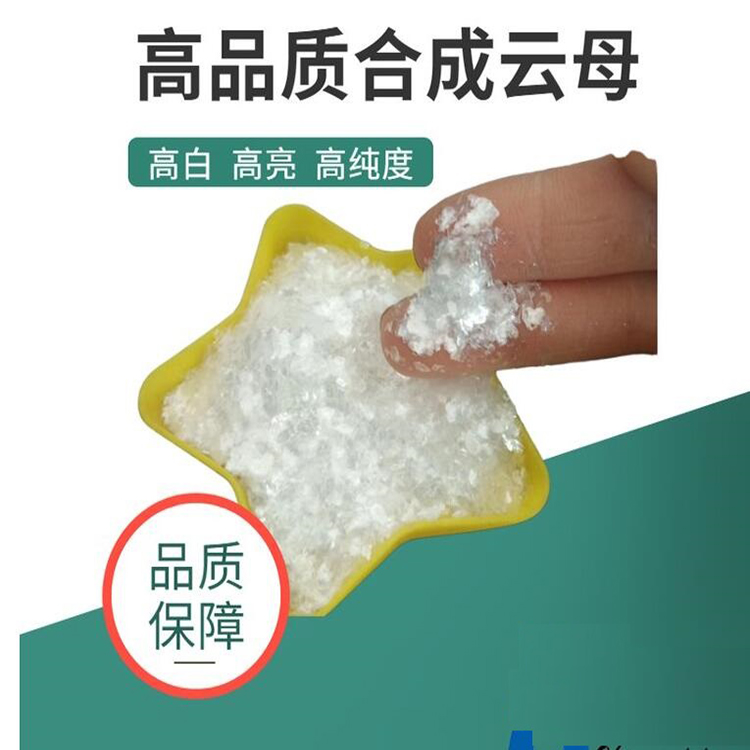
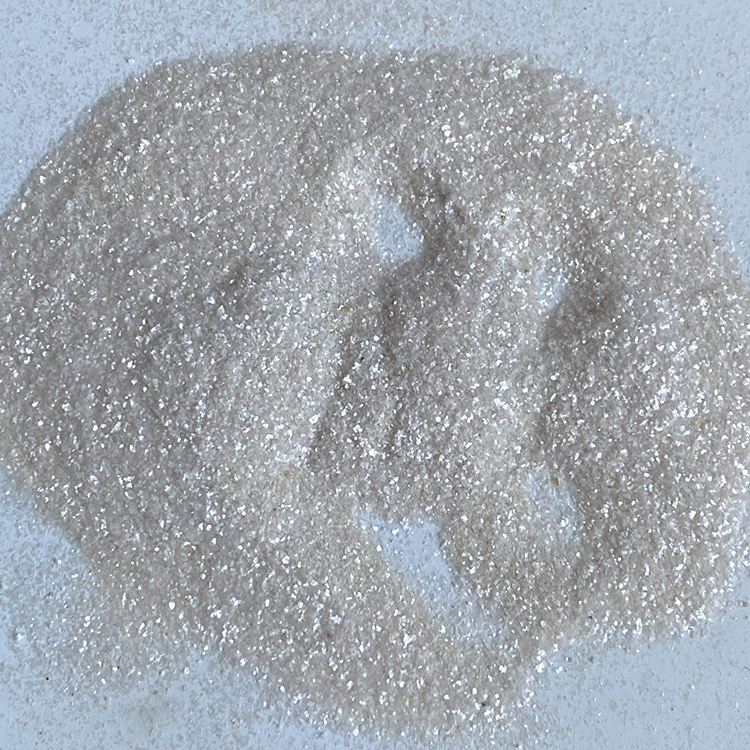
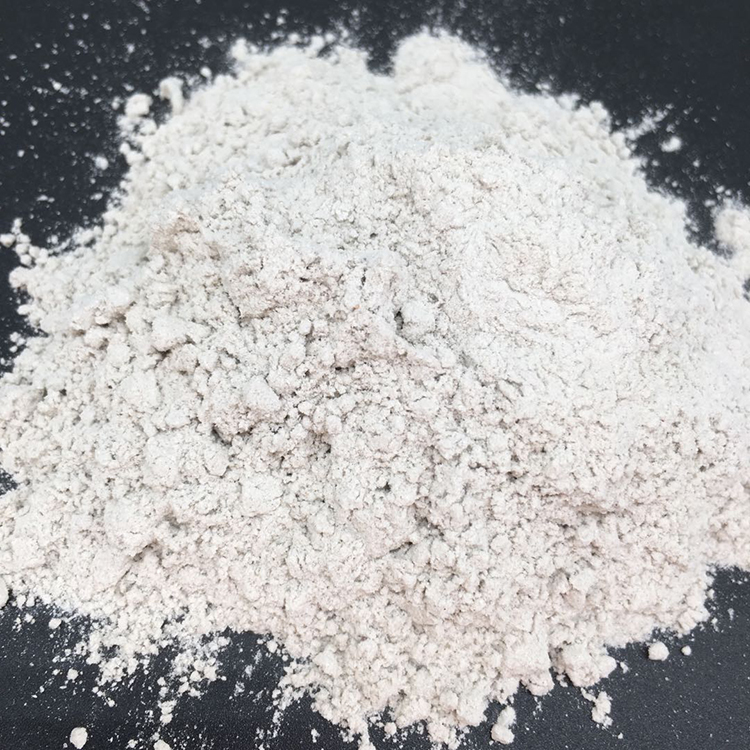
AppearanceWhite powder.
DensityApproximately 4.23 g/cm³.
Refractive IndexHigh refractive index (n≈2.71), endowing it with excellent optical properties.
CoverageExcellent hiding power, one of the strongest among white pigments.
Weather-resistantGood chemical stability, resistant to light, heat, acids and alkalis, and strong UV resistance.
Section II: Application Fields
Painting Industry:
Widely used in interior wall paints, exterior wall paints, industrial coatings, anti-corrosion coatings, automotive coatings, etc.
Offer superior coverage, brightness, and weather resistance, extending the lifespan of the coating.
Plastic Industry:
Coloring and whitening agents for plastics such as PVC, PE, PP, ABS, etc.
Enhance the gloss, brightness, and mechanical properties of plastic products.
Rubber Industry:
Used as a coloring agent and reinforcing agent in rubber products such as tires, hoses, and belts.
Enhance the rubber's wear resistance, aging resistance, and weather resistance.
Ink Industry:
For printing inks, flexographic inks, gravure inks, etc.
Offer high glossiness and excellent printing performance.
Papermaking Industry:
Used as paper filler to enhance the brightness, luster, and opacity of paper.
Cosmetics and pharmaceuticals:
For foundation, eyeshadow, sunscreen, and other cosmetics.
Pharmaceutical field for tablet coating and drug formulation.
Food Industry:
Used as food additives in candies, chewing gums, baked goods, etc.
Meets food safety standards; non-toxic and harmless.
Ceramic Industry:
Enhances the brightness and luster of ceramics, suitable for glaze and pigment applications.