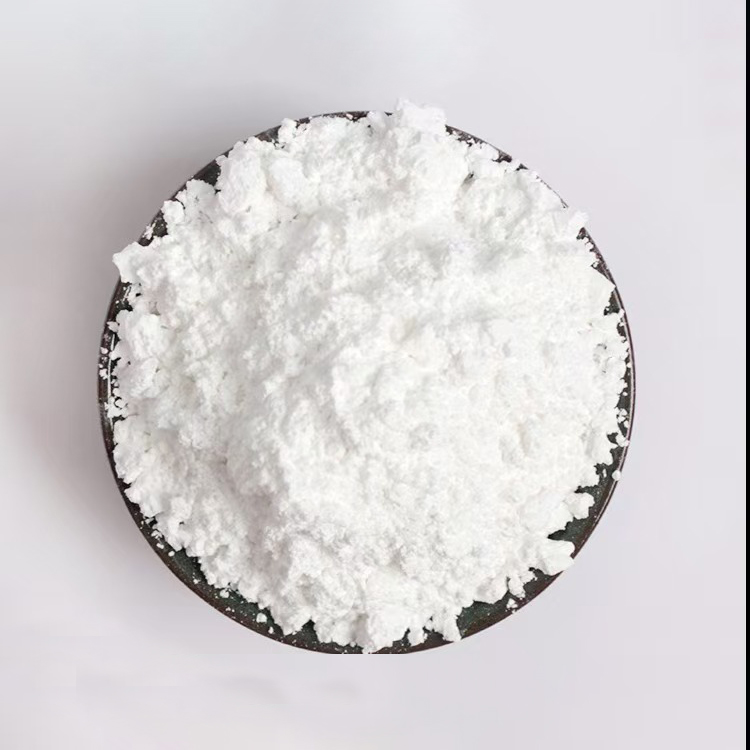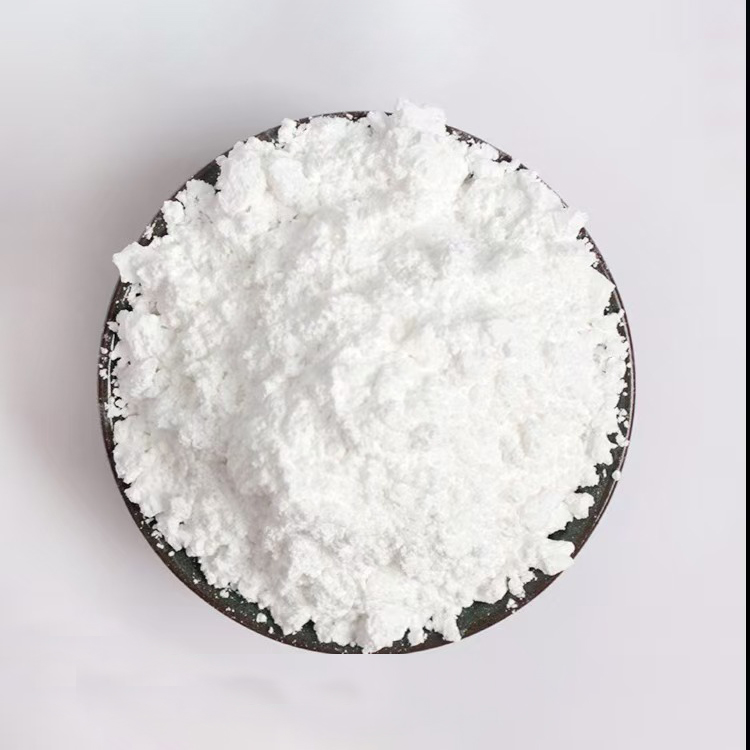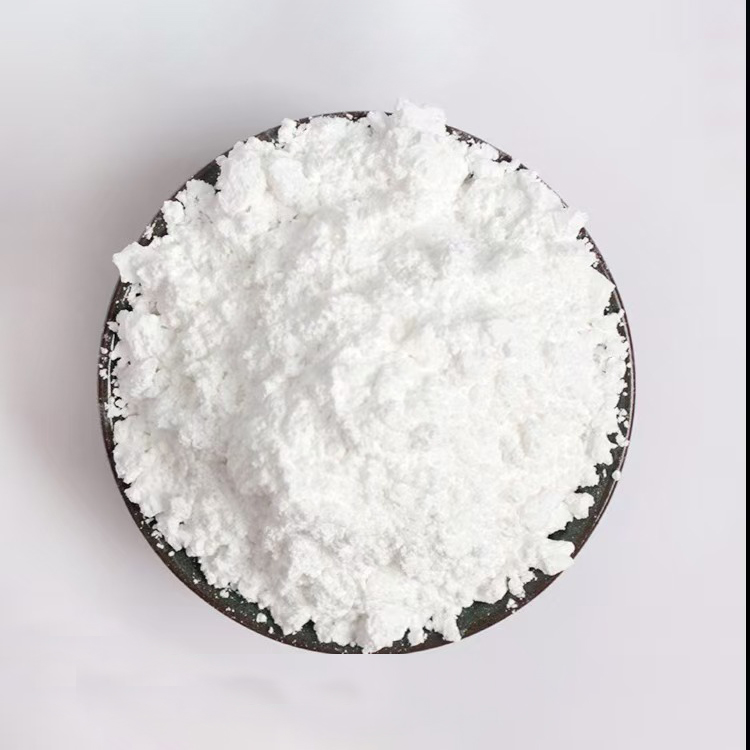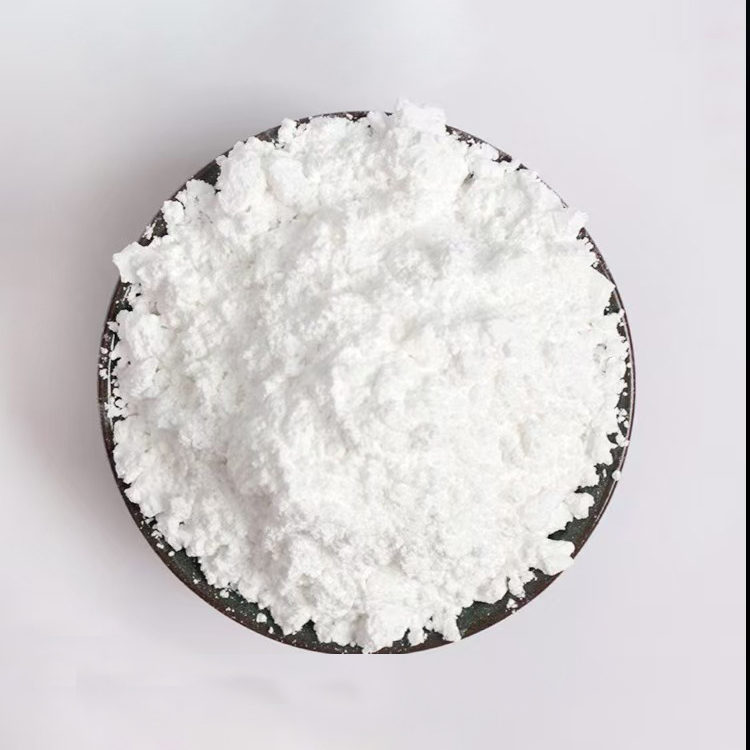

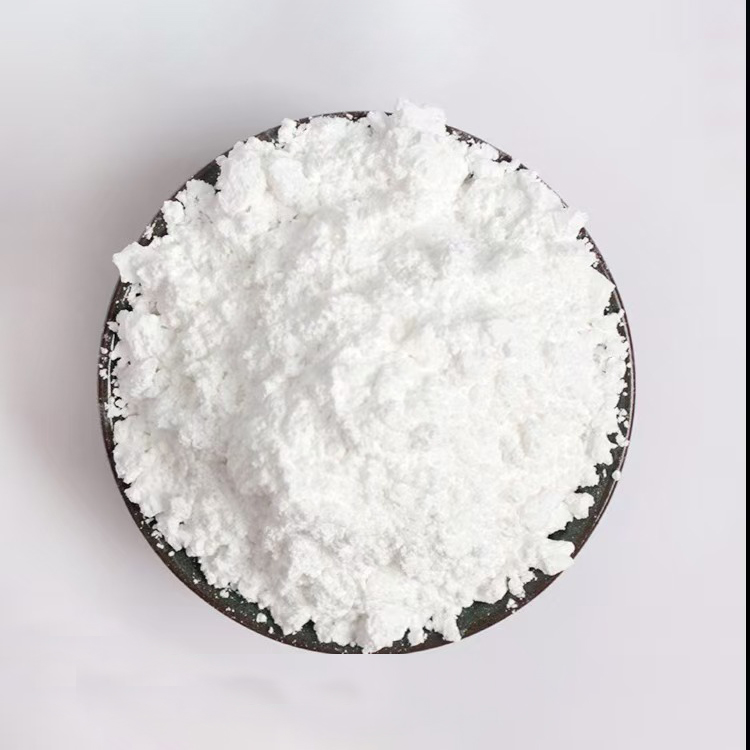
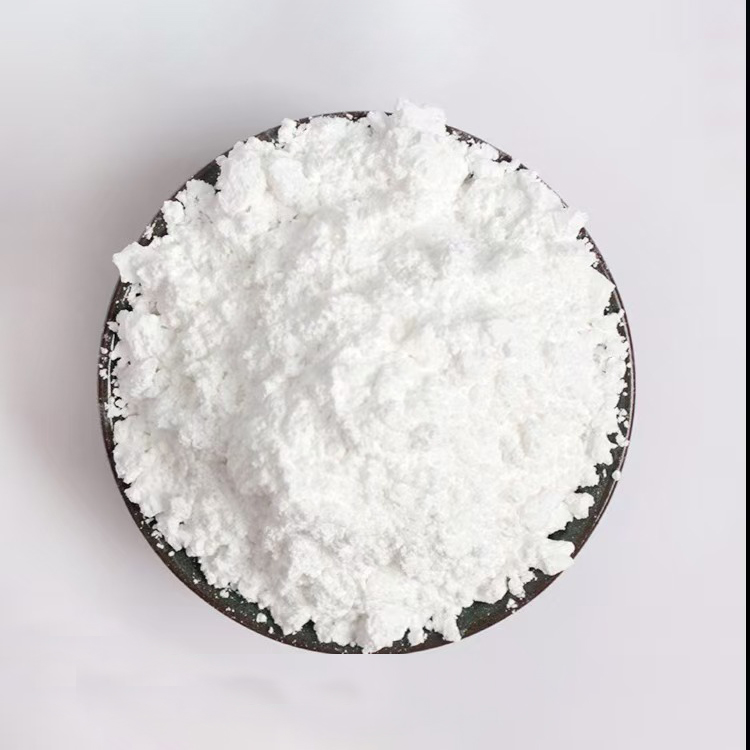
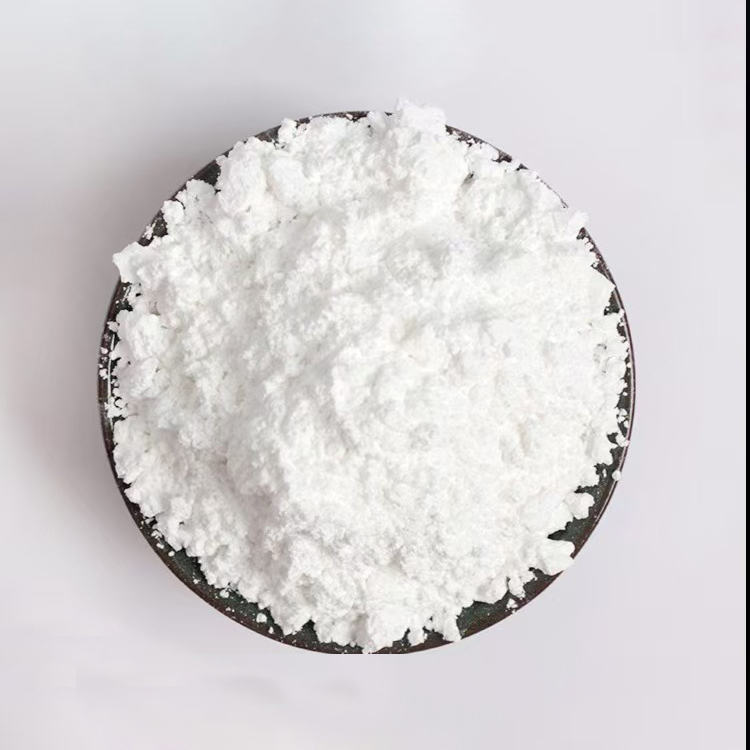







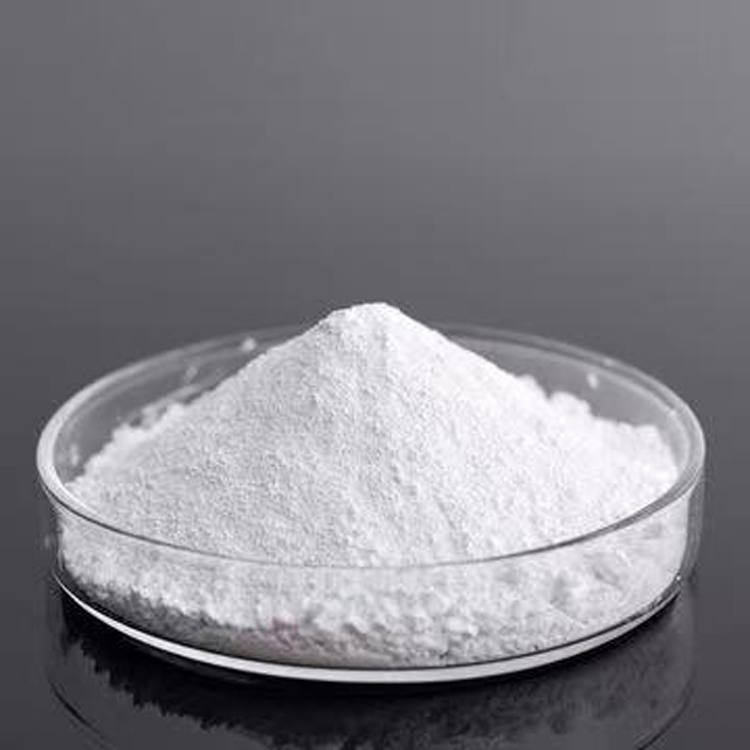
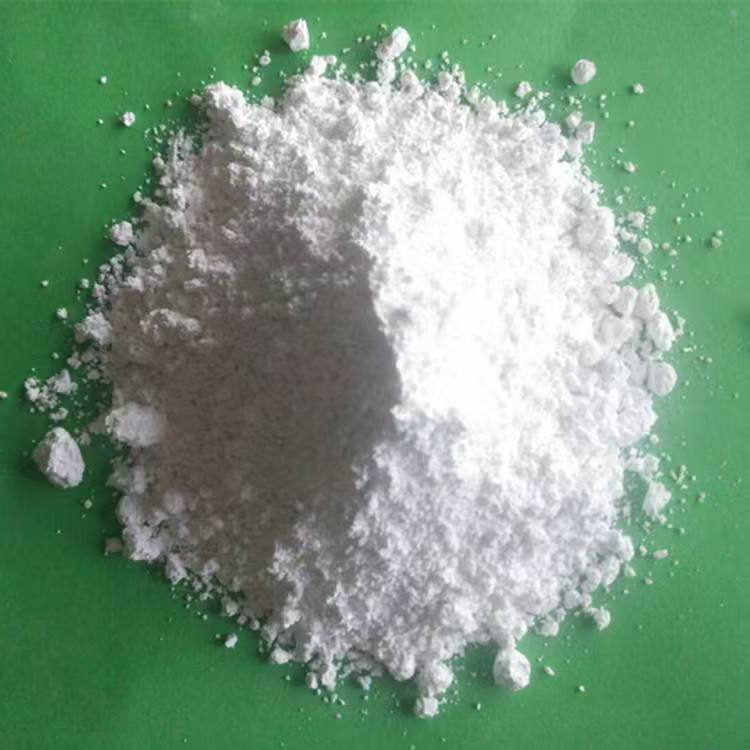
Rutile Titanium Dioxide Powder
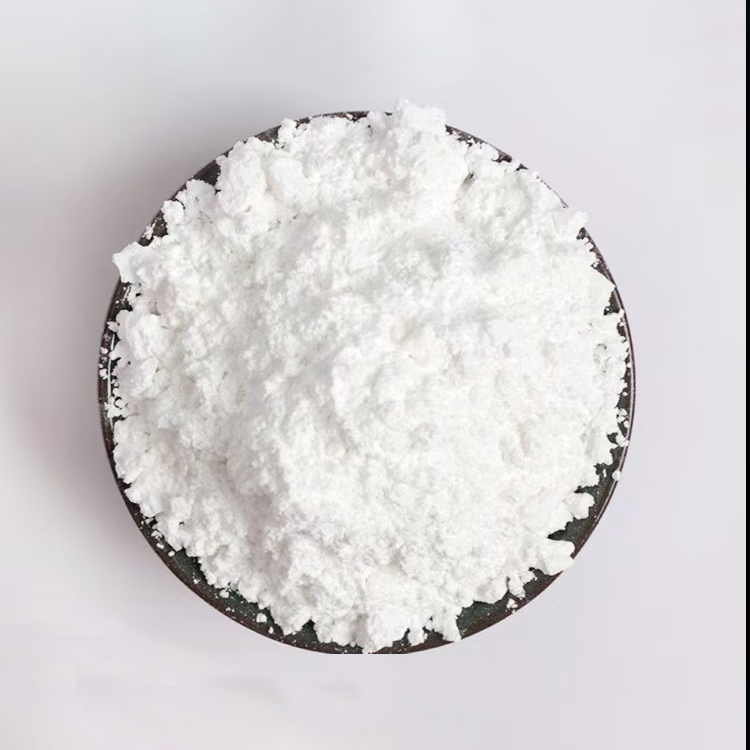
Rutile Titanium DioxideIt is an important white inorganic pigment, chemically known as titanium dioxide (TiO₂), featuring a tetragonal crystal structure and belonging to the anatase type. Below is a detailed introduction to anatase titanium dioxide powder:
I. Basic Nature
Physical Properties:
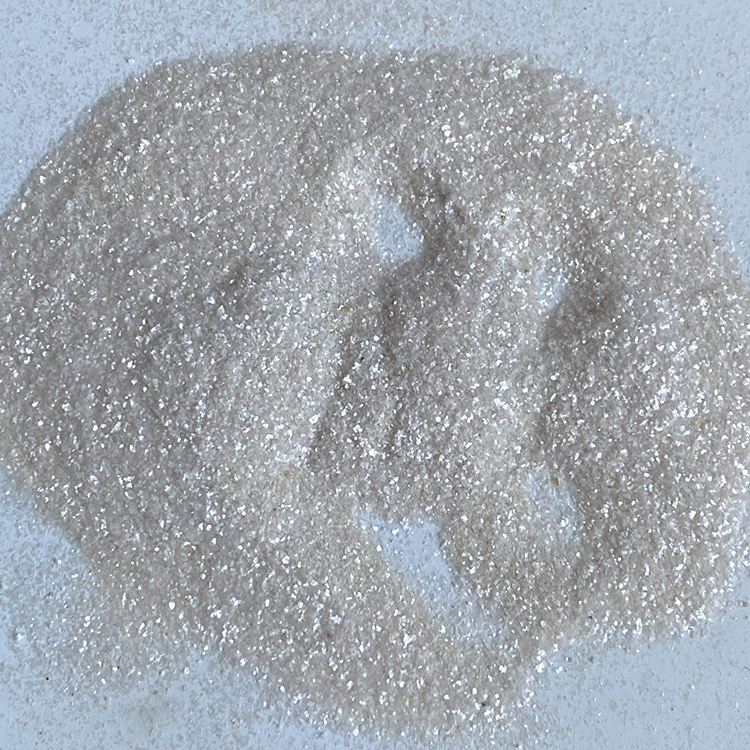
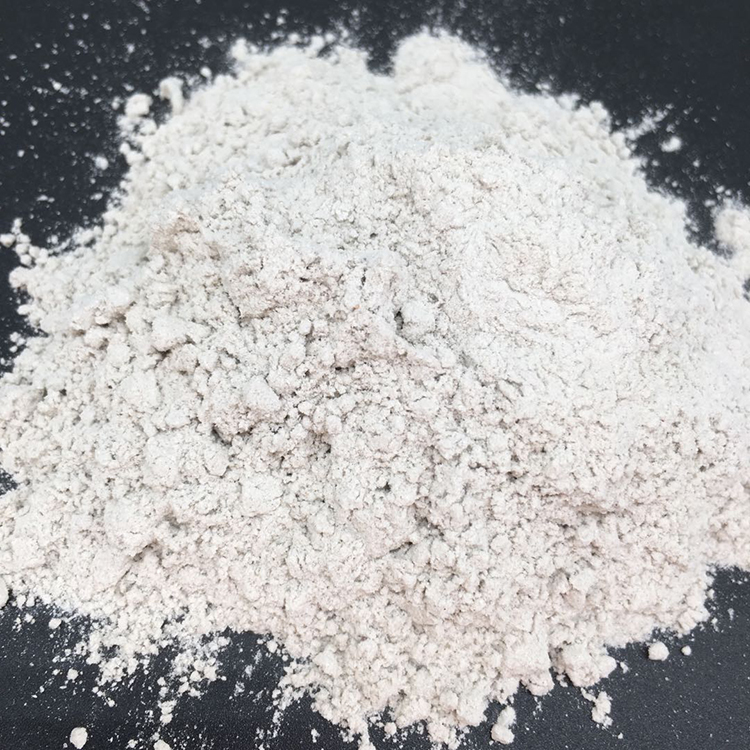
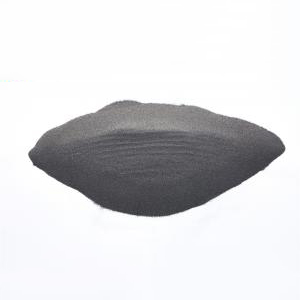
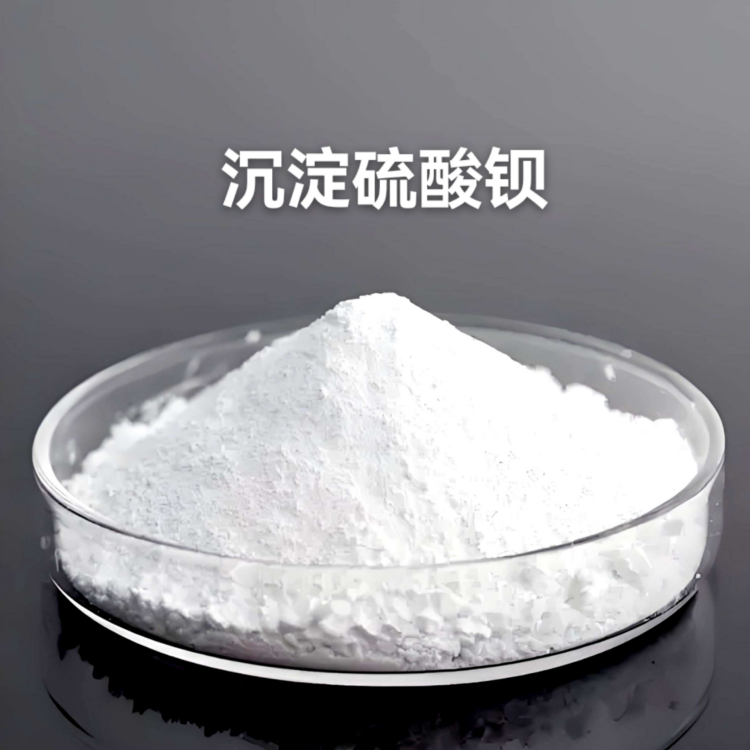
AppearanceWhite powder form.
Relative Density:3.84 g/cm³。
Melting point: 1500°C (can transform into rutile at high temperatures).
HardnessRockwell hardness of 5.5-6.0, relatively soft.
Light scattering capabilityExcellent light scattering capability, high brightness, and strong covering power.
Chemical Properties:
StabilityChemically stable, non-toxic, and an acidic amphoteric oxide.
ReactiveAlmost non-reactive with other elements and compounds at room temperature; inert to oxygen, ammonia, nitrogen, carbon dioxide, etc.
Photocatalytic activityUnder light exposure, it can undergo continuous oxidation-reduction reactions, exhibiting photochemical activity, particularly under ultraviolet radiation.
II. Production Process
The production process of rutile-type titanium dioxide primarily includes two main methods:
Sulfuric Acid Process:
Raw MaterialsTitanium magnetite or acid-soluble titanium slag.
ProcessThe raw material is obtained through processes such as sulfuric acid decomposition, filtration, hydrolysis, calcination, and crushing.
FeaturesMature technology but with a lengthy process and significant waste emissions.
Chlorination method:
Raw MaterialsNatural rutile or high titanium slag.
ProcessThe raw material is obtained through processes such as chlorination, purification by distillation, vapor-phase oxidation, rapid cooling, and gas-solid separation.
FeaturesProcess short, high-quality products, but high technical difficulty, and high investment cost.