








Definition and Classification
Hot-Dip Galvanized Steel Pipe
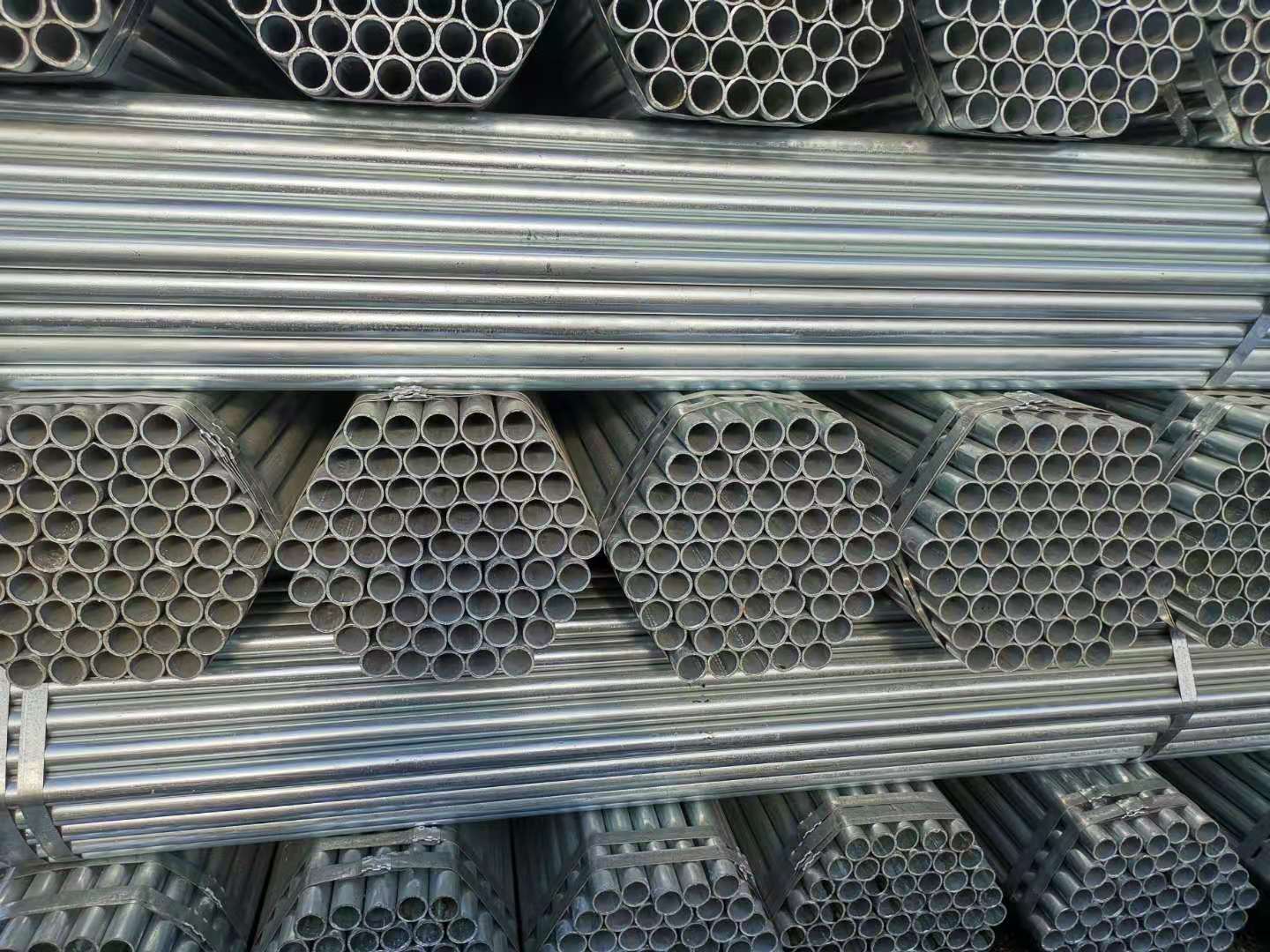
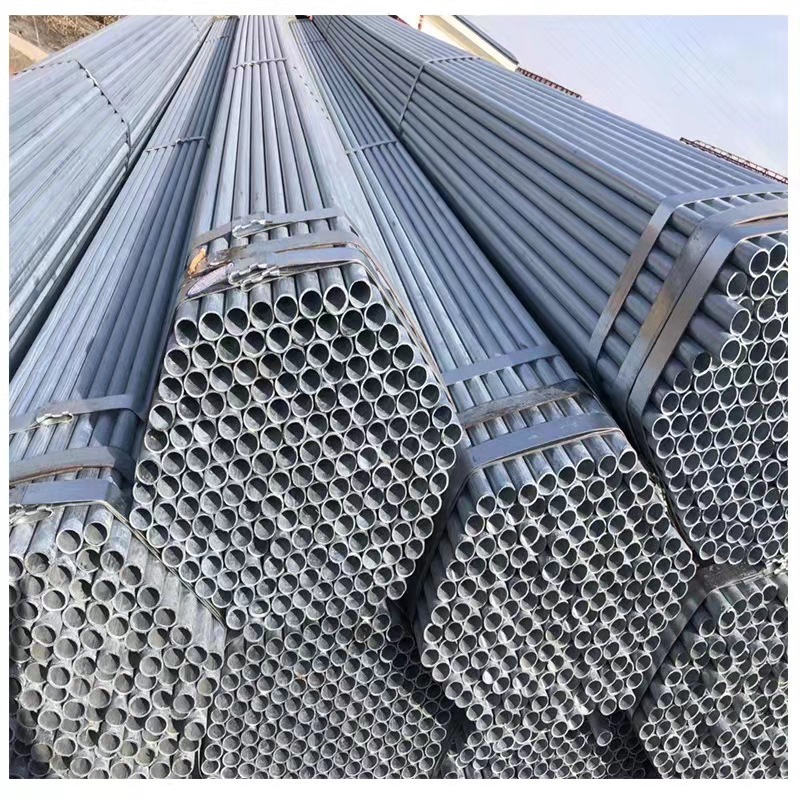
ProcessThe steel pipe is dipped into molten zinc, where a chemical reaction forms a zinc-iron alloy layer and a pure zinc layer on the surface. The coating thickness is ≥60μm, with strong adhesion.
FeaturesExcellent corrosion resistance, with a service life of over 20 years, suitable for outdoor, humid environments, or burial applications.
Cold galvanized steel pipe (electro galvanized steel pipe)
ProcessElectrolytically plated with a thin layer of pure zinc on the surface of steel pipes (10~20μm thick), the surface is smooth but has weak adhesion.
FeaturesCost-effective, yet corrosion-resistant galvanized steel pipes, commonly used in indoor dry environments or situations with low corrosion requirements.
| Advantages | Details Description |
|---|---|
| Strong corrosion resistance | Galvanized coatings provide electrochemical protection, preventing steel pipe substrates from contacting air and water. Hot-dip galvanized steel pipes are particularly suitable for high humidity and acidic/alkaline environments. |
| 2. Stable mechanical properties | High strength steel tube substrate (commonly made of Q235, Q345), galvanized without affecting its pressure-bearing capacity, suitable for fluid conveyance or as structural support. |
| 3. Easy installation | Supports threaded, grooved, and flanged connections; complete with pipe fittings (elbows, tees, reducers, etc.); ready for installation. |
| 4. Aesthetically pleasing | The galvanized layer is smooth and silver-white in appearance, combining both decorative and protective properties, and resists rust and discoloration over long-term use. |
| 5. Eco-friendly | The hot-dip galvanizing process is mature, with the coating free of harmful substances, suitable for water supply transmission (must comply with GB/T 13952 and other hygiene standards). |
Construction Engineering
Plumbing and Drainage SystemIndoor and outdoor water supply pipes, fire protection pipes (hot-dipped galvanized steel pipes for fire protection standards).
Gas TransmissionLow-pressure gas pipeline (must meet CJ/T 190 and other standards).
Structural SupportStructural steel brackets, scaffolding (cold galvanized steel pipes are commonly used in temporary structures).
Municipal Engineering
City water supply pipelines, stormwater and sewage pipelines (hot-dipped galvanized or reinforced anti-corrosion treatment required when buried).
Street lamp posts and traffic barrier steel frame.
Industrial sector
Corrosion-resistant piping for chemical and petroleum industries (such as for conveying acidic and alkaline liquids).
Transmission shafts and hydraulic hoses in mechanical manufacturing.
Agriculture and Livestock Farming
Greenhouse frame, irrigation pipes (hot-dipped galvanized steel pipes for rust resistance, extending the lifespan of the greenhouse).
Livestock and poultry shed ventilation ducts, drinking water systems.
Size Standards
Nominal Diameter (DN)Standard sizes: DN15~DN300 (outer diameter 21.3mm~323.9mm), wall thickness 2.0~10.0mm varying, pressure ratings include low pressure (≤1.0MPa), medium pressure (1.6MPa), and high pressure (above 2.5MPa).
LengthTypically 6 meters per piece, available in custom lengths.
Compliance Standards
Hot-Dipped Galvanized Steel PipeGB/T 3091 Welded Steel Pipes for Low-Pressure Fluid Transportation, GB/T 13793 Straight Seam Electric Welded Steel Pipes.
Cold galvanized steel pipeGB/T 18704 "Composite Stainless Steel Pipes for Structural Use" (reference applicable in certain scenarios).
Surface QualityGB/T 13912 "Technical Requirements and Test Methods for Hot-Dip Zinc Coating on Steel Products"
Bolted connection (threaded connection)
Applicable ScenariosPipe sizes DN≤100mm are commonly used for indoor water supply and fire service branches.
Key PointsThe pipe end requires a female thread for connection via fittings (such as pipe clamps, swivel joints), and the threaded area should be wrapped with sealing tape or coated with sealant to prevent leakage.
Groove connections (Clamp connections)
Applicable ScenariosPipes with DN≥80mm are particularly suitable for rapid installation in fire protection and sprinkler systems.
Key PointsSteel pipes are extruded with annular grooves at both ends, sealed with rubber O-rings and secured with clamps to absorb the thermal expansion and contraction stresses of the pipeline.
Flange Connection
Applicable ScenariosAreas requiring frequent disassembly or connection to equipment (such as pump, valve interfaces).
Key PointsSteel pipes are welded or threaded to flanges, with a sealing washer inserted between the two flanges, secured with bolts.
Welded joints
Please noteGalvanized steel pipe welding can cause the zinc layer to burn off, damaging the corrosion resistance, so secondary corrosion protection is required at the welding joint (such as applying zinc-rich paint), unless it's not necessary.
Pipe Laying
In-ground installationGalvanized steel pipes must be buried below the frozen soil layer, with a 100mm sand cushion layer at the bottom of the trench. Backfill soil should be free of stones to prevent scratching the galvanized coating.
Elevated installationThe bracket spacing needs to be adjusted according to the pipe diameter (e.g., for DN50, bracket spacing ≤ 3 meters) to prevent pipe sagging.
Corrosion treatment
Galvanized steel pipes are generally provided with additional corrosion protection, but in environments with strong acids or alkalis, they can be wrapped with polyethylene tape or coated with epoxy resin.
Galvanized steel pipes, if used outdoors, it is recommended to reapply rust-proof paint or primer to enhance protection.
Pressure Test
After pipeline installation, a hydrostatic test is required (test pressure at 1.5 times the working pressure, hold pressure for 30 minutes without leakage) or a pneumatic test (suitable for gas pipelines).
Regular inspections
Annually inspect for loosened pipe connections and damaged coatings, and check the corrosion-prone areas such as elbows and tees on buried pipelines.
Upon discovering localized rust, sand the rust away and coat the area with zinc paint for repair.
Taboo scenarios
Cold galvanized steel pipes are strictly prohibited for use in hot water pipelines (water temperature > 60℃ accelerates zinc layer detachment) or underground applications.
Do not use cleaning agents containing chloride ions (such as hydrochloric acid) to wipe zinc-plated surfaces to prevent corrosion of the coating.
Standard
Galvanized steel pipes for gas use must be made of hot-dip galvanized material, and the joints must undergo an airtightness test (such as applying soap water to detect leaks).
Fire piping installation must comply with GB 50974 "Technical Code for Fire Water Supply and Fire Hydrant System," and the use of cold galvanized steel pipes is prohibited.
| Comparison Dimensions | Galvanized Steel Pipe | Stainless steel tube | Plastic pipes (such as PPR) |
|---|---|---|---|
| Cost | Medium (Hot Dip Galvanized, Cold Dip Galvanized) | High | Low |
| Corrosion resistance | Premium (Hot-Dip Galvanized) | Superior | Good (Chemical Resistance) |
| High-temperature resistance | Excellent (withstanding temperatures above 150°C) | Superior (≥300℃) | Poor (PPR ≤ 70℃) |
| Strength | High (suitable for high-pressure environments) | High | Low (suited for low-pressure water conveyance) |
| Application Scenario | Fire protection, gas, structural components | Chemical and Food Grade Piping | Indoor water supply and drainage |
QualitySelect manufacturers with a galvanized steel pipe production license and request a product quality certificate (indicating zinc layer thickness, mechanical properties, etc.).
Inspect appearanceThe hot-dipped galvanized steel pipes should have a smooth surface, free of zinc nodules and no missed galvanizing. Cold-dipped galvanized steel pipes should have a uniform coating with no blisters.
Measure CoatingThickness of zinc layer is measured by a magnetic thickness gauge (hot dipped zinc ≥60μm, cold dipped zinc ≥10μm), or tested by solution immersion (qualified if no red copper precipitates after 7 immersions).
Select as needed:
Long-term underground, high humidity conditions → Hot-dip galvanized steel pipes (wall thickness ≥ 3.5mm).
Indoor dry environment, temporary use → Cold galvanized steel pipe (cost).