
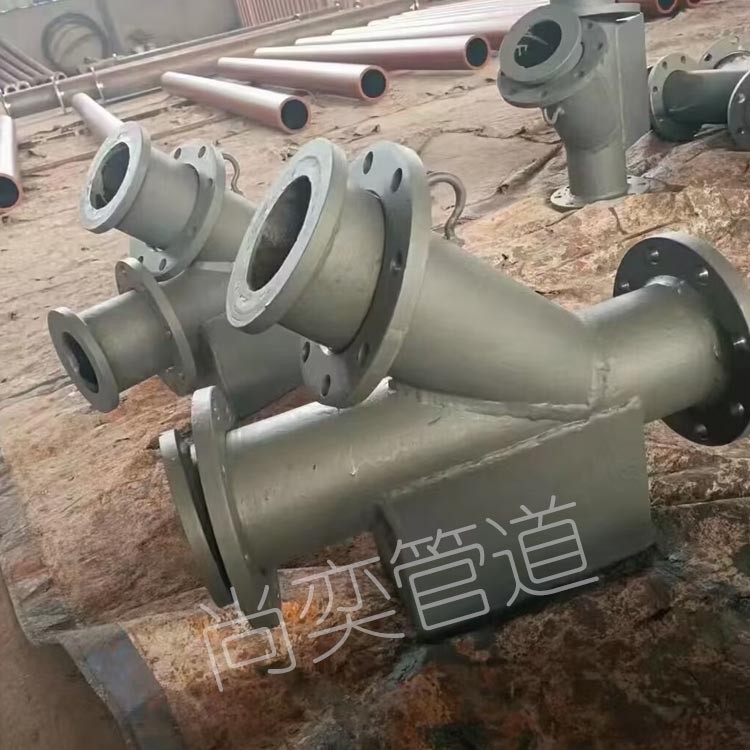
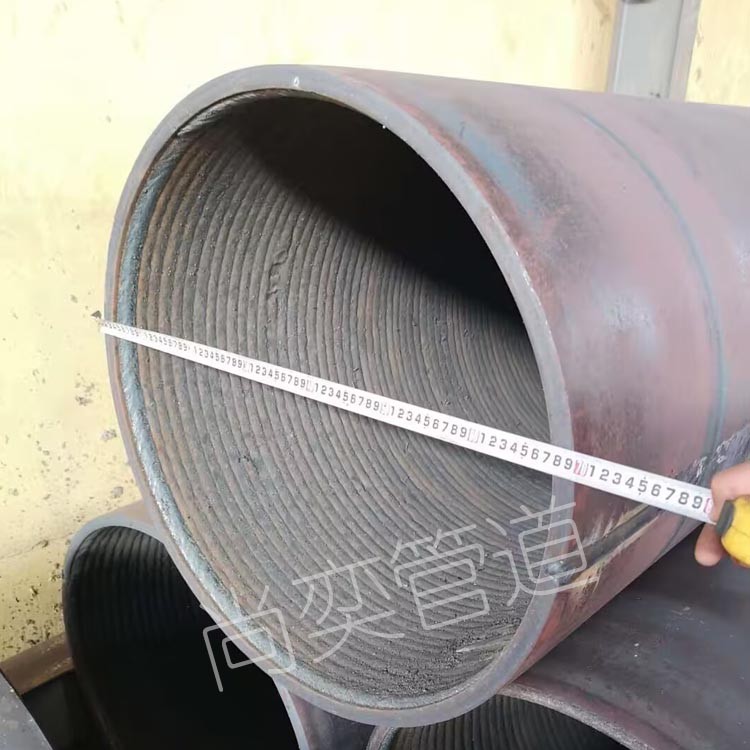







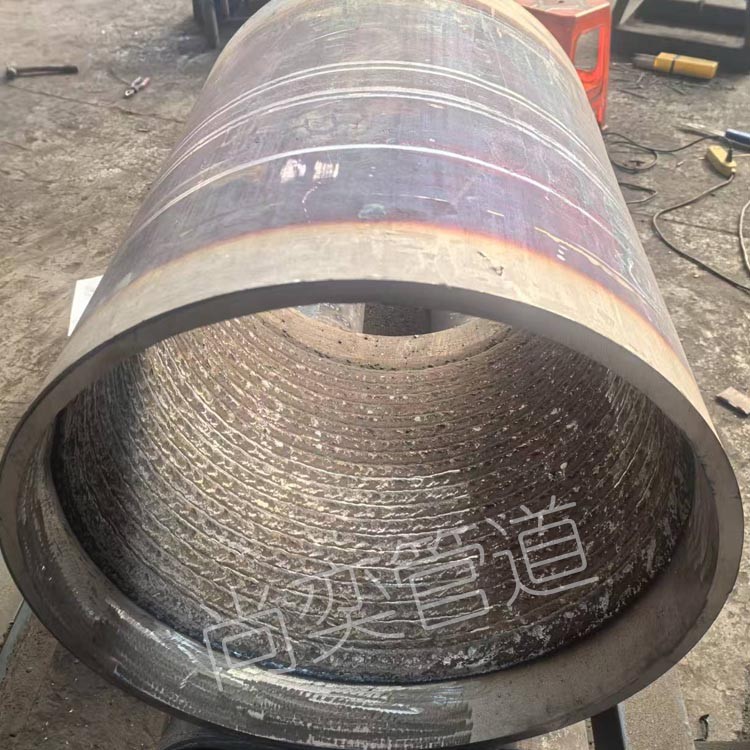
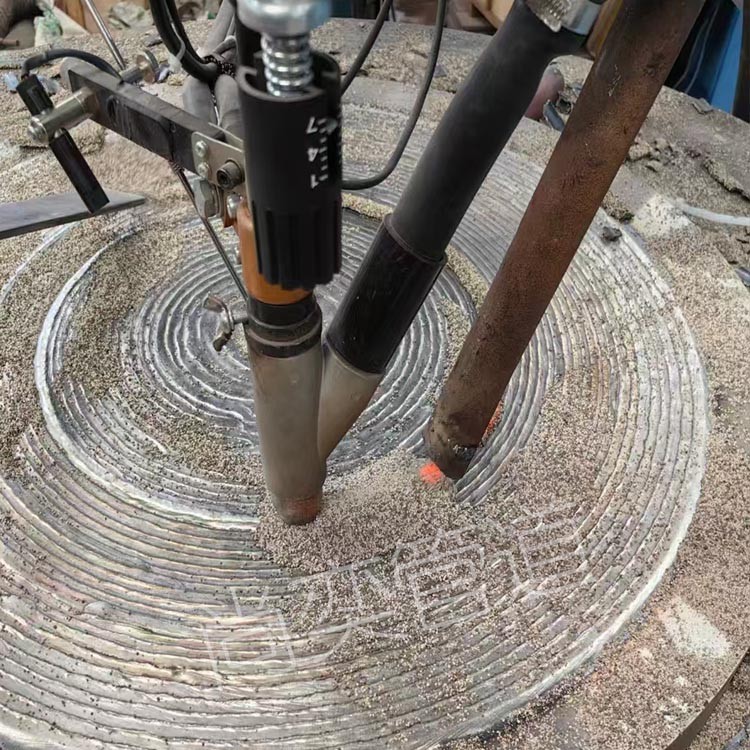
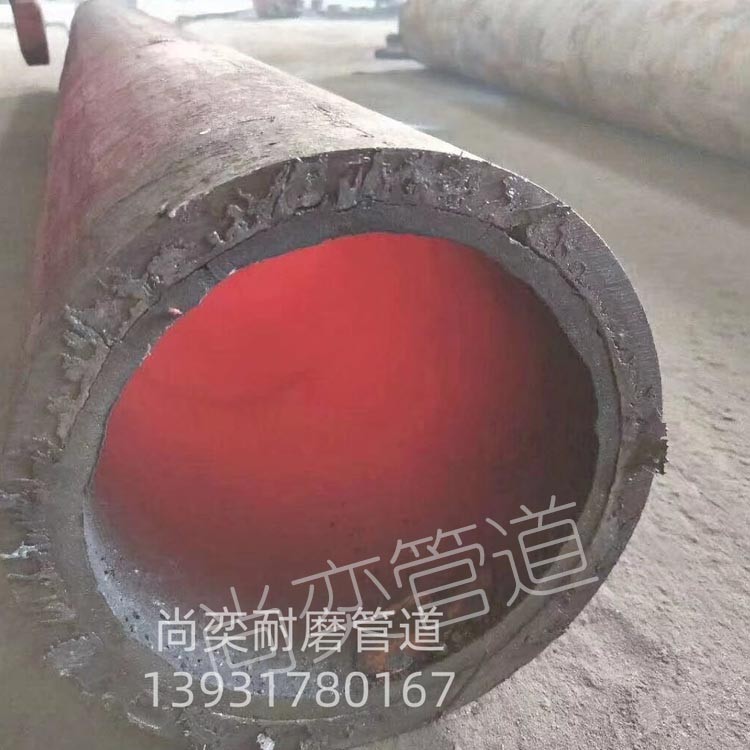
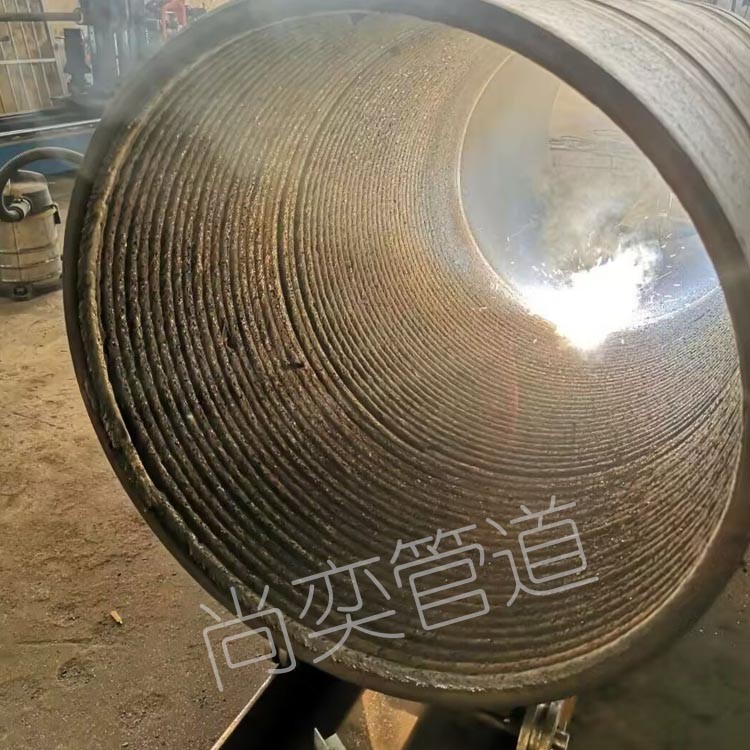
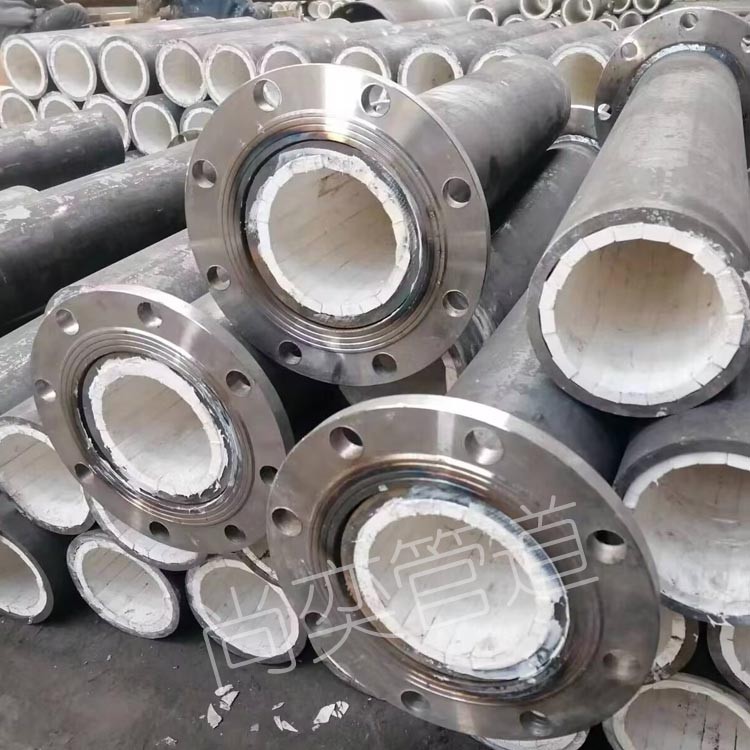
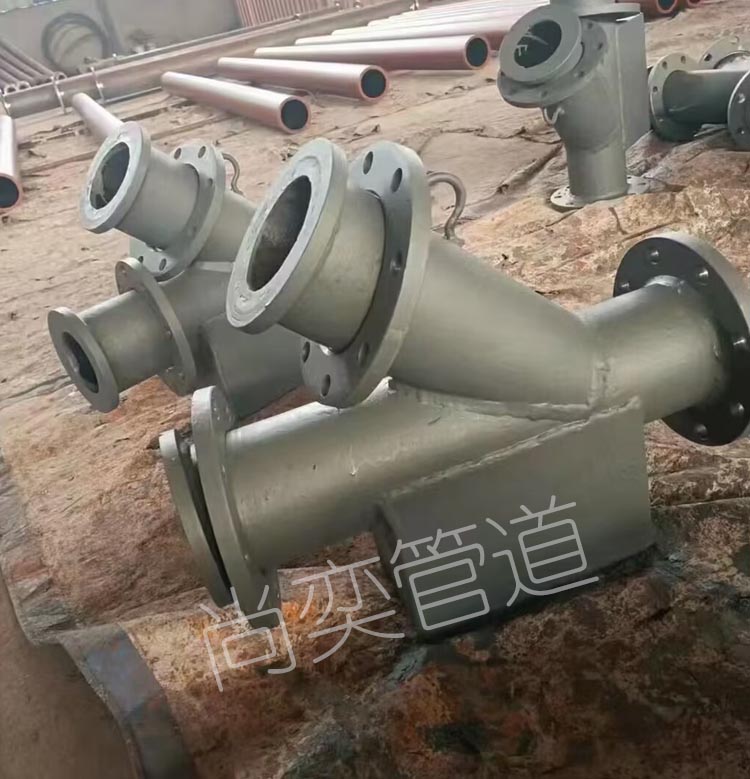
Wear-resistant pipe conveyance has already been widespread in industries such as power, metallurgy, coal, oil, chemicals, building materials, and machinery, and is developing rapidly.
Wear on wear-resistant pipes is a common occurrence, as wear happens whenever two objects come into contact and their surfaces move relative to each other. Pipe wear refers to the phenomenon where the material surface of a pipe is damaged due to the impact of flowing water and small, loose particles, resulting in the detachment or transfer of the material.
Wear-resistant tubes made from ideal high-strength, high-toughness, and high-plasticity materials are an essential method to reduce abrasive wear.
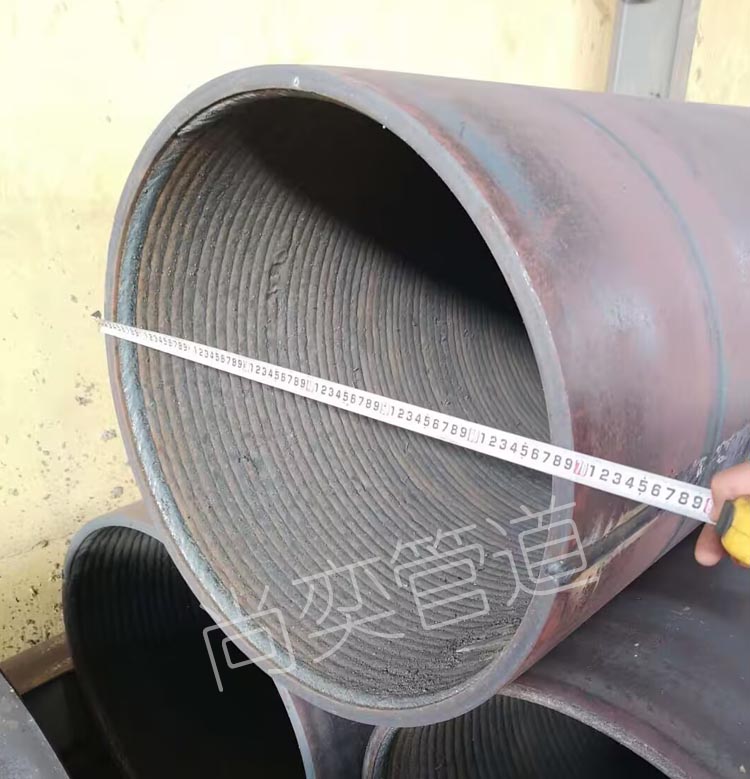
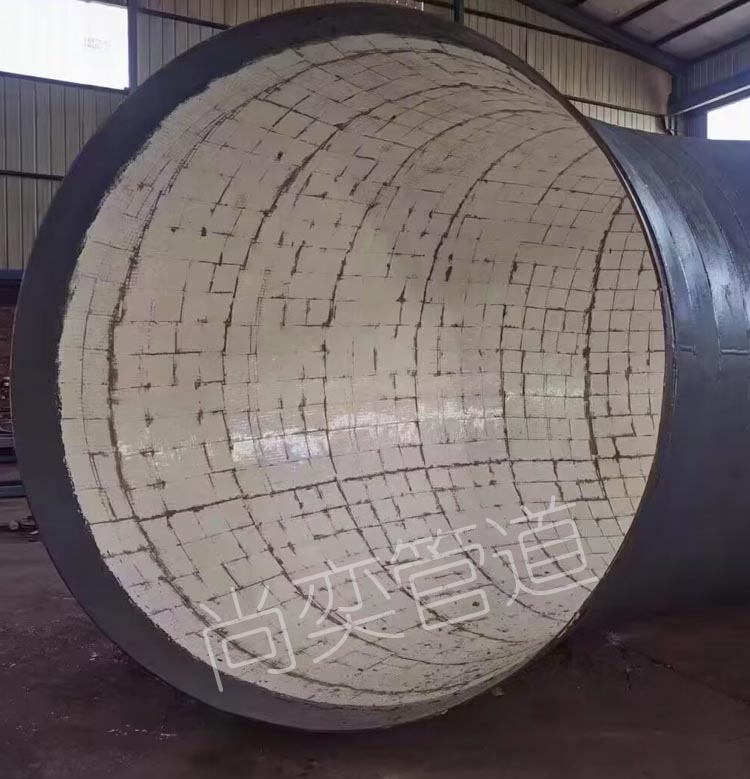
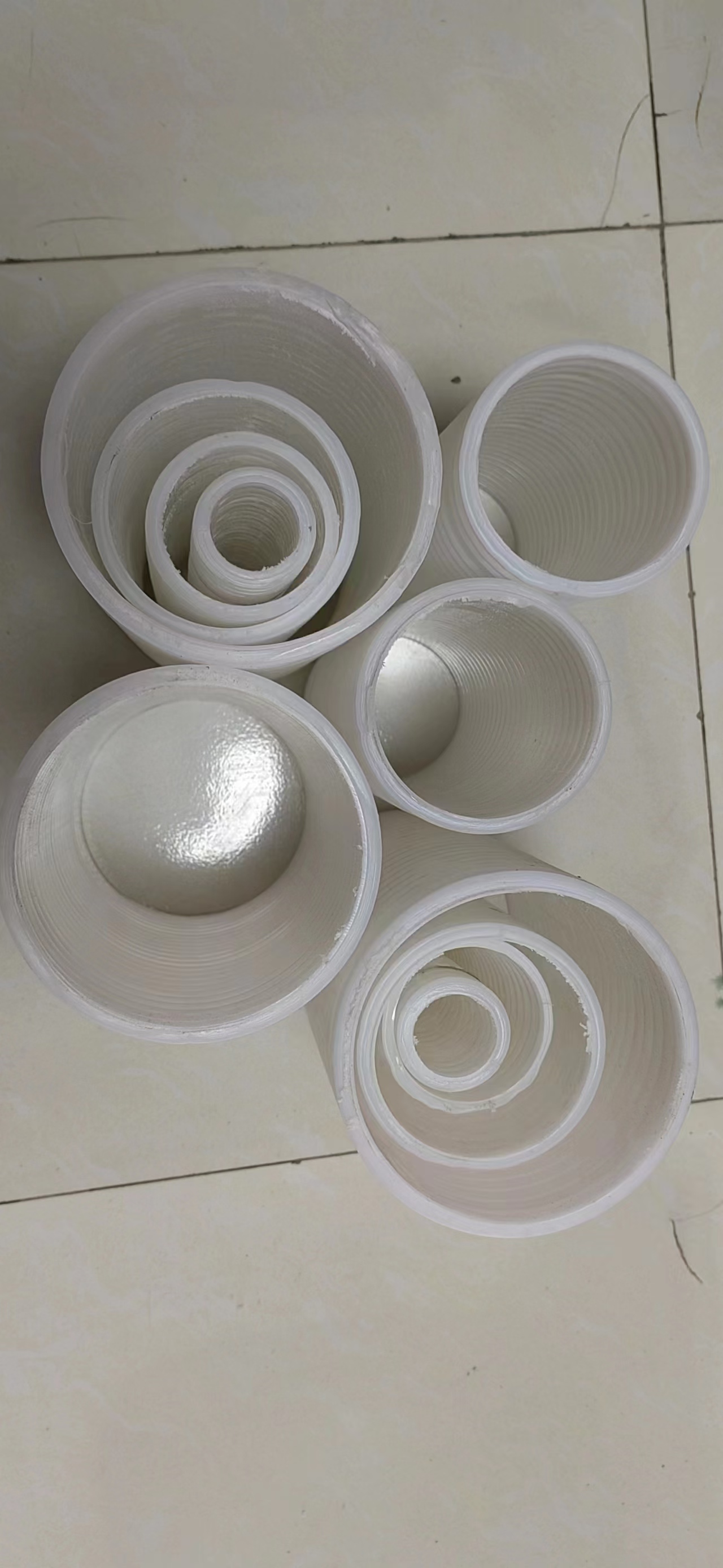
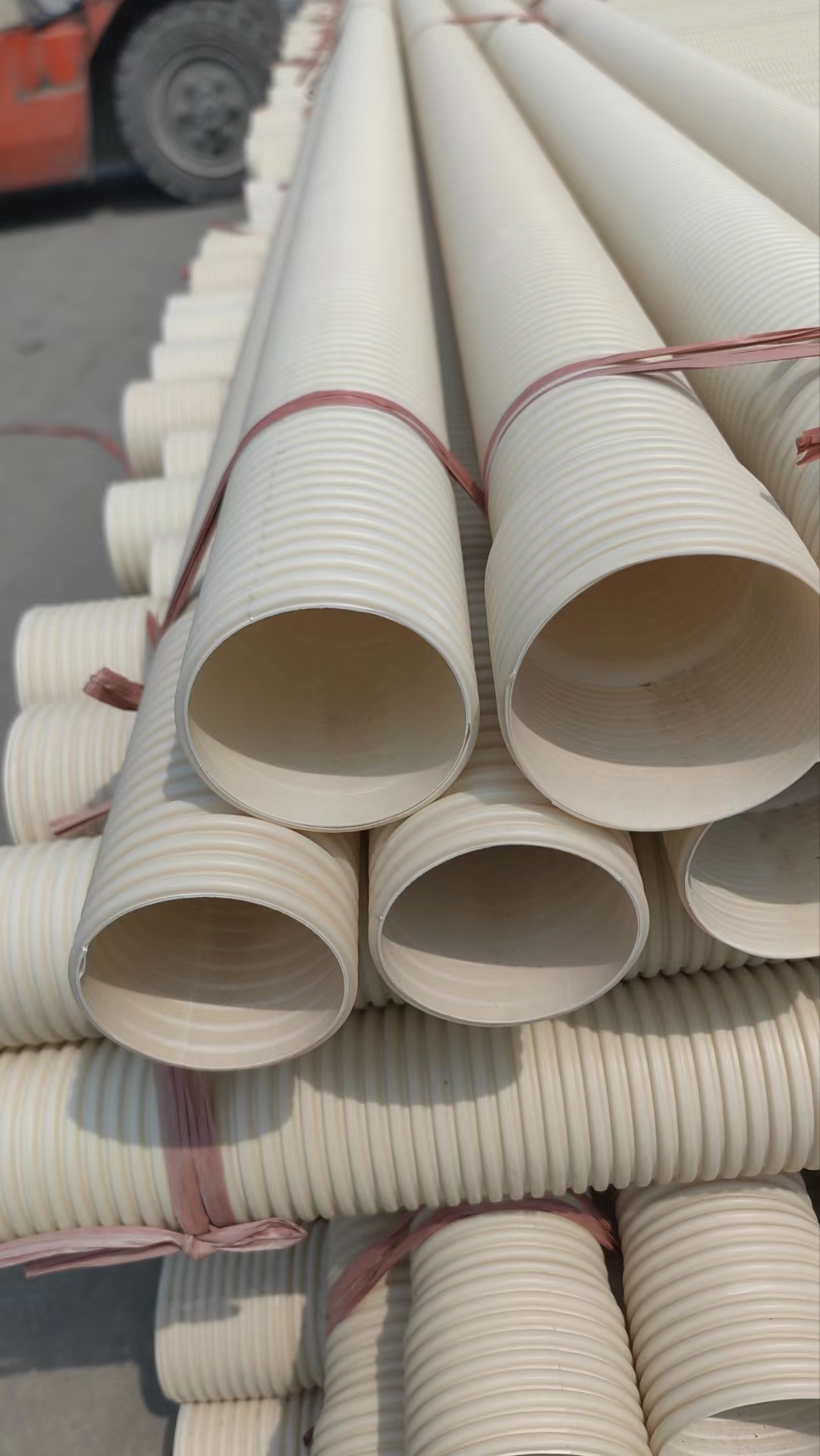
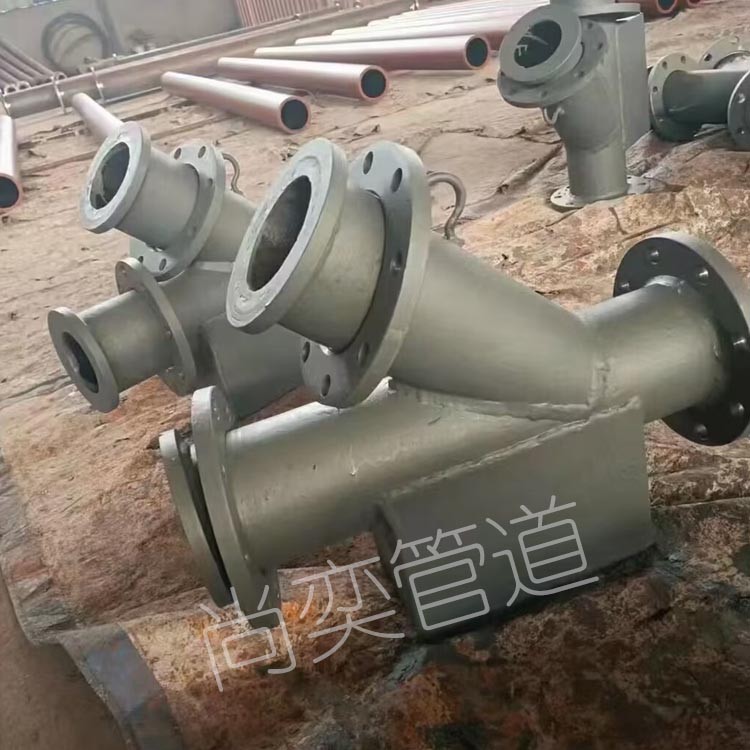
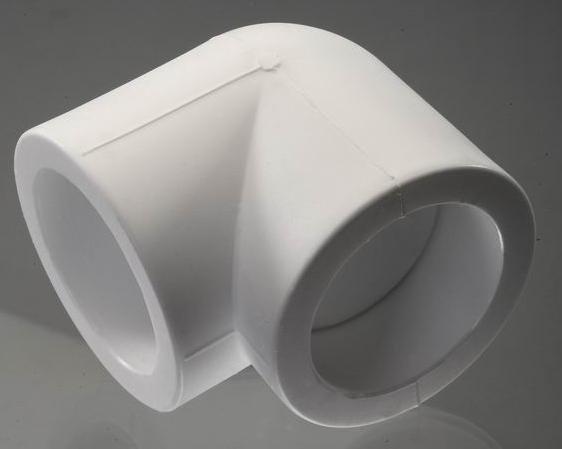
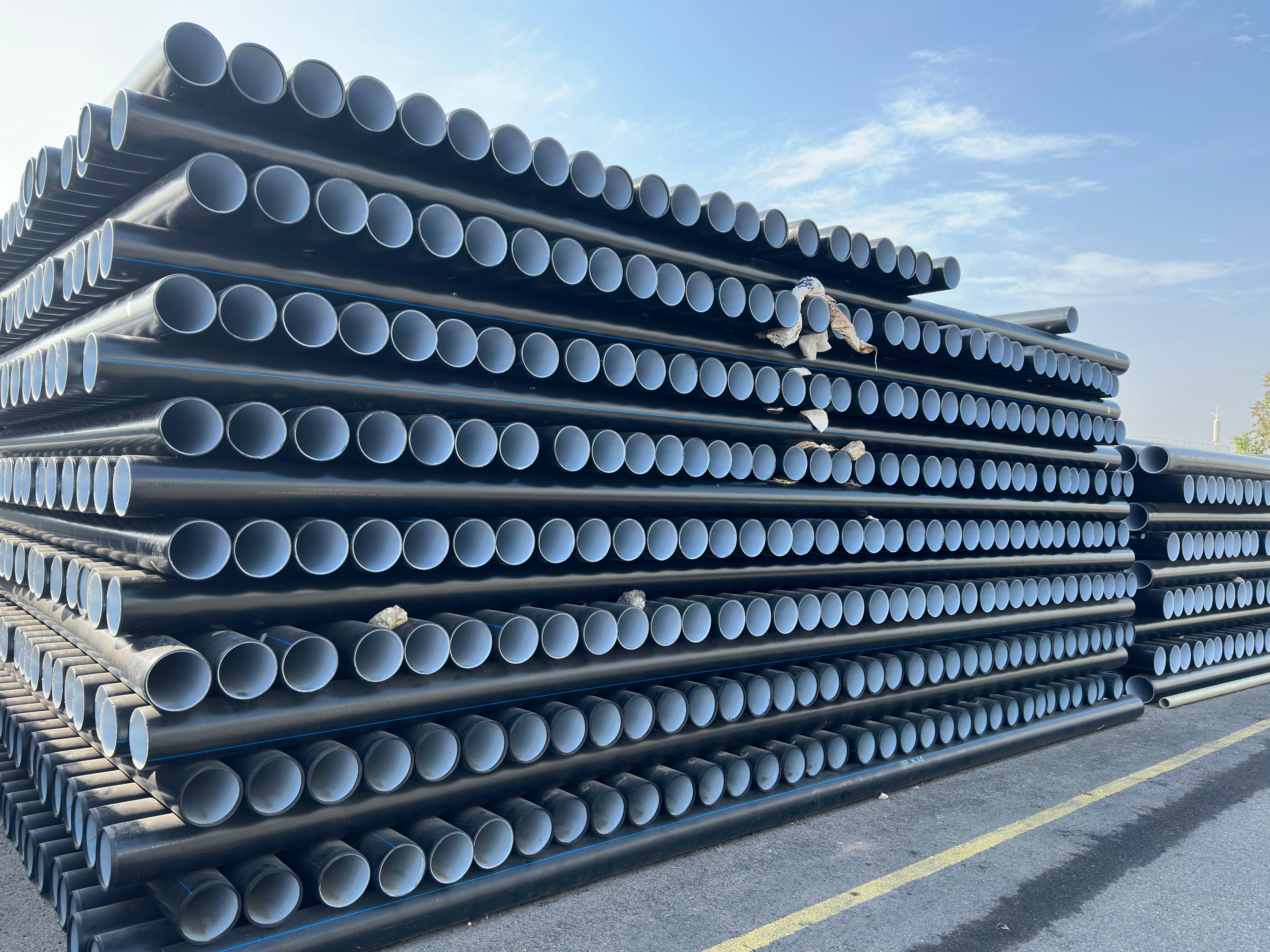
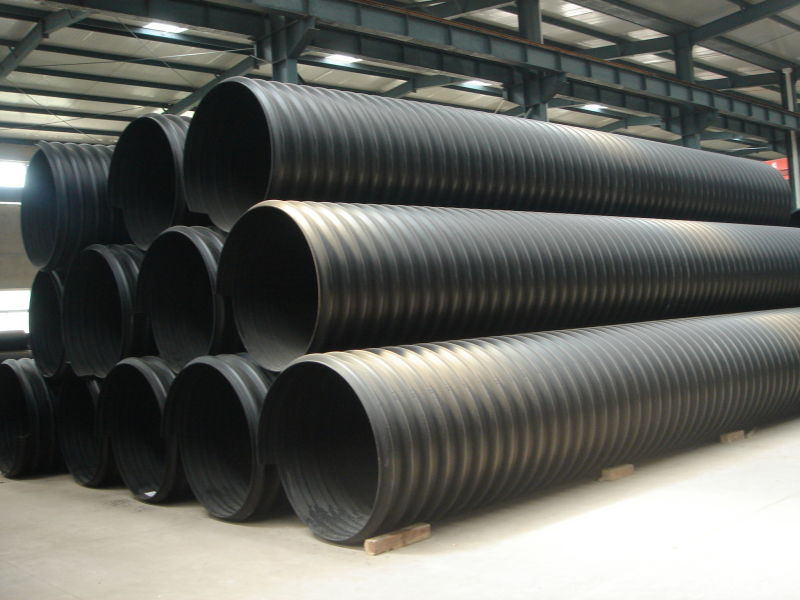
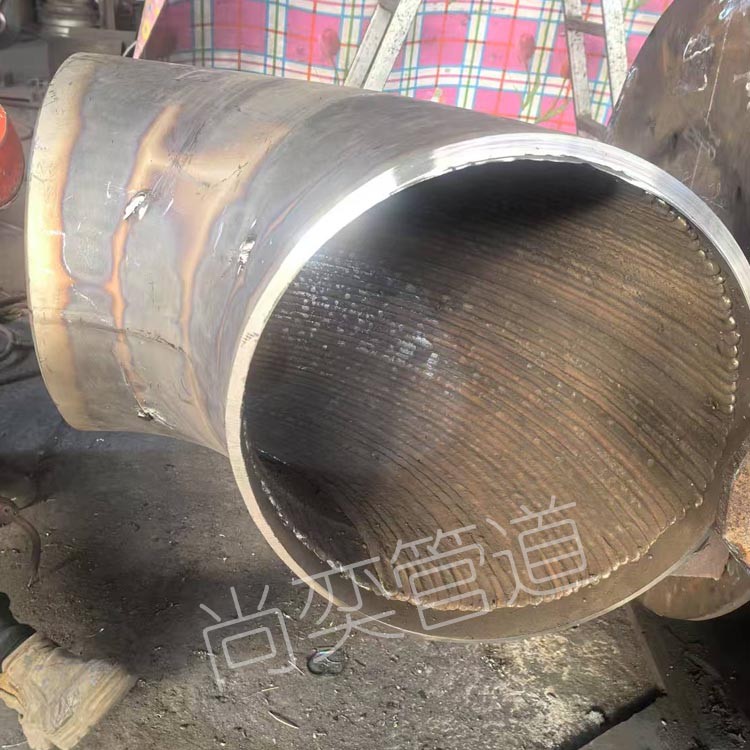
Wear-resistant pipe materials are generally categorized into four types: 1. High polymer material pipes; 2. Non-metallic inorganic material pipes; 3. Metal material pipes; 4. Composite material pipes.
Abrasion-resistant pipes are widely used for transporting ore filling materials, concentrate, and tailings in heavily worn mines, as well as for coal-fired power plant applications such as conveying powder, slag removal, and ash transport, where they are also highly suitable.