






I. Project Overview and Construction Preparation
Engineering Objective
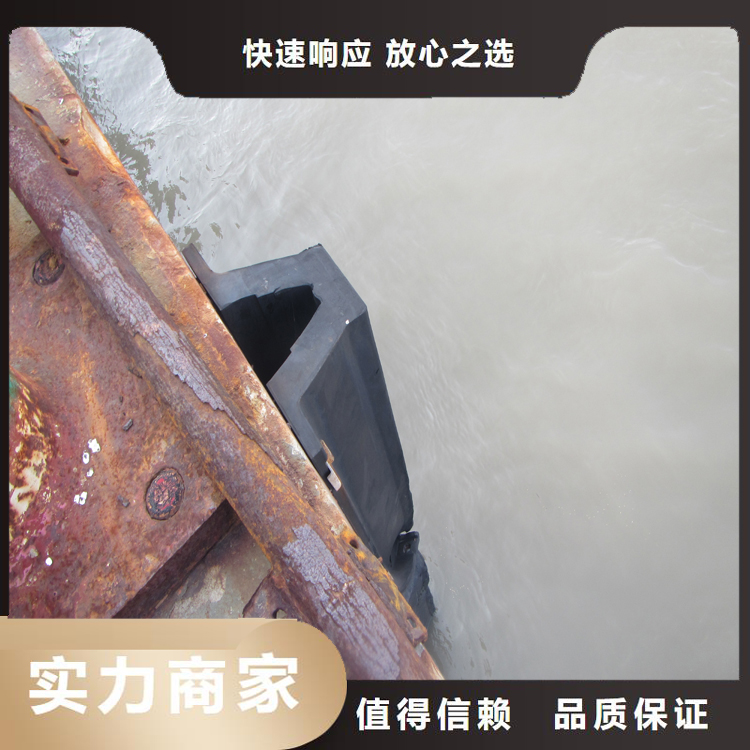
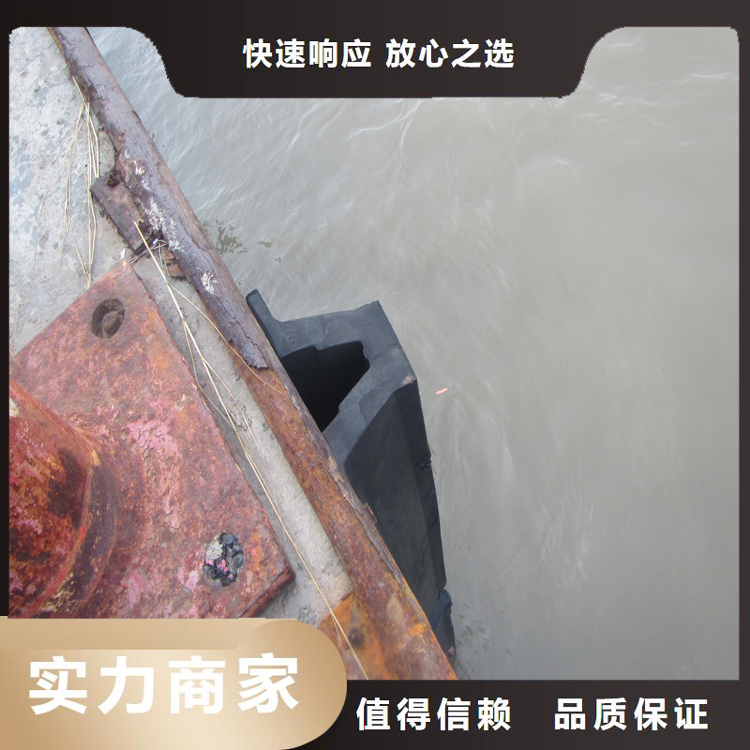
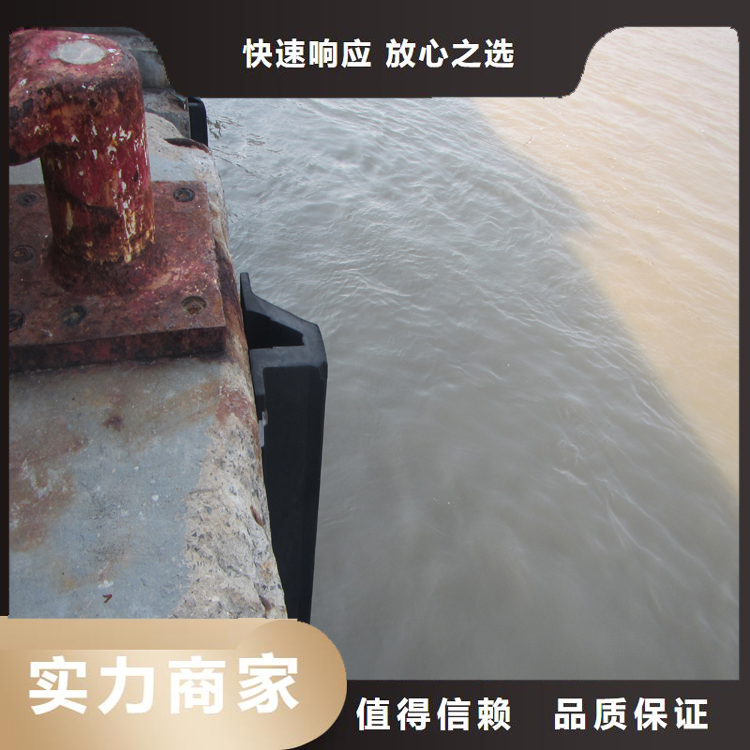
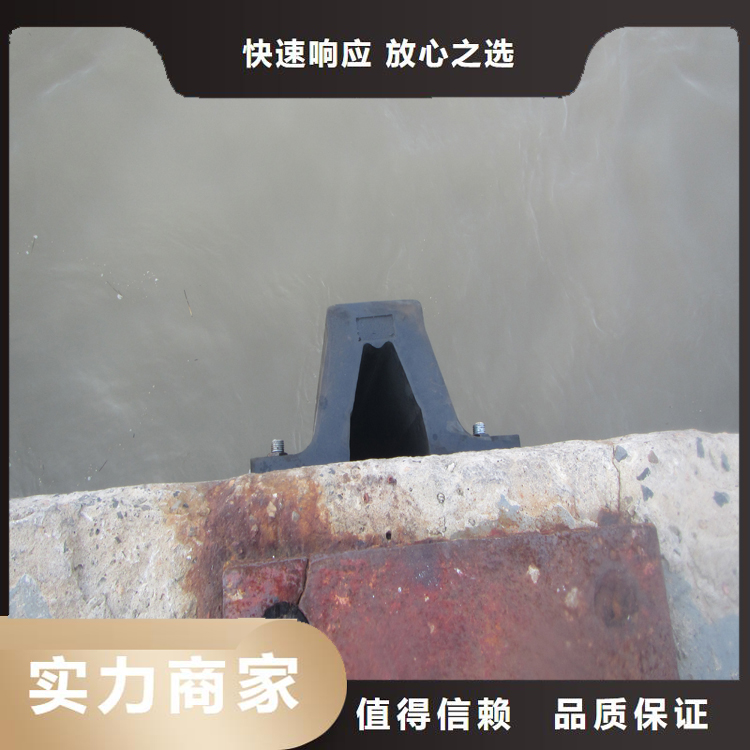
Through precise drilling and professional installation, ensure the fender (such as rubber fender, polyurethane fender, etc.) is securely fastened, providing collision and shock absorption during ship docking.
2. Pre-shipment Preparation
Site Inspection: Confirm the type of pier structure (concrete, steel, etc.), fender installation location, and environmental conditions (tides, water level changes, etc.).
Material Inspection: Verify fender model, dimensions, and accessories (bolts, washers, chains, etc.) to ensure compliance with design requirements.
○ Equipment Preparation: Equipped with hole-making tools (such as engineering drills, water jet cutters), measuring instruments (laser distance meters, levels), and safety protective gear.
II. Professional Drilling Operation Process
1. Positioning stringing
Based on the design drawings, mark the center point of the hole using a total station or laser positioning instrument, with the error controlled within ±5mm.
Consider the fender installation angle (horizontal, vertical, or inclined) and draw the hole outline on the pier structure surface.
2. Hole Processing Selection
Mechanical drilling: Suitable for hard materials such as concrete and steel plates, use drill bits with matching diameters, drill in layers, and clean out debris.
Waterjet Cutting: Suitable for complex shapes or special materials (such as composites), offering high precision cuts with no thermal damage.
○ Hole预留修正: If there are reserved holes in the design, check the hole diameter and perpendicularity, and expand or repair the holes if necessary.
3. Key Drilling Operations
Hole Depth Control: Set the hole depth at the length of the fender mounting bolt plus 10mm allowance to prevent穿透 the structural layer.
Anti-offset Measures: Utilize guide devices or positioning templates to prevent drill bit deviation.
Hole wall treatment: Remove burrs and dust, ensuring the hole wall is smooth and perpendicular for easy bolt tightening.
Section 3: Fender Installation and Fastening
Installation sequence
Install fender at designated position, initially align to the opening holes.
Insert the bolt and pre-tighten with a hand wrench; check if the fender's contact surface with the pier is even.
Torque the bolt in stages according to the design parameters (e.g., M24 bolt torque ≥ 200 N·m) using a torque wrench to prevent stress concentration.
2. Special Fender Mounting Technology
Buoyant Fender: Requires simultaneous installation of buoy or chain suspension system to ensure the fender floats freely with water level changes.
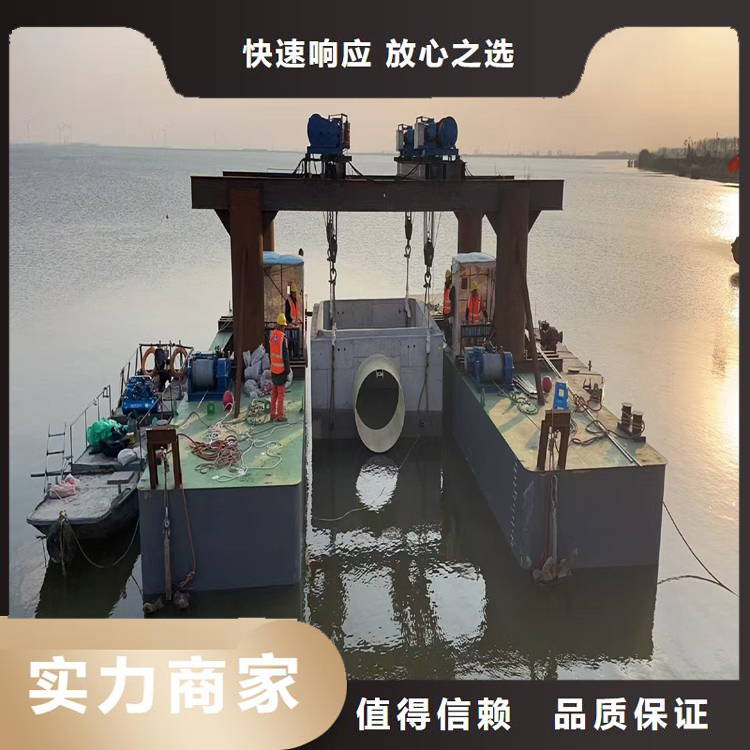
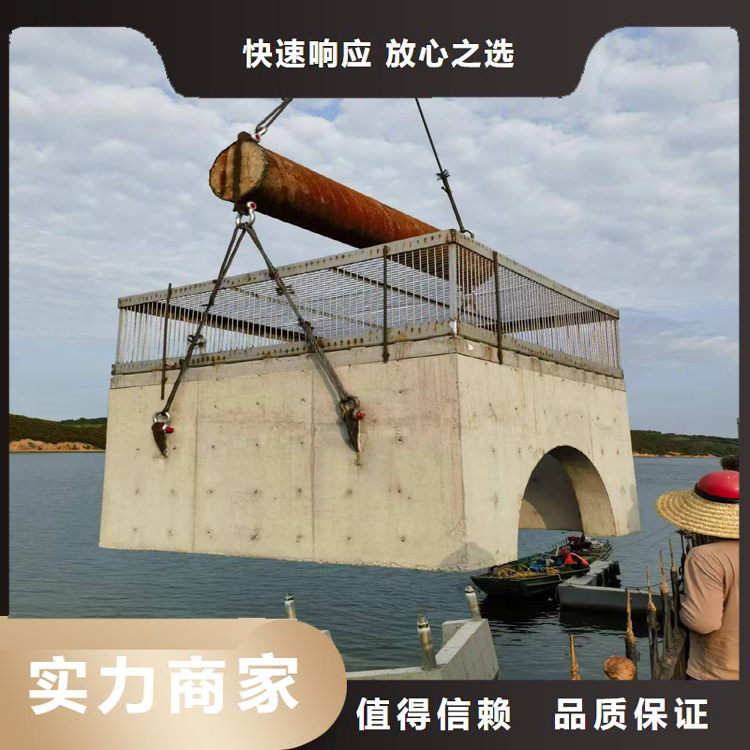
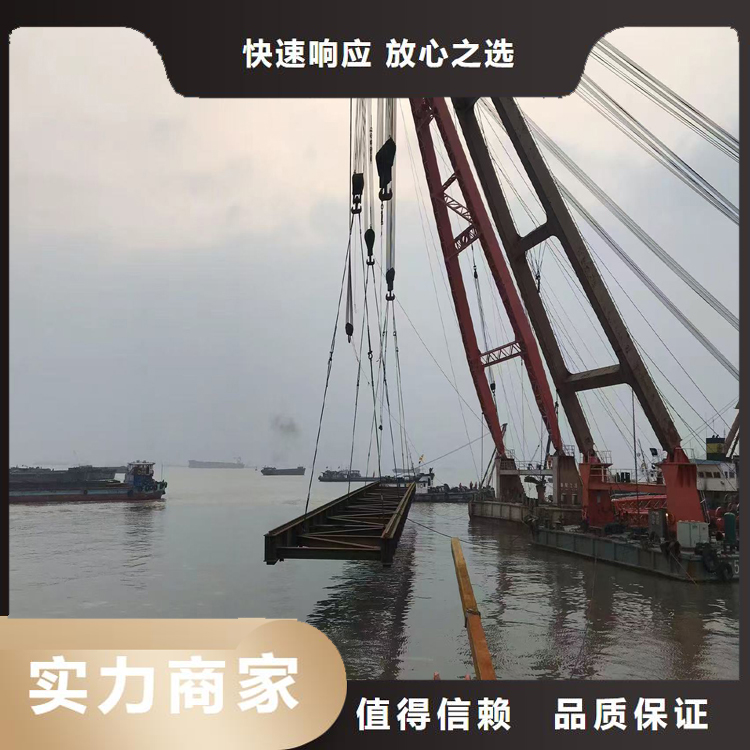
○ Extra-large fender: assembled using segmental hoisting + on-site splicing, secured with specialized clips or welding.
3. Parts Installation
Install collision bars, warning signs, and other accessories to ensure the完整性 of the ship's bulwark function.
Check the inflation pressure for rubber fender or the sealing of the polyurethane fender to ensure there are no leaks or cracks.
IV. Quality Control and Acceptance Standards
1. Key Inspection Items
○ Hole Position Deviation: ≤10mm.
Decks rail installation verticality: ≤3° (measured with a level).
Bolt Tightening Torque: Complies with manufacturer requirements and data is recorded.
Fender surface flatness: No concave or convex deformation, tightly contacting with the dock.
2. Receipt and Testing
Conduct simulated collision tests to verify fender cushioning performance.
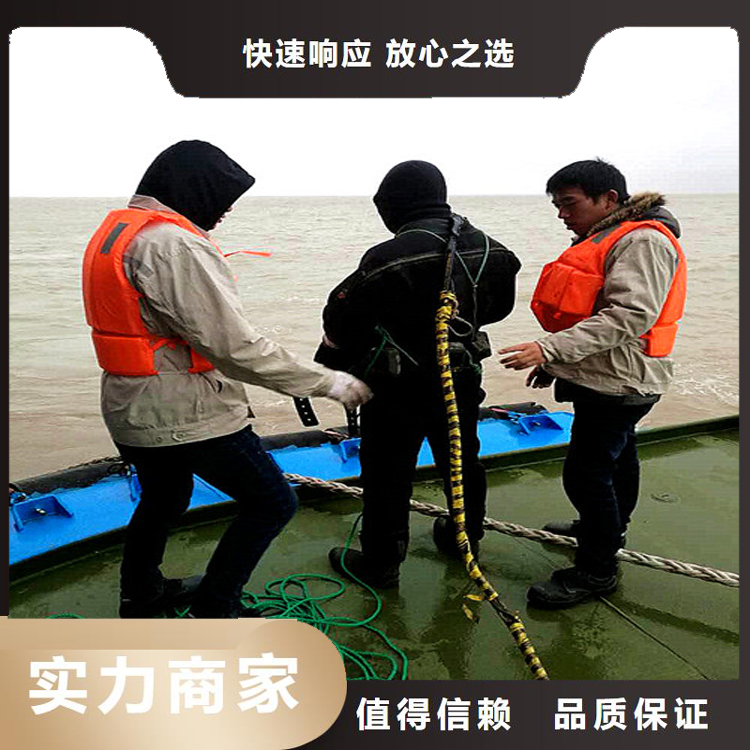
For underwater fender installation, divers or ROVs (Remotely Operated Vehicles) are required to inspect the securing status.
V. Safety Measures and Precautions
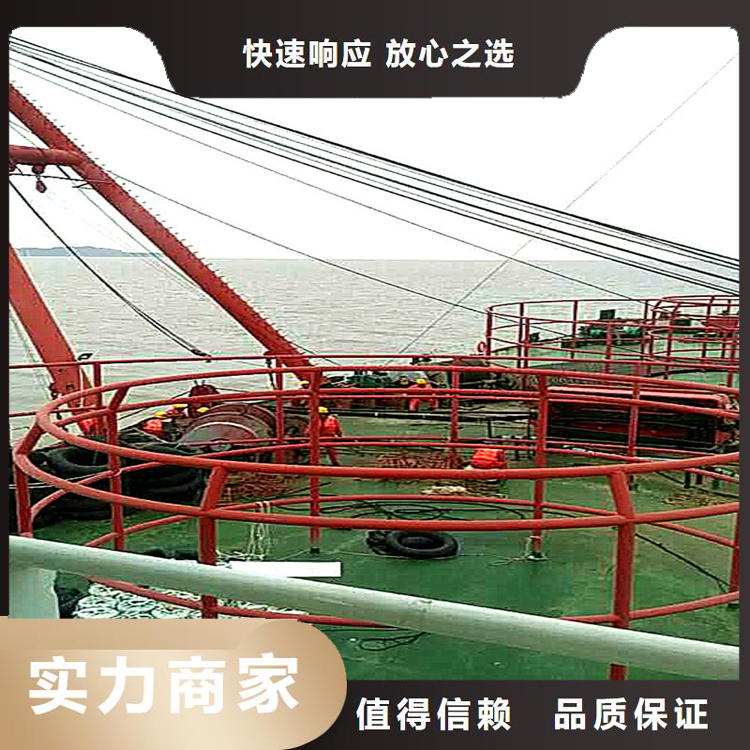
High-altitude/waterfront operation protection
Set up safety guards, lifebuoys, and warning signs.
Workers must wear safety belts and non-slip shoes to prevent falling into the water.
2. Equipment Operation Safety
Drilling and cutting equipment are operated by专人, with regular inspections of cable and cutter conditions.
When using electric tools, equip with a leakage protector.
3. Tidal Response Measures
Avoid high-tide construction; temporarily construct a cofferdam if necessary.
For floating fender, wave resistance must be tested after installation.
4. Environmental Requirements
Waste materials (such as concrete slag, waste engine oil) are categorized for recycling to prevent water pollution.
Section 6: Common Questions and Solutions
Hole offset: Re-drill after relocation or use expansion bolts for remediation.
2. Buoy bump stop loose after installation: Check bolt torque, add washers or replace with high-tensile bolts.
3. Subsea Installation Challenges: Utilize divers' assistance or underwater robotic support for operations.
Section 7: Summary
Professional fender installation requires strict adherence to the process of positioning → drilling → installation → acceptance. Through precise construction and quality control, ensure the fender operates stably for a long time, safeguarding the safety of the dock and vessels.