







I. Project Overview and Construction Objectives
In shipyard slipway engineering, the installation and maintenance of the underwater portion must ensure the stability and reliability of the slipway structure, safeguarding the safety and smoothness of the ship's launch process. Key construction activities include:
1. Submerged Installation: channel foundation treatment, prefabricated component installation, underwater connections, and sealing.
2. Underwater Maintenance: structural damage repair, anti-corrosion treatment, replacement of functional components, and performance recovery.
II. Construction Preparation and Condition Confirmation
Environmental Assessment
Underwater Survey: Utilize ROVs (Underwater Robots) or divers to inspect water depth, current speed, seabed conditions (silt, rocks), and obstructions in the track area.
Weather Monitoring: Avoid periods with adverse weather (strong winds, heavy rain, large waves) and significant tidal influence.
2. Equipment and Material Preparation
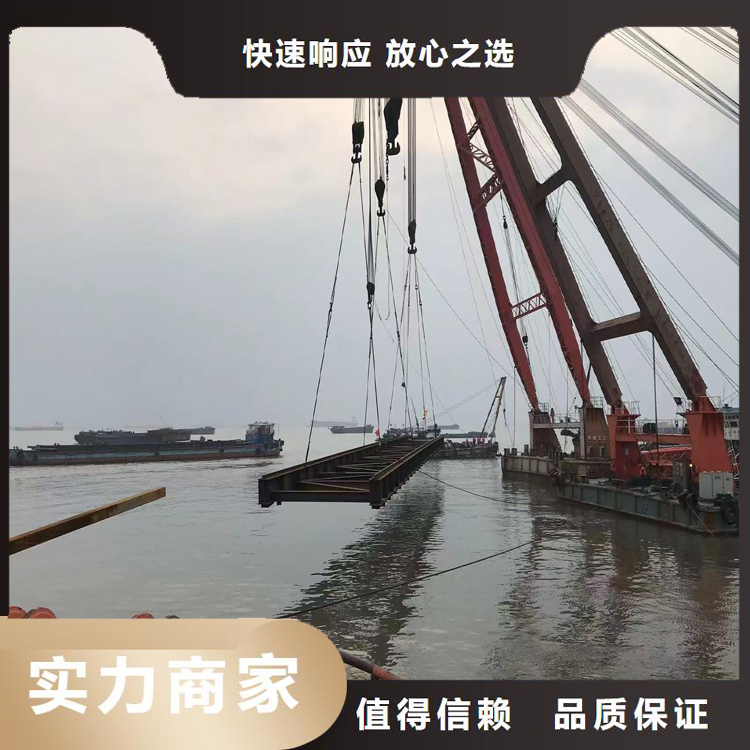
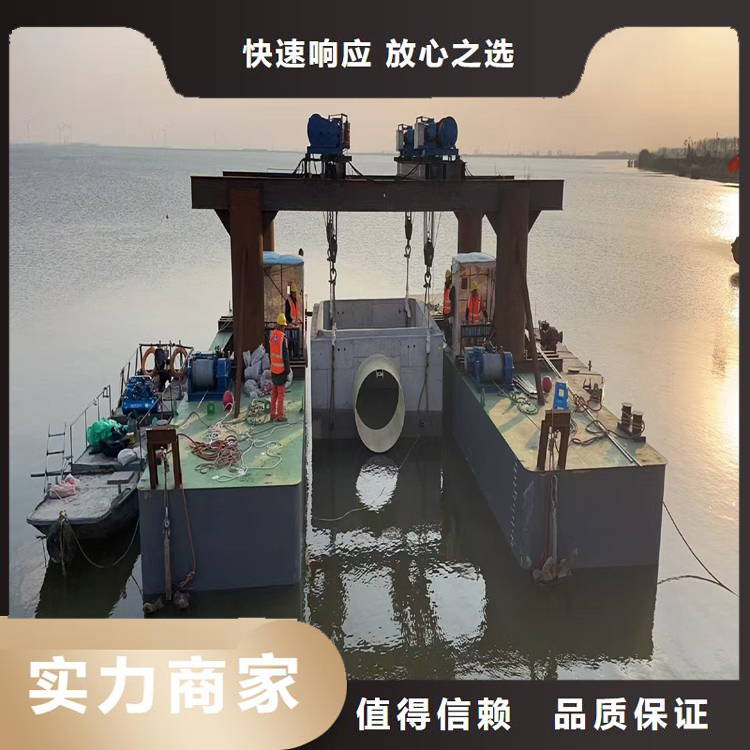
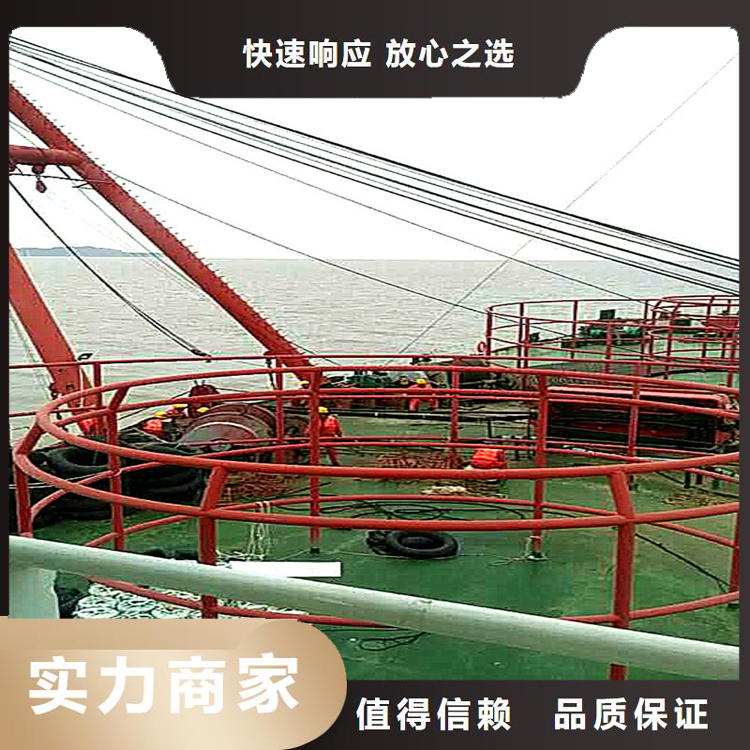
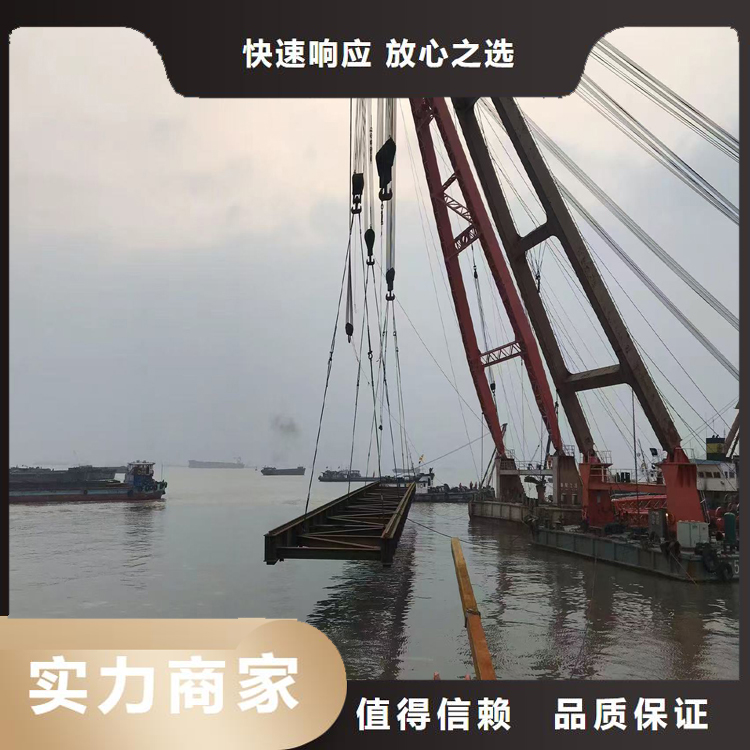
○ Installation Equipment: Floating cranes, diving operation platforms, ROVs, underwater welding equipment, hydraulic adjustment devices.
○ Repair Tools: Underwater Cutting Tools, Anti-corrosion Coating Spraying Equipment, Sealant Materials (Epoxy Resin, Rubber Waterstop).
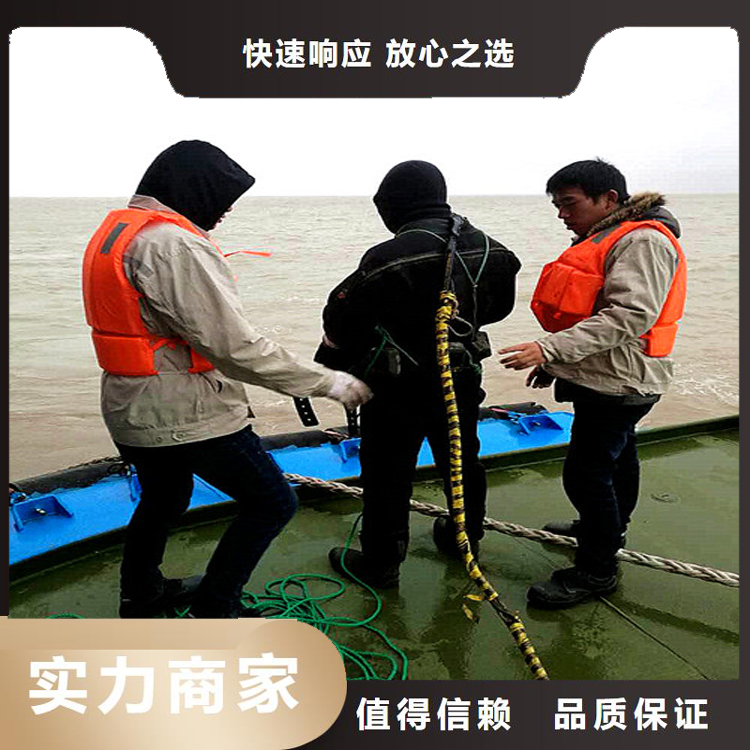
○ Safety Equipment: Diving Suits, Emergency Oxygen Systems, Life rafts, Communication Equipment.
3. Technical Documents
Confirm design drawings (track slope, dimensions, material), construction plan, and emergency response plan.
○ Quality Certificate for Pre-fabricated Components (including concrete strength and steel structure weld inspection reports).
Section 3: Underwater Installation Process
1. Basic Treatment
○ Cleanup and Levelling: Divers or ROVs remove seabed silt and debris, ensuring the base is level with a flatness of ≤5mm using hydraulic levelling equipment.
Foundation Reinforcement: Enhance bearing capacity based on geological conditions, utilizing灌注桩(grouted piles), vibration compaction, or laying a crushed stone cushion layer.
2. Pre-fabricated component installation
○ Transportation and Positioning:
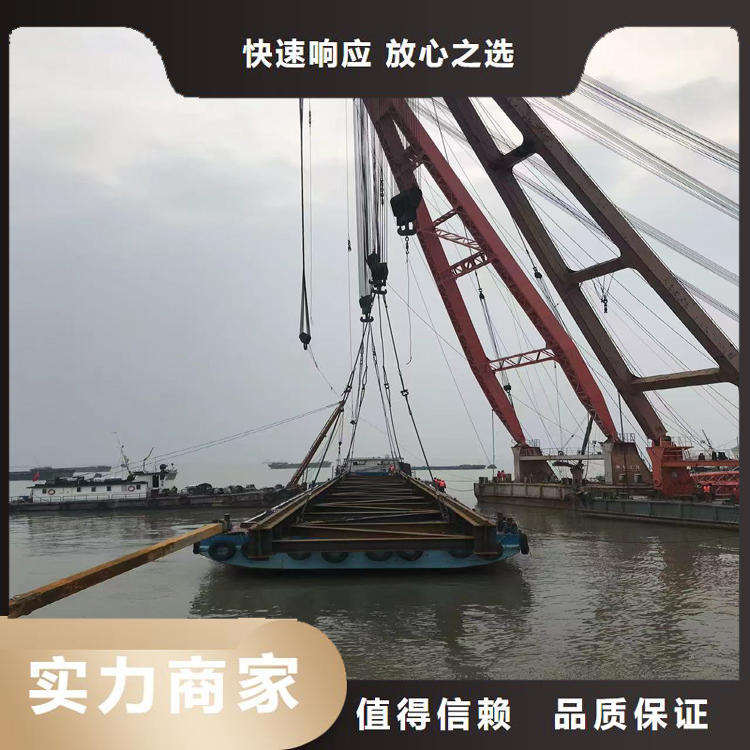
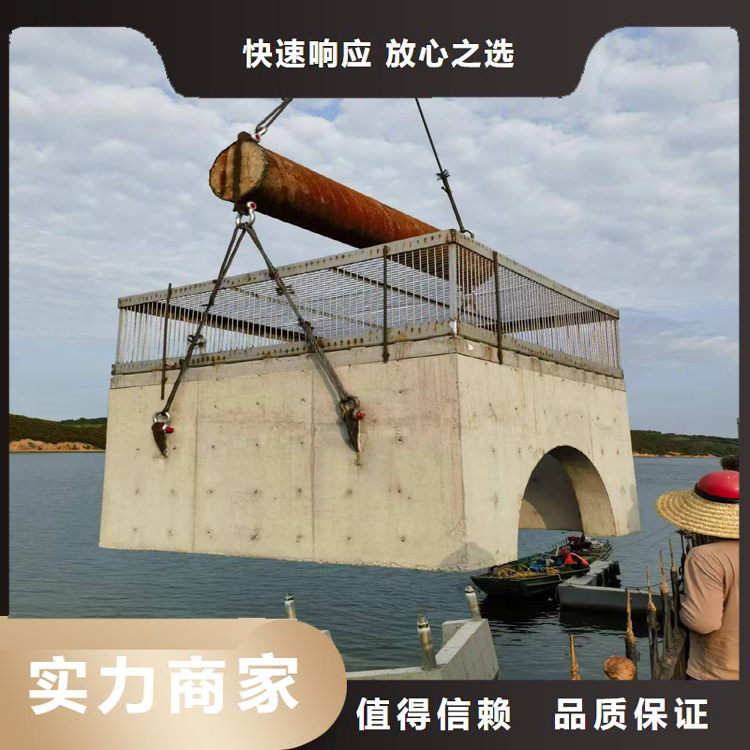
■ The components are transported by barge to the installation area and hoisted into the underwater designated position by a floating crane.
■ Employ GPS+sonar positioning system in conjunction with diver guidance to ensure component axis deviation ≤ 10mm.
○ Connection and Fixation:
■ Underwater Welding: Divers secure components using wet welding or mechanical connections (such as bolts, clamps).
Sealing Treatment: Install rubber waterstop at seams or inject underwater epoxy sealant.
3. Lube Layer Application
After cleaning the slide surface, divers apply a high polymer lubricating material (such as PTFE coating) using specialized tools to ensure the coating is even and bubble-free.
After curing the coating, conduct friction coefficient testing (≤0.05) and a sealability check.
Section 4: Underwater Maintenance Technology
1. Damage Detection and Assessment
○ Structural Damage: ROV equipped with an ultrasonic thickness gauge to measure corrosion depth; divers visually inspect cracks and deformations.
○ Functional Defects: Lubrication layer wear, guide device failure, waterstop aging, etc.
2. Repair Methods
Corrosion Repair:
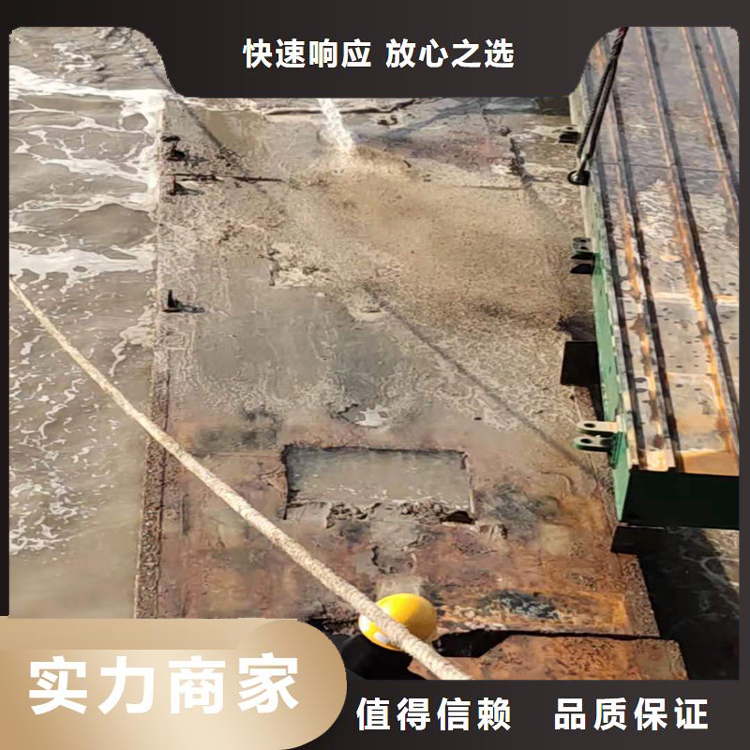
■ Mild Corrosion: Sandblast and rust removal followed by underwater application of epoxy coating or sacrificial anode protection.
■ Severe Corrosion: Replace damaged structures with cutting, and restore using underwater welding or mechanical connections.
Crack Treatment:
■ Tiny cracks: sealed with underwater epoxy resin infusion.
Large cracks: install waterstop steel plate and rubber strips, and inject high-strength cementitious grout.
○ Lubricant Layer Repair: Remove damaged coating, reapply specialized lubricant material, and adjust surface flatness.
3. Special Maintenance Techniques
Underwater concrete pouring: Used for foundation settlement or structural reinforcement, requires the use of anti-dispersible concrete (such as underwater non-dispersible concrete) and the pipeline method for pouring.
Submerged Mechanical Reinforcement: Reinforce critical joints (such as welding seams) with carbon fiber plates or steel cladding.
V. Key Technical Points
Precision Control
During underwater installation, use a laser distance meter + ROV for real-time alignment of component positions to avoid cumulative errors.
During repairs, ensure the new replacement components seamlessly match the original structure with consistent slopes.
2. Sealing and Preservation
All underwater connection points are equipped with multiple sealing measures (such as water stop + sealant) to prevent seawater intrusion.
Perform underwater anti-corrosion coating maintenance regularly (every 3-5 years) to extend the lifespan of the slide track.
3. Emergency Measures
○ Equipped with standby divers and emergency tools (such as rapid seal airbags) to address unexpected leaks or structural damage.
Section 6: Safety and Quality Control
1. Safety Standards
Divers must hold professional qualifications, adhere to decompression protocols, and avoid decompression sickness.
Warning buoys are set up in the construction area, equipped with lifeboats and emergency medical supplies.
Prior to underwater operations, conduct equipment pressure tests and communication system integration.
Quality Control
Weld seams must undergo underwater flaw detection (such as ultrasonic and magnetic particle inspection).
The channel gradient and elevation are rechecked using precision leveling instruments, with an error of ≤1mm/m.
After repair, conduct empty-load tests and sea trials to verify performance.
Section 7: Summary
Underwater installation and maintenance of shipyard sled tracks require precise measurement, efficient sealing, and professional underwater operation techniques. Ensuring stable track structure and reliable function is achieved through strict quality control and safety measures. It is recommended to be carried out by qualified professional teams and regular maintenance inspections should be conducted.