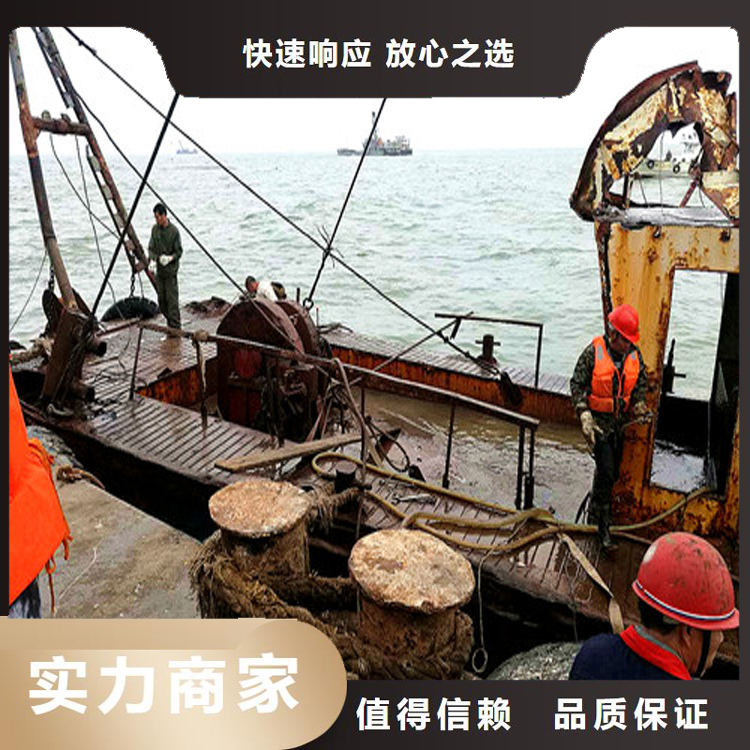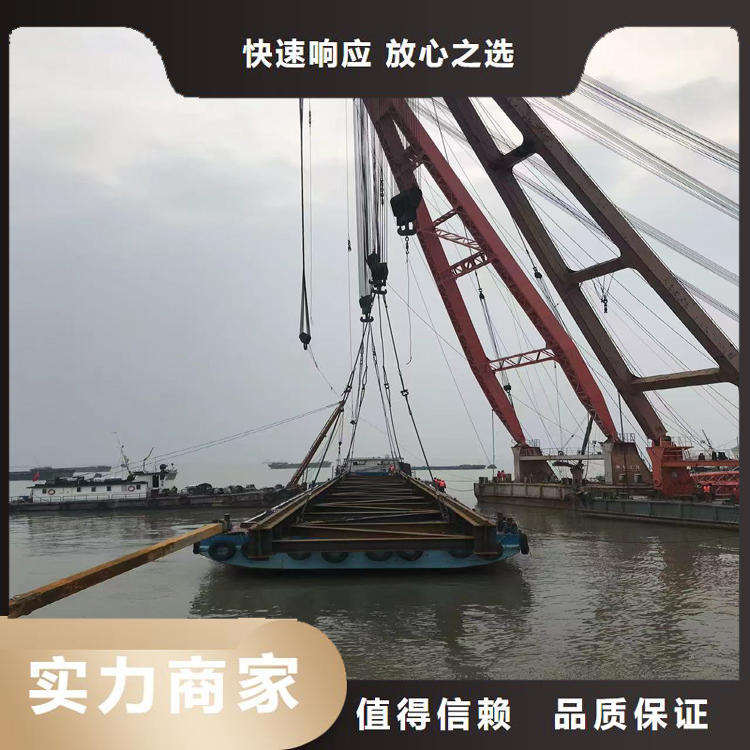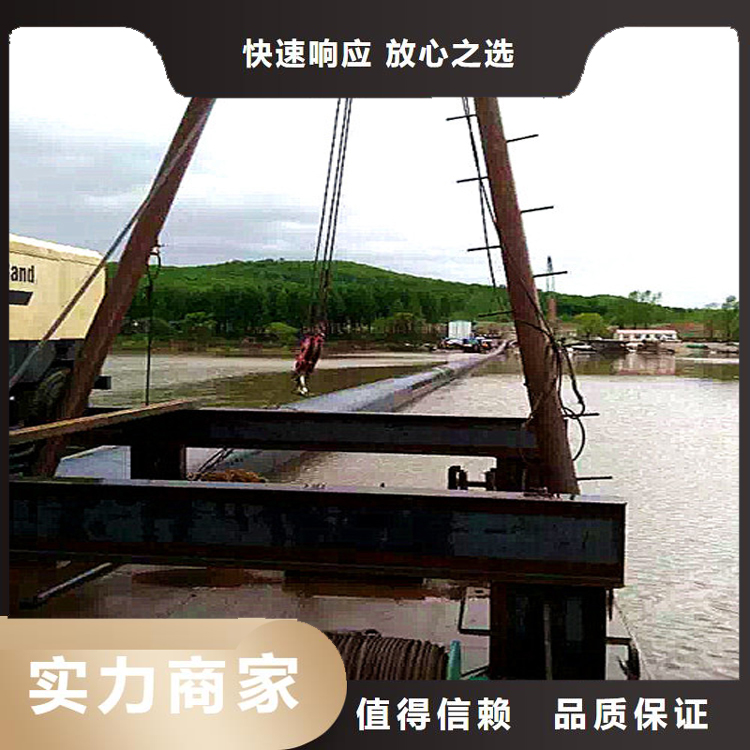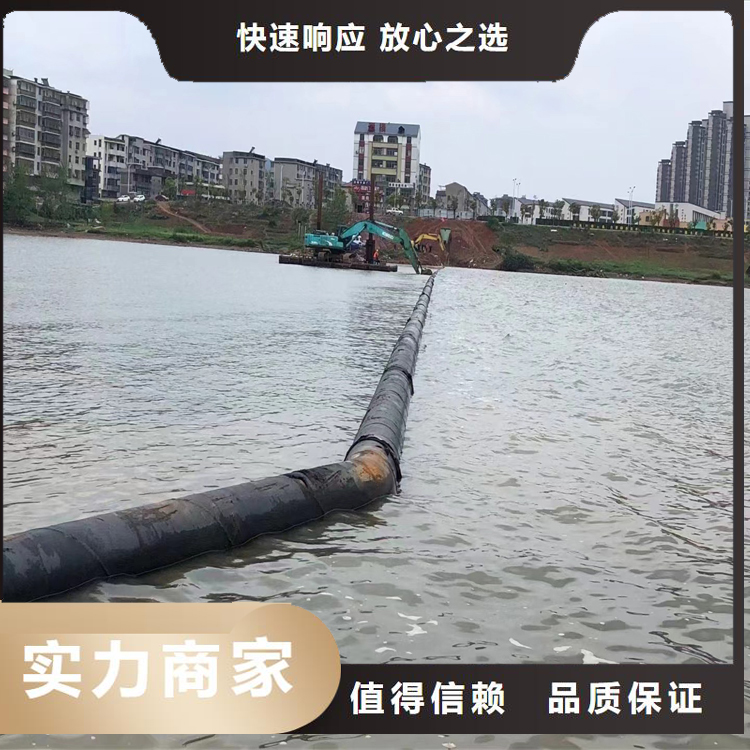

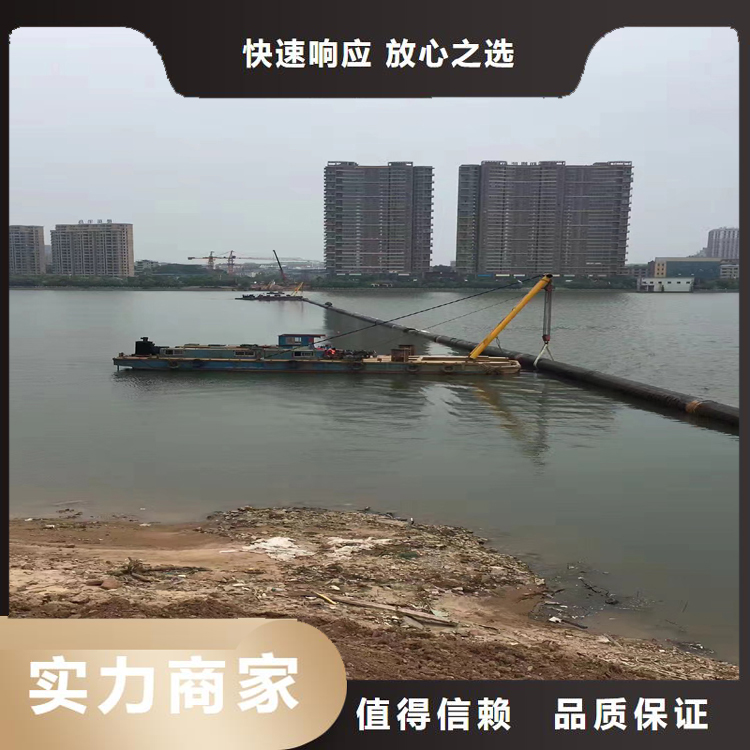
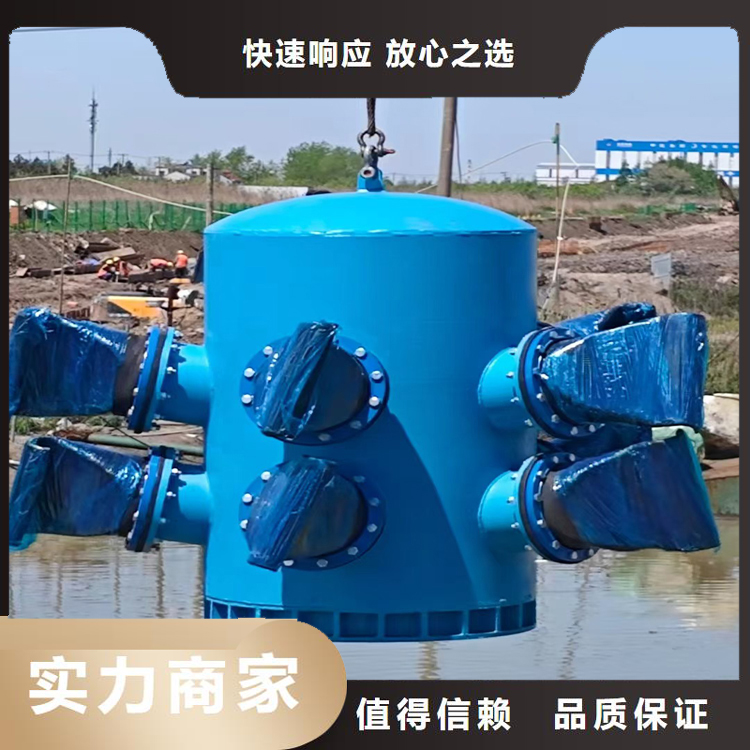


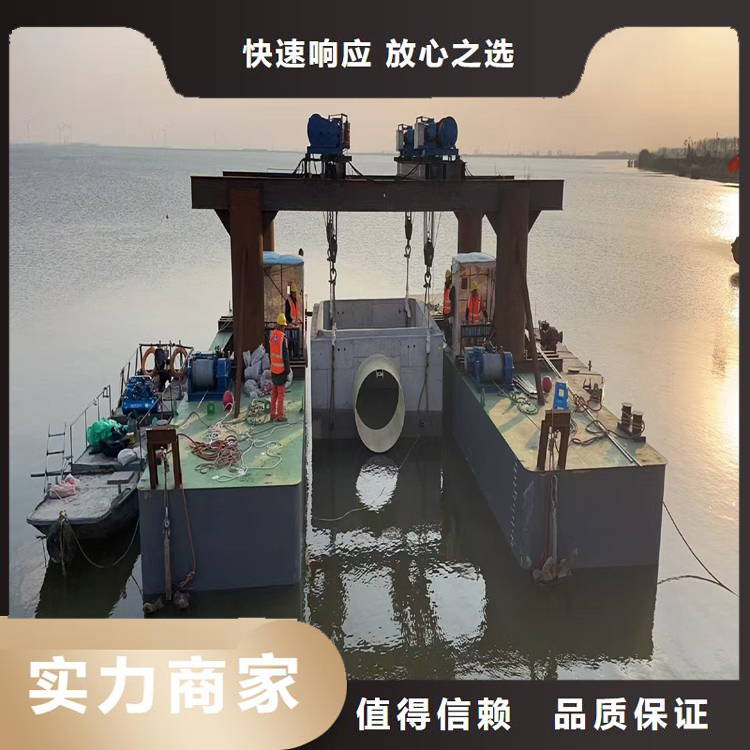





One. Pipeline Diver Underwater Plugging Technology
Pipe underwater plugging requires selecting an appropriate method based on pipe type (material, diameter, medium), flow conditions, and construction objectives. The following are common technical processes:
Prepare for Sealing
On-site Inspection: Divers or ROVs inspect pipeline diameter, material, and internal sedimentation, confirming blockage location and water pressure.
Equipment Inspection: Adjust diving air compressors, underwater intercoms, sealing air bags, or砌墙 materials, ensuring no leaks or malfunctions.
Emergency Plan: Equip with backup sealing materials, emergency oxygen supply equipment, and rescue personnel.
2. Sealing Methods
Bladder Plug Method (for temporary sealing)
Divers deliver the airbag to the designated location and secure it with a rope.
ii. Fill ground personnel slowly to the designed pressure (≤0.03MPa) and check the airbag's sealing with soap water.
iii. Pay attention to the water flow speed inside the pipeline; if the flow rate is too high, it is necessary to divert and reduce the pressure first.
Walling Off Method (suitable for permanent sealing):
Divers clean the interior walls of the pipeline to ensure no sharp objects puncture the airbag.
ii. Mix cement and clay in a ratio of 1:4 to 1:5 to construct brick walls.
iii. After sealing is complete, divers remove temporary supports to ensure structural stability.
3. Key Points of Attention
Prevent airbag over-pressure burst: Increase pressure slowly during inflation and monitor the pressure gauge in real time.
Avoid pipeline corrosion: Use corrosion-resistant bag material if the medium contains certain gases.
Emergency Plan: Reserve an escape route (such as reserved exhaust holes) and evacuate immediately upon encountering an emergency situation.
Section 2: Underwater Brick Wall Demolition Technique
Underwater brick wall demolition requires a plan tailored to the structural type (masonry vs concrete walls). The following are the specific steps:
Demolish brick and concrete walls
○ Tool Preparation: Handheld underwater cutting saw, air gun, air compressor, diving suit, and communication equipment.
○ Dismantling Process:
i. Divers locate the brick wall position and use a cutting saw or air gun to break the bricks piece by piece.
ii. Chipped bricks are transported to the water surface via buckets or pipes to prevent blocking other pipes.
iii. During disassembly, continuously monitor the wall stability to prevent collapse and injury.
2. Demolition of concrete walls (including steel cage)
Special Tools: Underwater Polishing Machines, Reinforcement Cutting Machines, Underwater Pipe Burying Machines.
○ Disassembly Steps:
Divers first remove the concrete protective layer (about 10cm) to expose the steel reinforcement structure.
ii. Cut rebar using underwater polishing machines (to avoid the explosion risk associated with arc cutting).
iii. Segregate and dismantle concrete blocks in sections to ensure controllable cutting amounts and prevent structural instability.
○ Safety Points:
Internal detection in sewage pipelines; mandatory ventilation when exceeding standards.
Control sparks during cutting with explosion-proof tools or inert gas protection.
3. Cleaning and Inspection
Divers inspect the decommissioned area for any leftover debris to ensure the pipeline is clear.
○ Utilize sonar or ROVs to confirm the demolition area meets design specifications and there is no structural damage.
Section 3: Comprehensive Security Measures
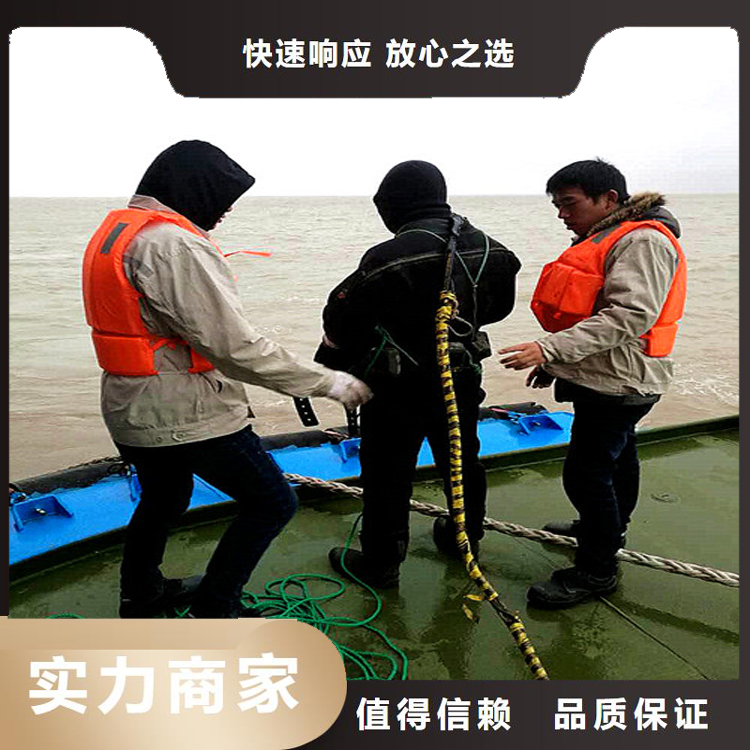
Diver safety
Divers must hold professional qualifications and undergo decompression sickness prevention training prior to operations.
Equipped with emergency oxygen systems, lifelines, and surface supervisors.
○ Strictly control diving time and depth to avoid fatigue.
2. Equipment Safety
All underwater tools (cutting saws, grinders) must undergo pressure testing and electrical leakage checks before use.
Compressors, generators, and other ground equipment are attended by dedicated personnel to ensure continuous gas and power supply.
3. Environmental Safety
Notify relevant departments prior to plugging operations to prevent affecting the operation of upstream and downstream pipelines.
Properly dispose of waste materials to prevent water pollution.
IV. Technical Challenges and Countermeasures
Submerged Positioning Accuracy: Utilizes GPS and sonar dual positioning to ensure accurate sealing or dismantling location.
2. Flow Interference: Mitigated by temporary diversion, pressure reduction, or by choosing to construct during lower flow periods.
3. Emergency Leak Response: Include quick-sealing airbags for immediate emergency closure upon pipeline damage.
V. Summary
Pipe diver underwater clogging and underwater brick wall demolition require precise positioning, efficient tools, and strict safety measures. Success is ensured through a scientific construction process. It is recommended to be carried out by a qualified professional team and to refer to the "Safety Code for Underwater Operations of Divers" (GB 26123) and industry standards for implementation.