







One. Submerged Gate Leakproof Technology
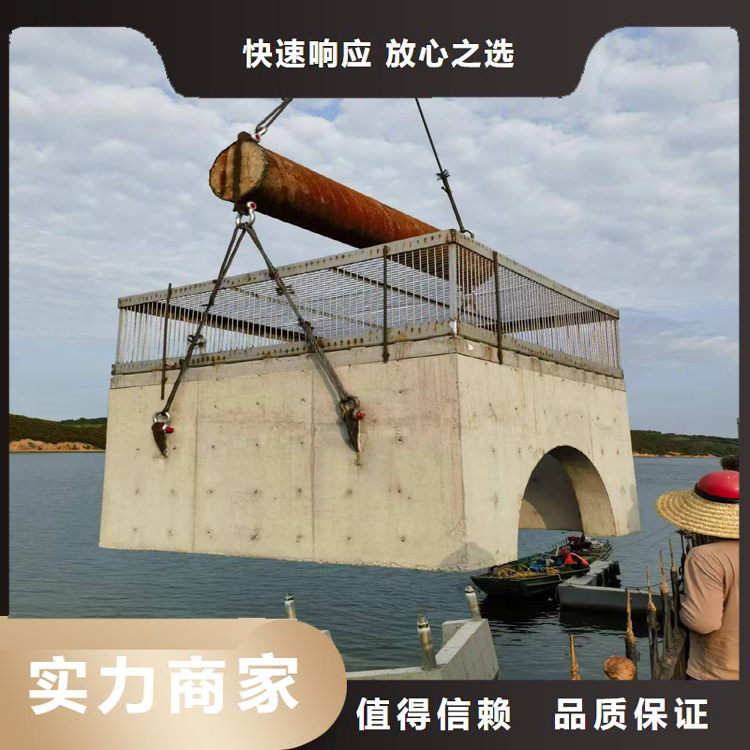
Gates under water require leak-proofing methods based on the leak location, structural type, and flow conditions. The following are commonly used techniques and steps:
Leak Sealing Method Selection
○ Concrete Sealing Method: Suitable for large-scale water leakage or structural cracks. Forms a sealing layer by injecting underwater non-dispersible concrete (highly resistant to dispersion, suitable for flowing water bodies).
○ Grouting method for leak sealing: For tiny cracks or localized leakage, use cement-based grouting materials, polyurethane, or epoxy resin, etc., to fill the gaps by pressure injection.
○ Rubber waterstop for leakage prevention: Install rubber waterstop strips or a full waterstop belt at the gate joint, sealed by mechanical fixation or welding.
○ Mechanical plugging method: Utilizes underwater plug bladders, steel plate covers, or customized plugging devices, combined with rapid water-stopping materials (such as quick-setting cement) to achieve temporary plugging.
Submerged Welding Leak Sealing: For local perforations or weld failure in metal gates, repair with wet welding or partial dry welding in a compartment.
2. Leak Sealing Construction Process
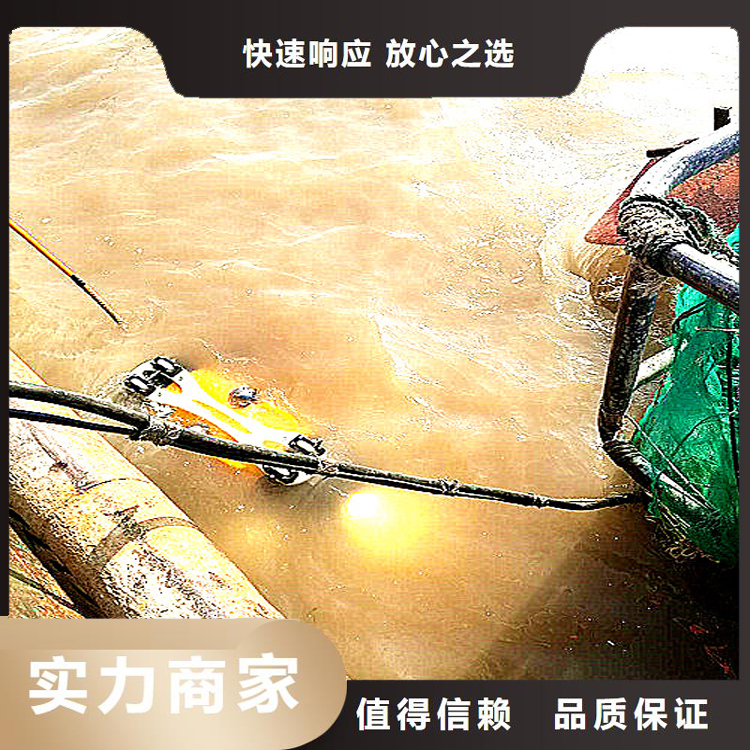
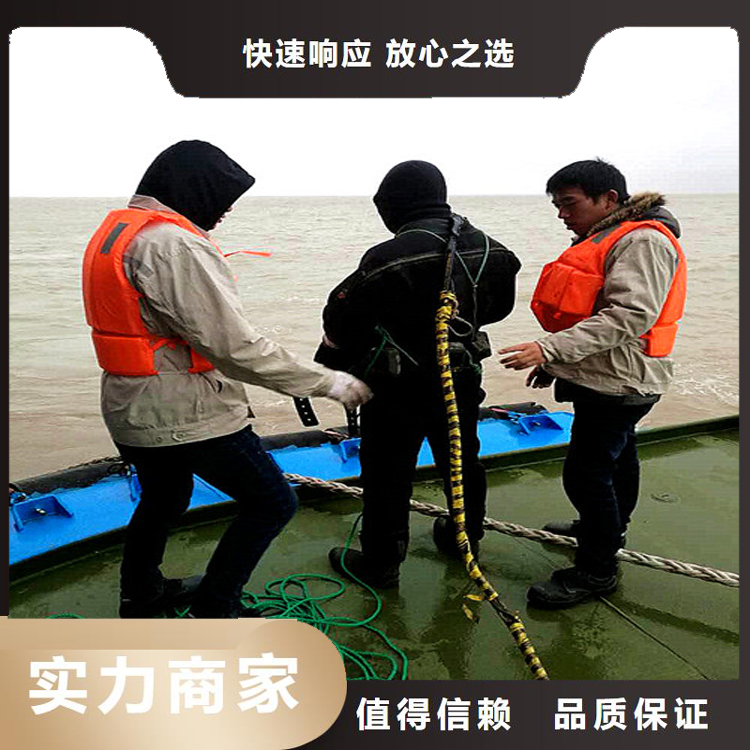
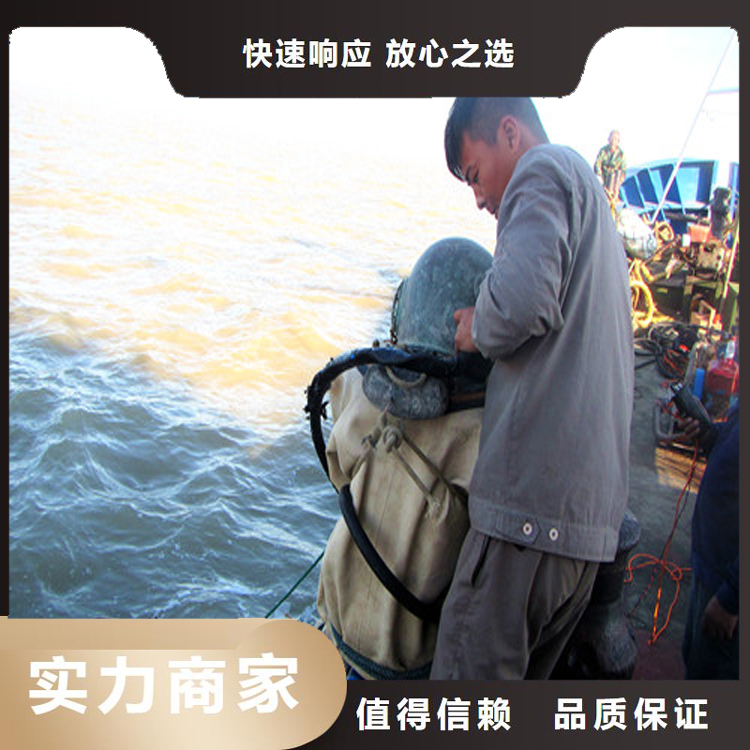
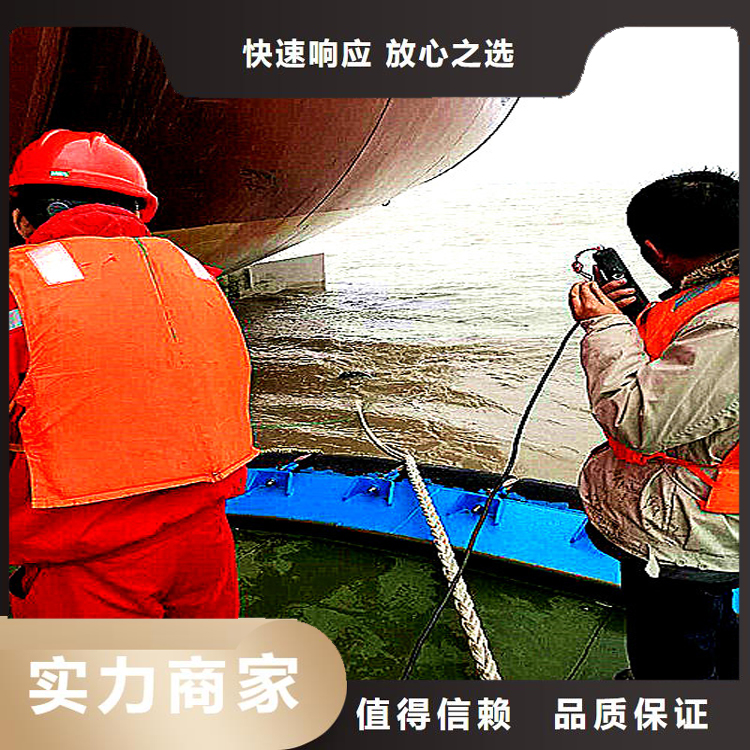
On-site inspection and assessment: ROV (underwater robot) or divers detect leak location, size, and water flow speed to formulate a sealing plan.
Surface Cleaning: Remove rust, marine organisms, and debris around leak points to ensure the sealing material fits effectively.
Material Installation and Sealing: Install waterproofing strips, grout, or weld seals according to the selected method, and dynamically monitor the sealing effect during the process (such as pressure changes, bubble detection).
Quality Verification: Confirm seal integrity through underwater camera, pressure testing, or non-destructive testing (such as ultrasonic).
3. Key Technical Points
Water Flow Control: Adjust or temporarily divert water flow through gates prior to sealing leaks to reduce pressure, preventing the washout of sealing materials.
Material Durability: Selects corrosion-resistant and aging-resistant materials (such as chloroprene, modified epoxy resin) to extend the leak-proof lifespan.
Emergency Measures: Equipped with spare sealing equipment and quick water-stop materials to address sudden leaks.
Section II: Power Plant Gate Maintenance and Inspection Process
Gates, as the core control equipment in hydropower plants, require regular maintenance and inspections. The following are detailed steps:
1. Maintenance Inspection Categories
Routine Inspections: Gate opening and closing status, leakage conditions, surface corrosion, bolt tightness, etc.
○ Regular inspections (quarterly/half-yearly): door structure integrity, water stopper sealing, opening/closing mechanism functionality, electrical control system testing.
Special Inspection: Prior to and after the flood season or after major operations, focus on detecting gate vibration, weld crack, underwater corrosion, and sedimentation conditions.
2. Verify Content Against Standards
Structural Inspection: Door body deformation, cracking, and rust thickness measurement (must be ≤ design allowed value), underwater sections inspected by ROV or divers.
○ Gasket Device: Inspect rubber gasket for aging and wear, replace or repair as necessary.
○ Closure System: Hydraulic system pressure testing, transmission component lubrication, wire rope wear inspection.
Safety Devices: Locking mechanism effectiveness, emergency power status, communication system integrity.
3. Repair and Replacement
○ Minor repairs: tighten loose bolts, weld minor cracks, replace gaskets.
○ Major Repair: Reinforcement of door structure, replacement of damaged parts (such as hydraulic cylinders), and underwater concrete pouring repair.
Corrosion Treatment: Regular application of anti-corrosion coatings, maintenance of cathodic protection systems (e.g., replacement of sacrificial anodes).
Section 3: Safety and Standards
Underwater Operations Safety
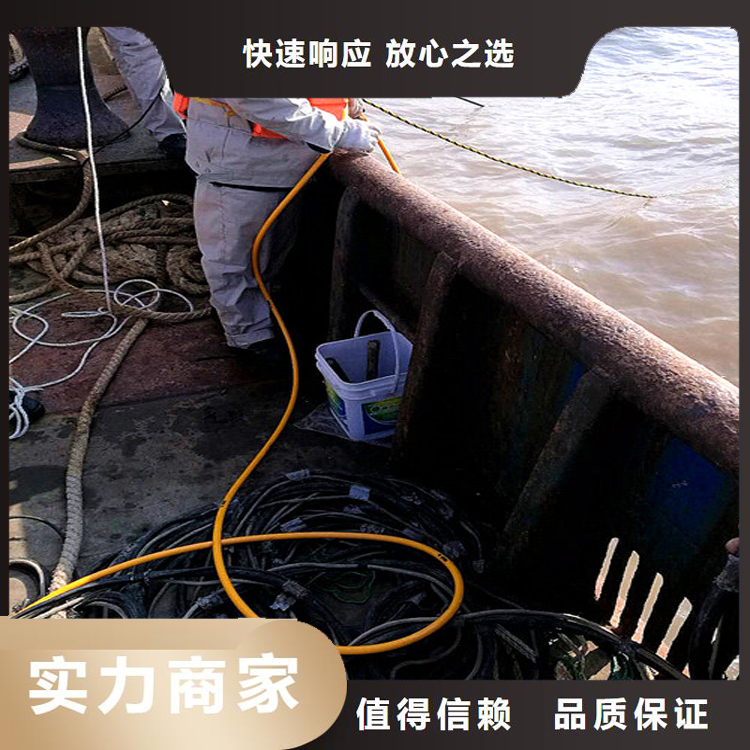
Divers hold professional qualifications, adhere to decompression procedures, and are equipped with emergency oxygen supplies.
Warning signs are set up in the construction area, with ROV monitoring throughout to prevent vessel interference.
Before leak plugging operations, cut off the upstream and downstream water flow of the valve gate, and reduce pressure or divert water if necessary.
2. Maintenance Operation Standards
During gate maintenance, the opening and closing machine must be locked and a warning sign must be hung to prevent any accidental operation.
○ Submerged welding requires the use of standard-compliant equipment to avoid the risk of electric shock or explosion.
All operations comply with the "Hydropower Plant Gate Maintenance Code" and local safety standards (such as GB/T 20801).
Emergency Response Plan
Establish emergency plans for failed sealing, sudden gate malfunctions, etc., and equip backup sealing equipment and rescue teams.
Enhance gate monitoring during the flood season to ensure normal emergency opening and closing functions.
Section 4: Case Study (Insights from the Jiaomutang Hydropower Plant Accident)
The 2021 Angle Tree Reservoir Hydropower Station incident due to insufficient flood control response, resulting in gate overload operation, highlights the following key points:
● Pre-activate emergency response plans during the flood season, dynamically monitor water levels and gate conditions.
● Gate design requires consideration of extreme operating conditions redundancy and regular verification of opening and closing force.
Enhance interdepartmental communication to ensure timely and accurate information dissemination.
Summary
Gate underwater leakage prevention and maintenance checks require precise detection, efficient sealing, and standardized maintenance. Through strict safety measures and quality control, ensure the safe operation of hydropower plants. It is recommended to be carried out by a professional team and regularly assess equipment conditions to prevent accidents.