







I. Project Overview and Construction Objectives
In the repair or new construction of wastewater pipeline crossings, the following objectives must be achieved simultaneously:
1. Underwater Sewer Pipe Plugging: Ensures no leakage of wastewater during construction, safeguarding the safety of the working environment.
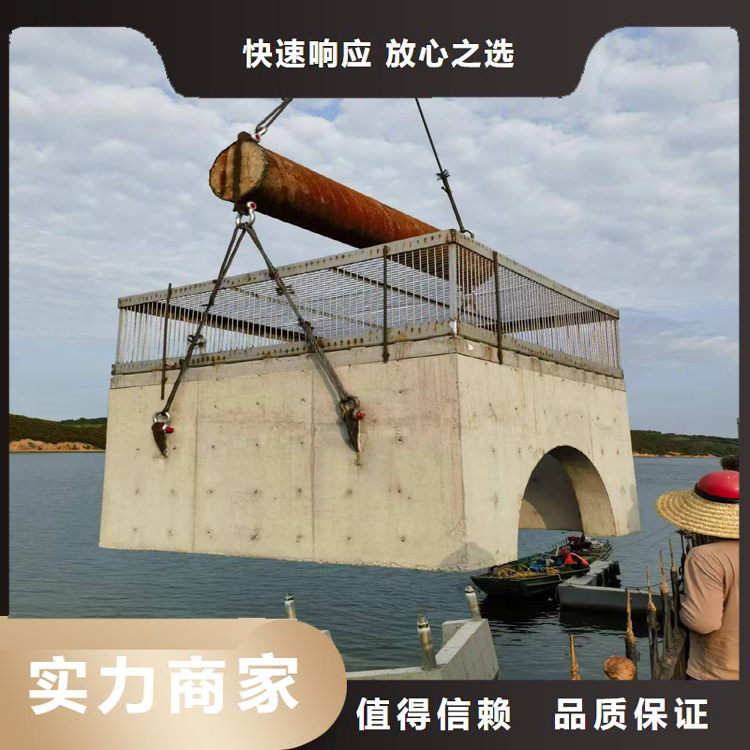
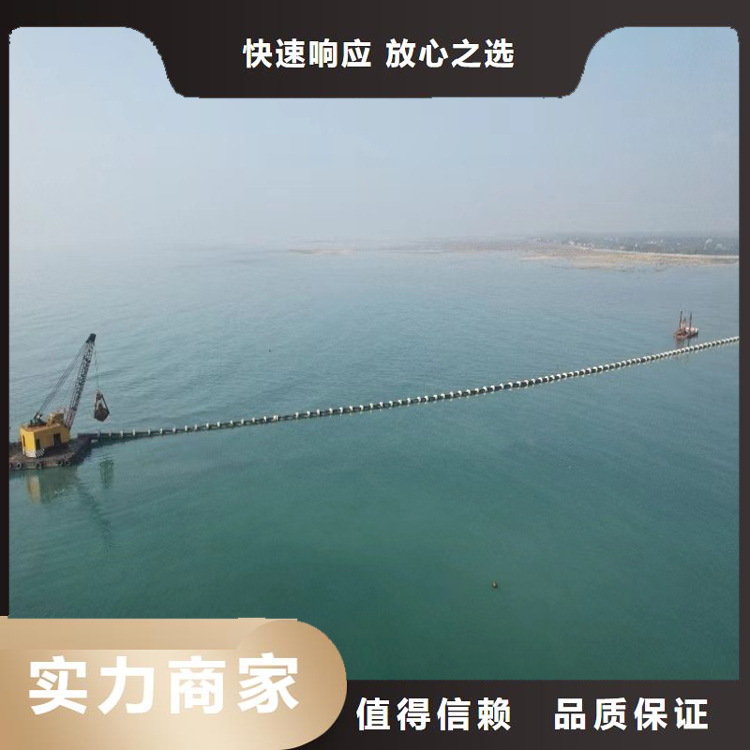
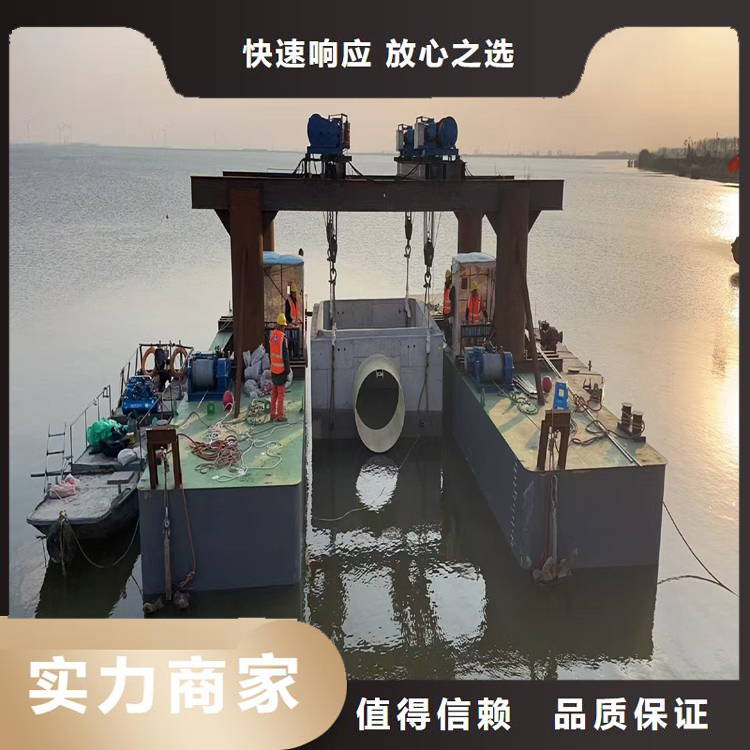
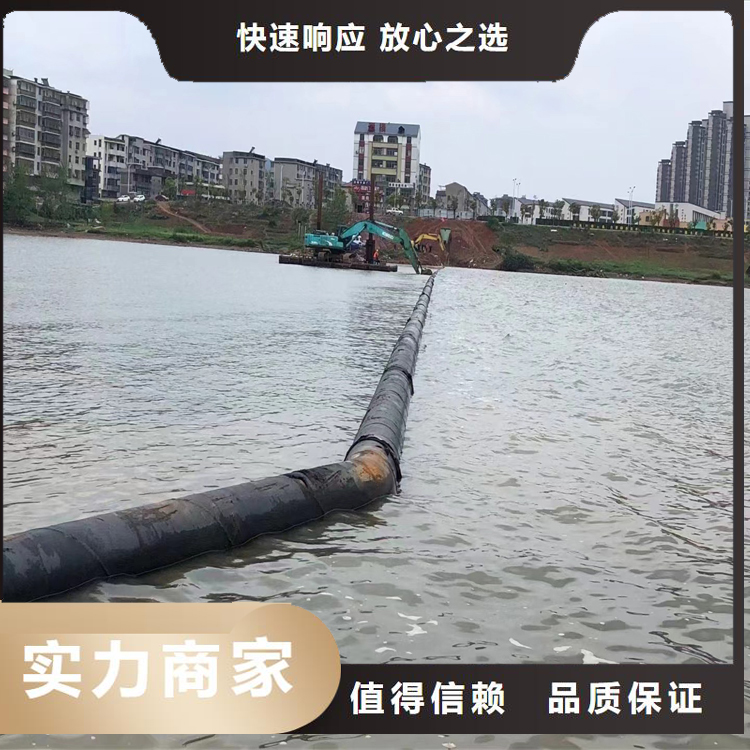
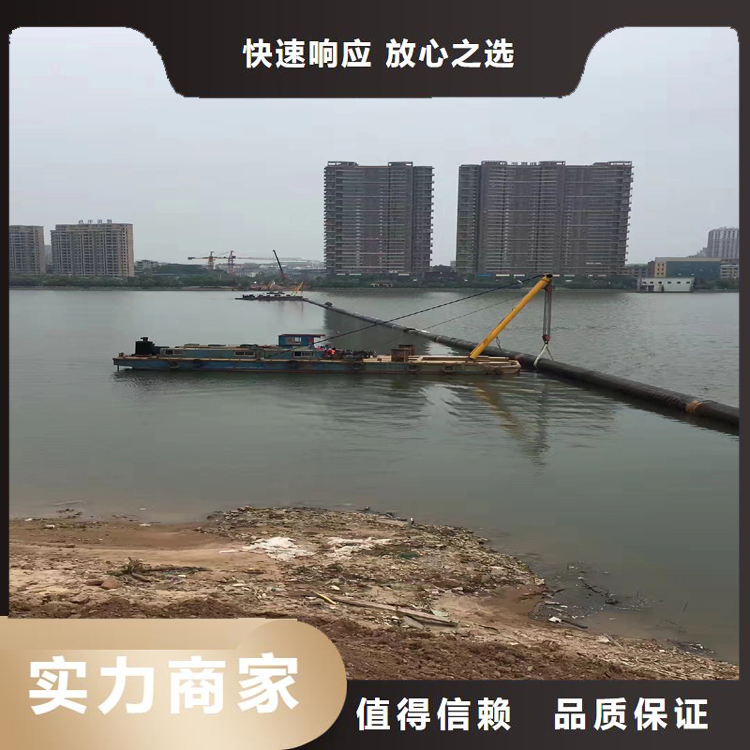
2. River Crossing Pipeline Installation: Select an appropriate method (such as direct burial, buoy method, shield tunneling, etc.) based on riverbed conditions to ensure pipeline stability and long-term operation.
II. Construction Process and Technical Points
The following describes the key construction stages in a step-by-step manner:
Preparation and On-Site Inspection
Diver or ROV Inspection: Confirm the location, diameter, material, and sedimentation of the damaged sewage pipeline, and assess the difficulty of plugging.
Hydrological Analysis: Records water depth, flow rate, geological conditions (sediment thickness, bearing capacity, etc.), and selects the construction method for crossing pipelines.
● Equipment and material preparation: Airbag plugs, steel pipes/HDPE pipes (river crossing pipeline), cement, rebar, construction machinery (excavators, buoys, tunnel boring machines).
2. Underwater Sewer Pipeline Plug
● Selection of sealing methods:
○ Temporary Sealing: Use pipeline sealing bags (suitable for medium and small diameter pipes), inflate to the designed pressure to ensure a tight seal.
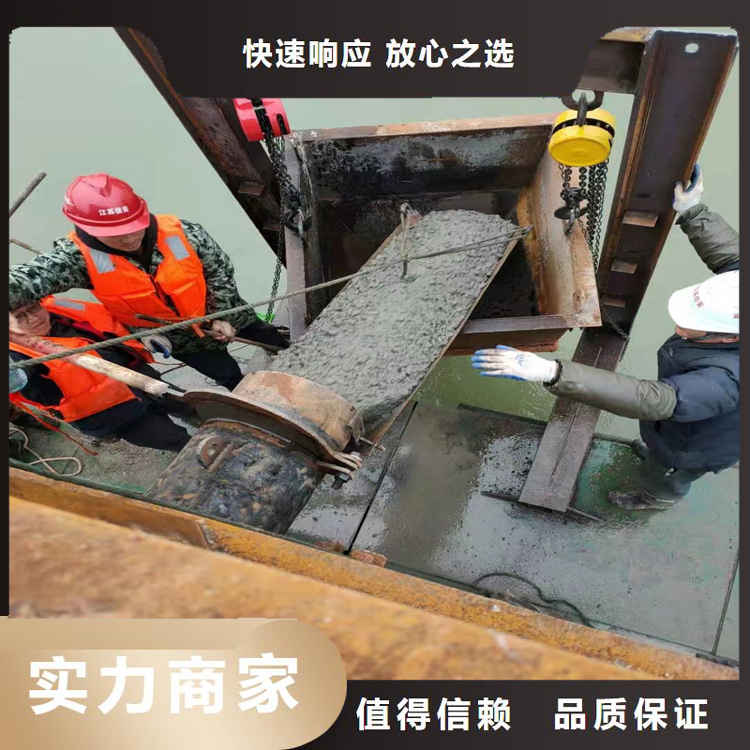
Permanent Sealing: Divers construct concrete walls or install waterstop steel plates, requiring cleaning of the pipeline interior to ensure the stability of the sealing structure.
● Key Steps:
○ Check the smoothness of the inner wall of the pipeline before installing the airbag, and remove sharp objects (such as glass, stones).
Fill slowly to stabilize the pressure gauge, then check the airbag's seal with soap water.
Provide a vent hole or emergency drainage channel to prevent over-pressure bursting of the airbag.
3. River Crossing Pipeline Installation (method selection based on riverbed conditions)
Here are the technical key points for common crossing pipeline installation methods:
Direct burial method (suitable for shallow water, stable riverbed)
Clear riverbed to design elevation, lay sand cushion or gravel layer (thickness ≥30cm).
Place the crossing pipeline (steel pipe/HDPE pipe) into the trench and weld or socket-union the joints.
The pipeline sides are backfilled and compacted, with the top covered by a protective soil layer or concrete encasement.
● Buoyant Tube Method (for deep water, high flow velocity)
Buoys are installed at both ends of the pipeline, secured with ropes to keep the pipeline suspended above the water surface.
Diver's underwater connection pipe interface, injects cement slurry or sealant to ensure sealing.
Slowly submerge the pipeline into the riverbed and adjust the rope to ensure the pipeline remains level.
Tunnel boring method (suitable for complex geology, deep burial)
Tunnel boring machines excavate from one side of the riverbank while simultaneously installing precast pipe segments.
Ensure tunnel boring machine attitude control to avoid drift or settlement.
After the pipeline is贯通, seal it (e.g., with grouting reinforcement).
4. Closure Removal and River Crossing Pipeline Acceptance
● Closure Removal: Gradually deflate and remove the airbag or dismantle temporary closure walls after the river-crossing pipeline is installed and passed the acceptance inspection.
Pipeline Inspection: Checked the sealing integrity and corrosion protection layer of the crossing pipeline joints using CCTV robots or divers.
● Functional Test: Conduct water tests to monitor pipeline settlement and leakage, ensuring compliance with operational requirements.
III. Key Technical Points and Precautions
Sealing and Installation Sequence
Seal off the upstream first, drain the construction section's wastewater, then install the river-crossing pipeline, and finally, seal off the downstream.
Ensure each section is sealed independently and reliably if construction is to be done in segments.
2. Pipeline Foundation Treatment
The river crossing pipeline foundation requires enhanced stability (such as boulder compaction and concrete reinforcement) to prevent uneven settlement.
Prefer steel pipes or reinforced HDPE pipes in deepwater areas to enhance pressure resistance and corrosion resistance.
3. Interface Sealing and Corrosion Prevention
The cross-river pipeline interface features a double-sealing design (such as rubber ring + sealing glue) to prevent sewage leakage.
Pipe exterior coated with epoxy or wrapped with anti-corrosion tape to extend service life.
4. Emergency Measures
○ Equipped with spare sealing air bags, quick water-stop materials (such as cement slurry, water-stop strips).
Real-time water quality monitoring during construction to prevent sewage leakage and contamination of the rivercourse.
Section 4: Safety and Environmental Standards
Safety Measures
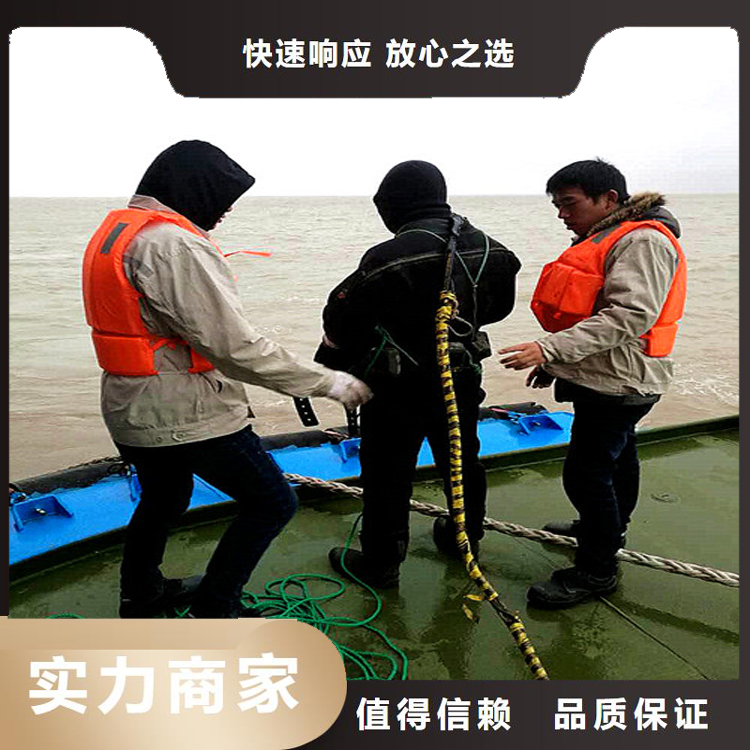
Divers hold professional qualifications and receive decompression sickness prevention training prior to operations.
Warning signs are set up in the construction area, and the waterway is temporarily closed.
High-pressure equipment and welding equipment are operated by designated personnel to prevent electric shock or fires.
2. Environmental Protection Measures
During the sealing period, wastewater is redirected to treatment facilities to prevent direct discharge into the river.
Construction waste (such as broken bricks, cement bags) is centrally collected to prevent pollution.
V. Summary
Underwater pipeline plugging and river-crossing pipeline installation require precise construction, efficient plugging, and stringent safety and environmental protection measures. It is recommended to select the optimal construction method based on on-site conditions (water depth, flow rate, geology) and develop a specialized construction plan to ensure the quality of work and operational safety.