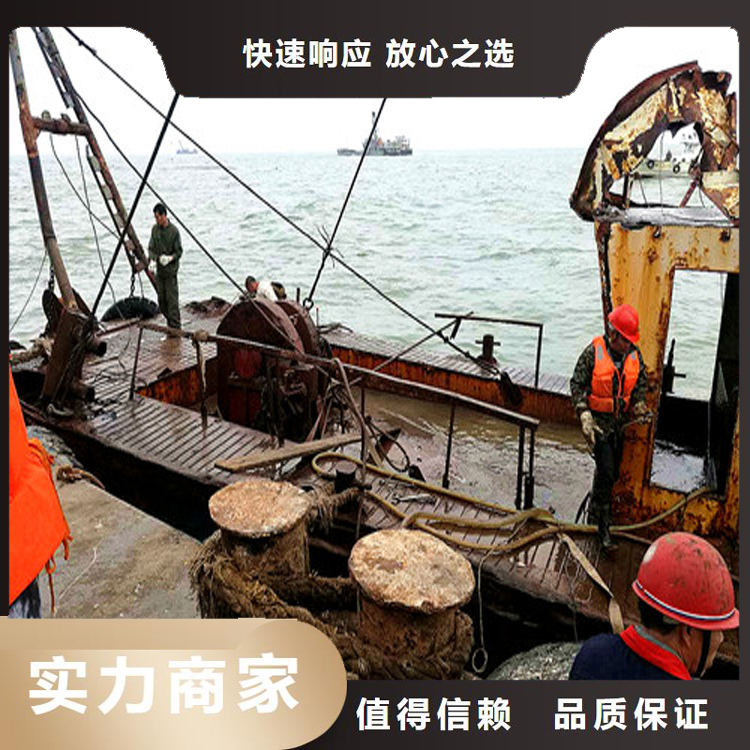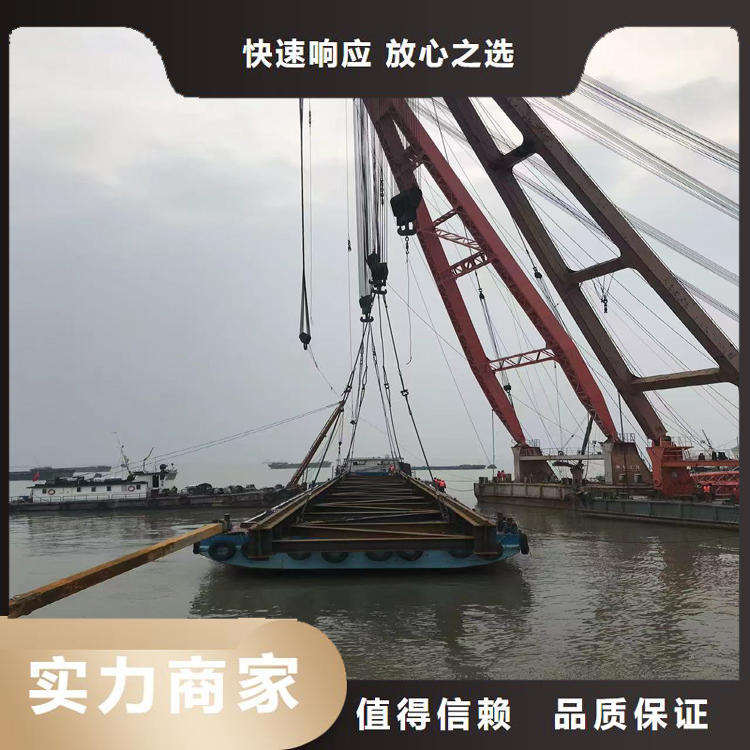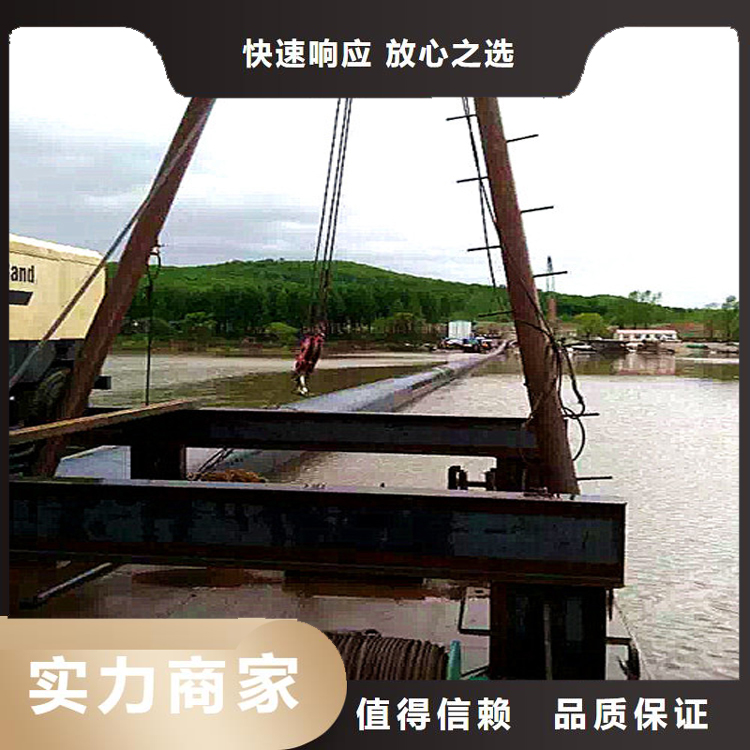








I. Service Scope: Covers all underwater engineering needs
The Diver Service Team supports the following underwater engineering projects with professional diving techniques and equipment:
Underwater Inspection and Assessment
Underwater inspections of bridge pile foundations, wharf structures, submarine pipelines, reservoir dams, etc., to assess conditions such as corrosion, cracks, and biological fouling.
Operate using ROVs (underwater robots) or divers directly, with sonar and camera equipment to collect data.
2. Underwater Maintenance and Reinforcement
○ Repair underwater structural damage (such as concrete crack grouting, steel plate welding, and reinforcing cage reinforcement).
○ Replace underwater equipment (valves, pipe fittings, sensors, etc.).
3. Underwater Recovery and Cleanup
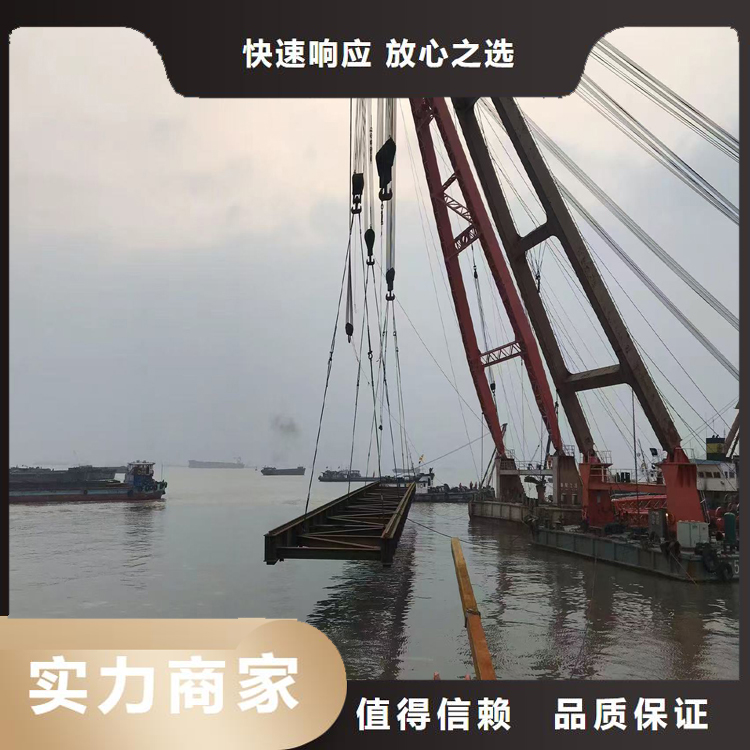
Sunken ship, vehicle, and valuable item recovery; underwater obstacle removal (e.g., steel bars, stones).
Underwater dredging of canals, ports, and reservoirs to ensure navigation safety.
4. Subsea Installation and Construction
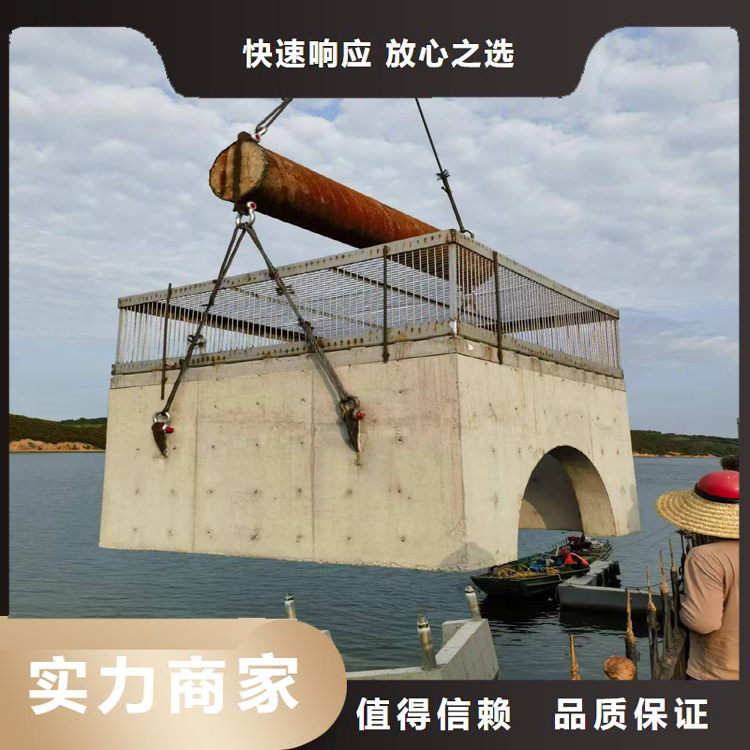
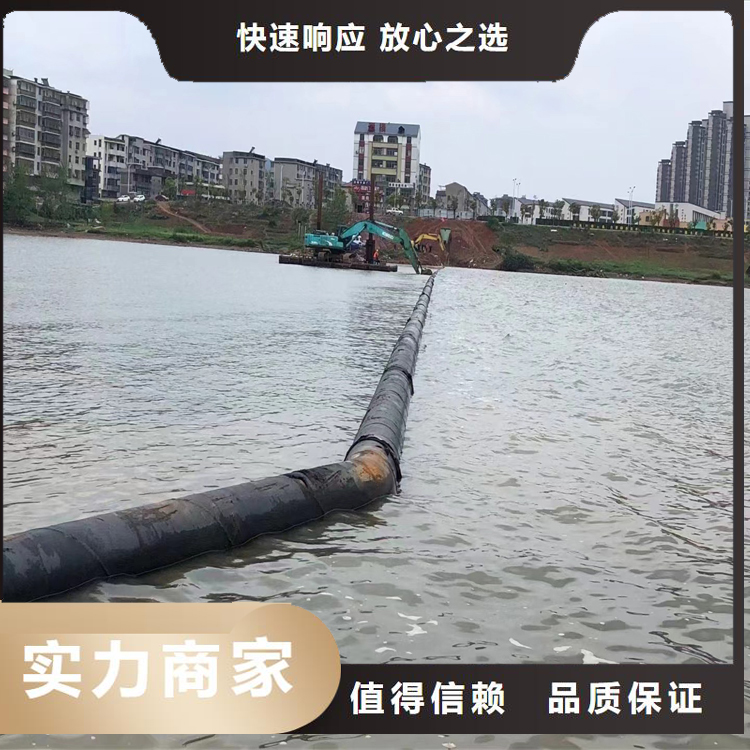
Subsea pipeline laying, cable laying, and river-crossing pipeline installation (buoy method, shield method).
Underwater pile foundation construction, underwater formwork installation, concrete pouring (using non-segregating concrete).
5. Underwater Cutting and Welding
Process scrap structures or cut rebar cages using plasma cutting, mechanical cutting, or high-pressure water jet technology.
○ Wet welding, spot dry-bunk welding, for repairing underwater pipelines, steel piles, and other structures.
Section 2: Technical Capabilities and Equipment Requirements
Professional Qualifications and Training
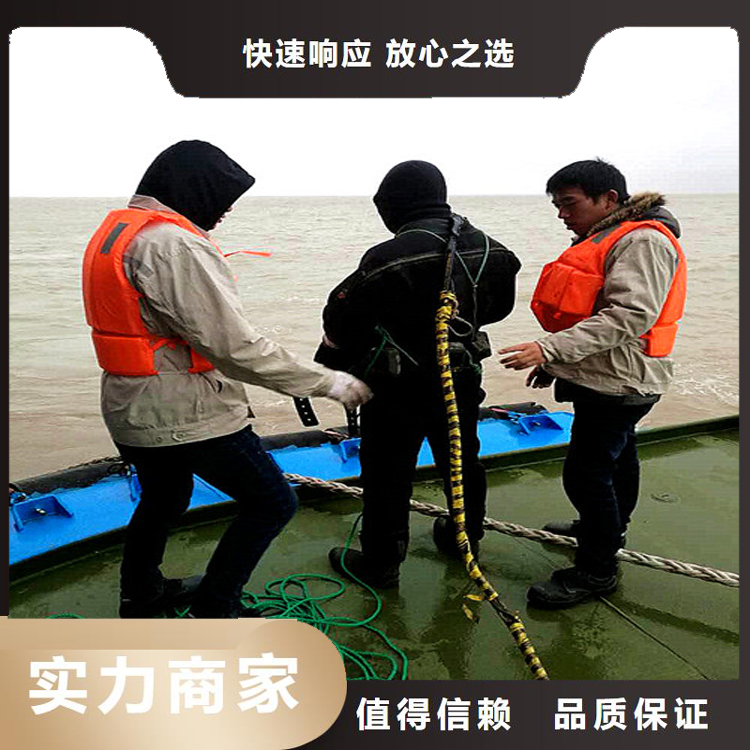
Divers must be certified by CMAS (Confédération Mondiale des Activités Subaquatiques), PADI (Professional Association of Diving Instructors), or a domestic diving association, with the corresponding level of qualification.
Regularly undergo specialized training in underwater welding, cutting, first aid, and other skills.
2. State-of-the-Art Equipment Configuration
Surface Water Pipeline Supply for Diving Systems (for long-duration operations), ROVs, Underwater Cameras, Sonar Detection Equipment.
○ Wet welding equipment, high-pressure water jet, concrete pouring conduits, grouting equipment, and other professional tools.
3. Special Environment Solutions
Specialized plans are formulated for complex conditions such as deep water (heliox mixed gas diving), murky waters (辅助定位设备辅助 positioning equipment), and strong currents (guide plates, ballast devices).
Section 3: Safety Standards and Quality Control
Safety System
Adhere strictly to international standards such as the "Safety Regulations for Divers' Underwater Operations" (GB/T 26123) and ISO 24801.
Conduct risk assessment prior to operations and develop emergency response plans (including decompression sickness prevention and surface rescue plans).
○ Equipped with emergency oxygen supplies, diving bells, and a surface support team for real-time monitoring.
Quality Control
Material entry inspection (underwater concrete, epoxy coating, etc.), on-site supervision at critical processes.
Verify weld quality using Non-Destructive Testing (NDT) techniques, such as ultrasonic and magnetic particle inspection.
Post-construction functional tests (such as pipeline sealing tests and structural load-bearing capacity assessment).
Section 4: Industry Applications and Cases
Port and Shipping
Port structure maintenance, dock underwater dredging, underwater ship damage repair.
2. Energy Sector
○ Subsea oil and gas pipeline laying and inspection, offshore wind foundation installation and maintenance.
3. Municipal Engineering
○ River-crossing pipeline installation, wastewater pipeline sealing and repair, reservoir dam underwater reinforcement.
4. Emergency Response
Wreck recovery, underwater object search, post-disaster infrastructure repair.
V. Key Factors in Choosing a Diver Service Company
Qualifications and Experience: Possession of relevant certifications, past project cases, and success rates.
2. Technical Equipment: Equipped with advanced machinery? Capable of handling complex environments?
3. Emergency Preparedness: Does the company have a comprehensive safety plan and a rescue team in place?
4. Professional Team: Are divers regularly trained, and do they have multi-disciplinary technical support (such as welding engineers, structural engineers)?
Summary: Divers play an indispensable role in underwater engineering, ensuring smooth execution of various underwater projects through specialized skills, stringent safety regulations, and advanced equipment. Choosing a qualified and experienced service provider is crucial to project success.