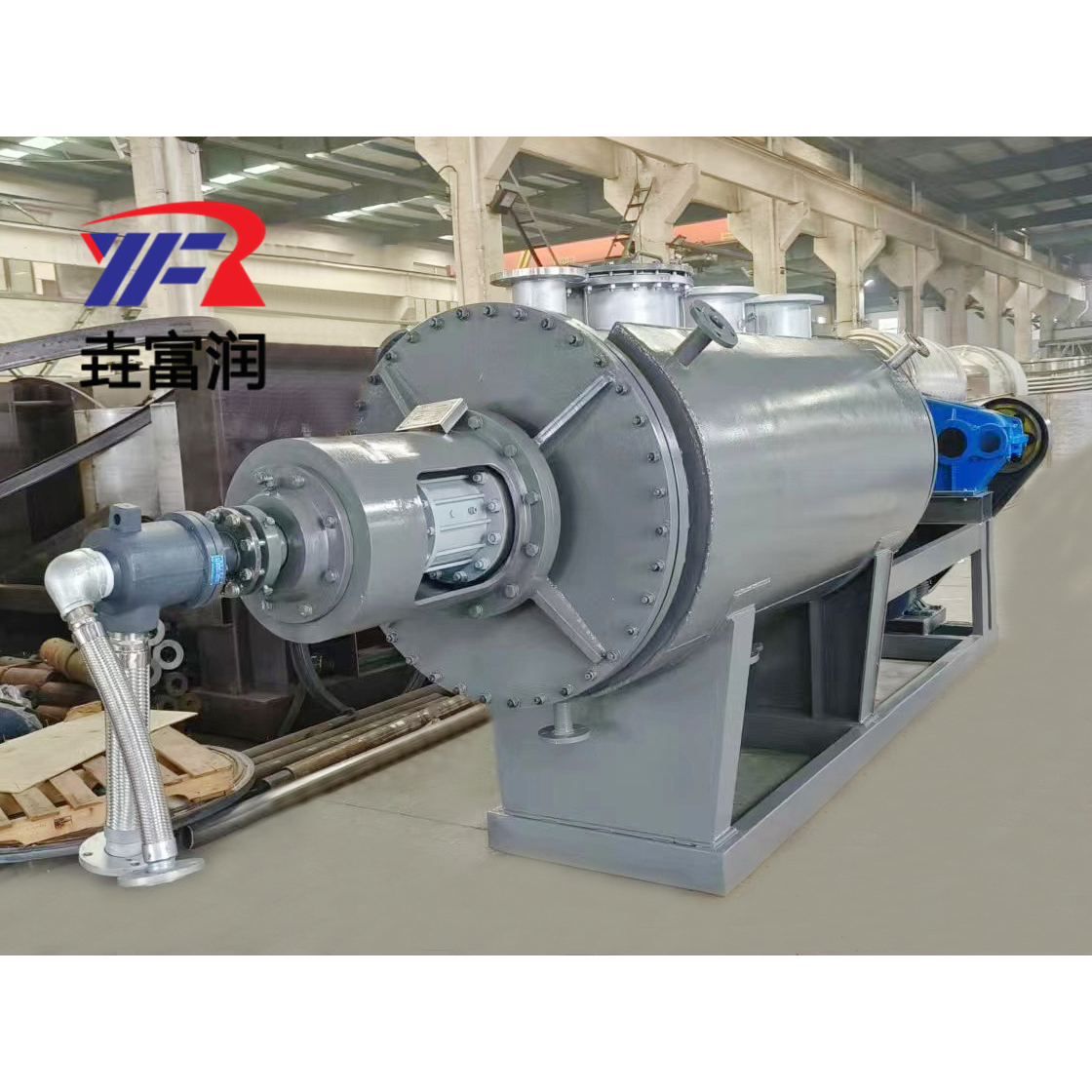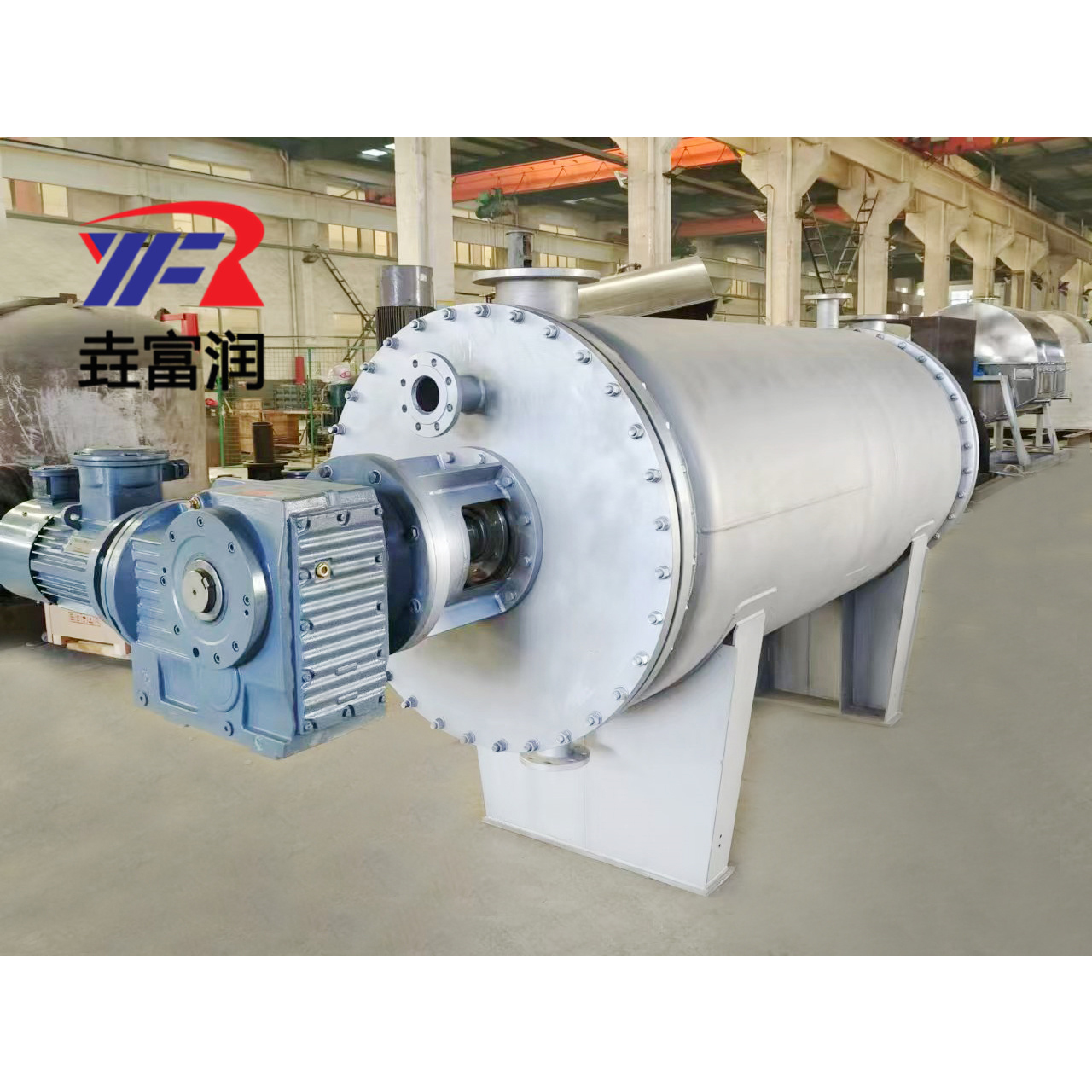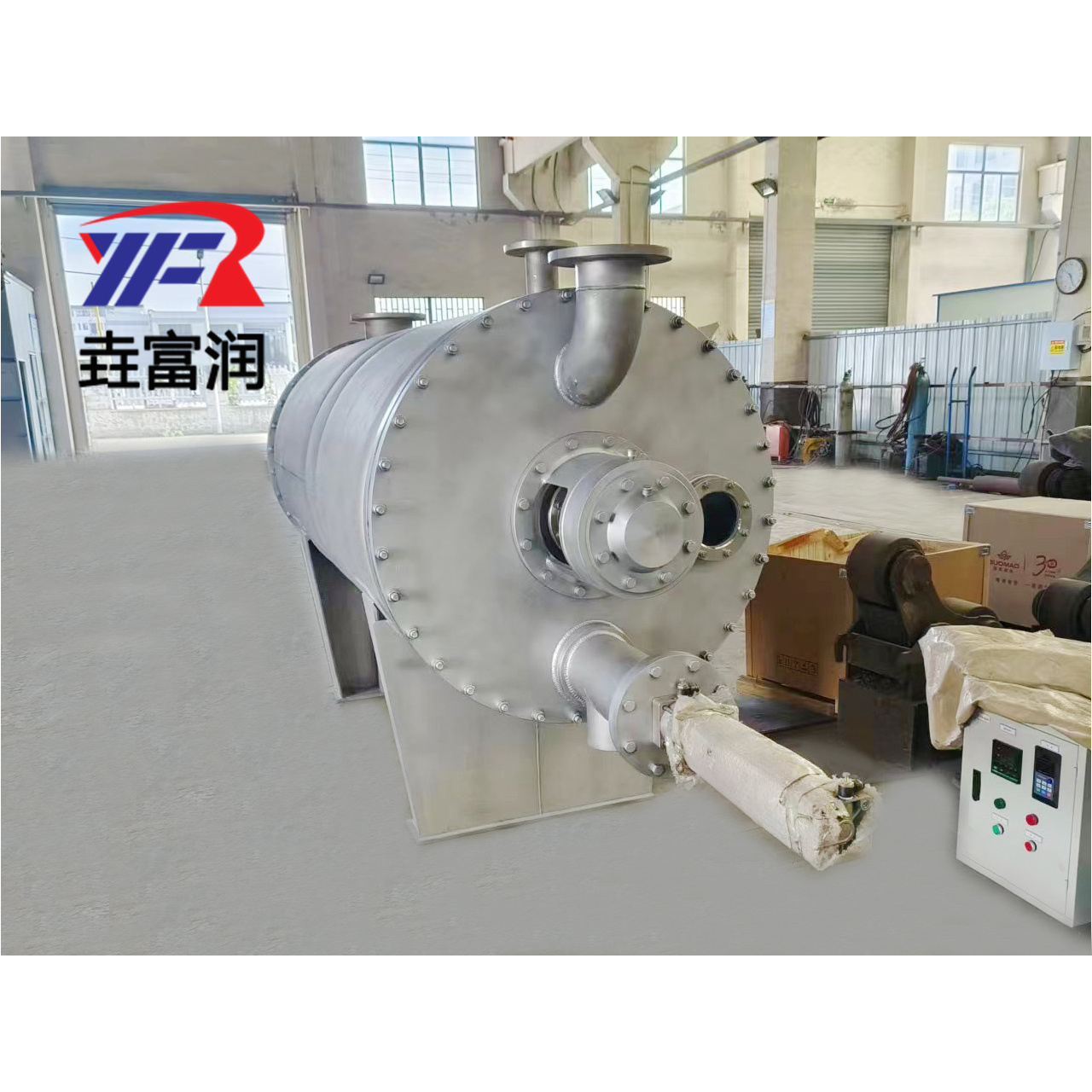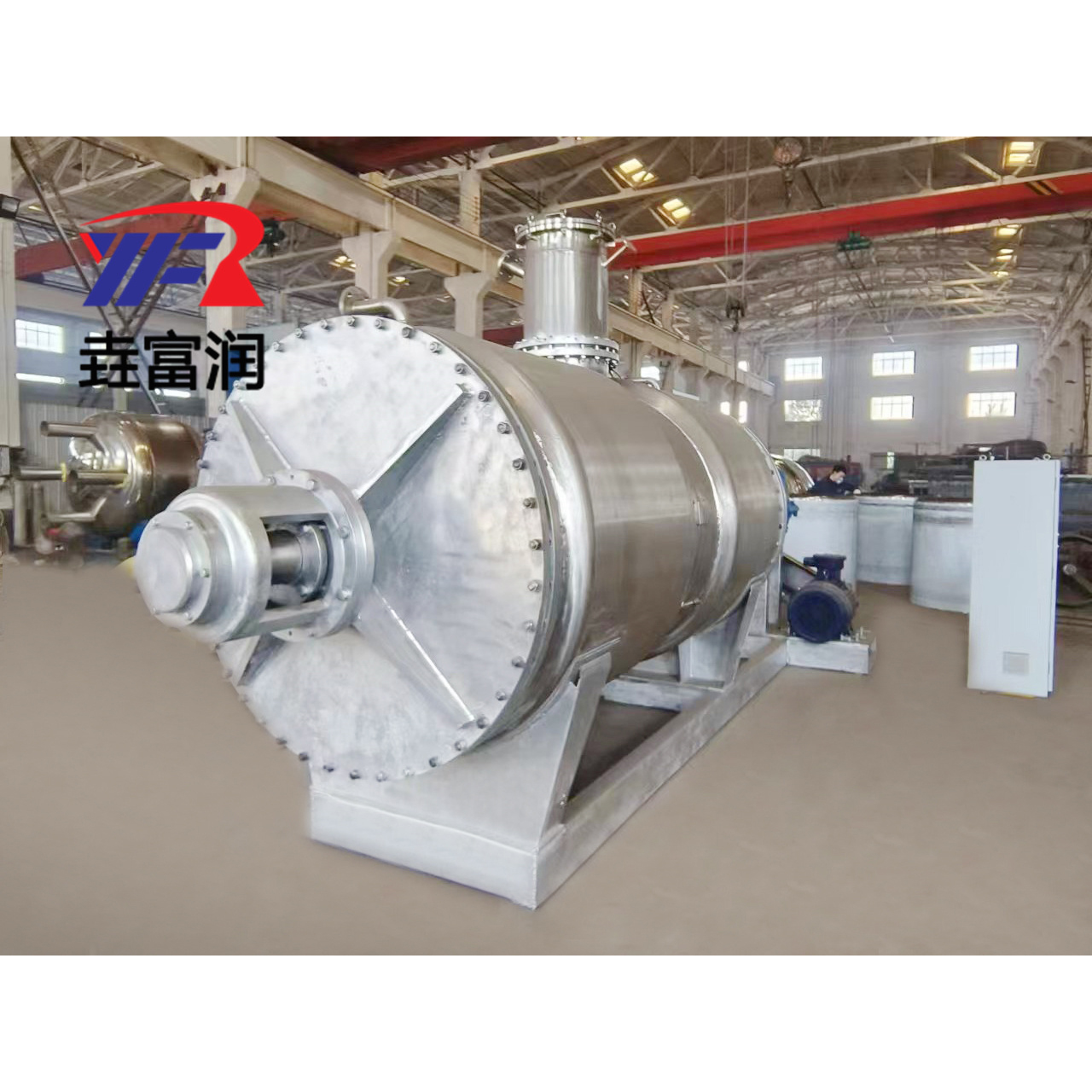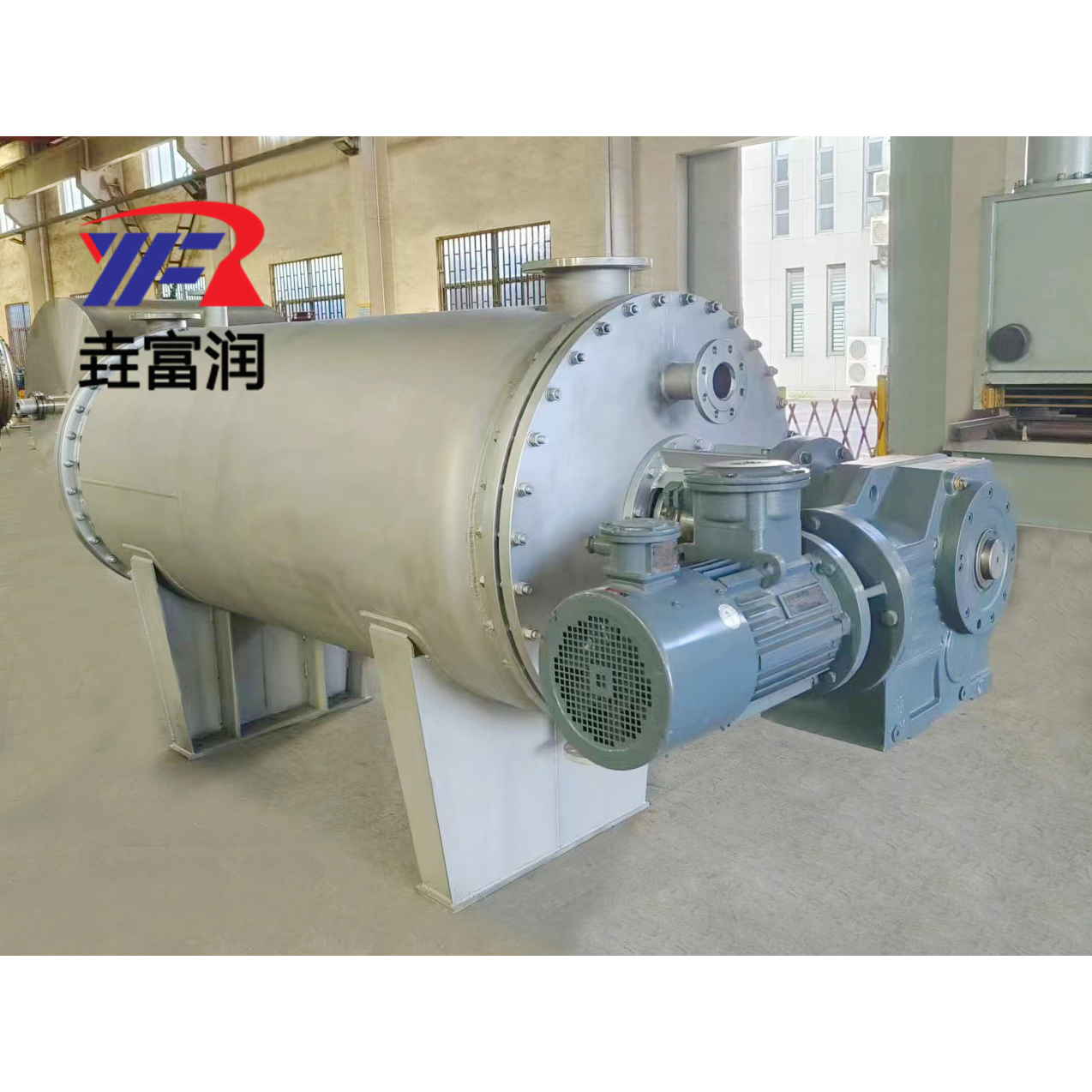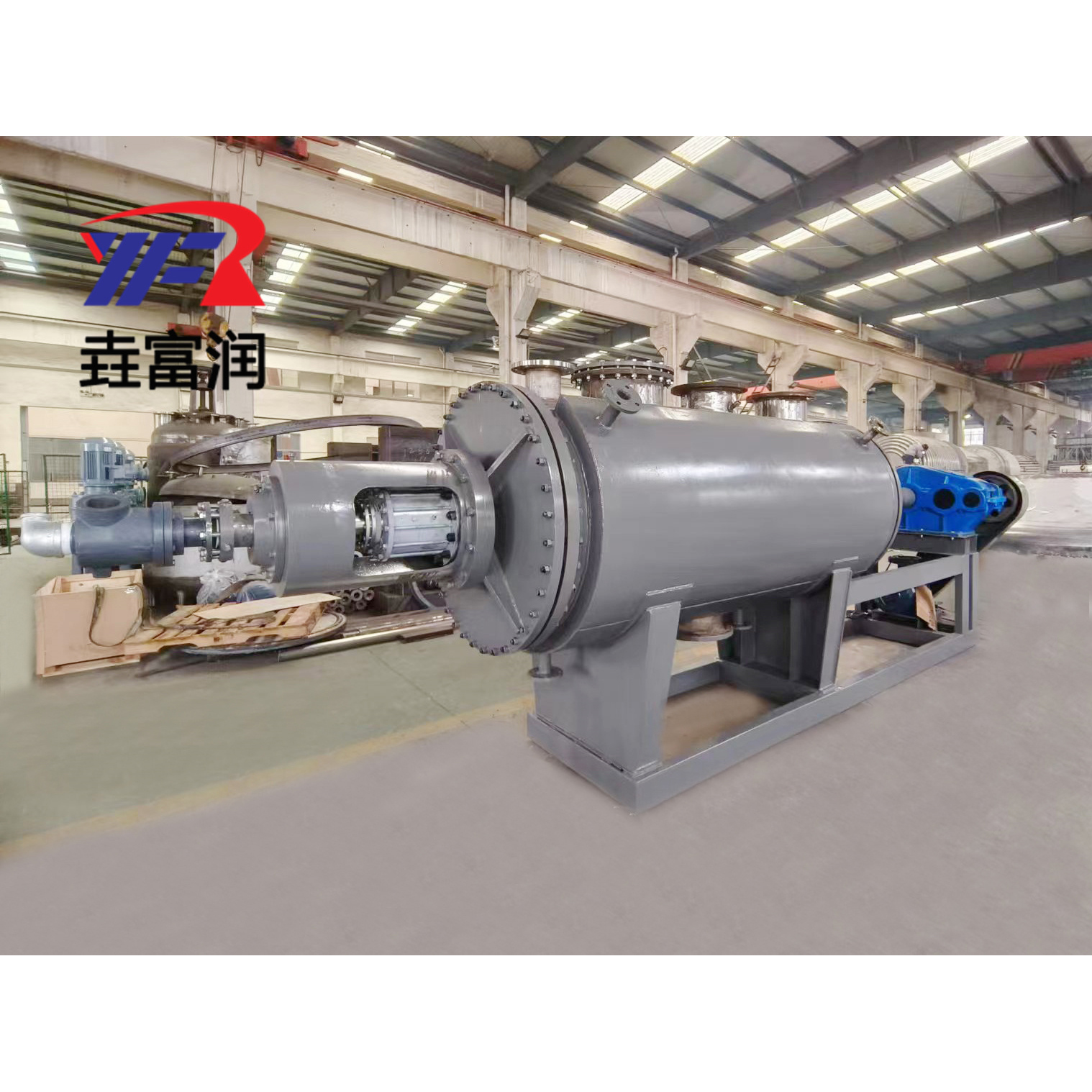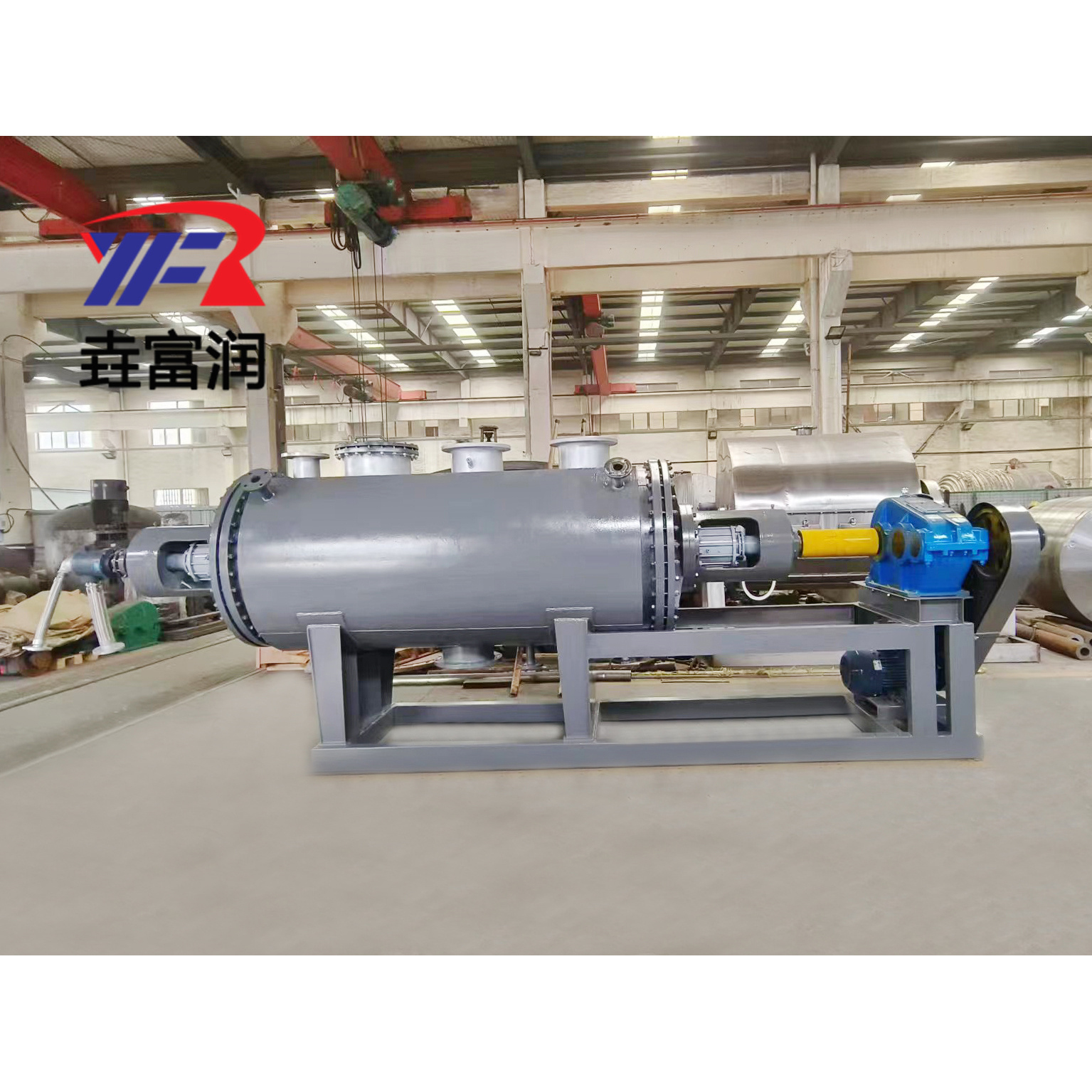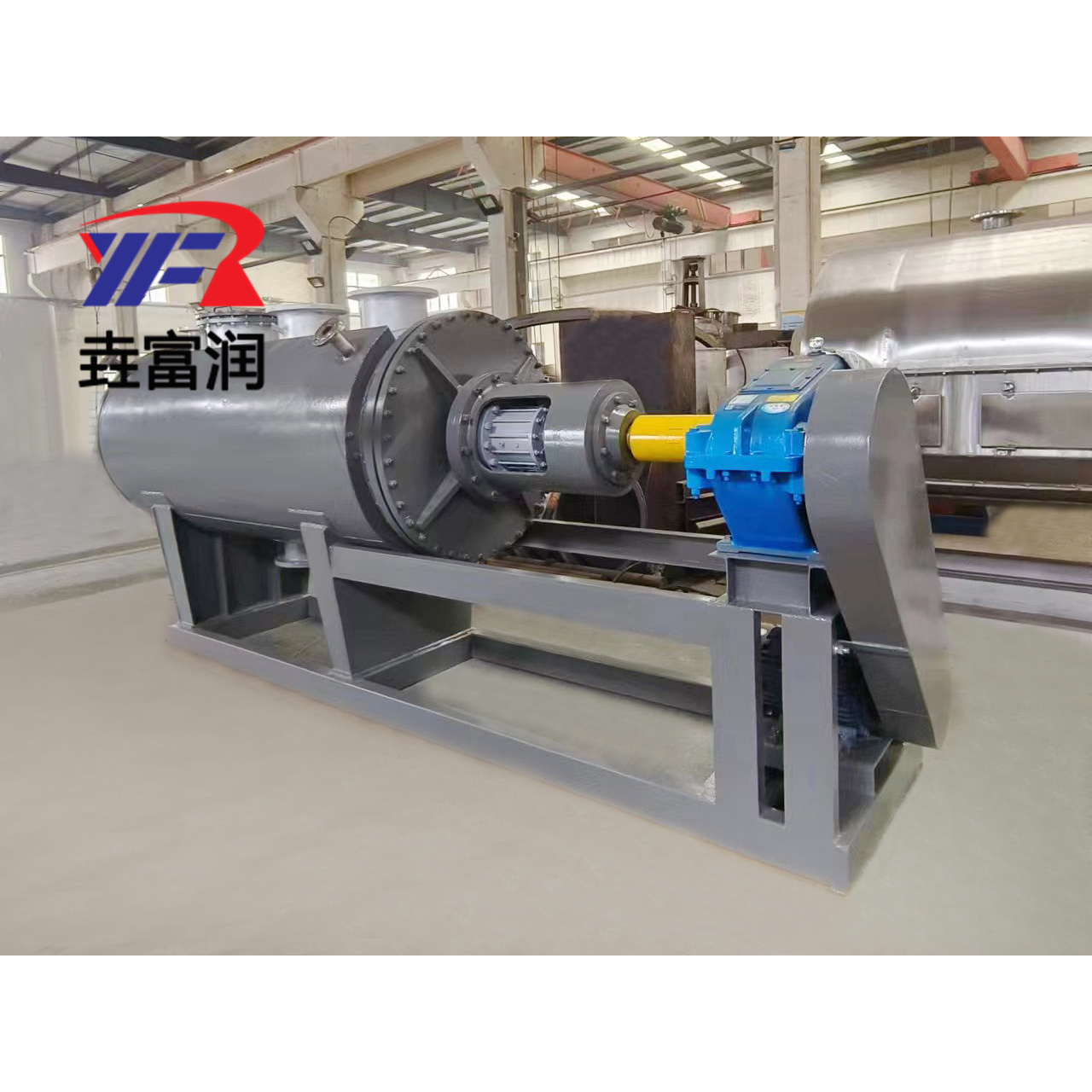


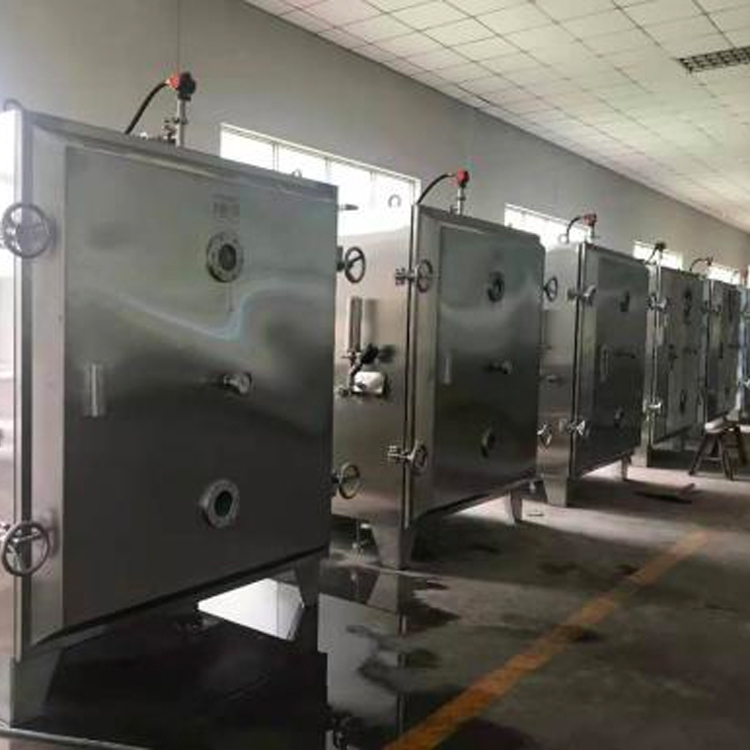
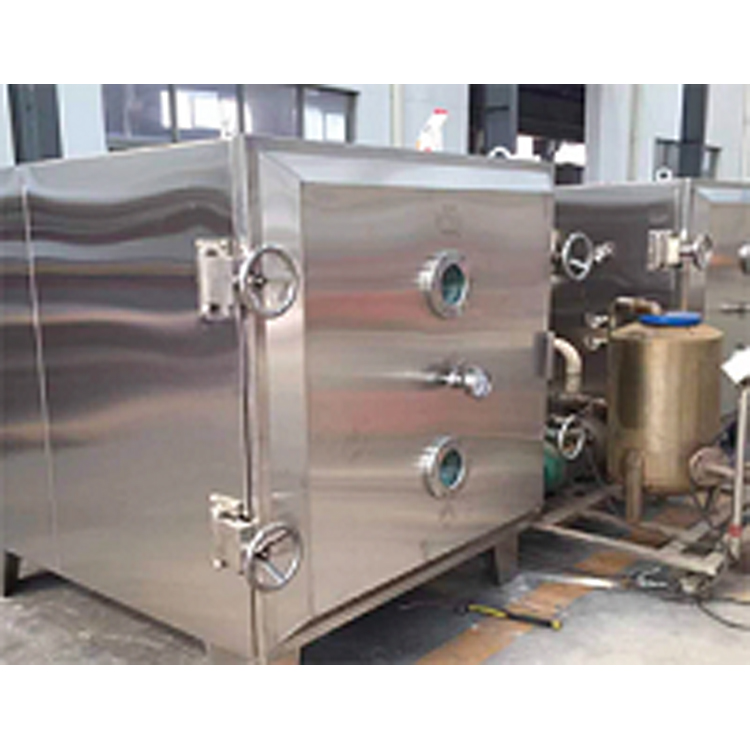


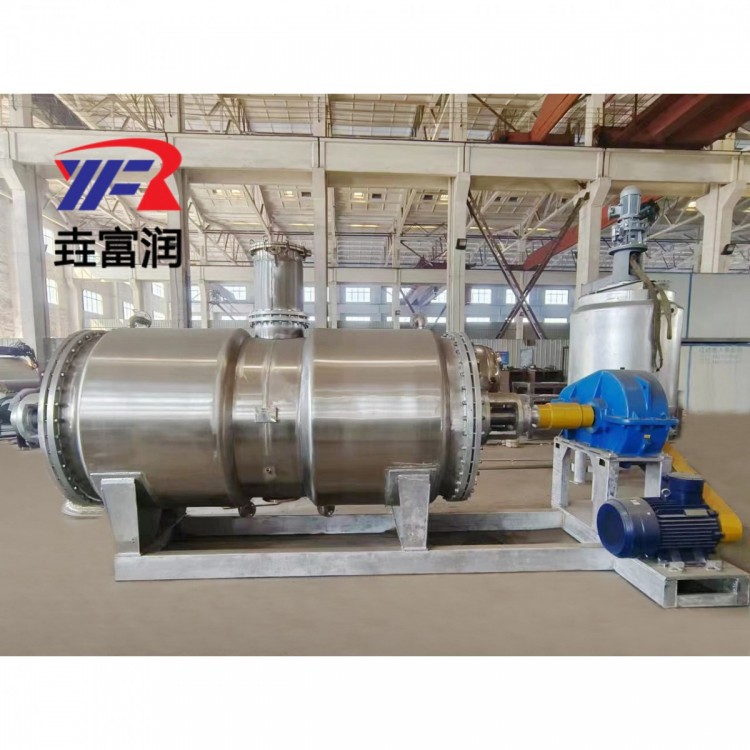
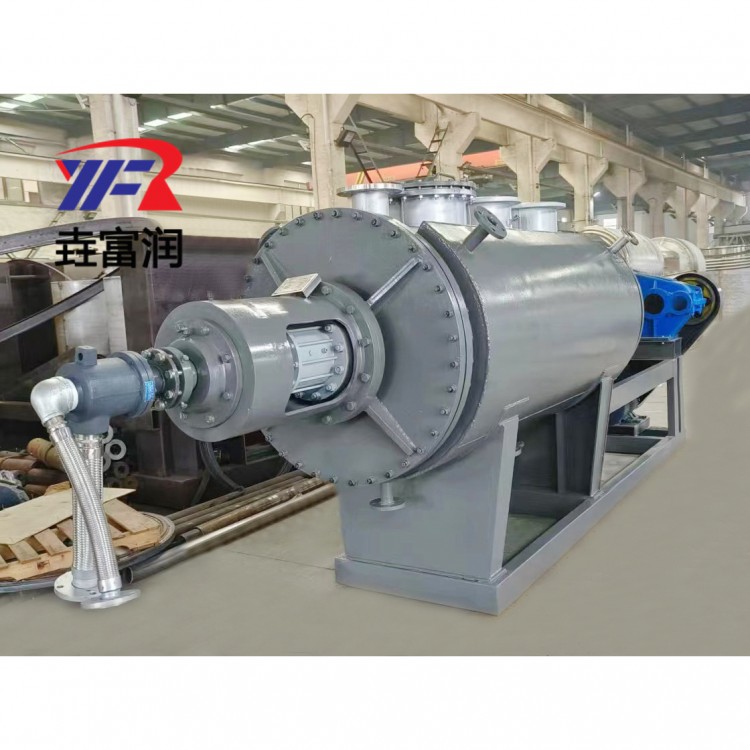
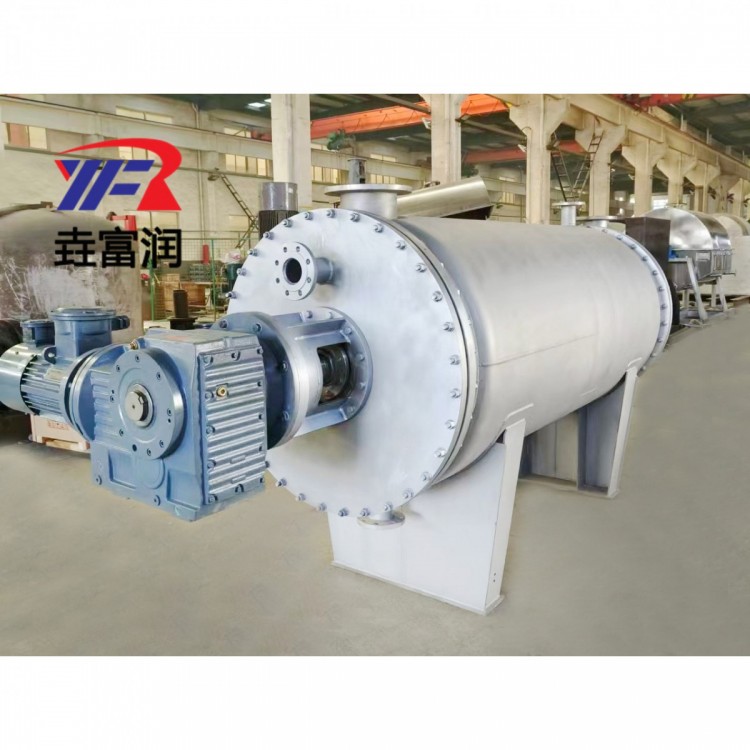
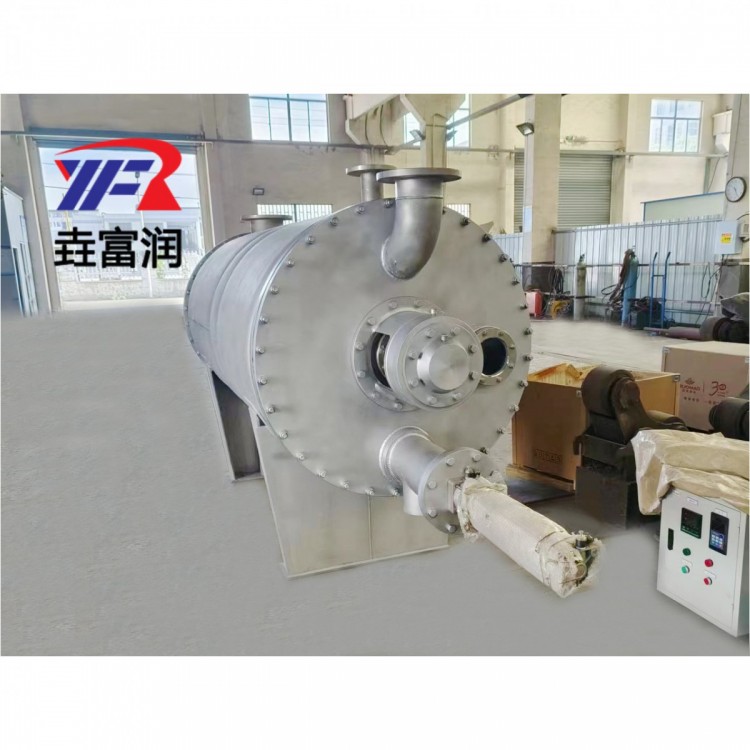
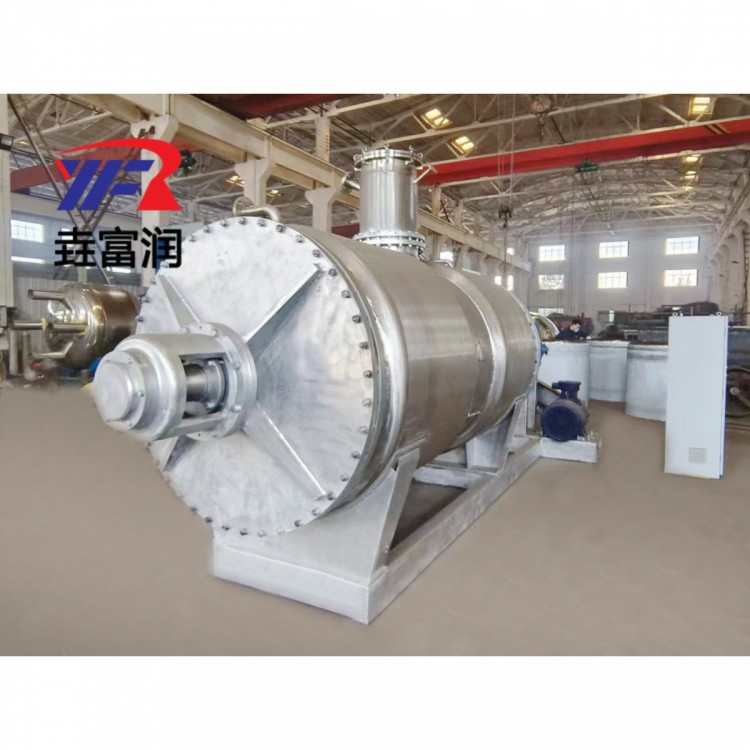






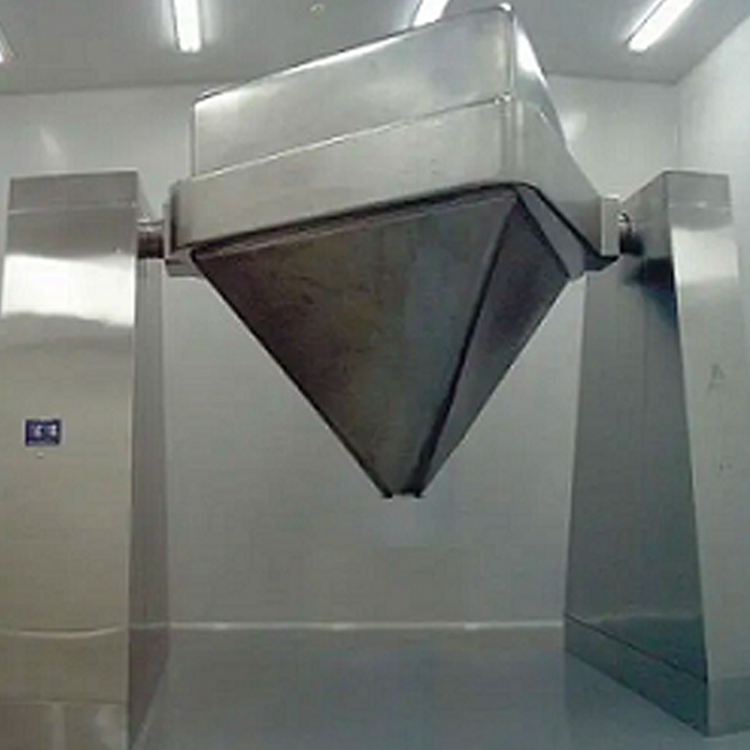


Application:
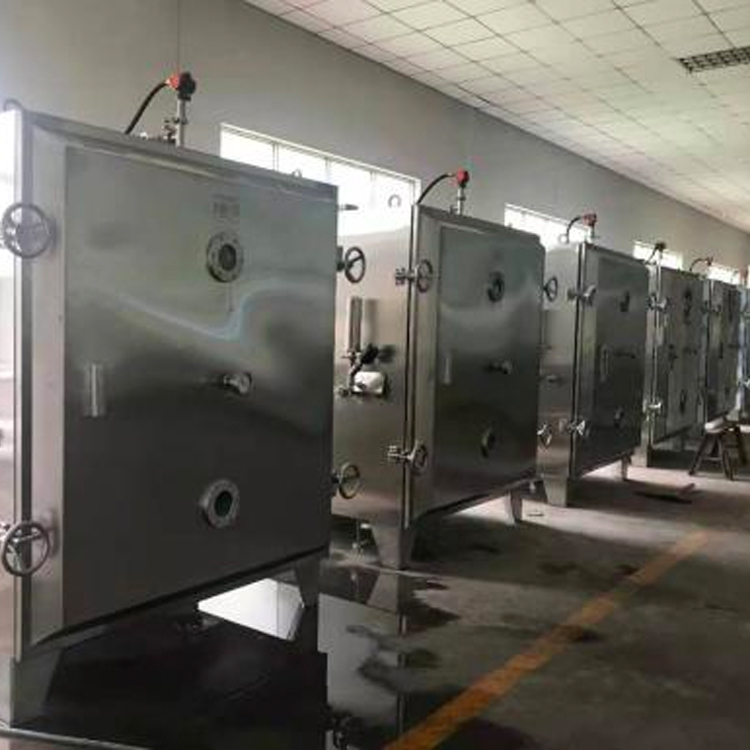
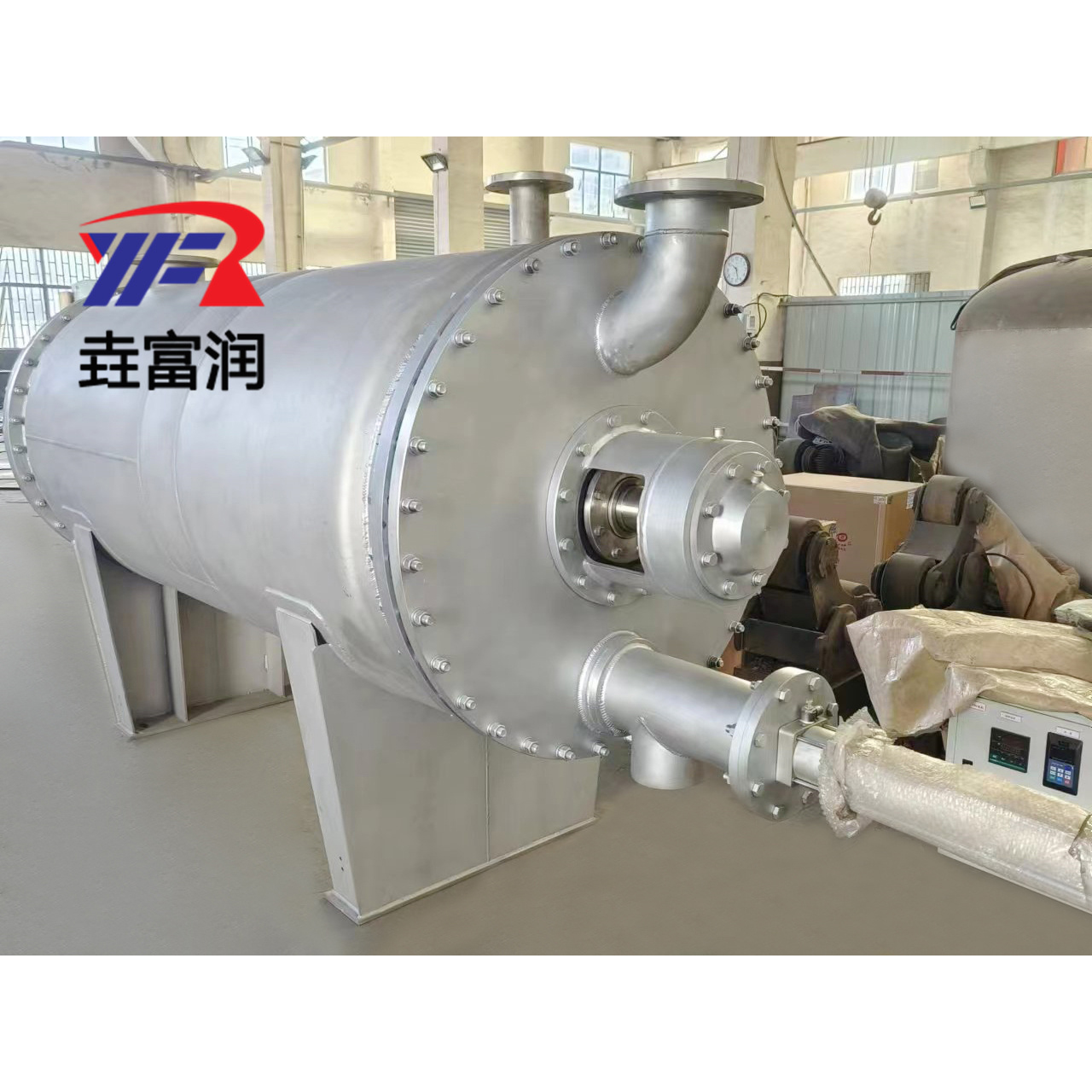
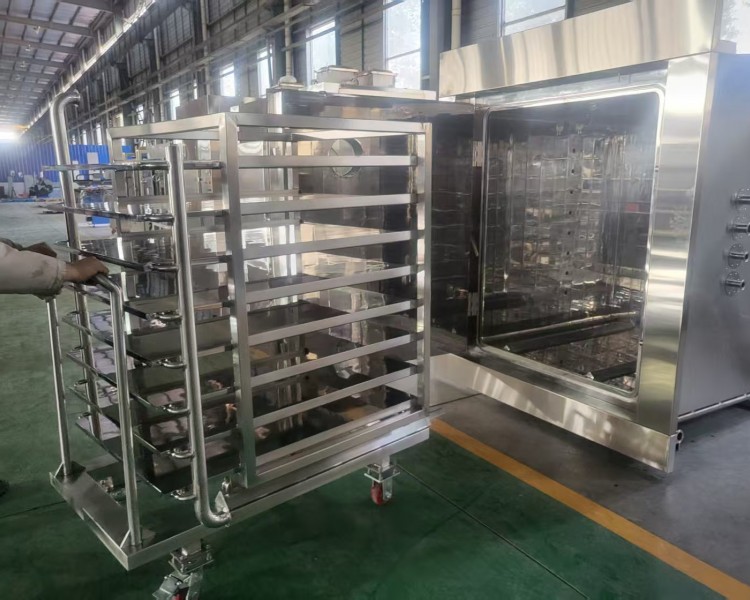
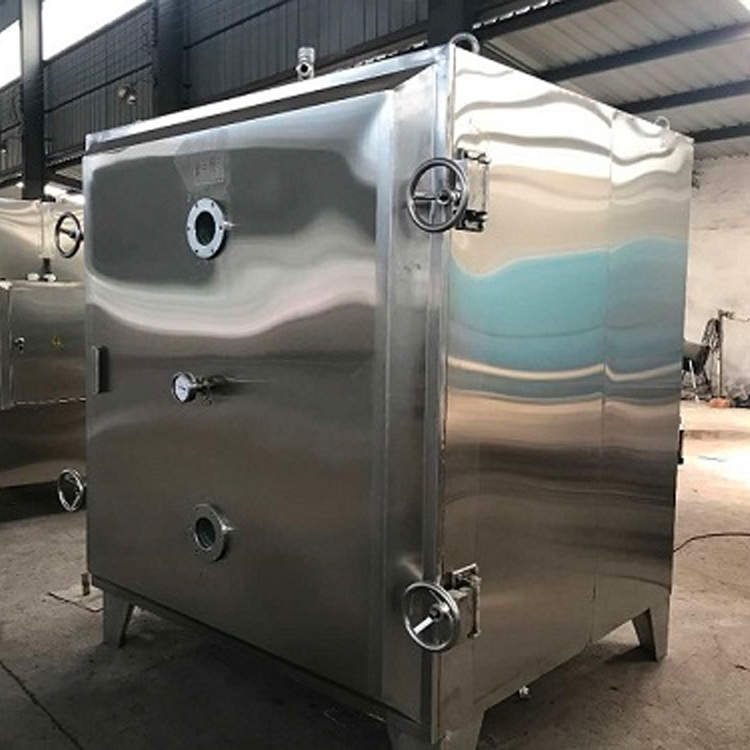
Low-temperature drying suitable for thermosensitive materials that are prone to decomposition, aggregation, and deterioration at high temperatures; widely used in the pharmaceutical, chemical, food, and electronic industries.
Features:
The boiling point of the material solution decreases under vacuum, thereby increasing the heat transfer driving force in the evaporator, allowing for a reduction in the heat transfer area required for a given heat transfer. For higher evaporation rates, the heat source can be low-pressure steam or waste heat steam.
Evaporators have minimal heat loss, allowing for sterilization before drying. No impurities are introduced during the drying process, meeting GMP standards. As a static vacuum dryer, the physical integrity of the dried material is preserved.
Principle:
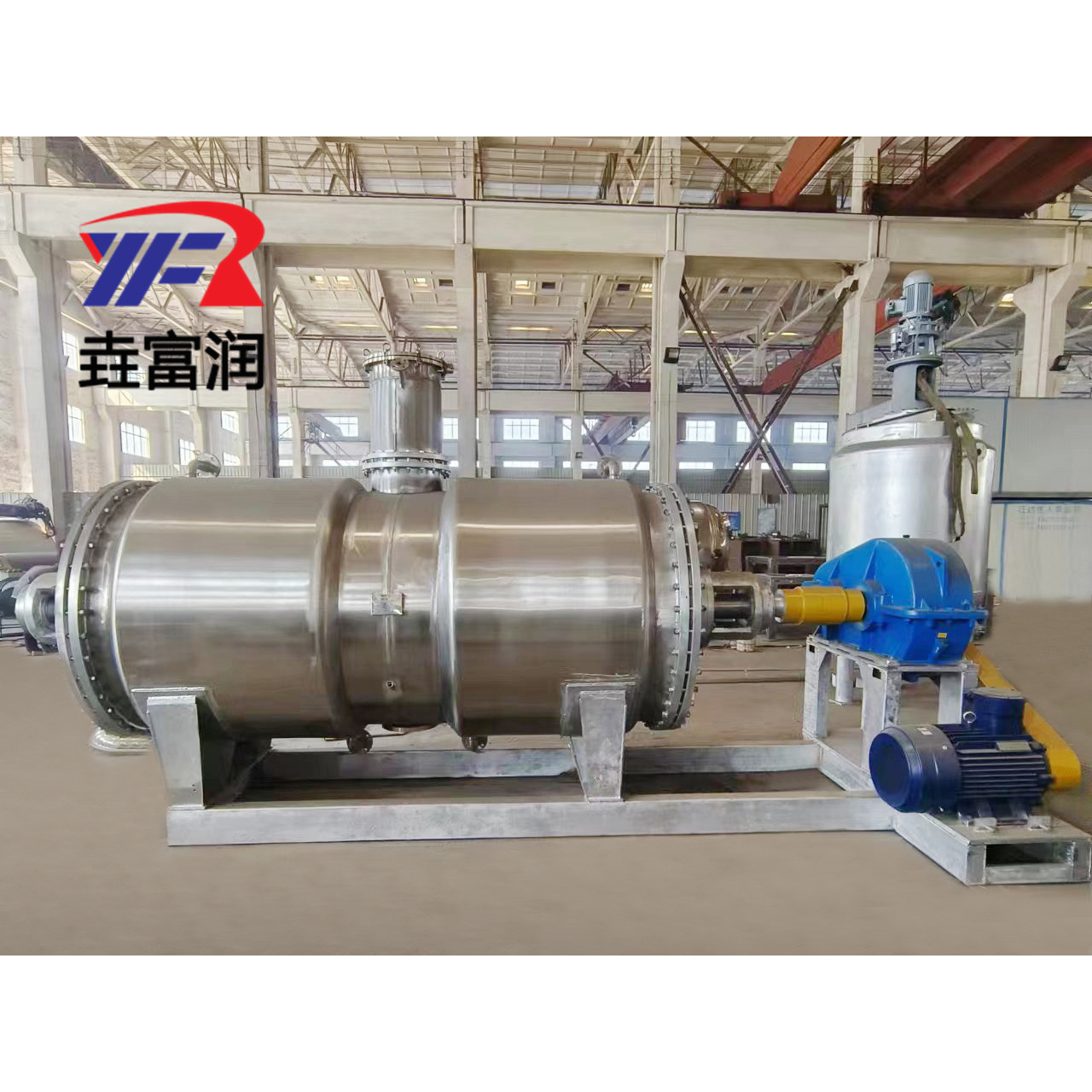
Vacuum drying refers to drying the material under vacuum conditions while heating it. If a vacuum pump is used to extract moisture, it accelerates the drying process.
Provide a complete random configuration file: Provide the complete file and test
File:
DQ/IQ/0Q/PQ
Equipped with various instruments:
Metal detector, roughness tester, thickness gauge, temperature verification instrument, etc., for complete testing. FAT (Functional Acceptance Test) and SAT (Site Acceptance Test) for no-load and loaded thermal distribution testing and report.
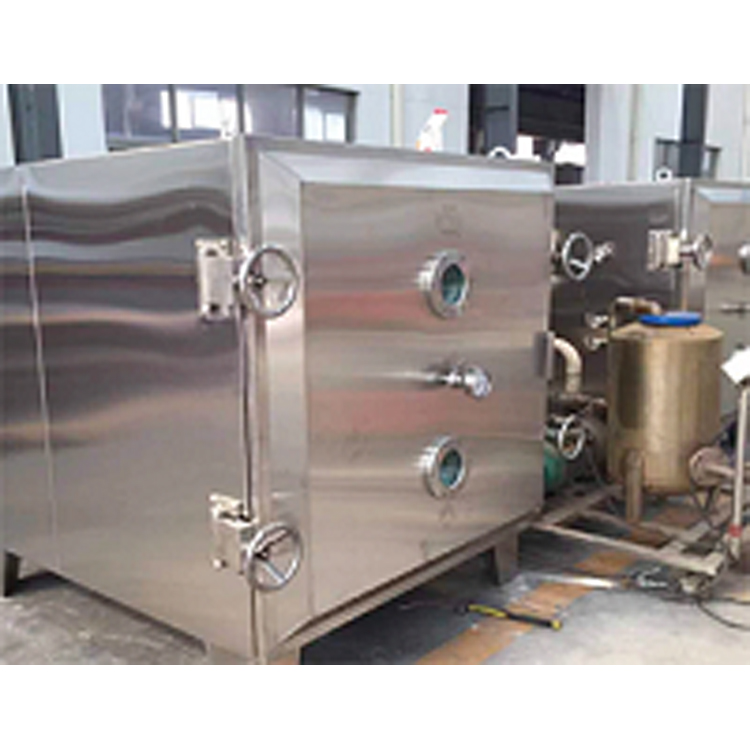
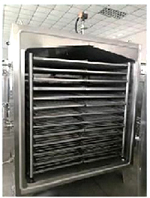
Low Temperature Vacuum Drying Oven | Electric heating method: | Drawer-style |
|
|  |
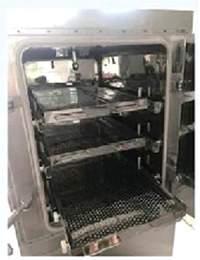
Configuration Options:
Explosion-proof equipment (using organic solvents) - Steam/Hot water/Electric heating/Thermal oil temperature recording - Single door opening/Double door opening - Side control/Independent control point operation/Human-machine control
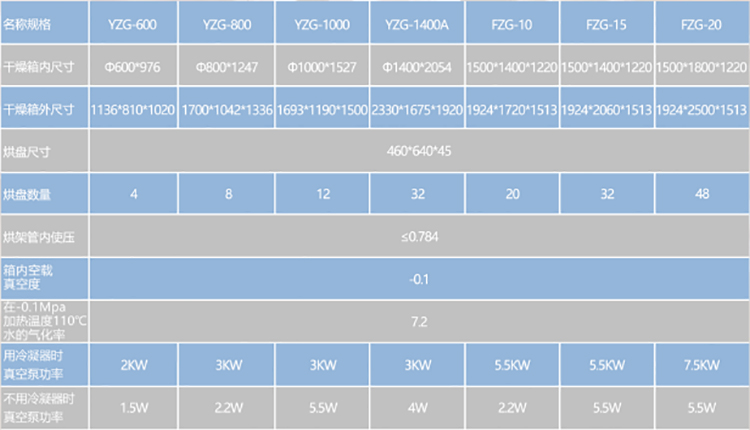
Technical Specifications: