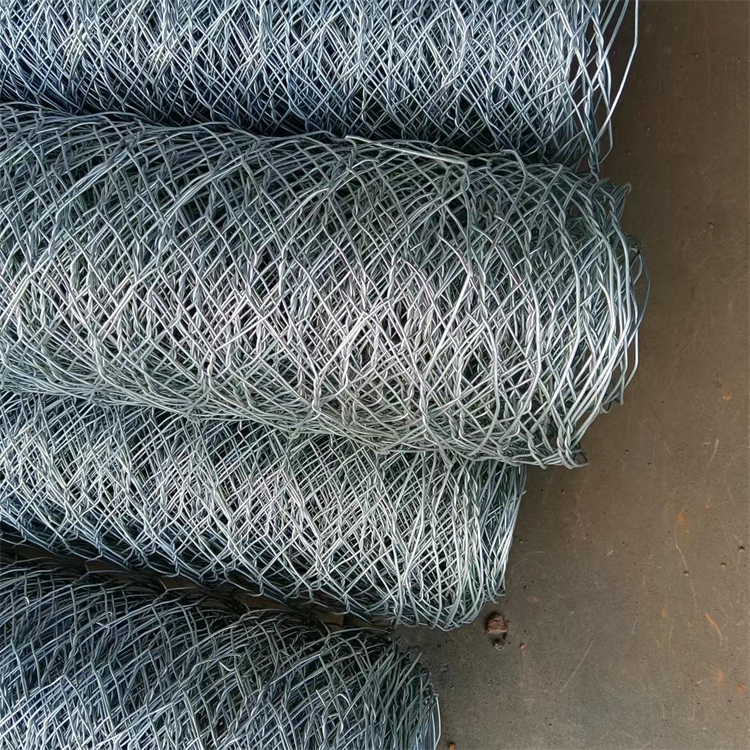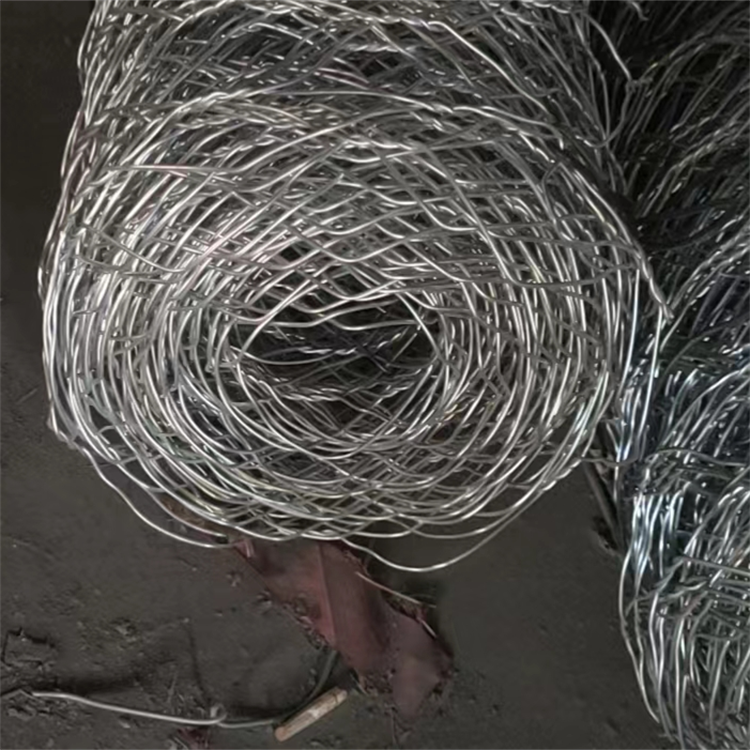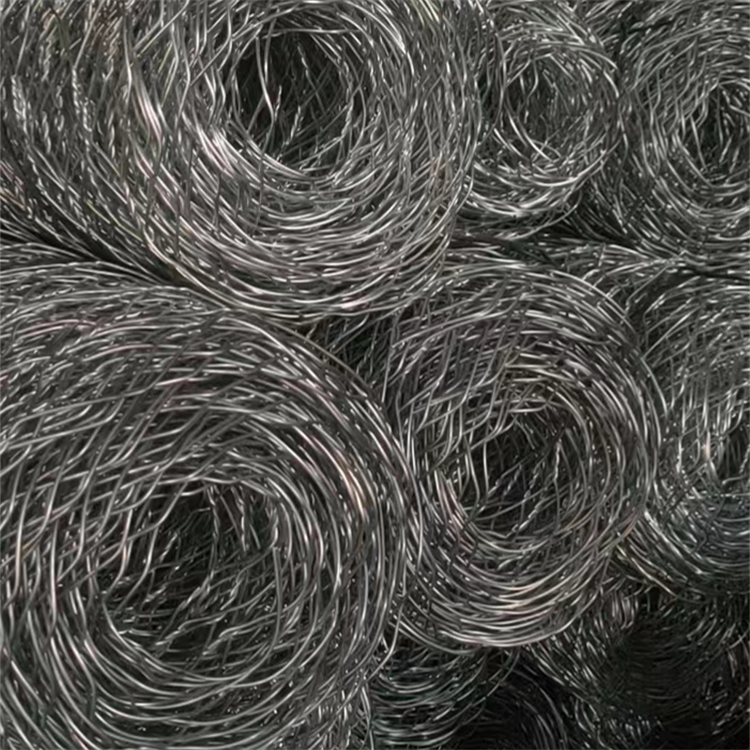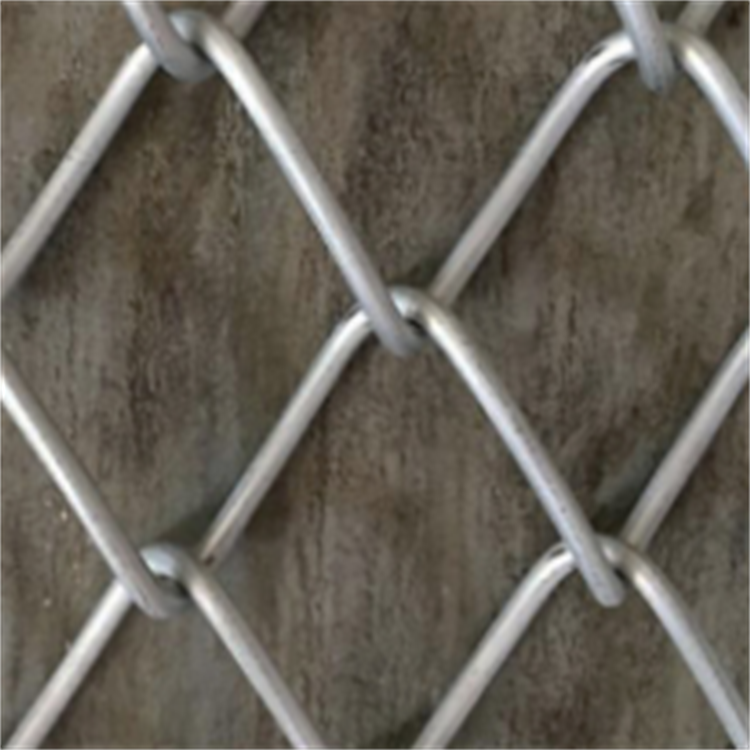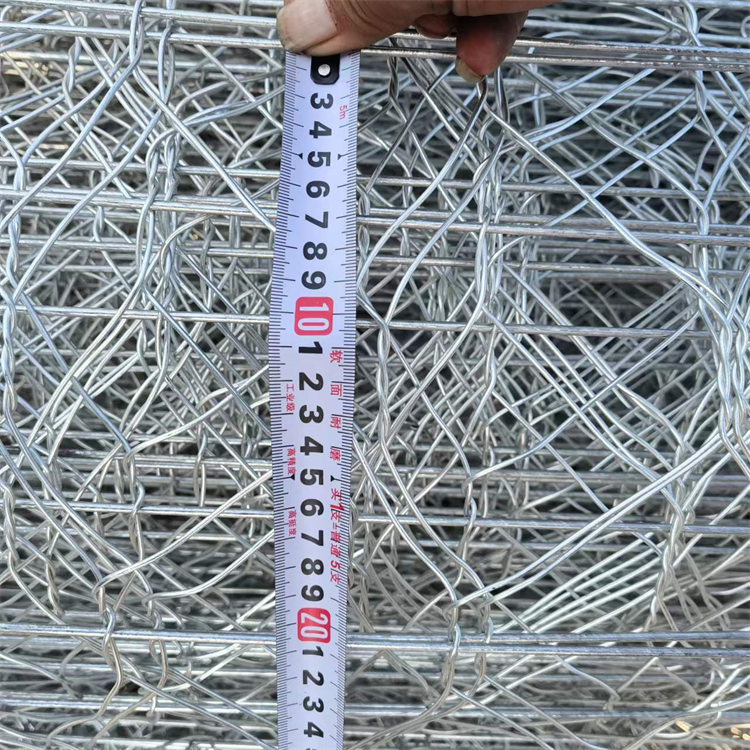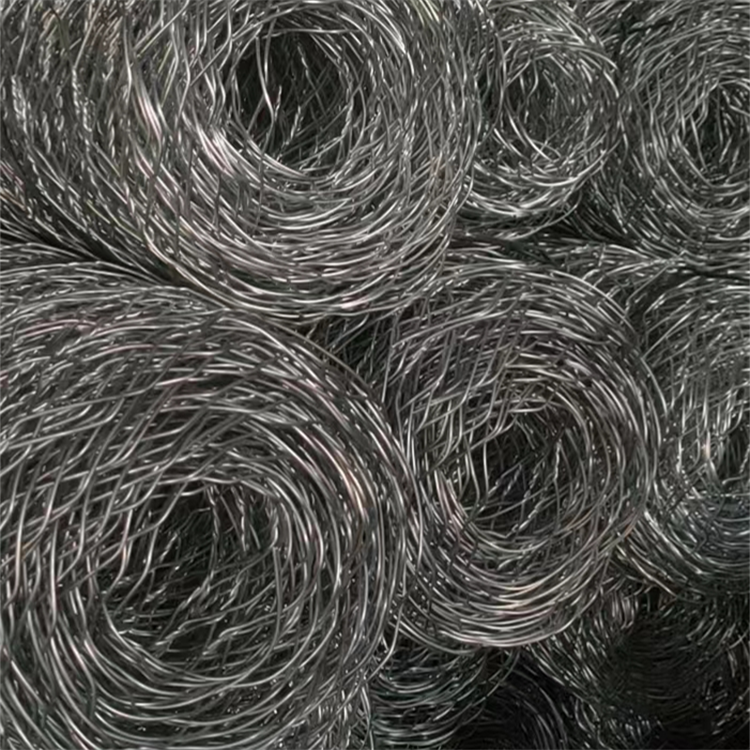












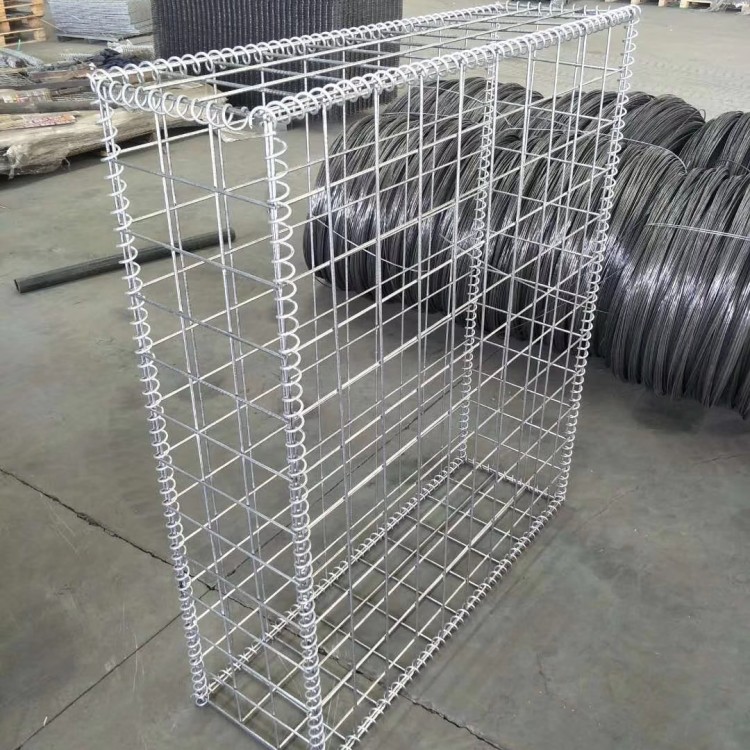
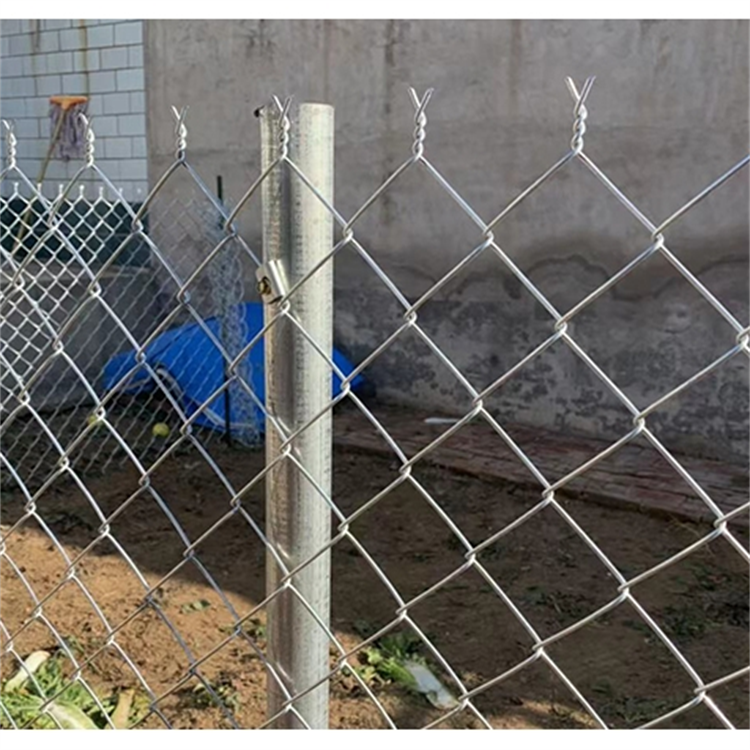
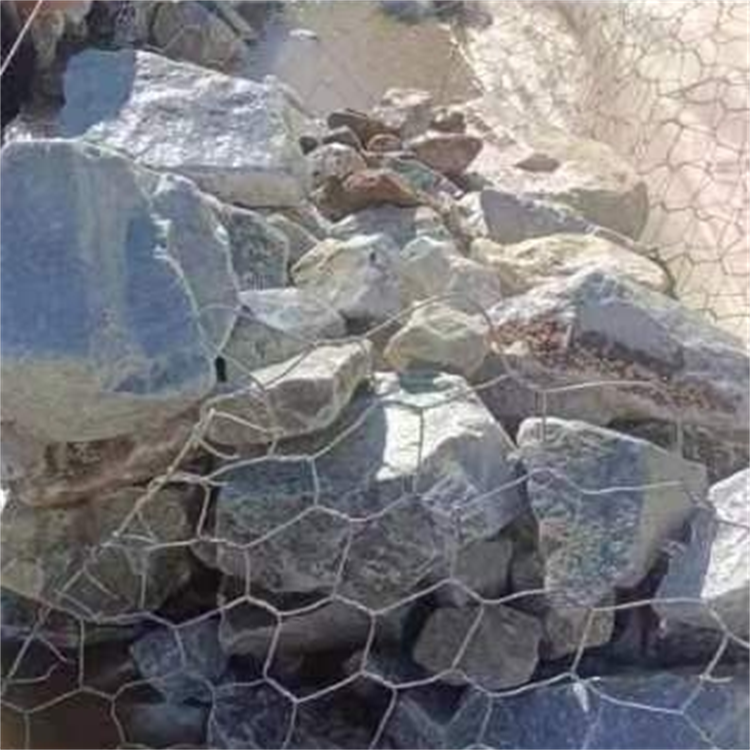
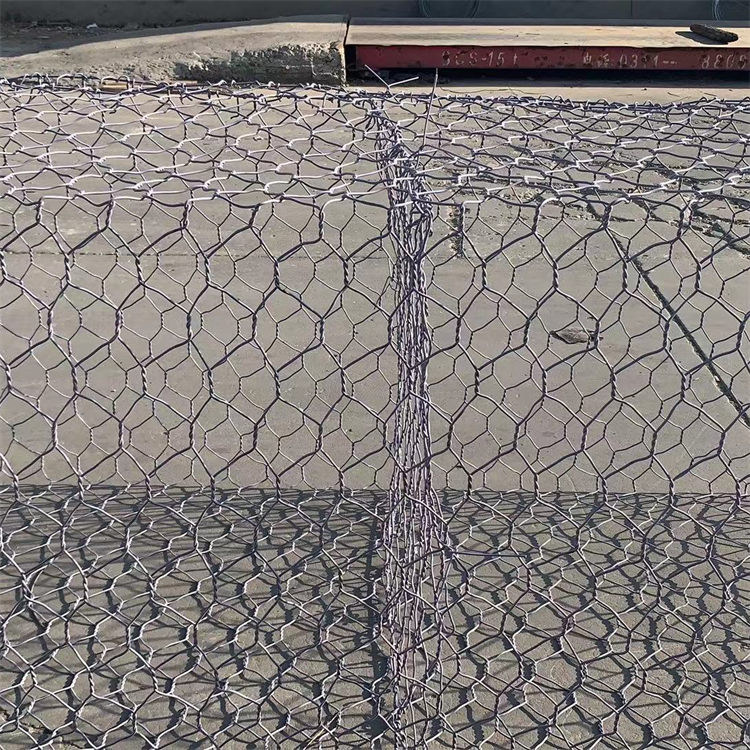
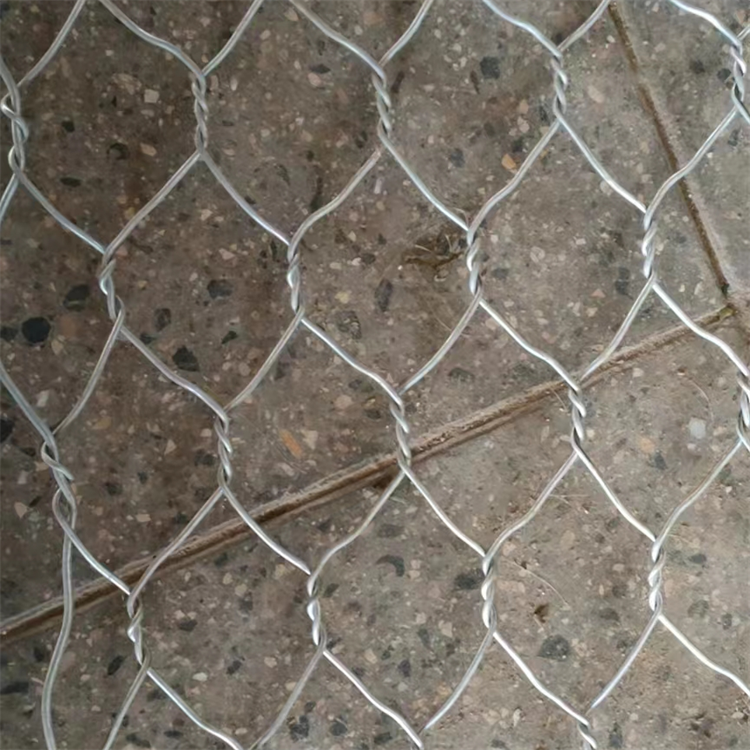
Rabbit mesh, galvanized rabbit mesh, hot-dip galvanized rabbit mesh. An illustrative explanation of rabbit mesh is a wire mesh cage used to encase stones, serving as a wire or polymer mesh structure for securing fill stone in place. It is a structural approach for riverbank protection and ecological management in today's civil engineering and water conservancy projects. The wire mesh cage is a woven or welded structure made of wire. Both structures can be electro-galvanized, hot-dip galvanized, or hot-dip galvanized aluminum, with the woven wire boxes optionally coated with PVC. Using weather-resistant and hard stone blocks as filling material, the stone cages will not break down quickly due to abrasion in the stone box or stone cage. Stone cages filled with different types of block stones possess varying characteristics. Angular block stones can interlock well with each other, and the stone cages filled with them are less prone to deformation.
Ripple Mesh Structure Requirements: Ripple mesh is mechanically woven from high corrosion-resistant, high-strength, ductile low-carbon steel wire (galvanized iron wire) or wire coated with PVC. The box-like structure made from this mesh is known as a stone笼 box. According to ASTM and EN standards, the diameter of the low-carbon steel wire used varies according to engineering design requirements, generally ranging from 2.0 to 4.0mm. The tensile strength of the ripple mesh wire must be no less than 38kg/m2, and the weight of the metallic coating is usually higher than 245g/m2. The diameter of the edge line of the ripple mesh panel is generally larger than that of the mesh wire. The length of the double twisted section must not be less than 50mm to ensure that the metallic coating and PVC coating of the twisted wire are not damaged.
Advantages of stone笼 mesh structure:
The flexible structure can adapt to the changes in the slope without being damaged, offering even better safety and stability than rigid structures.
2. Strong erosion resistance, capable of withstanding water flow speeds up to 6 m/s.
3. The structure is inherently permeable, offering strong tolerance to the natural actions and filtration of groundwater. Suspended particles and silt in the water settle in the crevices of the fill stones, thereby promoting the growth of natural vegetation and gradually restoring the original ecological environment.
Use of Gabion Mesh:
Hexagonal wire baskets are used for slope support, foundation pit support, rock face meshing and shotcrete, slope vegetation (greening), railway and expressway isolation barriers. They can also be made into box baskets and mesh pads, which are used for erosion protection of rivers, dams, and sea dykes, as well as for reservoir and river cutoff nets. Known for their ecological protection features, they are metaphorically called ecological netting and are a structural method used in China for the protection of water conservancy projects and the restoration of ecological environments.
Control and guide rivers and floods
Severe river disasters occur when water currents erode riverbanks, causing widespread flooding and resulting in massive losses of life, property, and soil erosion. In addressing these issues, the use of the ecological grid structure has become one of the solutions, providing long-lasting protection for riverbeds and riverbanks.
2. In channel canal bed construction:
Channel construction involves the stabilization of slopes and riverbeds. Therefore, the use of ecological mesh structures, a primary method adopted in the modification of many natural rivers and excavation of artificial channels over the past century, is essential. It effectively protects riverbanks or riverbeds, controls water flow, and prevents water loss, particularly in environmental protection and water quality maintenance, with the function of restoring the ecological environment.
3. Regarding revetment and slope protection:
The gabion mesh structure is a highly successful example in riverbank protection and slope foot protection, fully utilizing the advantages of the ecological mesh to achieve ideal effects unattainable by other methods.
Galvanized Stone Lattice Mesh Material Classification:
Galvanized Steel Wire: Low carbon steel wire with diameter ranging from 2.0MM to 4.0MM, tensile strength not less than 380Mpa. The wire surface is protected by hot galvanizing, with the thickness of the galvanized layer tailored to customer requirements, and the galvanizing amount can reach up to 300g/m² (electro-galvanized zinc coating is only about 10g).
2. Zinc-5% Aluminum-Mixed Rare Earth Alloy Wire (also known as Galfan): This is an emerging new material on the international market, with corrosion resistance up to 3 times that of traditional pure zinc-plated wire. The wire diameter ranges from 1.0MM to 3.0MM, and the tensile strength is no less than 1380Mpa.
3. Galvanized Steel Wire Coated with PVC: Low-carbon steel wire, coated with a layer of PVC protective layer on its surface, then woven into various specifications of hexagonal wire mesh.
Zinc-5% Aluminum-Mixed Rare Earth Alloy Wire Coated with PVC: The zinc-5% aluminum-mixed rare earth alloy wire is coated with a layer of PVC for protection, then woven into various specifications of hexagonal mesh.
Hesco baskets offer protection advantages in hydraulic engineering projects, such as:
Ideal ecological construction and restoration functions
The pores within the stone笼and matting facilitate water flow, promoting natural exchange between water and soil, creating a habitat for aquatic life and microorganisms, thereby enhancing the water body's self-purification capabilities and protecting and improving water sources and quality. The voids in the filling material, either artificially layered with soil or naturally deposited, create conditions for landscaping and vegetation growth, even without sowing seeds, thus optimizing, beautifying the environment, and improving and restoring the ecological environment.
2. Excellent water permeability
Retaining walls and slope protection constructed with woven box structures, filled with loose materials, have numerous pores that facilitate the drainage of soil water from the backfill and sub-slope soil layers. Once surface water infiltrates the soil, it can be quickly排出 through the structure, effectively lowering the groundwater level and reducing the groundwater pressure behind the wall and beneath the slope. The woven box structure in slope stabilization and debris flow prevention projects ensures timely drainage, reducing the likelihood of wall damage. Additionally, the wall's excellent deformation capability effectively mitigates the impact of sudden external forces.
3. Stable and comprehensive permeability function.
The gabion mesh is a double twisted mesh structure woven mechanically, with localized damage not affecting the overall integrity of the box or cage. The gabion mesh material has a moderate deformation characteristic, connecting the entire project as a whole without the need for seams. Even if uneven settling occurs, the overall structure will not develop cracks or serious issues.
4. Simpler construction methods.
The gabion mesh technology can be mass-produced into semi-finished products according to design intent, and assembled on-site according to the design drawings, then laid on graded slopes or excavated foundation pits to form retaining slopes or built into gabion retaining walls. Filling material is added, and the cover mesh is installed to complete. The operation is simple, minimally affected by weather, and suitable for mechanized operations, ensuring both construction quality and speeding up the project progress. During the construction process of a construction unit, due to weather conditions, workers originally assigned to building stone retaining walls were transferred to work on the gabion mesh slopes.
5. Landscape Effect
The easy assembly of the stone笼 mesh structure and the variety of colors offer us a wide range of structural design options, catering to different regional landscape requirements. Combined with grass lawns and flower trees, we present a green retaining wall or slope.
6. Excellent corrosion and durability resistance.
The steel wire used in stone笼 mesh material is coated with hot-dipped aluminum zinc, providing a more stable surface coating that effectively reduces oxidation of the wire. After being processed with a resin film, it boasts corrosion resistance, static electricity prevention, aging resistance, and oxidation resistance, extending its service life. Tests have shown that when plastic is soaked in 30% hydrochloric acid solution for 10 days, there is no discoloration or cracking. This indicates that the material is reliable even in highly polluted areas. The lifespan of wire coated with resin film can reach 70 years.
7. Excellent resistance to erosion and wind wave impact.
The gabion mesh structure is highly effective for slope protection or retaining wall projects in rivers with strong currents. According to relevant experiments, the anti-erosion coefficient of the gabion mesh structure is twice that of general rock pitching protection projects. Even if the boulders within the gabion mat are displaced by the water flow, the deformed box structure achieves a new equilibrium, maintaining overall integrity without damage. The gabion mesh structure is flexible, with gaps between the stones or other materials inside the boxes. When waves crest, the spray is crushed, reducing the impact force of the wave pressure; as the wave crest recedes, the gaps in the box disrupt the vacuum suction of the waves, further reducing the damage to the protective works. Additionally, the overall structure can self-adjust slightly under the force of waves, effectively preventing cracks in the wall.
Common Structure Forms of Gabion Mesh:
1. Gabion baskets are made from heavy-duty hexagonal wire mesh, cut and folded into wire mesh baskets. Typically, a basket is assembled from four sheets of heavy-duty hexagonal mesh, with one large hexagonal mesh folded into four large rectangular faces. The ends have two smaller hexagonal mesh pieces, and there's a partition mesh in the middle. Gabion baskets can also be made in triangular or trapezoidal shapes, and when these baskets are stacked to form embankments, the inclined surface is on a single plane.
Riprap baskets, often used in hydraulic engineering for retaining walls, are constructed from stacked baskets of stones, with each basket ranging from 0.5 to 1.0 meters in size. These riprap basket walls are primarily used on steep slopes to control mudslides, prevent landslides, and protect the subgrades of roads and railways. The reason for using riprap baskets is their unique ecological function. Simply sprinkling a little soil on the surface of the protective structure allows for vegetation, as the gaps between the stones accommodate soil, promoting root growth and creating a favorable ecological environment. Even without soil, over time, the gaps between the stones will fill with silt, leading to the growth of herbaceous plants and the formation of a natural ecological habitat. After the production of riprap baskets is complete, they can be bundled and compressed for packaging to save space.
Section 2: Gabion matting is a heavy-duty hexagonal wire mesh cut and folded into metal box structures. The thickness of the gabion matting ranges from 0.15 to 0.5 meters, significantly less than the length and width of the gabion box. The gabion matting is divided into several cells by single or double dividers. To enhance the structural strength of the gabion matting, the diameter of the steel wire at the edges of the mesh plates is relatively thick. Primarily used for riverbanks, embankments, road embankment slopes, and coastal slope structures. It not only prevents riverbanks from being eroded by water currents and waves but also achieves natural convection between the water body and the soil below, achieving ecological balance. By spreading soil with gabion matting, green vegetation can be planted, adding to the landscape greenery effect on the slope.
Section 3: Gabion retaining walls are constructed by stacking layers of gabion baskets. The components of a gabion retaining wall are filled with stones of similar size within the wire mesh baskets, which results in a certain porosity. Due to the gaps between the stones, soil and water from behind the masonry and beneath the slope can be drained, thereby lowering the water level and reducing the ground water pressure behind the wall and below the slope. Prompt drainage reduces the likelihood of the retaining wall being damaged, significantly extending its lifespan. Moreover, the wall's wire mesh baskets are made of wire and can deform to some extent. Additionally, the stones can slide against each other, allowing the retaining wall to absorb and dissipate sudden external forces.
4. Roadstone Mesh Baskets, available in two types: one for road protection, such as constructing a stone mesh barrier with baskets along the road's sides to guard against floods and protect the road; and another for reinforcing the subgrade with stone mesh baskets. The second type involves placing heavy-duty hexagonal mesh as reinforcement during road construction, either within the subgrade or beneath the concrete pavement, to prevent cracking.
V. Stone笼Rolls, woven into rolls of 30 to 50 meters, are directly laid on slopes for slope protection, preventing soil erosion and rock falls. They can also be used for slope support, foundation pit support, rock face meshing for shotcrete, slope vegetation (greening), isolation barriers for railways and highways, and erosion protection for rivers, dams, and sea dikes.
Rocks笼网 handling:
1. Operation of gabion mesh sinking, first involves sinking the gabion mesh woven from wire. It can also be electroplated and coated with PVC (polyvinyl chloride), and PVC gabion mesh sinking can also be used for shore protection and toe protection.
2. Stone Boxes (Box-shaped Stone Lattices). Meshed stone boxes are more flexible than welded ones, so their performance in adapting to settlement and load is different. Although filling the stone materials requires careful attention to ensure a dense packing of stones, it is sometimes believed that rigid stone boxes are easier to fill. For non-standard shapes, such as turns or areas where significant settlement may occur, these structures are preferred when woven wire or polymer lattice structures can deform without losing strength.
3. The internal filling of the stone笼 is made with weather-resistant, hard stones that won't quickly break down due to erosion in stone boxes or stone笼 arrays. Stone笼 with different types of block stones exhibit varying characteristics. The angular block stones can interlock well with each other, making the stone笼 filled with them less prone to deformation. Therefore, they are more effective in anti-shear retaining walls than round stones and also facilitate the connection of the stone笼. The general size of the filling is 1.5 times the average mesh size. Individual block stones are not less than the standard mesh size (typically used woven stone笼 sizes are 60mm x 80mm to 100mm x 120mm), and generally not larger than 200mm in standard size. For block stones placed inside the stone笼 away from the outer surface, the size requirements for smaller stones may sometimes be relaxed.
4. Internal filling. Mechanical filling is generally faster and cheaper, but it lacks the precision of manual filling. For decorative retaining walls, it should produce a good appearance and form a compact structure. When using either method, the filling material must completely fill the wire mesh baskets. The filling material must be packed tightly to minimize voids, ensuring good contact between individual stones, and to reduce the possibility of stone movement within the baskets. Both polygonal and round stones can be packed tightly when the filling material size is within the normal range, with additional soil added as needed.
Stone笼网