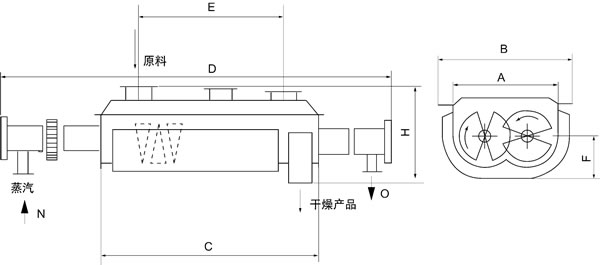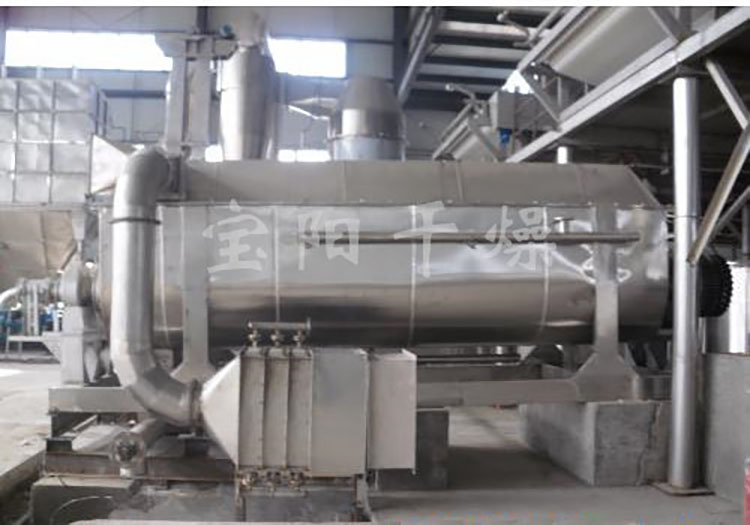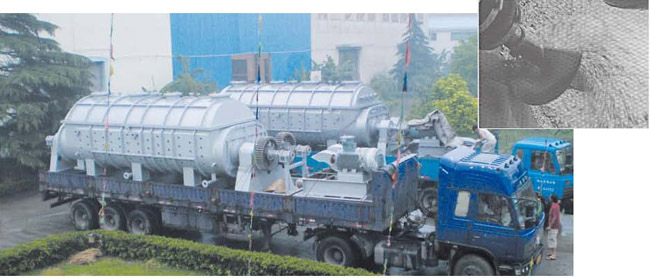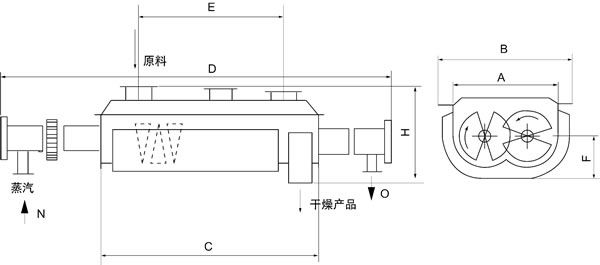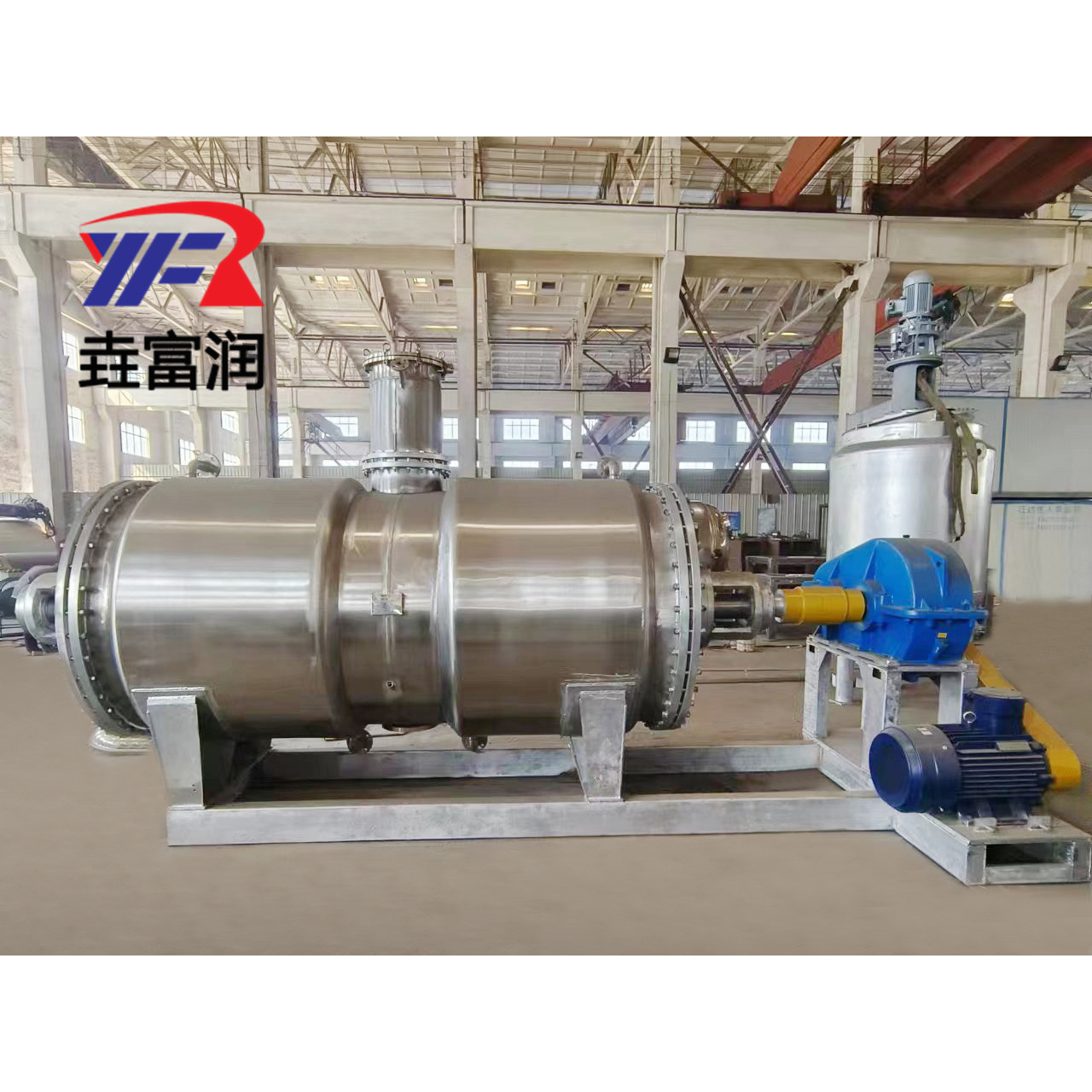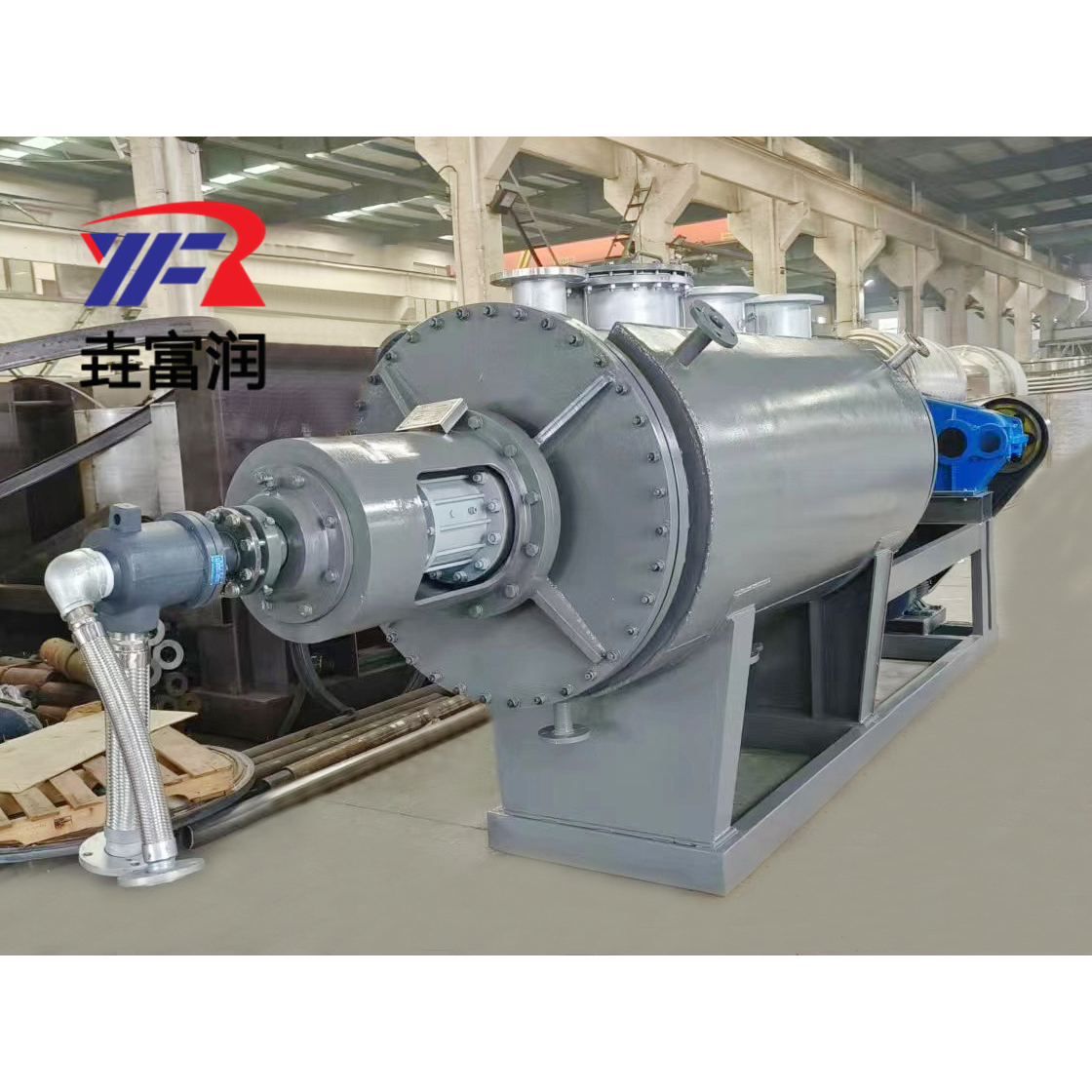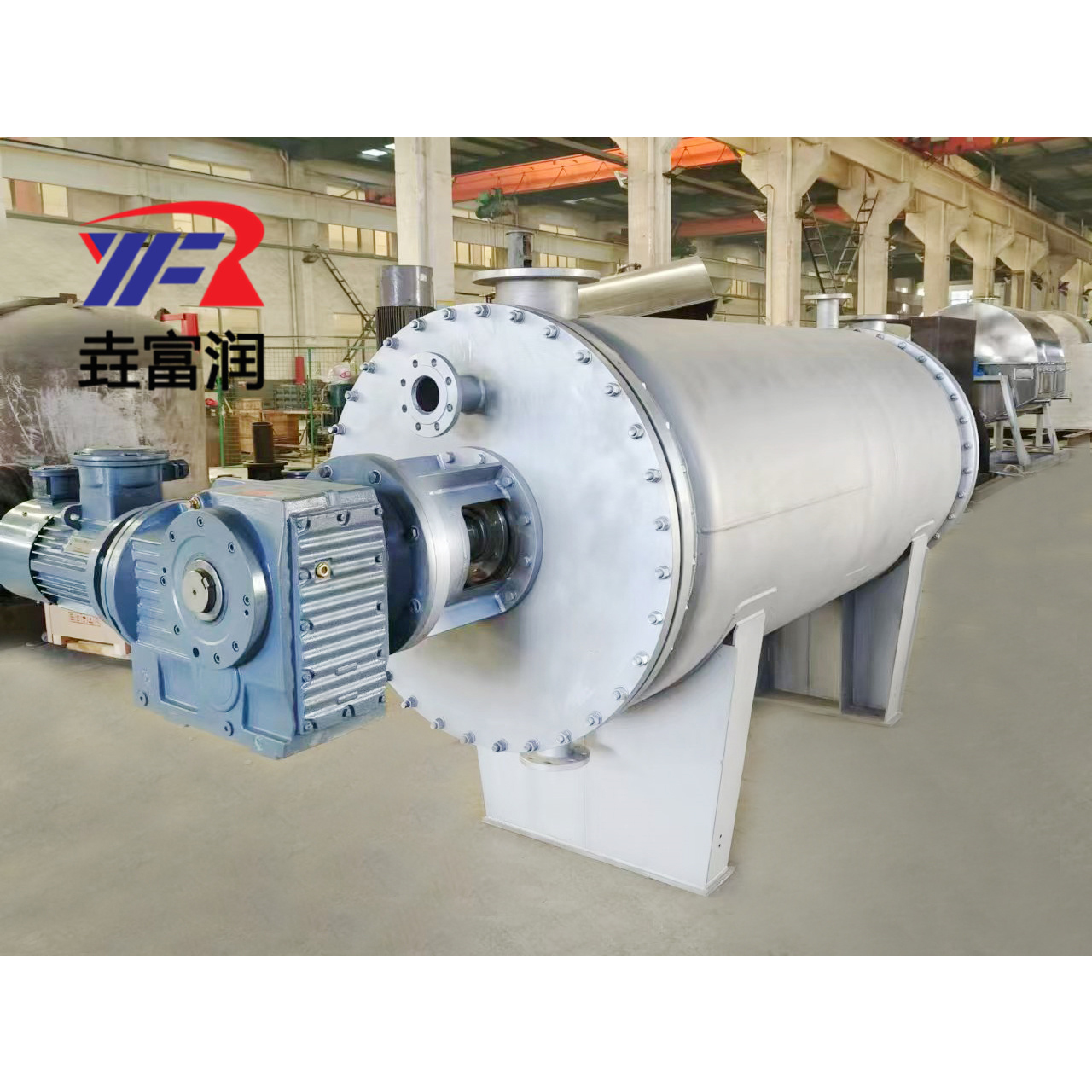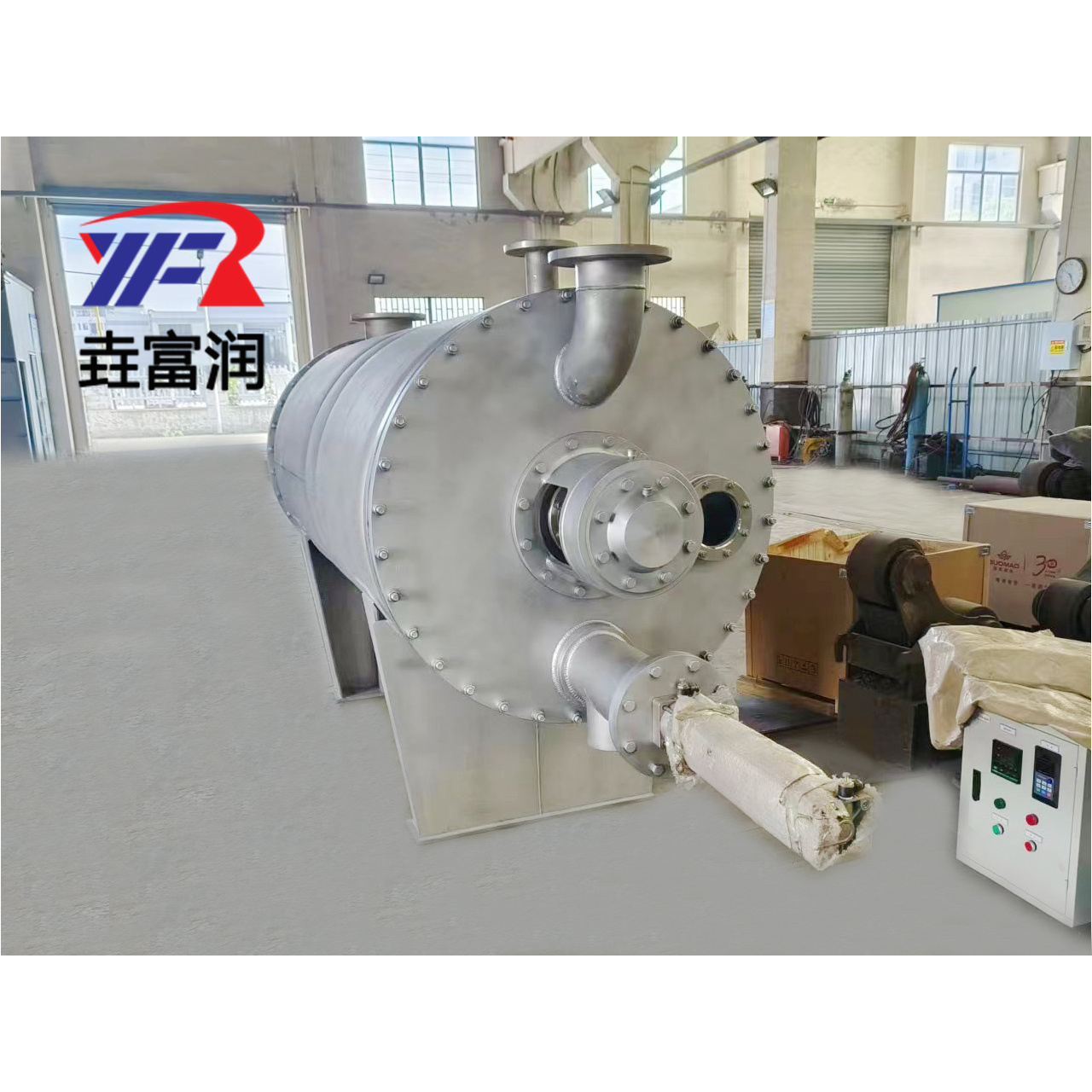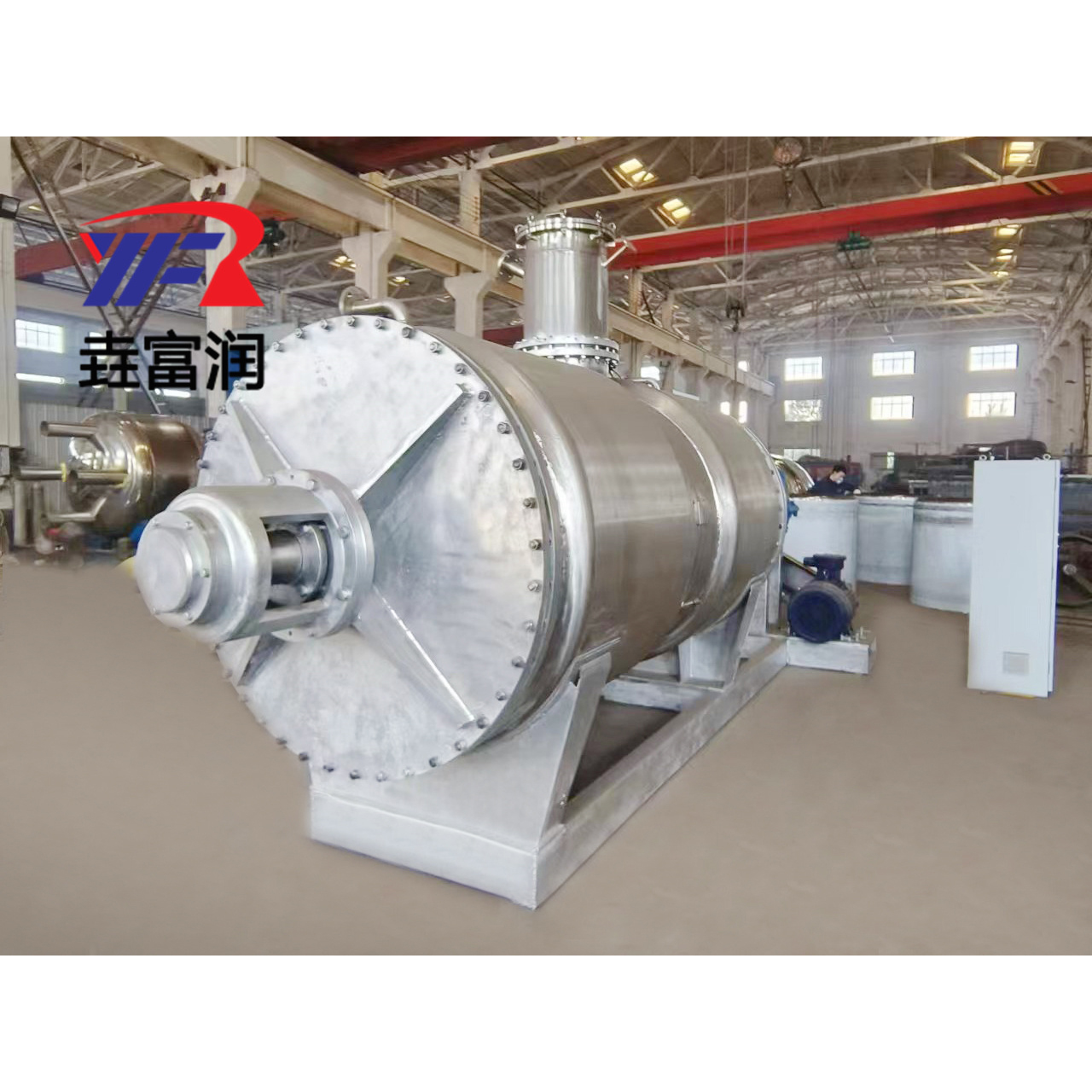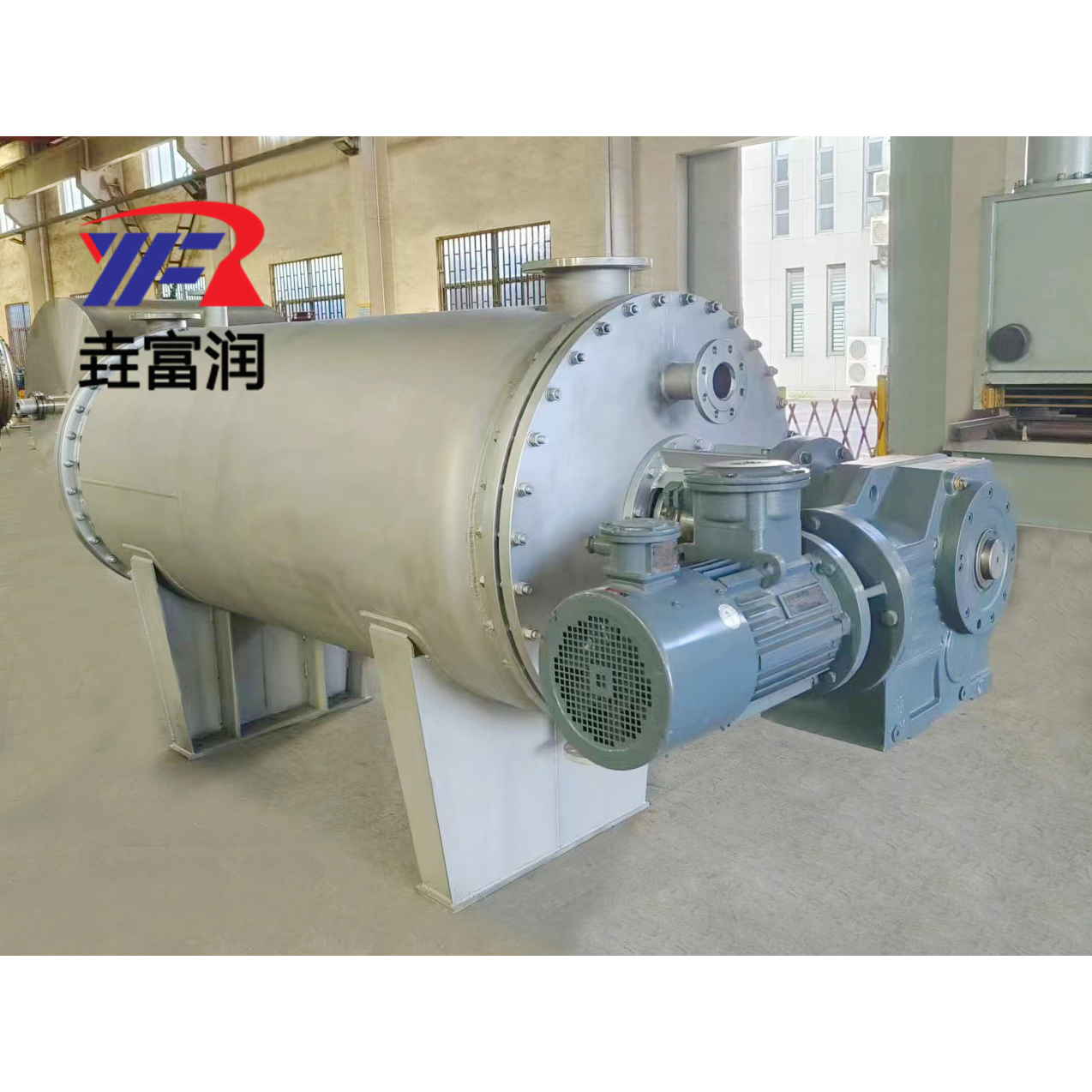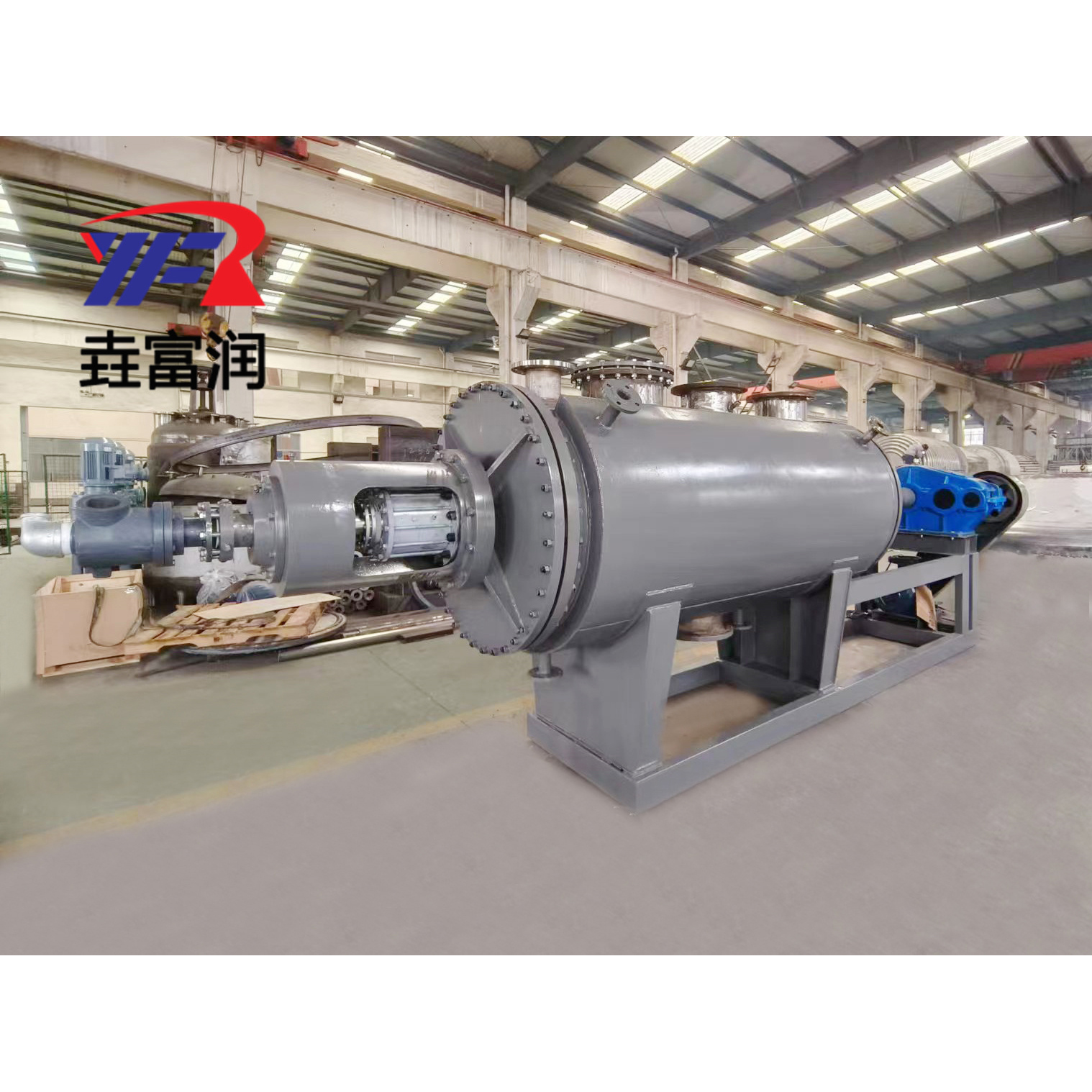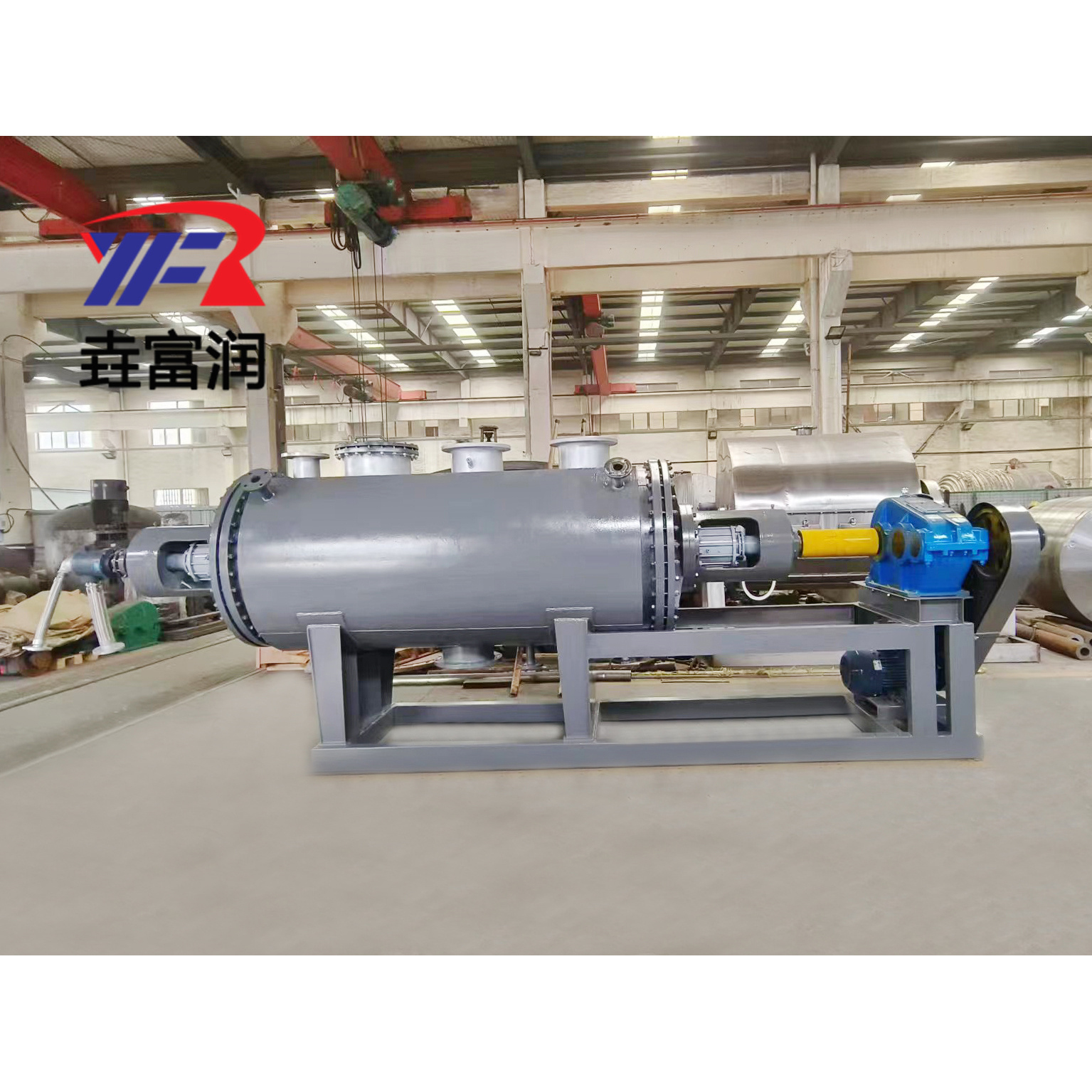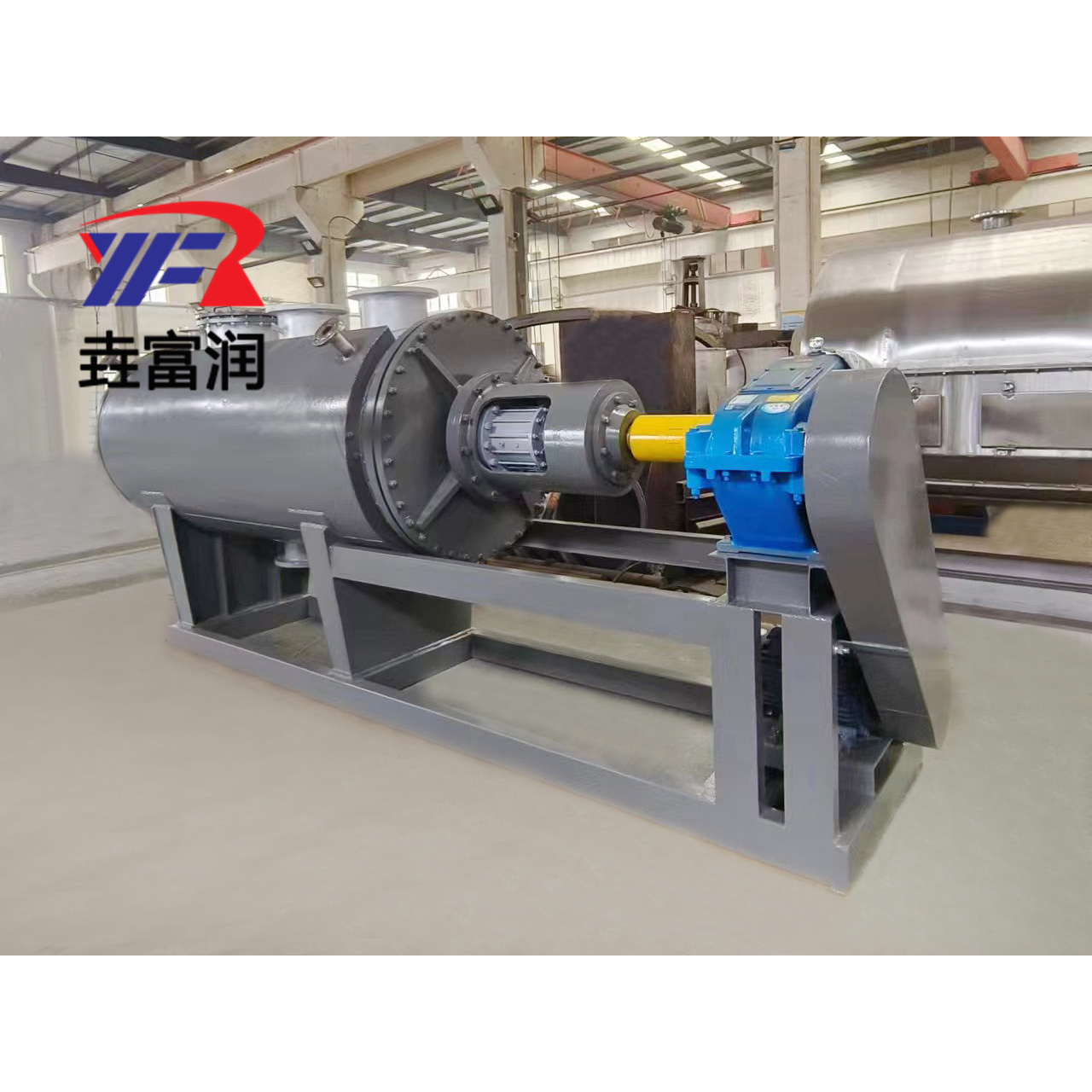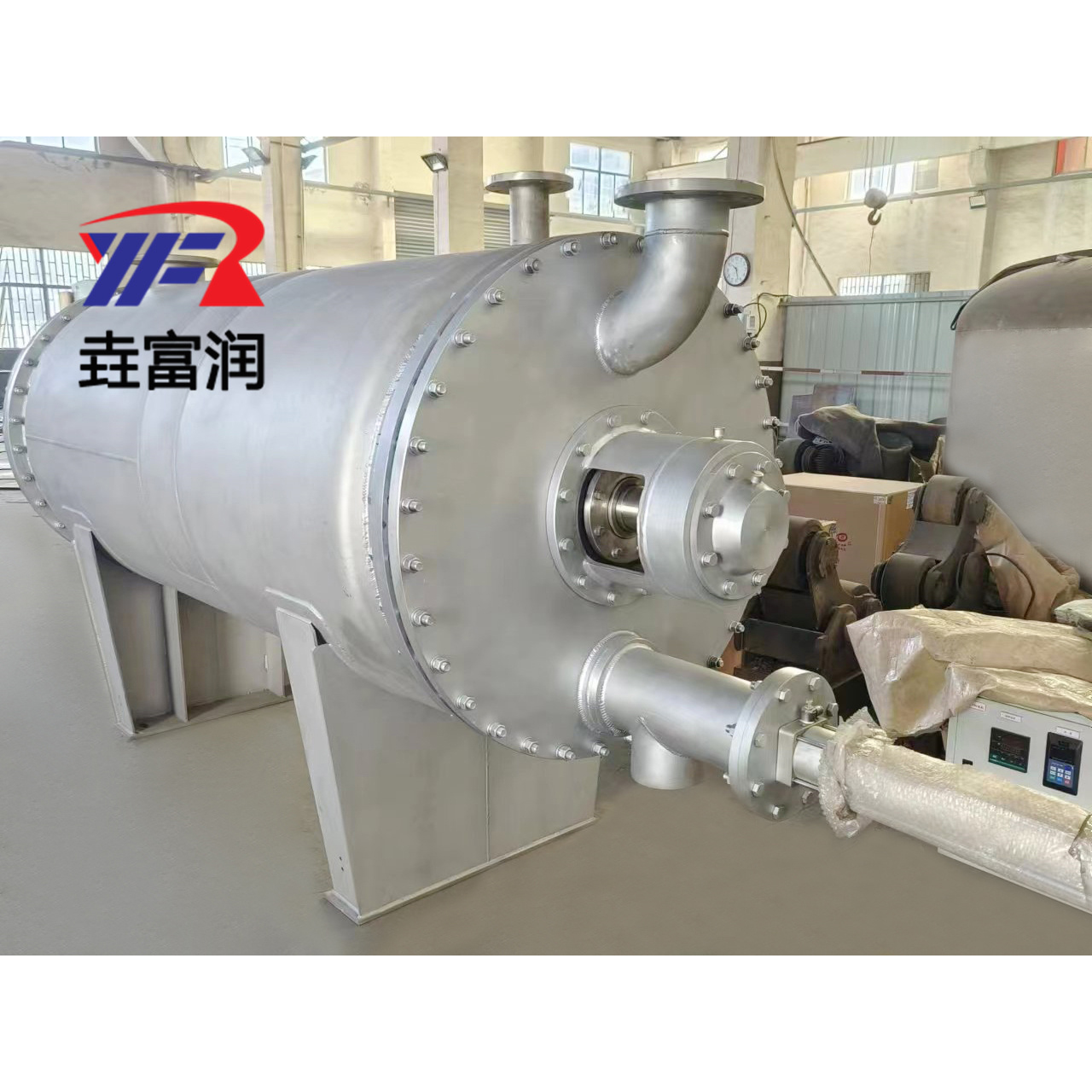


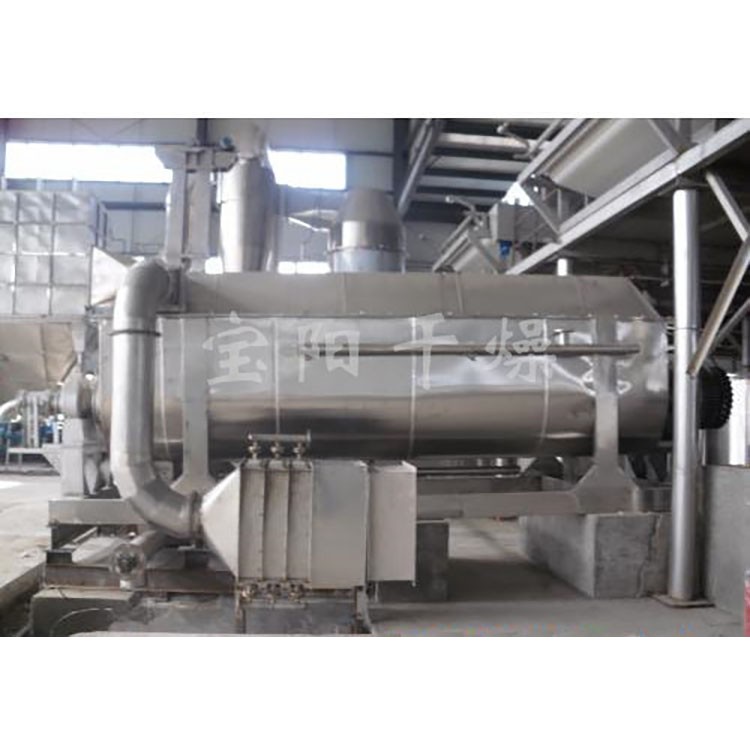
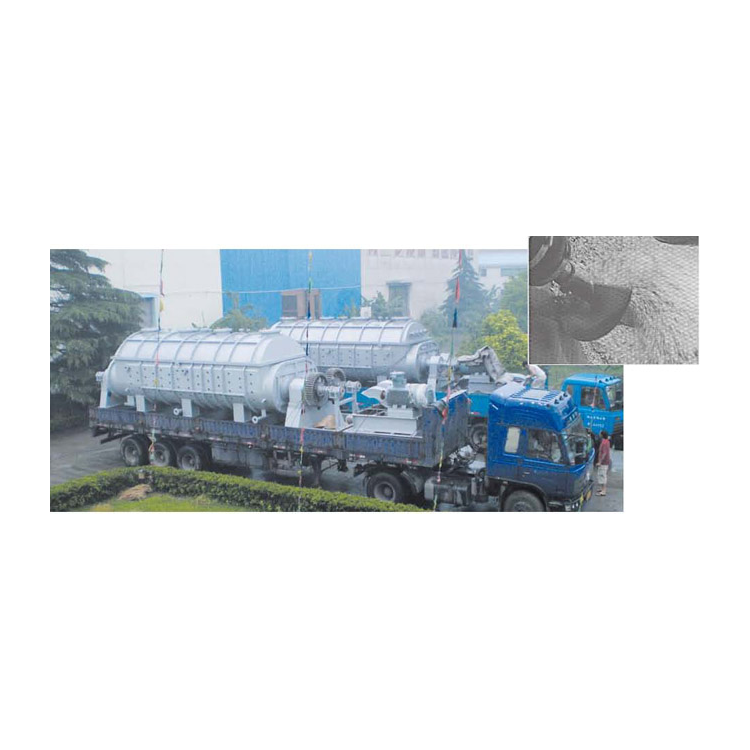


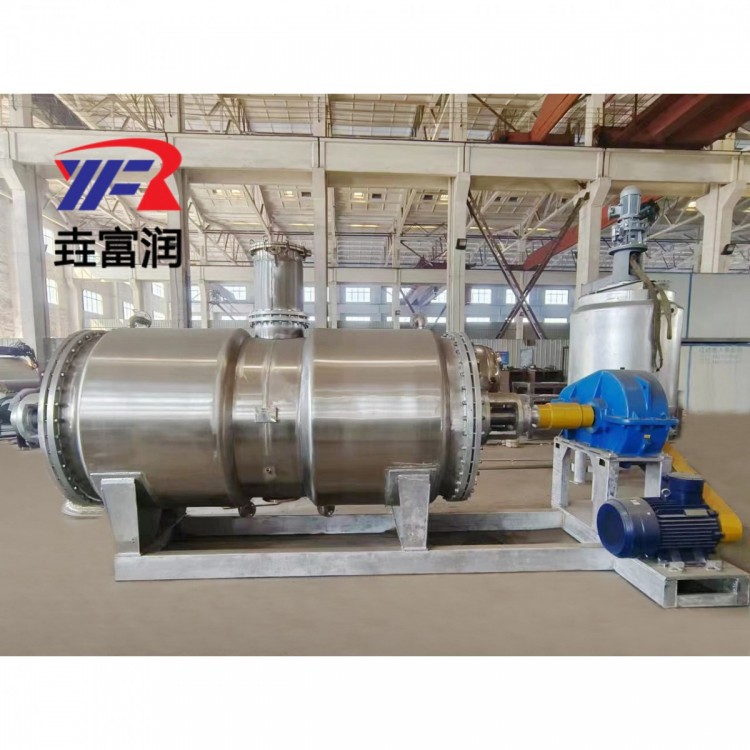
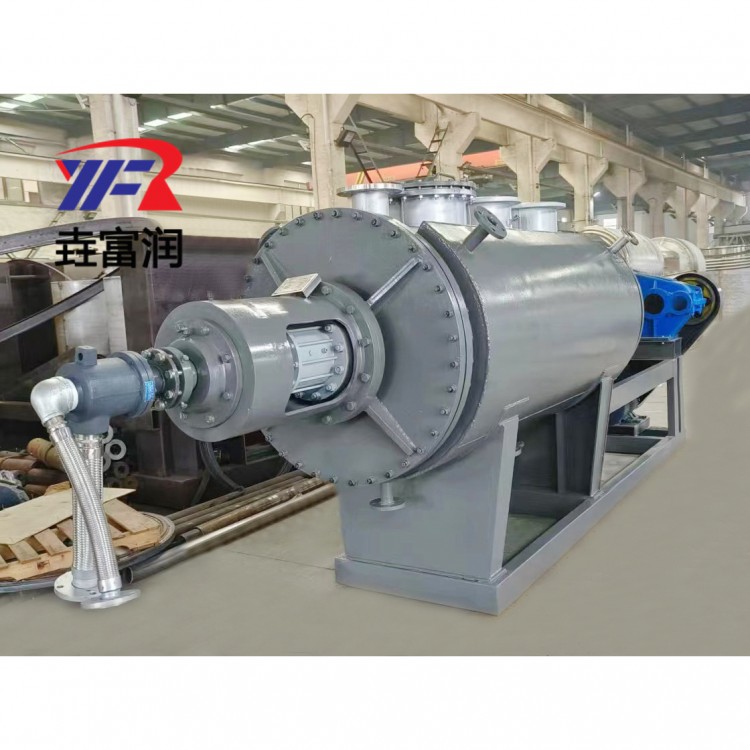
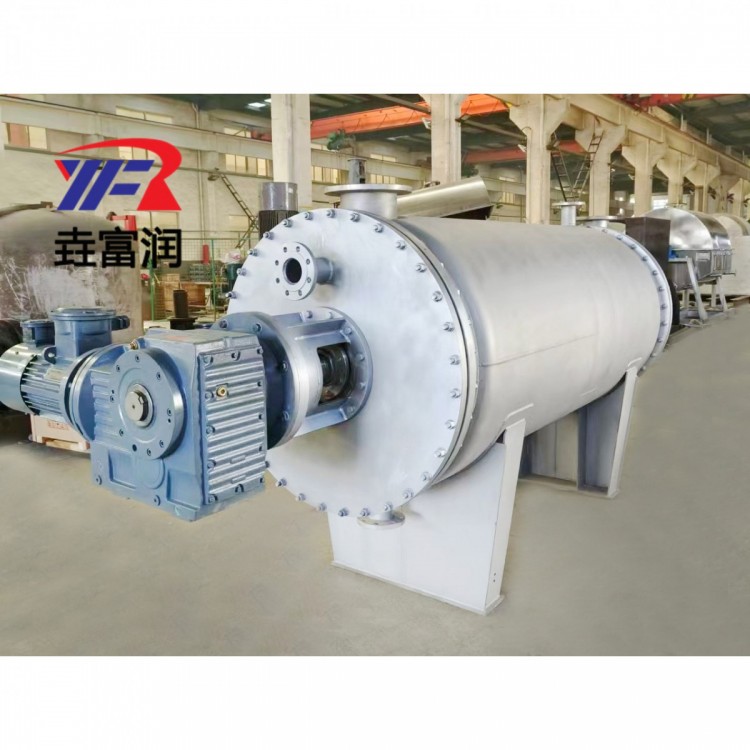
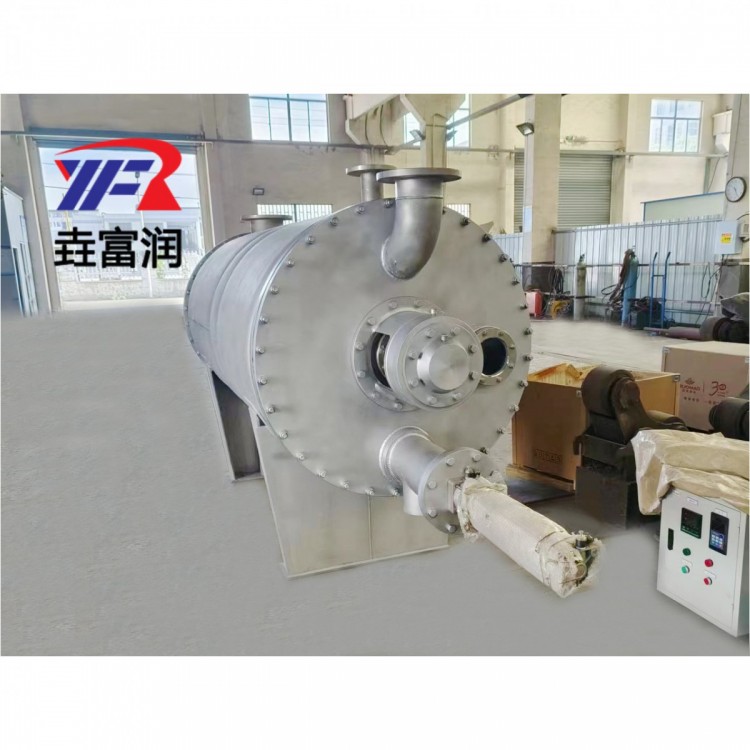
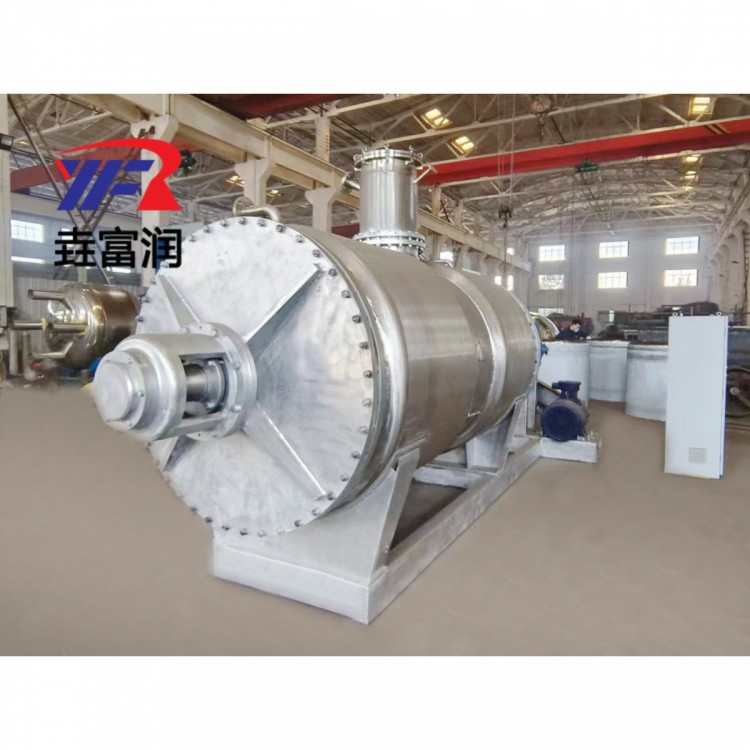





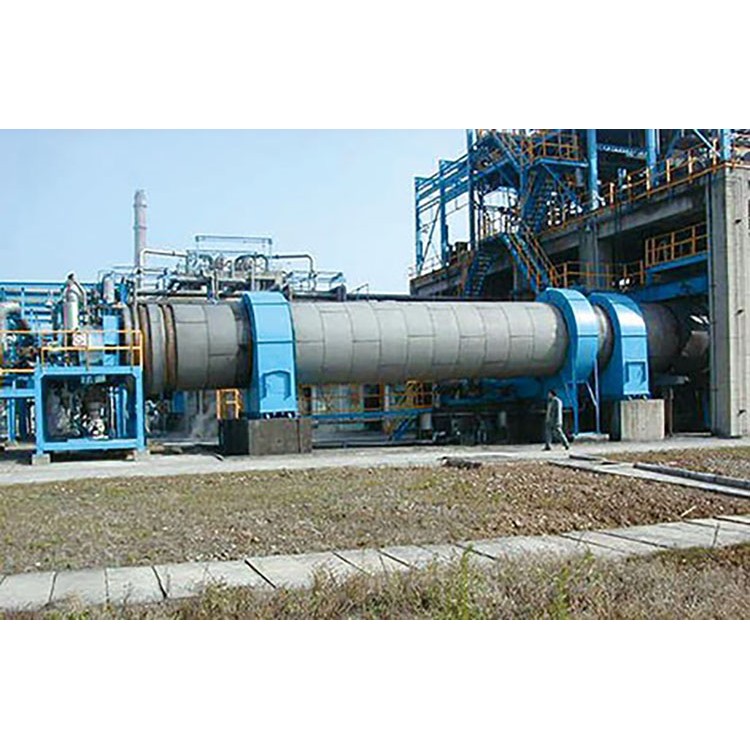
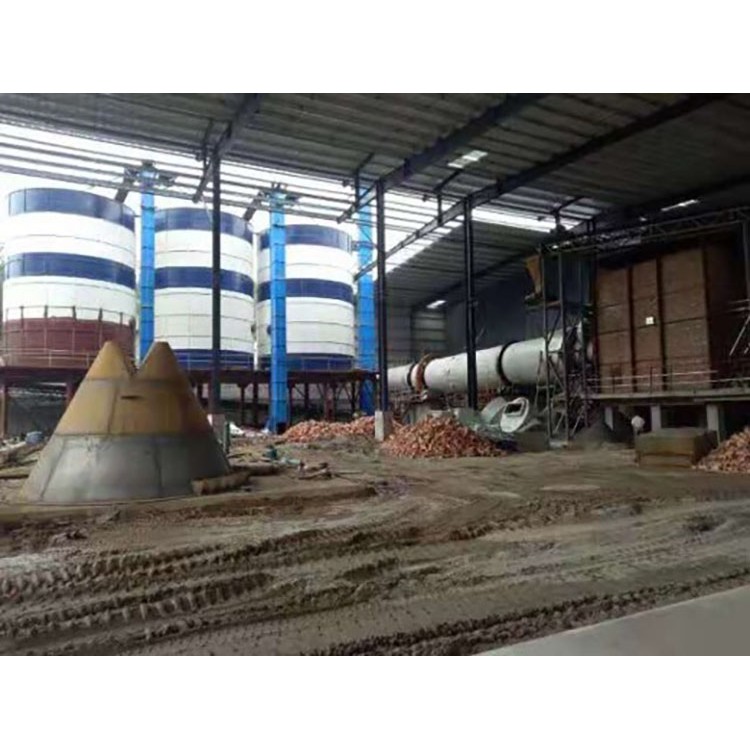
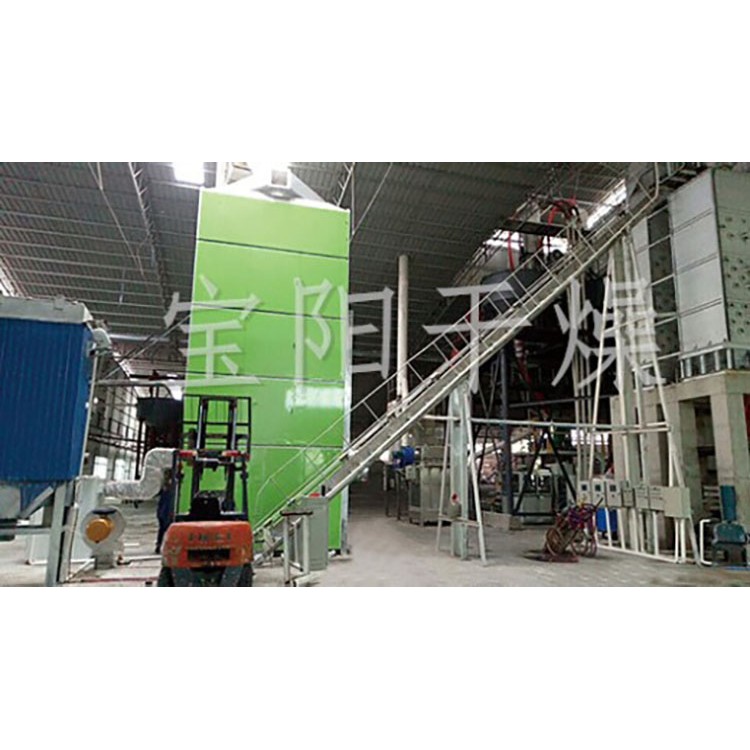
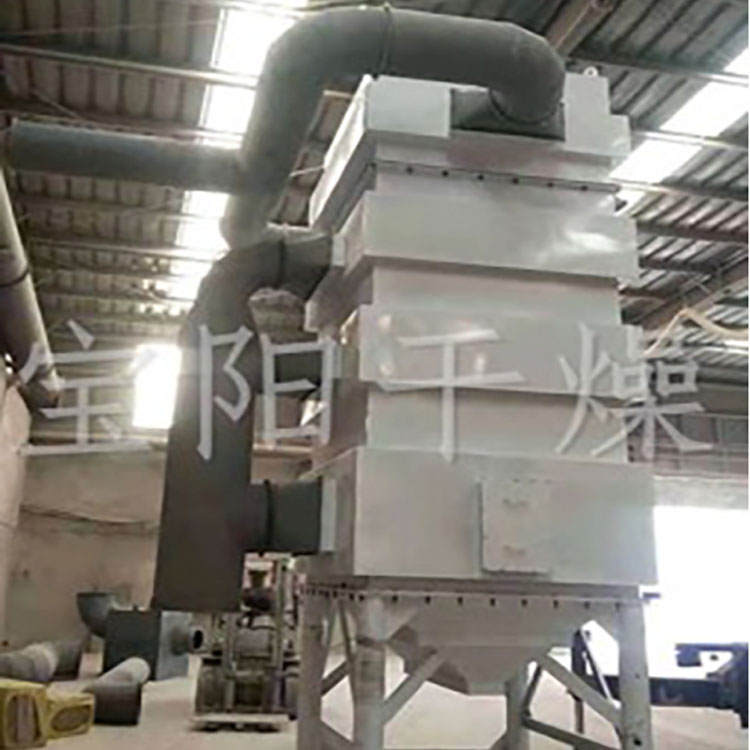
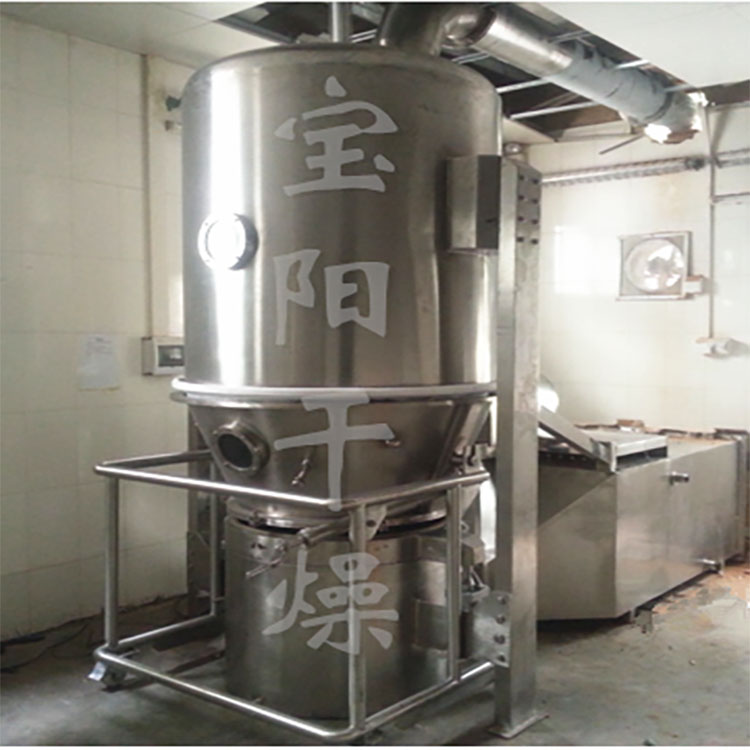
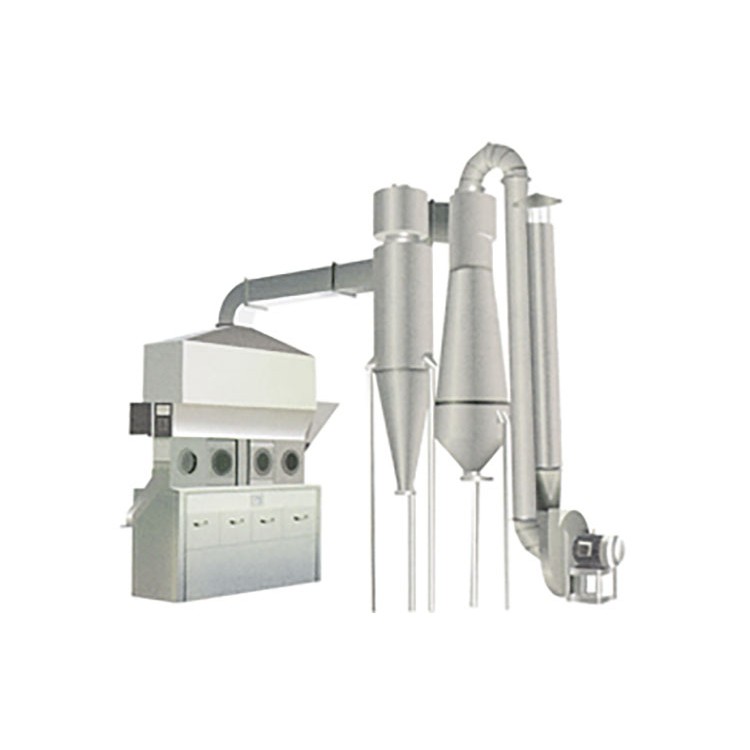
This product can indirectly heat or cool pasty, granular, powdered, and slurry materials, enabling unit operations such as drying, cooling, heating, sterilization, reaction, and low-temperature combustion. The equipment features special wedge-shaped mixing blades for heat transfer, which offer high heat transfer efficiency and self-cleaning surface area.
The hollow shaft is densely packed with wedge-shaped hollow vanes, through which the thermal medium flows. The unit effective volume has a large heat transfer area, with the temperature of the thermal medium ranging from -40℃ to 320℃, which can be steam or liquid types such as hot water, thermal oil, etc. Indirect conduction heating is employed, with no air carrying away heat, ensuring all heat is used to heat the material. Heat loss is only due to the heat dissipated through the insulating layer of the vessel to the environment. The wedge-shaped vanes have an auto-cleaning function. The relative motion between the material particles and the wedge surface generates a scrubbing action, which can clean off the adhered material on the wedge surface, maintaining a clean heat transfer surface during operation. The dryer shell is in the shape of Ω, typically housing two to four hollow mixing shafts inside. The shell is equipped with a sealed end cap and an upper cover to prevent the leakage of material dust and to ensure optimal performance. The heat transfer medium flows through the rotating joint, passing through the shell jacket and the hollow mixing shafts. The hollow mixing shafts have different internal structures depending on the type of heat transfer medium to ensure effective heat transfer.
1. Low energy consumption of slurry leaf dryer: Due to indirect heating, there is no large amount of air carrying away heat. The outer wall of the dryer is also insulated, and for slurry materials, it only requires 1.2 kg of steam to evaporate 1 kg of water.
2. Cost-effective Slurry Leaf Dryer System: Boasts a massive heat transfer surface within the unit's effective volume, reducing processing time and minimizing equipment size. This, in turn, lessens the required building area and space.
3. Wide range of material processing: Utilizes various heat mediums to handle both heat-sensitive materials and those requiring high-temperature treatment. Common mediums include steam, thermal oil, hot water, and cooling water, etc. Can operate continuously or intermittently and is applicable in numerous fields.
4. Low Environmental Pollution: No air-carrying substances used, dust materials carry very little. The evaporation of material solvents is minimal, easy to dispose of. For material processes with pollution or the need for solvent recovery, a closed-loop system can be employed.
5. Low operational costs: The equipment operates normally with only 1 hour/day/person. Low-speed stirring and a reasonable structure. Minimal wear and low maintenance costs.
6. Operation Stability: The unique compression-expansion mixing action of the trapezoidal slat blades ensures that the material particles are fully in contact with the heat transfer surface. Within the axial zone, the gradients of material temperature, humidity, and mixing degree are very small, thereby ensuring the stability of the process.
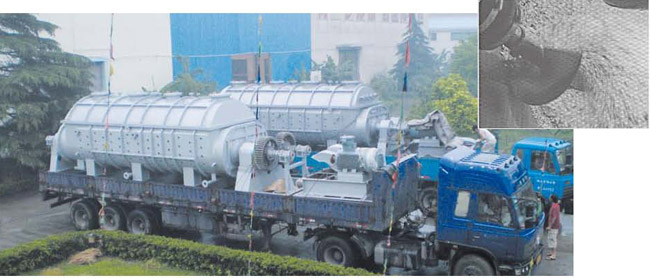
The slurry leaf dryer has been successfully used in food, chemical, petrochemical, dye, and industrial sludge fields. The equipment's heat transfer, cooling, and stirring capabilities enable it to perform the following unit operations: combustion (low temperature), cooling, drying (solvent recovery), heating (melting), reaction, and sterilization. The stirring blades also act as heat transfer surfaces, increasing the heat transfer area per unit effective volume and shortening processing time. The wedge-shaped slurry blades feature an auto-cleaning function. The compression-expansion stirring function ensures uniform material mixing. Materials move in an "piston flow" along the axial direction, resulting in minimal temperature, humidity, and mixing gradients within the axial zone. Using thermal oil as the heat medium, the slurry leaf dryer can perform low-temperature combustion, such as converting calcium sulfate dihydrate (Ca2SO4·2H2O) to calcium sulfate hemihydrate (Ca2SO4·1/2H2O) and baking sodium bicarbonate (NaHCO3) to pure soda (Na2CO3). Introducing cooling media like water or brine can be used for cooling, such as in the slurry leaf cooler for soda ash production, replacing outdated air-cooled coolers, saving energy and reducing operating costs. Drying is the main function of the equipment, which does not use hot air, making solvent recovery, energy consumption, and environmental control easily manageable. It is particularly suitable for materials that require solvent recovery, are flammable, oxidizable, or heat-sensitive. It is widely used in fine chemicals, petrochemicals, and dye industries. The uniformity of temperature, humidity, and mixing within the axial zone allows the equipment to be used for heating or melting, or for certain solid material reactions. It has been successfully applied in the compound fertilizer and modified starch industries. The slurry leaf dryer can be used for sterilization of food and flour, with a large heating area per unit effective volume quickly reaching sterilization temperatures, avoiding quality changes due to prolonged heating.