








Product Working Principle
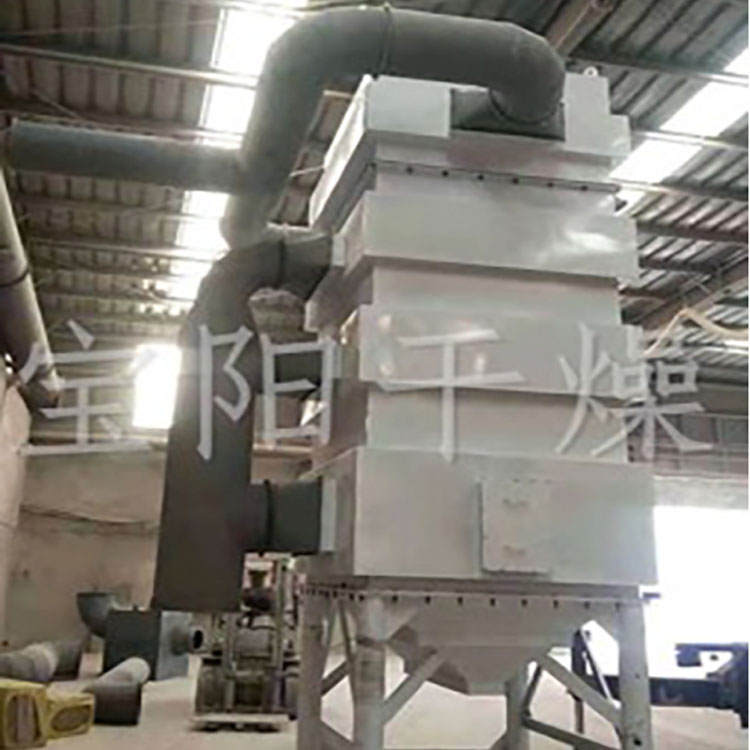
Pulse bag dust collector principle:
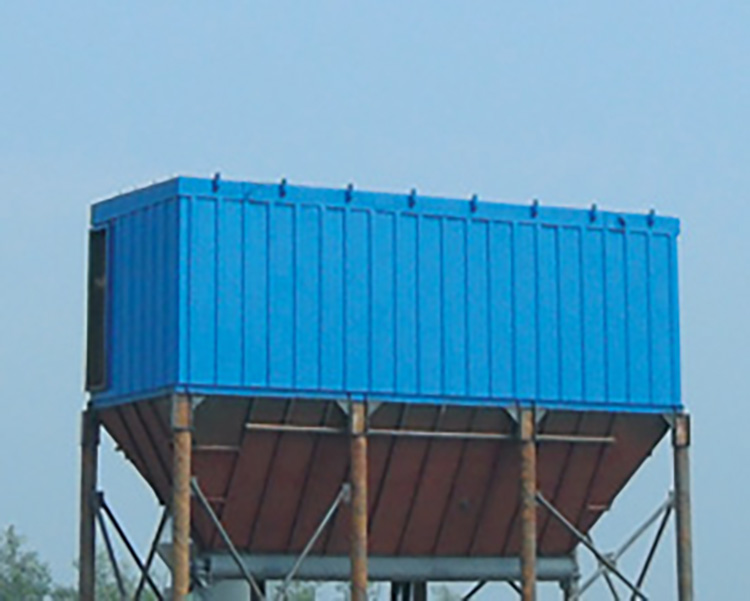
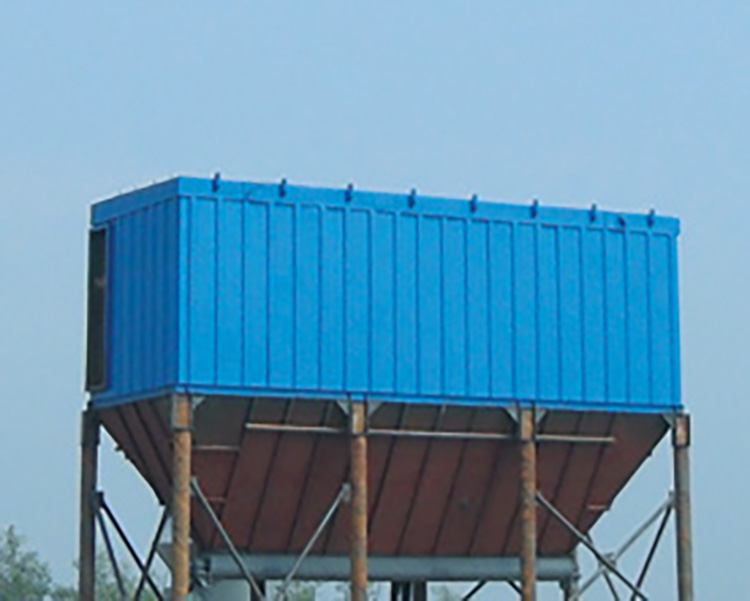
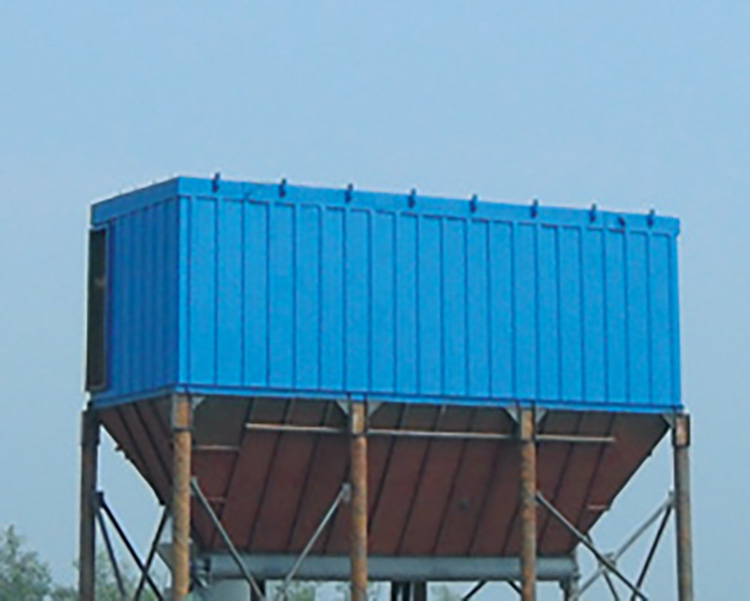
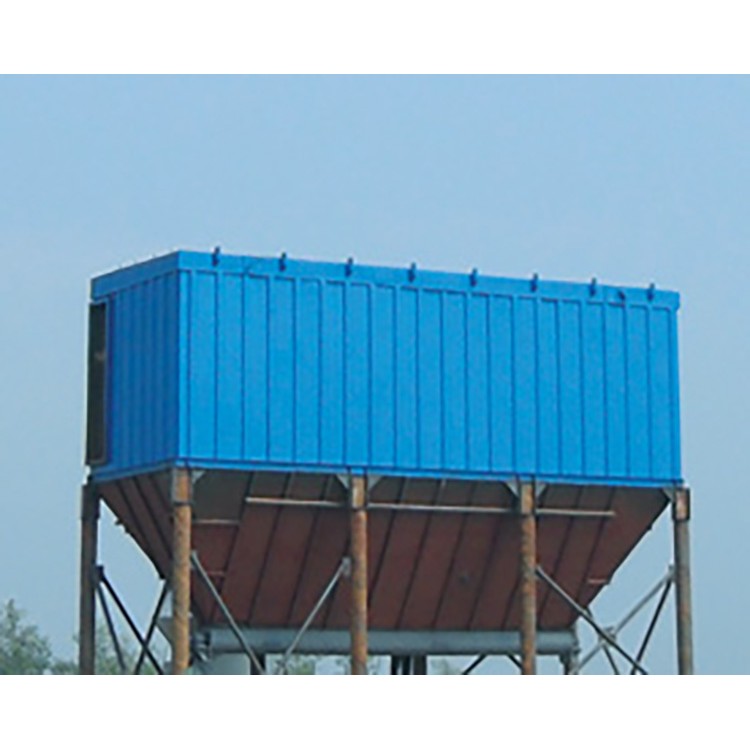
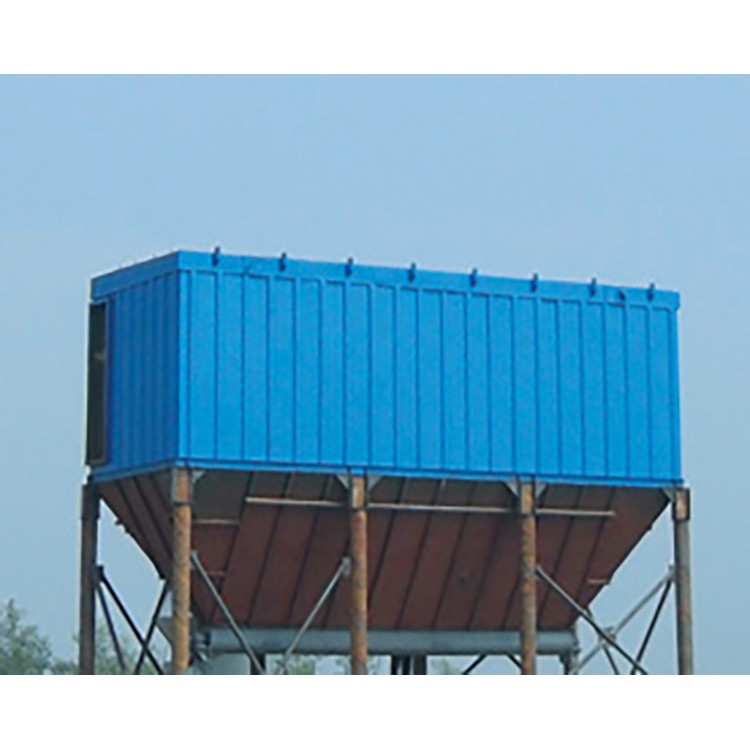
Dust-laden gas enters the dust collector through the intake, first turning and flowing into the ash hopper under the action of the baffle board. The air flow slows down, and due to the inertial effect, coarse particles of dust fall directly into the ash hopper, acting as a pre-cleaning function. The air flow entering the ash hopper then turns upwards through filter bags internally equipped with metal frames, where the dust is collected on the outer surface of the bags. The purified gas then enters the upper clean room of the bag house, gathering at the outlet and being exhausted. During the bag cleaning process, as time progresses, an increasing amount of dust accumulates on the bags, thereby increasing the resistance of the bags and gradually reducing the air volume treated. To ensure normal operation, it is necessary to clean the bags. During cleaning, the pulse control instrument sequentially actuates each control valve and opens the pulse valve, allowing compressed air from the air bladder to be ejected through the orifices of the lance tubes and into the filter bags via Venturi tubes. The bags instantaneously expand, causing the accumulated dust on the surface to drop off, thereby rejuvenating the bags. The dust collected is then dropped into the ash hopper and排出 through the dust discharge system, thereby ensuring the continuous operation of the dust removal system.
Product Performance Features
1. Large air volume handling, equipment miniaturization achieved, investment saved.
2. Low dust emissions during export, with high dust removal efficiency of the equipment, fully meeting the national emission standards.
3. The equipment has low resistance, and thanks to the pulse cleaning, the dusty gas can pass through the filter bags evenly and quickly, thereby reducing the energy consumption of the equipment.
4. Long-lasting filter bag lifespan.
Product Application Range
Pulse Jet Dust Collectors are widely used in industries such as metallurgy, casting, construction materials, electricity, cement, steel, chemicals, carbon, and smelting. Thanks to the continuous updates of the filter material and their high efficiency, they fully meet stringent emission standards, thus gaining widespread attention and vigorous promotion in developed countries.