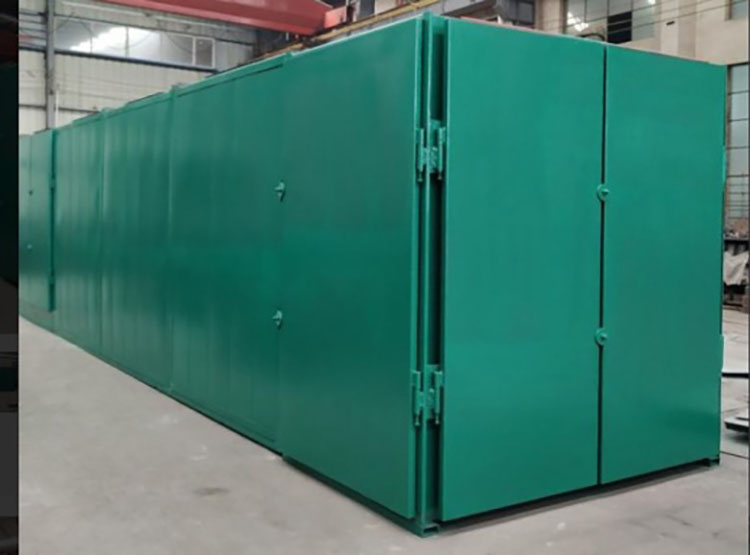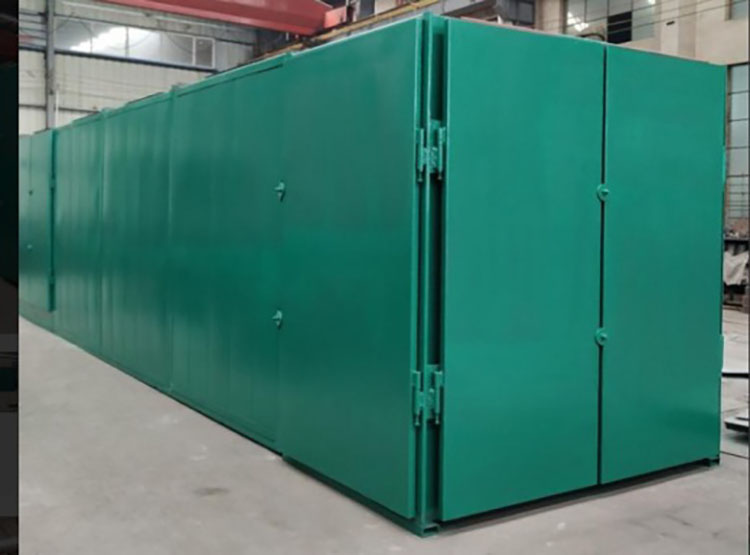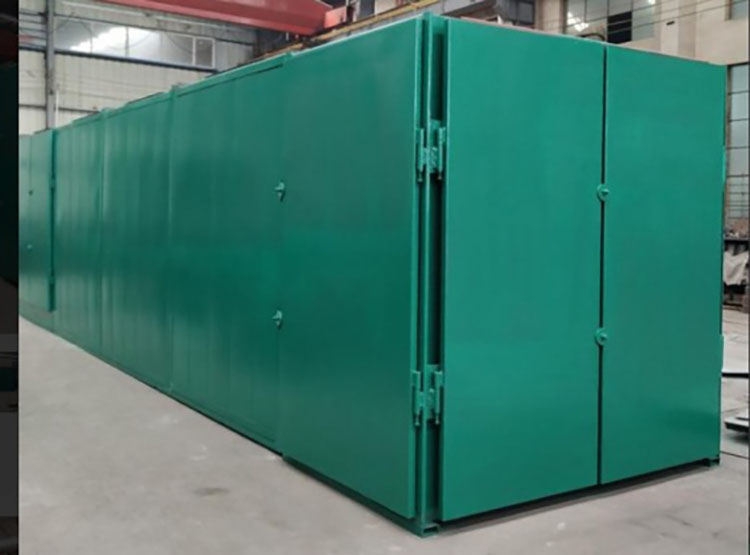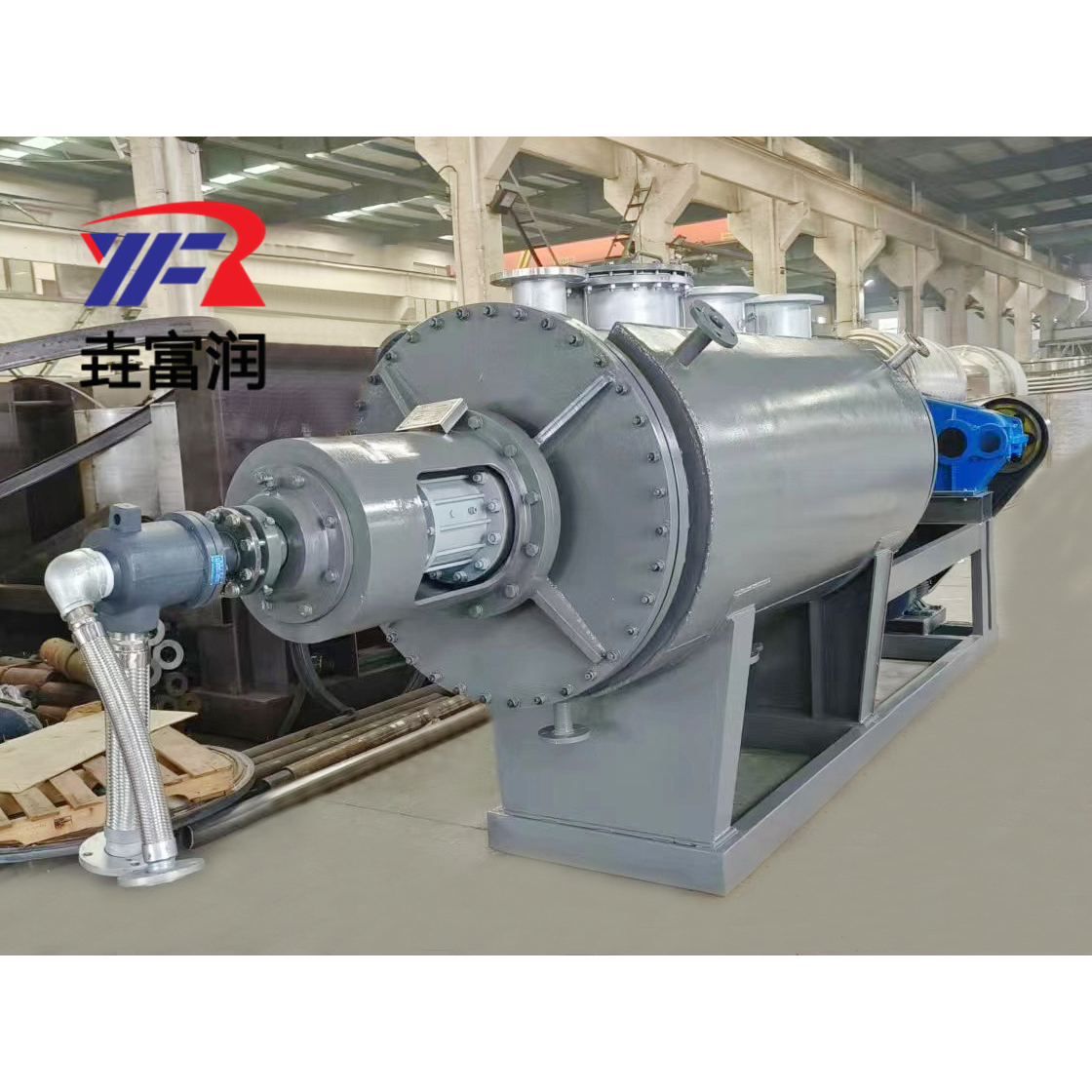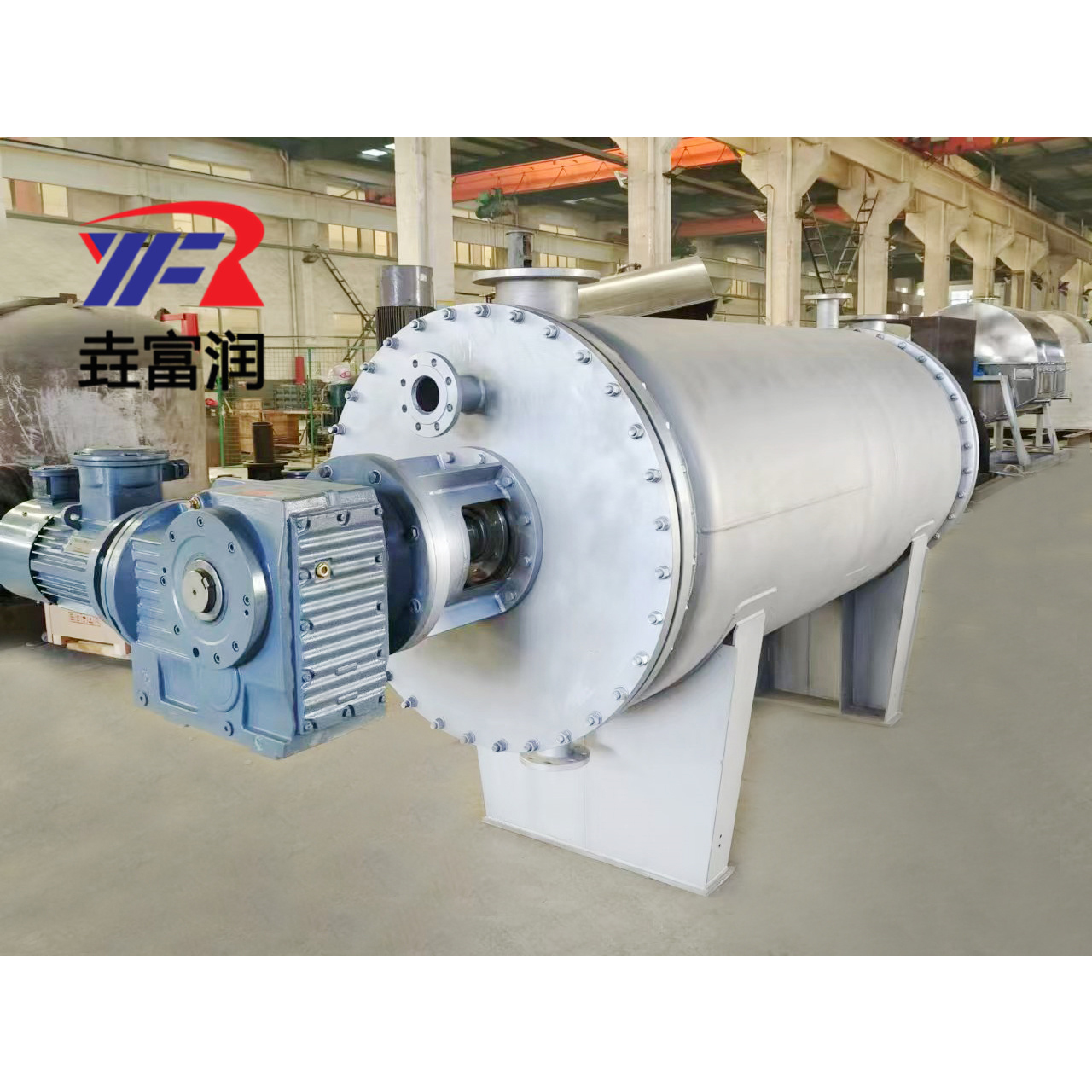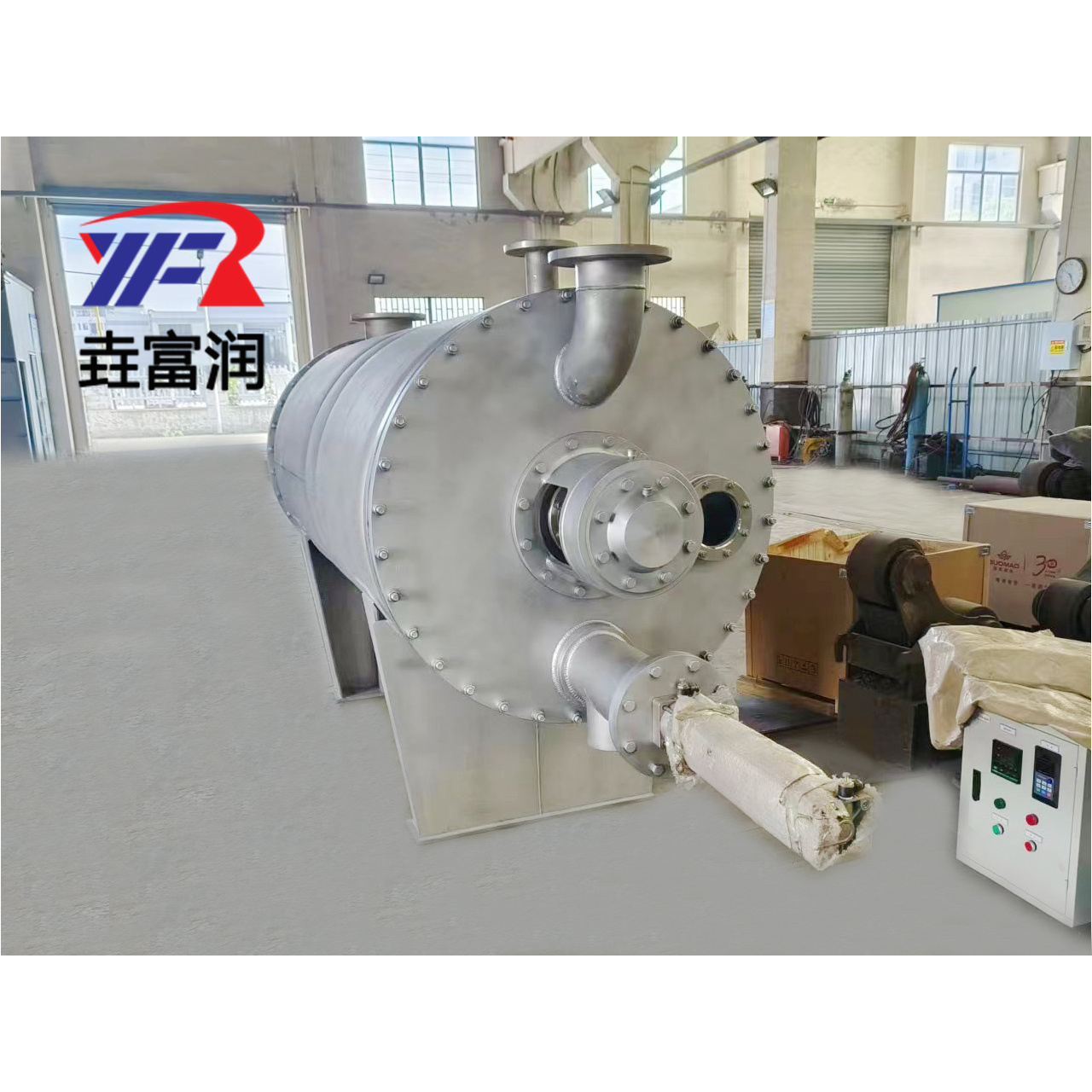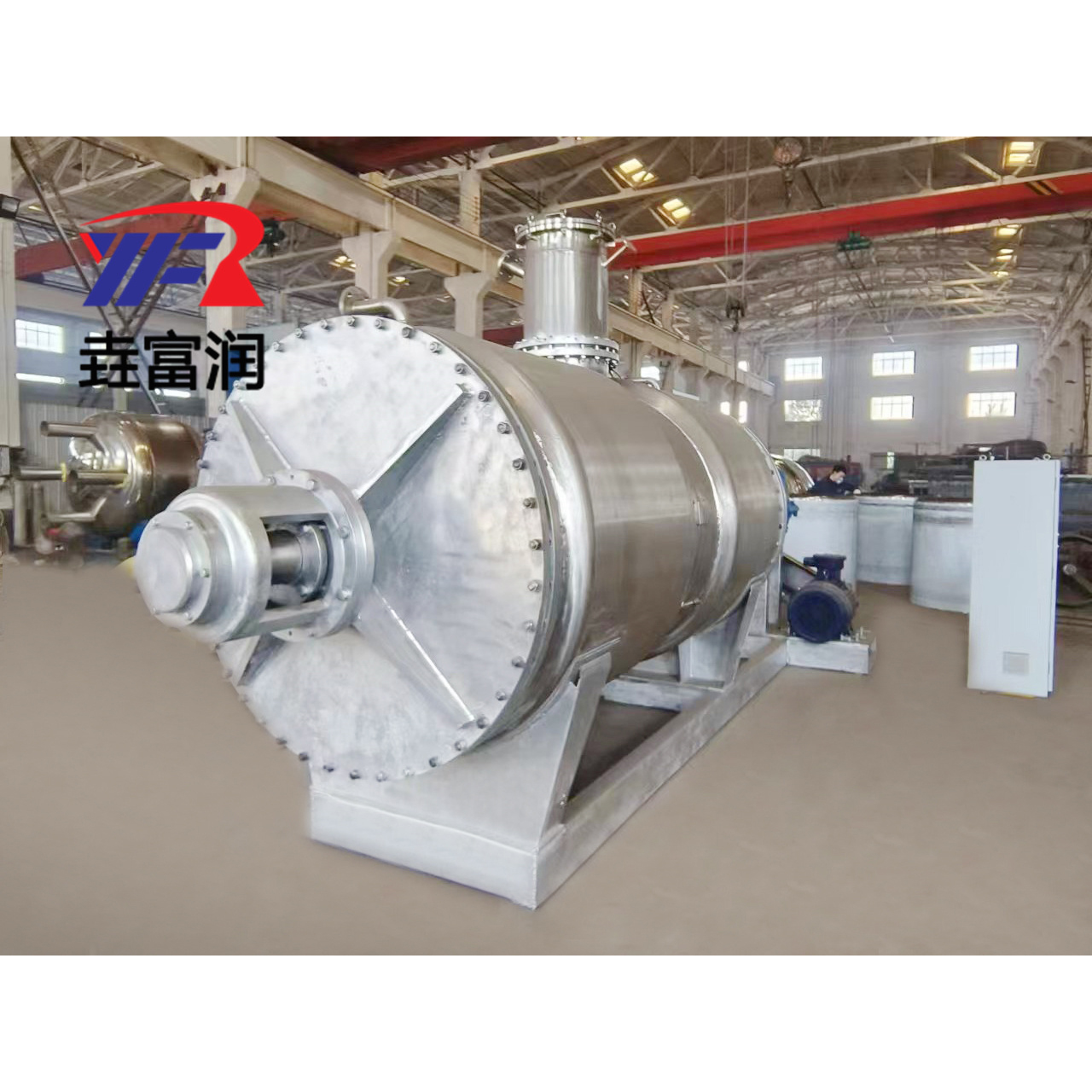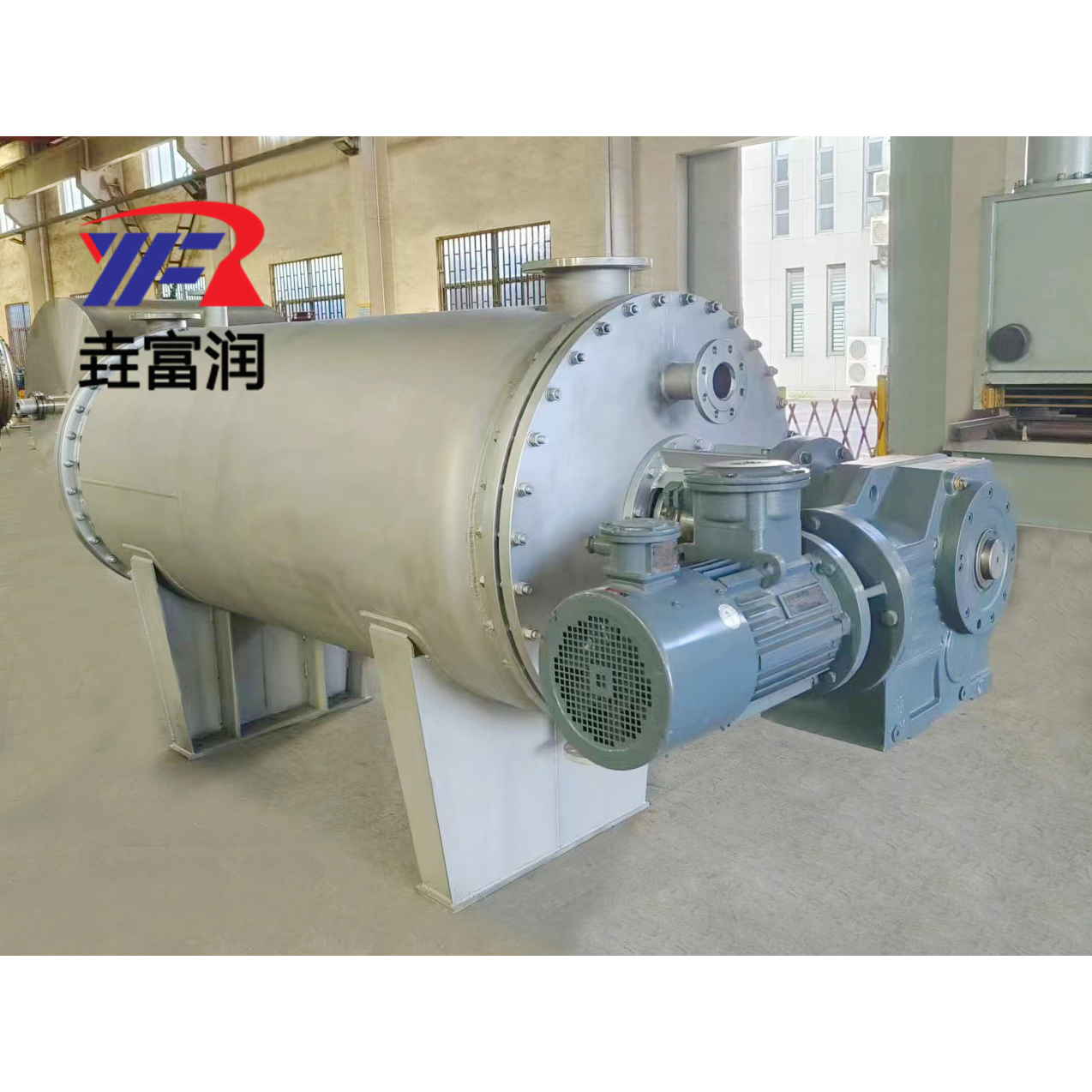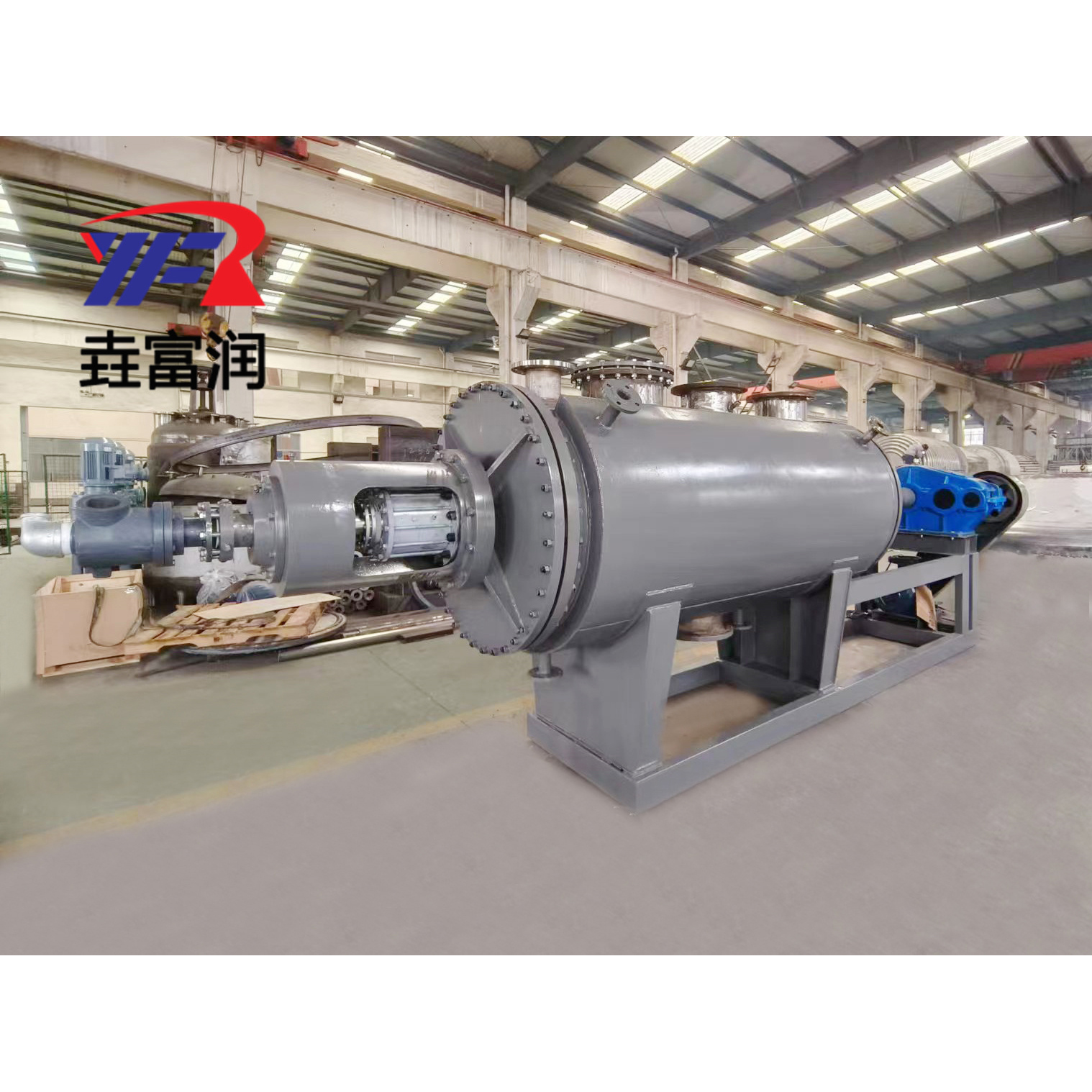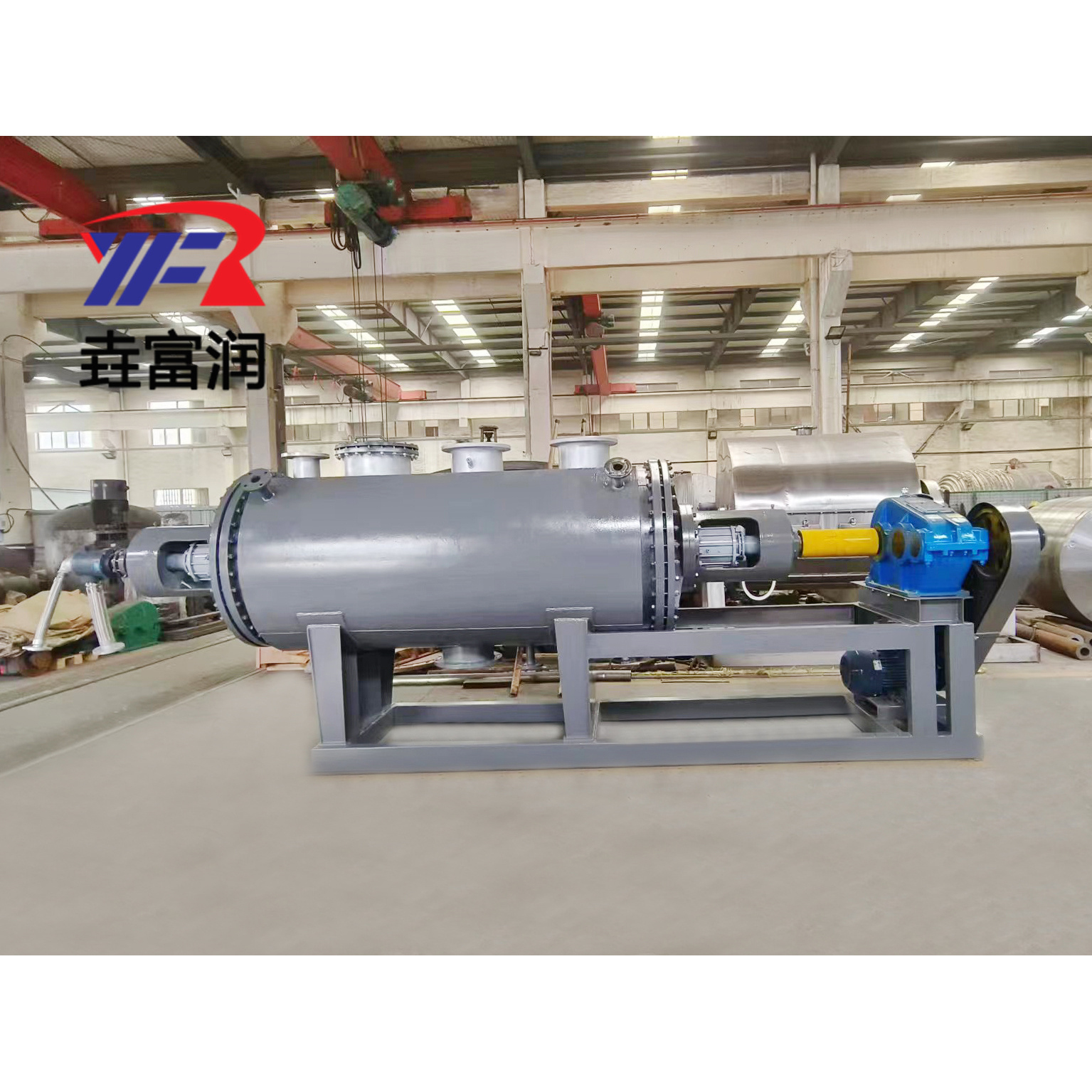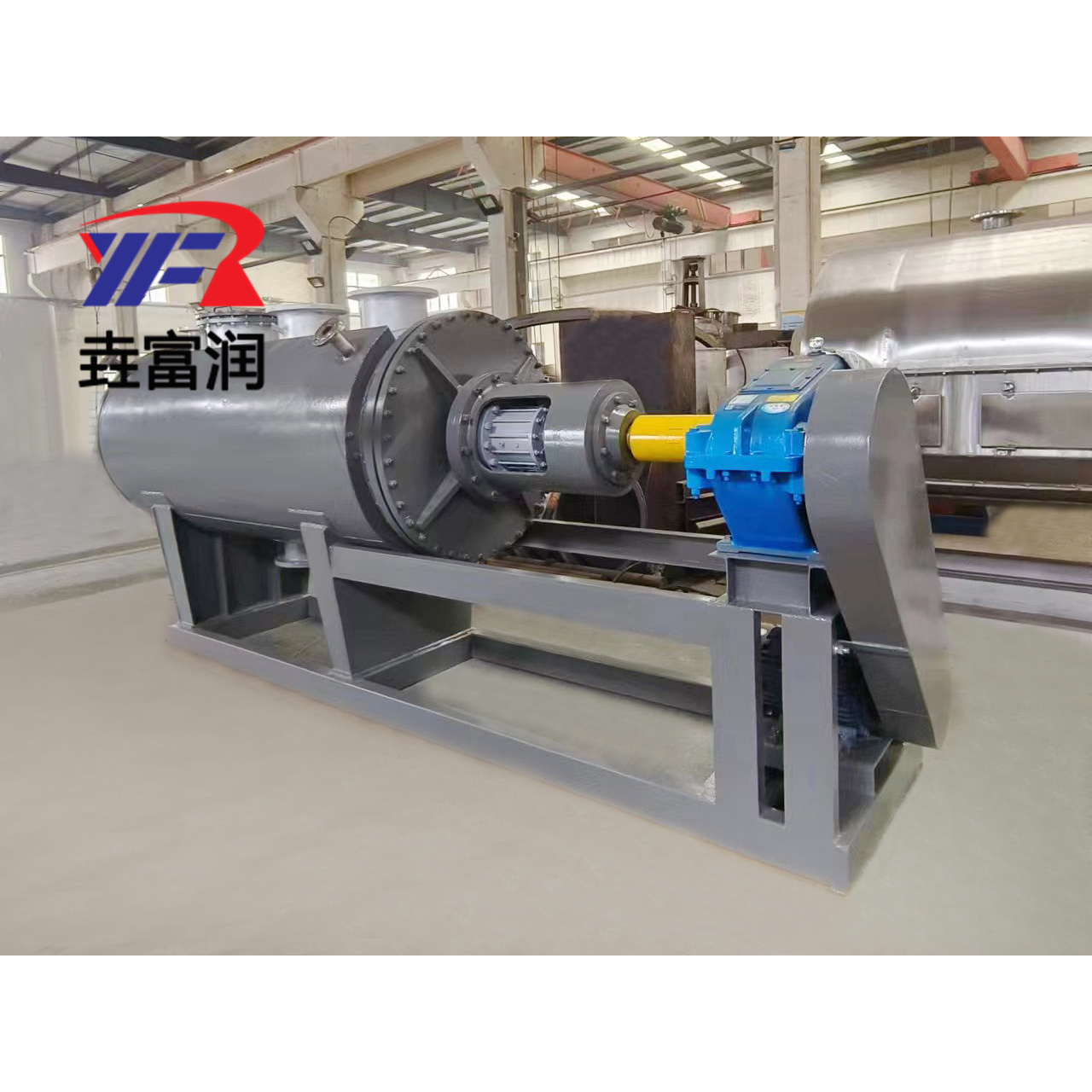




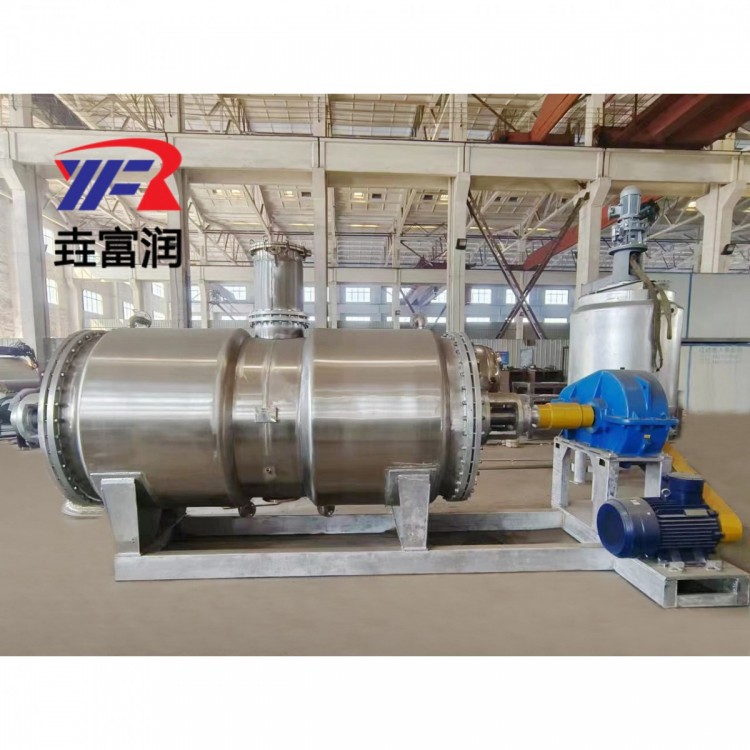
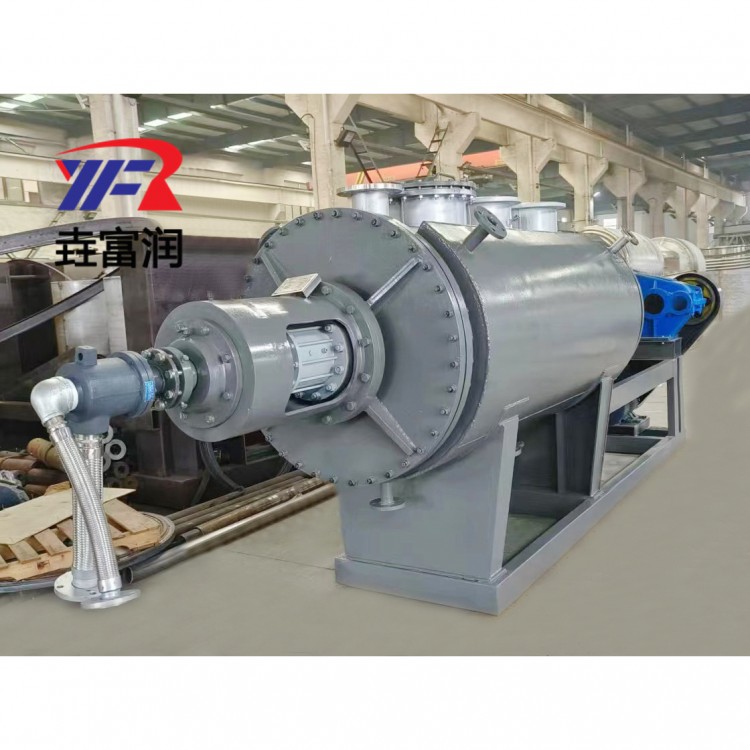
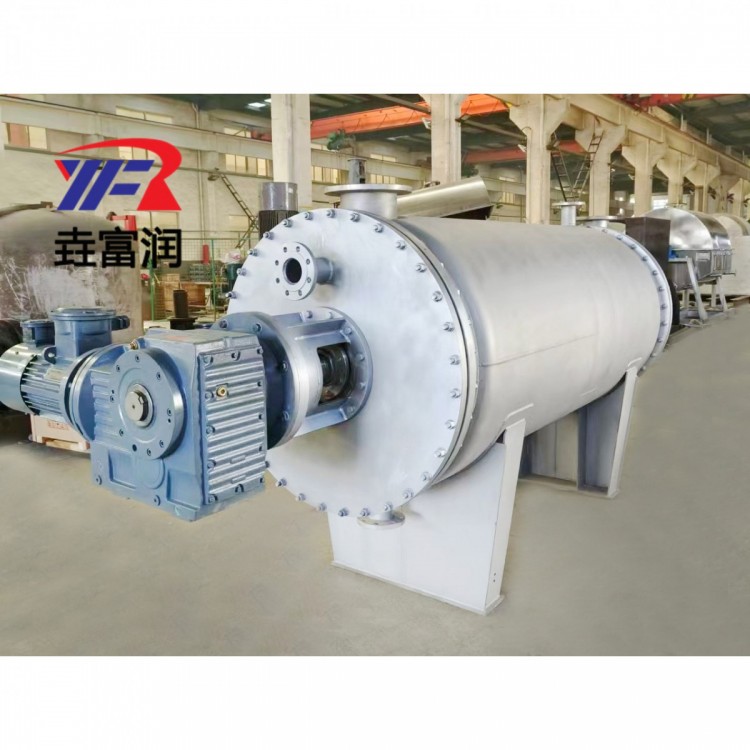
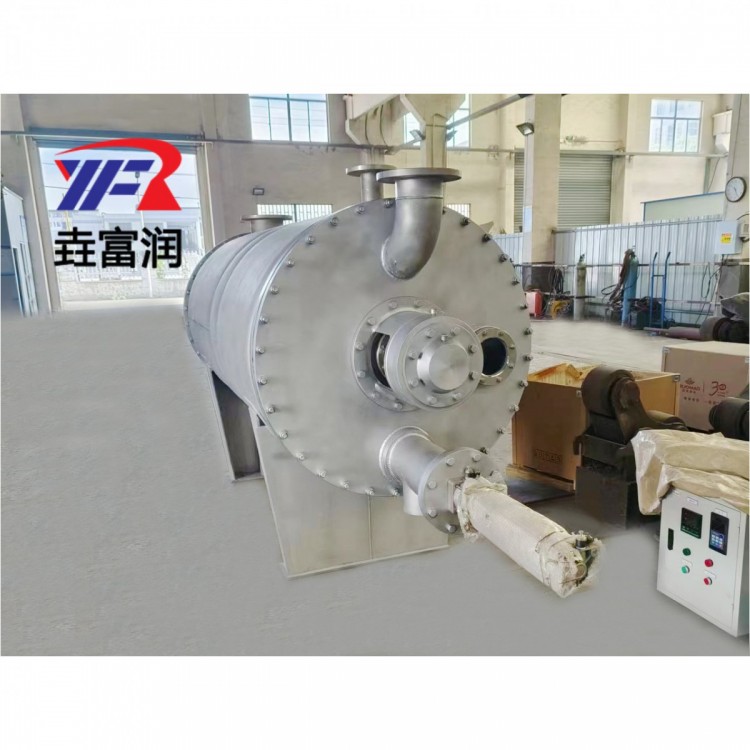
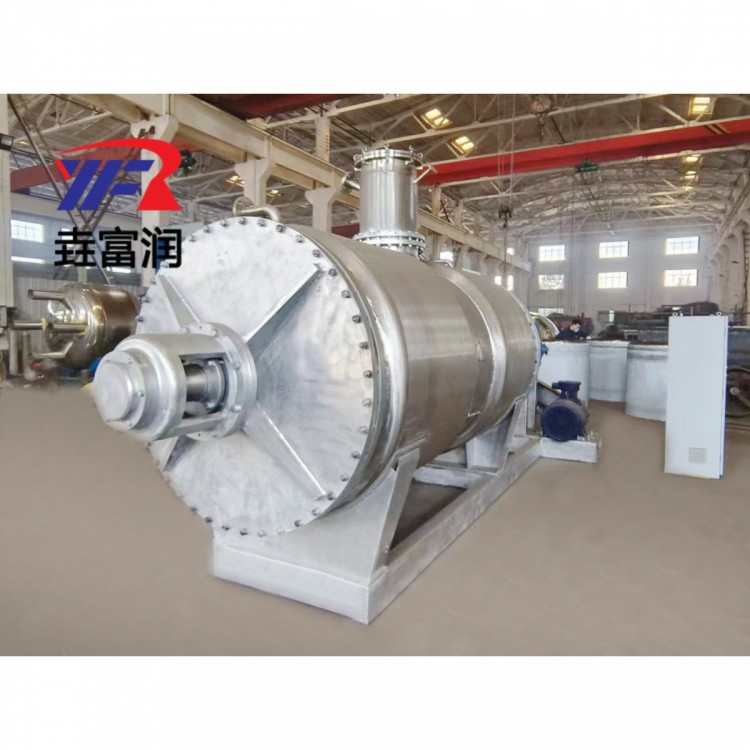





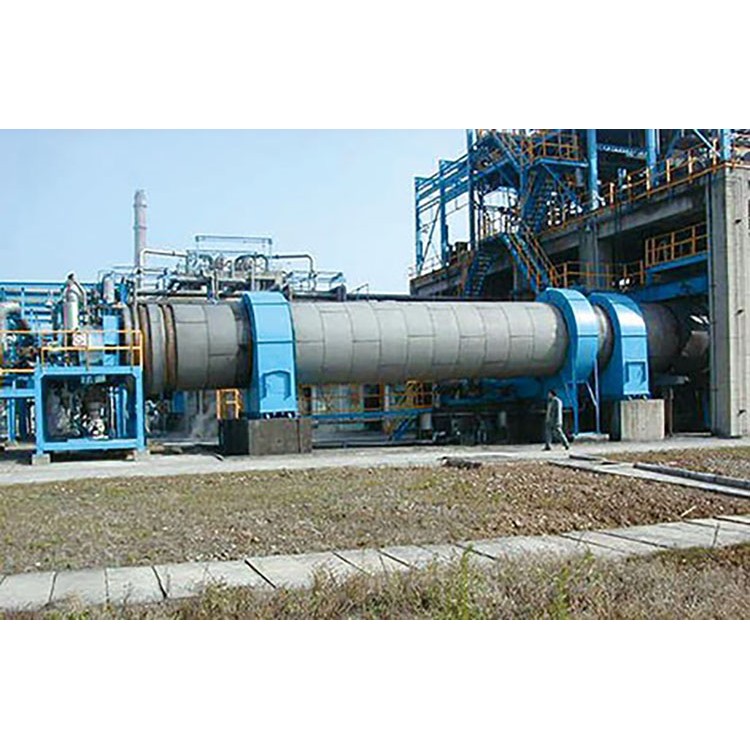
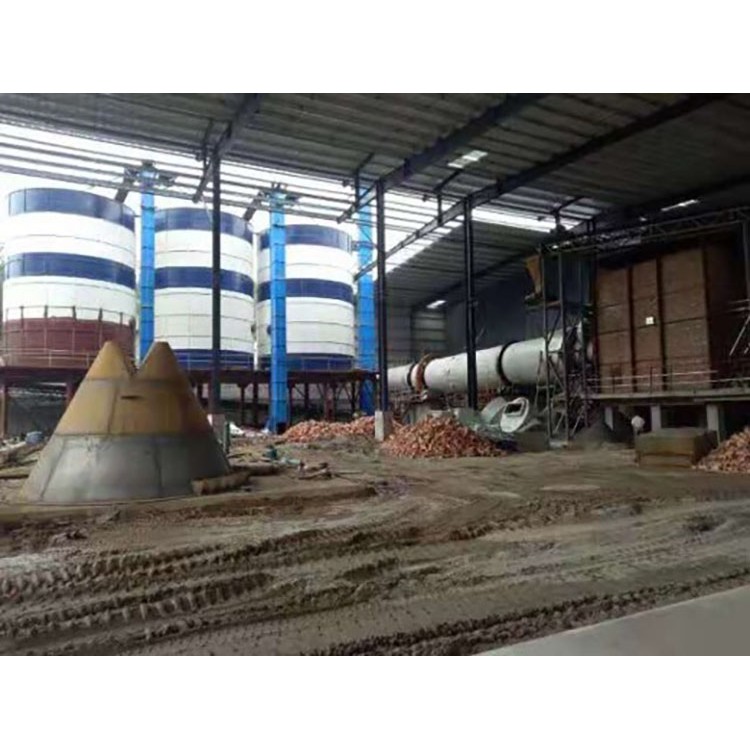
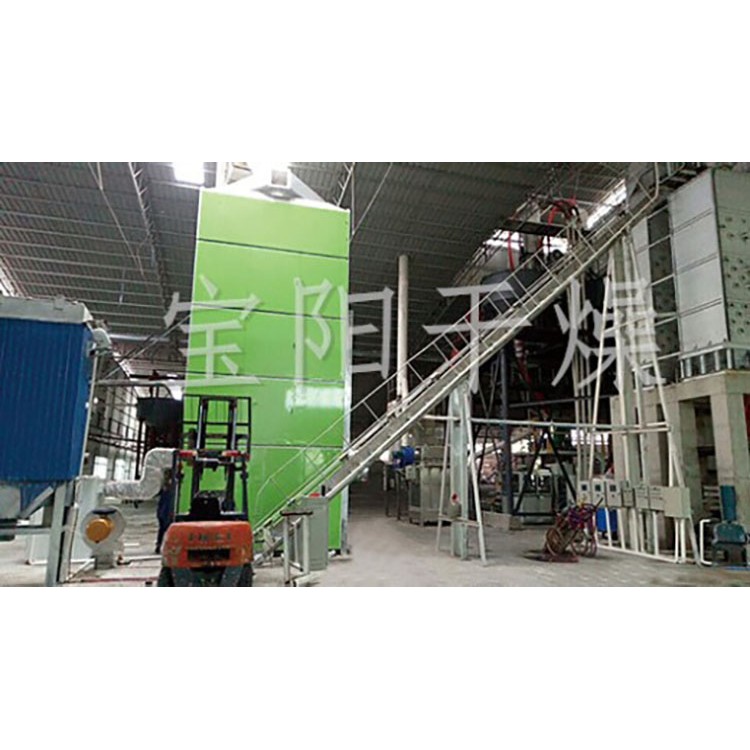
Flip-dryer Technical Advantages
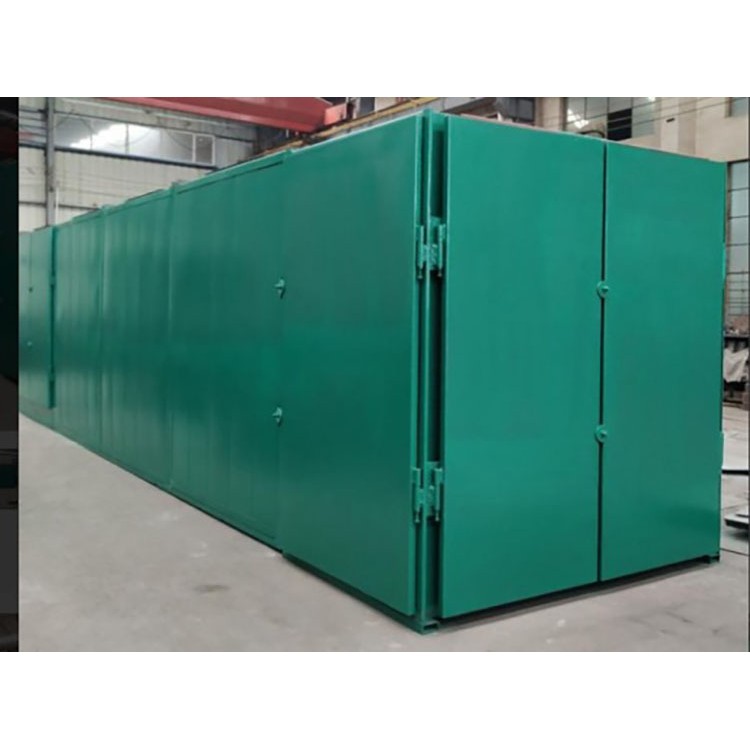
Currently, the market offers flip-dryers, belt dryers, and vertical dryers, among other drying equipment. We produce all these drying machines, but in terms of drying efficiency and lifespan, the flip-dryers are quite impressive.
1. The flip-dryer has a high drying efficiency.
Why is the plate dryer called a "flip plate dryer"? Because the flip plates inside the box automatically flip at the head or tail position, running twice on the same level, whereas the conveyor belt dryer only runs once. If both are four-layer dryers, the flip plates in the plate dryer run to dry eight times inside the box, while the conveyor belt in the conveyor belt dryer only runs to dry four times inside the box. Therefore, the drying efficiency of the flip plate dryer is higher than that of the conveyor belt dryer.
2. The flip-dryer occupies minimal floor space.
Due to the high drying efficiency and large drying area of the tilting plate dryer, it requires less length compared to the conveyor belt dryer for the same output, thereby saving workshop space.
3. The flip-dryer has a low damage rate.
Our company's flip-drying machines feature small flip plates, with each layer's flip height down only 200mm, and the flip plates descend along tracks, allowing materials to gradually fall to the next layer with minimal damage.
The falling height of the belt dryer is 400mm, and it is a drop fall, which may cause some damage.
The vertical dryer has a height of 7.5 meters. Initially, the material entering is heavily damaged, mostly breaking. Only when the drum is filled, the damage is reduced. However, the material inside the drum is abundant, increasing its weight, and the friction between materials also contributes to damage.
4. The flip-top dryer operates smoothly; the flip-top does not sink.
The flip plate operates on tracks within the box, equipped with roller wheels for smooth movement. The flip plate is made from a single steel plate stamping, capable of withstanding high pressure. Materials laid flat on it do not deform or sink.
When the conveyor belt is running, spreading materials onto it, the materials tend to accumulate at the center of the belt, forming a pouch-like shape. This causes the belt to sag and subsequently rub against the lower roller, leading to potential belt breakage.
5. Automatic cleaning of bulk materials for flip-dryer dehydrators
The flip-dryer is equipped with an automatic cleaning device for bulk material below, eliminating the need for manual cleaning like that of belt dryers.