








Product Introduction
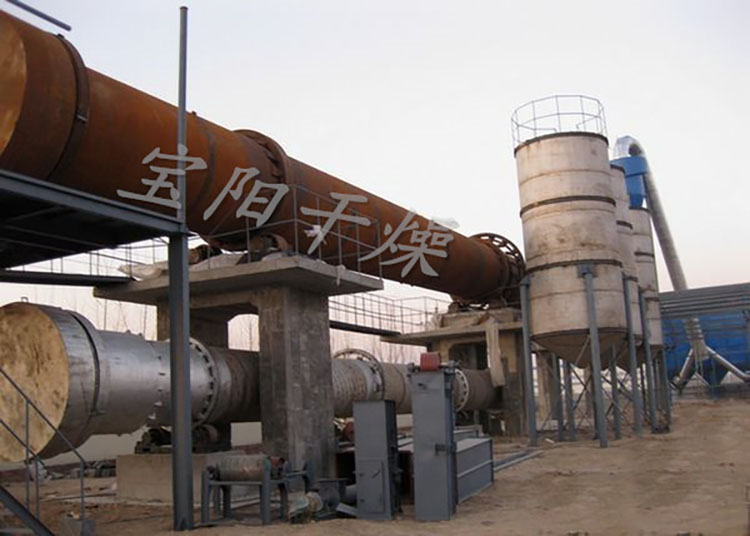
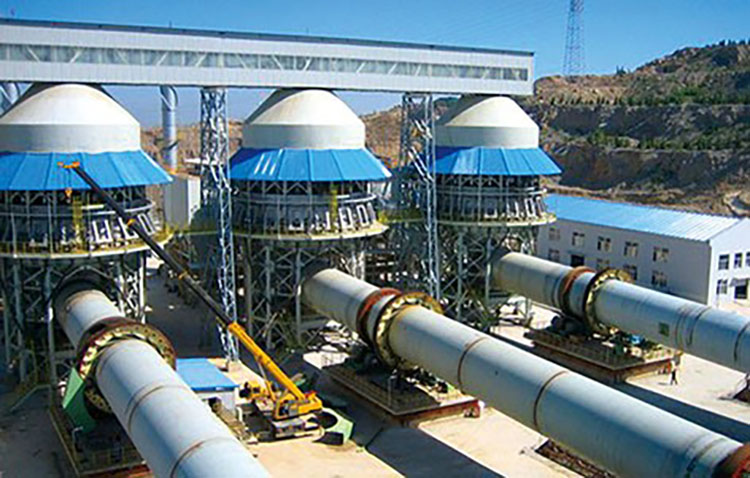
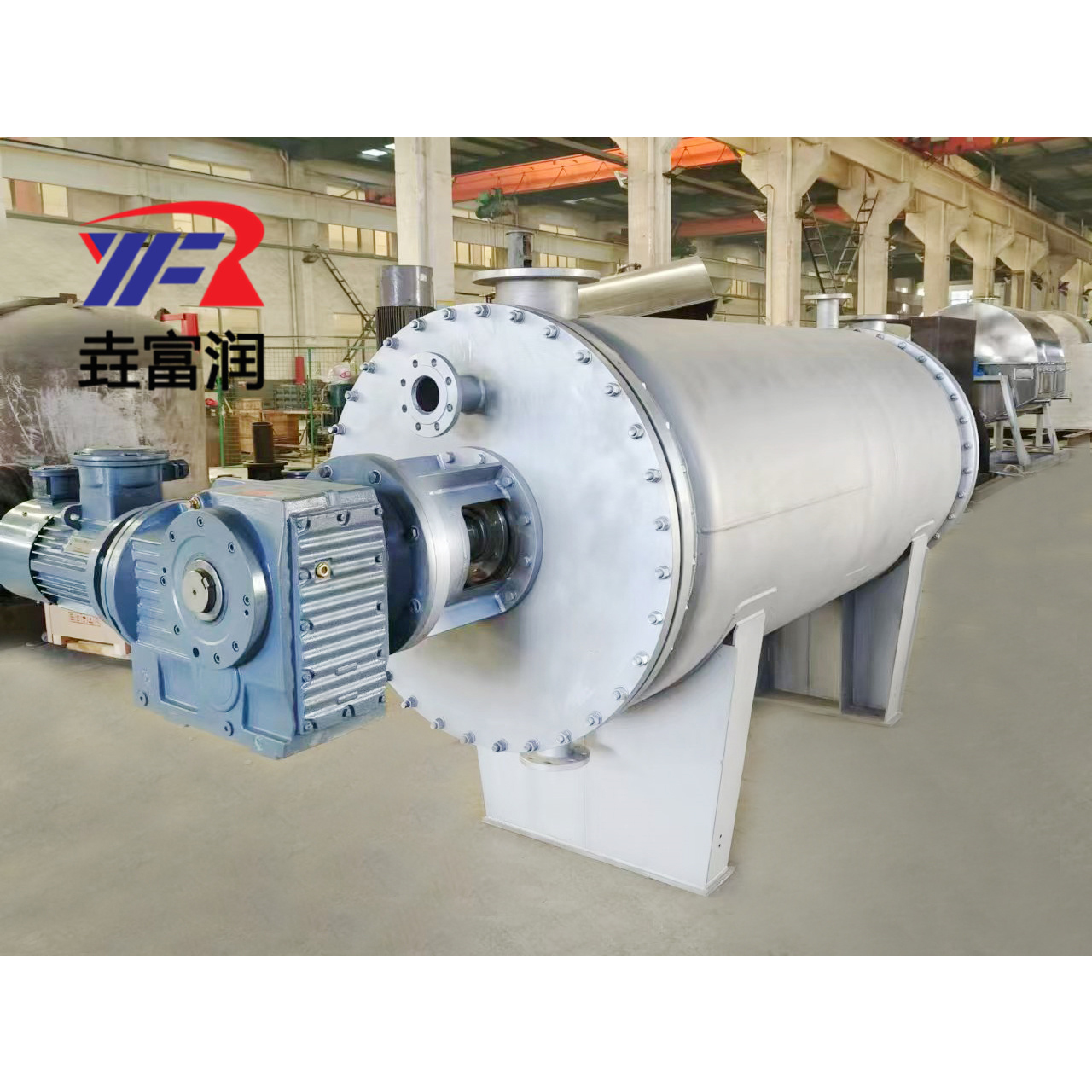
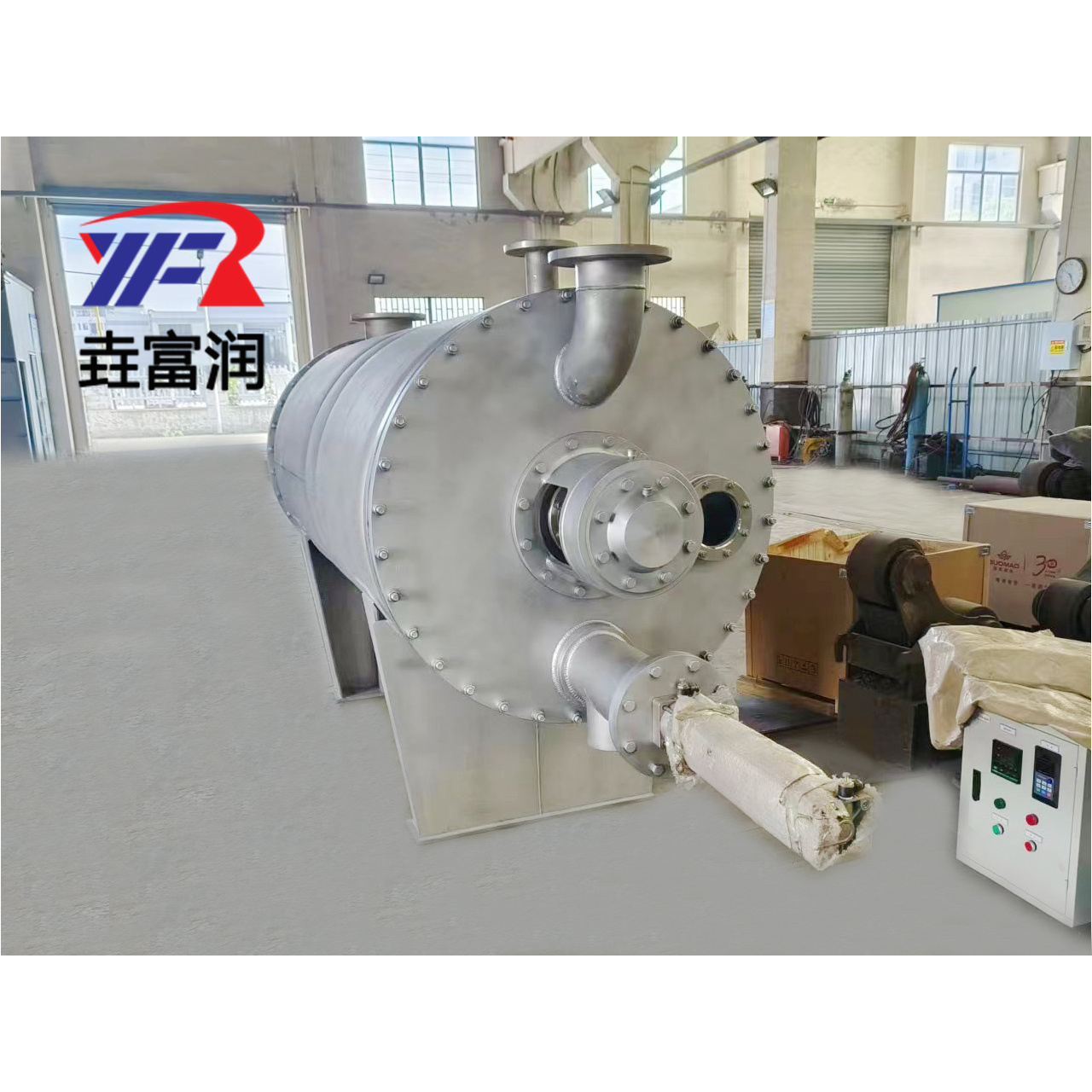
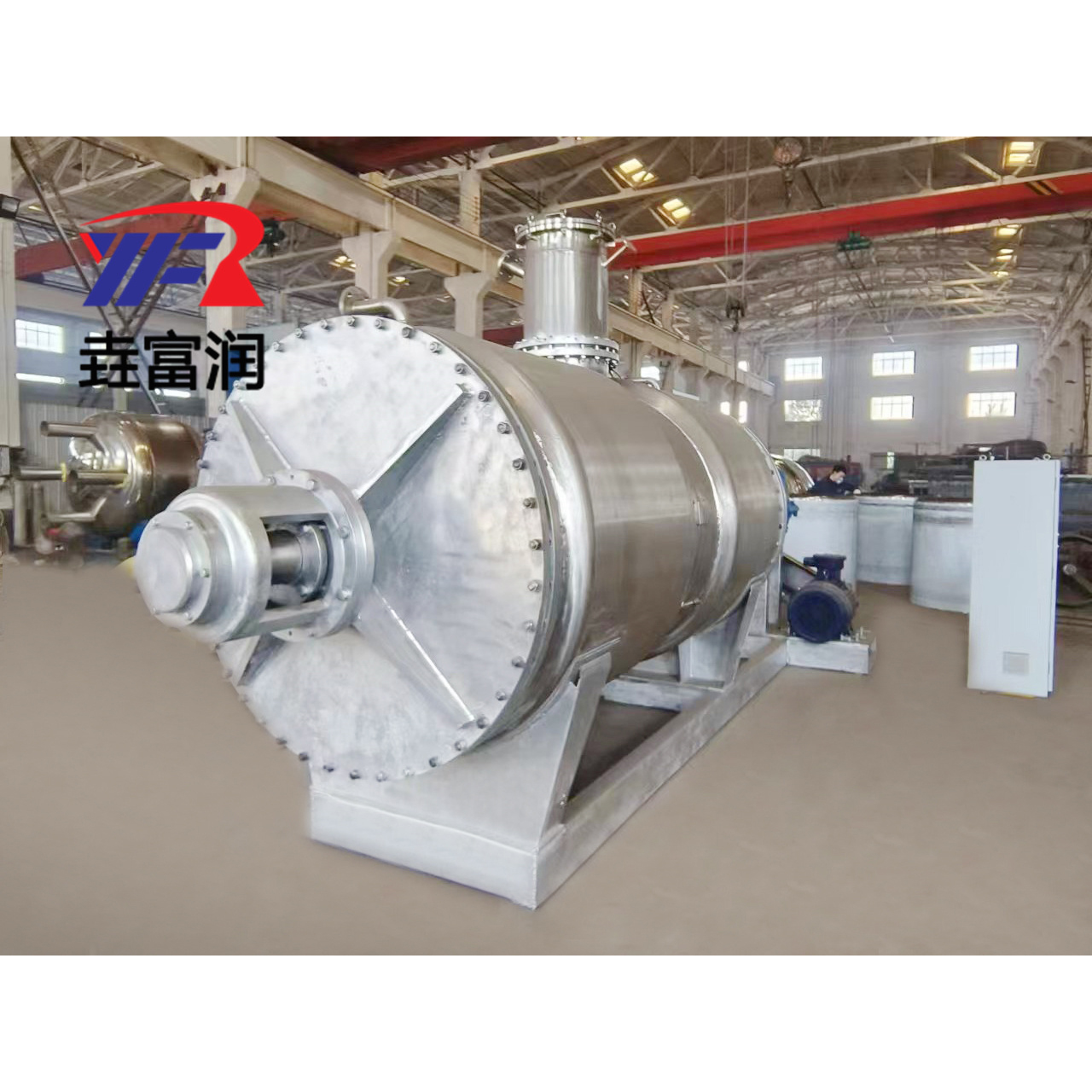
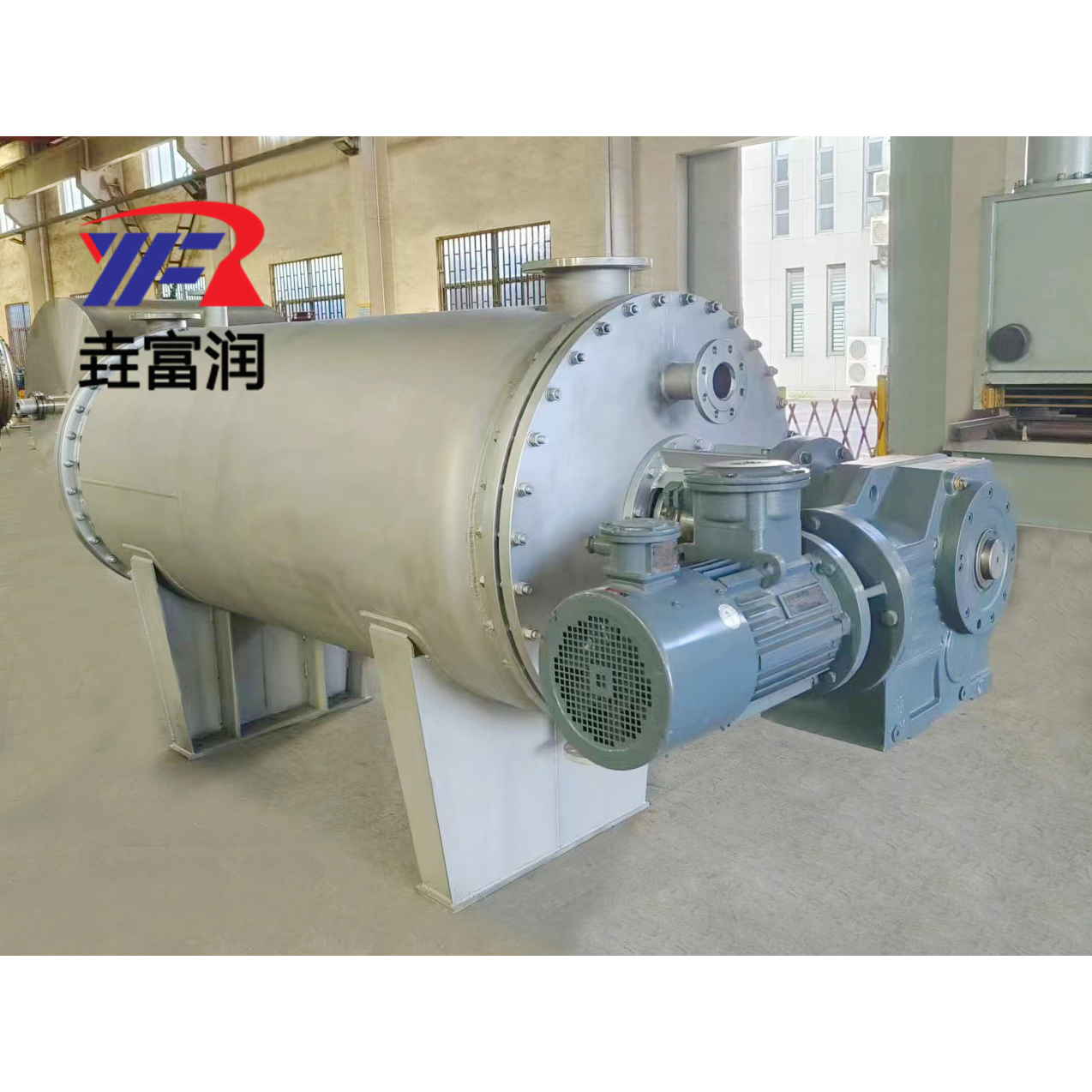
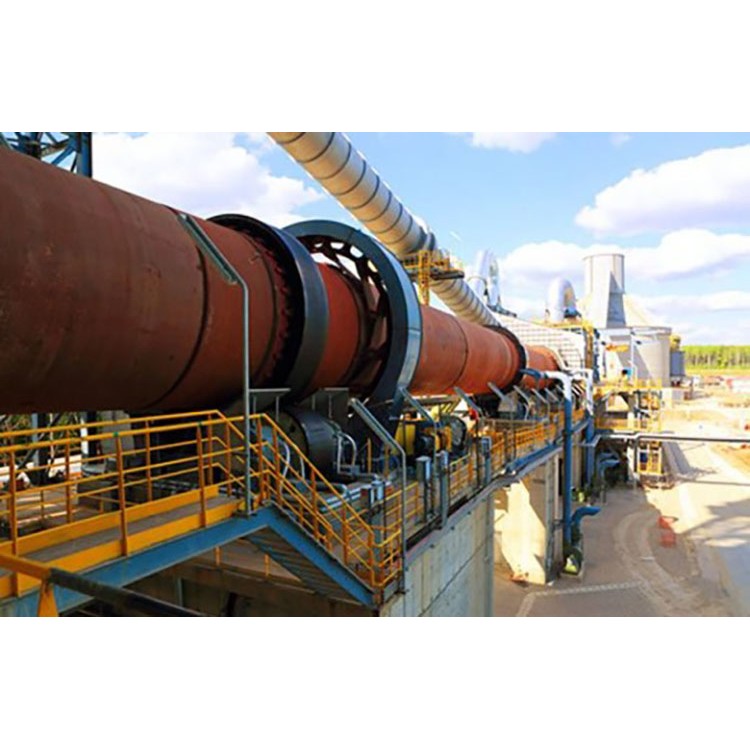
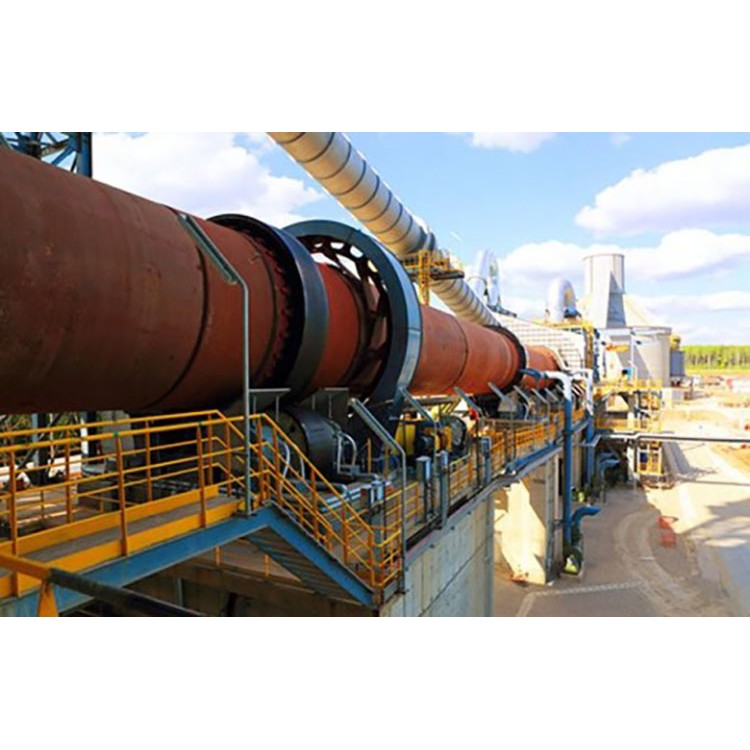
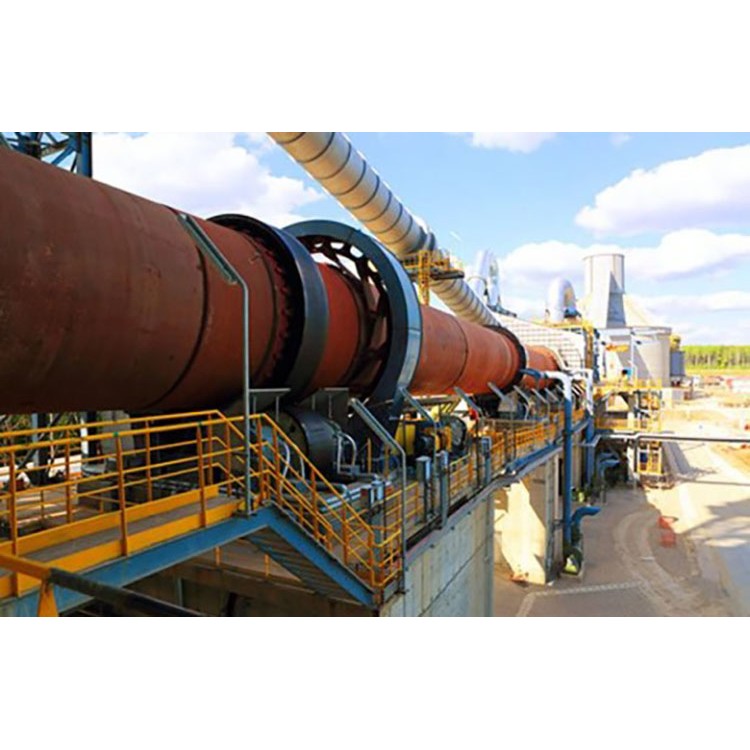
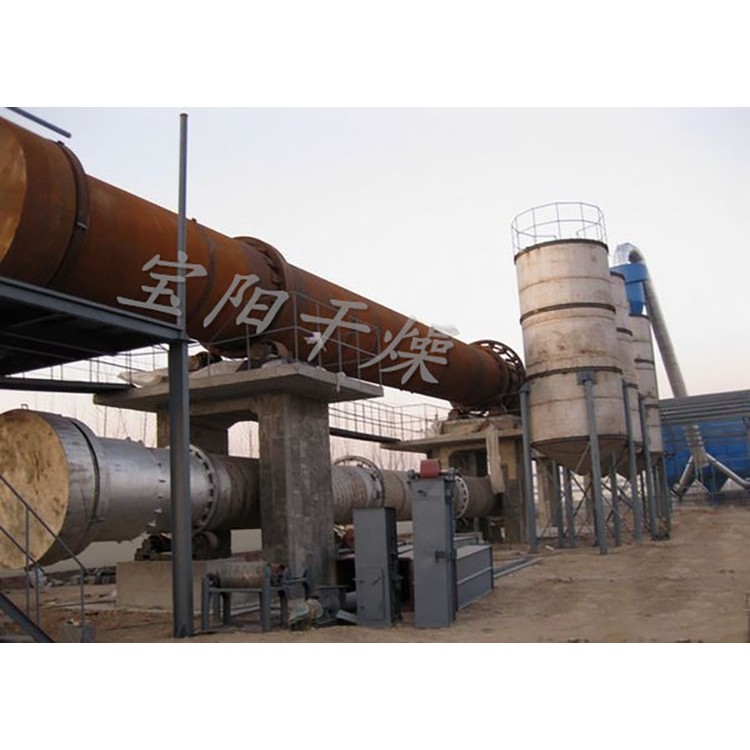
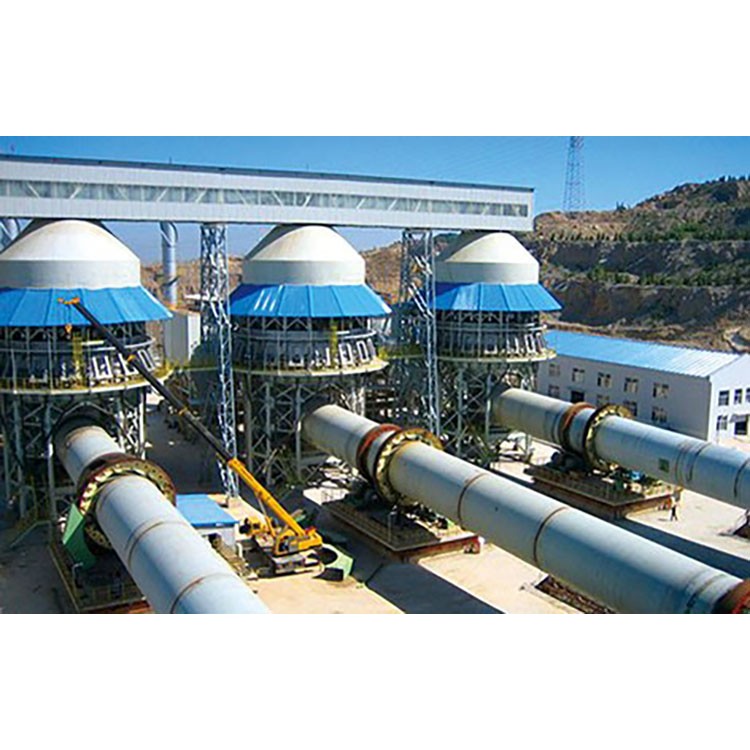
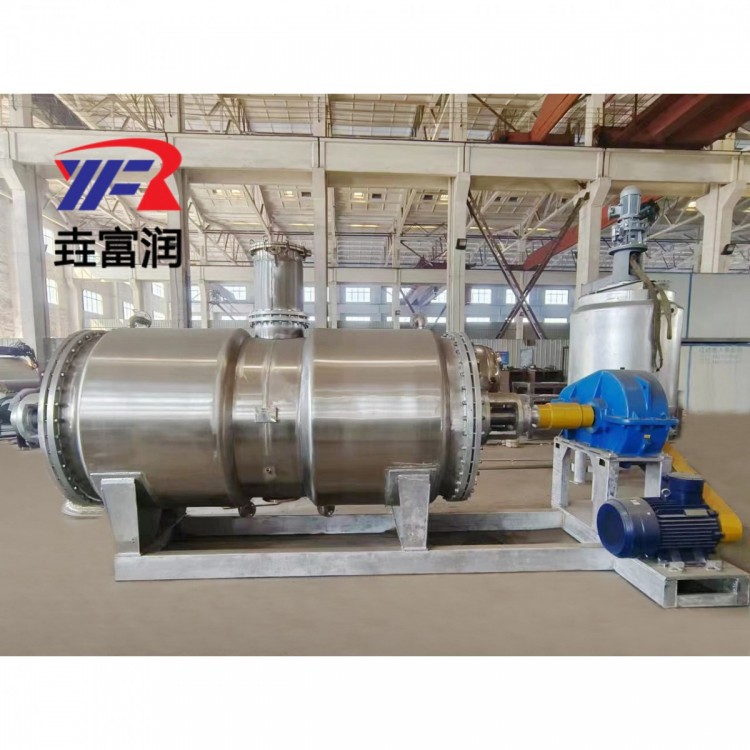
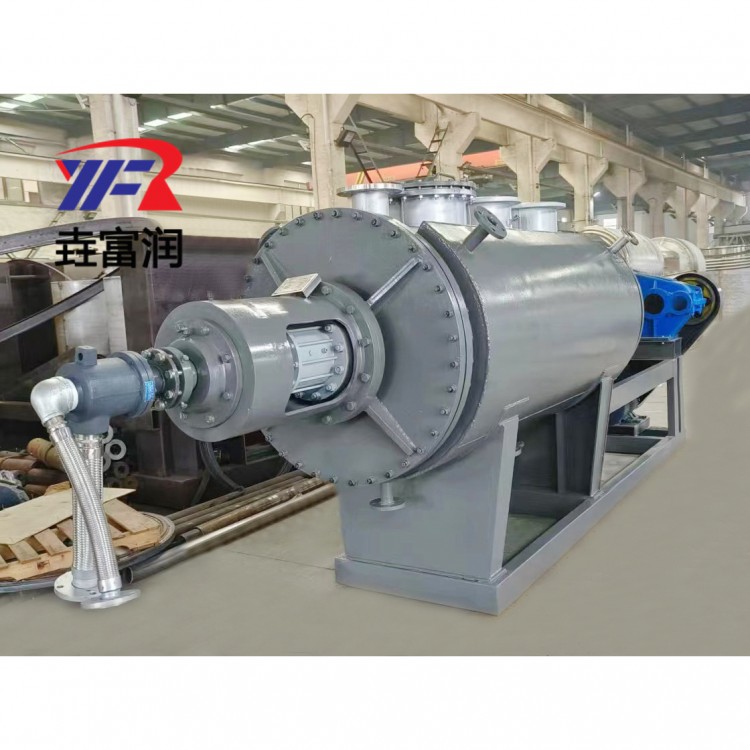
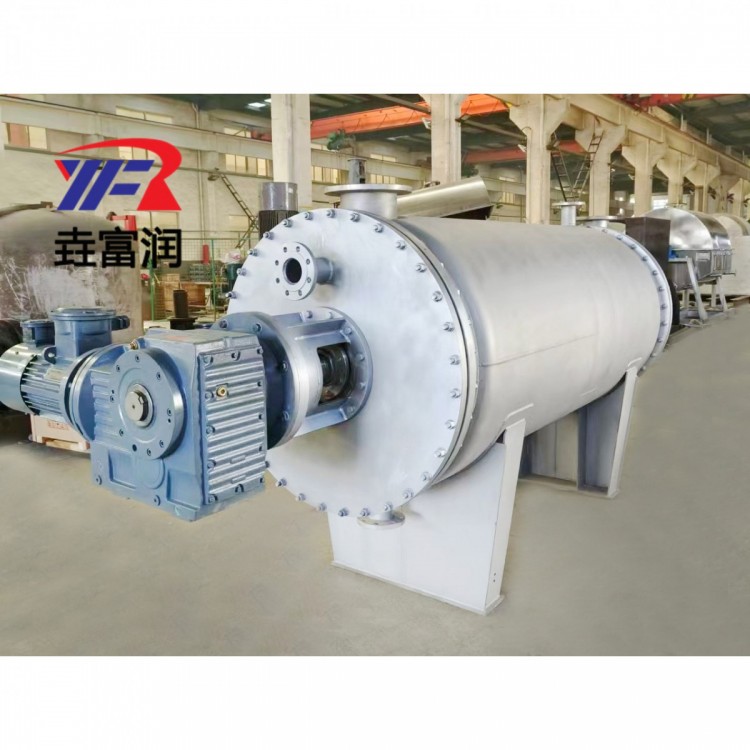
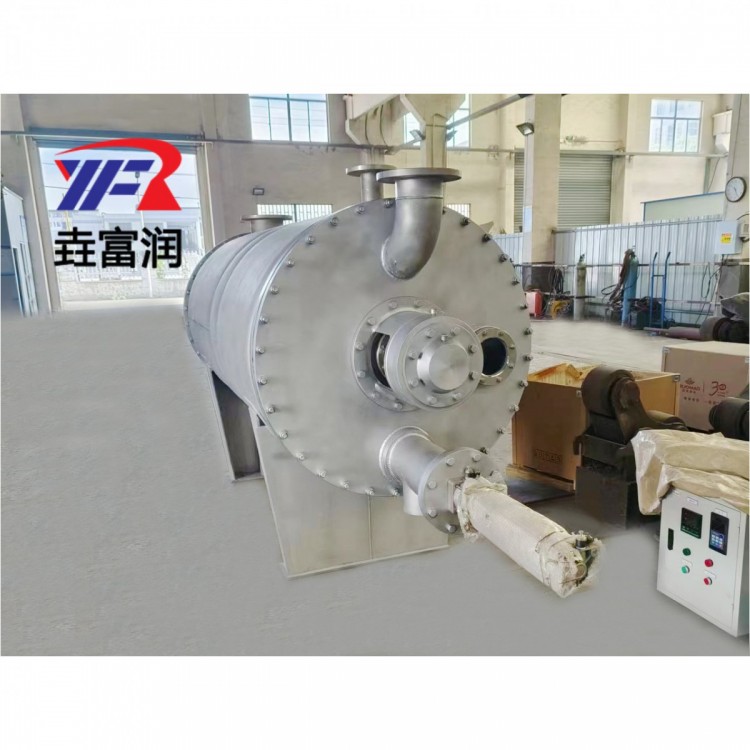
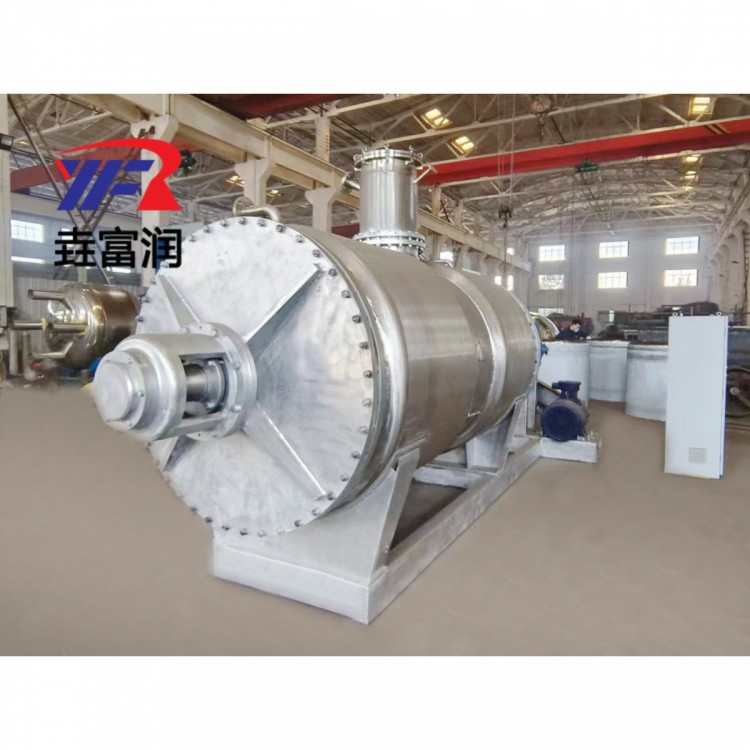
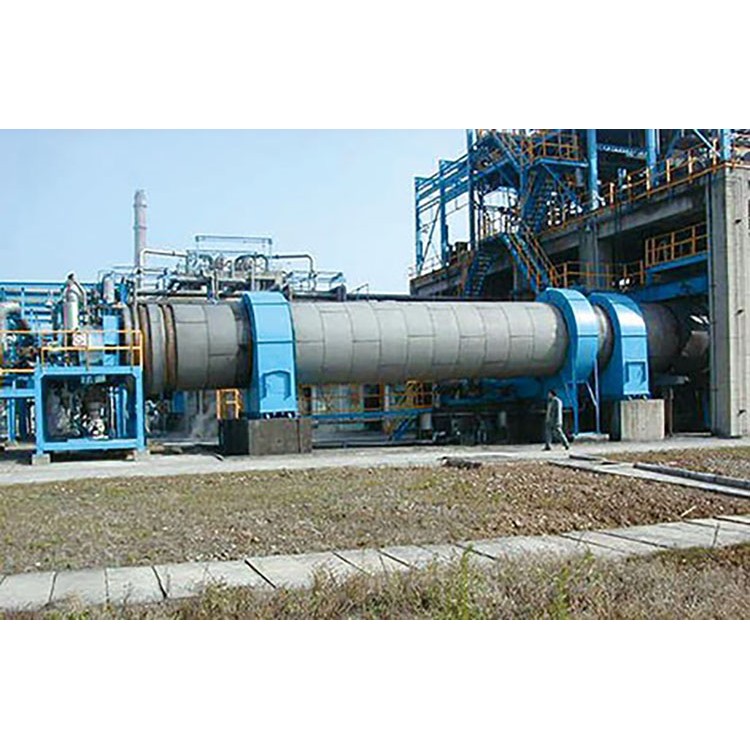
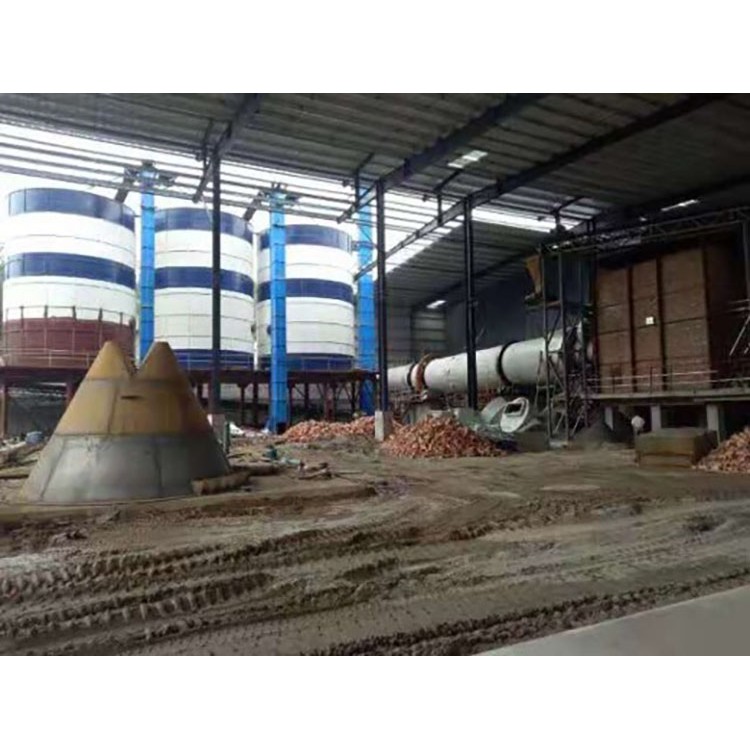
A rotary kiln, also known as a rotating calcining kiln, falls under the category of building materials equipment. It can be classified into cement kilns, metallurgical and chemical kilns, and lime kilns based on the type of material processed. Cement kilns are primarily used for calcining cement clinker, and they are divided into dry-process and wet-process cement kilns. Metallurgical and chemical kilns are mainly used in the metallurgical industry for magnetizing roasting of low-grade iron ore in steel mills; roasting of chromite and nickel ore; calcining of refractory materials in the production of high-alumina bauxite ore and in aluminum plants for calcining clinker and aluminum hydroxide; and in chemical plants for calcining chromite ore and chromite powder, among other minerals. Lime kilns, also known as activated lime kilns, are used for calcining activated lime and light calcined dolomite for steel mills and iron alloy plants.
Application Industry
The rotary kiln is widely used in many production industries such as building materials, metallurgy, chemical industry, and environmental protection, where mechanical, physical, or chemical processing of solid materials is carried out using the rotary drum equipment known as a rotary kiln. The application of the rotary kiln originated in cement production, with the British cement worker J. Aspdin inventing the intermittent operation of the clay tower in 1824; in 1883, the German Dietz invented the continuous operation of the multi-layer tower; and in 1885, the British ERansome invented the rotary kiln, which was patented in the UK and the US and then put into production, quickly yielding significant economic benefits. The invention of the rotary kiln led to the rapid development of the cement industry and also promoted research into its applications. Soon, the rotary kiln was widely used in many industrial fields, becoming increasingly important in these productions and a core equipment for the corresponding enterprises. In the field of application of the rotary kiln, the number is particularly high in the cement industry.
Effect
1. Its technical performance and operational status largely determine the quality, output, and cost of the company's products. The folk song "As long as the grand kiln turns, there are thousands and thousands" vividly describes the importance of the rotary kiln in the production process.
2. In the building materials industry, rotary kilns are used not only for sintering cement clinker but also for sintering clay, limestone, and for drying slag; in the production of refractory materials, the rotary kiln is used to sinter raw materials, ensuring stable dimensions and increased strength, before further processing and shaping.
3. In the beneficiation process, utilize a rotary kiln to magnetize and roast the lean iron ore, converting its original weak magnetic properties to strong magnetic properties, which is beneficial for magnetic separation.
4. In the chemical industry, rotary kilns are used to produce soda, sinter phosphate fertilizers, barium sulfide, etc. In the 1960s, companies like LapPle in the United States invented a new process for producing phosphoric acid using rotary kilns. This method boasts low energy consumption, reduced electricity usage, the absence of sulfuric acid, and the ability to utilize medium to low-grade phosphate ore.
5. The entire cement production process is summarized as "two grind and one burn," where "one burn" refers to the process of calcining the raw materials that have been ground and mixed, into clinker under the high temperature of a rotary kiln. Therefore, the rotary kiln is the main equipment in cement production, commonly known as the "heart" of the cement factory.
6. In terms of environmental protection, developed countries around the world have been using cement kilns to incinerate hazardous waste and garbage for over 20 years. This not only reduces and makes waste harmless but also utilizes waste as fuel, saving coal powder, and achieving resource utilization of waste.