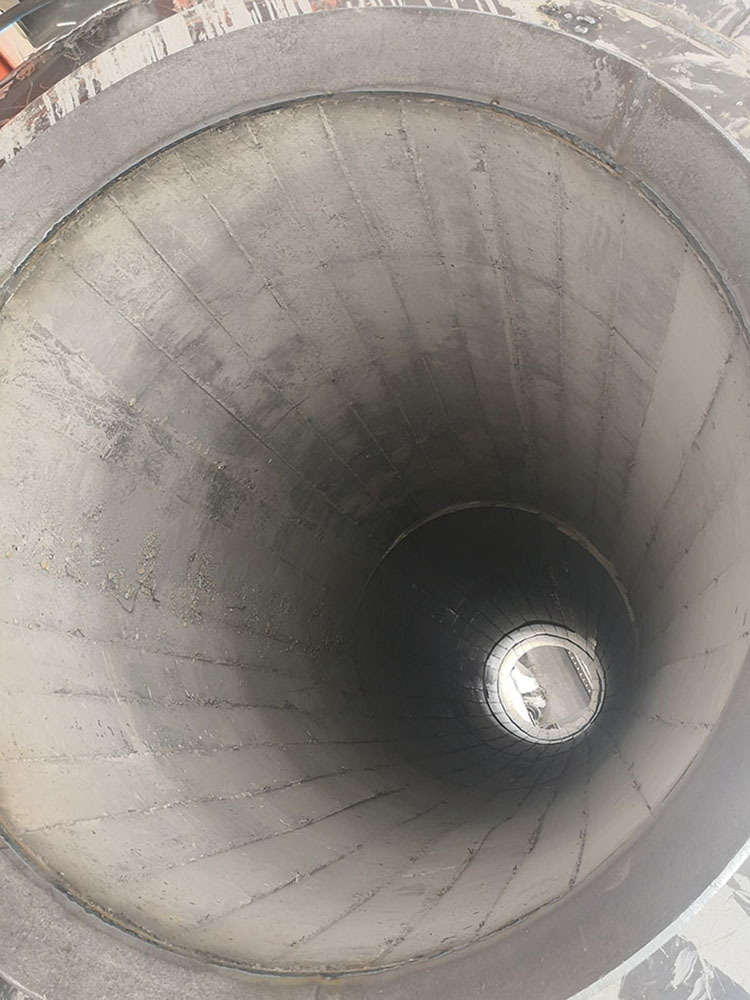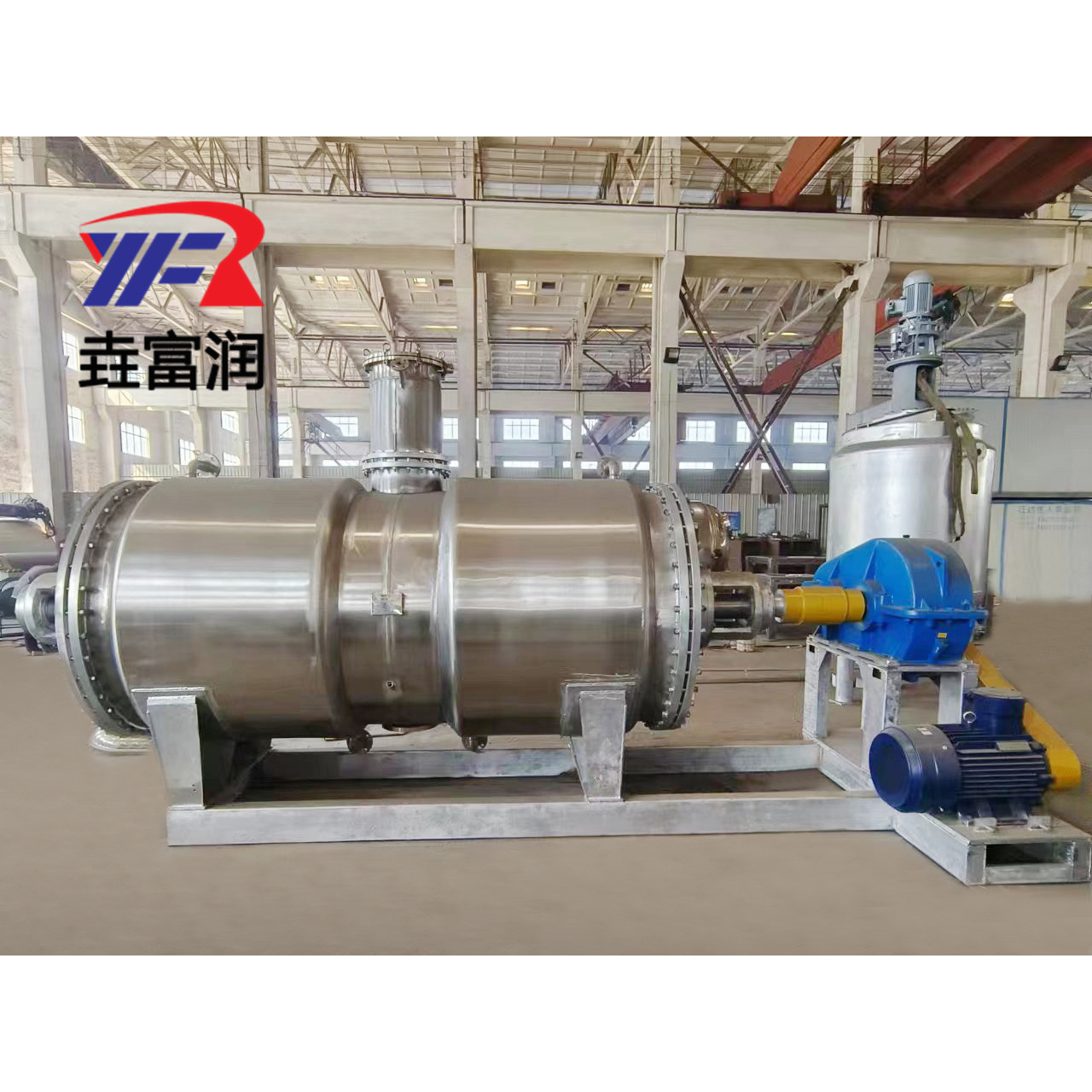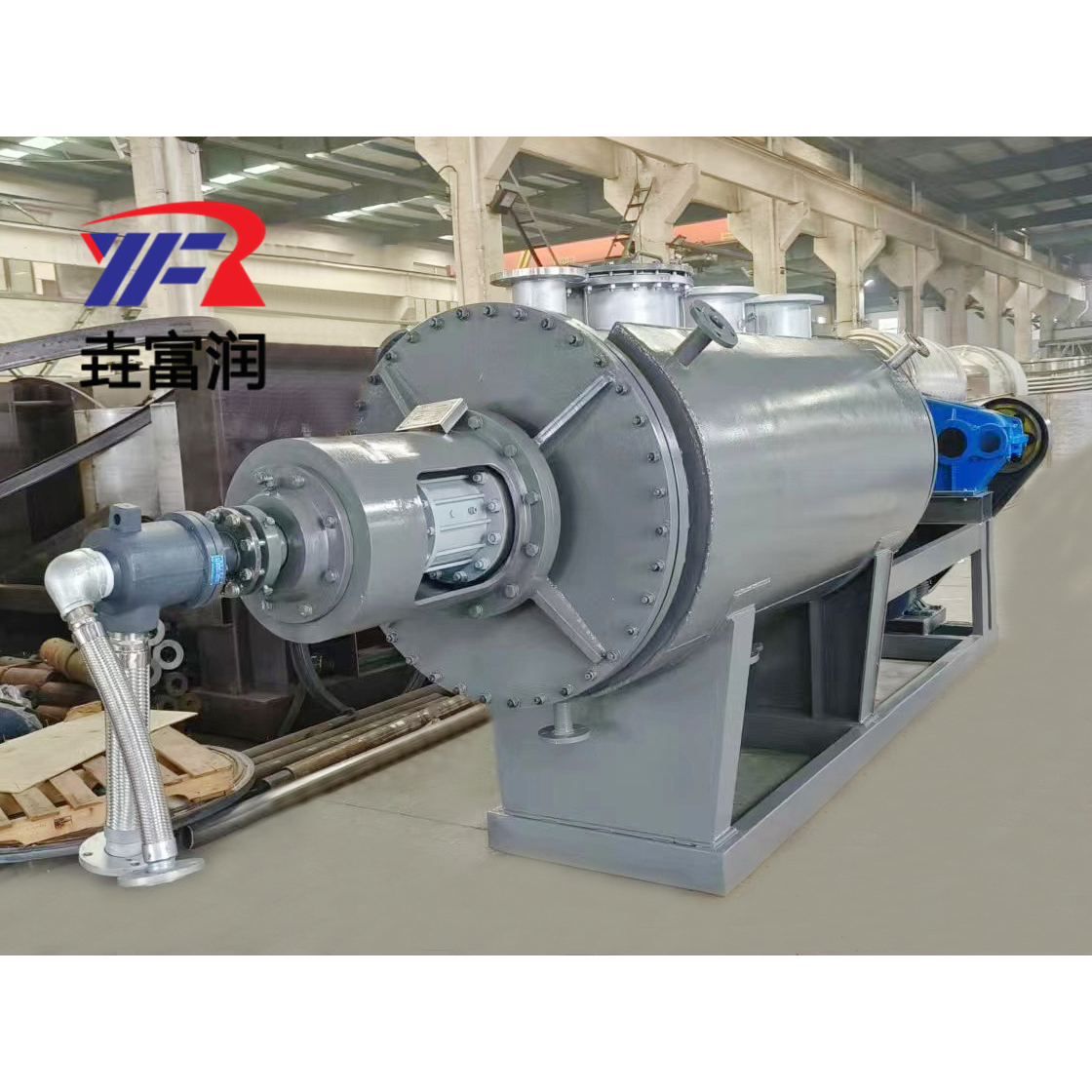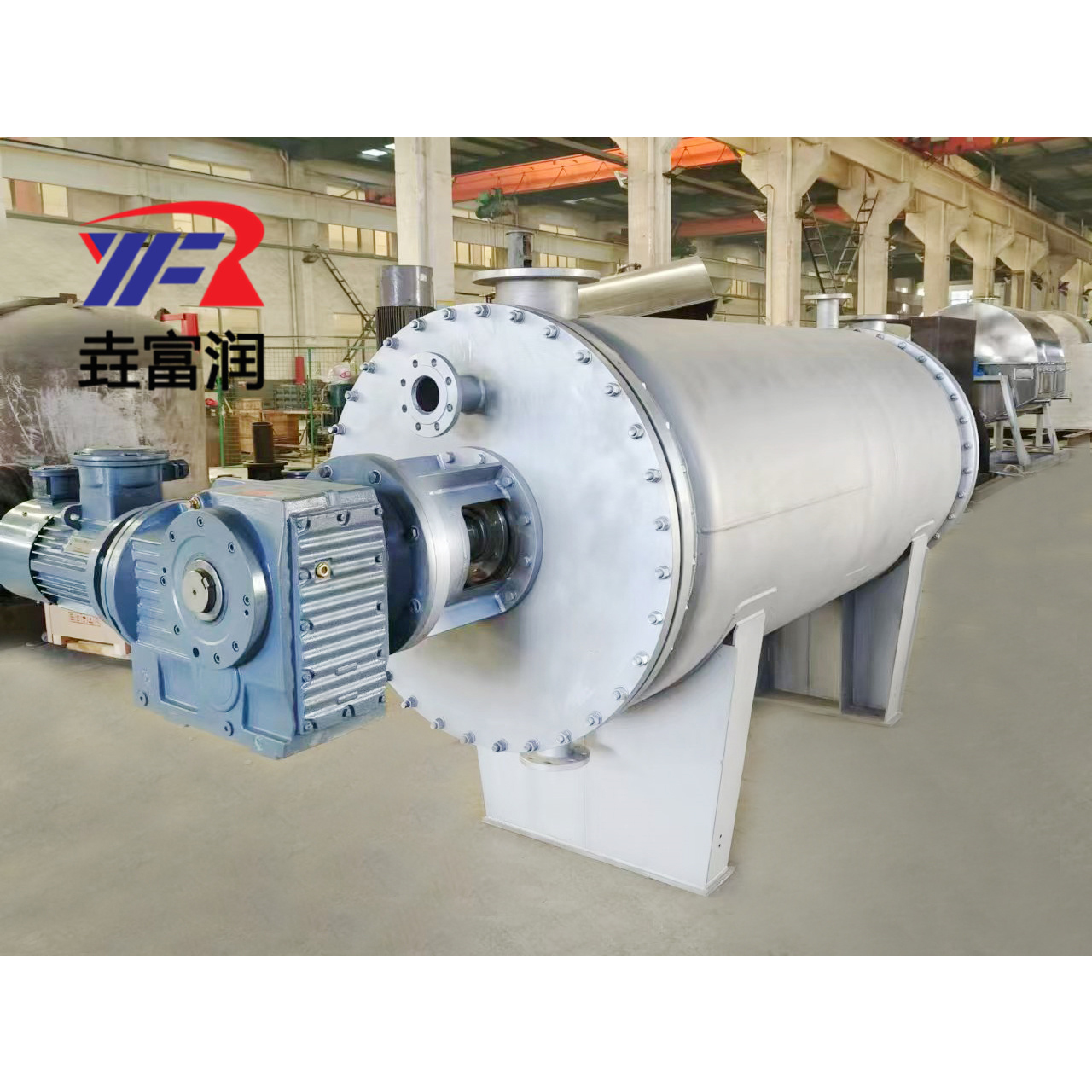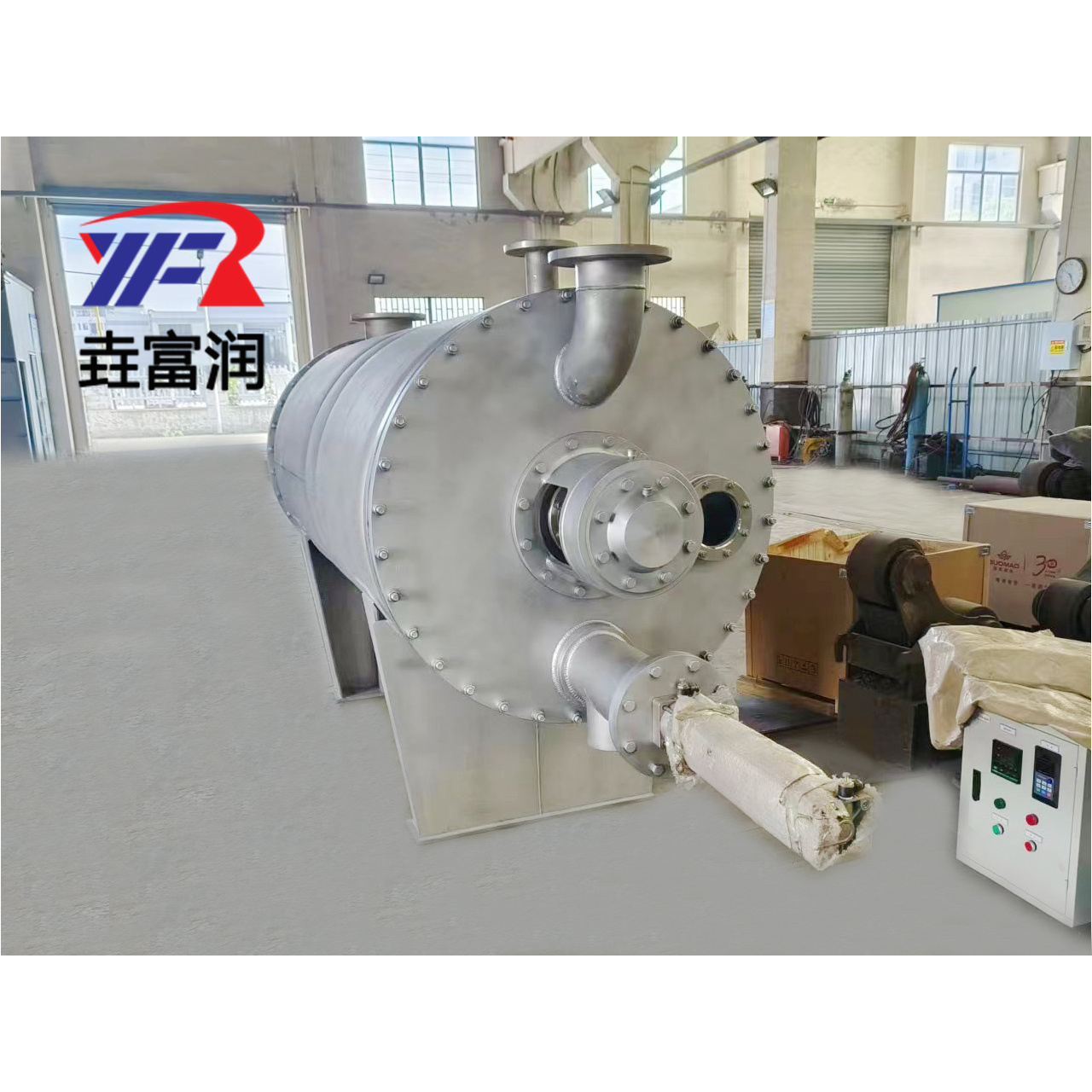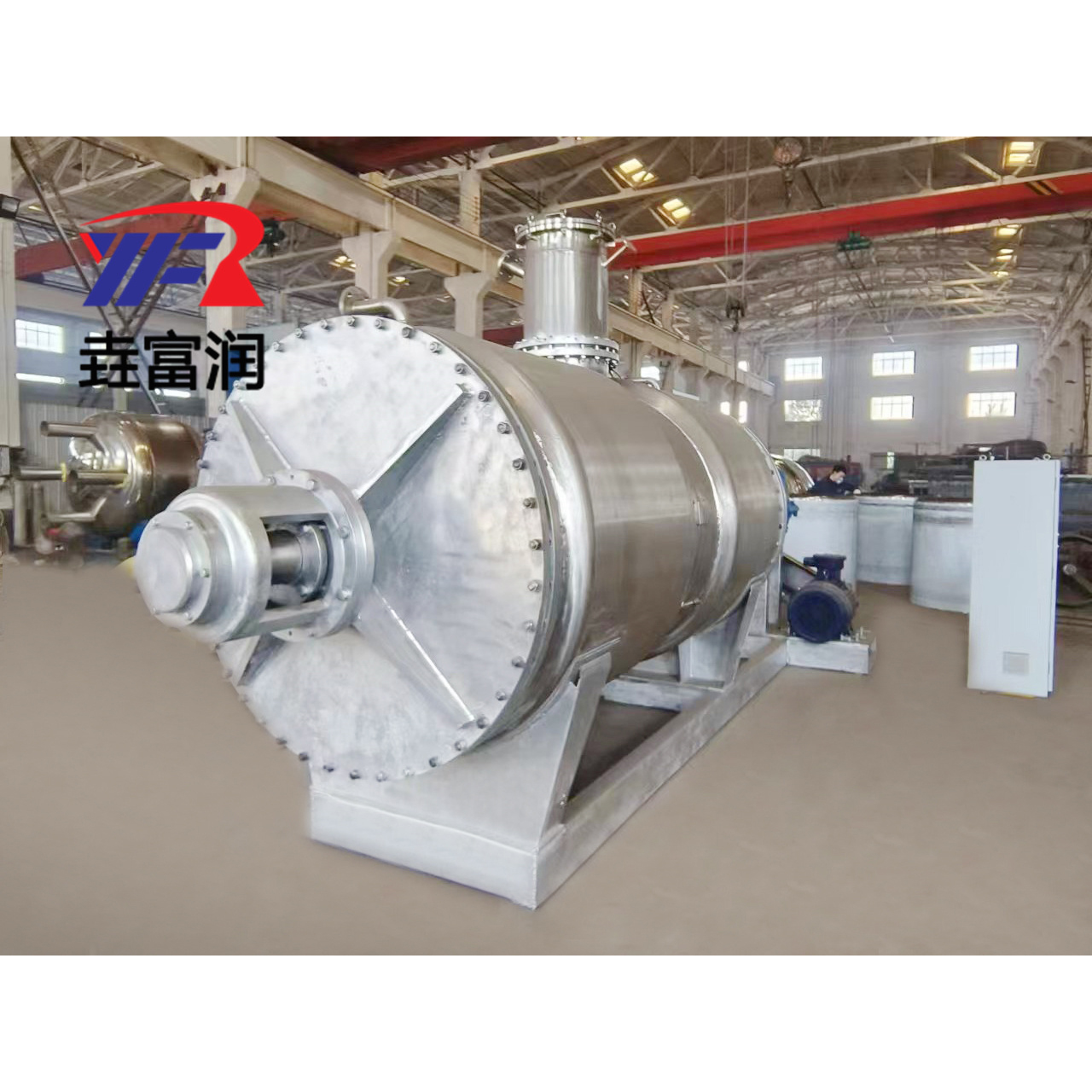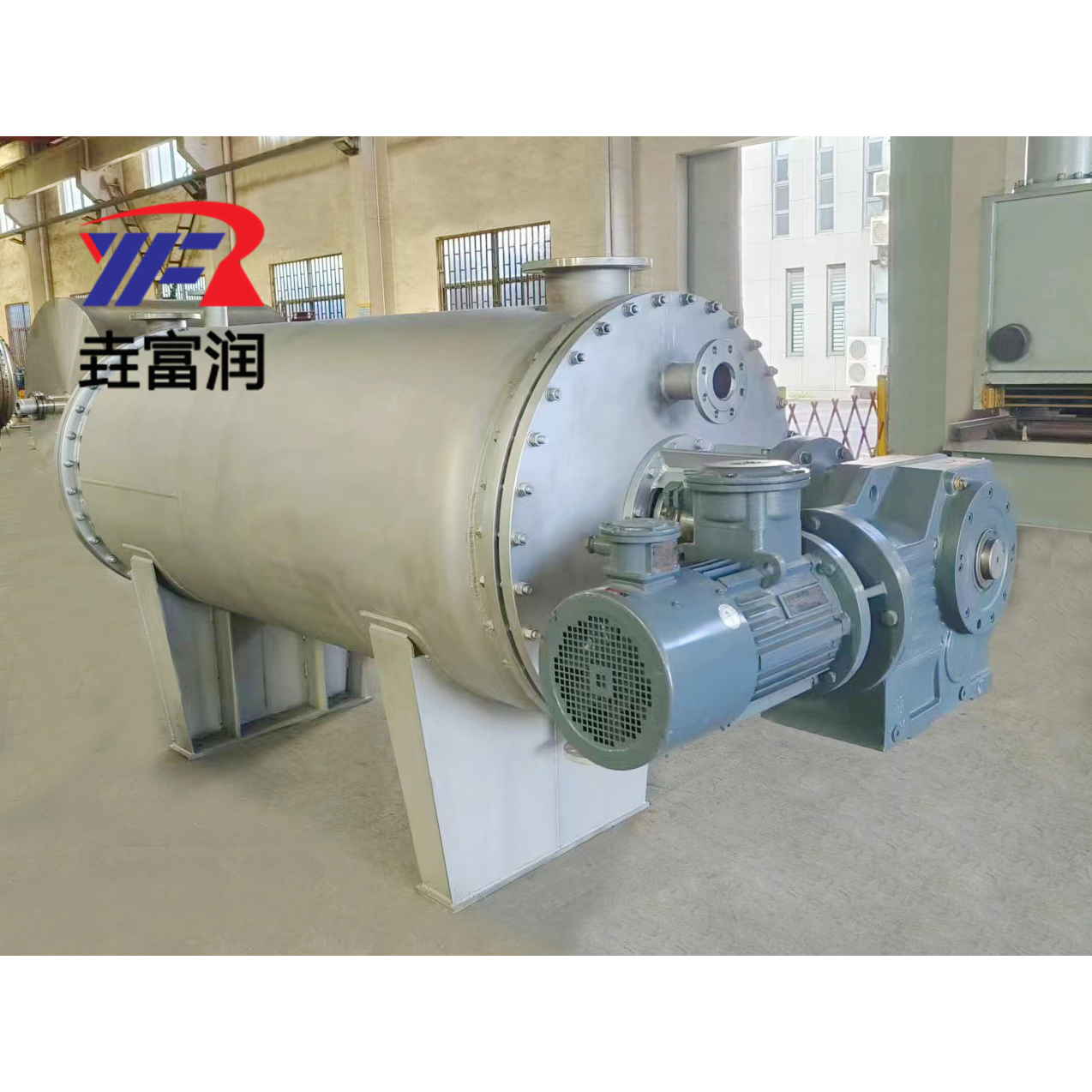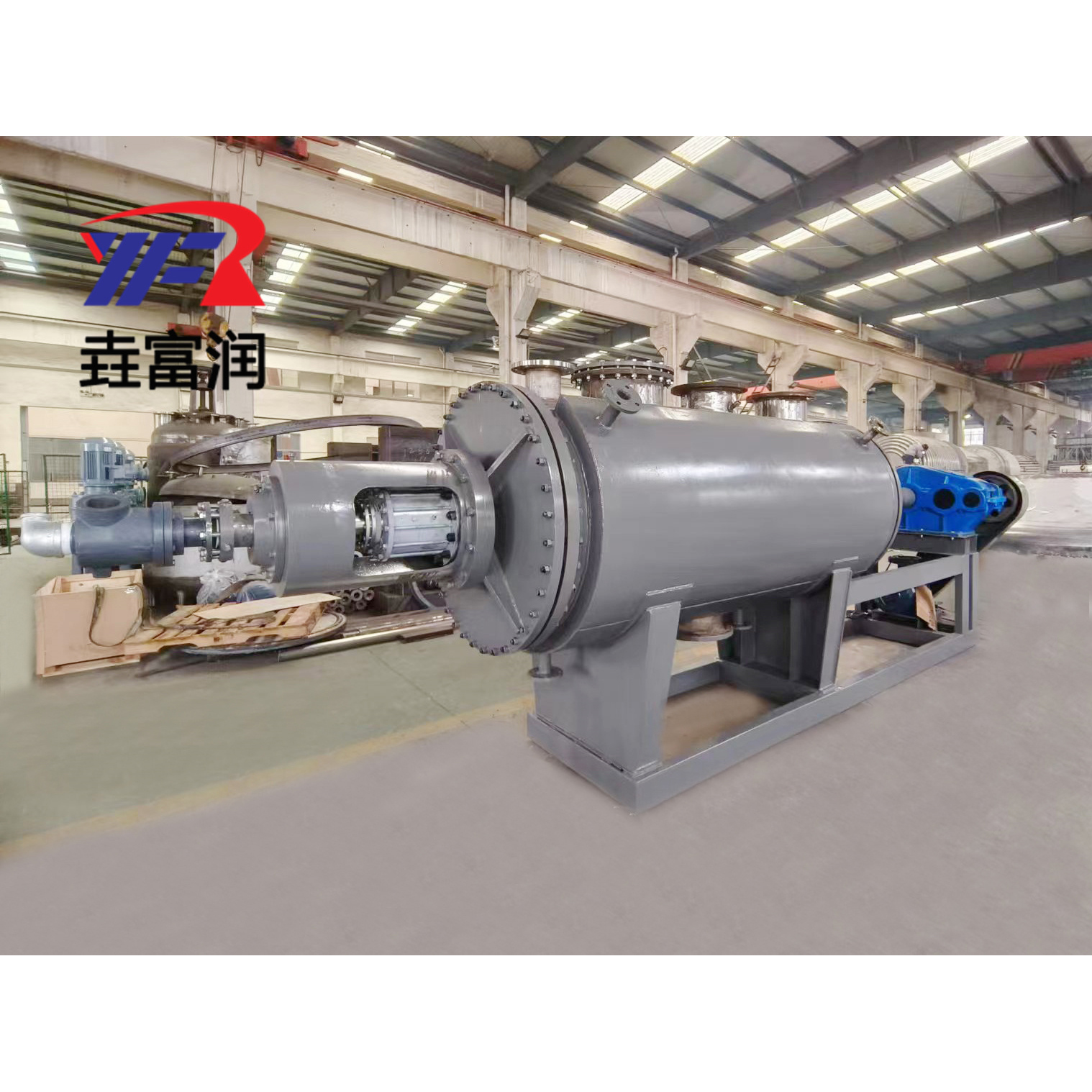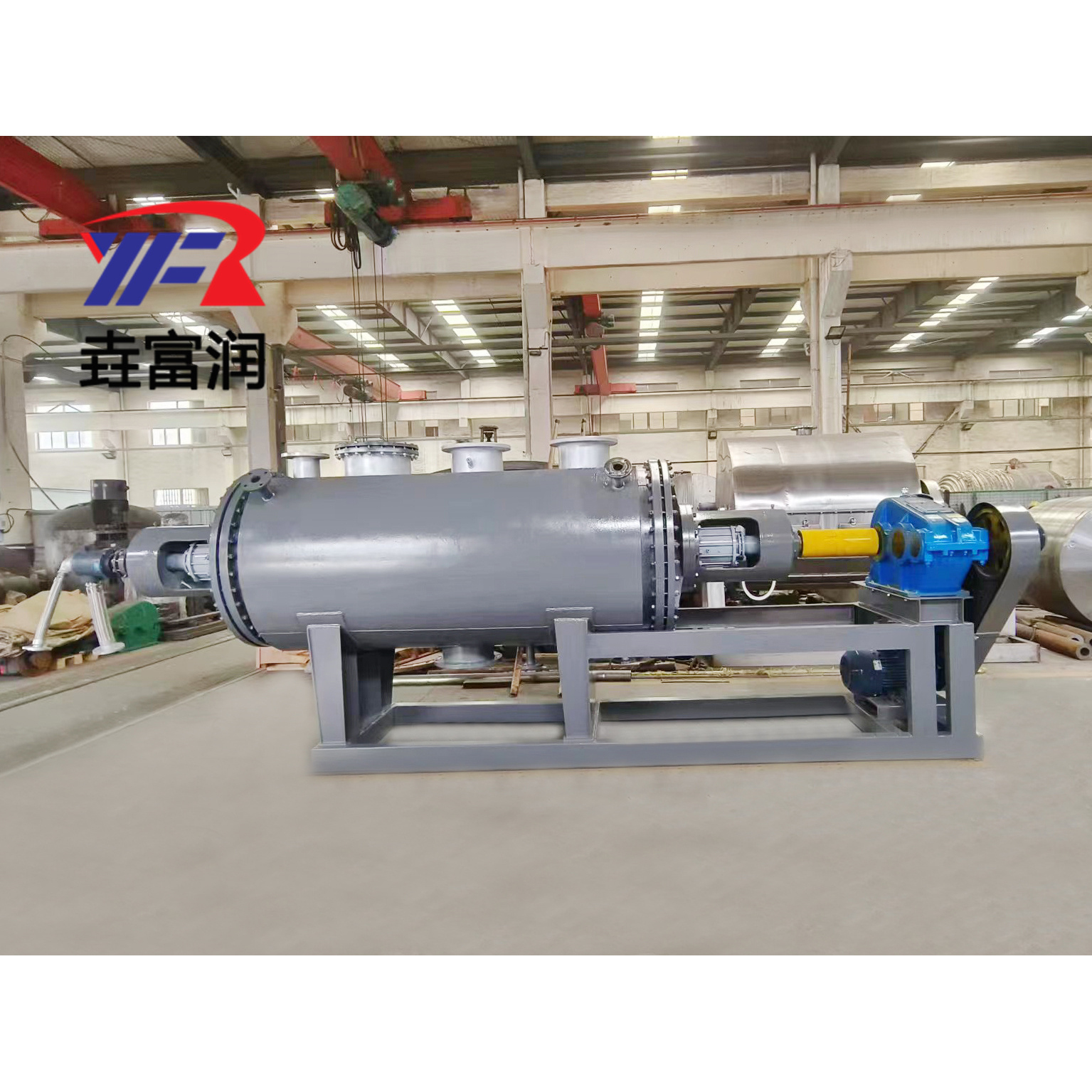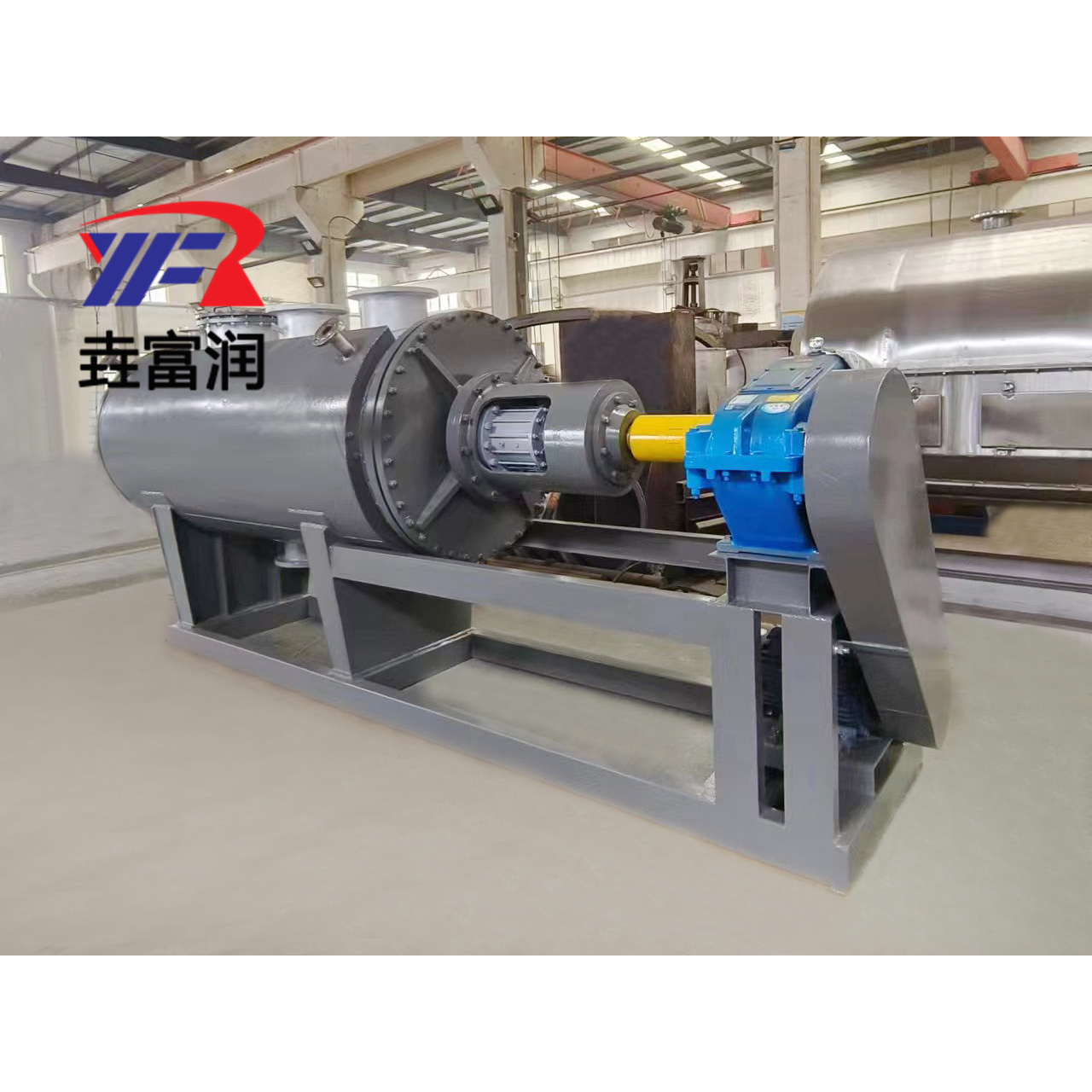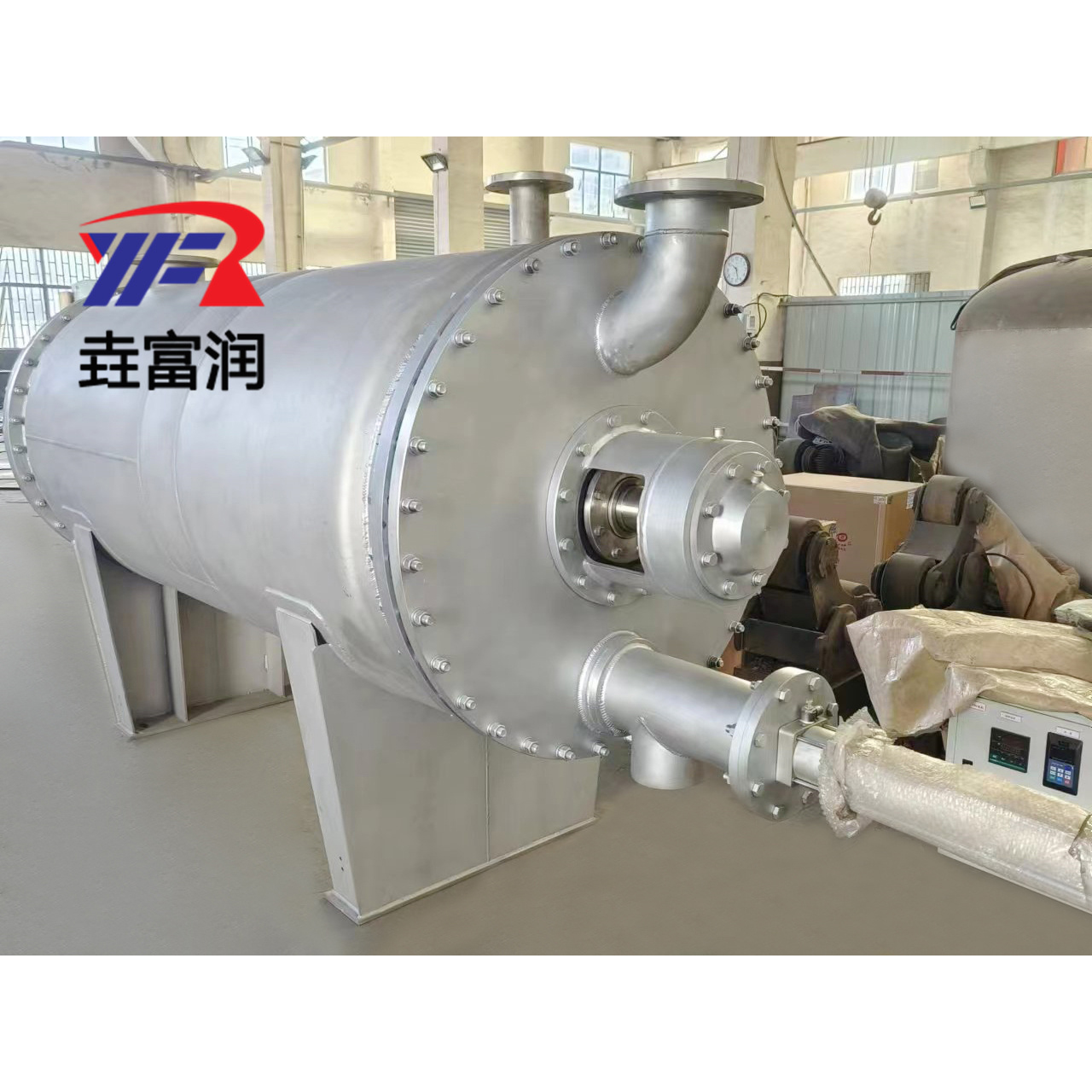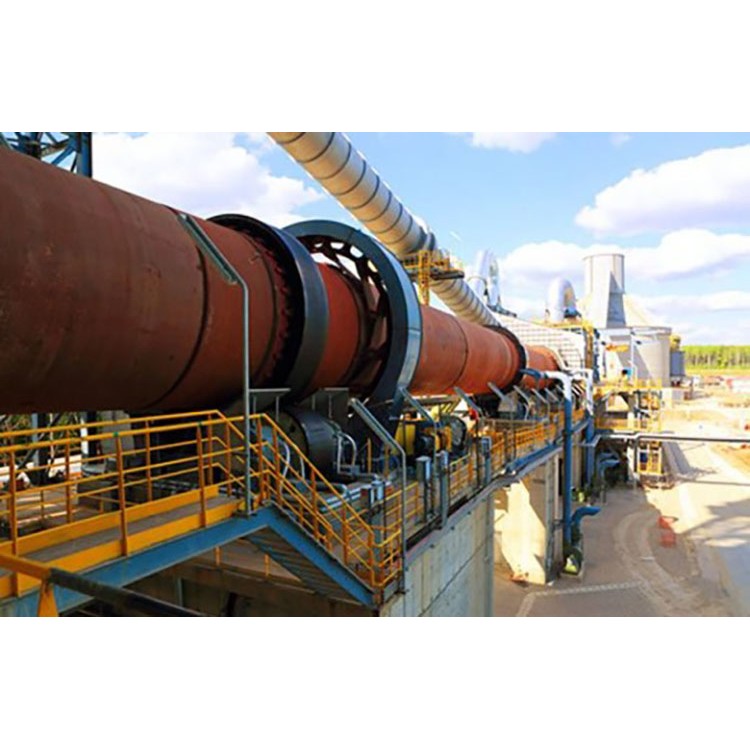

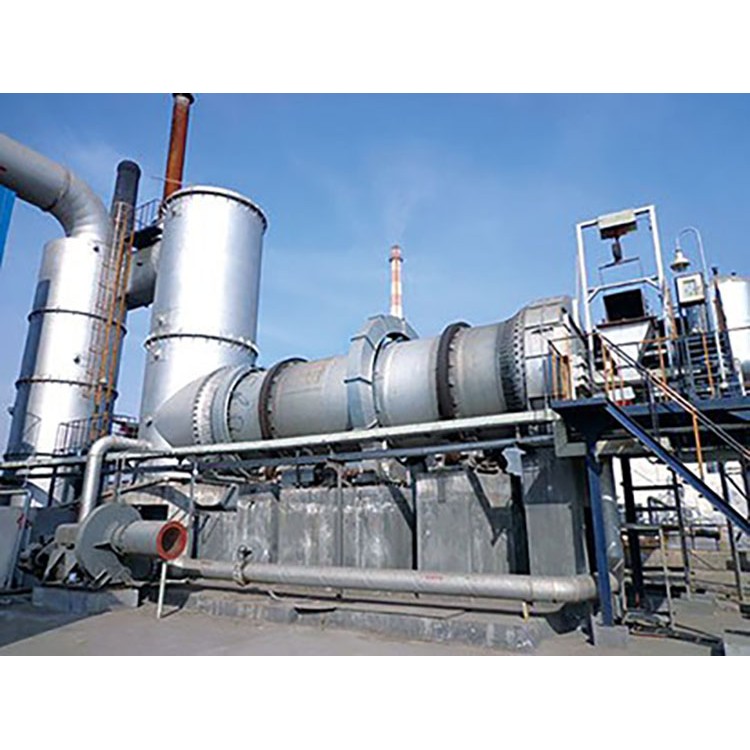

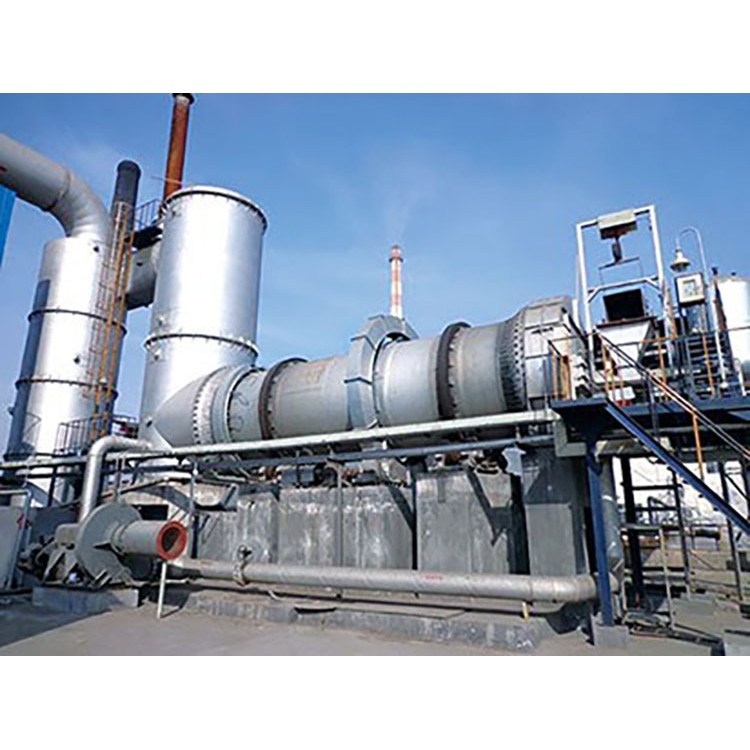


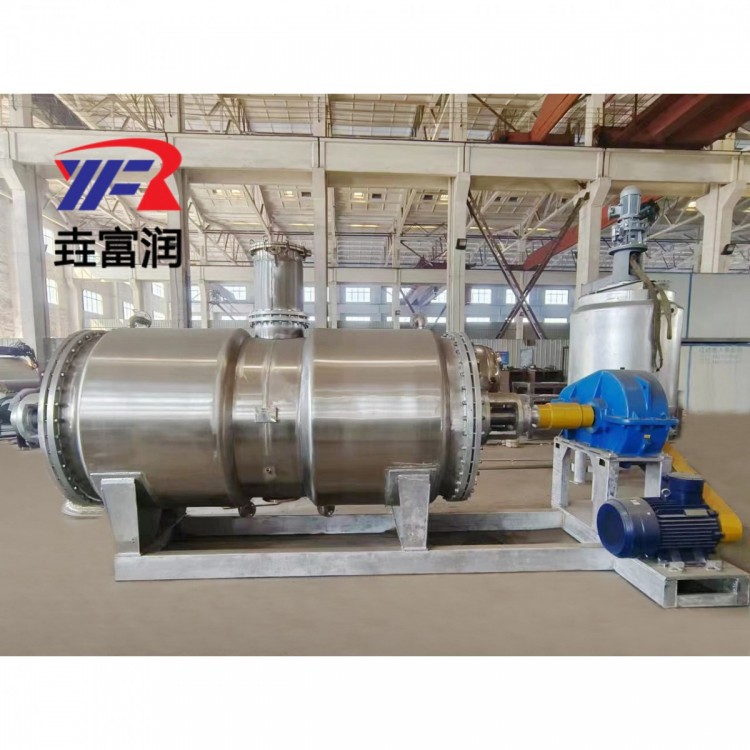
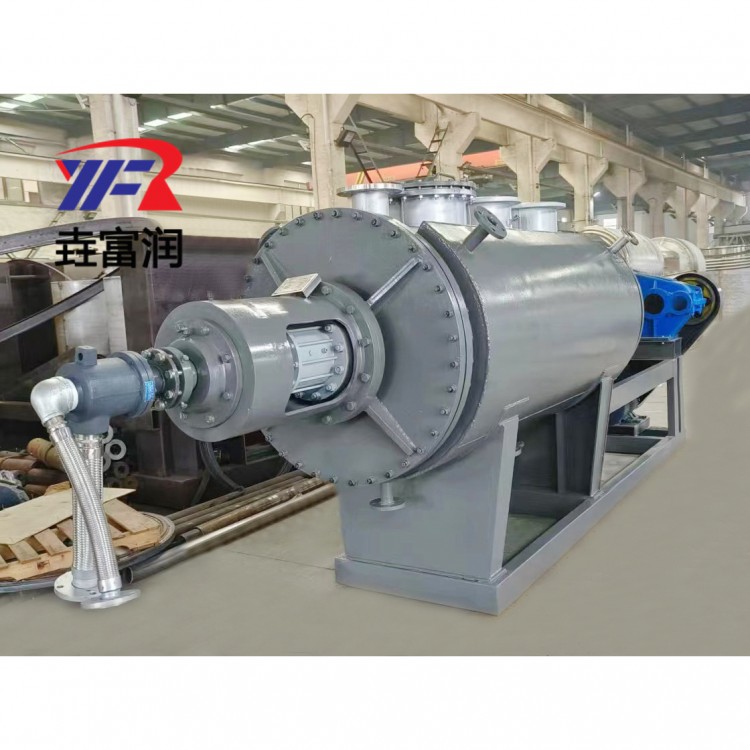
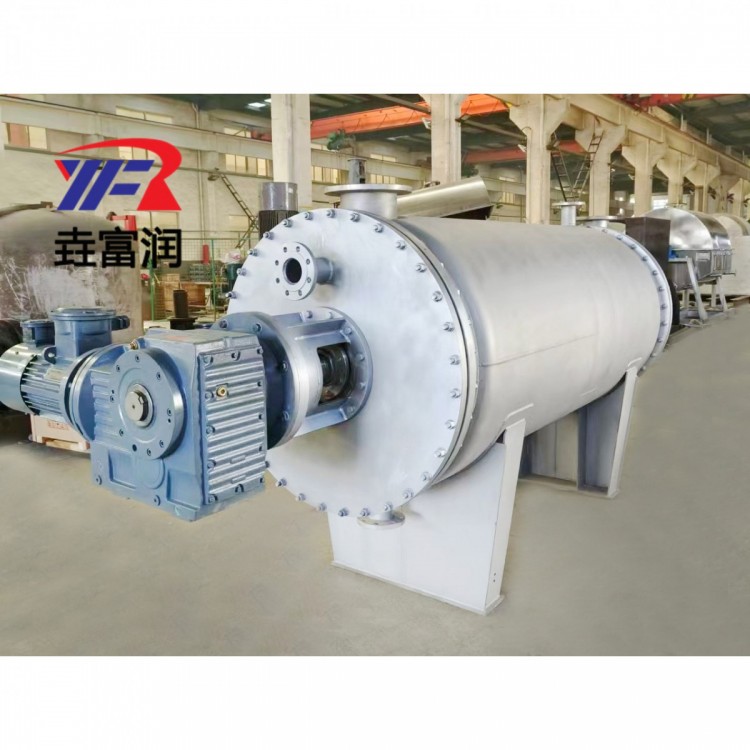
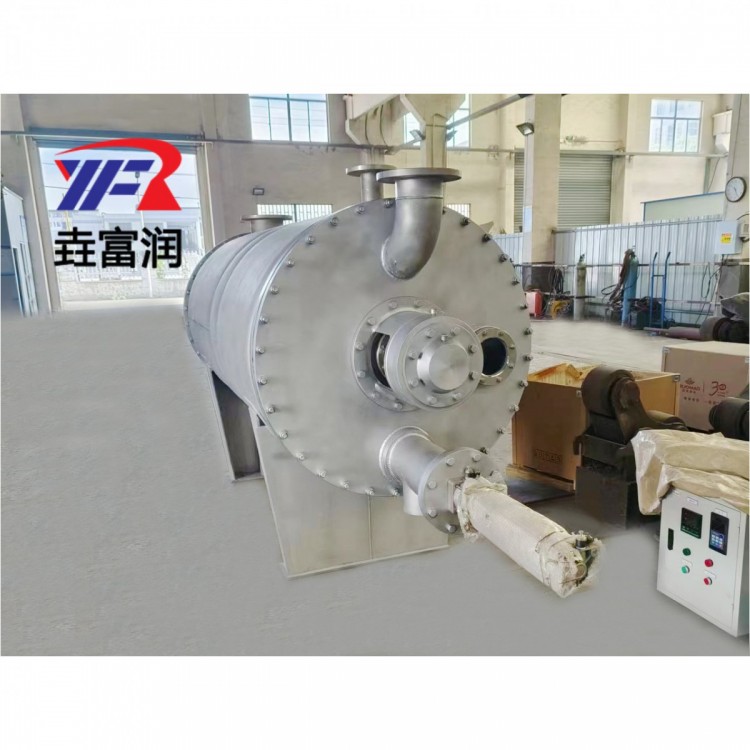
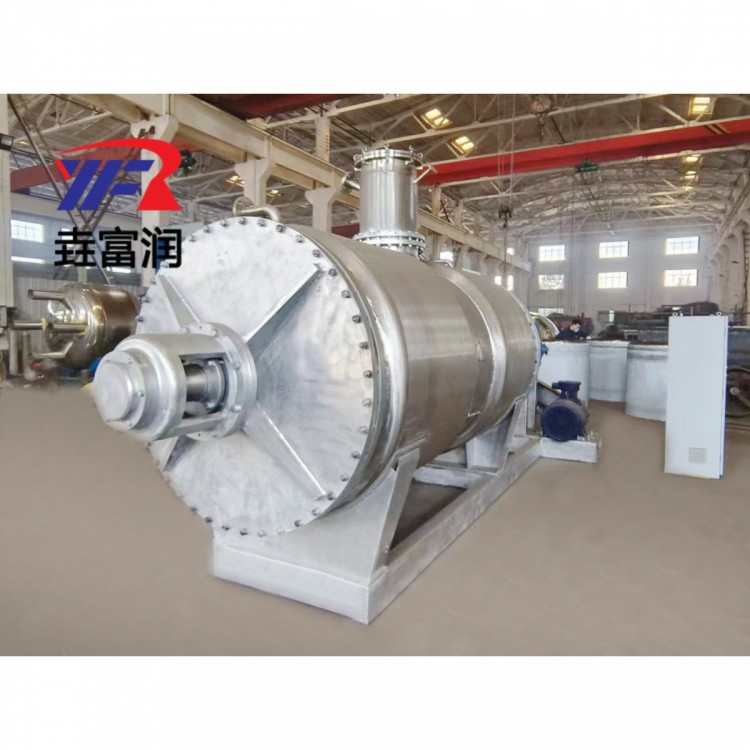





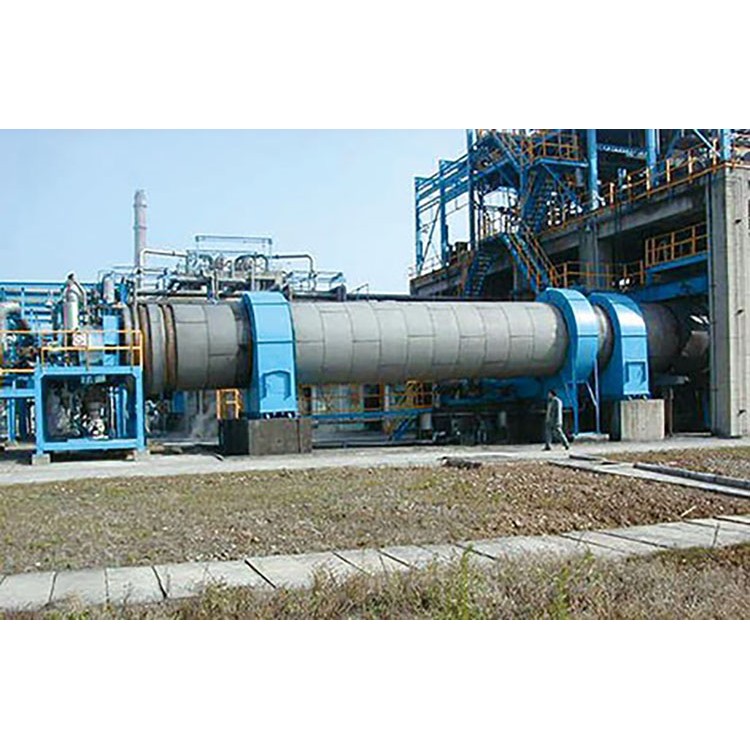
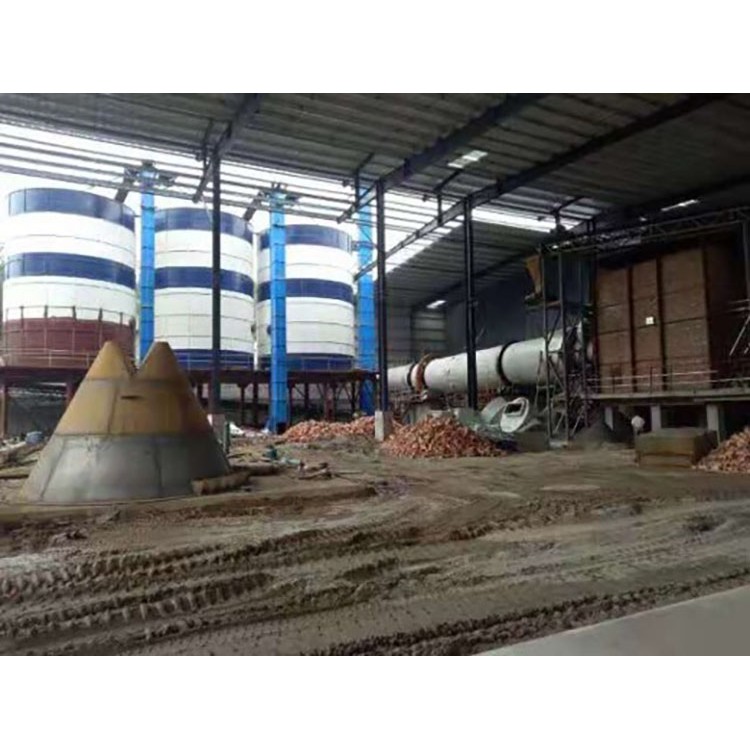
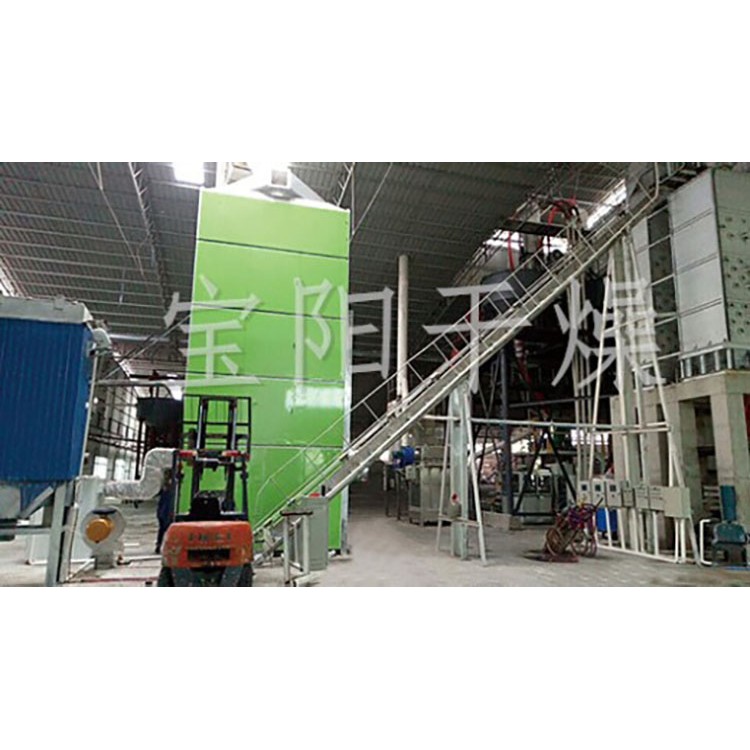
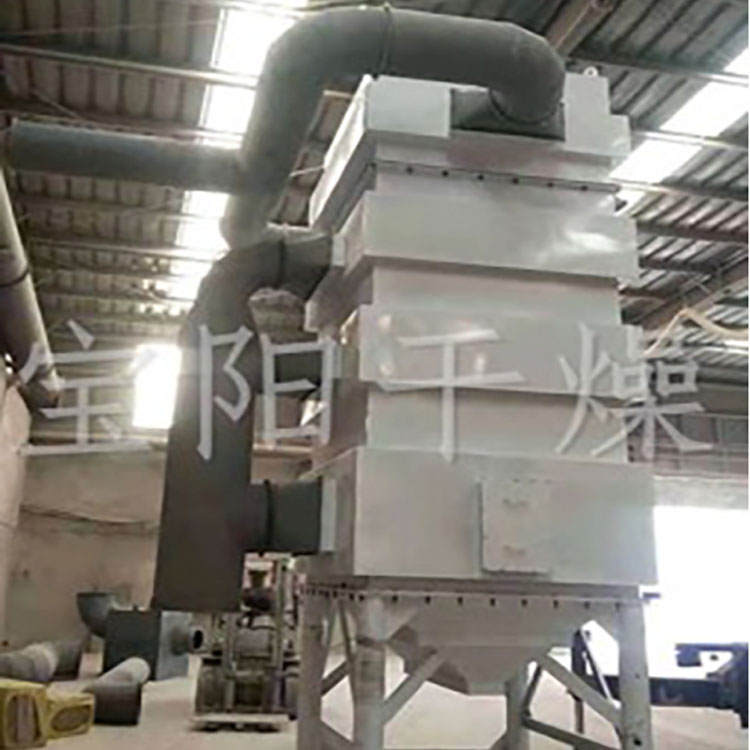
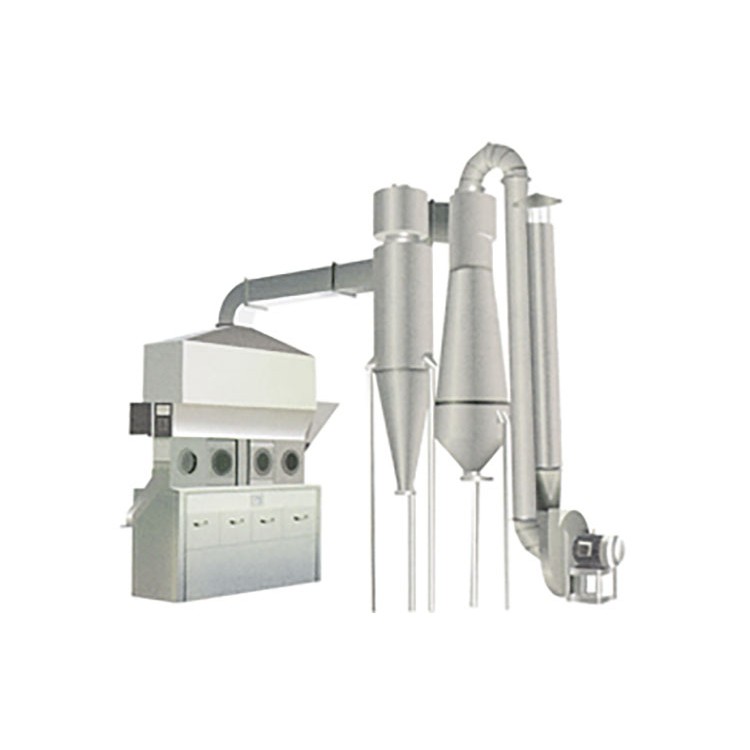
Industrial waste incinerator, a device for incinerating industrial waste. The industrial waste incinerator consists of four major systems: pre-treatment system, incineration system, smoke biochemical dedusting system, and auxiliary ignition system. It integrates automatic feeding, screening, drying, incineration, ash cleaning, dedusting, and automated control. The industrial waste incinerator employs high-temperature combustion, secondary aeration, and automatic slag unloading with advanced technologies to achieve waste discharge control.
Monitoring requirements.
Features:
1. Capable of simultaneously incinerating solid, liquid, colloidal, and gaseous waste; highly adaptable to different types of incineration materials.
2. The burning material churns forward, with three heat transfer methods coexisting in one furnace, resulting in a high thermal utilization rate.
3. Simple transmission mechanism; transmission unit housed within the kiln shell, easy equipment maintenance.
4. No strict requirements for the shape of the incinerated material or its moisture content.
5. A 1-hour dwell time inside the rotary kiln and temperatures exceeding 850°C ensure the hazardous waste is basically incinerated.
6. The intense gas mixture in the secondary chamber ensures complete combustion of unburned particles in the flue gas, reaching the high temperature (1100°C) required for the decomposition of harmful components, with the flue gas retention time in the high-temperature zone exceeding 2 seconds.
7. Effective sealing measures and furnace negative pressure ensure no harmful gases are released.
8. High equipment operation rate, with an annual rate typically reaching 90%, and easy operation and maintenance.
Application Scope:
1. Hazardous waste centralized disposal, chemical sludge, oil sludge, chemical kettle residues, waste liquids, etc.
2. Processing capacity typically ranges from: 5 tons/day to 50 tons/day.