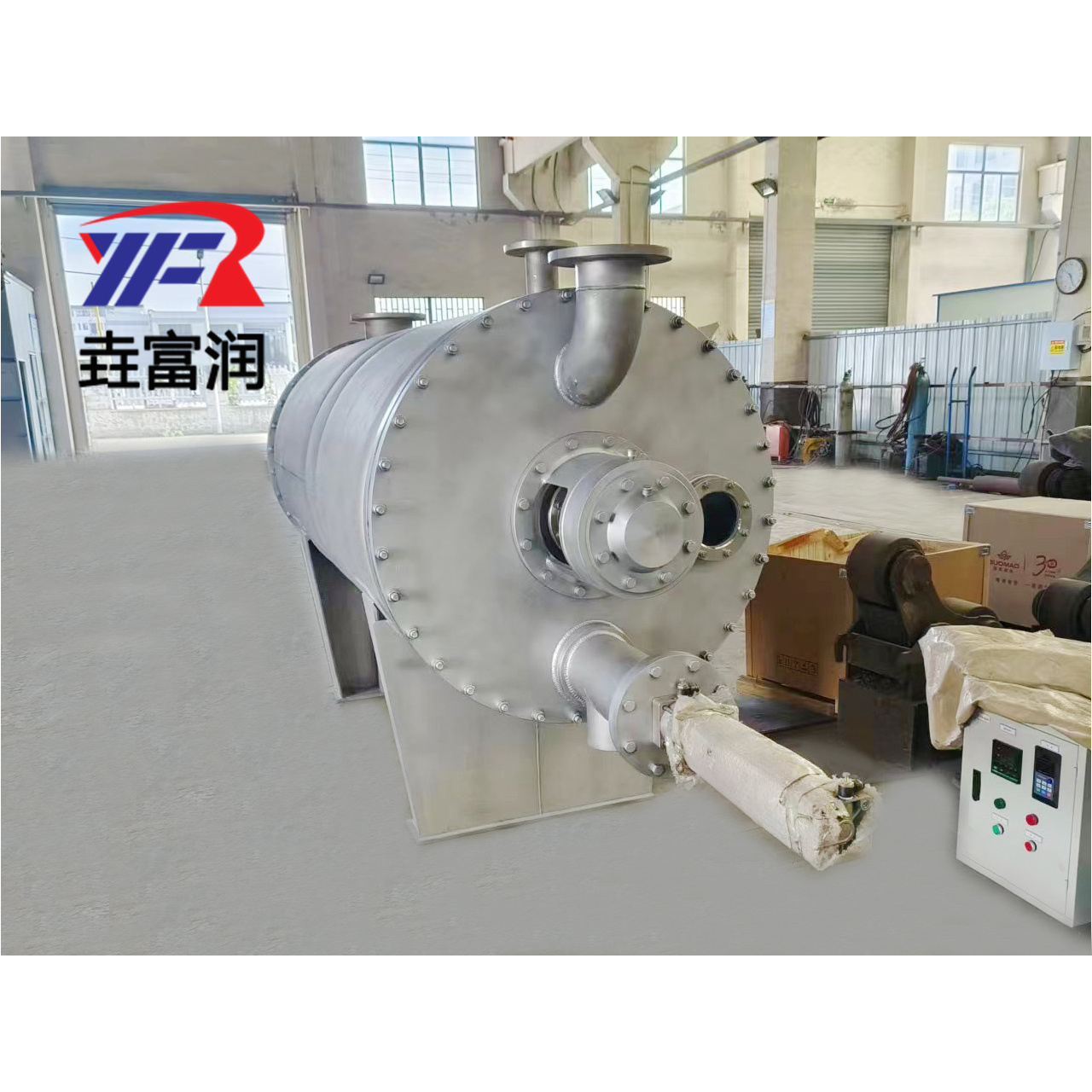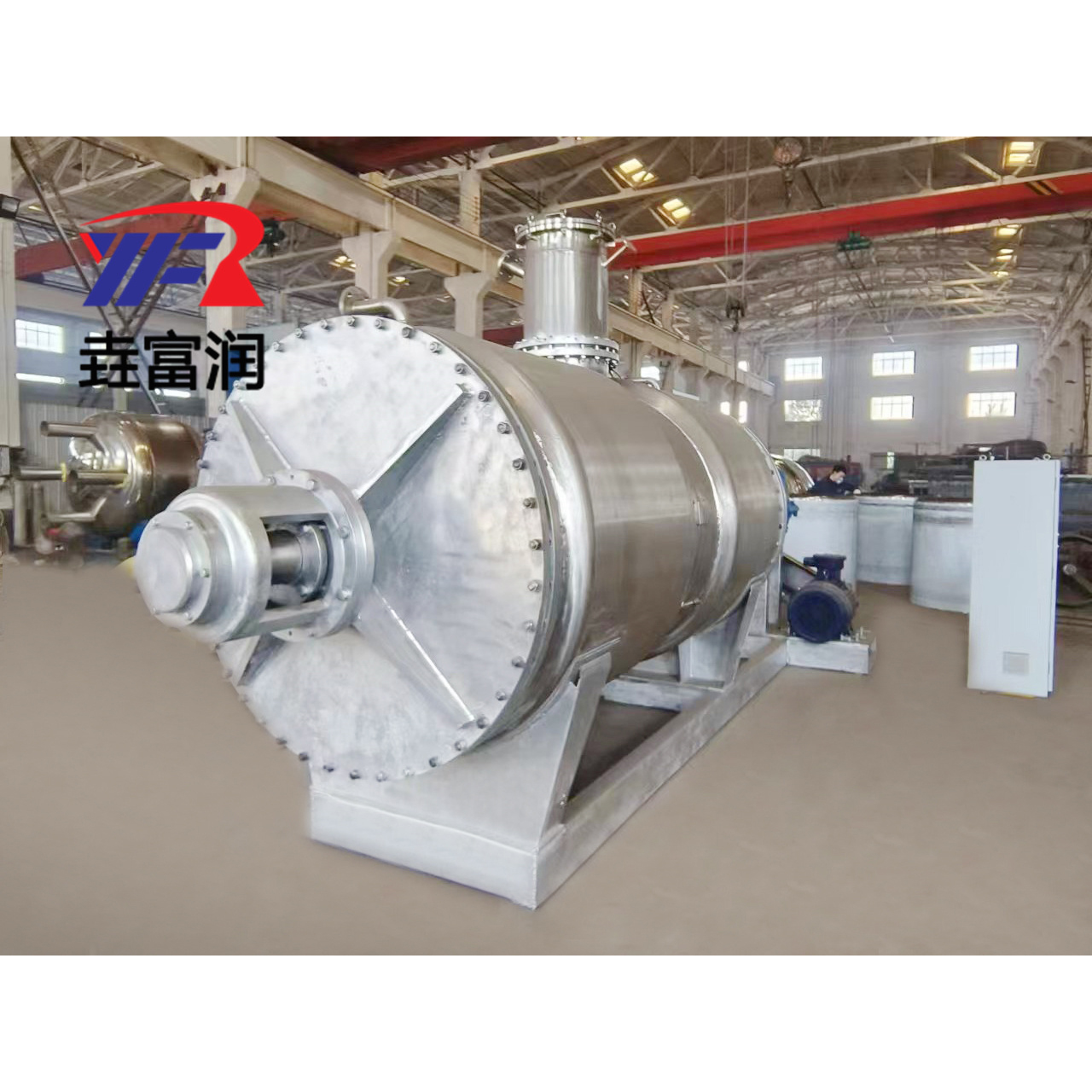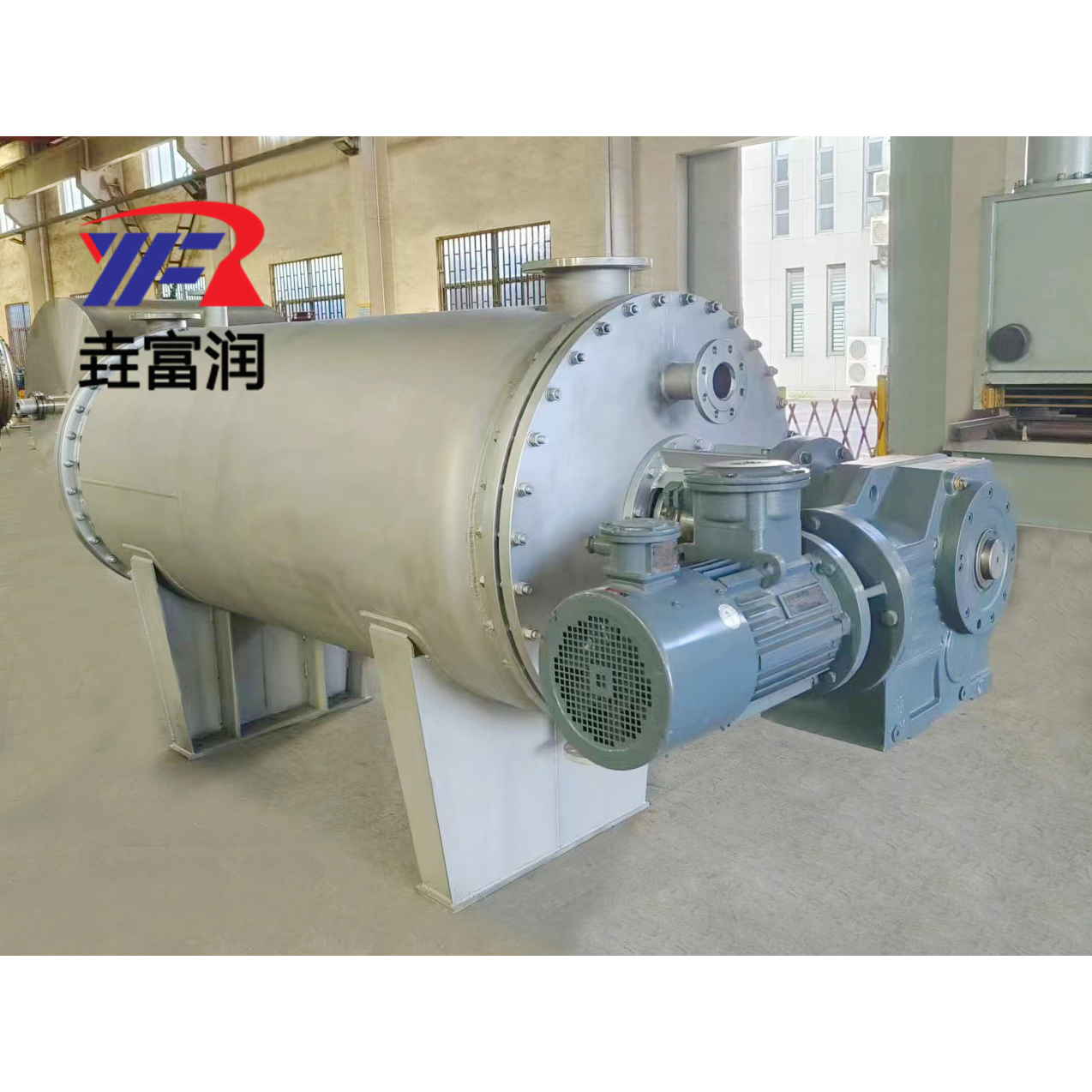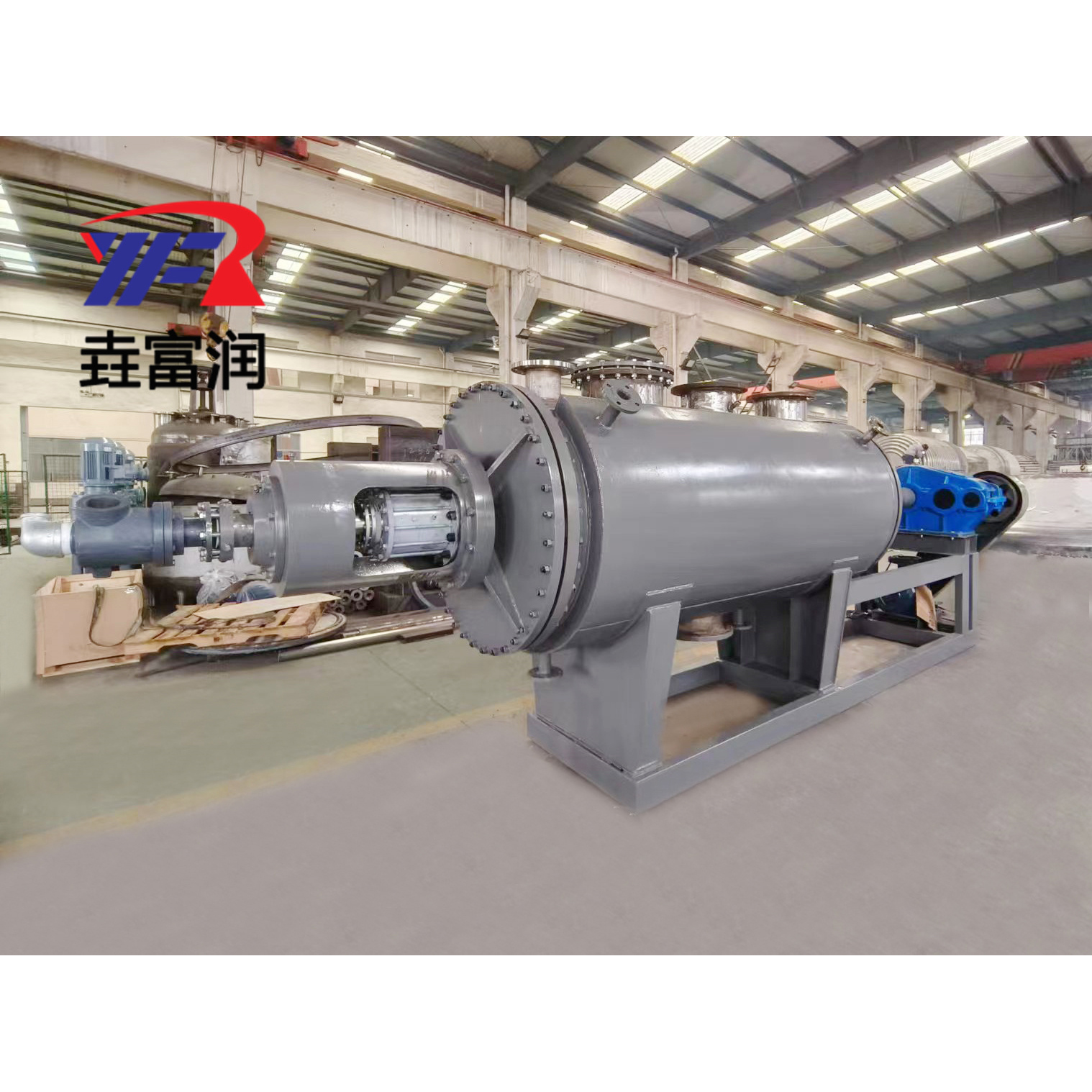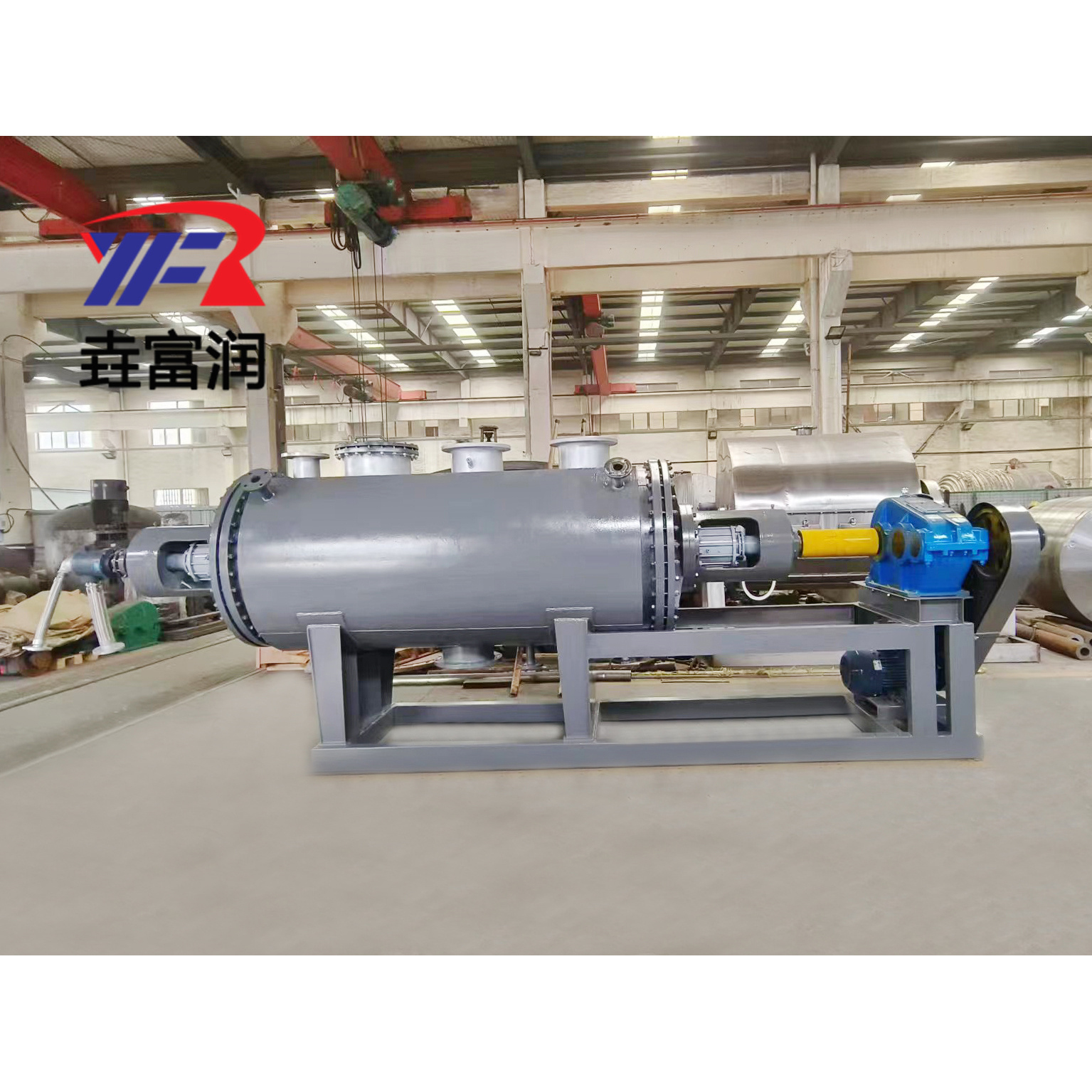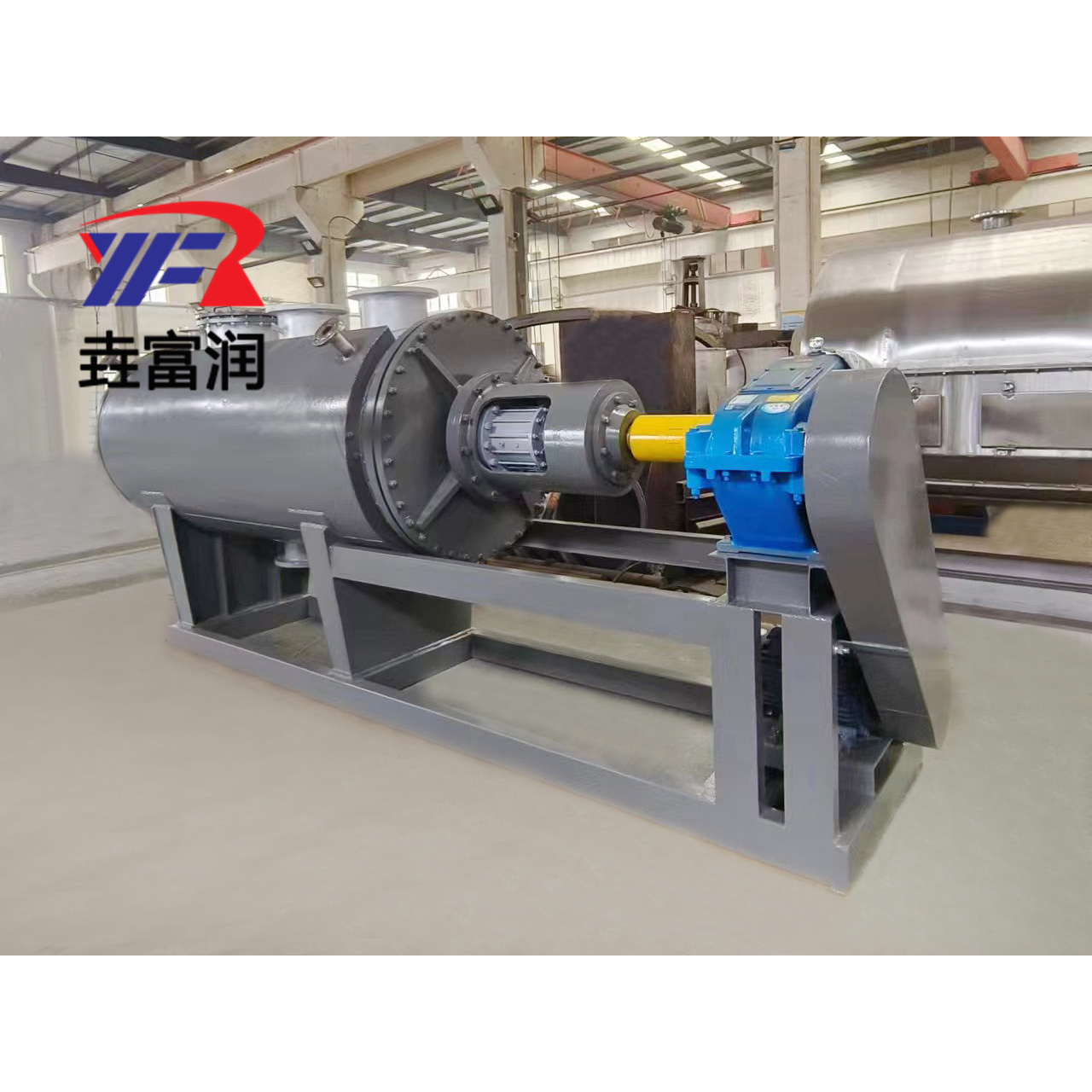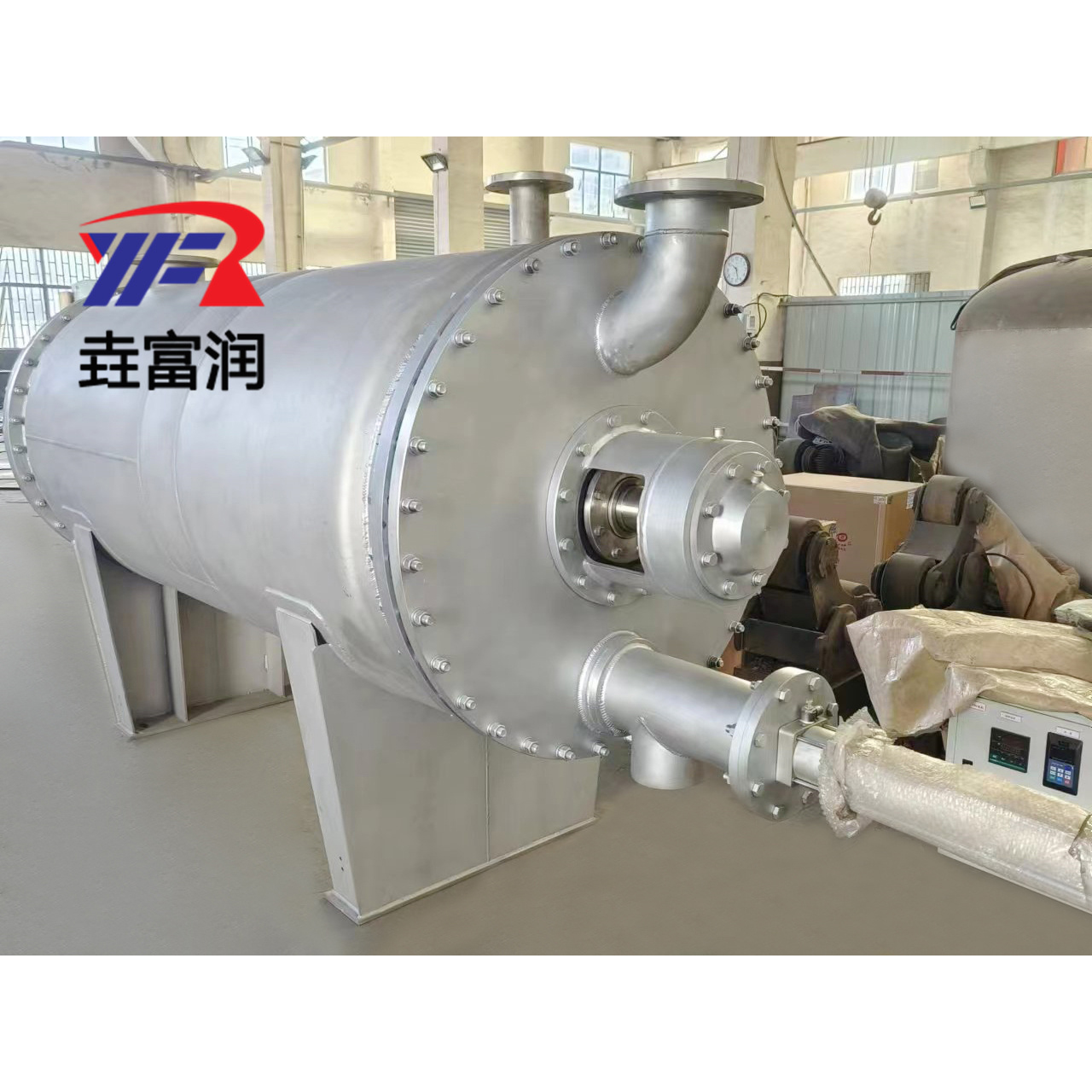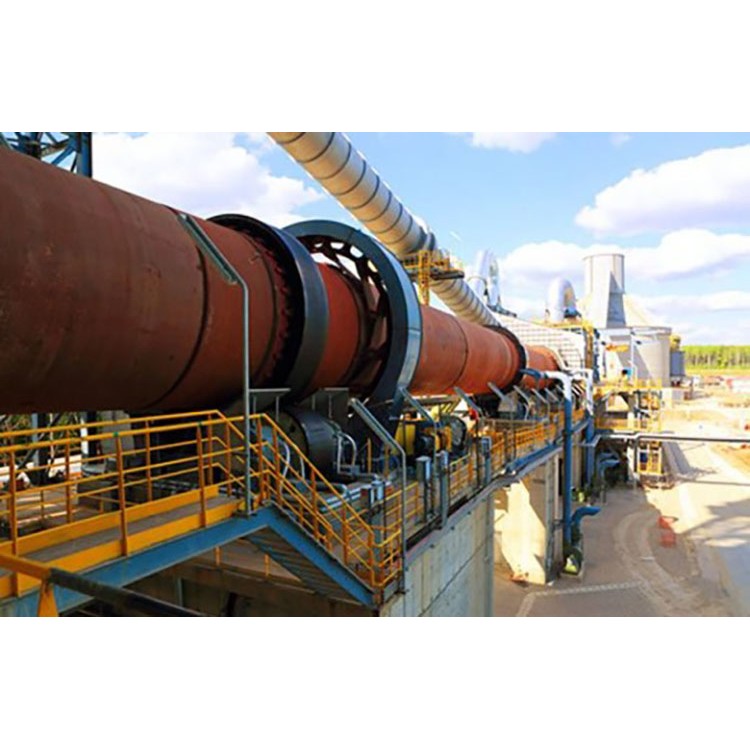

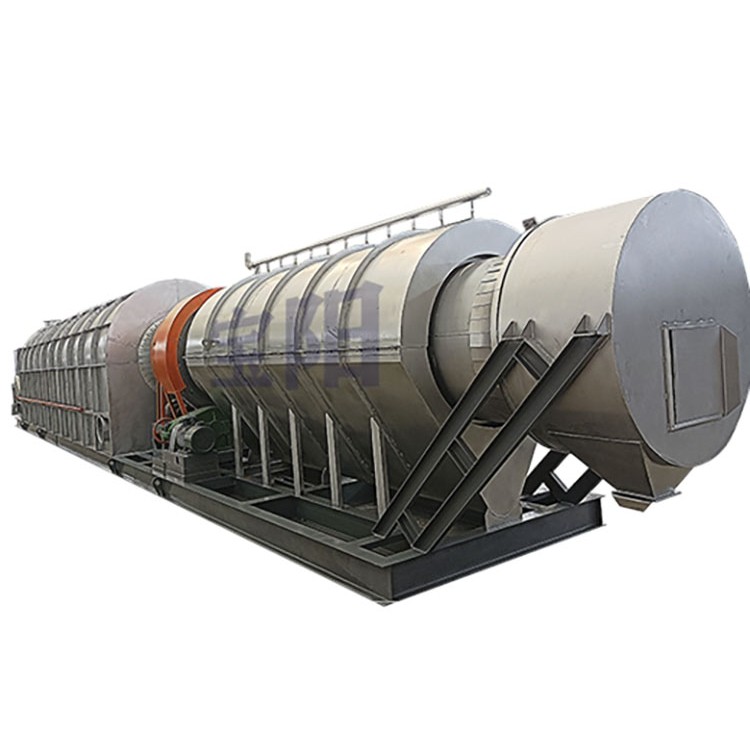

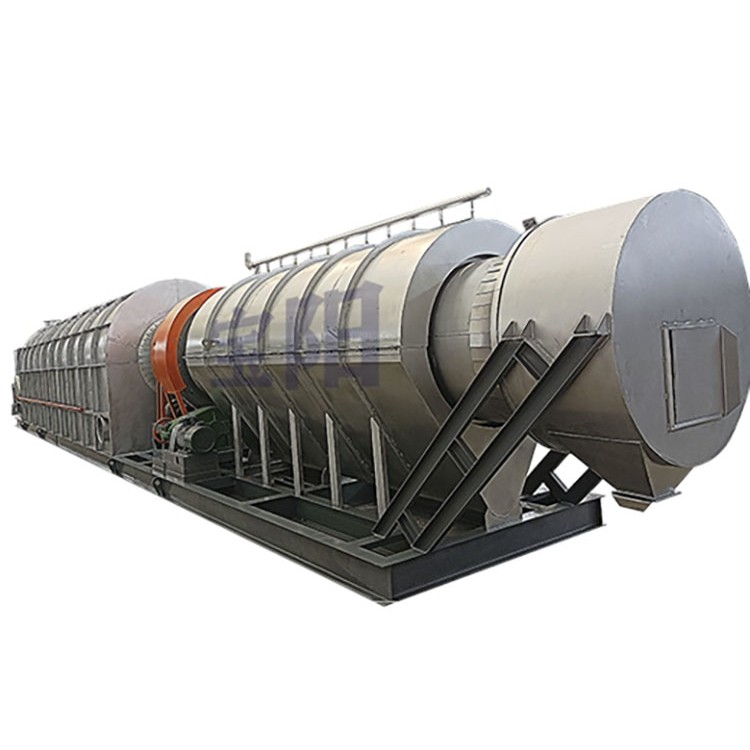
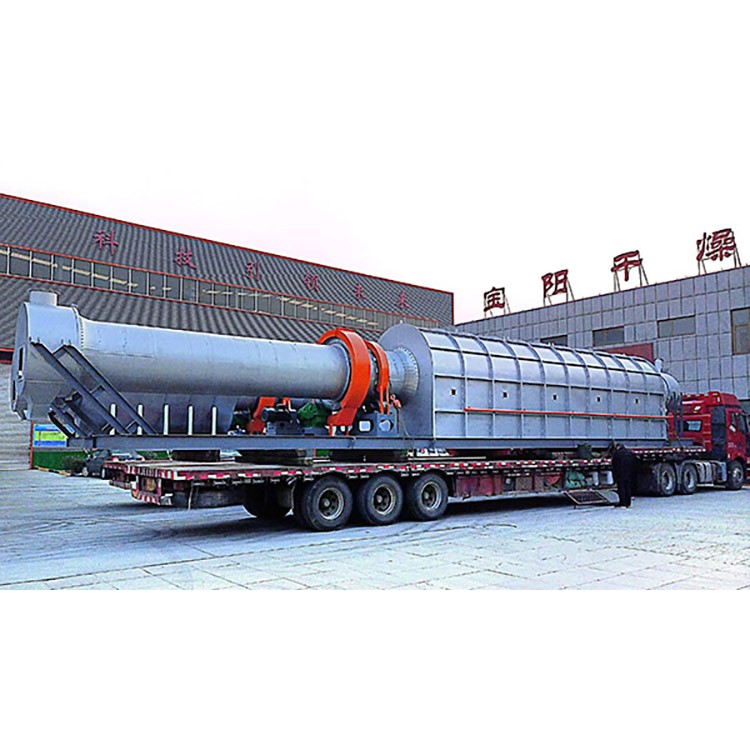
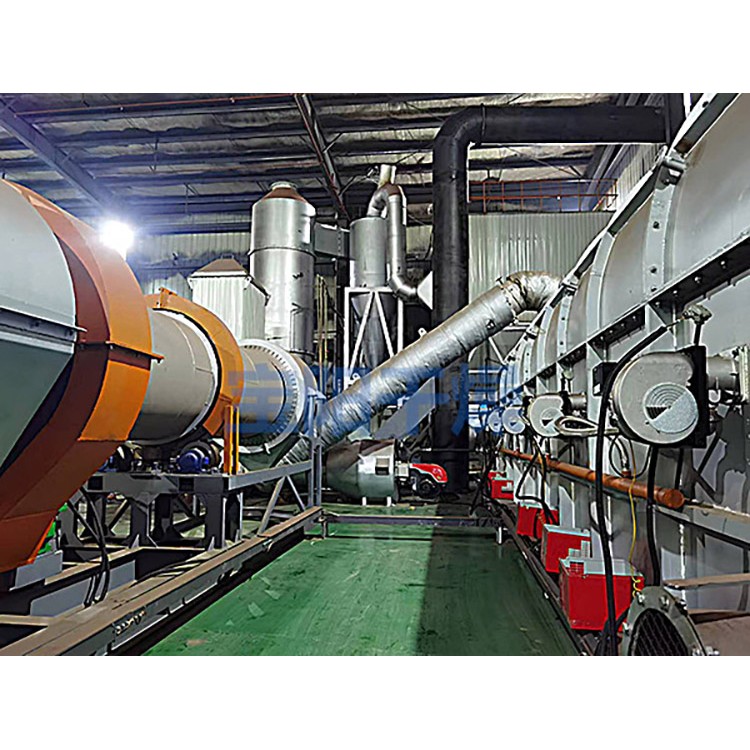


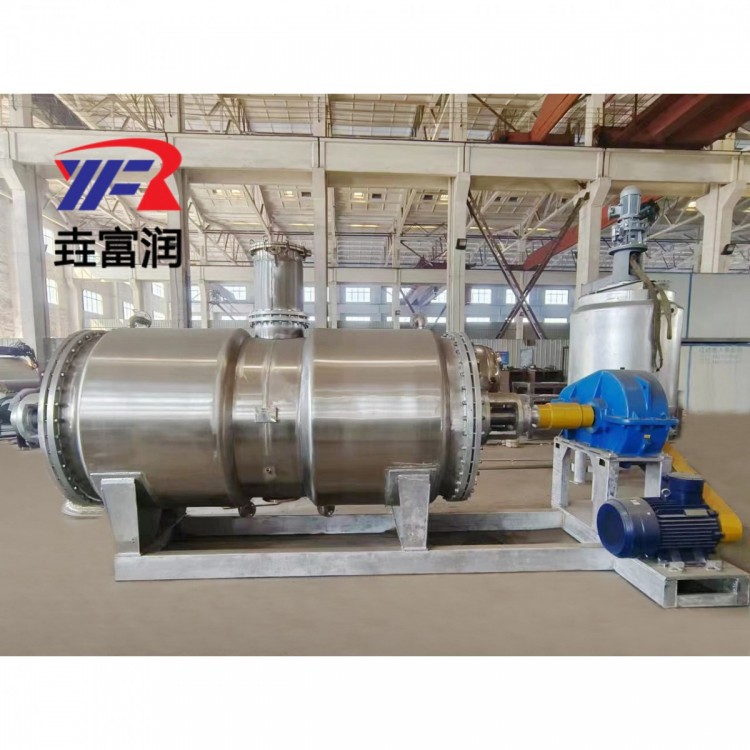
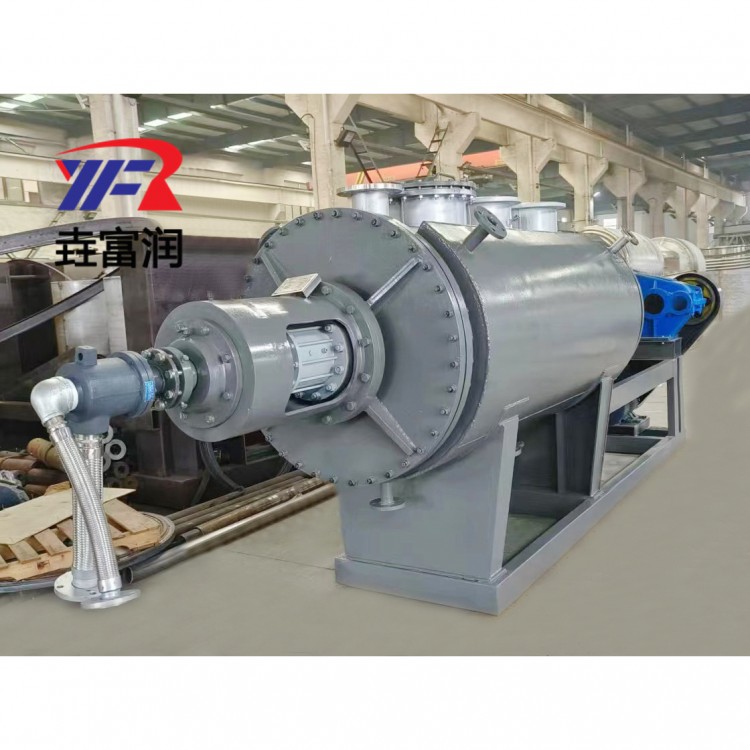
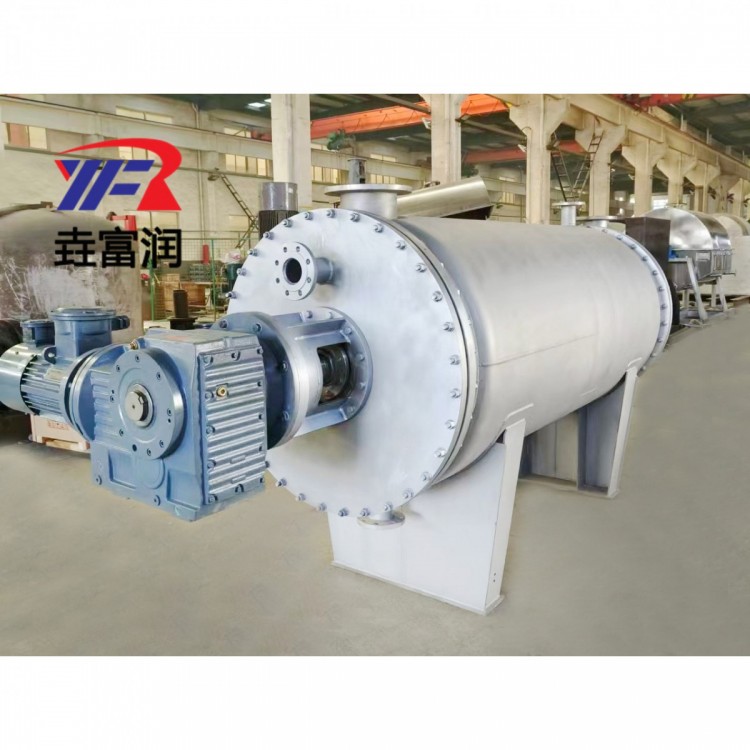
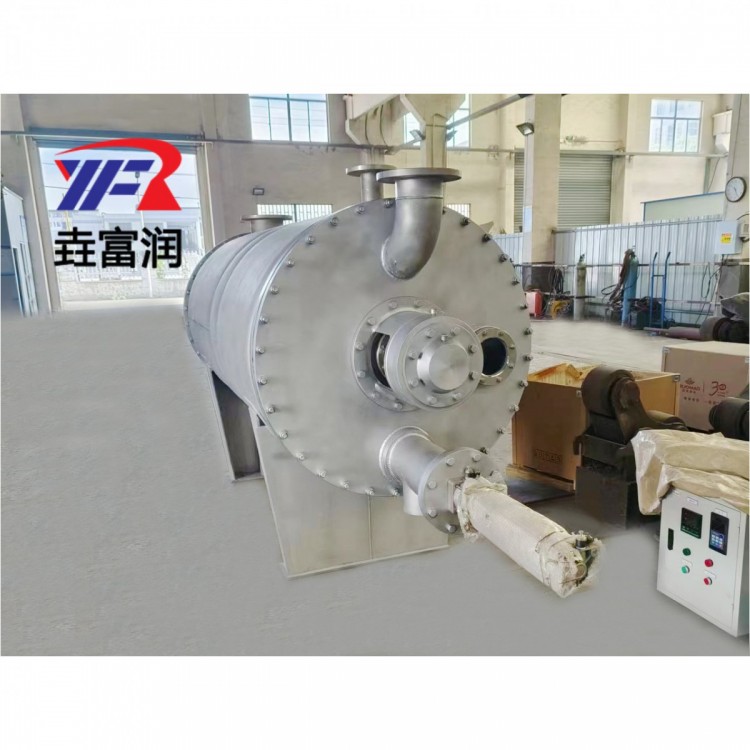
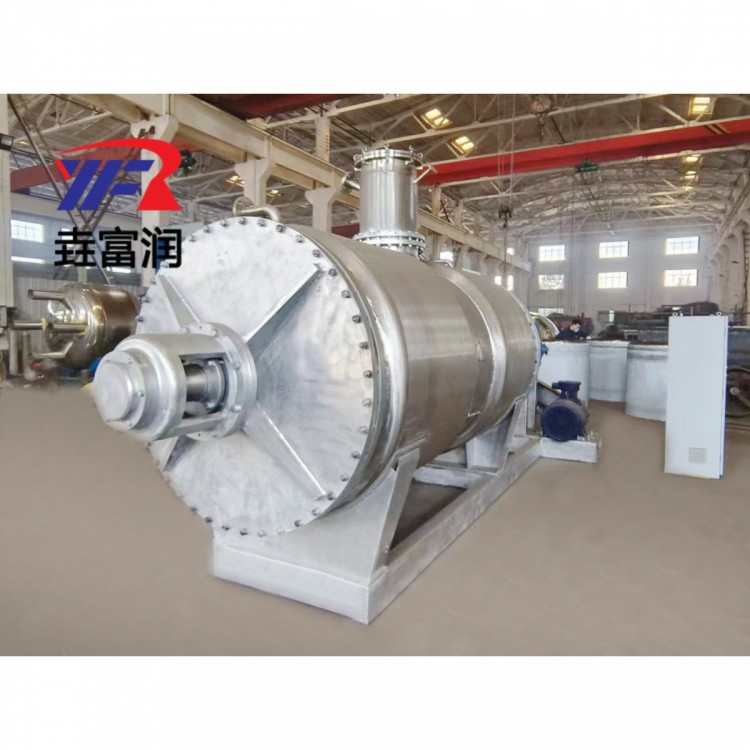





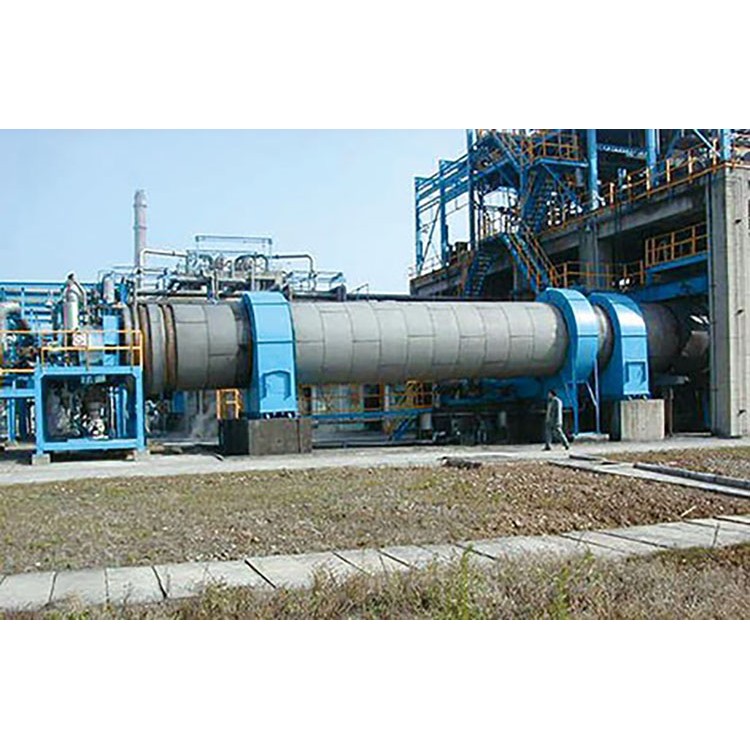
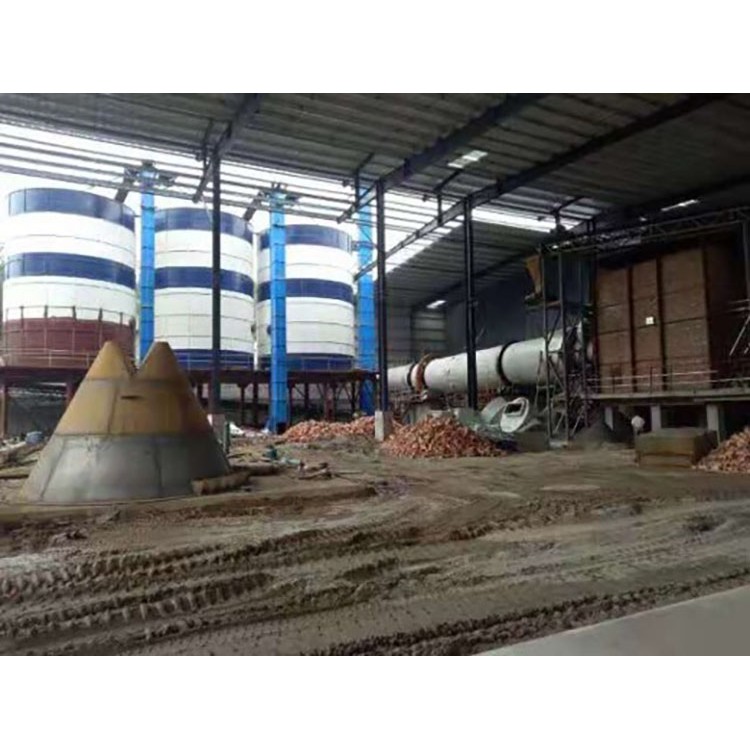
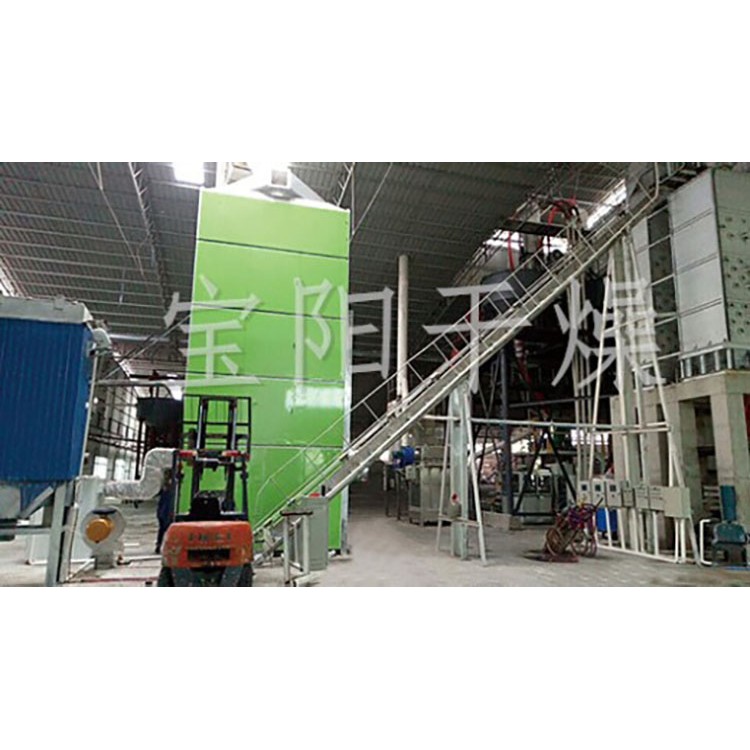
Equipment Introduction:
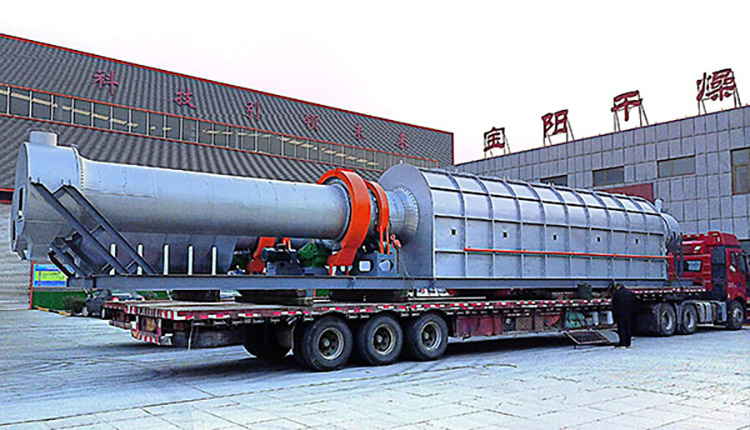
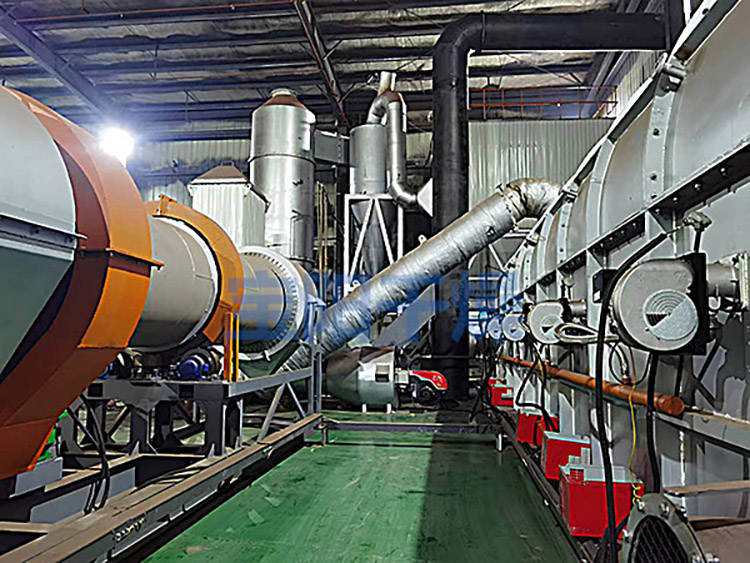
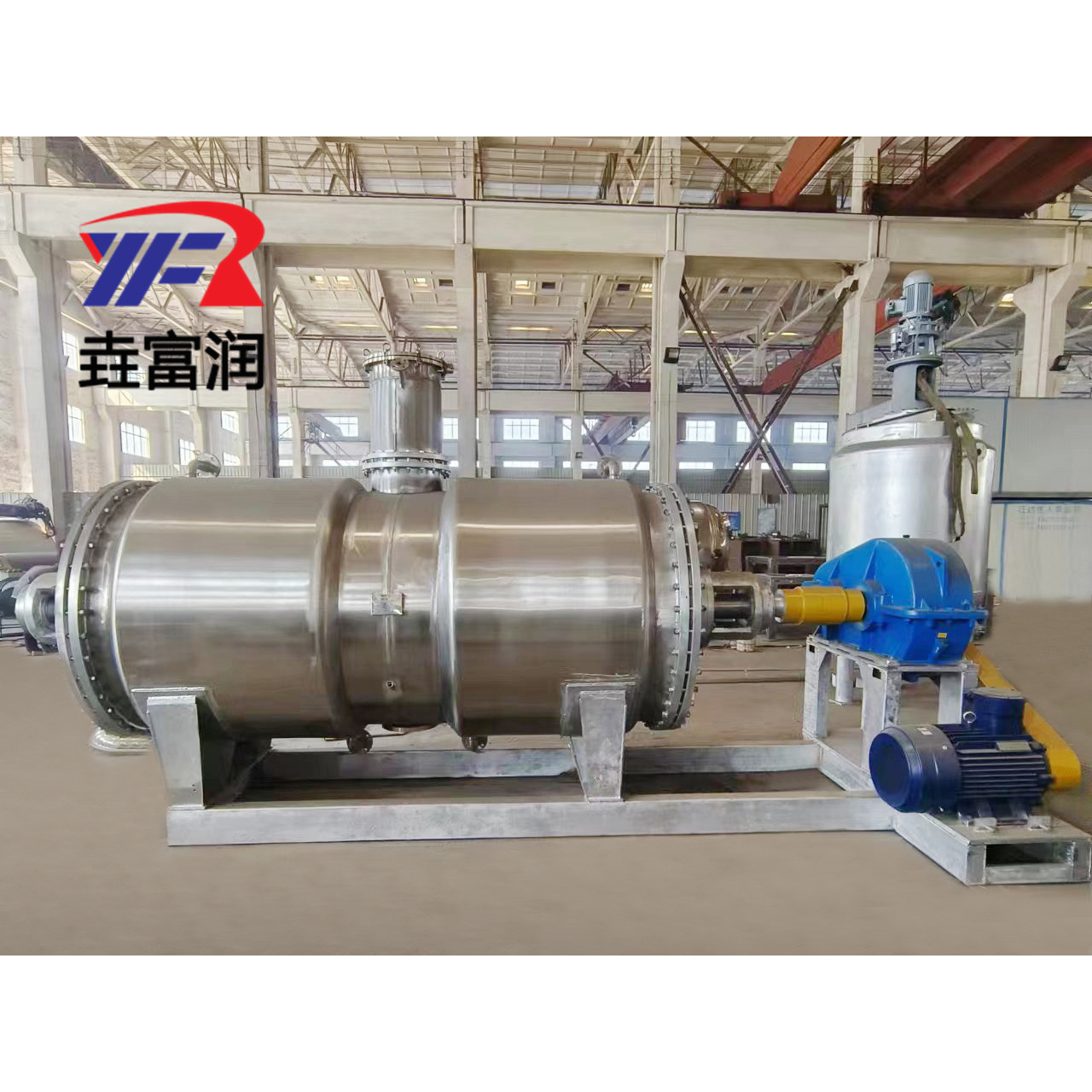
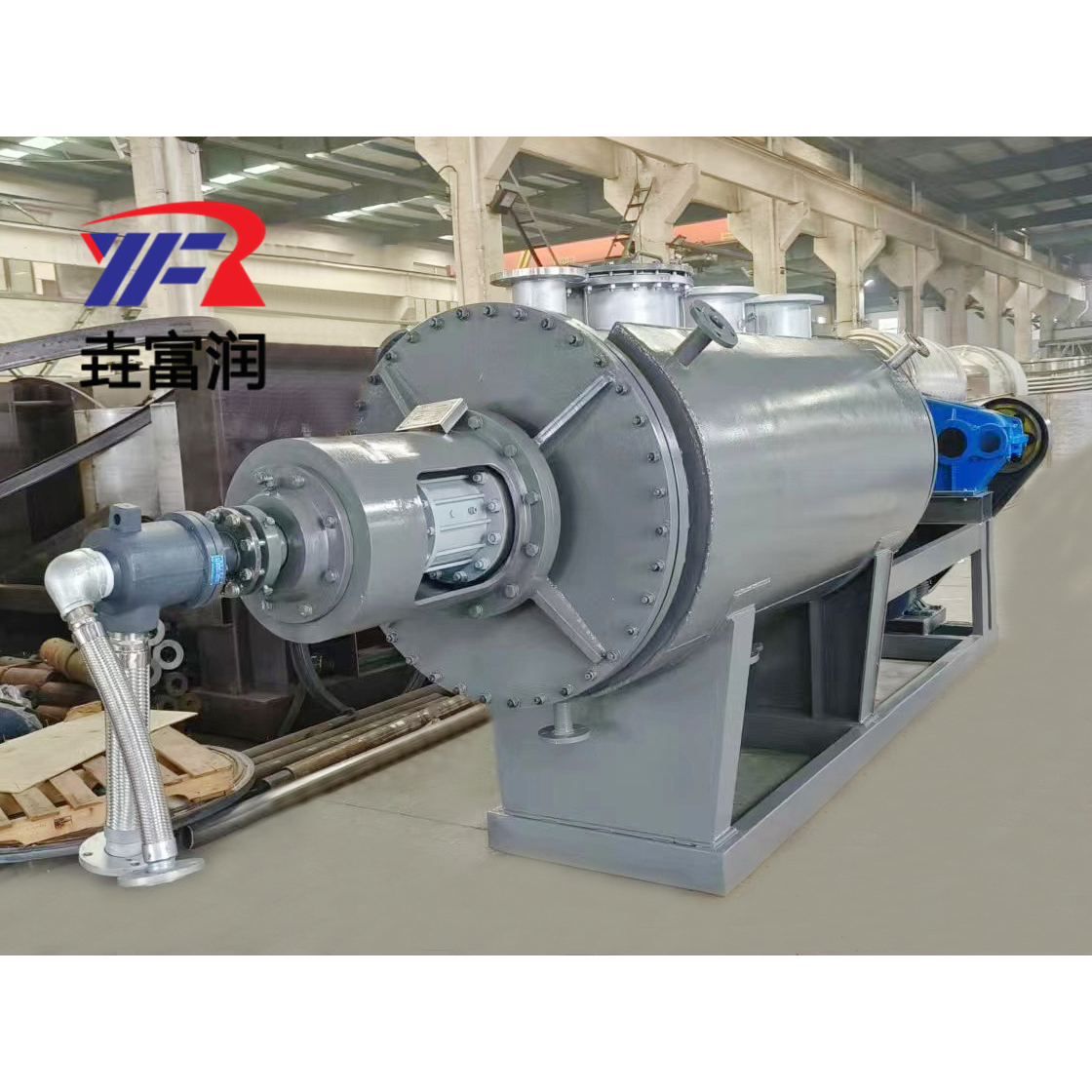
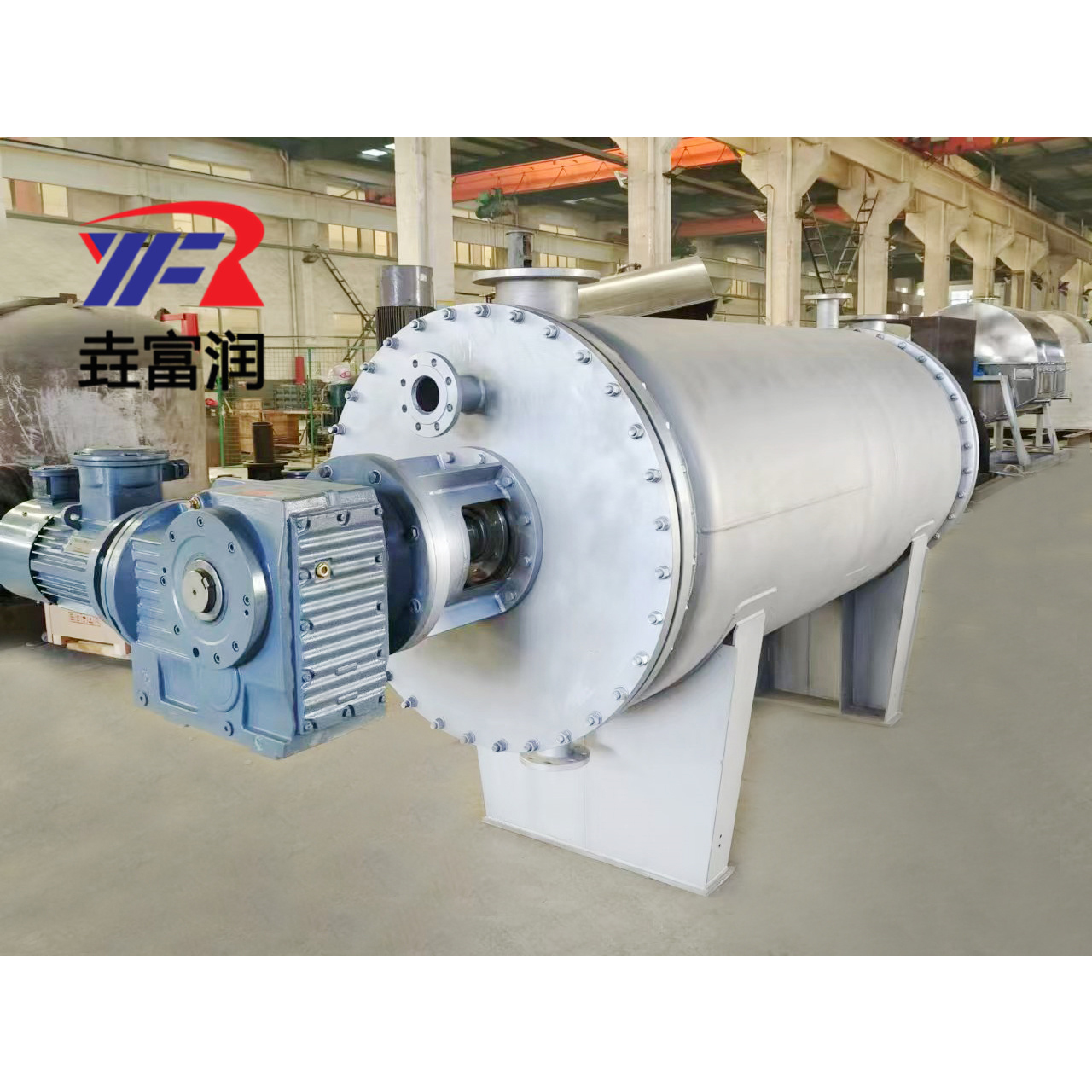
A rotary kiln is a device for high-temperature heating treatment of powdered or granular materials, primarily used in processes such as activation, oxidation, reduction, pyrolysis, and crystal transformation. It is widely applied in drying various negative materials, petcoke, and ferric phosphate.
Working Principle:
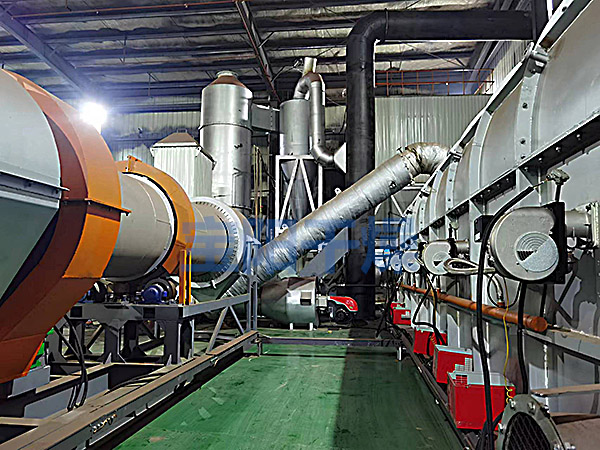
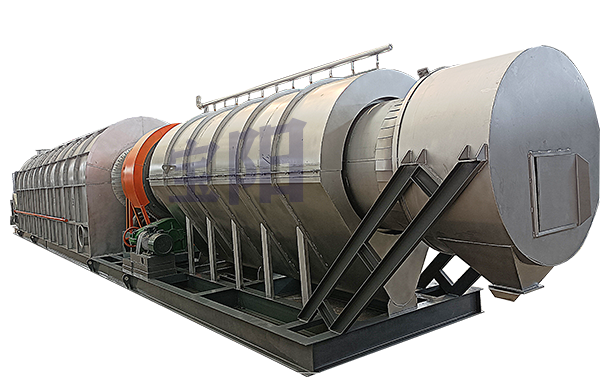
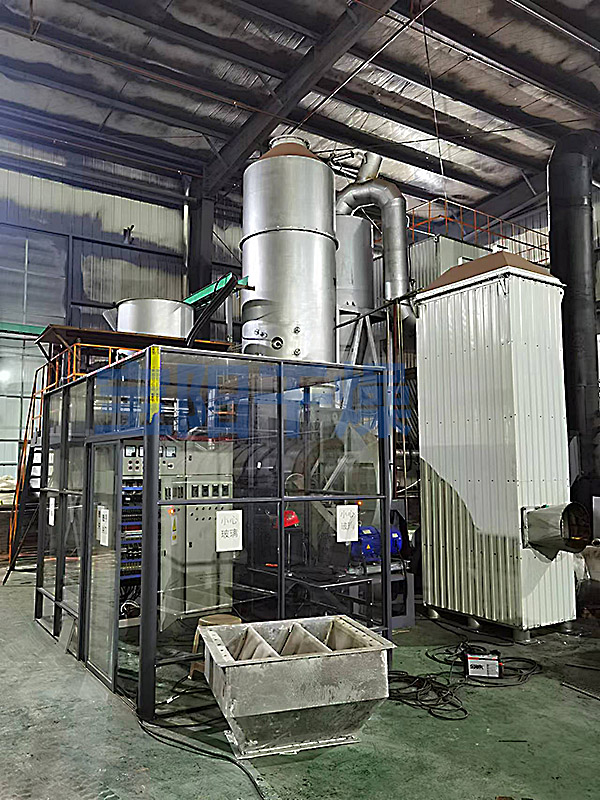
The rotary kiln calciner typically consists of a furnace tube, heating system, insulation system, pre-cooling system, and control system. Before normal operation, the kiln must be dried. Once the kiln temperature reaches the process requirements, the wet material to be calcined is transported to the hopper feeding plate and sent into the tube by a screw conveyor. The heating system uses gas heating for calcination. After calcination is complete, the material undergoes water cooling in the second half of the pre-cooling tube due to its high temperature, which is divided into two stages for cooling. The furnace tube operates horizontally or inclined; the inclined tube rotates slowly, with the material being calcined and moving forward simultaneously, and then discharged from the tail end into the next process. The material's residence time in the tube is controlled by adjusting the tilt angle and speed of the rotating drum.
Product Features:
1. Heat sources can be gas, coal, or high-temperature flue gas, etc.
2. Heating methods available include direct heating or indirect heating.
3. Pyrolysis temperature is monitored, with operating temperatures reaching 350-1100°C
4. The baking time can be adjusted by means of rotation speed, tilt angle, etc.
5. Based on the material characteristics and the calcination process curve, a variety of kiln ladle forms are selected for calcining furnaces.
6. Insulating fire brick protection, with minimal heat loss.
7. Excellent sealing performance, high level of automation, stable operation, suitable for long-term continuous operation
8. Durable construction, minimal maintenance, easy to maintain, and long-lasting.