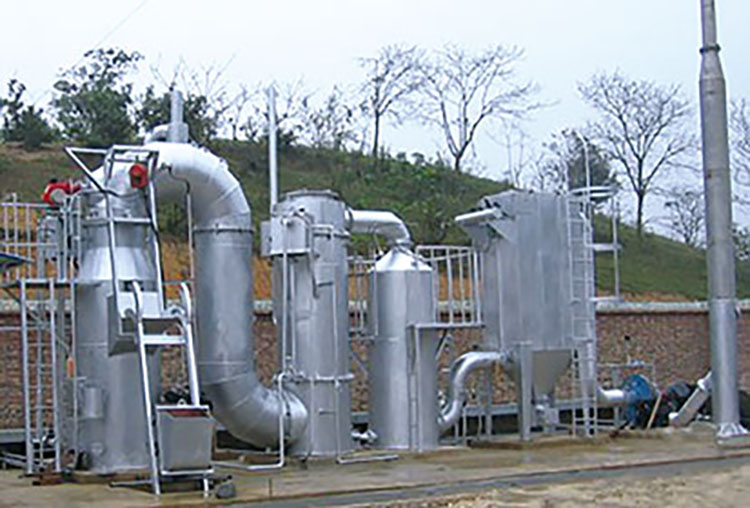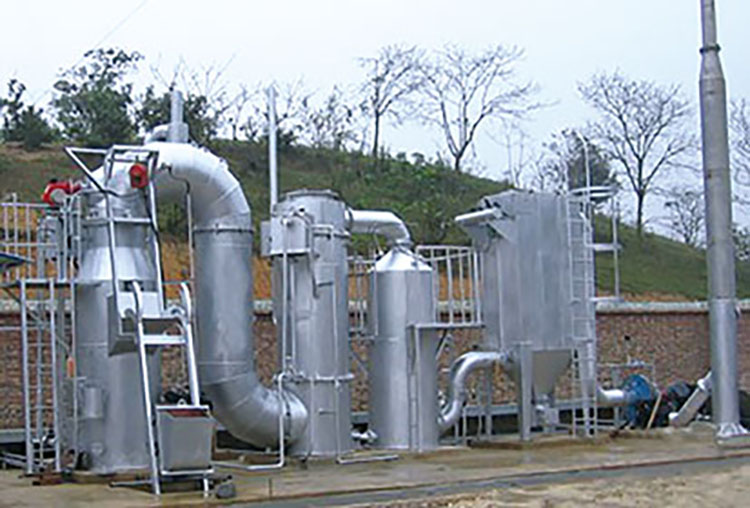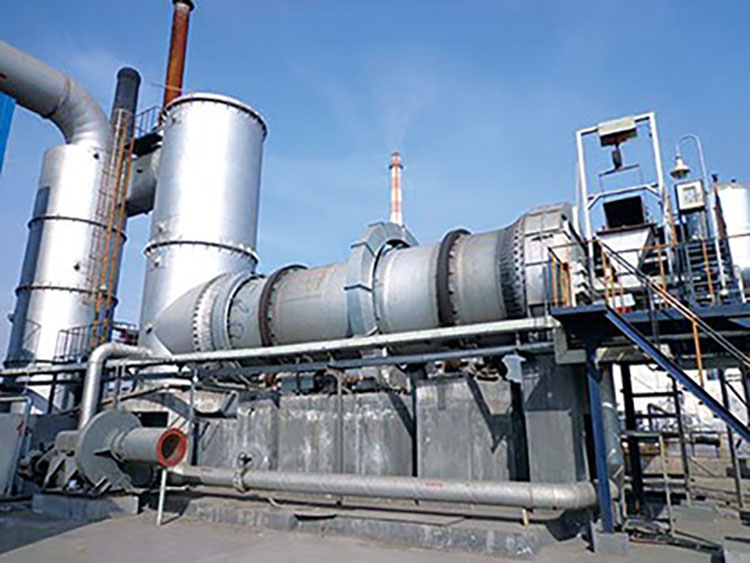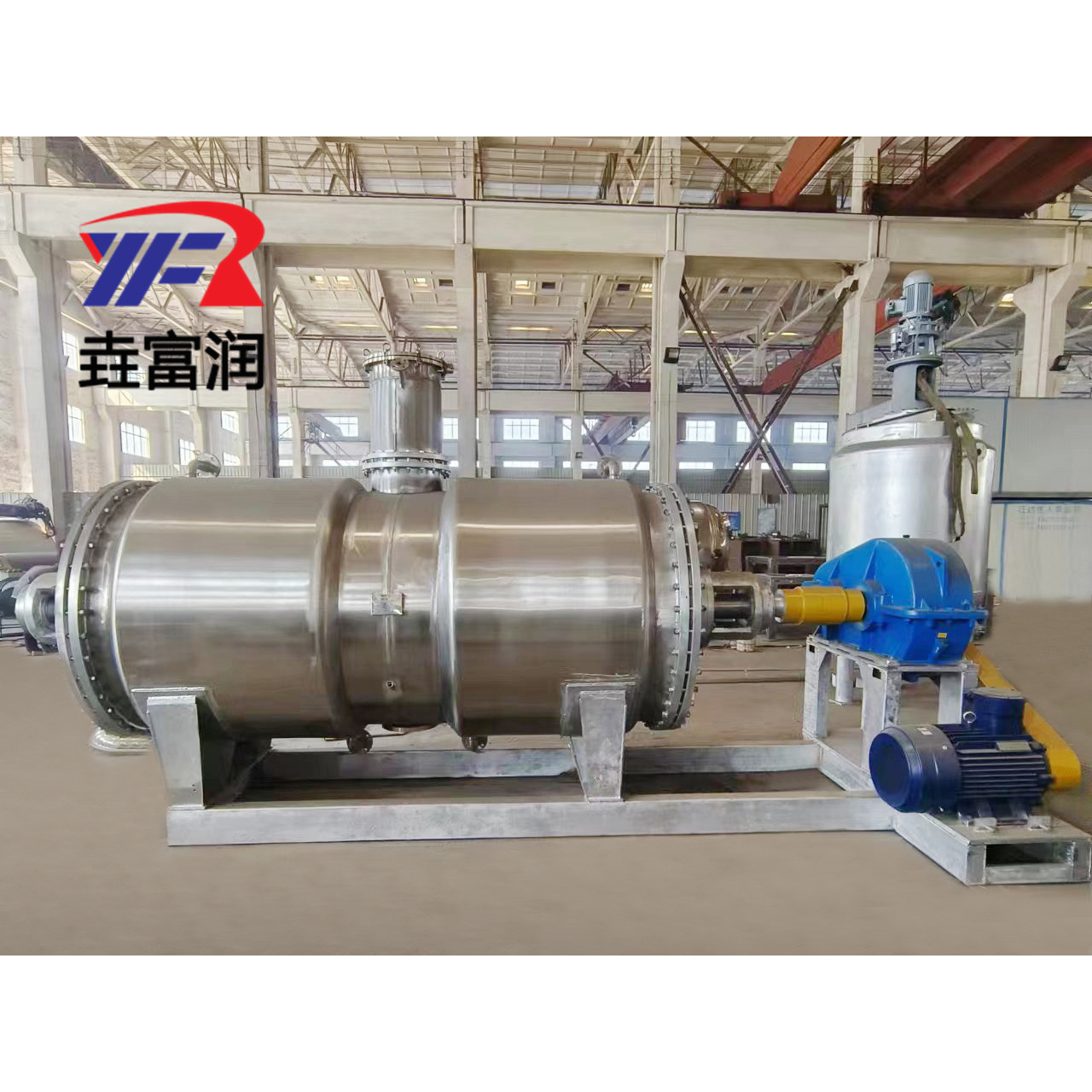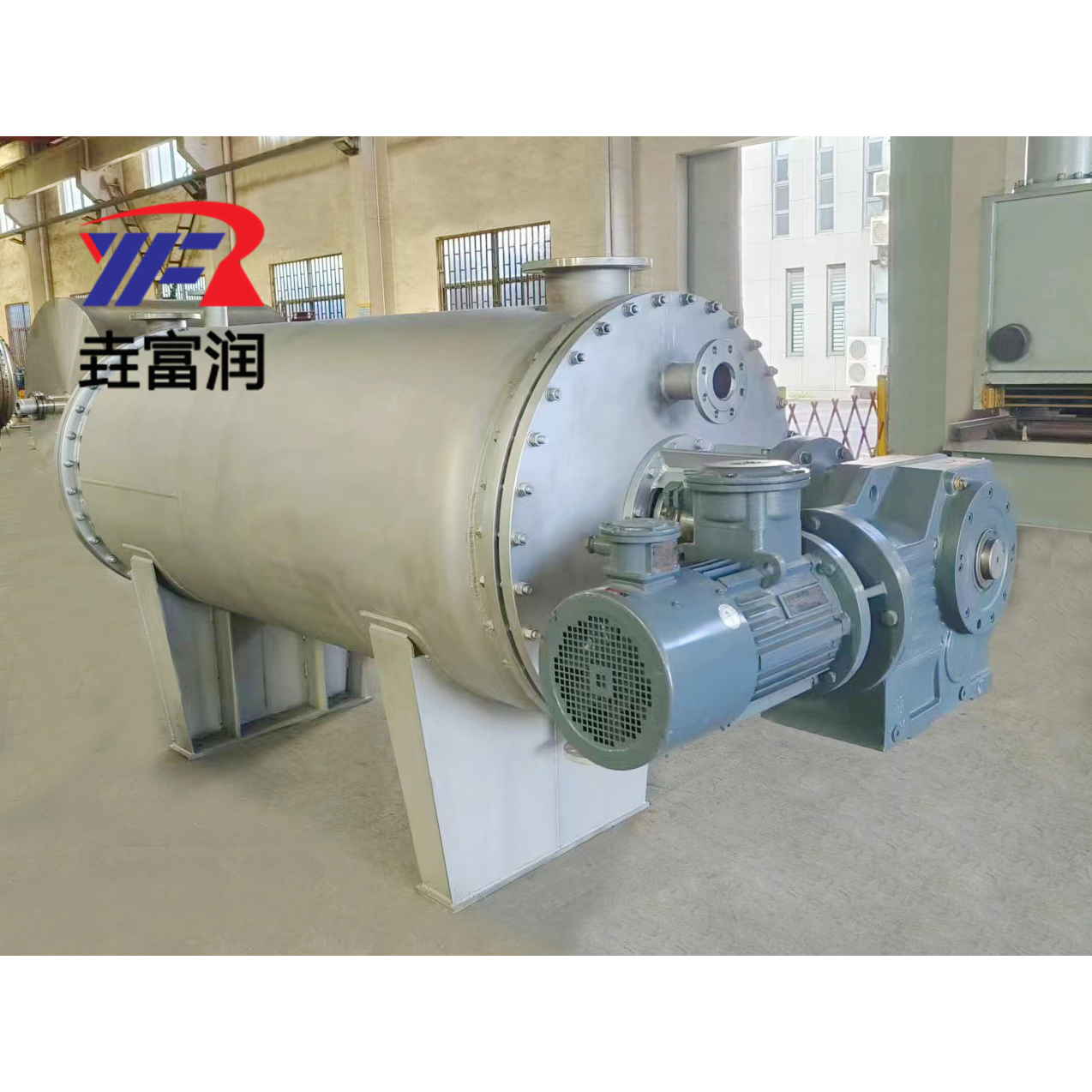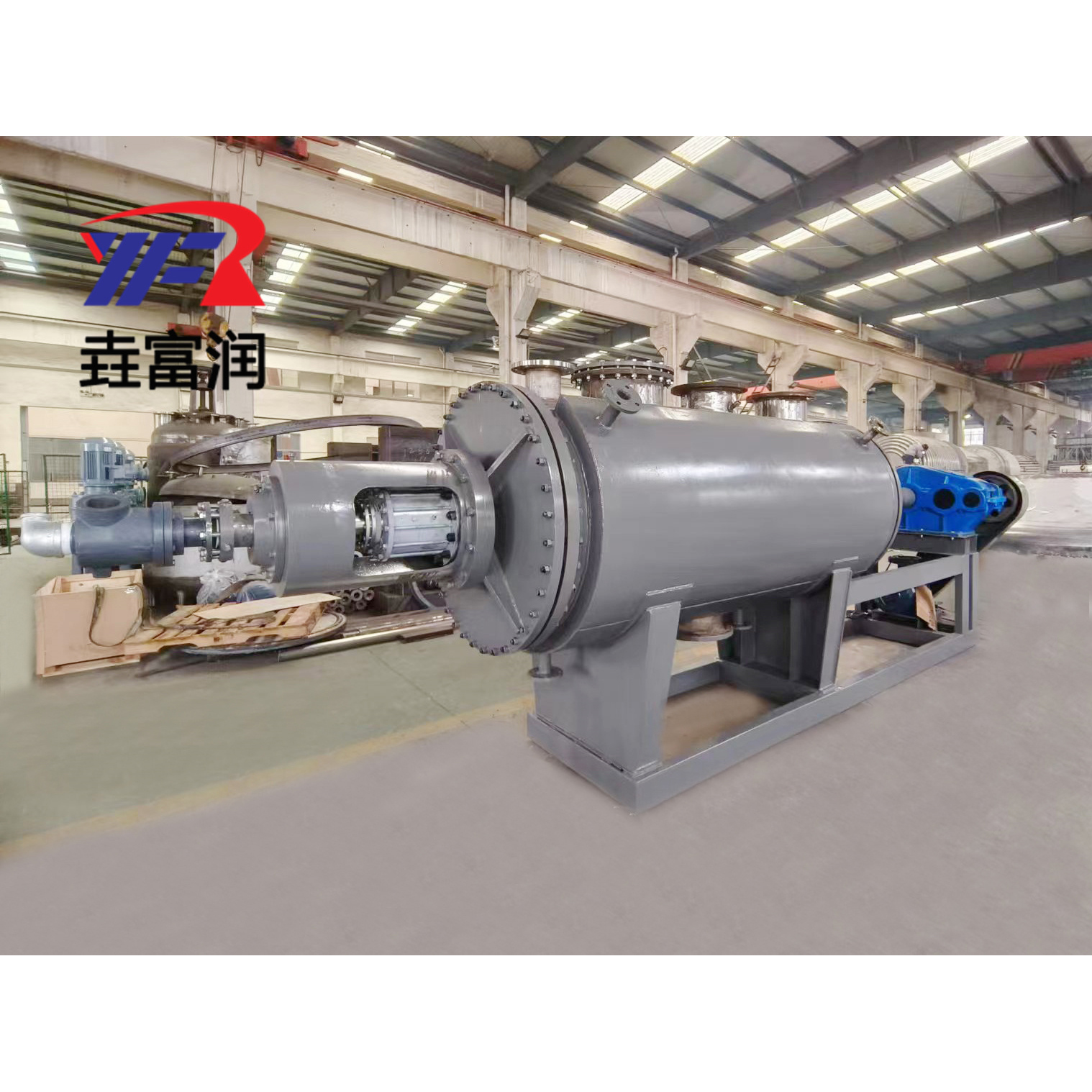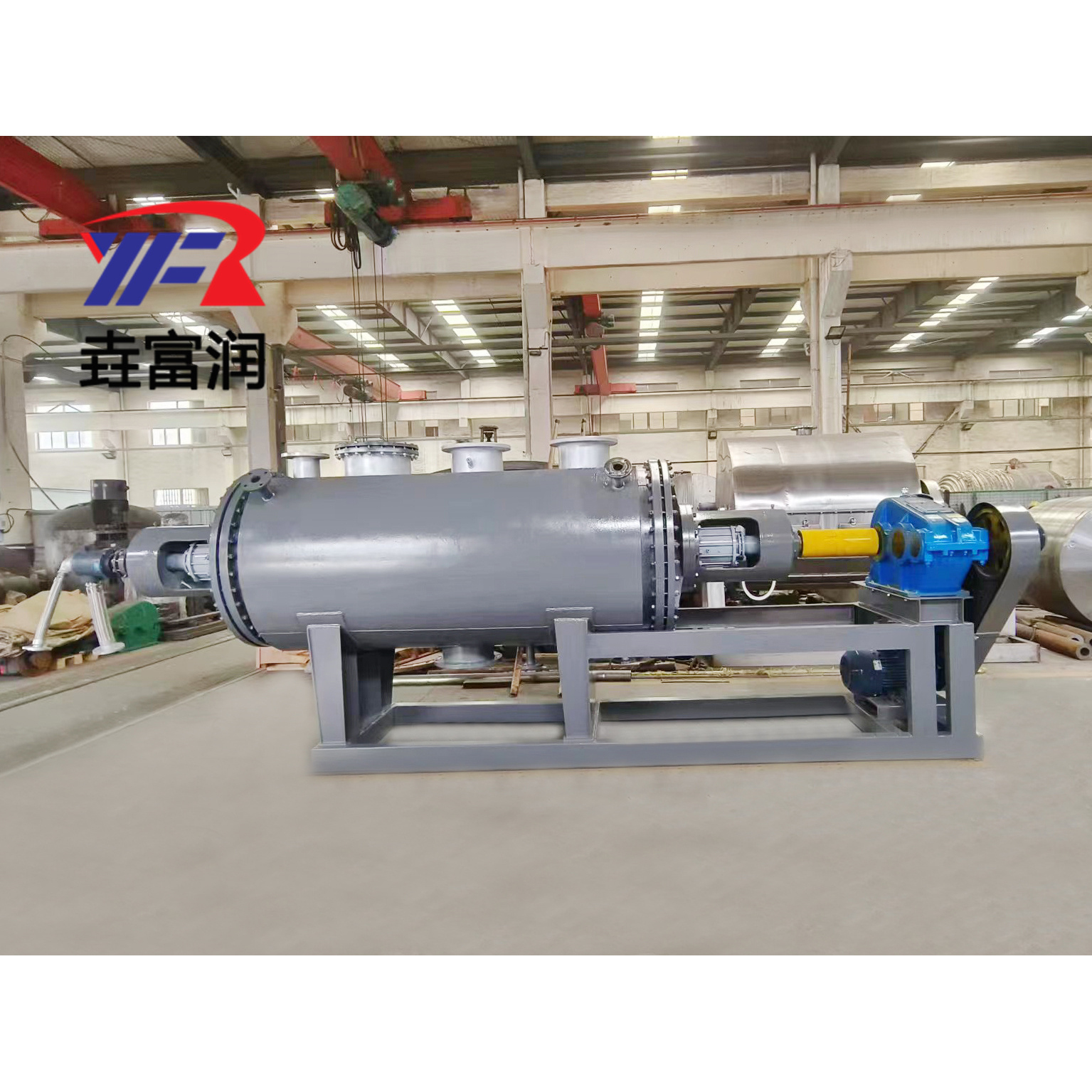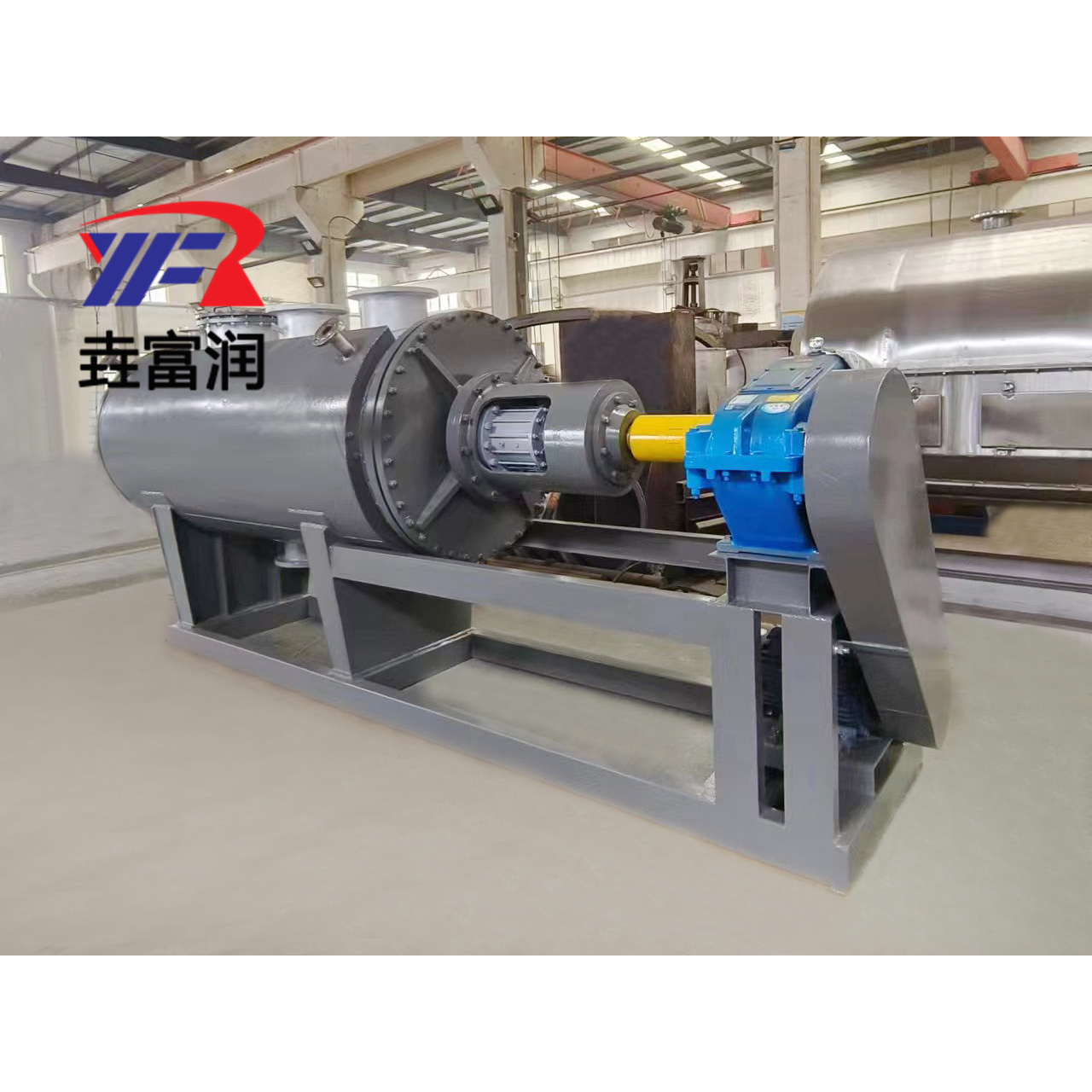

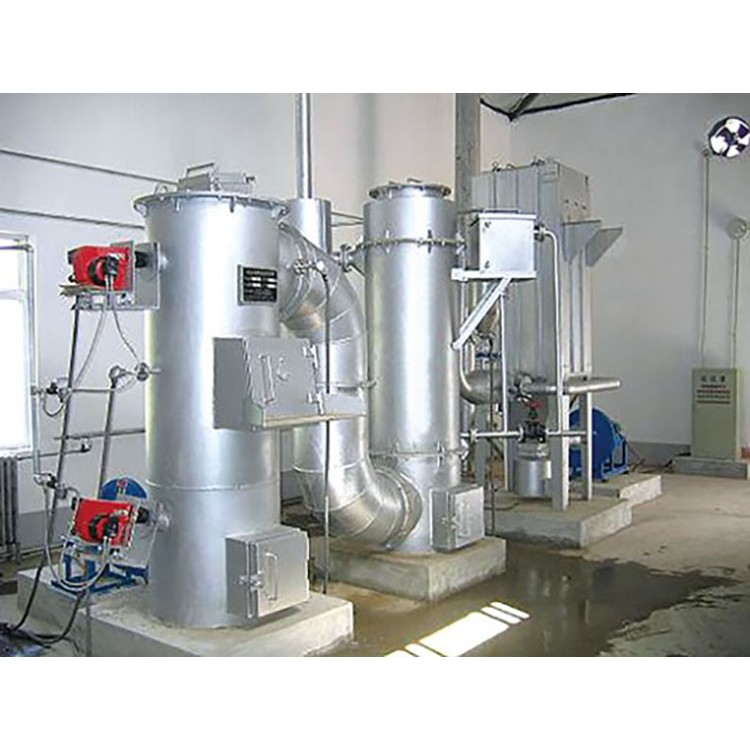

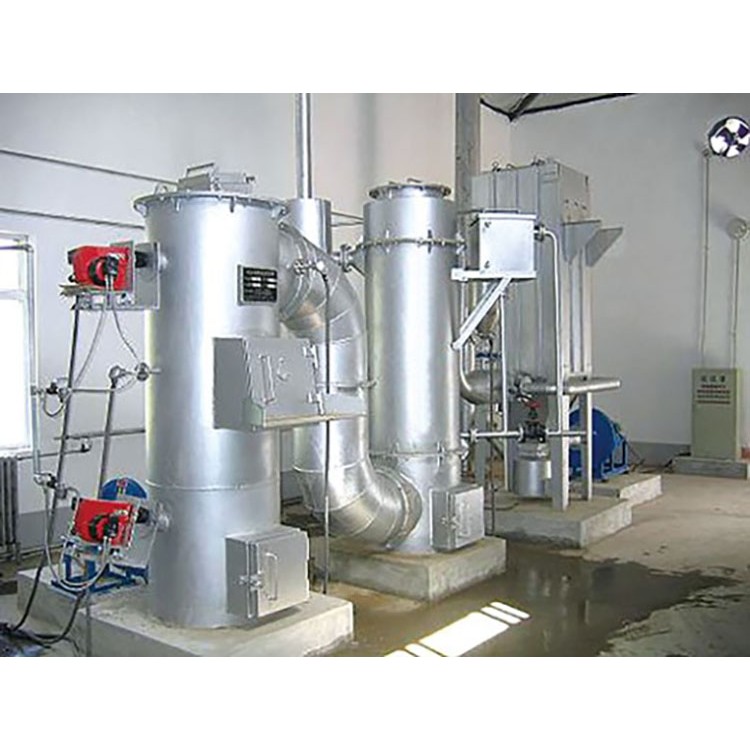
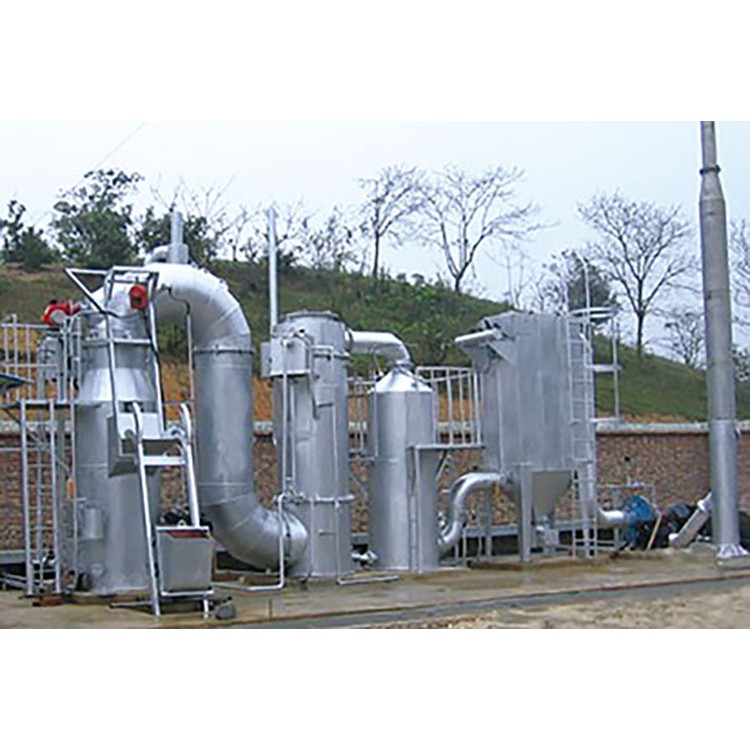







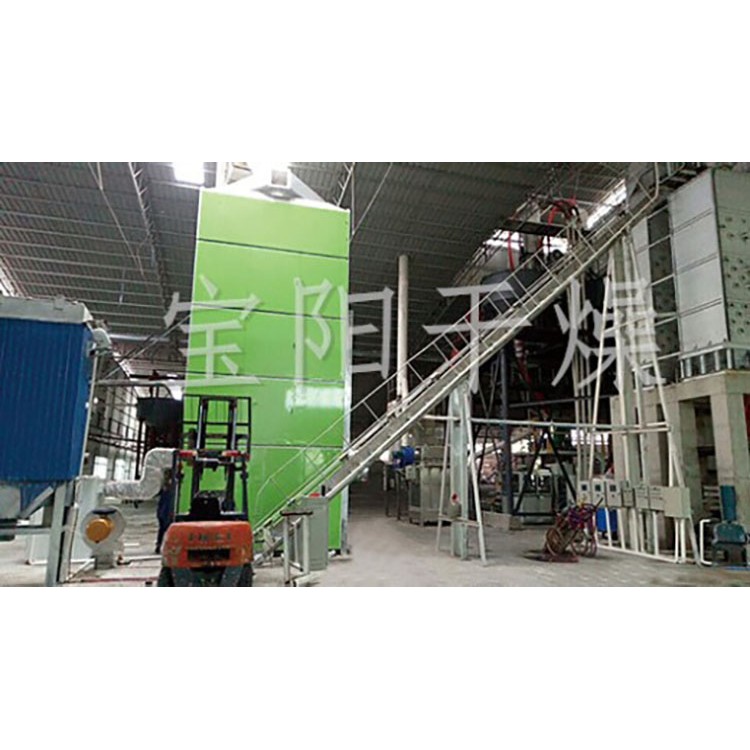
Vertical waste incinerator, a device for burning domestic waste, where domestic waste is burned inside the furnace, turning into flue gas that enters the secondary combustion chamber. It is then fully combusted under the forced combustion of the burner and enters a spray-type deduster. After dust removal, it is discharged into the atmosphere through the chimney. Mainly suitable for domestic waste and general industrial waste, the general industrial waste is treated with high-temperature combustion, secondary aeration, and advanced technology for automatic slag unloading to meet the requirements for waste discharge monitoring.
The complete treatment system consists of an ignition system, a combustion system, a dust collector system, and an electrical control system. The ignition system is primarily equipped with a gas-fired burner, which serves to ignite the furnace and assist in the combustion of materials (when the material has a low calorific value and cannot sustain its own combustion). Natural gas fuel and air are mixed and burned within the burner combustion head, and the combustion parameters can be adjusted by controlling the combustion air and head, allowing the combustion gases to be recirculated within the combustion head, thereby reducing emissions of pollutants, especially nitrogen oxides (NOx). It features automatic management of the combustion program, flame detection, automatic fault judgment and alerts. The burner can automatically ignite under the control of a programmable controller. It has features such as automatic ignition, extinguishing protection, fault alarms, and boasts a strong flame intensity, stable combustion, good safety, and a wide range of power adjustments. The burner can manually adjust the air flow to change the size of the flame; it is equipped with an internal pressure regulating valve to ensure stable outlet pressure; and it can also adjust the gas flow by modifying the supply gas pressure.
Incineration system, the furnace body is constructed with high-strength refractory materials, insulation materials, and thermal insulation materials on top of the grate, which reduces the heat loss of the furnace body and improves incineration efficiency; externally clad with steel plates to prevent gas leakage and keep the surface temperature of the furnace body below 50°C. A maintenance door is located on the side of the furnace body, along with auxiliary ignition burners. The furnace body is equipped with an operation platform. Inside the furnace chamber, flue gas washes the material from bottom to top, drying the moisture in the material and causing it to ignite promptly. Moreover, the refractory materials in the furnace chamber store heat and radiate onto the material, ensuring the combustion temperature of the material and extending the residence time of the flue gas, thereby completely burning organic matter in the material and fly ash, and increasing the destruction rate of harmful substances. The exterior is protected by a steel plate layer to prevent air leakage. All combustion products are fully decomposed, and the waste remains in the incinerator at approximately 600°C for about 1 hour.
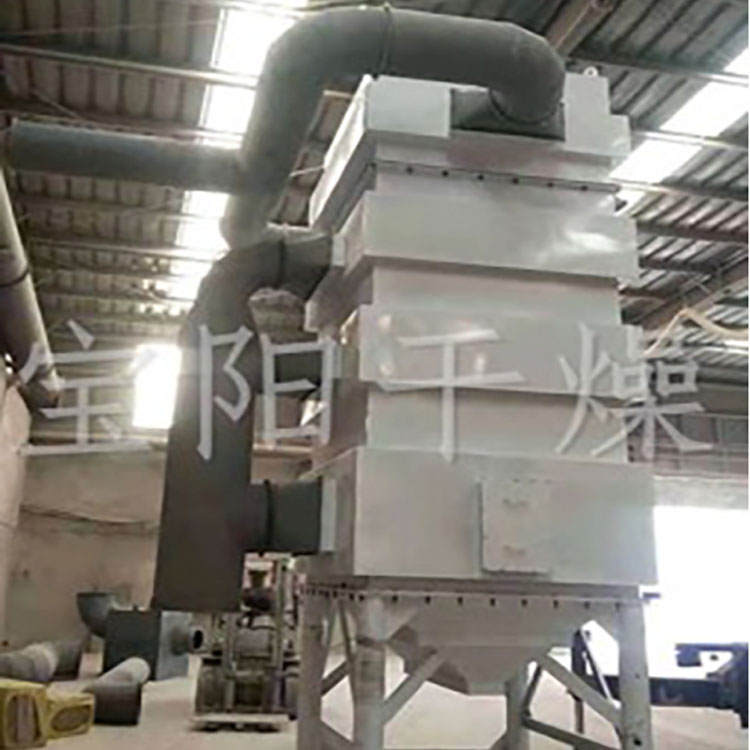
Dust collector system, this solution employs centrifugal dust collectors to remove dust from flue gas after incineration, followed by several components including an emergency cooling system, activated carbon injection, baghouse dust collectors, wet desulfurization, and flue gas reheating units. Emergency cooling is achieved by using a spray system to rapidly lower the temperature of the flue gas, preventing the reformation of dioxins. Semi-dry desulfurization involves injecting a certain amount of lime into the flue gas to react with acidic substances, while controlling moisture to achieve the "spray drying" reaction process. The by-products of dry desulfurization are mainly dry solids, resulting in no wastewater or sludge. The particle collection measures for flue gas involve baghouse dust collectors. Before entering the baghouse, a certain amount of activated carbon powder is sprayed into the flue gas to adsorb harmful substances such as heavy metals and dioxins, which are then effectively captured and removed in the baghouse. After passing through the baghouse, the flue gas enters a packed bed absorption tower for further desulfurization treatment. The flue gas is then reheated by the flue gas reheating system to temperatures above 120°, ensuring that the exhaust gas meets emission standards.
The electrical control system includes: the main power supply for the entire equipment set, individual equipment power distribution control switches; start/stop control for both the complete set and individual units, as well as protective circuits, alarms, and operation panels. Centralized control is employed, enabling monitoring and alarm functions for the entire system, thereby enhancing the reliability of system control.