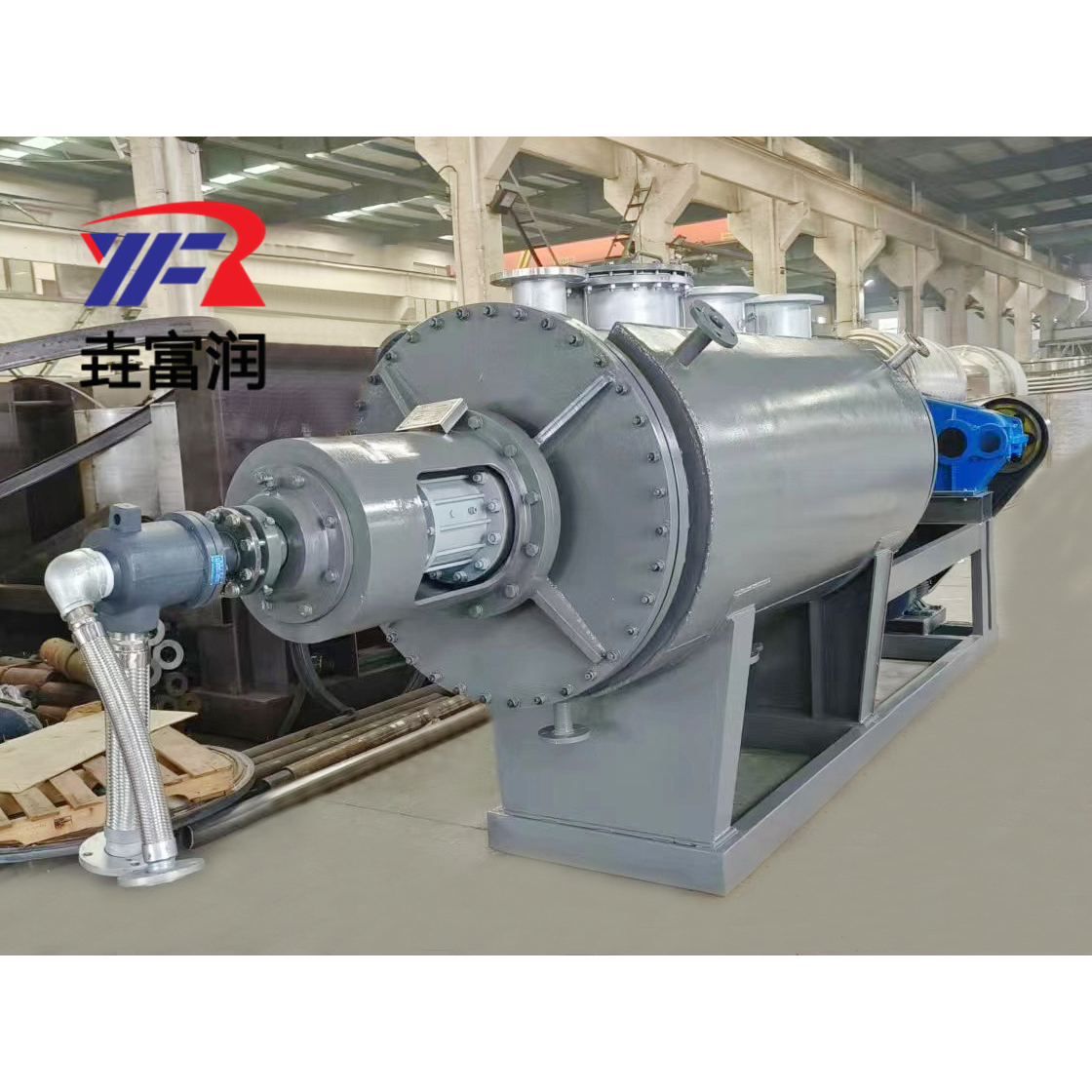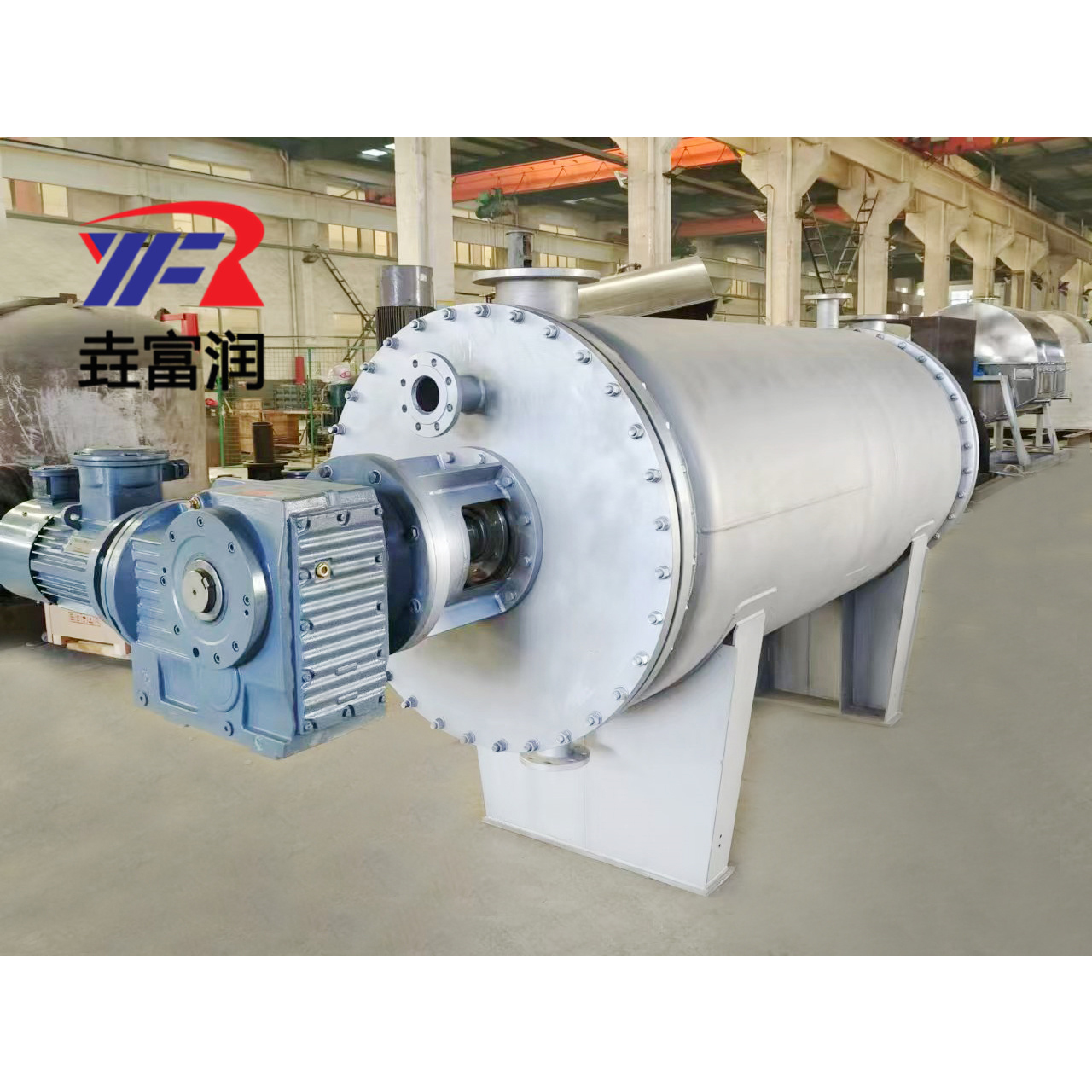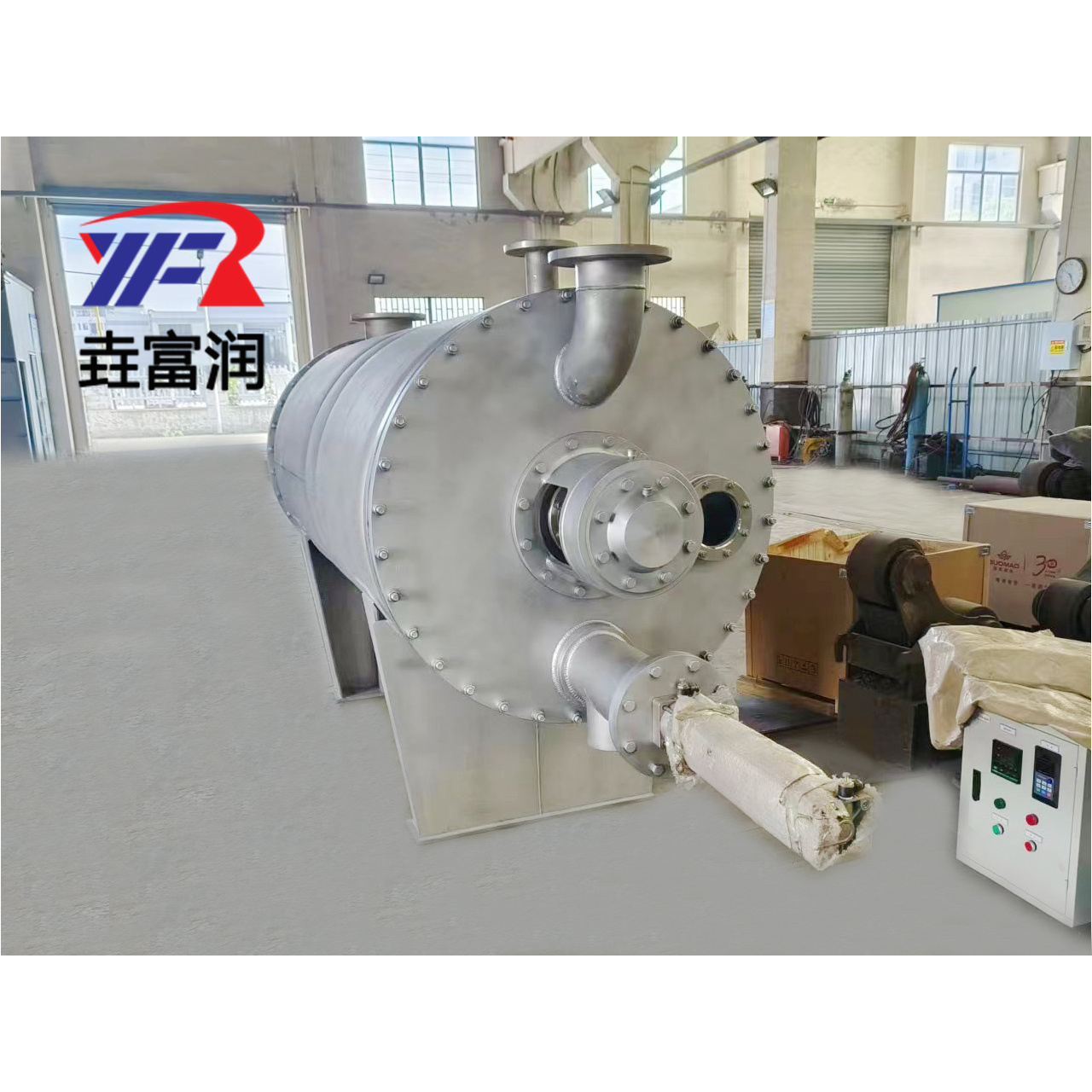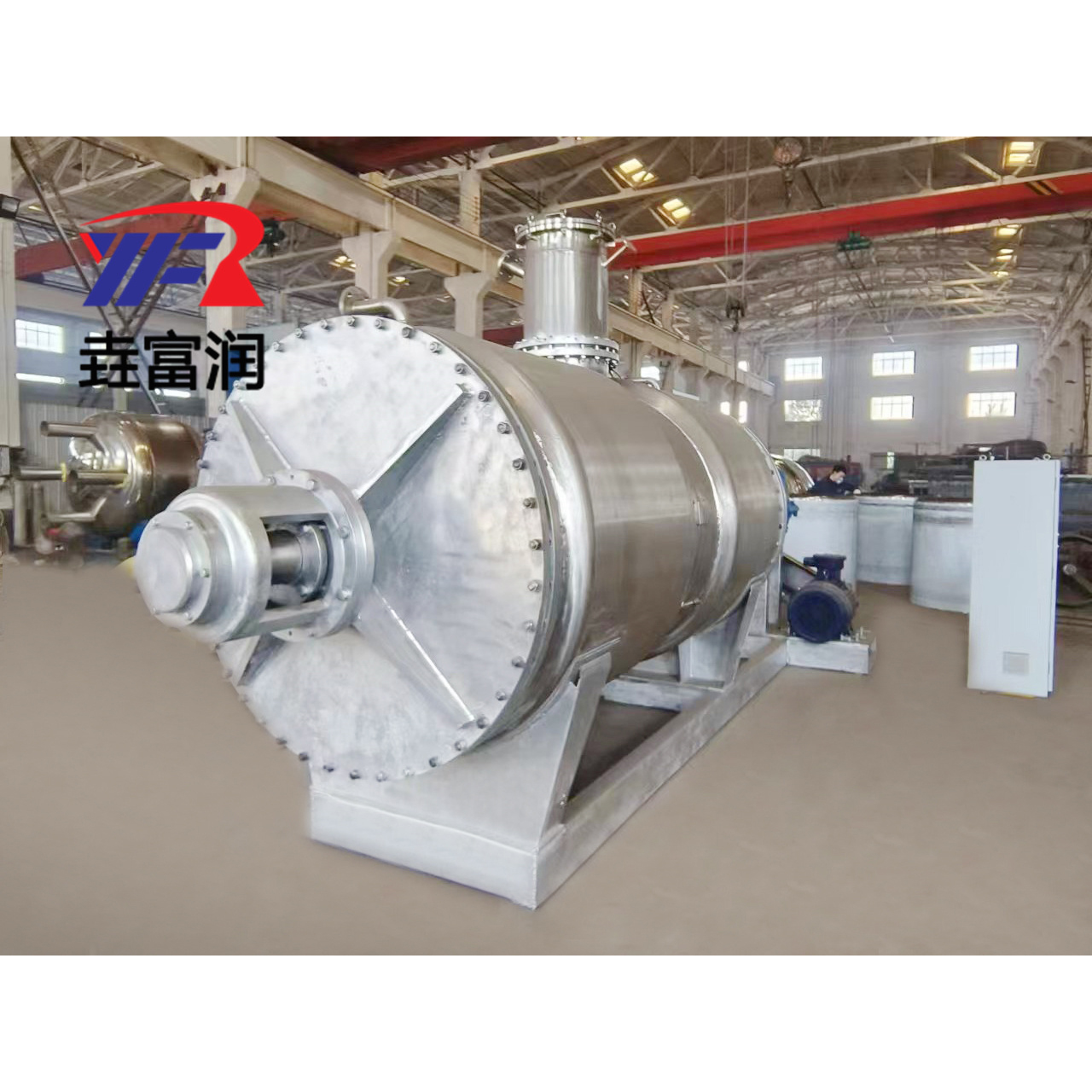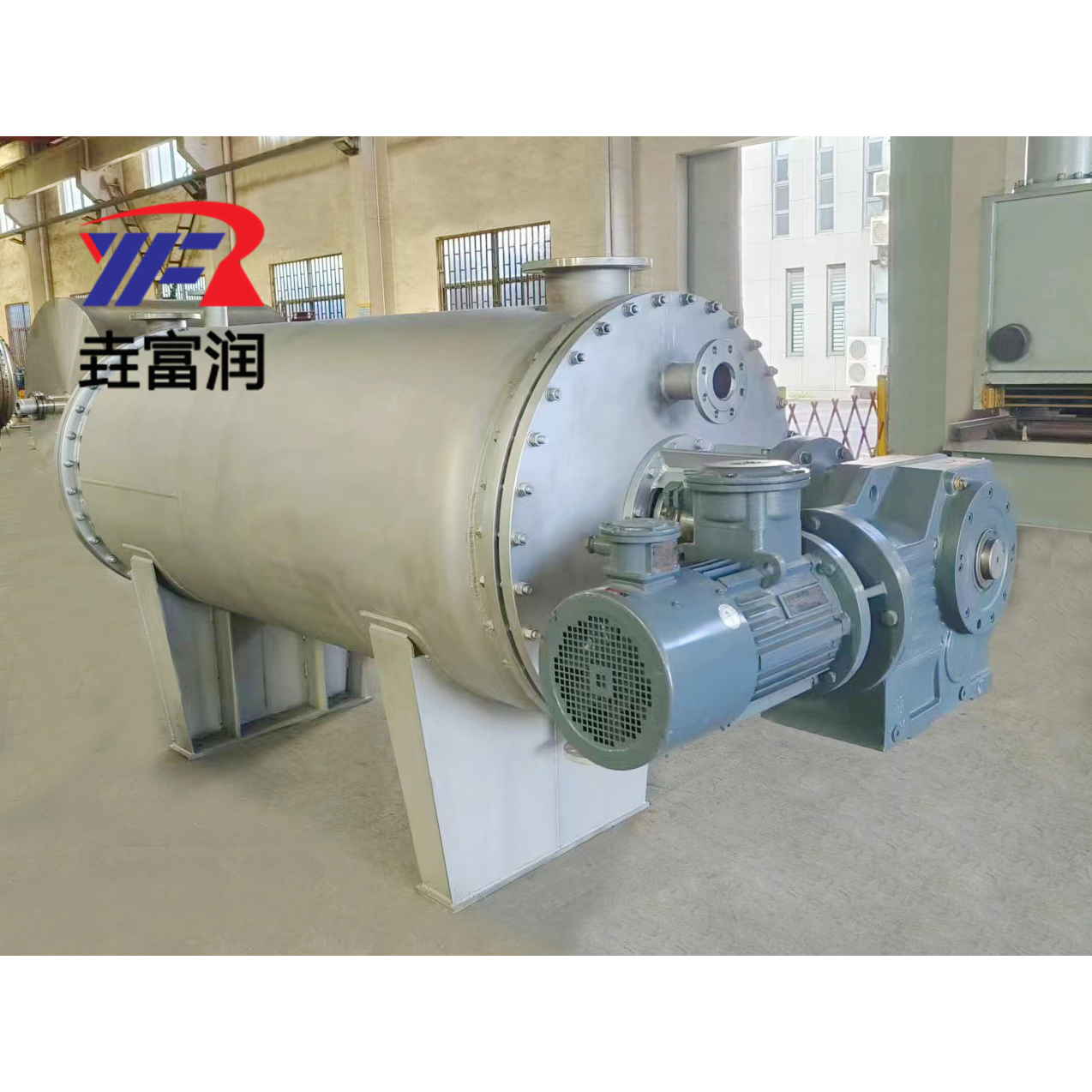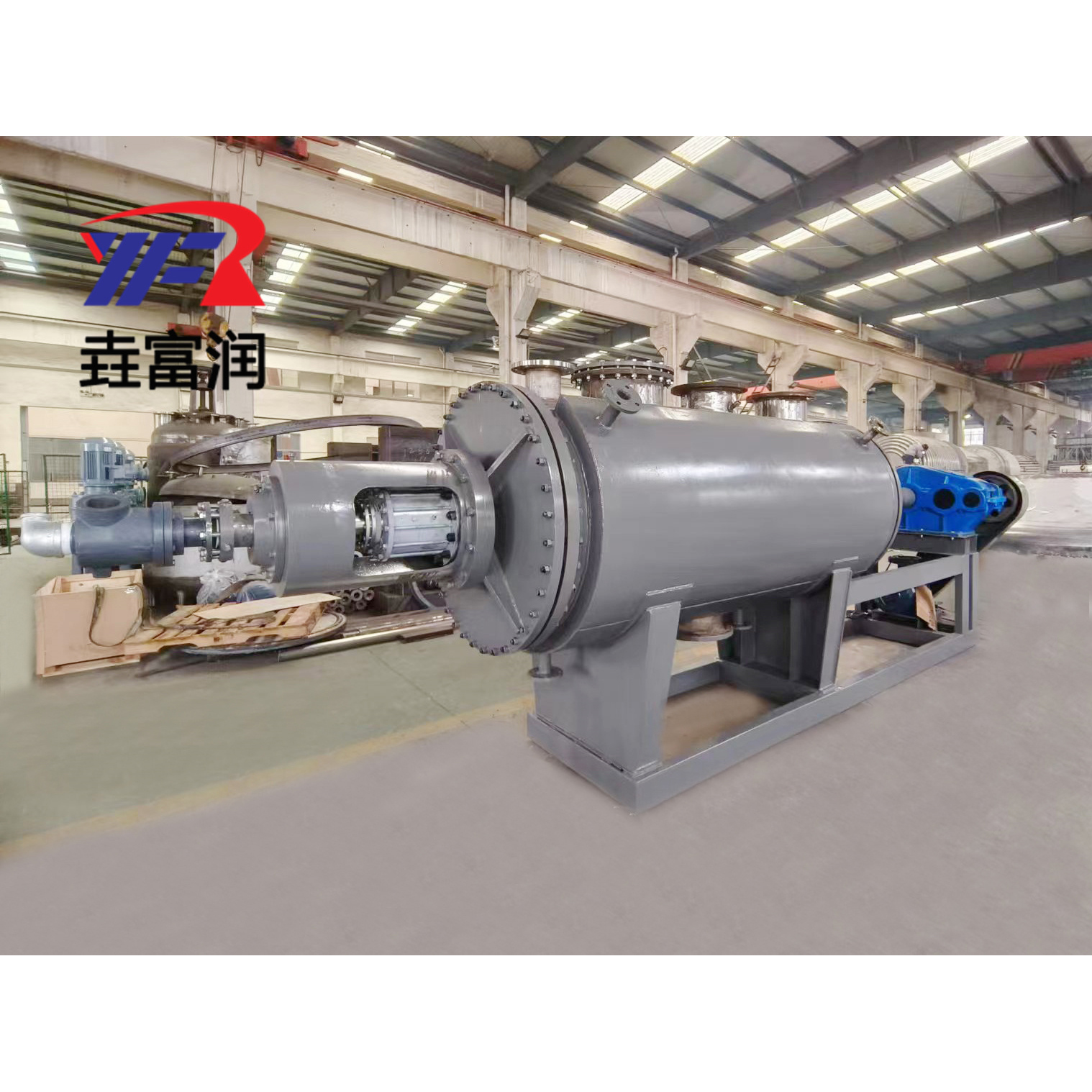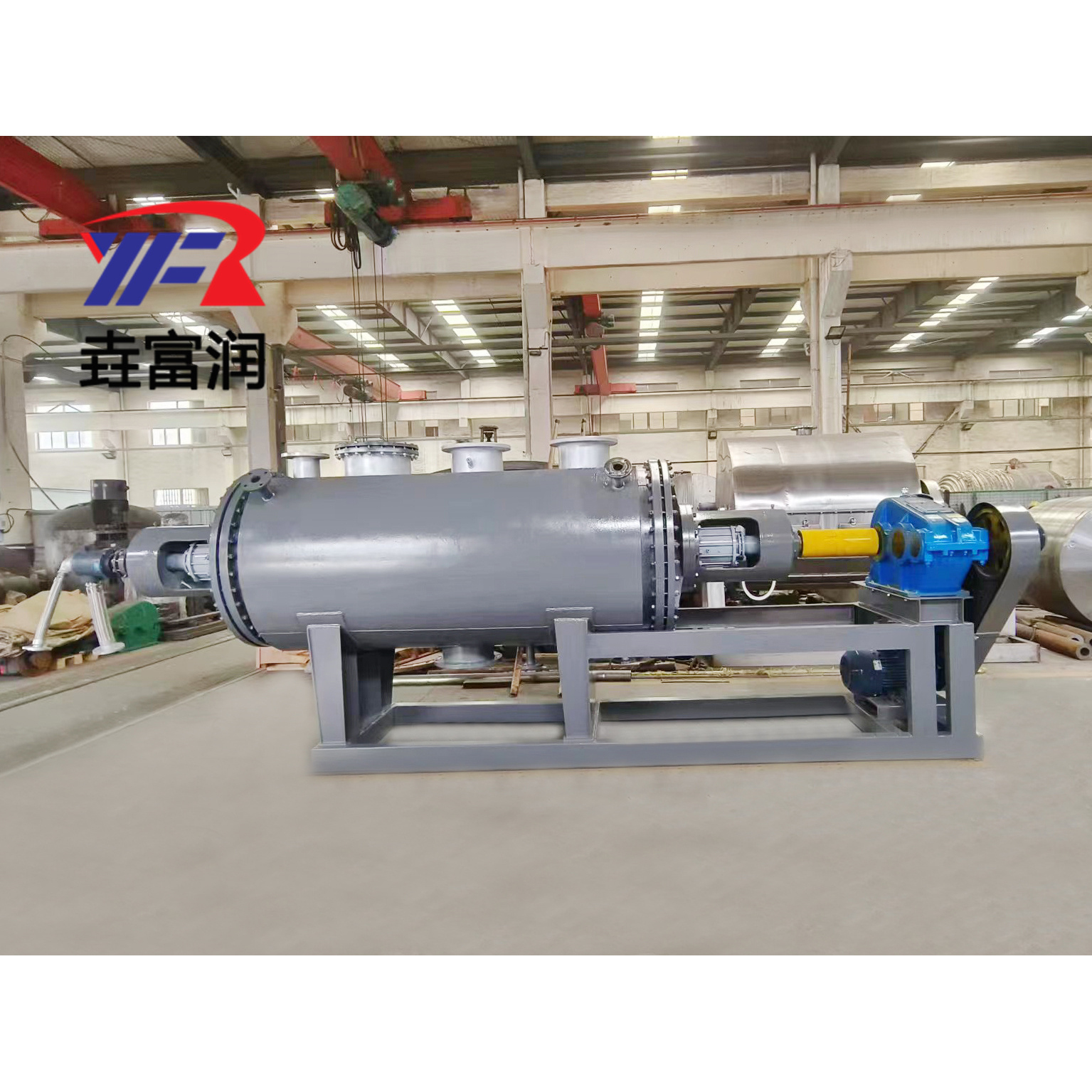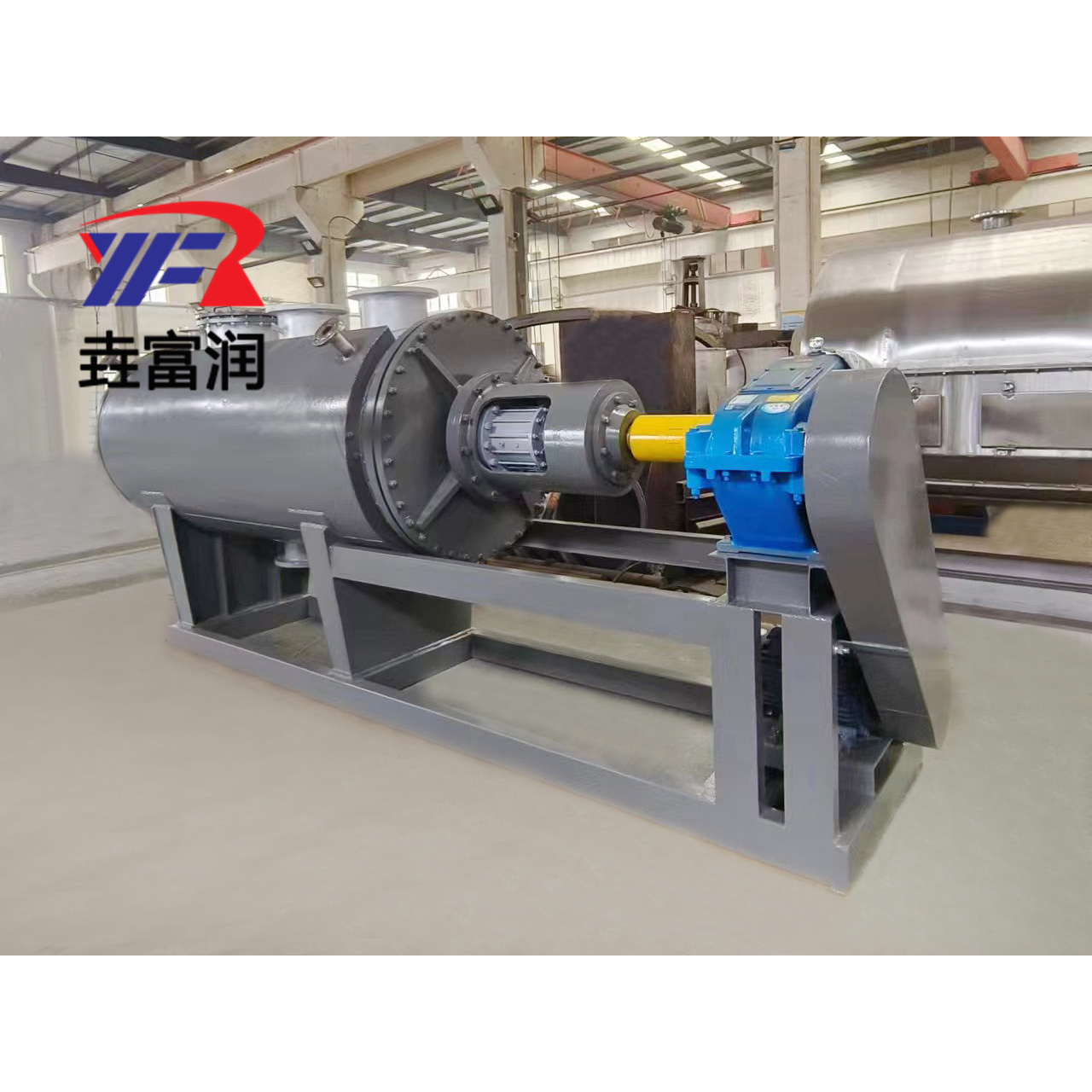




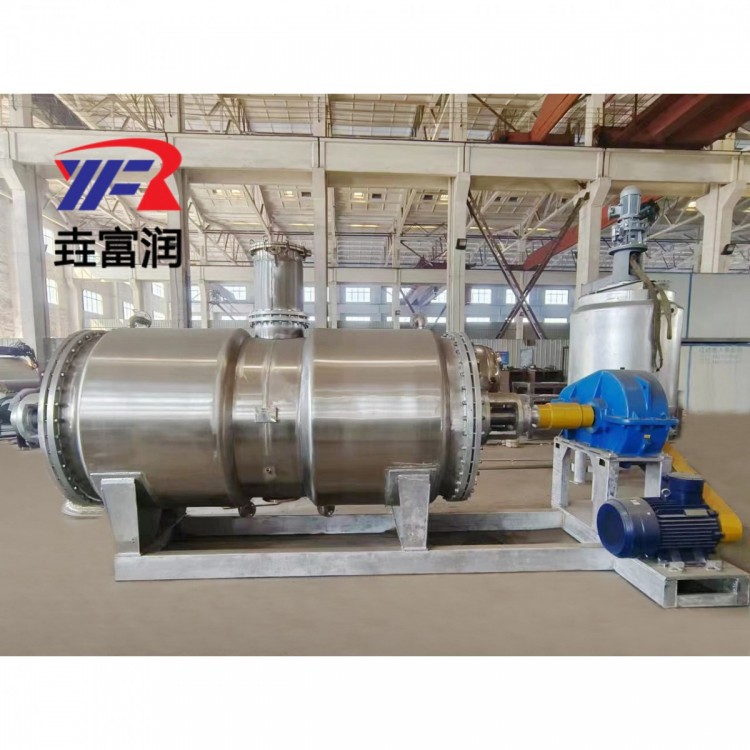
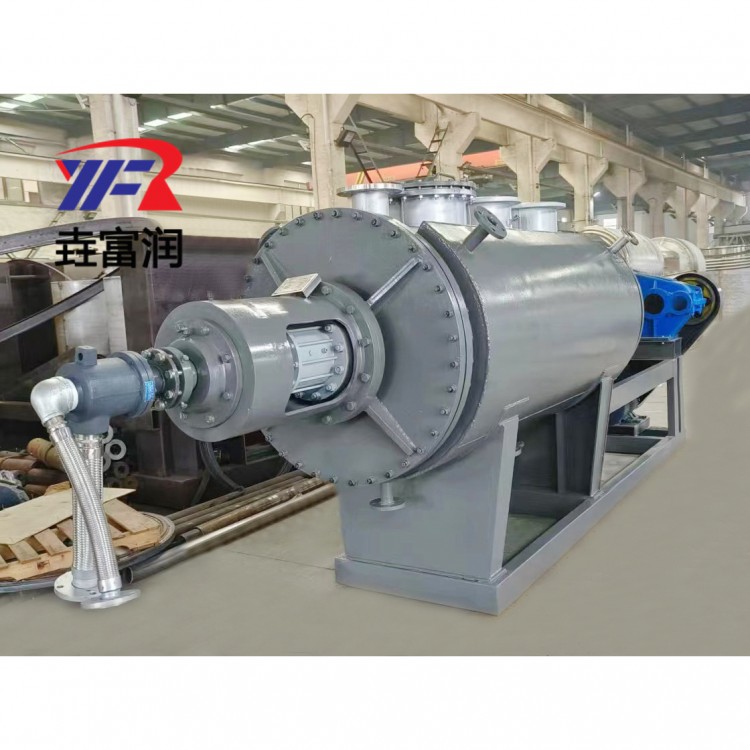
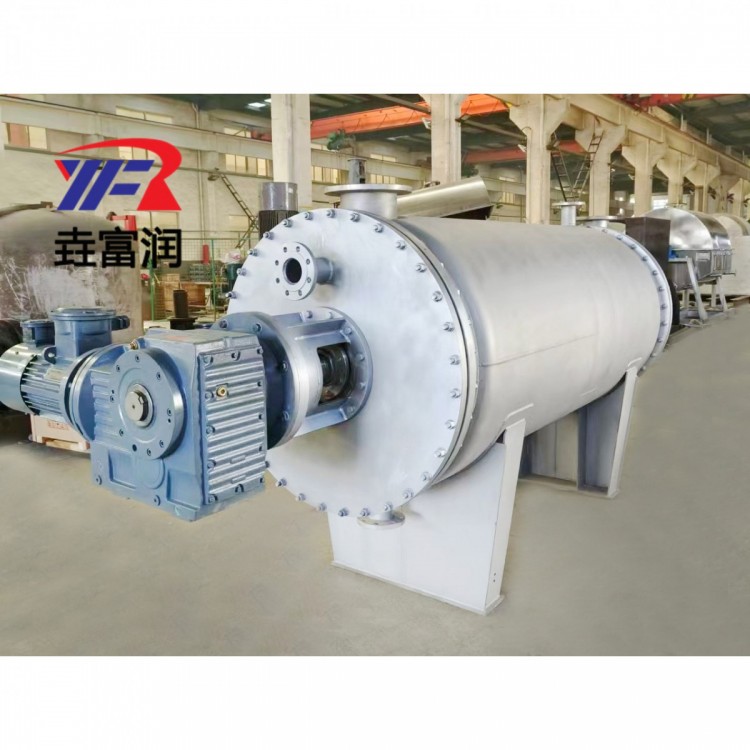
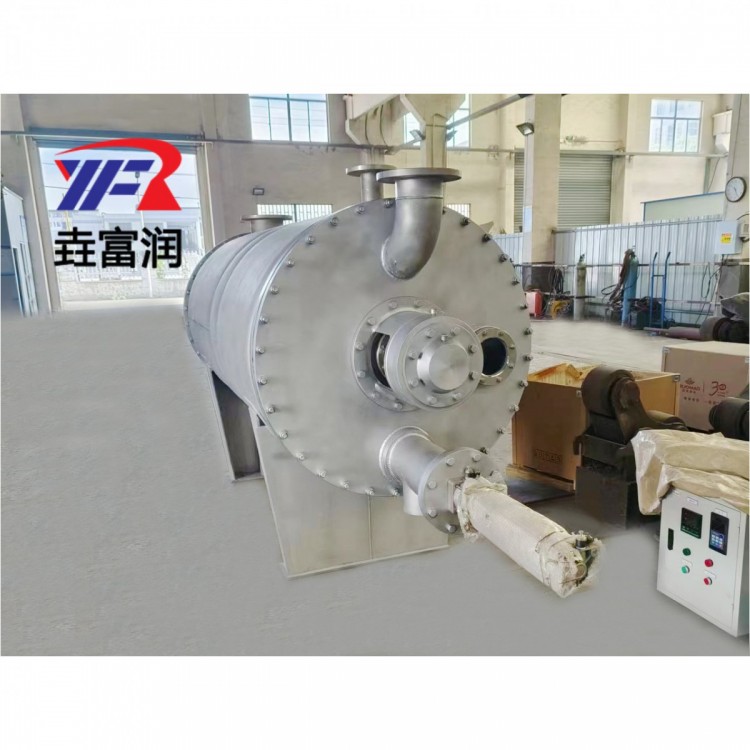
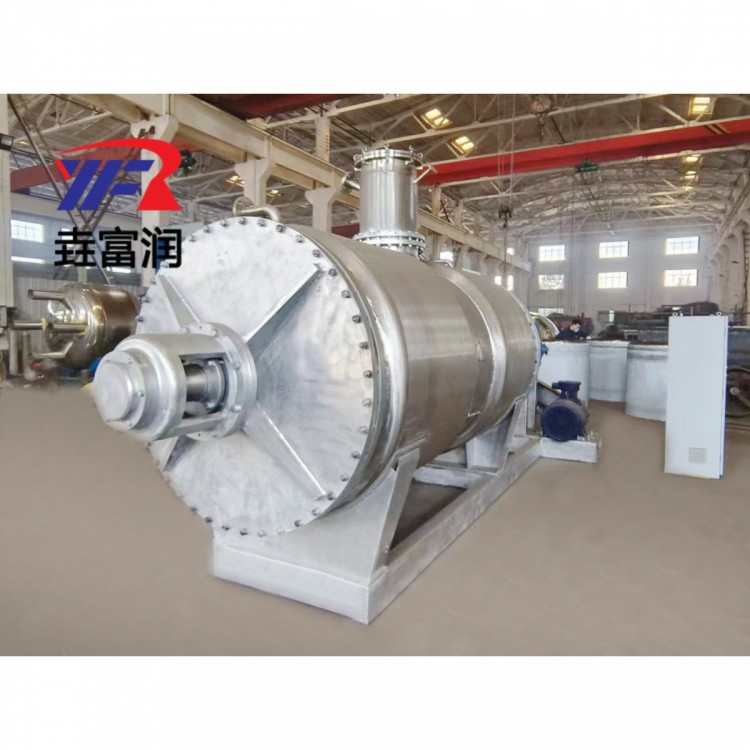





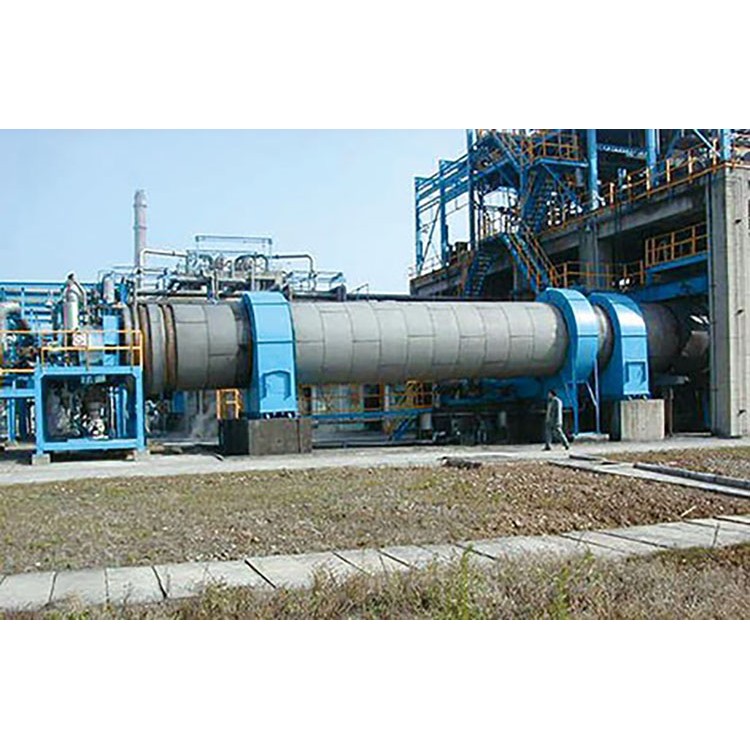
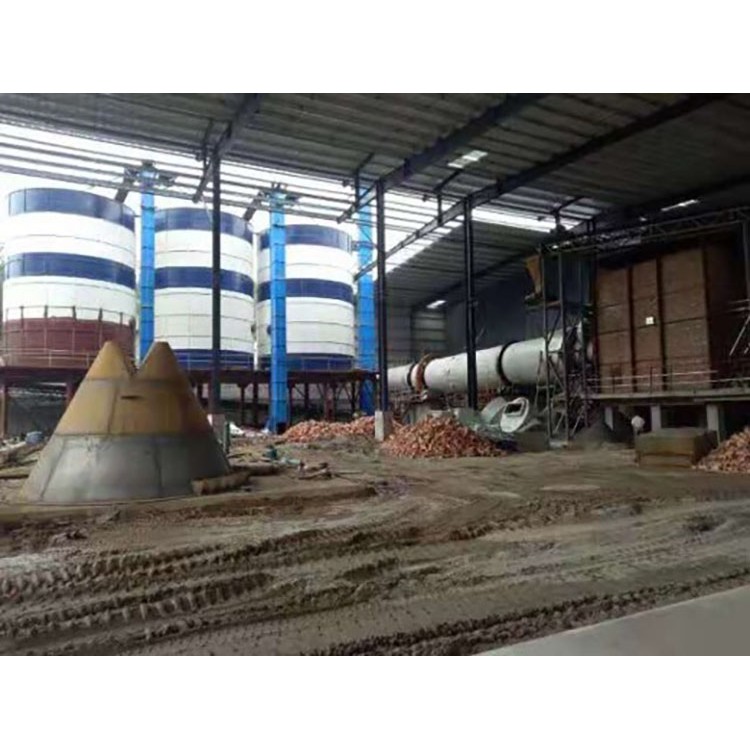
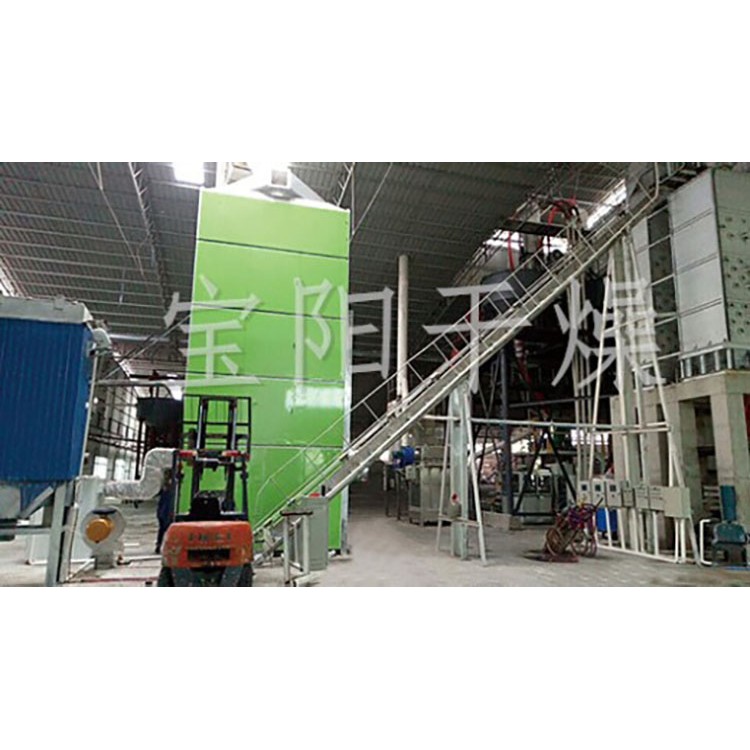
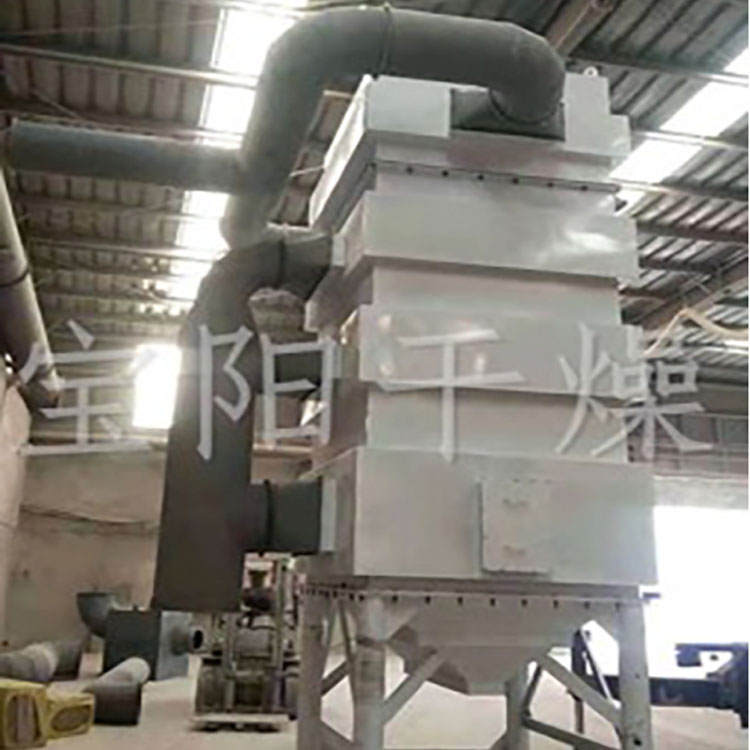
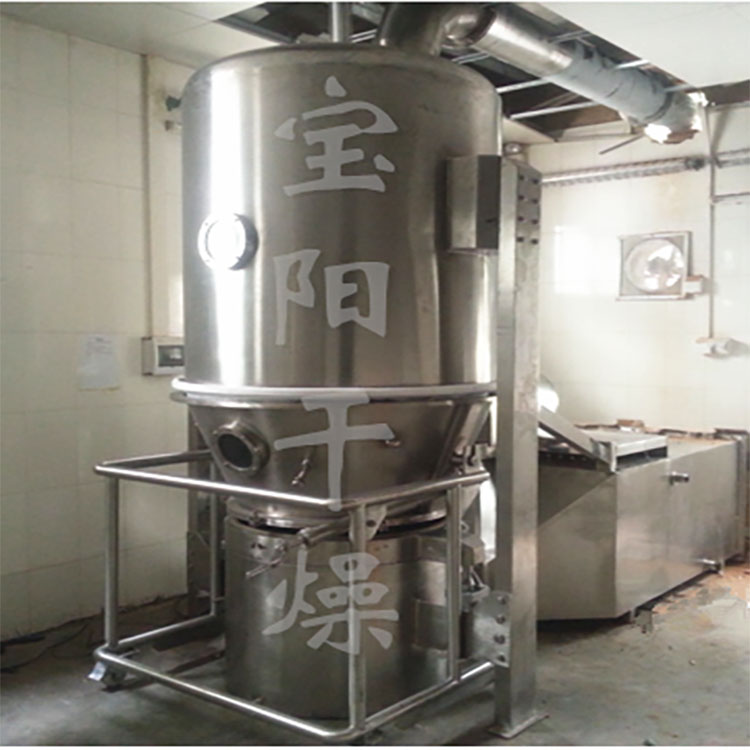
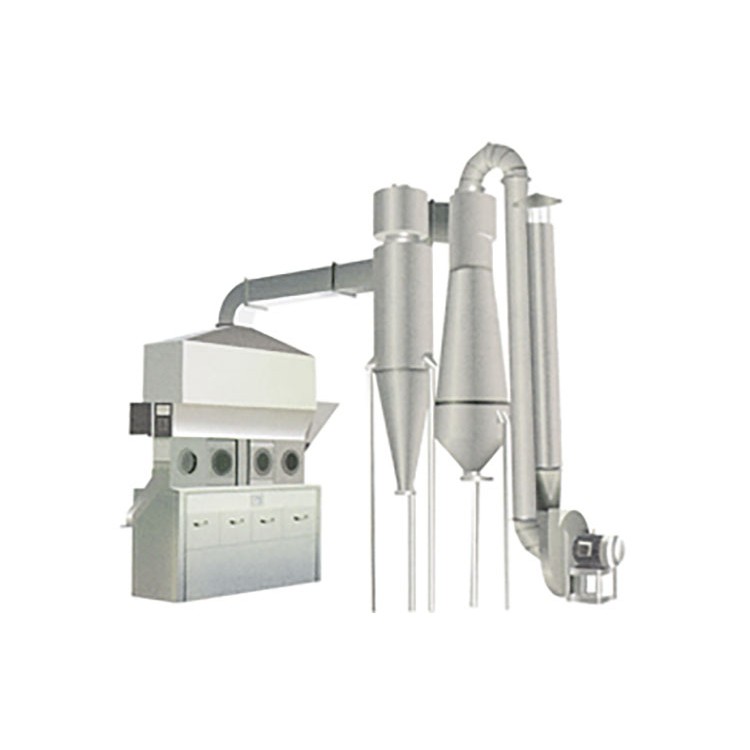
This machine is particularly suitable for processing wet materials with high moisture content and a paste-like consistency, as well as materials that cannot be dried by other air-drying methods, such as: vinyl acetate, acrylic fiber felt, catalysts, C.M.C., CT-1 resin, calcined gypsum, electrolytic manganese dioxide, ammonium anthraquinone sulfate, fluorspar, diatomite, silica gel catalyst, bone meal, synthetic resin, active gluten, active clay, chemical filter cake, rutile titanium dioxide, sebacic acid, copper sulfate, aluminum sulfate, sodium sulfate, calcium phosphate, esterified starch, dyes, calcium citrate, coal slurry, clay, clay cement, aluminum hydroxide, barium hydroxide, calcium lactate, food, melamine, gypsum slurry, lime, biological products, carbon black, calcium carbonate slurry, sludge, organic chemicals stearic acid aluminum, iron oxide, organic fuels, corn protein feed, damp mud, mica powder, pigments, potassium dichromate pulp, distiller's grains, etc.
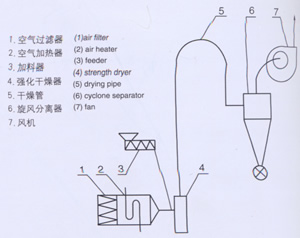
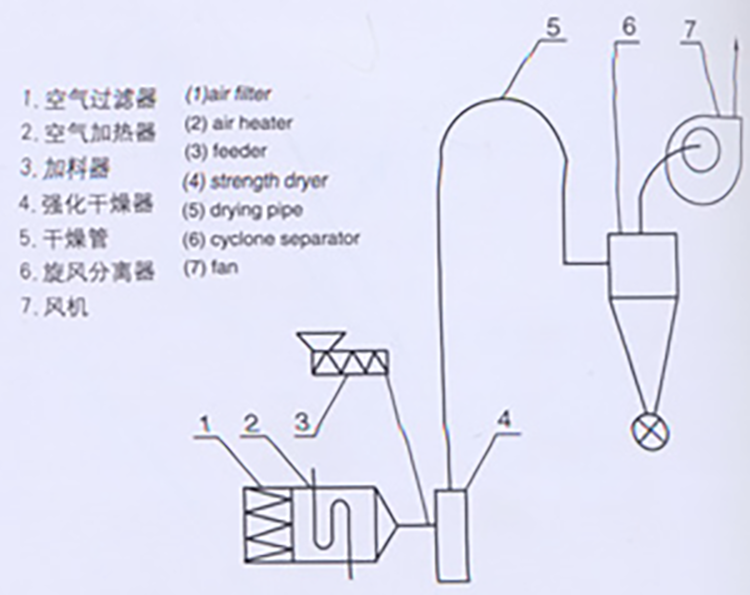
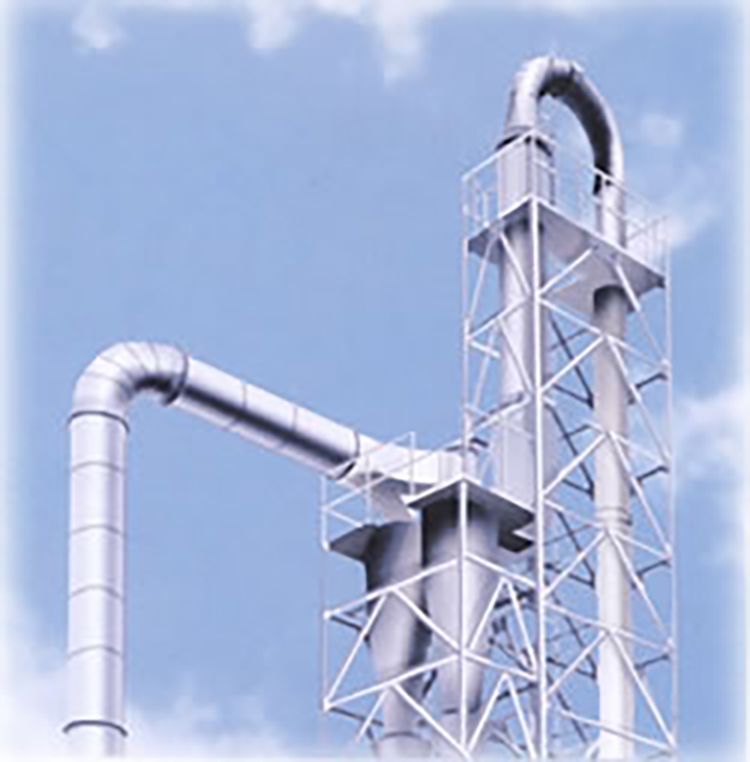
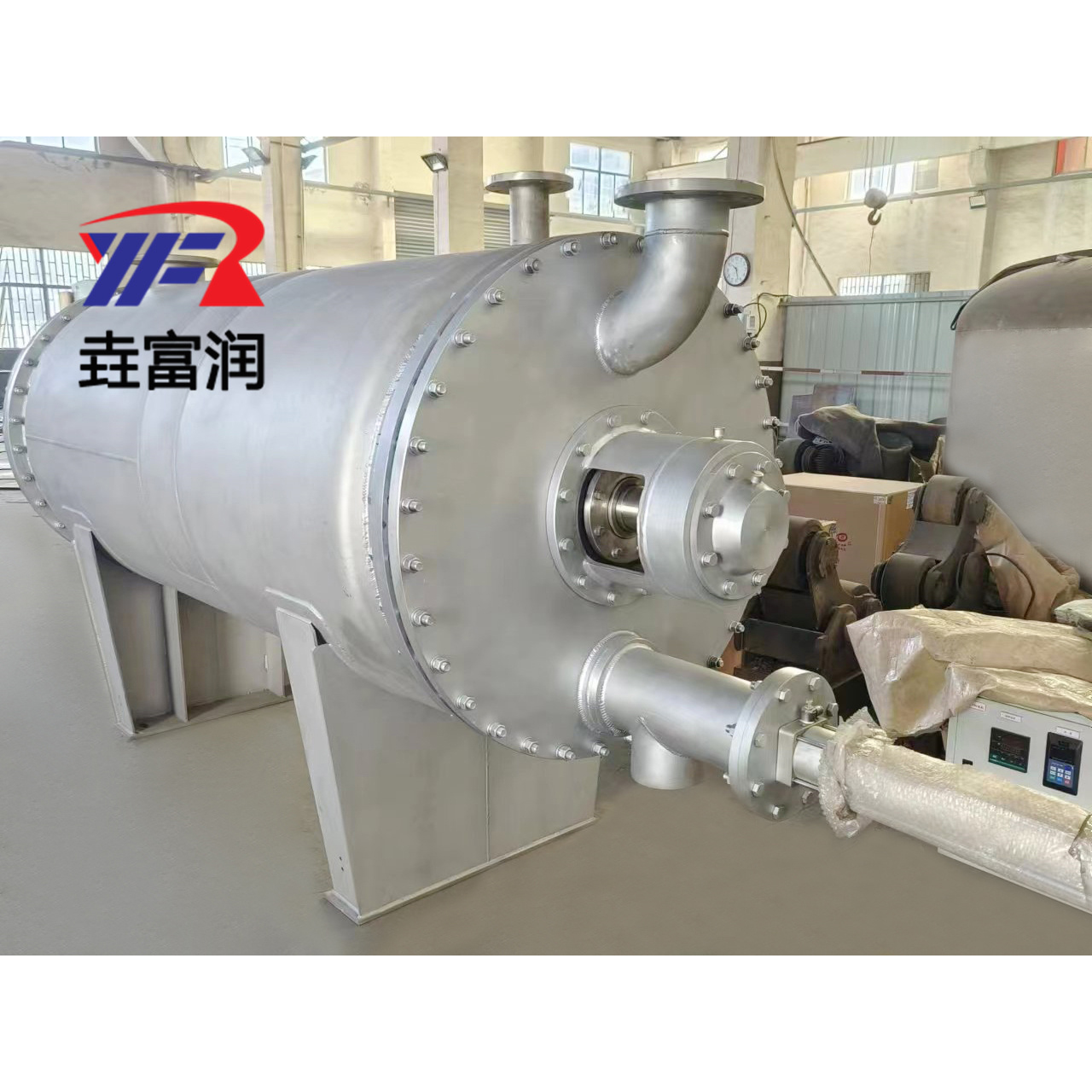
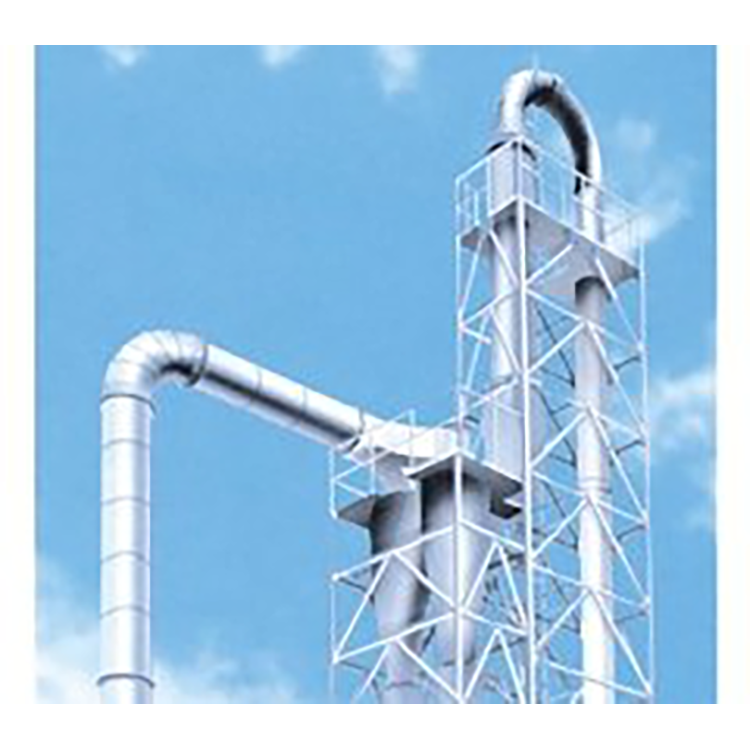
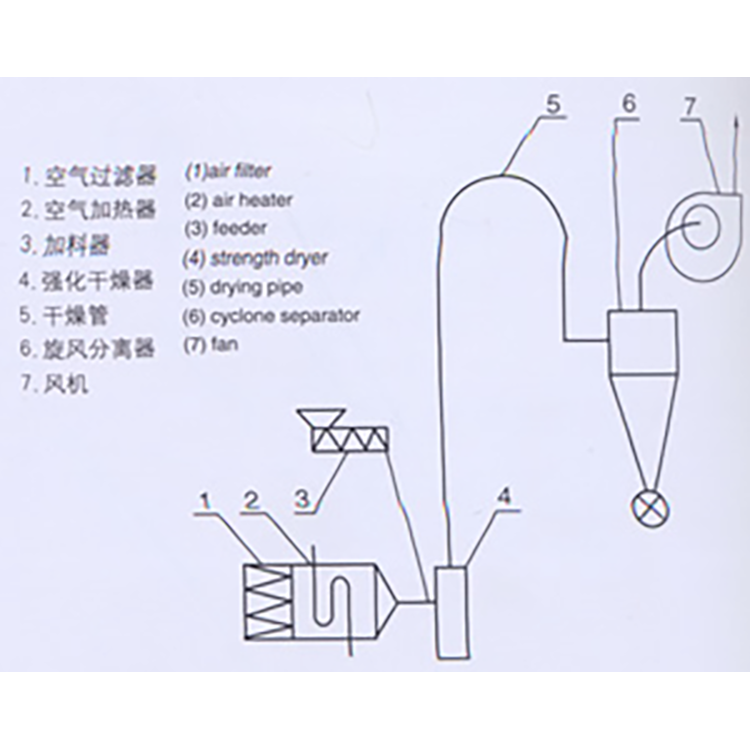
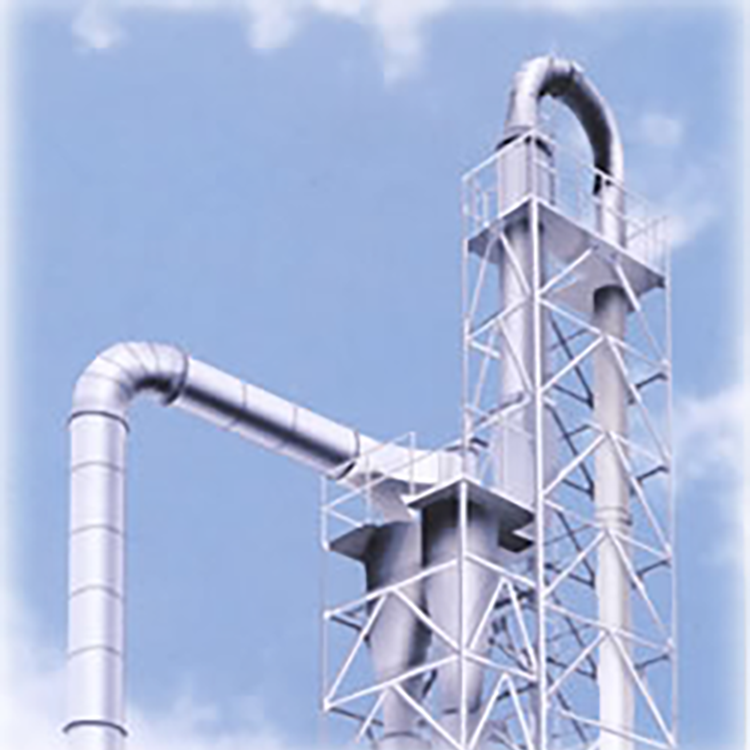
Airflow drying can quickly remove moisture (mainly surface moisture) from easily dehydrated granular and powdered materials. In airflow drying, due to the short residence time of the material in the dryer, the quality of the dried product is properly controlled. Our factory's reinforced airflow dryer is an upgraded version of the basic model, featuring a reinforced unit with an infinitely variable speed. Wet material is fed into the reinforced unit through a spiral feeder, where it is thoroughly mixed with hot air. Under the action of rapidly rotating knives, the material is broken into fine particles, moves towards the outlet while drying, and then is drawn into the drying tube by the wind for further uniform drying. Wet heavy particles that cannot be attracted by the wind are continuously broken down and dried until they can be picked up by the wind and enter the drying tube.