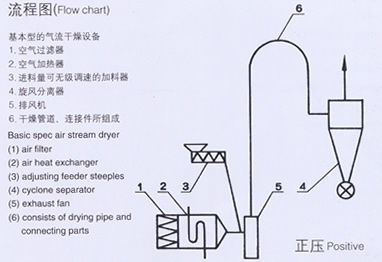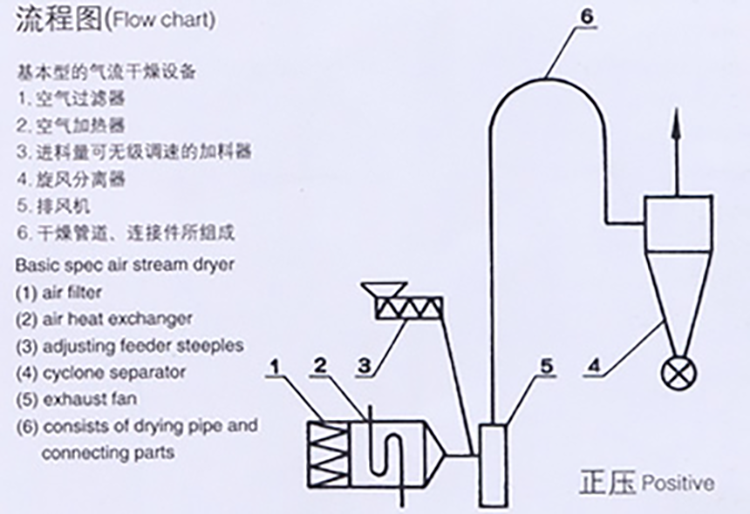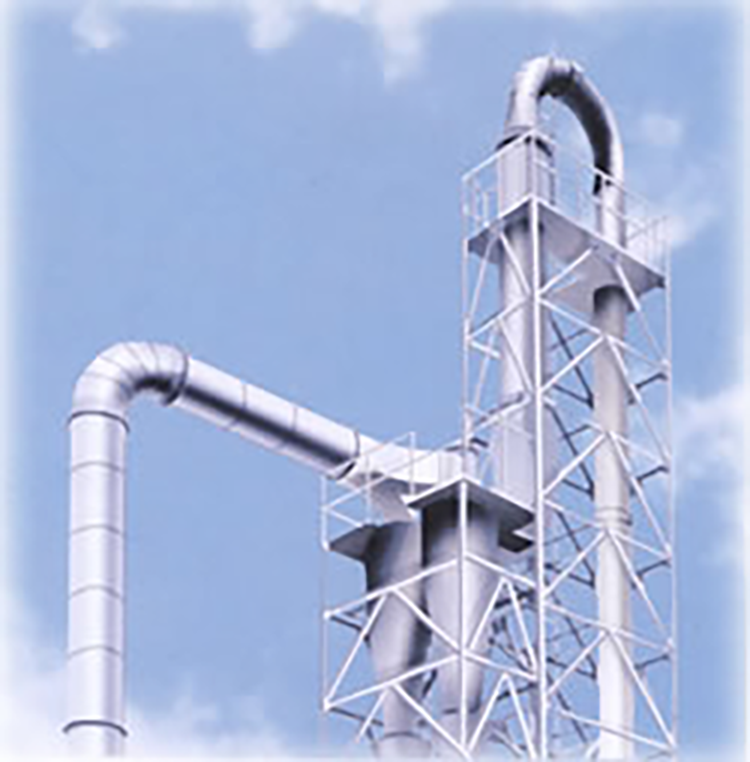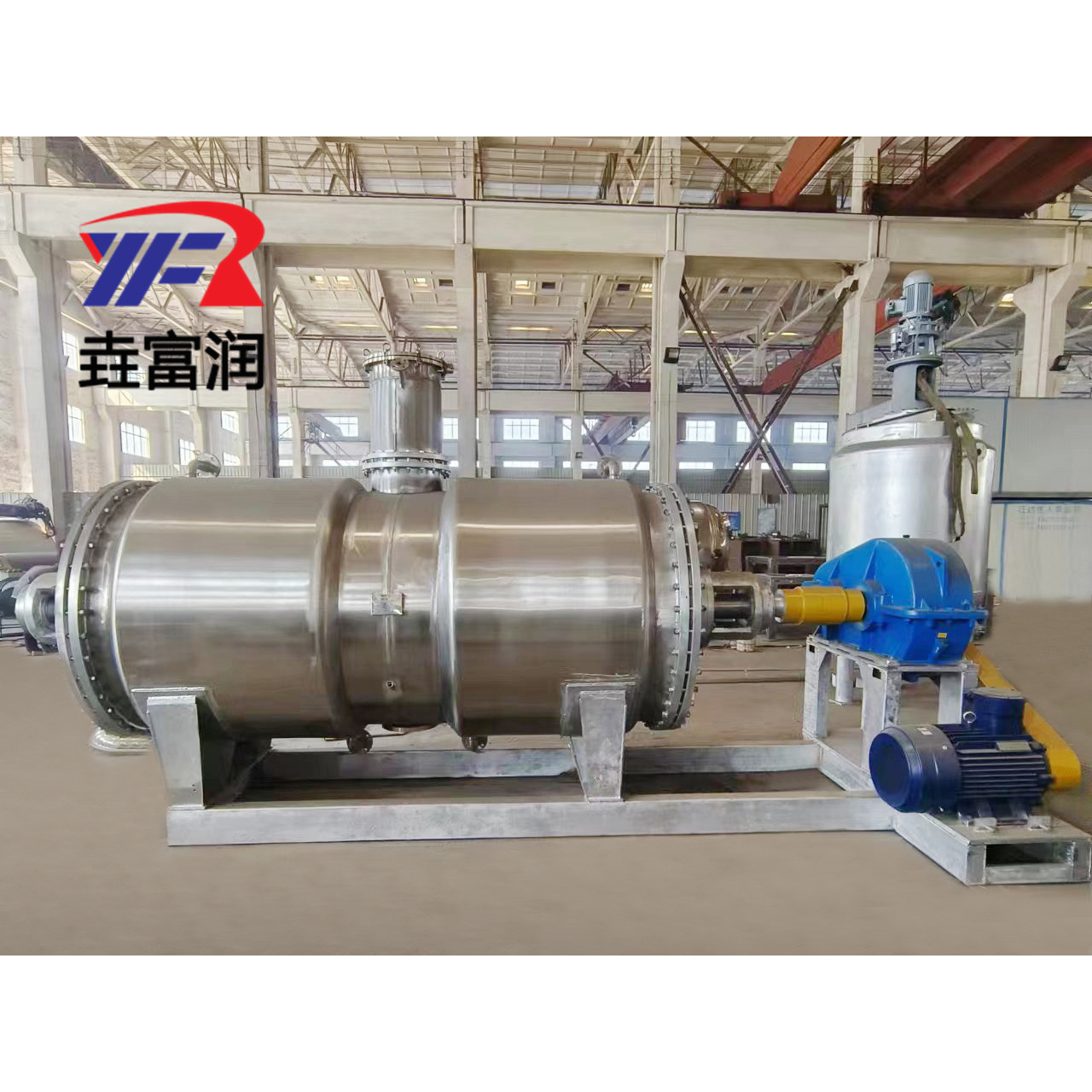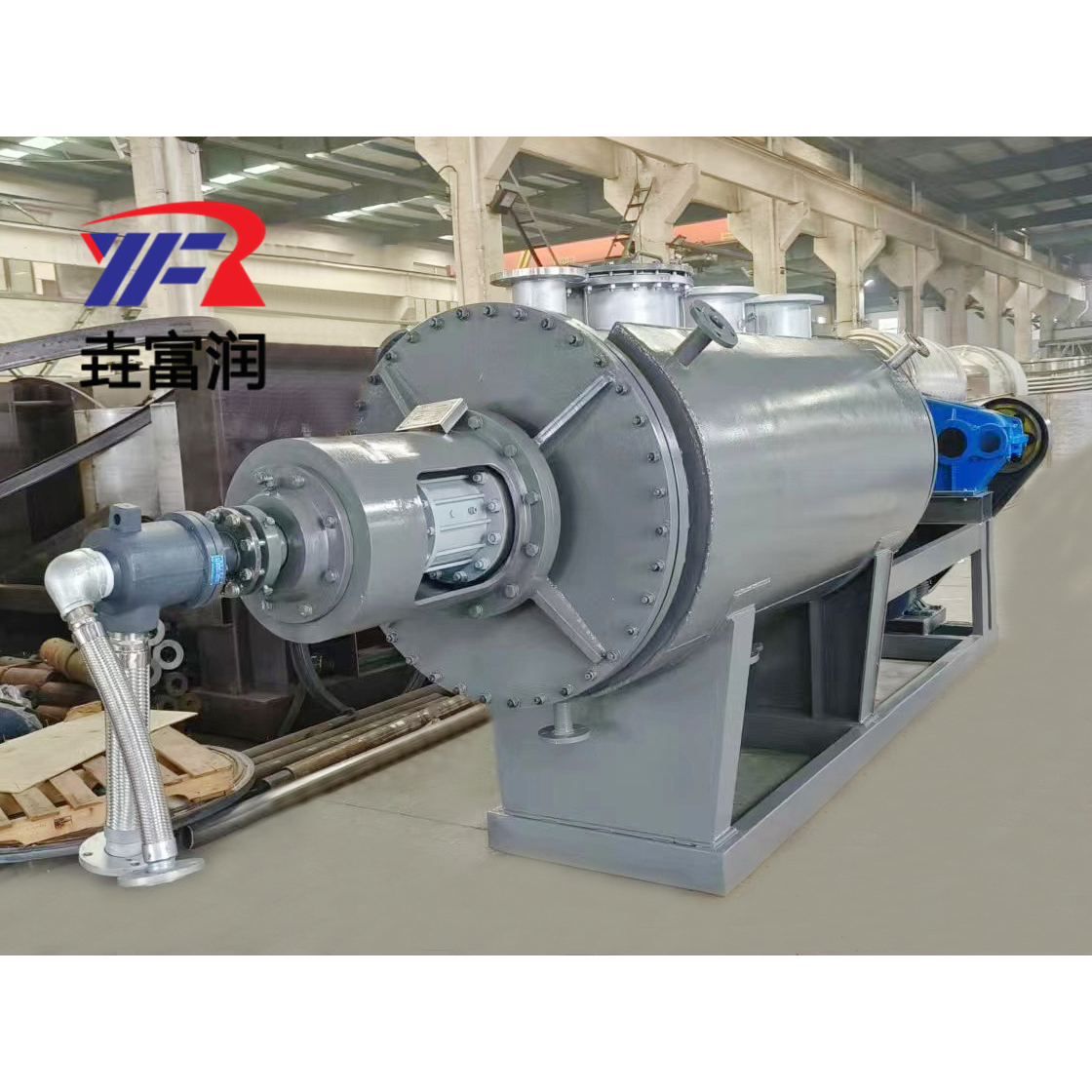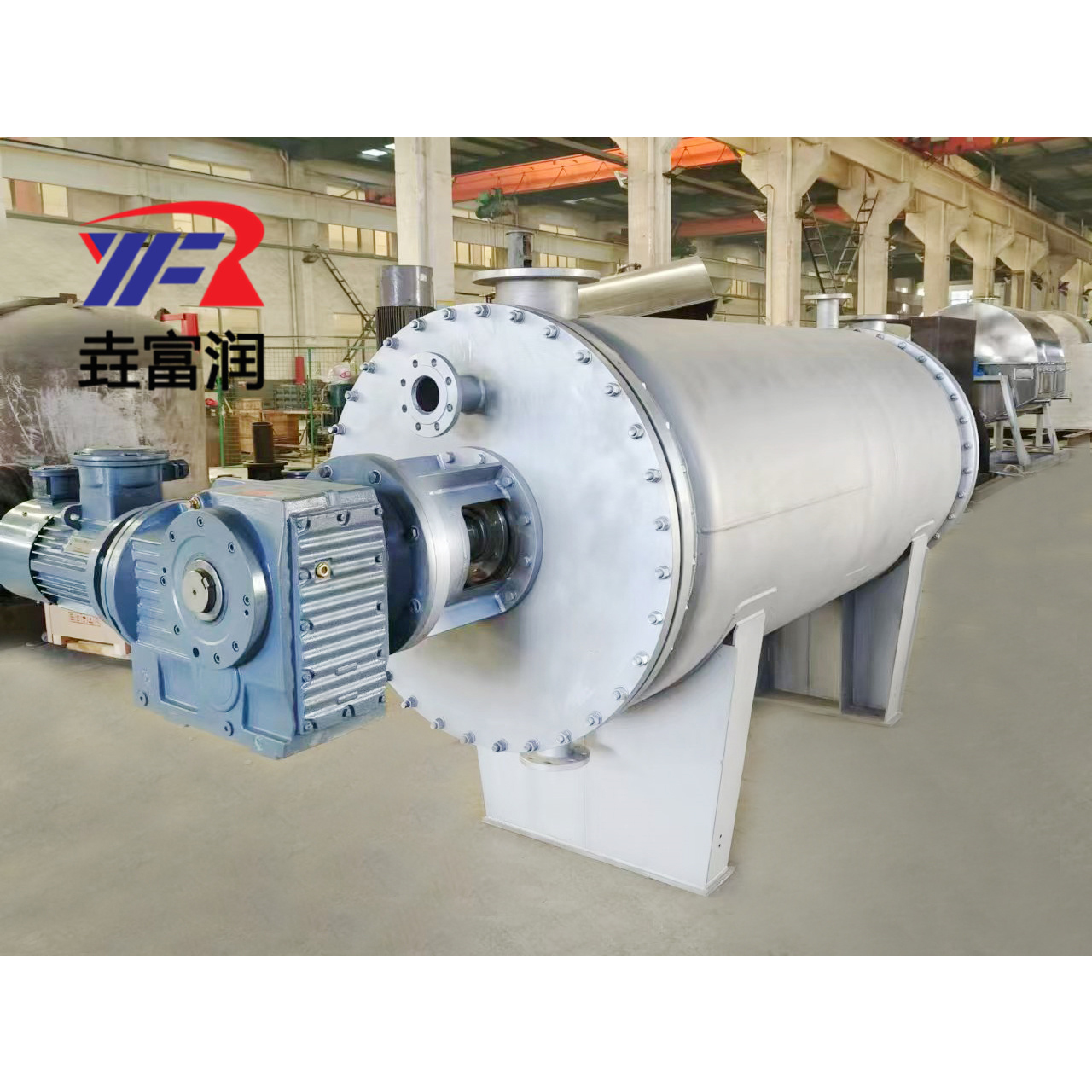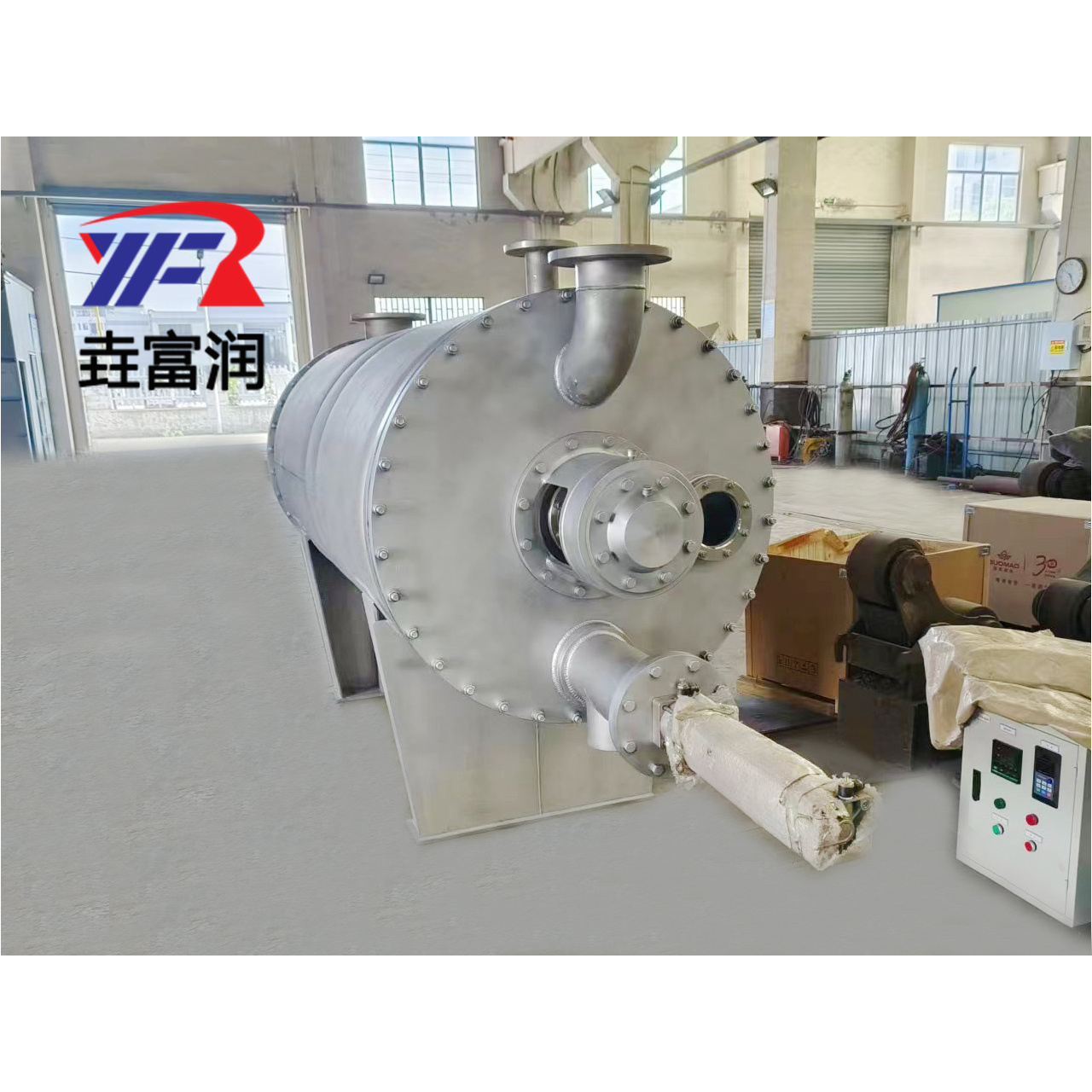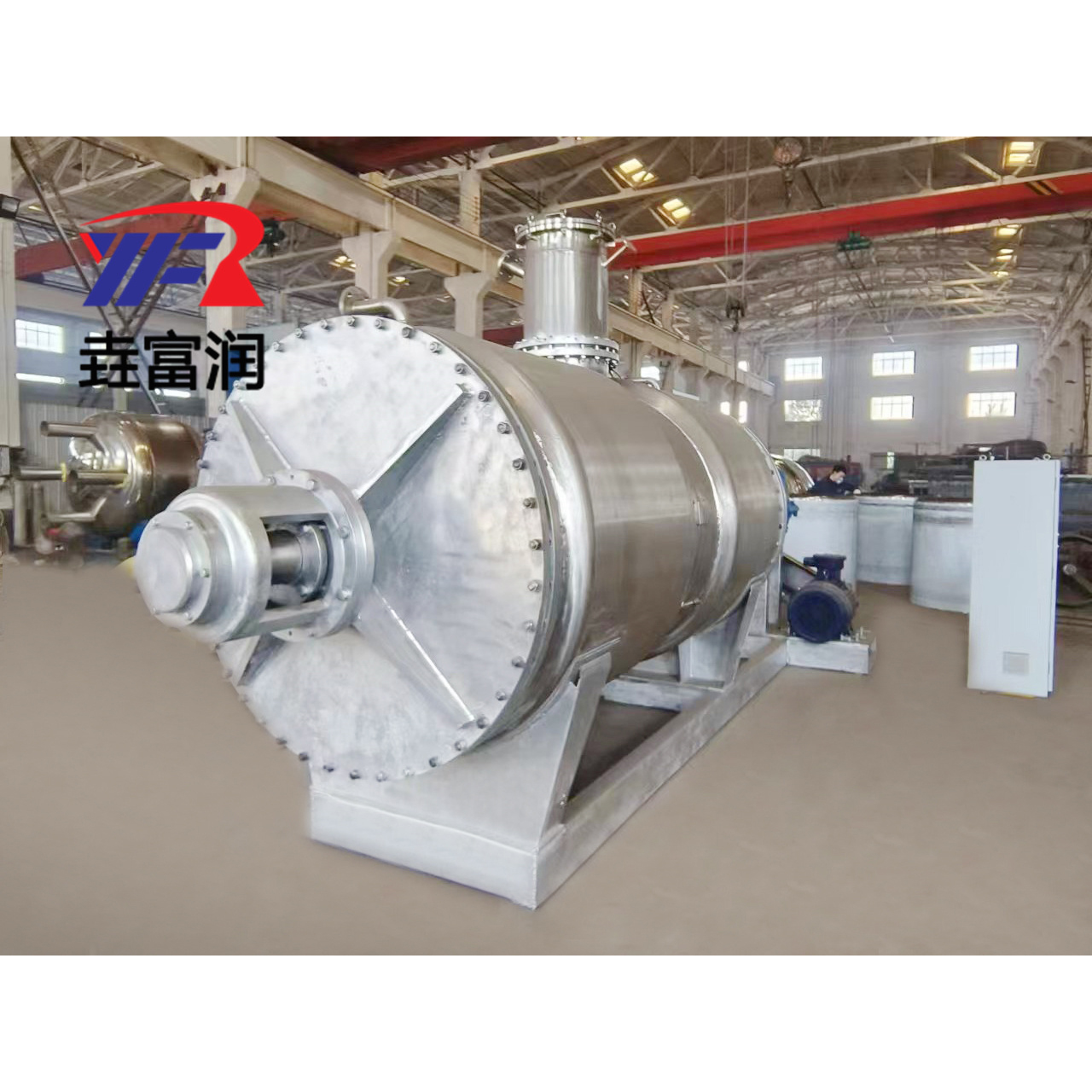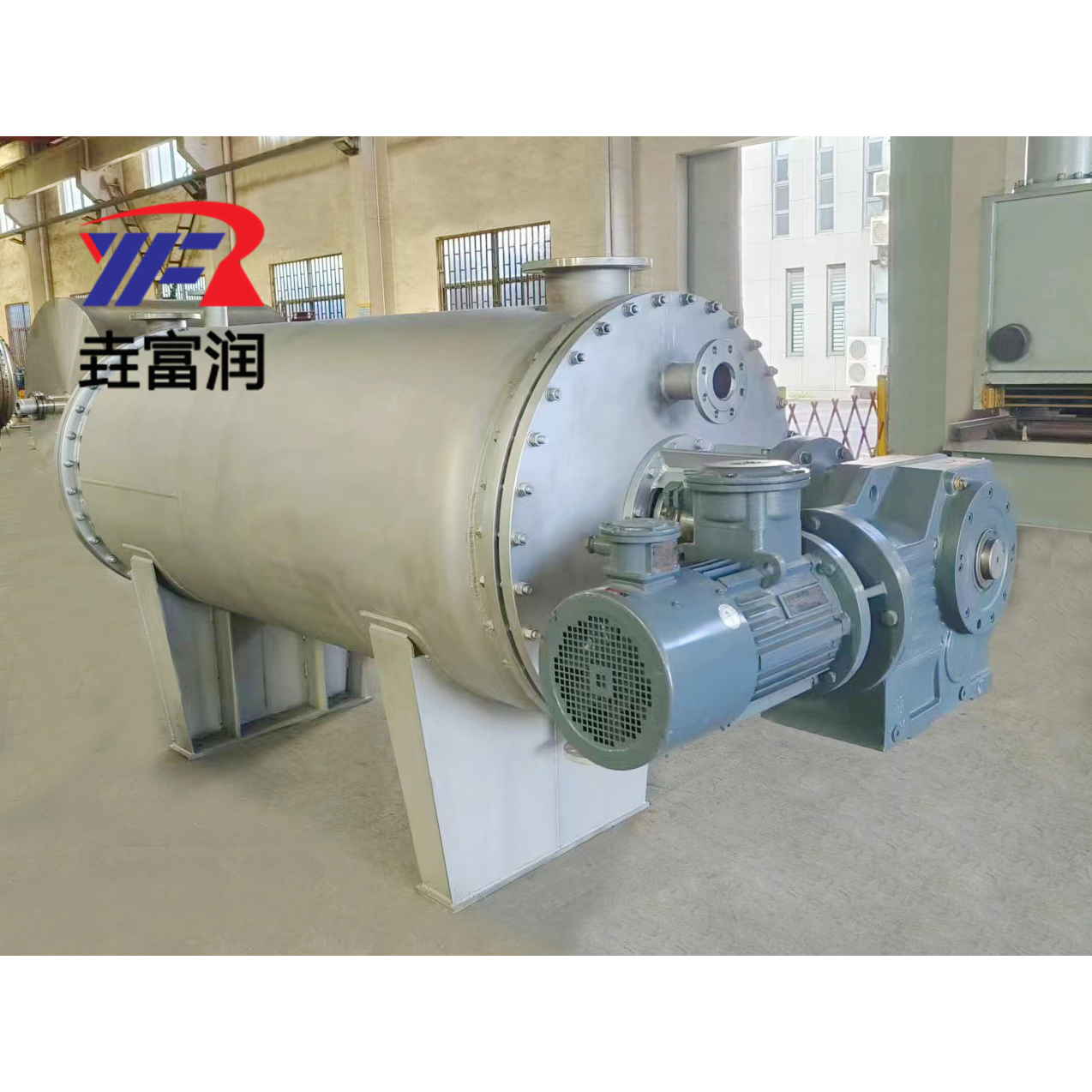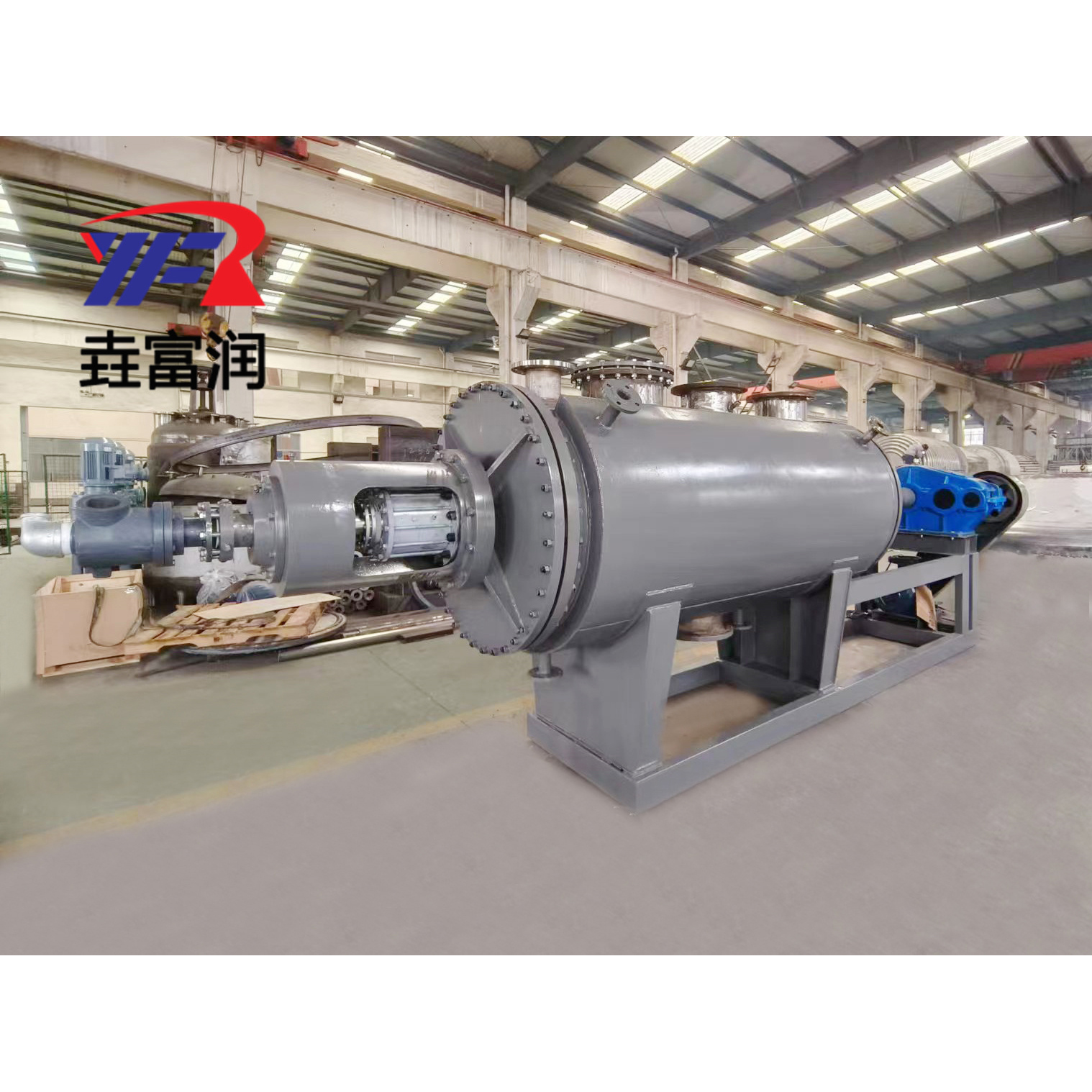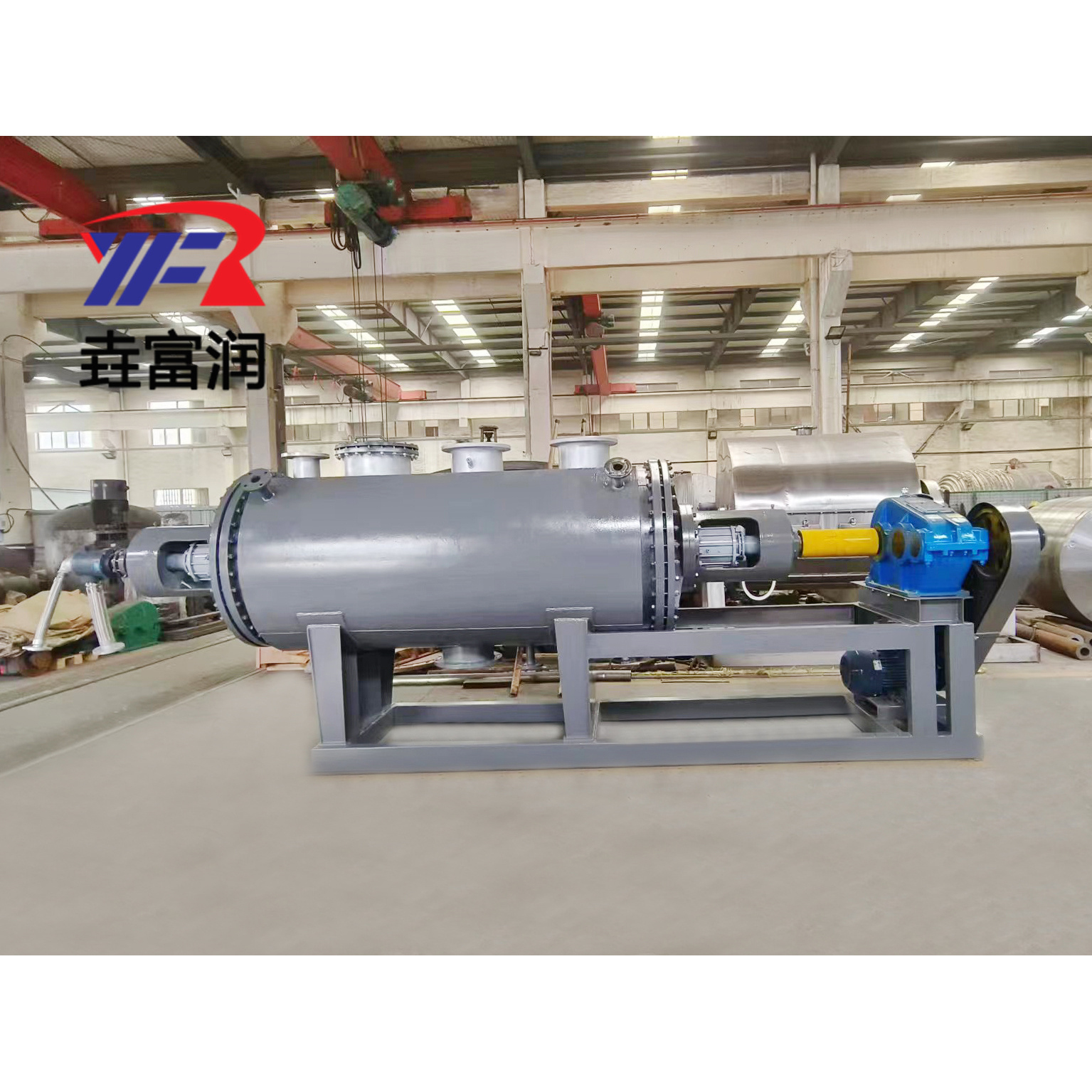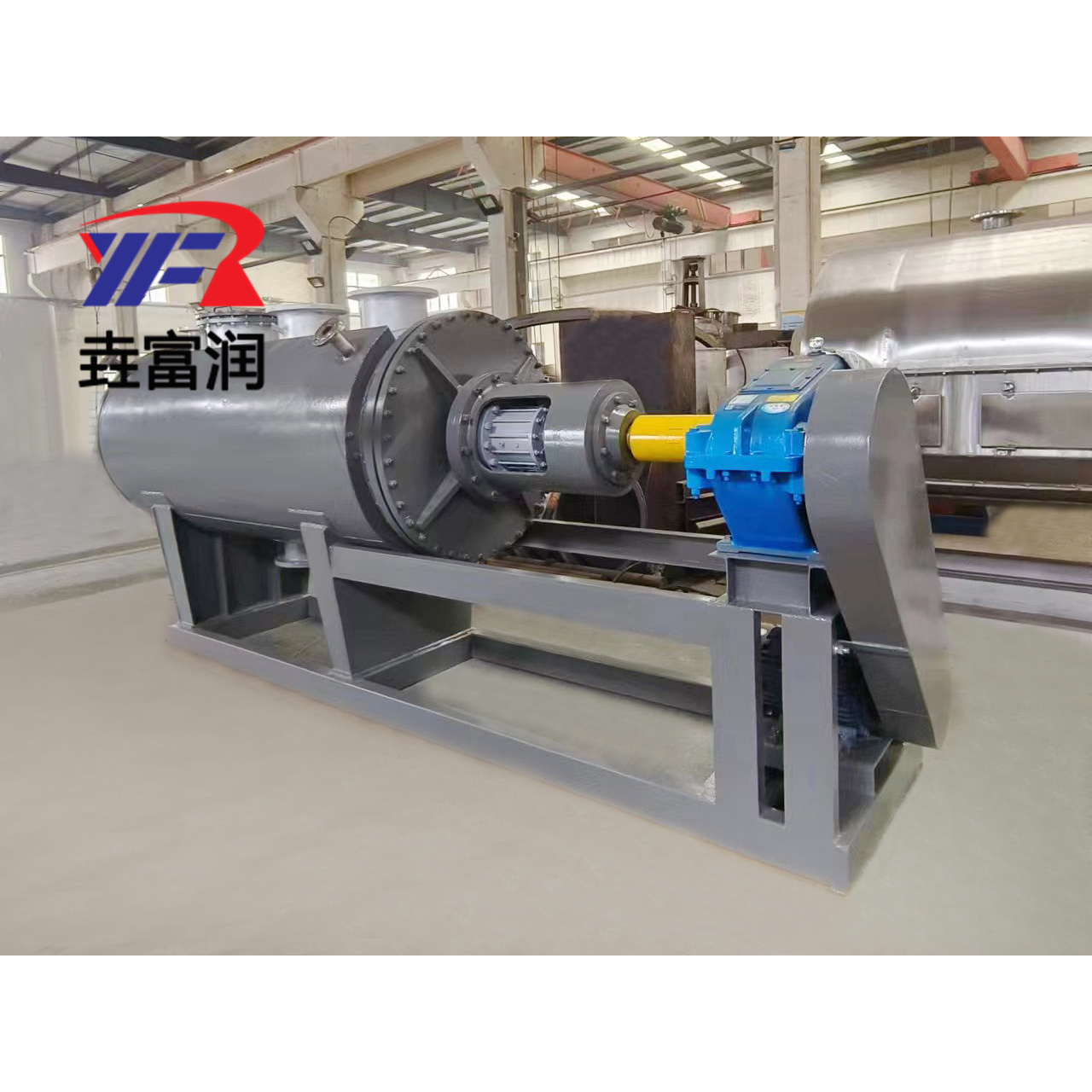




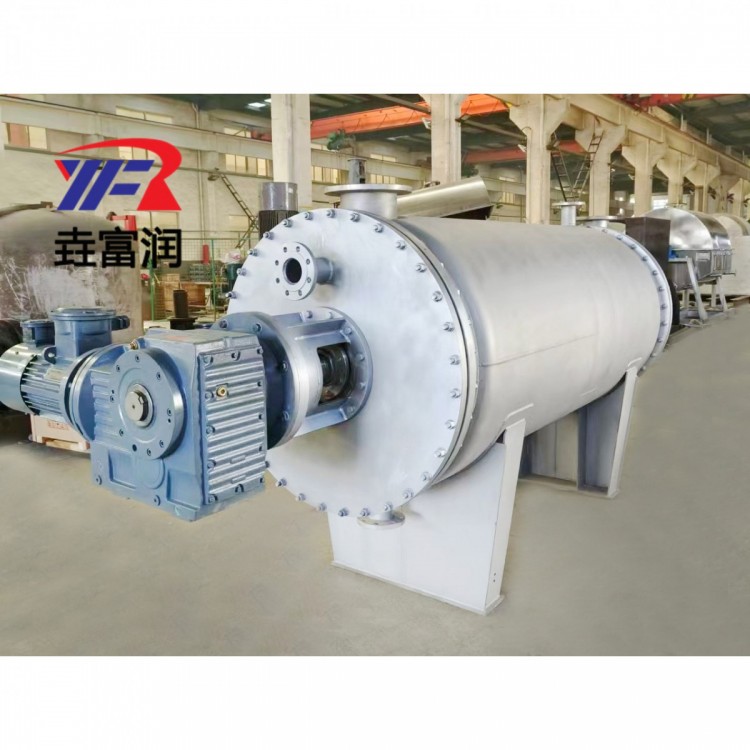
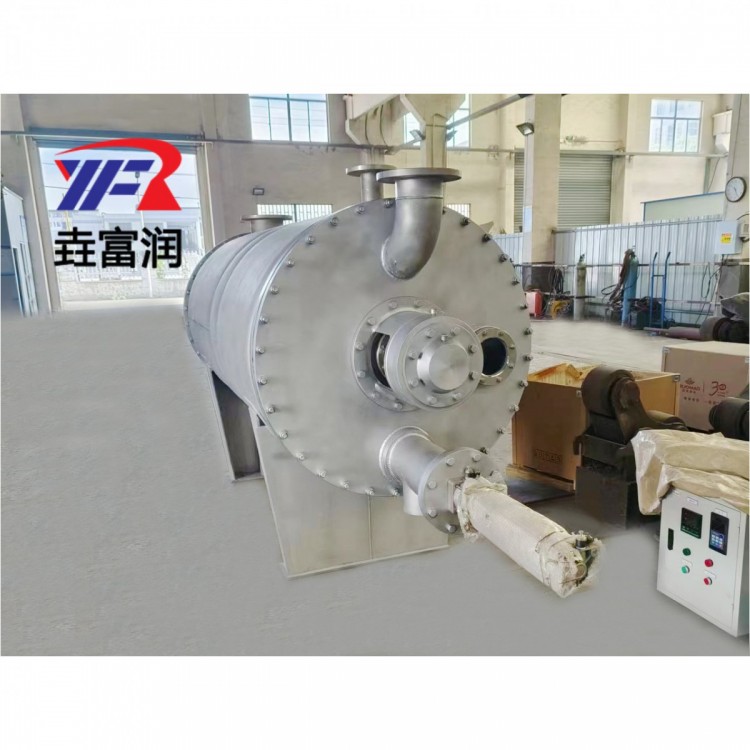
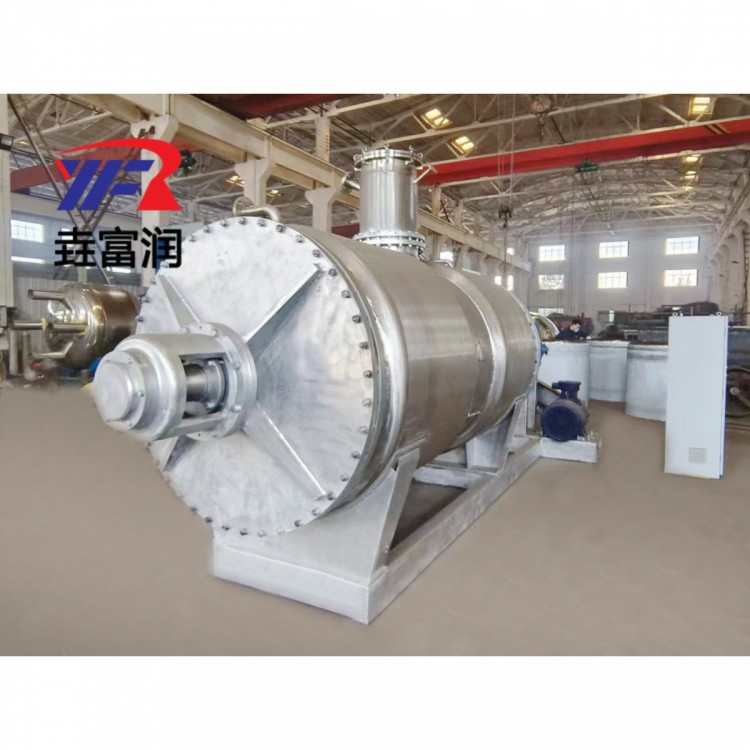





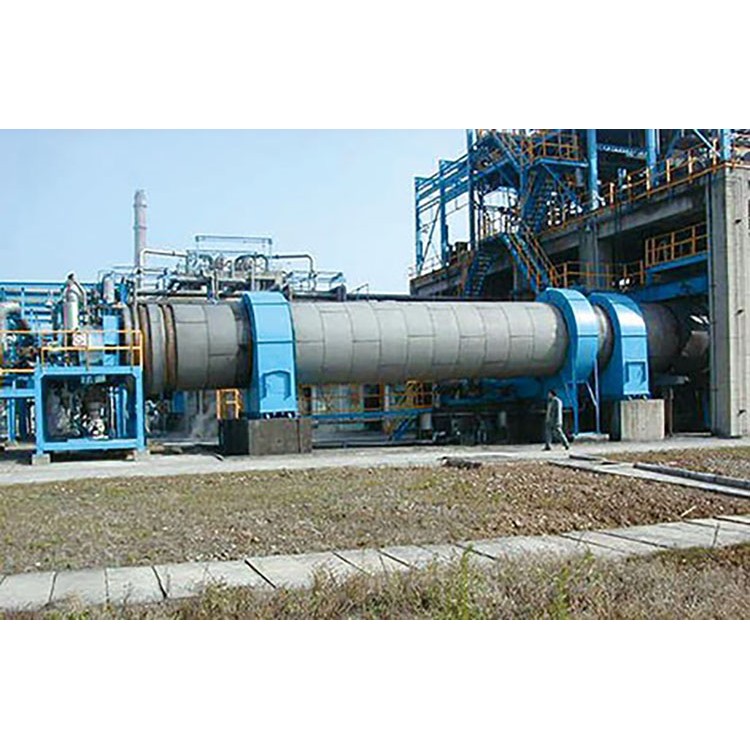
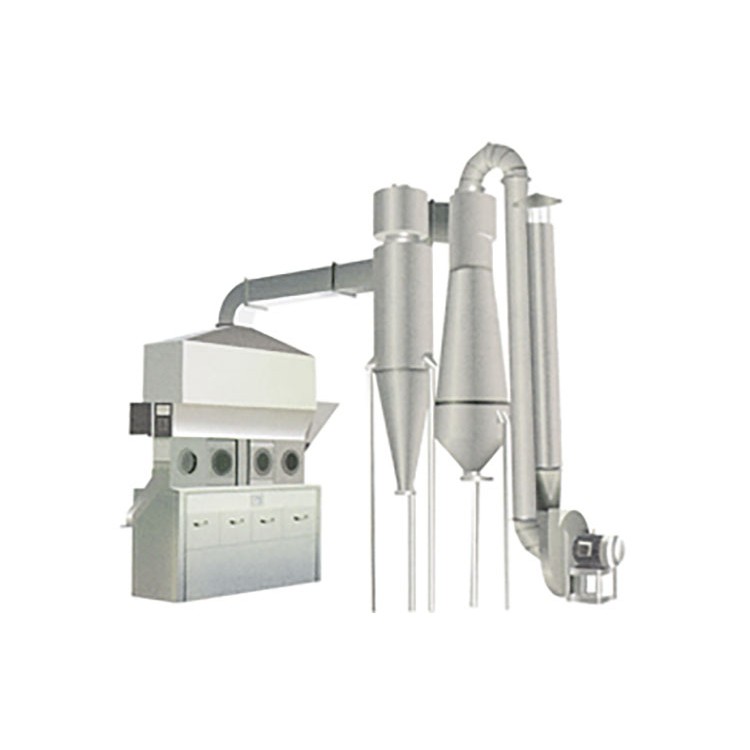
This type of equipment is adaptable to a wide range of materials, including but not limited to: barbital, A.B.C intermediates, A.B.S resins, A.S.C, white carbon black, benzopyrone, tea cakes, oxalic acid catalyst, promoter m.d.m, catalysts, precipitated carbon black, p-acylaminobenzenesulfonamide, para-aminosalicylic acid, doramate, p-benzoic acid, diethylbenzamine, titanium dioxide, activated carbon, sodium fluorosilicate, fluorspar, by-product ammonium sulfate, silica powder, synthetic resins, calcium sulfate, chlorotetracycline, sodium sulfite, sulfur concentrate, phosphate rock powder, LanBB, PVC, molten phosphate fertilizer, tetracycline, ferric oxide, calcium carbonate, ilmenite, copper ore, potato powder, tail coal, stearates, corn protein, ferric oxide, distiller's grains, etc.
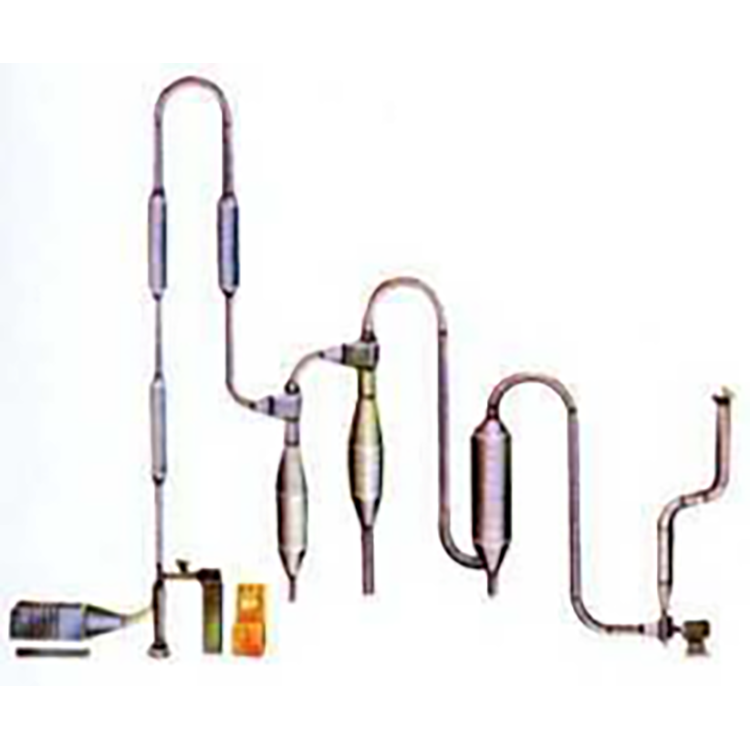
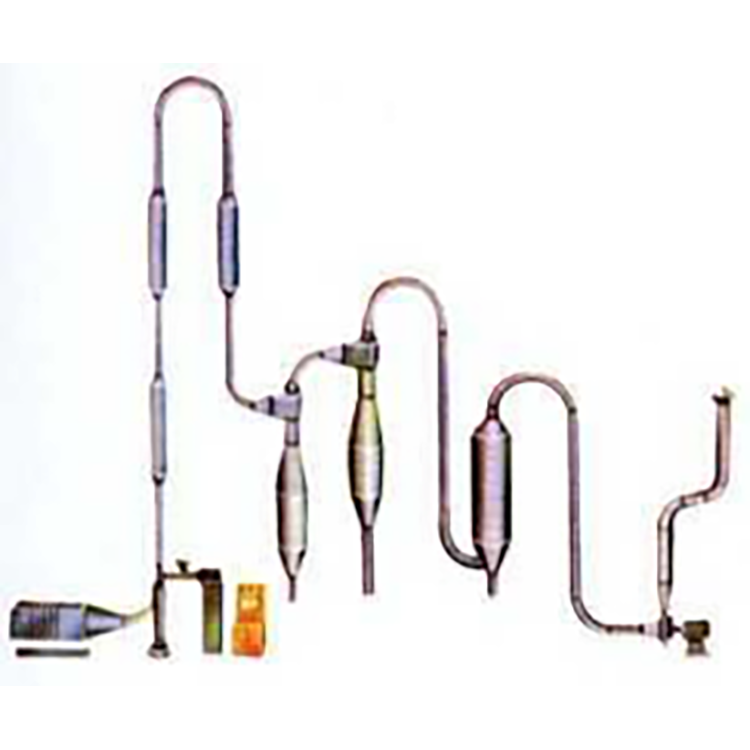
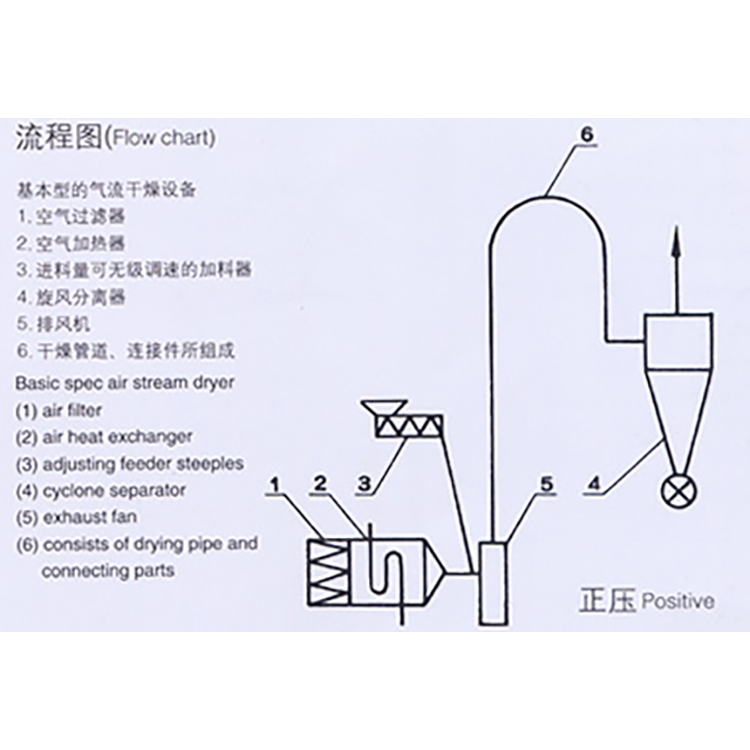
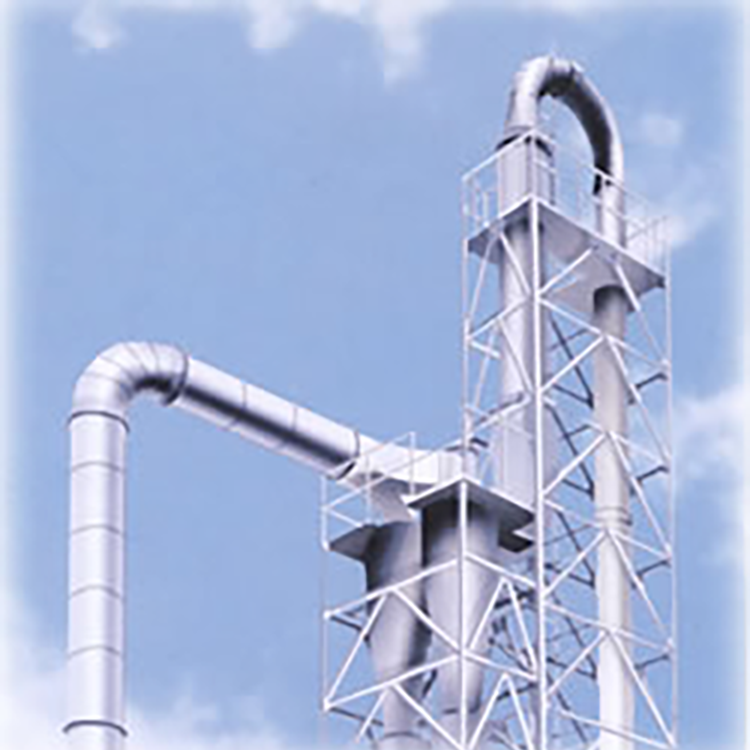
Fan with dispersing action, especially suitable for air drying of heat-sensitive materials. The high-speed rotating fan blades can break up wet, even lumpy materials until they are dispersed. During the dispersion process, the materials are simultaneously mixed and blended, and then flow parallelly with the hot air stream. This type of equipment is adaptable for drying filter cakes that are lumpy but still contain surface moisture, with moisture content ≤40%. If a large volume of material needs to be processed or the finished product requires dryness below 15%, two-stage air drying can be used. When the moisture content of the material exceeds 40% but is ≤60%, it is difficult to feed, and a mixer should be used to reduce the moisture content of the feed by adding dry material. At this point, the total output of the drying equipment will significantly decrease, which is economically unfeasible. Therefore, users should first use mechanical methods (centrifugal dewatering or pressure filtration) to reduce the moisture content of the feed as much as possible to ensure the smooth progress of the drying operation.