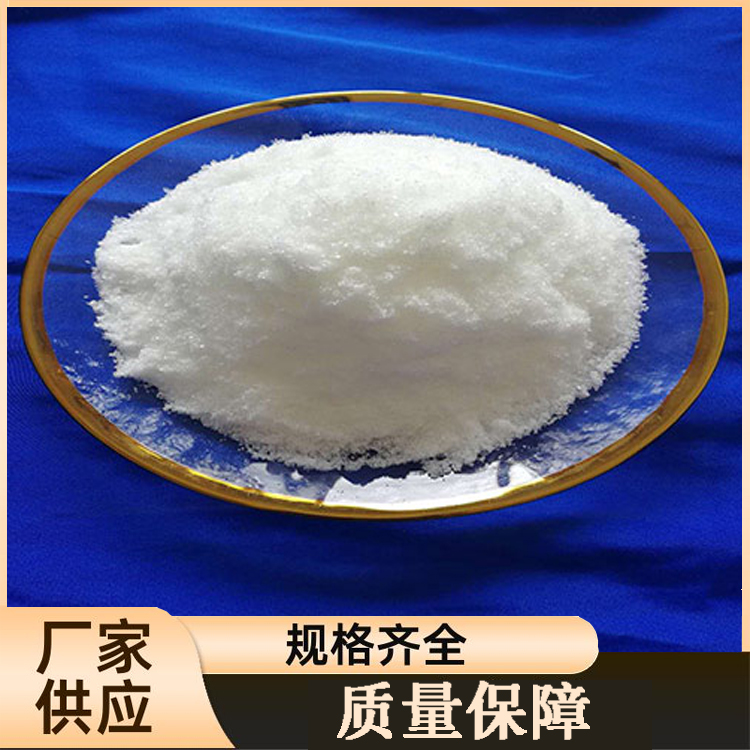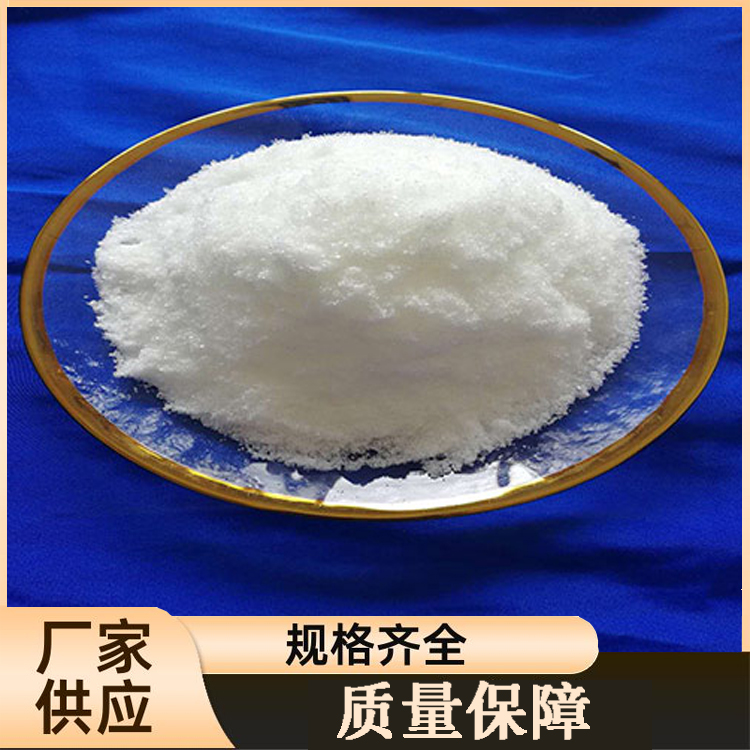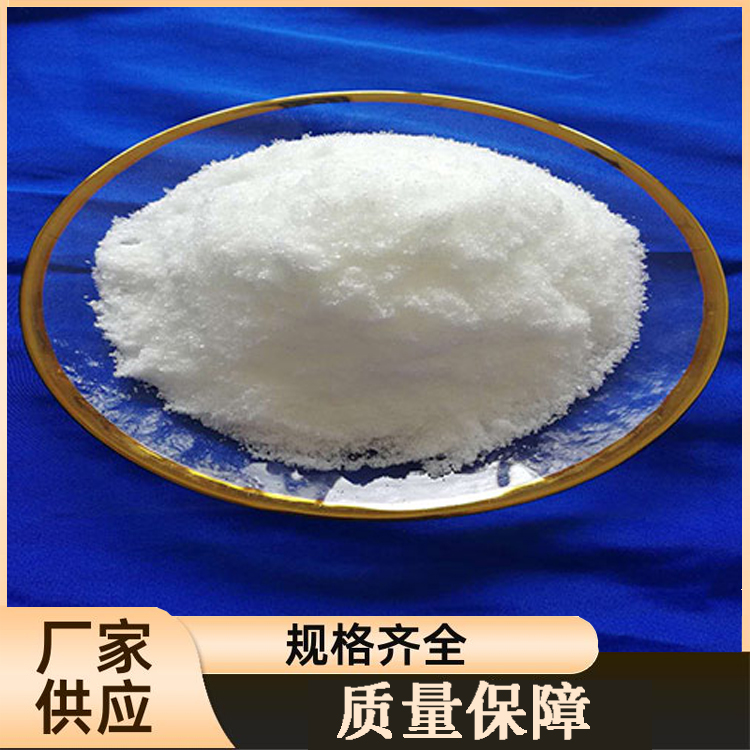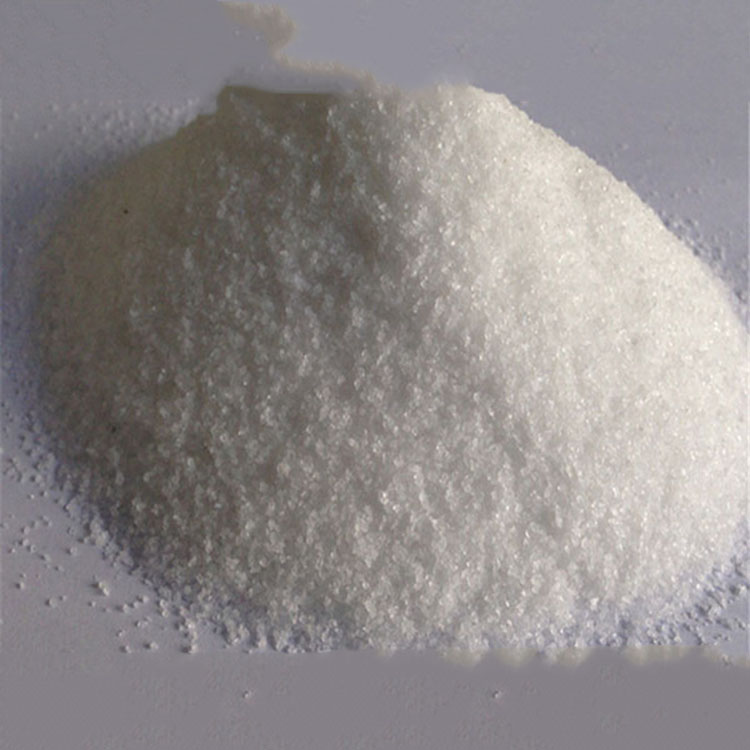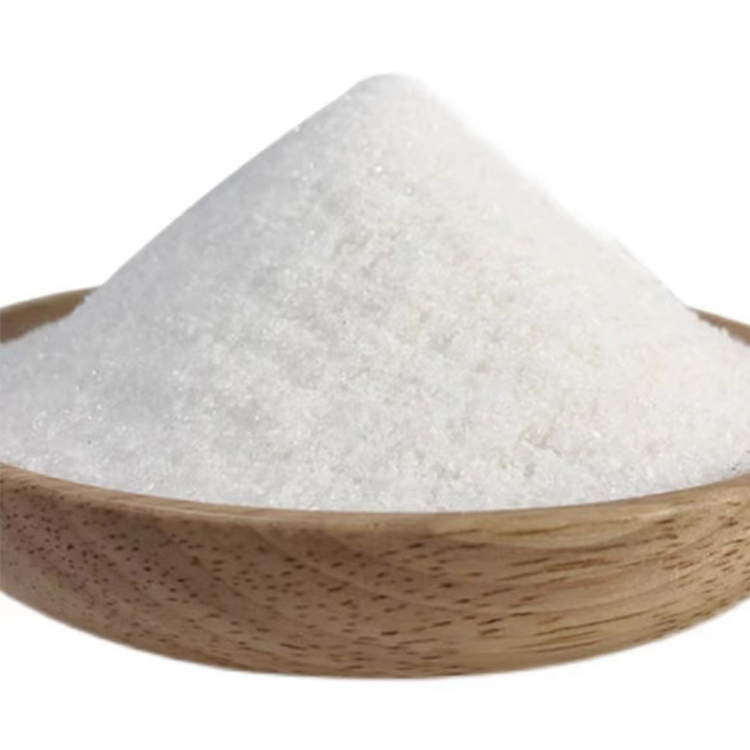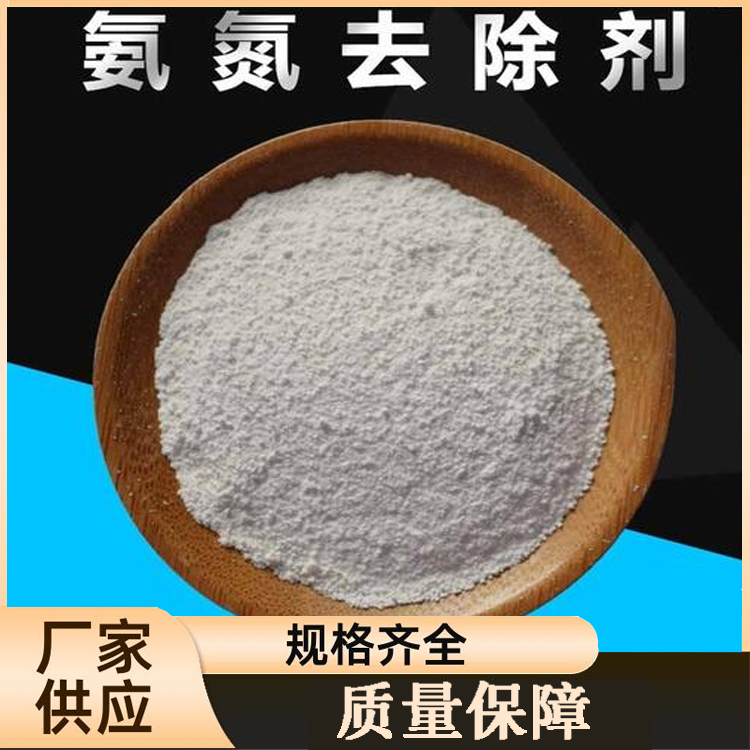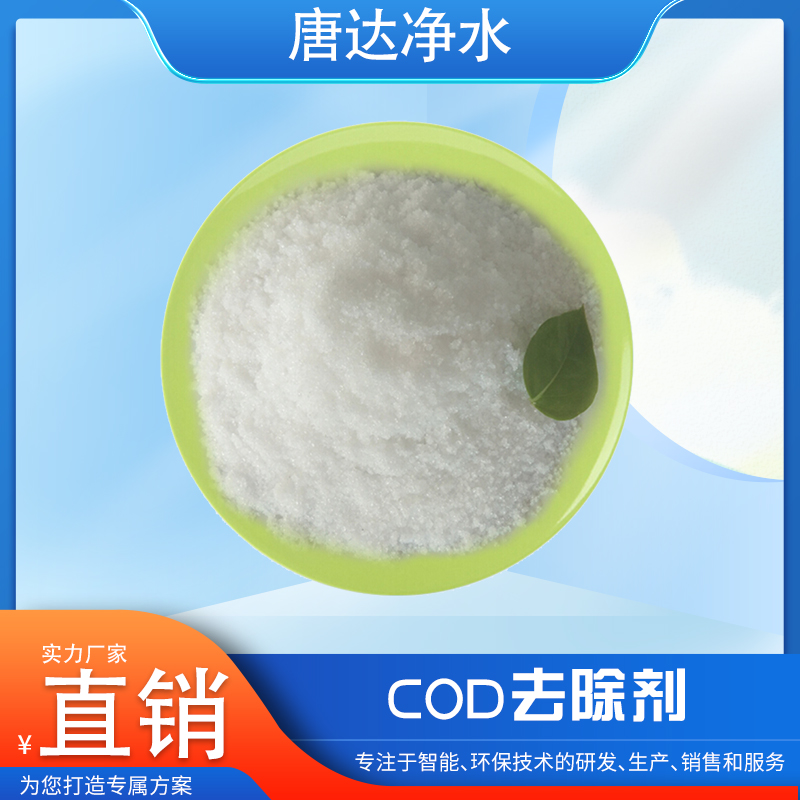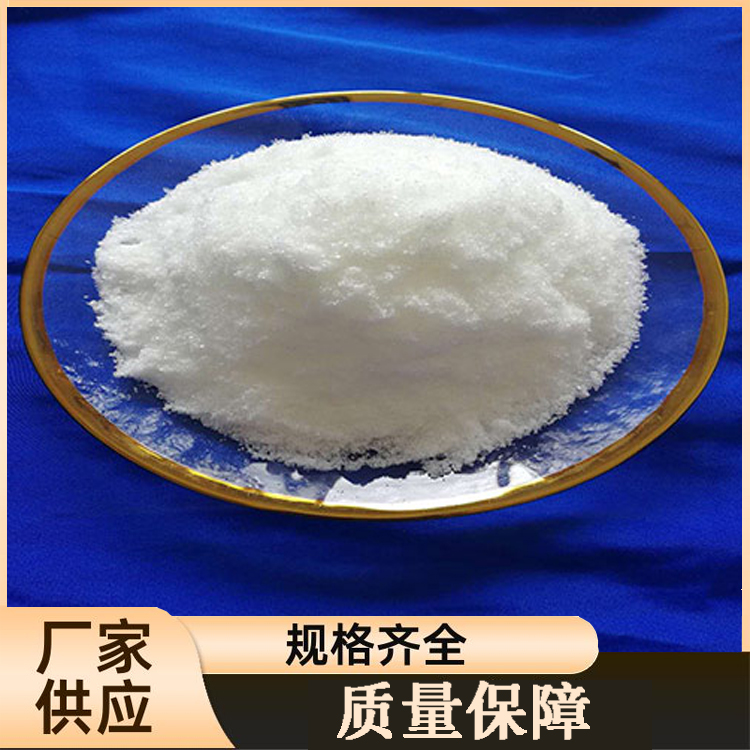

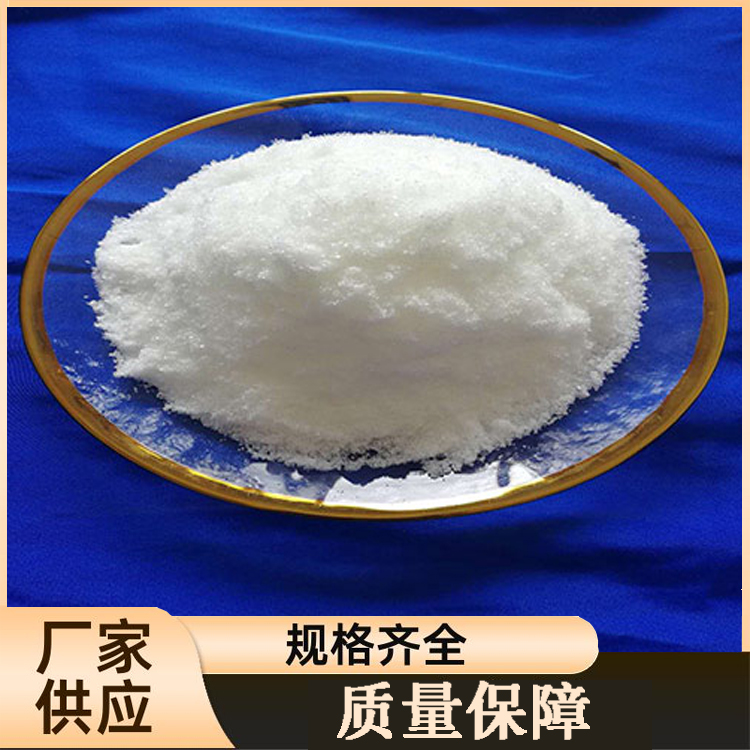
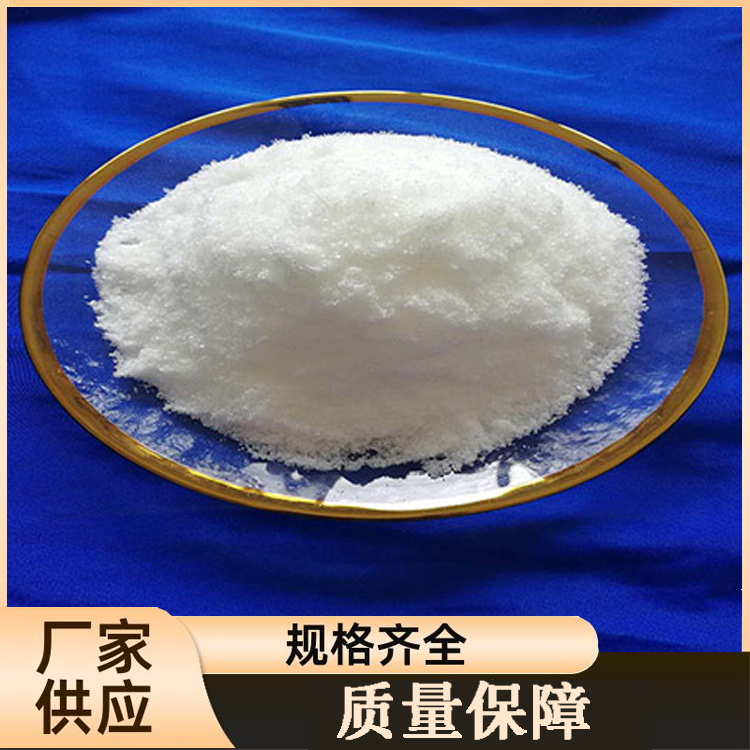
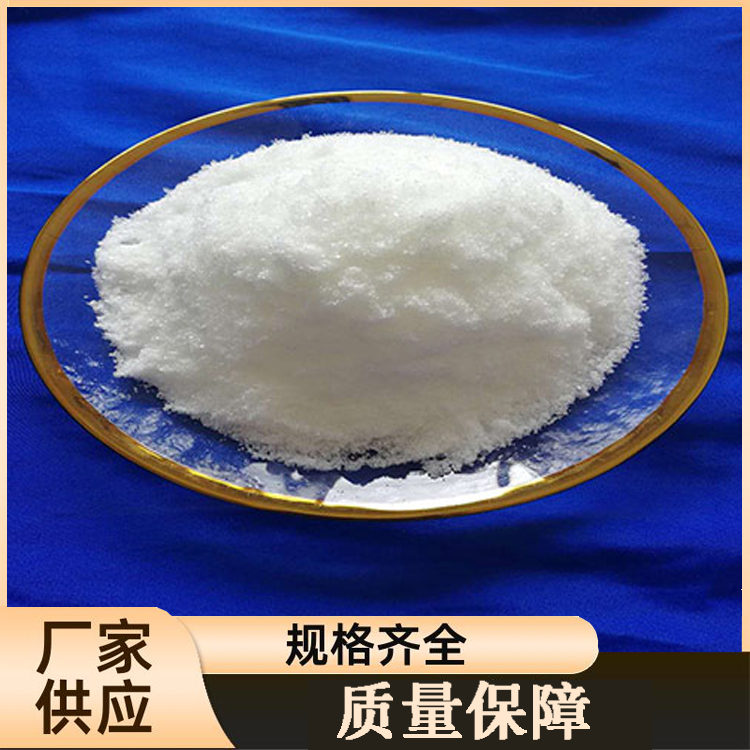


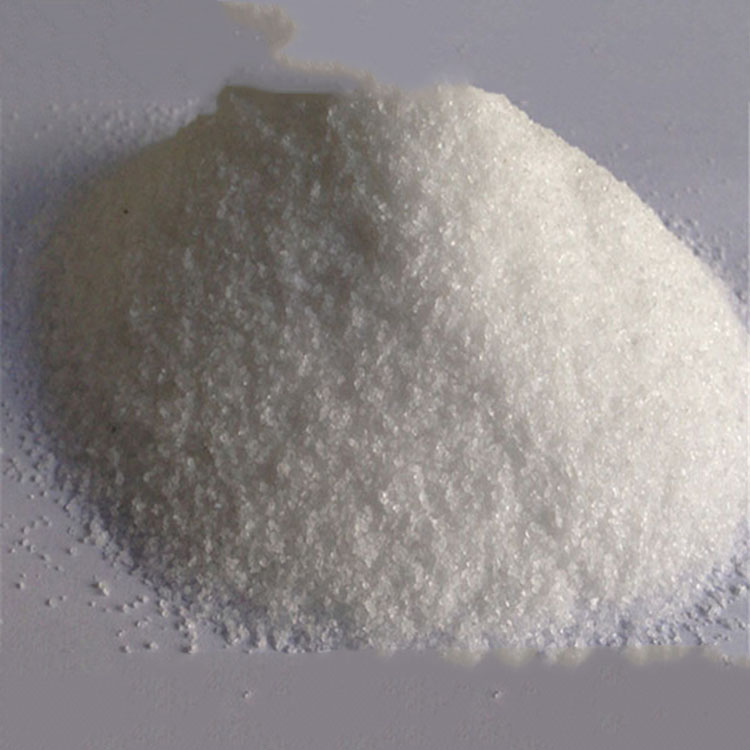
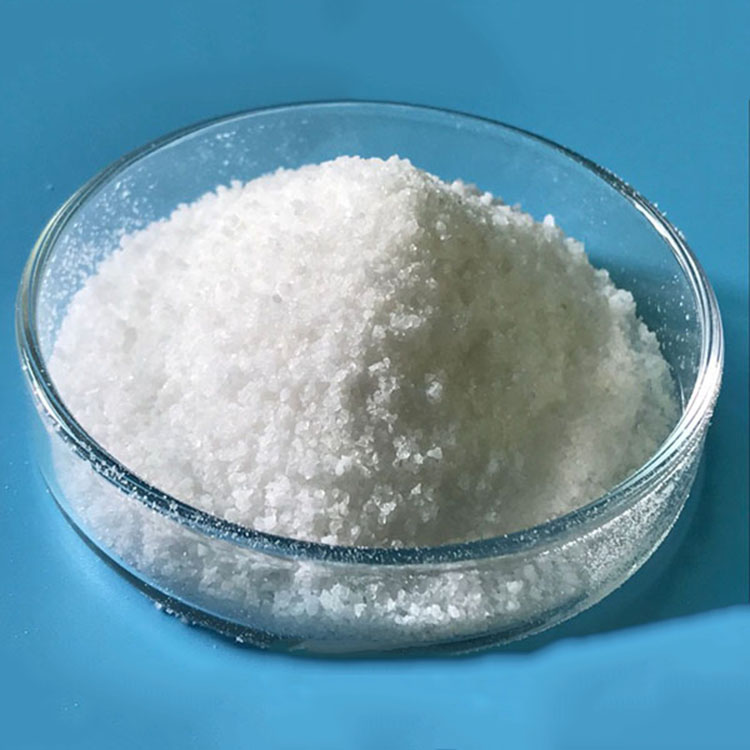
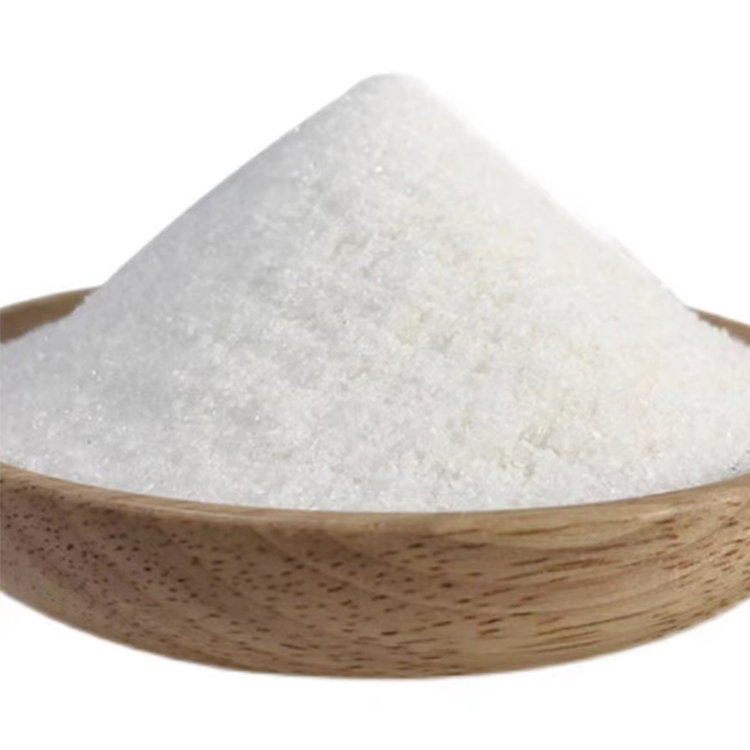
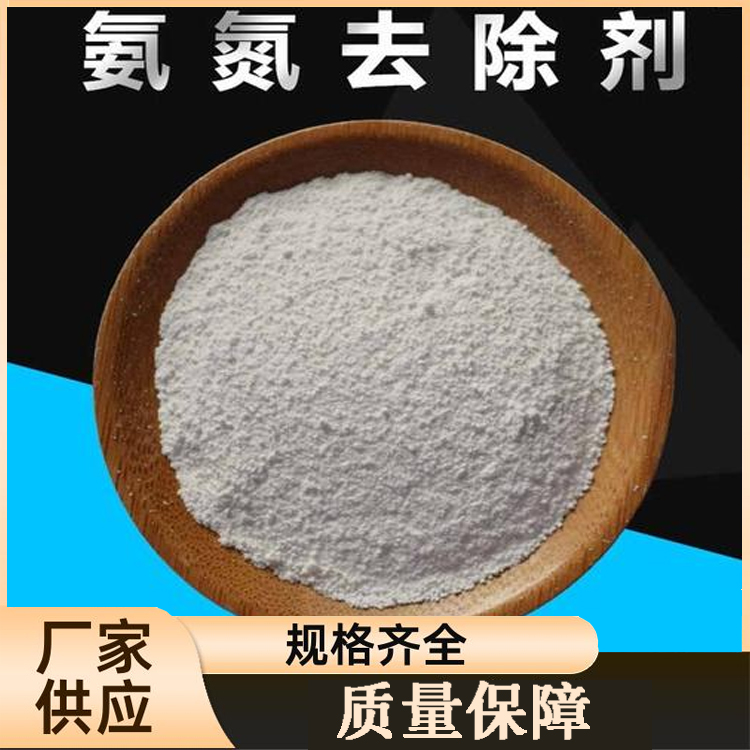





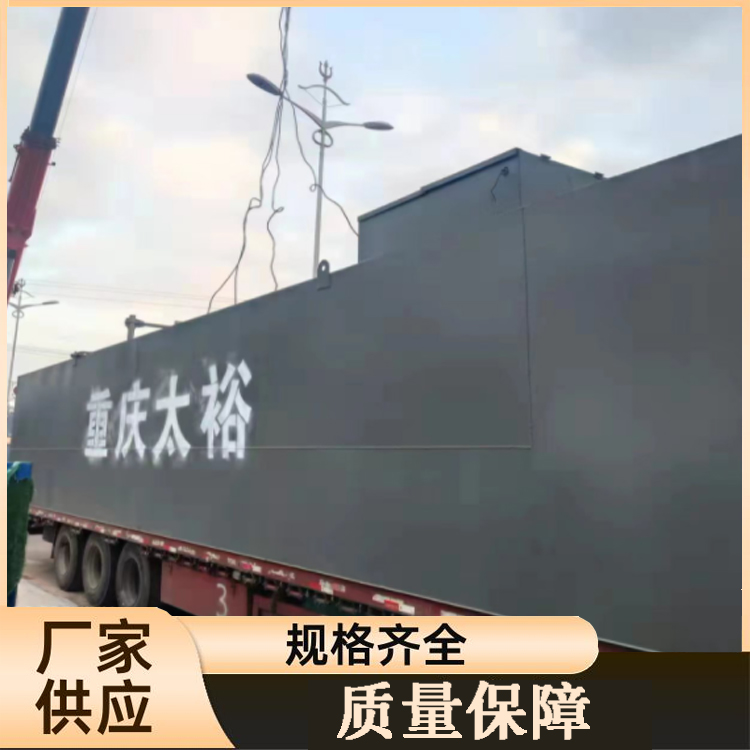

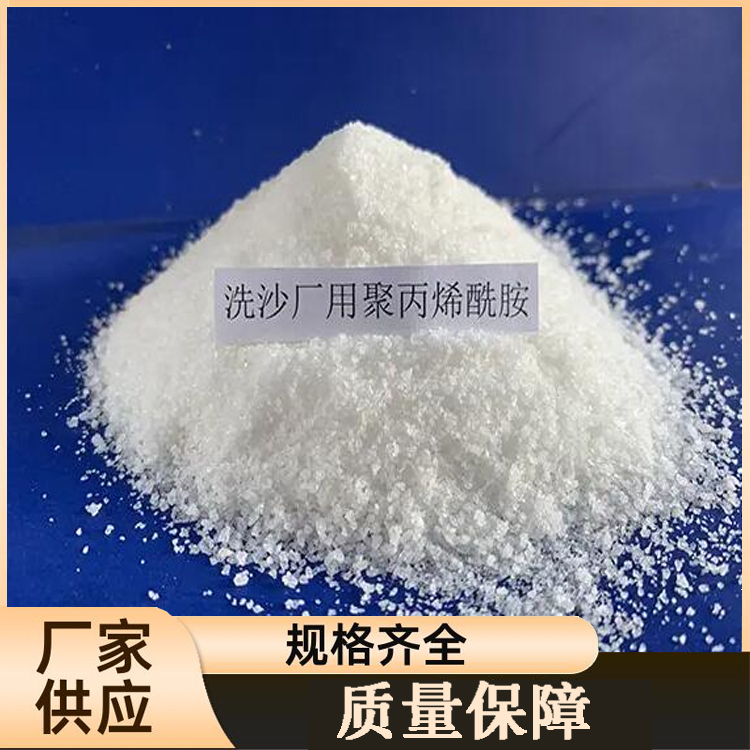

The basic principle of COD degradation remover is to react with organic pollutants in wastewater through high molecular weight inorganic compounds and non-metallic minerals, thereby removing pollutants from the wastewater. In use, the product can degrade the concentration of organic pollutants in wastewater in the form of insoluble and soluble substances, and by utilizing its characteristics during the reaction process, it can effectively remove various pollutants from the wastewater. This product can be used alone or combined with commonly used inorganic, organic flocculants, or coagulants. The treated wastewater is clear and transparent, removing various toxic pollutants that are harmful to biological treatment, significantly reducing the chemical oxygen demand and ammonia nitrogen content in the water, and greatly lowering the biological load, providing a favorable environment and conditions for subsequent biological treatment. The application process of this product is simple, allowing direct addition to the original factory's wastewater treatment facility, with easy operation and significantly reducing the cost of wastewater treatment.
COD Degradation Remover
Product Features and Advantages
Quick response times significantly reduce processing workflows.
Excellent processing results, truly solving the COD exceedance issue.
Environmentally friendly and non-polluting; addition does not introduce new pollution.
Simple operation, suitable for wastewater and sewage treatment
Compared to other conventional chemical treatment agents, it generates less sludge.
Low cost for wastewater treatment, basically no need for system hardware investment.
Cash on Delivery Waste Water Treatment
Introduction to COD Degradation Remover Usage
Before mixing the COD remover, prepare the raw water with a 10% solution. Preferably, carry out the water temperature and acidity under constant temperature and pollution-free conditions. In the reagents treated in proportion, provide sufficient reaction time, controlling it to about 10 minutes to achieve basic reaction sufficiency. For users, it's best to control the dosage based on the characteristics of the wastewater, which is beneficial for the reagents to react fully, maximizing benefits and cost control. In general wastewater treatment, 1-3/10000 doses of the reagent can consume 500g/L of COD. This is generally considered a normal dose. For other wastewater treatments, it's best to test the solution and add other chemicals.
Application Range
(1) Wastewater treatment for industries such as dyeing and finishing, chemicals, winemaking, urban potable water supply, and comprehensive wastewater.
(2) Various industrial wastewater treatment processes, including ink, packaging printing, automotive parts, machinery, painting, surface treatment, coatings, paints, electroplating, papermaking, food, dyeing, bleaching, leather, etc.
(3) Urban Sewage Wastewater Purification and Treatment
(4) Dewatering and drying of various sludge sediment.