










Sand washing plant slurry is a suspension containing a certain amount of fine clay particles. The characteristics of the mud depend on its composition and are related to the local geological conditions. The general characteristics of the slurry are a light yellow appearance, uniform consistency, and it does not separate over time. The specific gravity of the slurry ranges between 1.20 to 1.46 (while the specific gravity of yellow sand is 1.6); the clay content is 20% to 30%, and the pH value is between 6 and 7. This slurry originates from construction pile foundations, sand pits, tunnels and caves, tailings, and more.
This article mainly discusses the current status of polymer coagulants in the treatment of sand washing mud wastewater. Coagulants for sand washing mud wastewater treatment
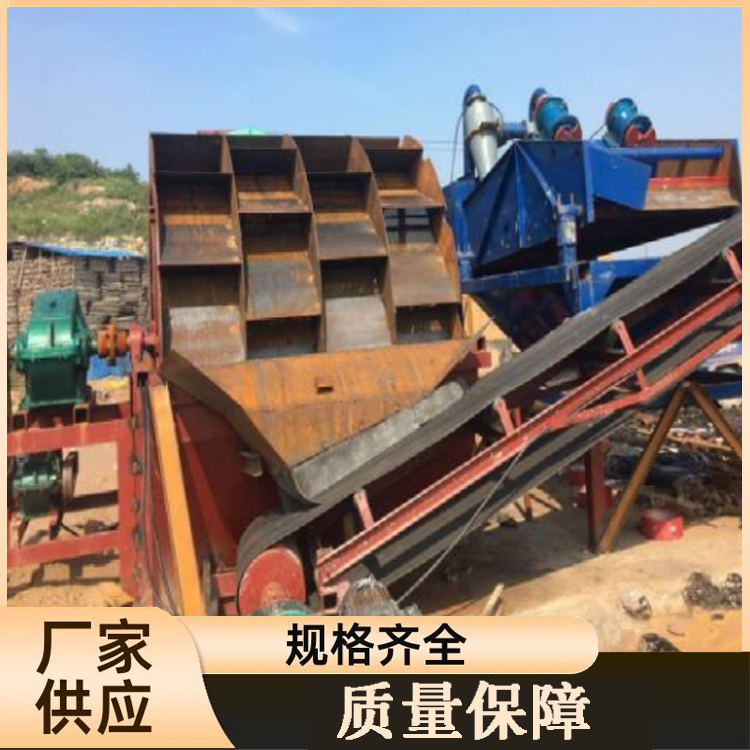
Currently, the technological process for sand-making in our country involves: the river sand or ore is crushed by crushing machinery, followed by water washing through sand washing equipment to obtain fine sand with less silt content. This process generates a large amount of wastewater, with the main pollutants being silt and sludge. The suspended sludge in the water is difficult to settle, and direct discharge severely pollutes the water source. The sedimentation pond method used in the industry occupies a large area, takes a long time to process, and the sediment is not easy to extract. The transportation by tank trucks is costly and does not fundamentally solve the problem.
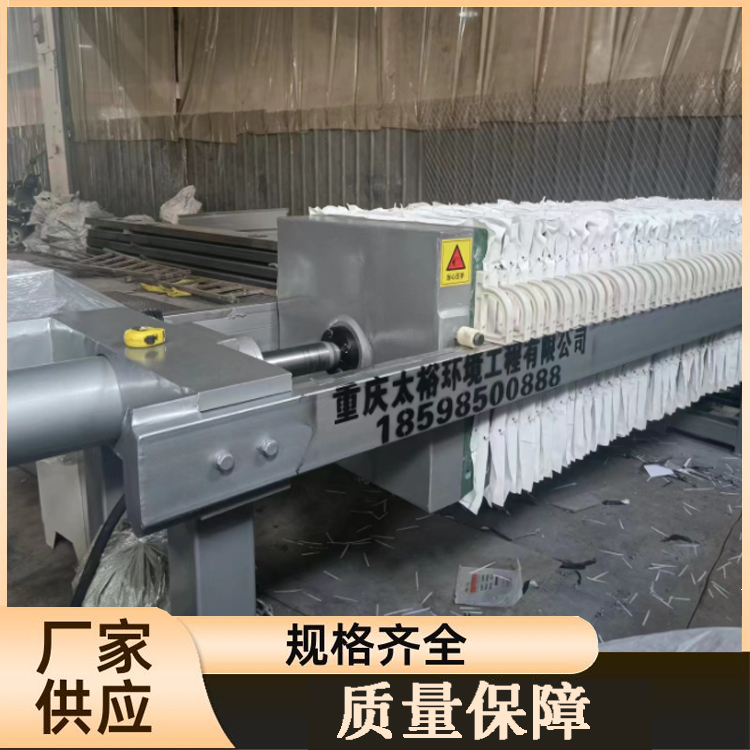
In recent years, this process system is widely adopted, including mud and water collection settling ponds, secondary settling ponds, clear liquid ponds, mud and sand separation systems, dosing systems, drainage systems, and slag discharge systems, etc.
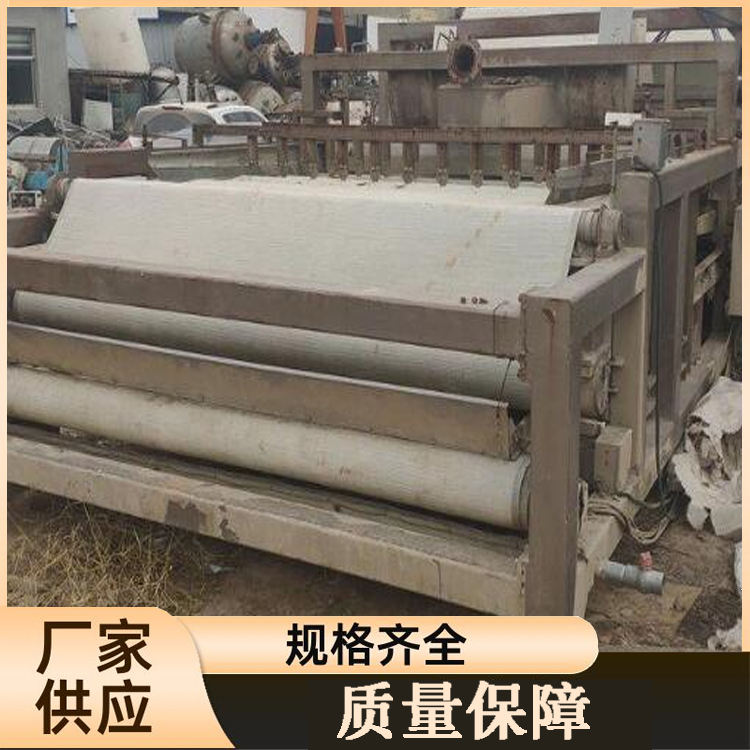
The working principle is as follows: The slurry water enters the sedimentation pond through pipes, where it is pre-treated by the sludge dewatering unit to remove most of the fine sand. Part of the cement slurry and the filtrate then enter the secondary sedimentation pond via the drainage system. The slurry water in the sedimentation pond is a suspended slurry with a very small specific gravity difference between the slurry and water, requiring treatment with a flocculant. After processing by the dewatering unit, the removal rate of mud and sand exceeds 95%. The water in the clear liquid tank can be directly returned to the sand washing system, achieving zero discharge.
The application of polyacrylamide flocculant in water treatment at sand washing plants
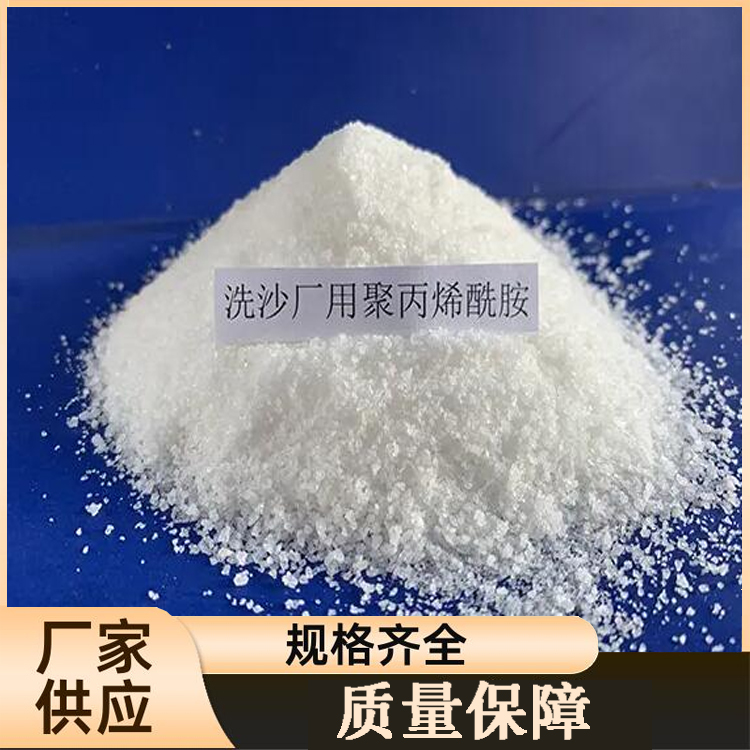
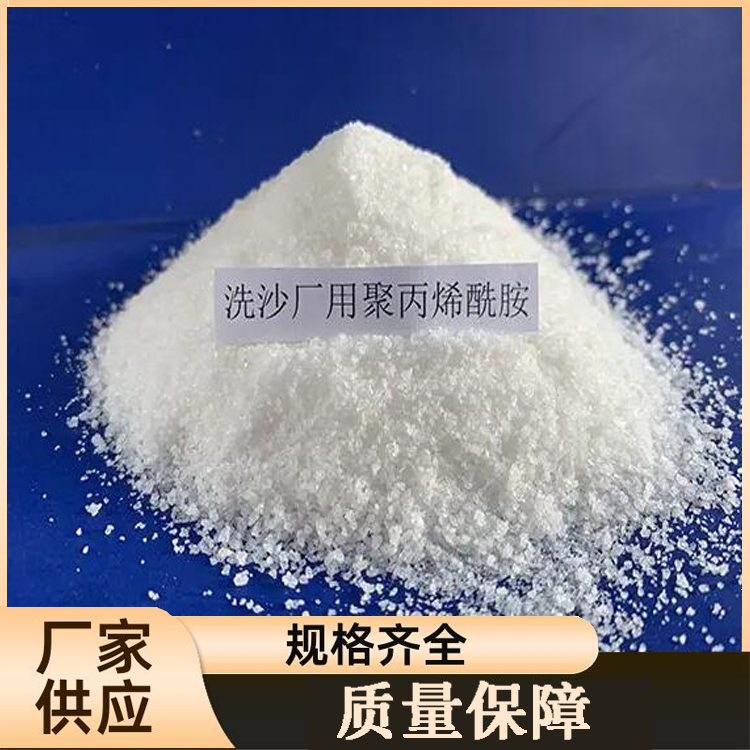
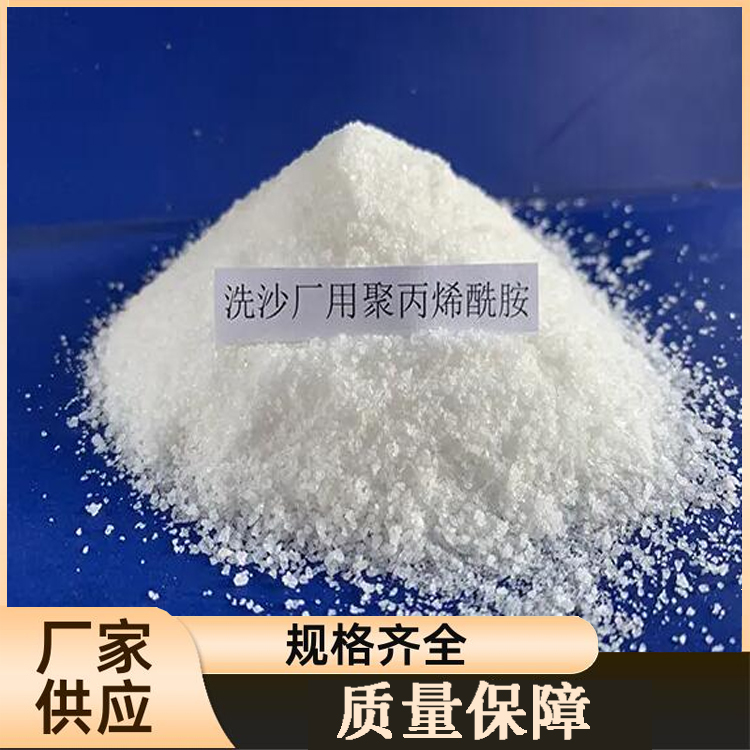
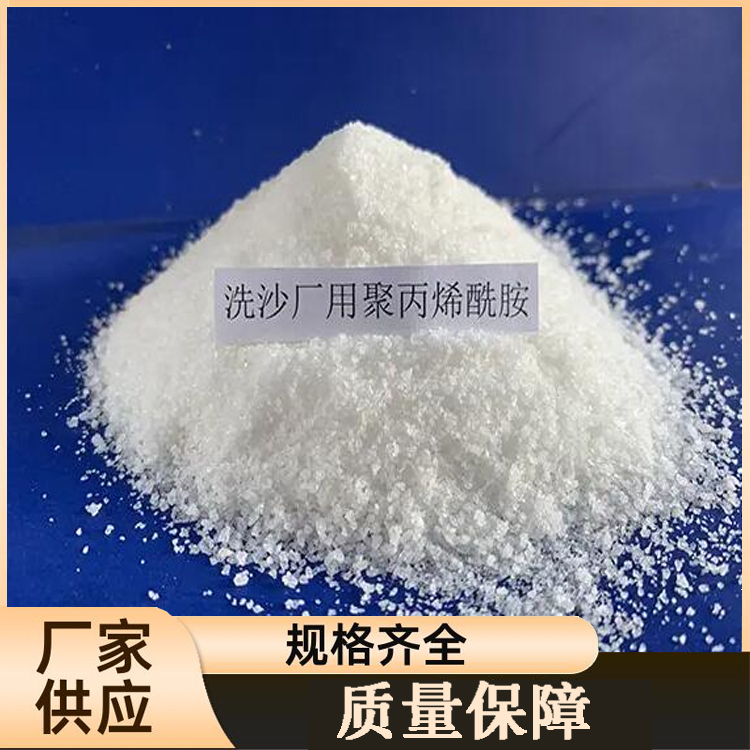
The sand washing plant utilizes highly professional polyacrylamide flocculants. The sedimentation effect is much better than that of ordinary polyacrylamide.
During the sand washing sedimentation process, polyacrylamide is used to accelerate the solid-liquid separation. It is then conveyed to a concentrator, where overflow recovery and water recycling take place. Sludge wastewater is filtered, flocculated, sedimented, and centrifuged. Polyacrylamide is added again during filtration and centrifugation to enhance the separation efficiency of water and fine sand. The sand washing flocculant polyacrylamide is a mixture of water and fine sand, characterized by high turbidity, very fine particle size, negatively charged particle surfaces, and similar charges that repel each other, keeping the particles dispersed in water and affected by both gravity and Brownian motion. Due to the interactions between solid particles in the sand washing water (such as adsorption, dissolution, and bonding), the properties of the sand washing wastewater are quite complex. It not only exhibits suspension properties but also develops colloidal characteristics.
Our professionals compared the system with those from other companies, and we can conclude that. The cost of this system is approximately 40% lower than the original system. The unit processing cost of the reagent is low, and the recovery rate is high.
Sand washing plant-specific anionic polyacrylamide - buy the right one. The polyacrylamide products sold by Taiyu Environmental Protection have passed the ISO quality system certification. Large manufacturers are all trustworthy; feel free to make your purchase!