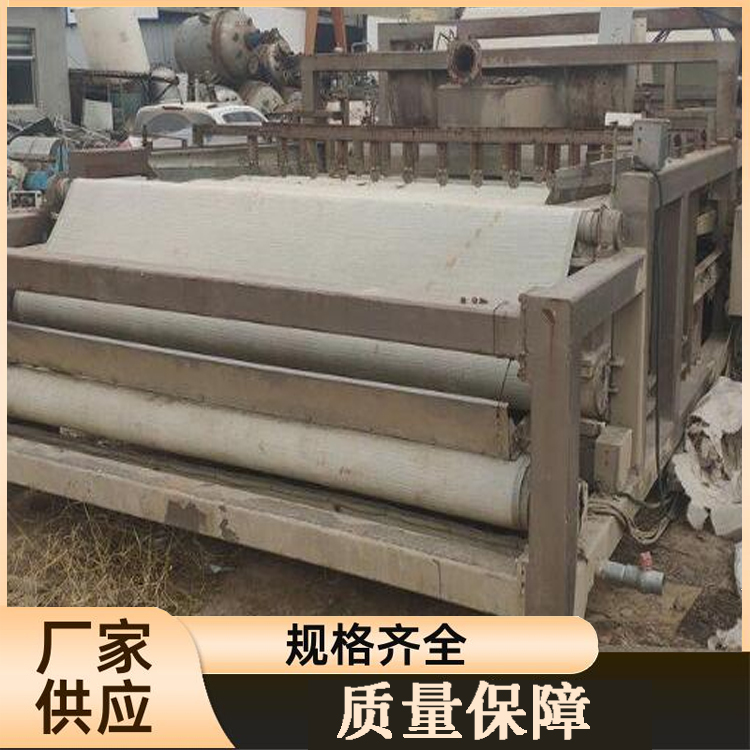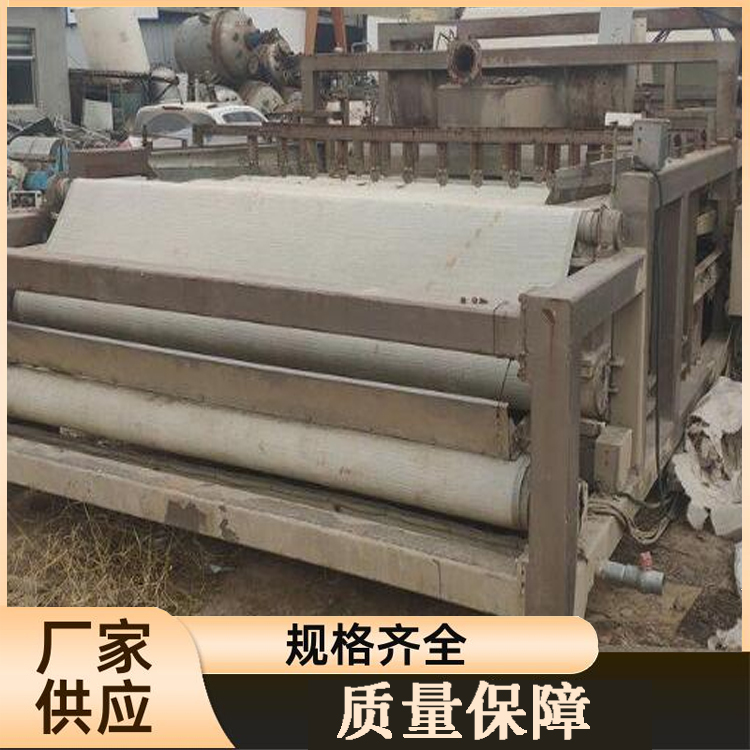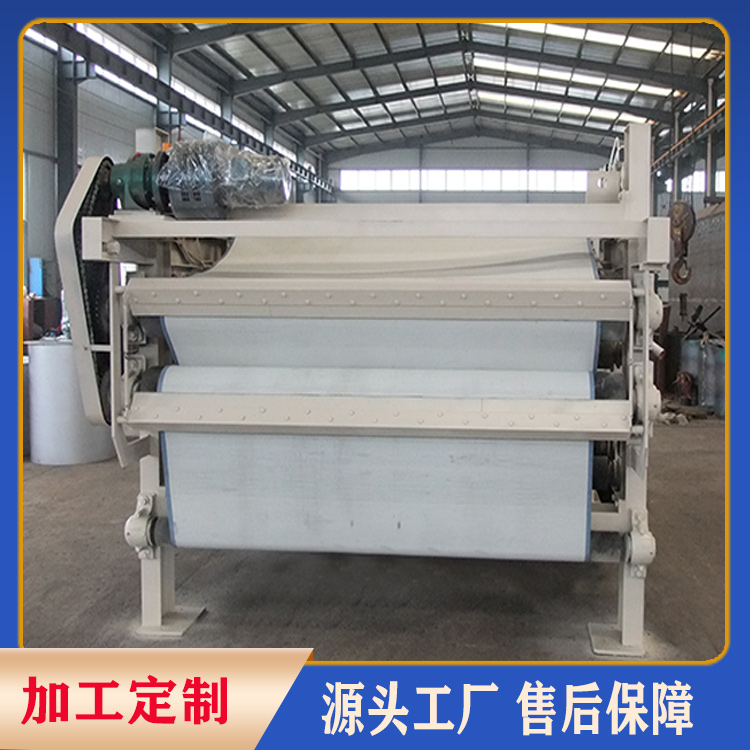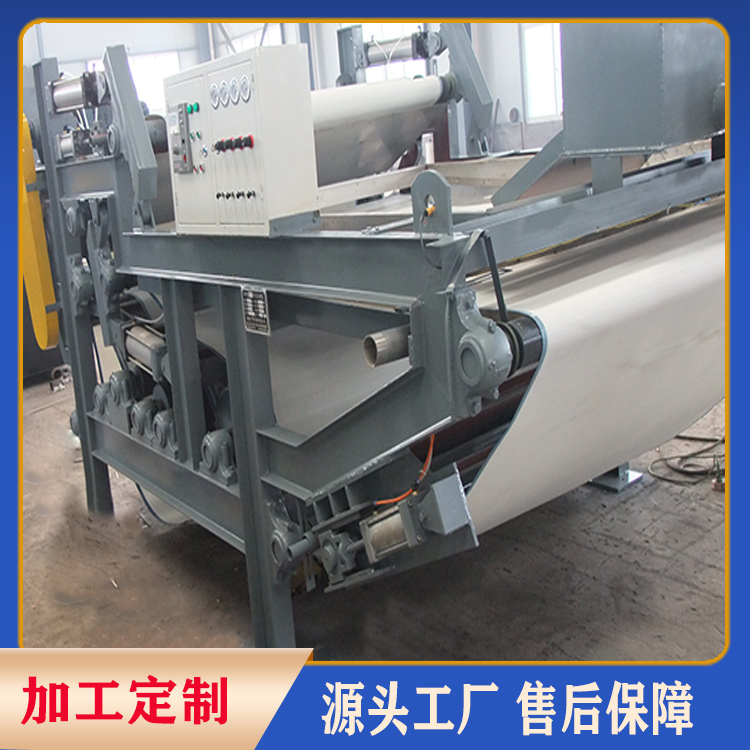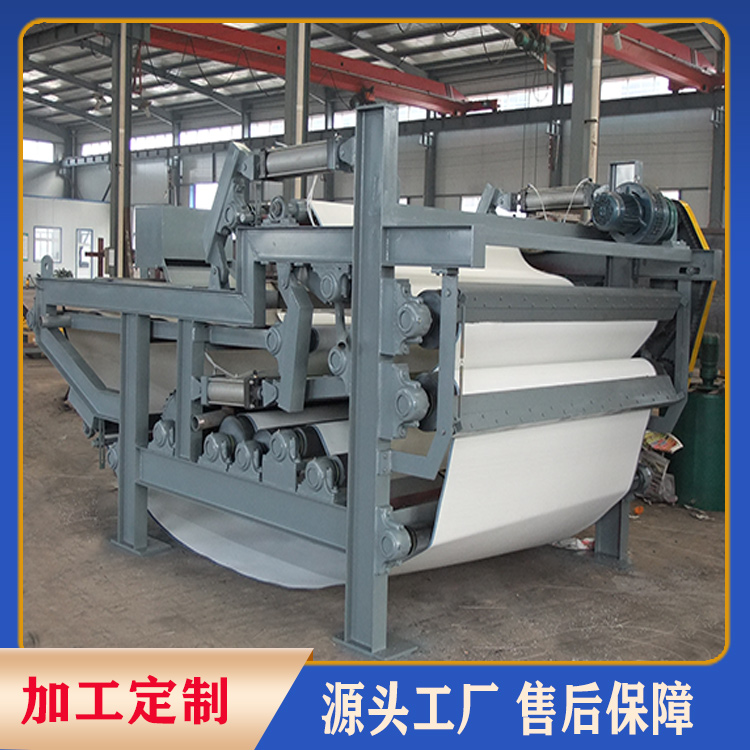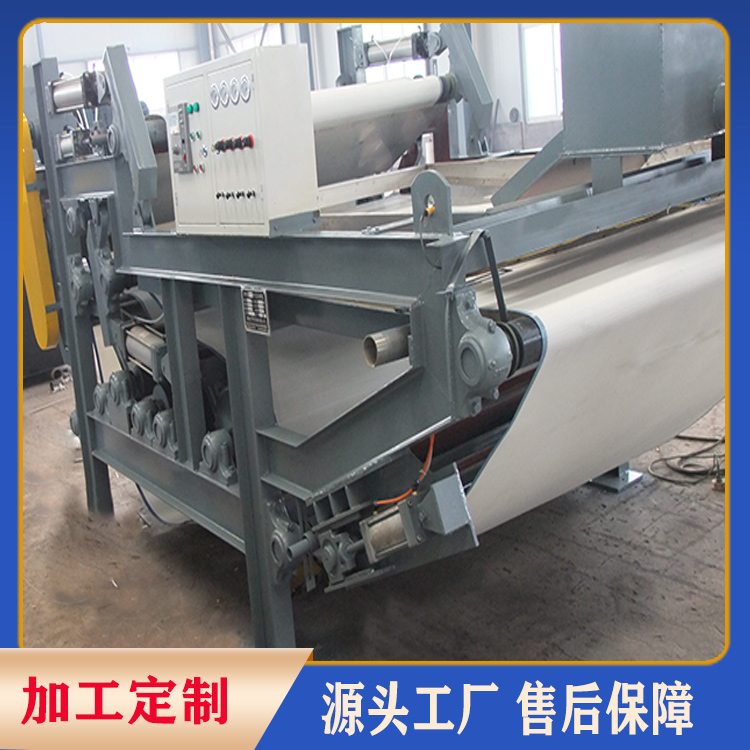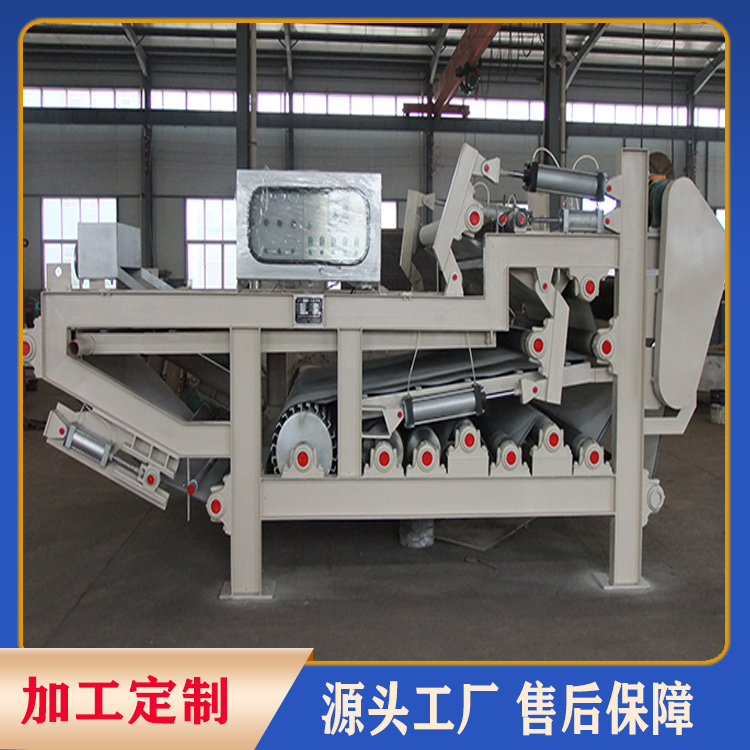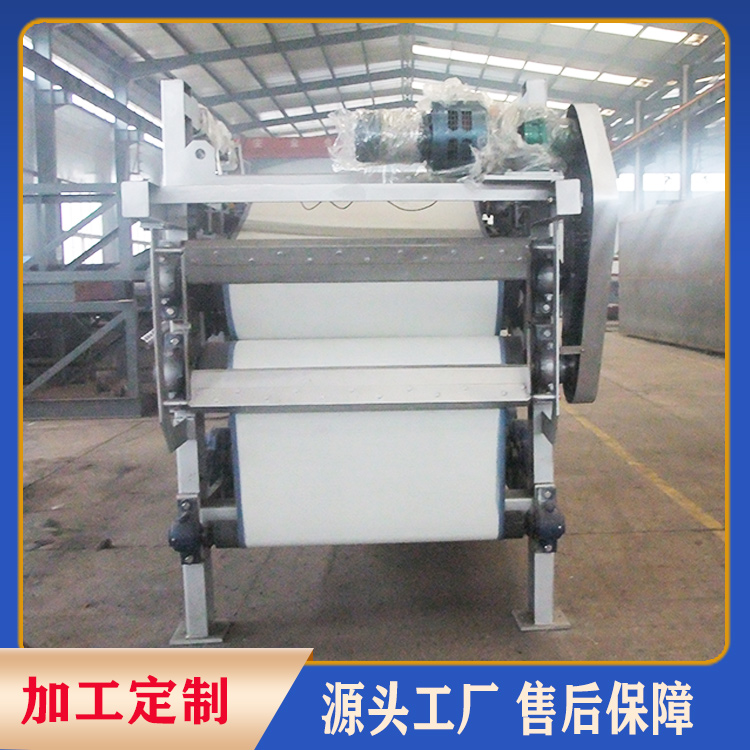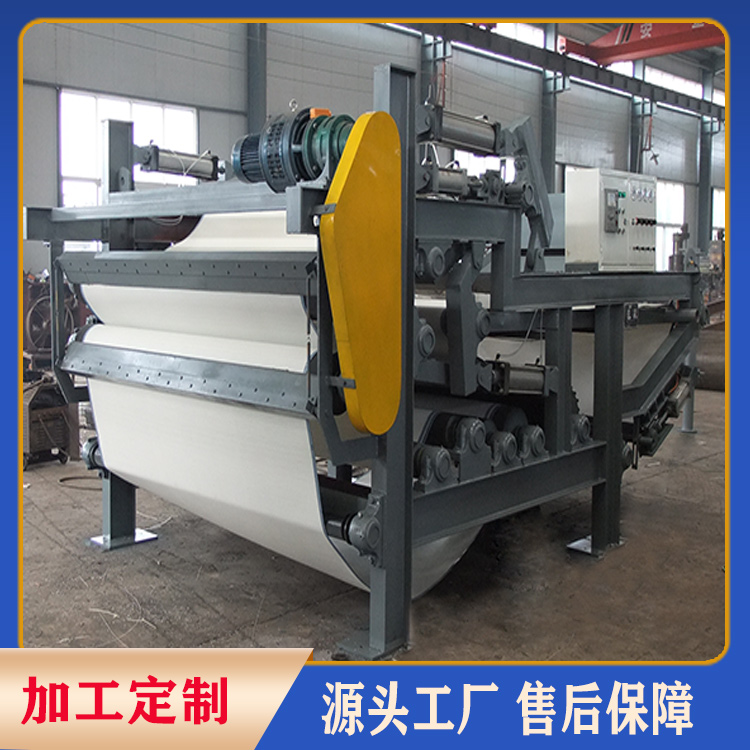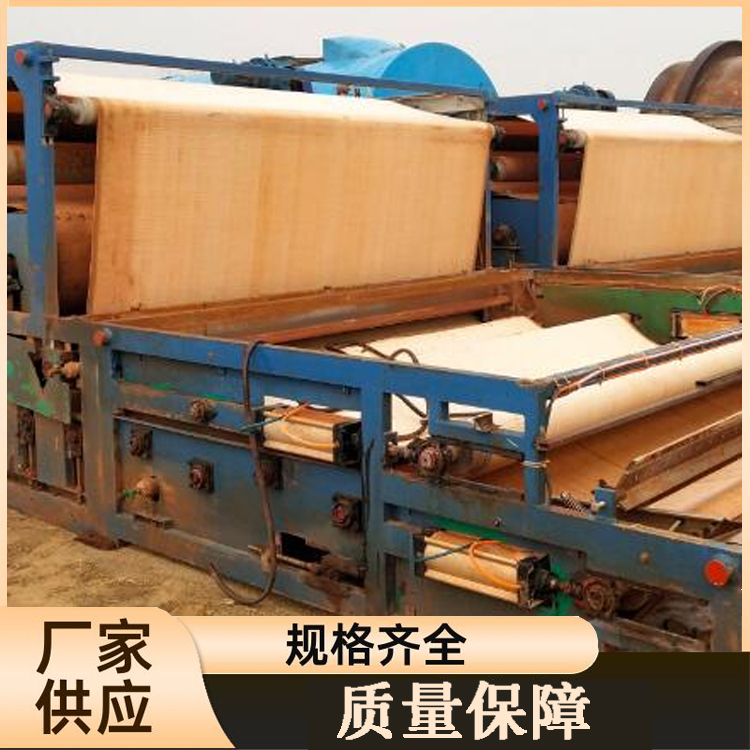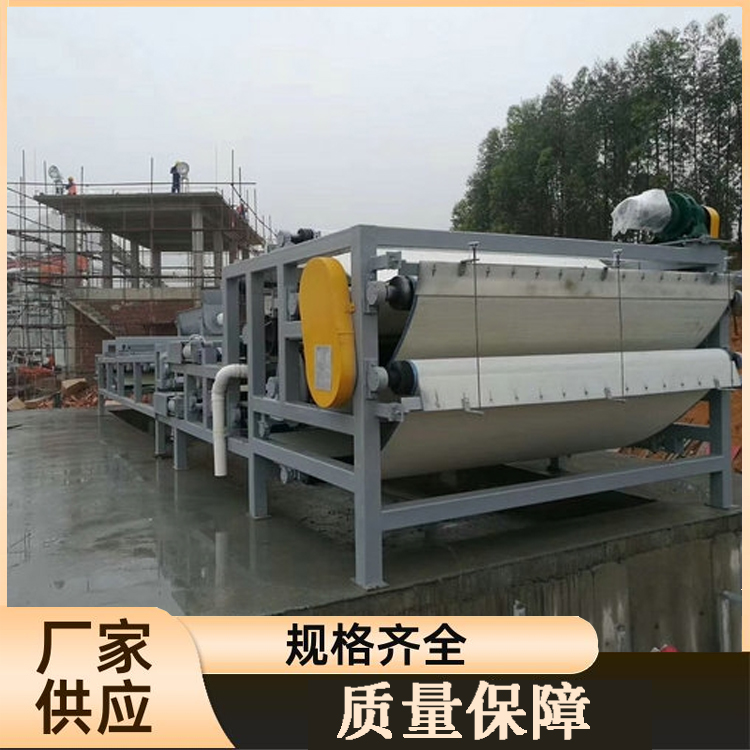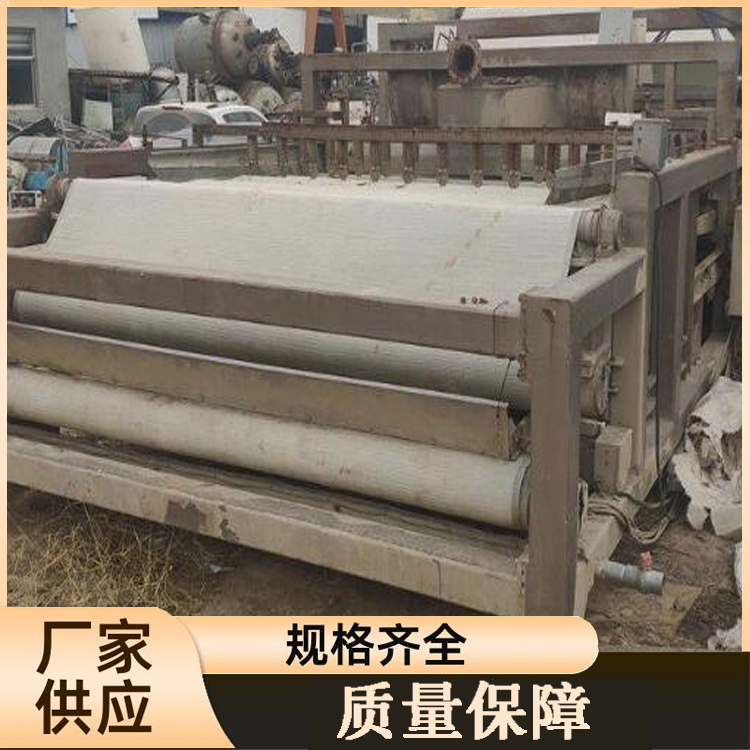

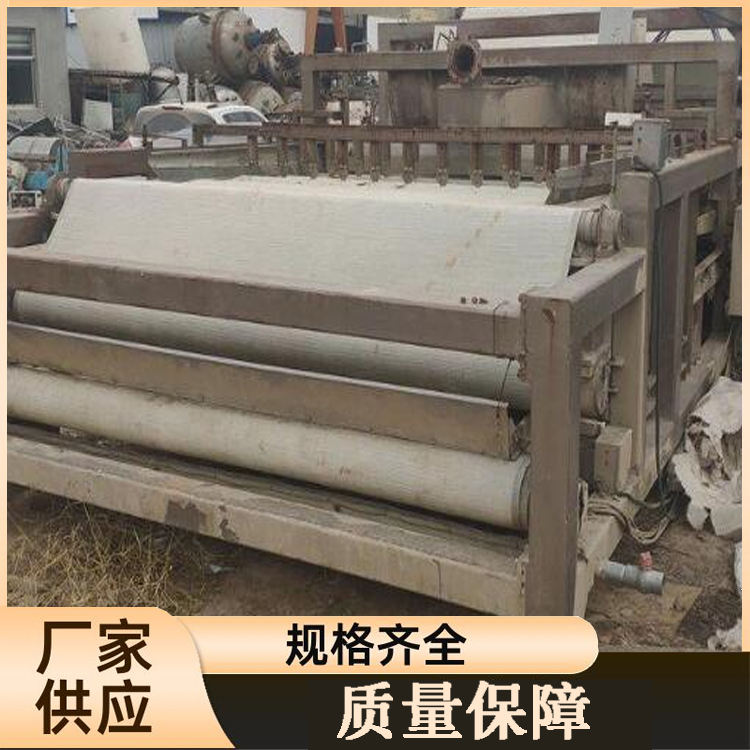
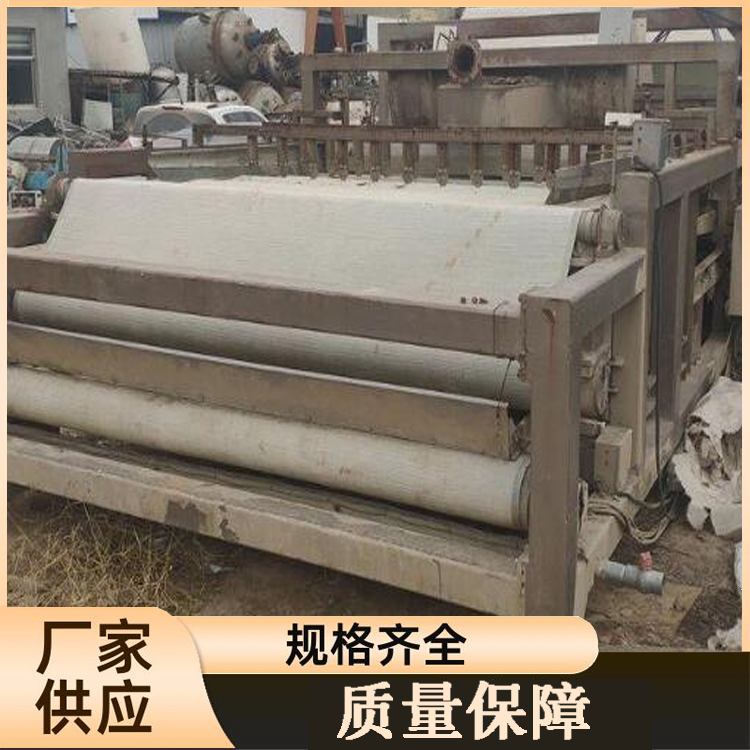


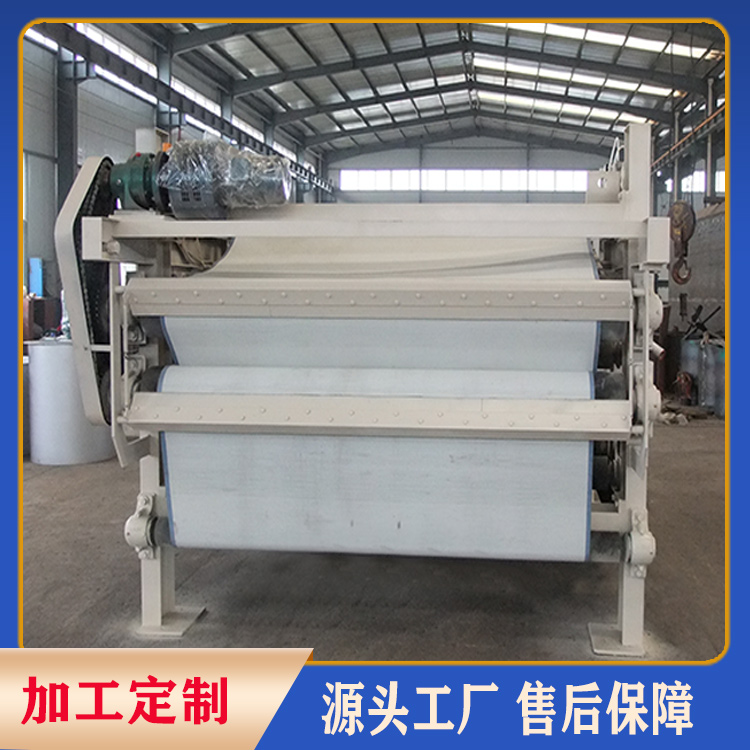
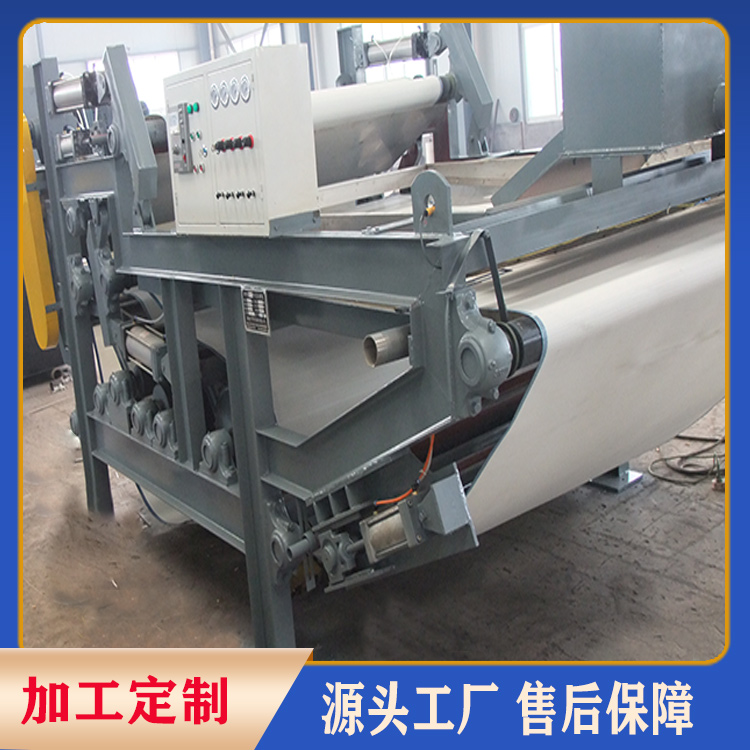

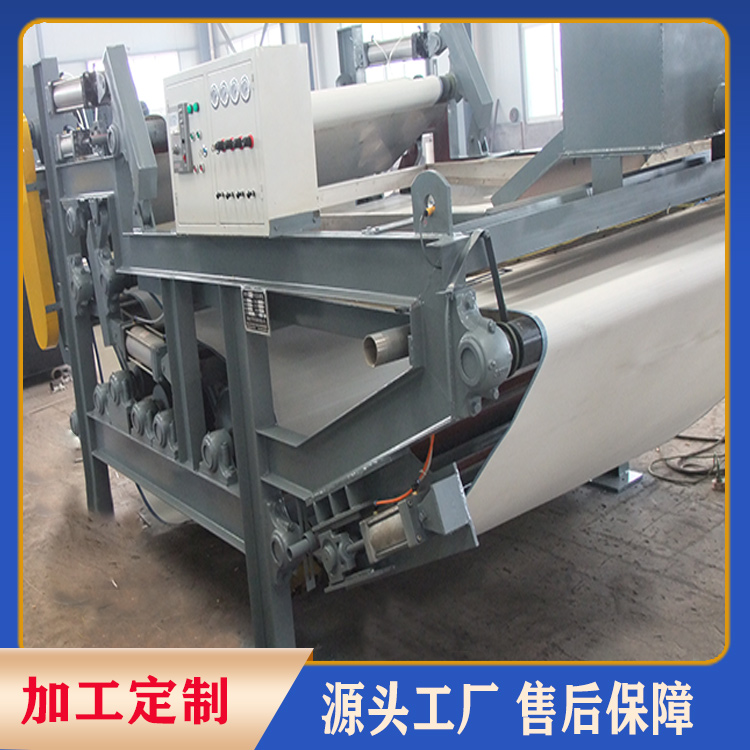






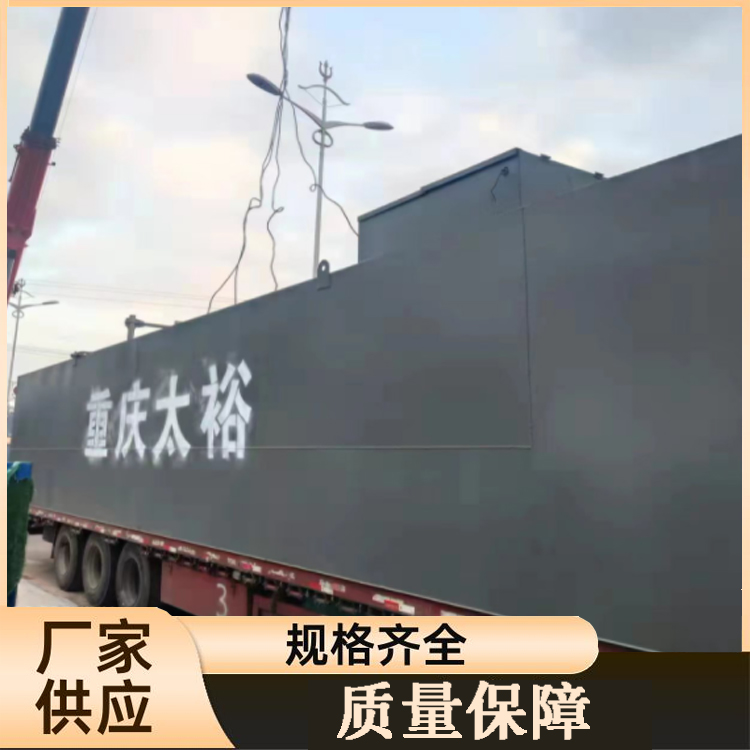
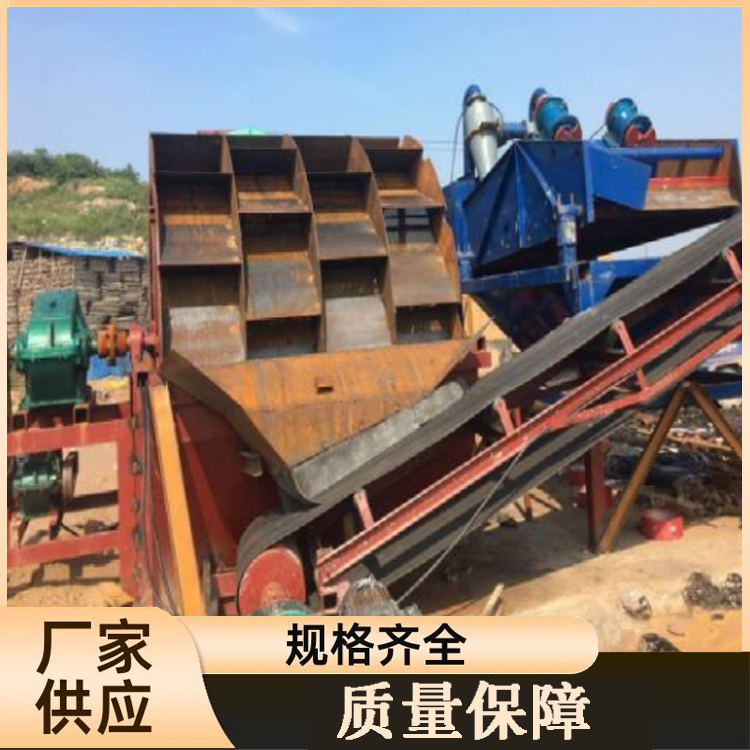


Chongqing Taiyu Environmental Engineering Co., Ltd. specializes in the recycling of second-hand wastewater treatment equipment and belt filter presses. Customers in need can contact us for assistance in solving their problems, as we are the manufacturer and therefore offer more expertise.
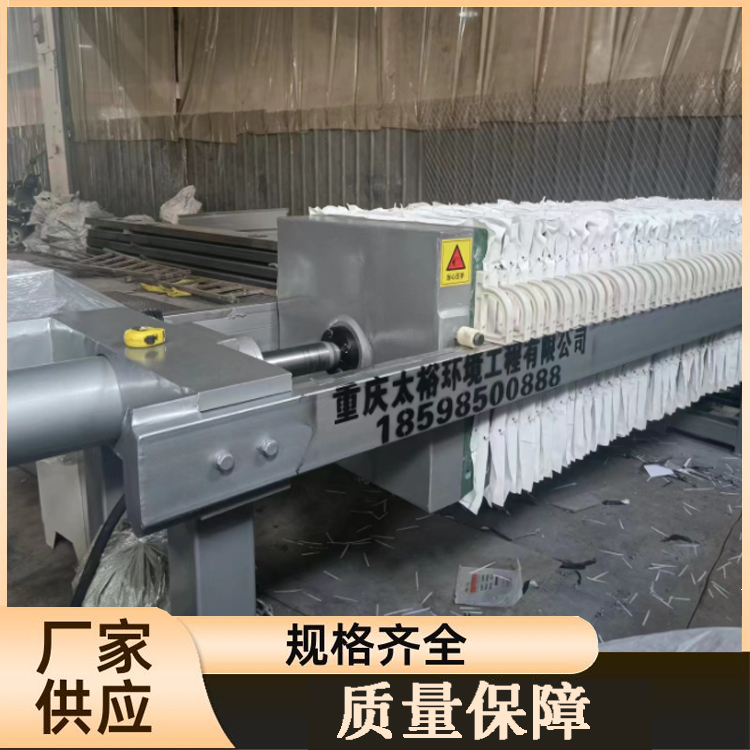
In general, filter presses have a wide range of applications, although their structure is relatively simple. They primarily involve the pressing and pulling of plate and frame elements. Moreover, they can achieve fully automatic dreg removal and filter cloth cleaning, which is beneficial for the large-scale development of filter presses, and they have a promising application prospect. A filter press consists of a filter chamber made up of multiple filter plates and frames stacked together, using pressure as the driving force for the filter. Filter presses are intermittent operating machines, and they are categorized into plate and frame filter presses, box type filter presses, and diaphragm filter presses.
1. Filter Press Models and Types - Diaphragm Filter Press
The Filter Membrane Press Filter is a low-energy, high-efficiency intermittent pressure filter equipment. It achieves solid-liquid separation for various suspensions by compressing the filter plates with a pressure device, then pumping the suspension into the filter chamber, and separating solid particles from the liquid using pressure cloths.
JinKai Filter Press Factory produces the programmable automatic high-pressure diaphragm filter press XMAZG PP/1500-U type with GX energy-saving design, used for dry tailings discharge. It offers superior dewatering efficiency and capacity compared to ordinary filter presses and other filtering equipment. The single machine can produce large filter cakes up to 35 tons, with a 4-cycle per hour recycling rate, and the filter cakes can have a low moisture content of 10-14%.
2. Pressure Filter Plate and Frame Model
A set of filter chambers is composed of alternating filter plates and frames. The surface of the filter plates has grooves, with protrusions to support the pressing cloth. Each corner of the frames and filter plates has a through-hole. Assembled, they form a complete channel through which suspension, washing water, and filtrate can pass. Handles are present on both sides of the plate and frame supported by beams, which are clamped by a tightening device. The pressing cloth between the plate and frame acts as a sealing pad. The suspension is pumped into the filter chamber, where the filter cake forms on the pressing cloth until the chamber is full. The filtrate passes through the filter cloth, flows along the grooves of the filter plates, and is concentrated for discharge at the frame corners. After filtration, the filter cake can be washed with clean water. After washing, compressed air may also be used to remove any remaining washing liquid. Then, the press filter is opened to remove the filter cake, clean the pressing cloth, and repress the filter plates and frames to start the next work cycle.
Plate and frame filter press is suitable for suspensions with high compressibility or nearly incompressible supports. Suitable suspensions typically have a solid particle concentration less than 10%, working pressure from 0.3 to 0.6 MPa, and special suspensions at 3 MPa or higher. The filter area can be adjusted with the increase or decrease of the frame count. The plates are generally square, with the filter frame length ranging from 320 to 2000mm, filter frame thickness from 16 to 80mm, and filtration area from 1 to 1200m². Compression is achieved manually with screws, electrically with screws, and hydraulically. The steel plates and frames are made of wood, cast iron, cast steel, stainless steel, polypropylene, and rubber.