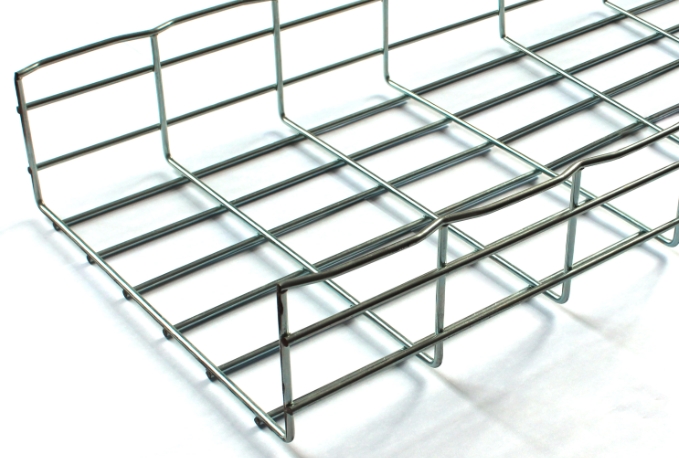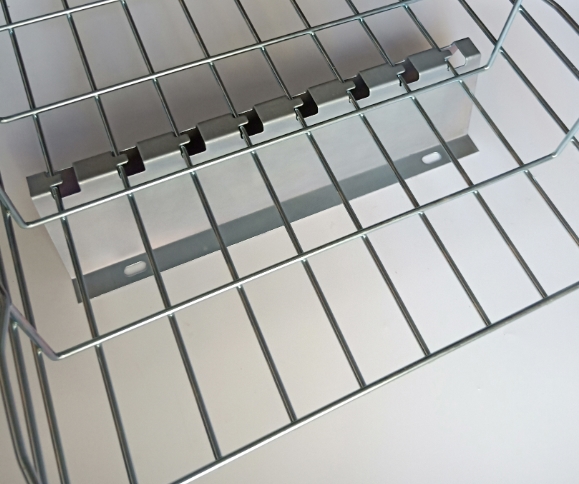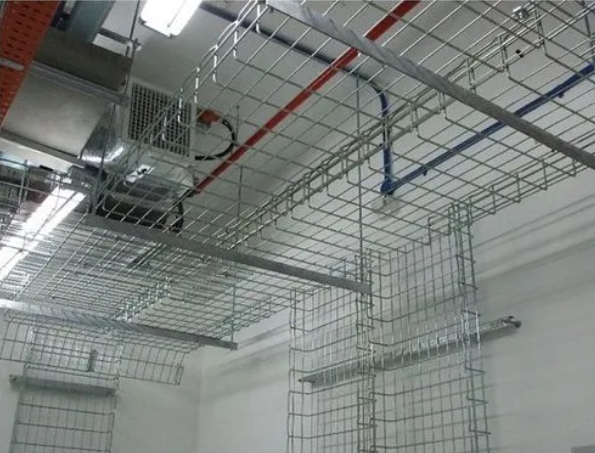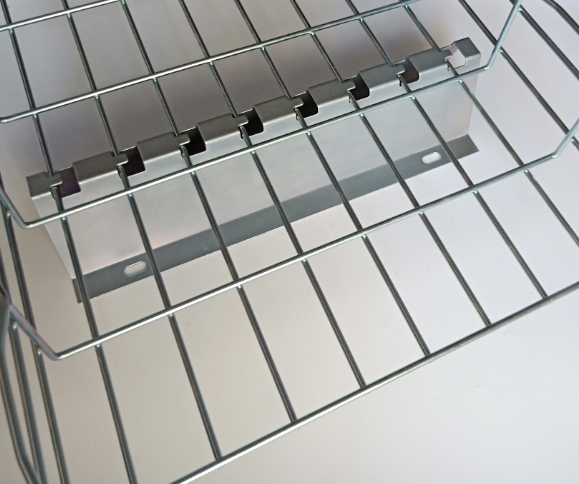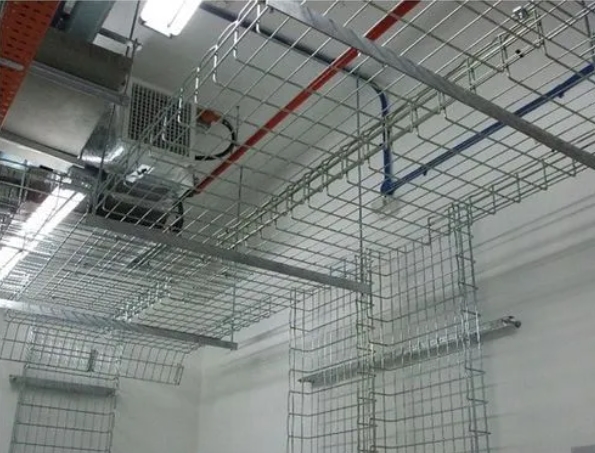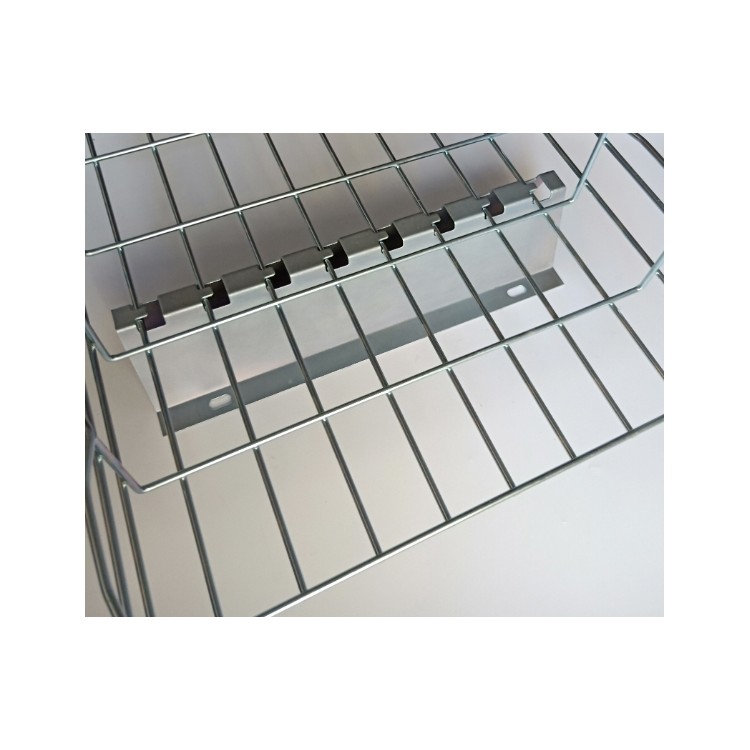

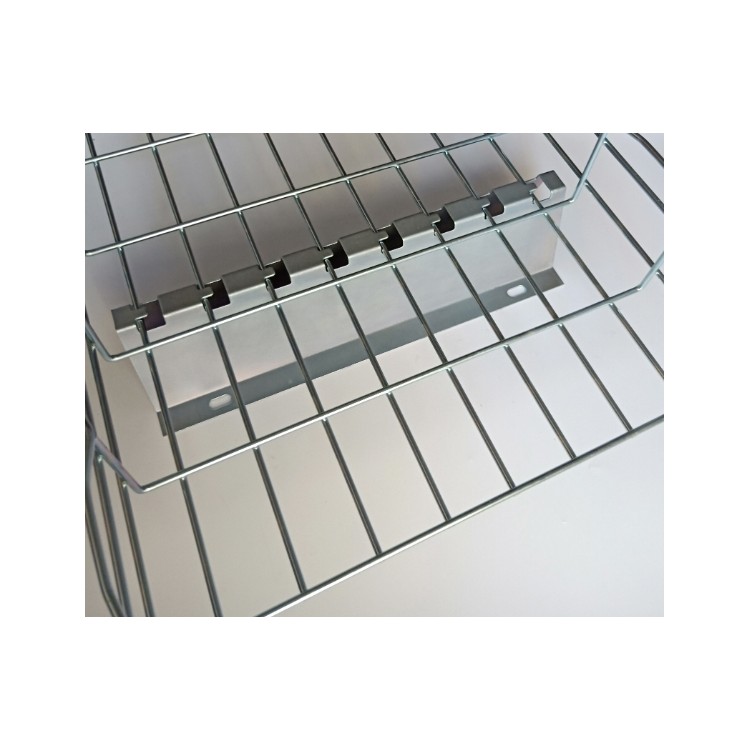

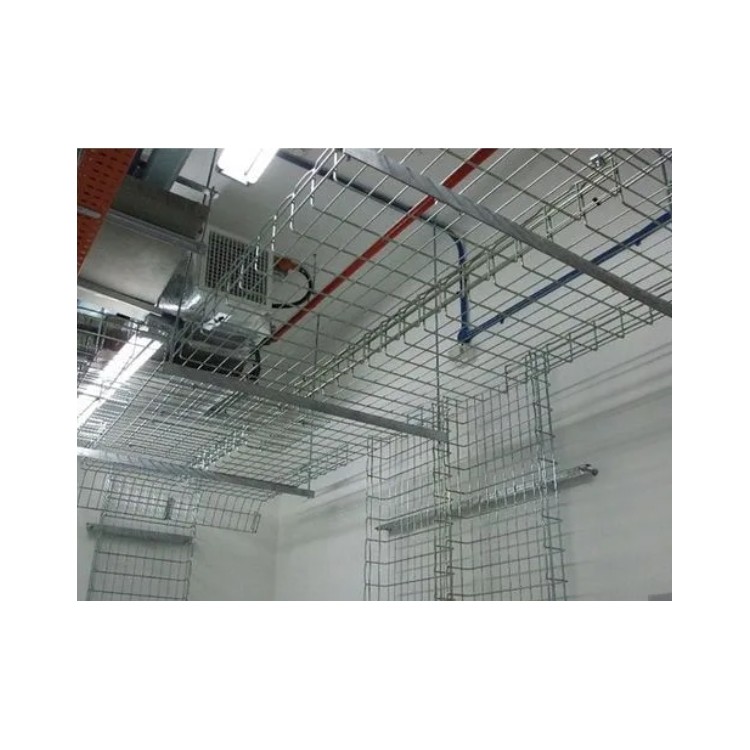








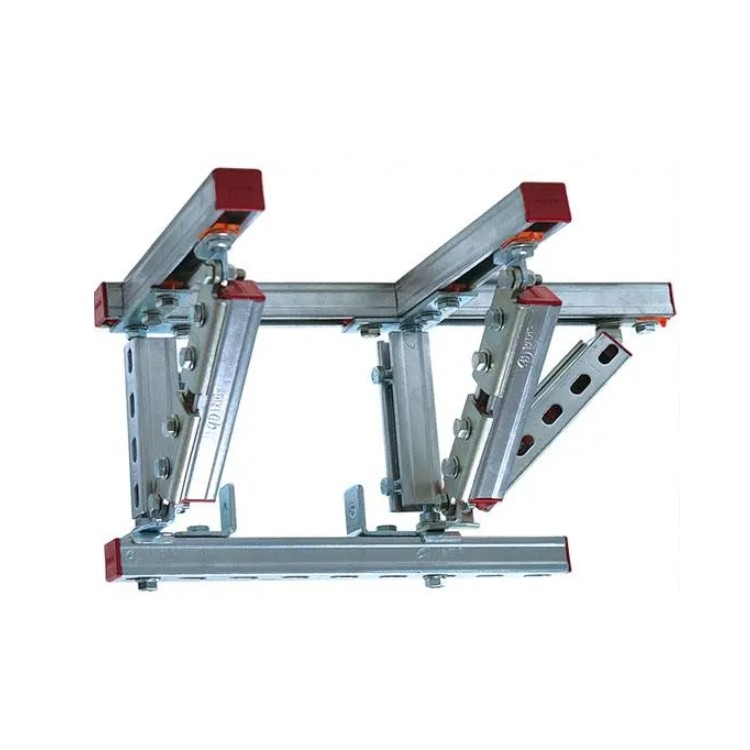
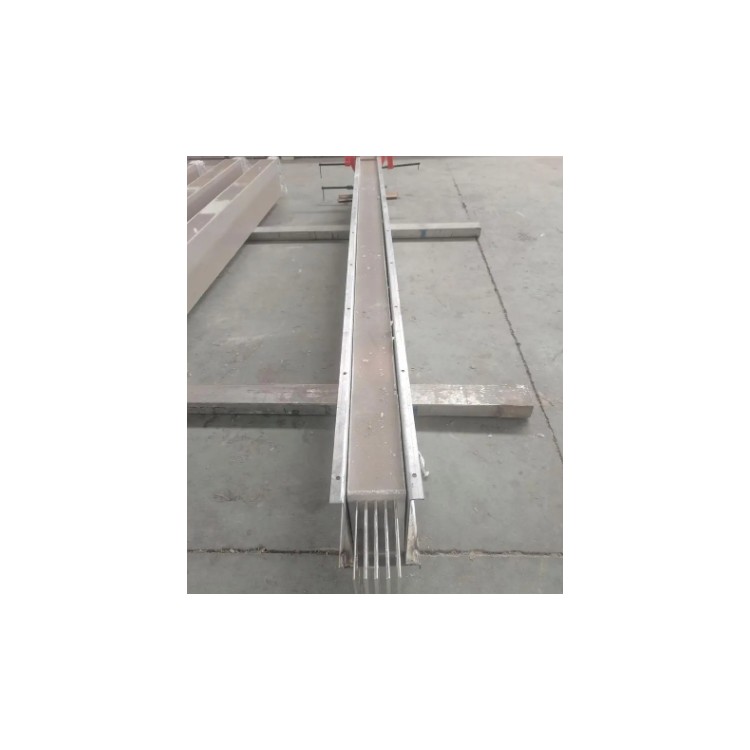
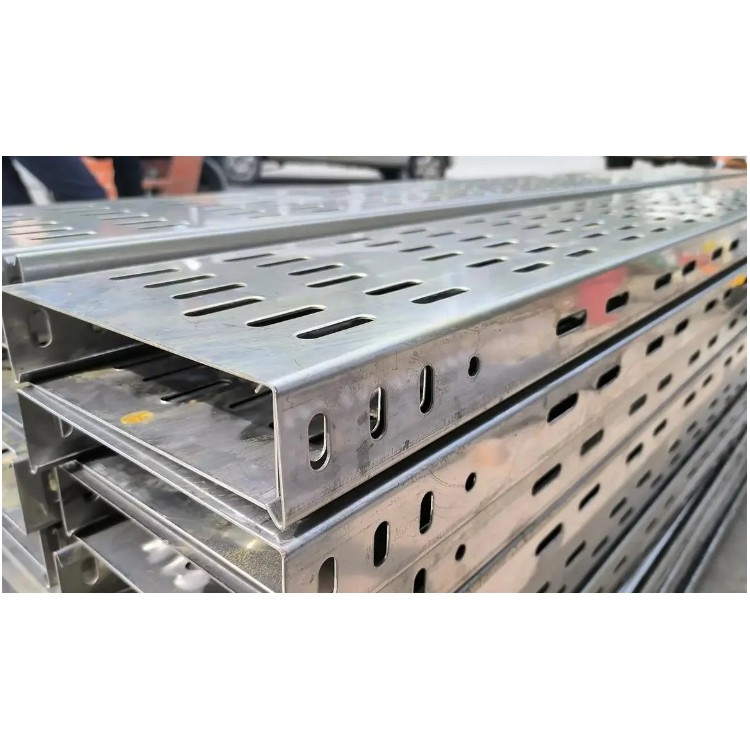
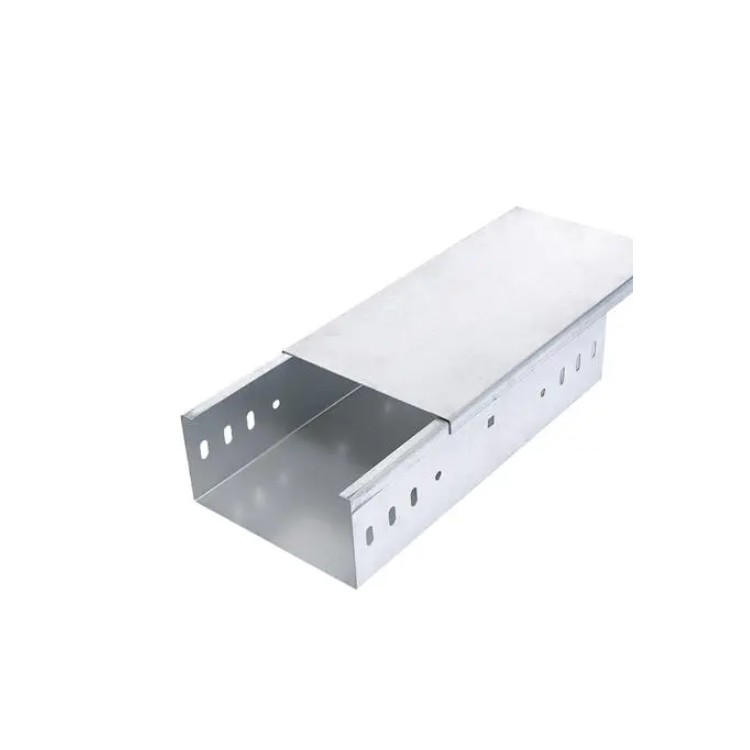
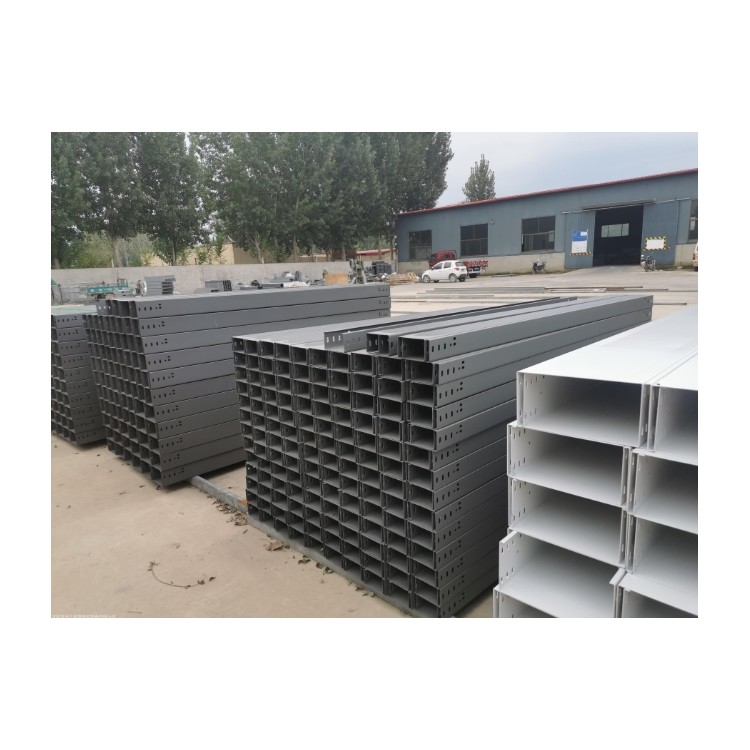
Grid trunking, also known as grid trunking channel or grid trunking tray, is a crucial equipment for carrying, protecting, and managing electrical cables. Below is a detailed explanation of grid trunking:
I. Definition and Characteristics
Grid bridge channels feature an open structure design, composed of modular components such as ribs, end trim, cross trim, and cover plates, which can be assembled and disassembled as needed. Their main characteristics include:
Open designFor easy entry and laying of cables, while also providing high ventilation rates, ensuring cables do not overheat during use.
Flexible InstallationSupports various installation methods, such as suspended, wall-mounted, and ground-mounted, to accommodate different site and environmental requirements.
High load-bearing capacity: Engineered for strength, capable of bearing the weight of cables, distribution equipment, and other accessories, ensuring safe operation.
Easy to maintainWhen inspection or replacement of wiring is required, simply open the cover of the grid bridge, without the need to dismantle the entire wiring, thereby reducing maintenance costs and time.
High-quality materialsTypically made of high-strength aluminum alloys and stainless steel, featuring high strength, lightweight, corrosion resistance, fire retardancy, and high-temperature resistance.
Section II: Application Fields
Grid bridge supports, due to their unique advantages, are widely used in various fields, including but not limited to:
Industrial厂房Suitable for main factory line, branch lines, tool rooms, and bridge crane support structures.
AerospaceSupport structure systems for aircraft or spacecraft, such as fuselage frames, landing gear mounts, and engine supports.
Armed VehiclesSupport structures for navigation, aiming, mounts, etc., suitable for armored vehicles.
Large power equipmentSupporting structure systems for power plants and substation, designed to bear transmission lines, transformers, and other critical equipment.
III. Installation Method
The installation methods for grid bridge supports are varied. Here are several common installation methods:
HoistingUtilize lifting beams and AS shackles to hang the grid bridge from the air, saving indoor space.
Wall-mountedBy using L-shaped brackets and other accessories, the grid bridge can be securely mounted on walls, suitable for fixed locations such as factories and workshops.
Ground installationInstall grid bridges on the ground using accessories like the UC50 or UC100 brackets, primarily for supporting large equipment.
Cabinet top installationUtilize cabinet brackets and UFS150 brackets + universal mounts to install the grid bridge on the top of the cabinet, achieving an orderly and elegant wiring effect.
Install under static floorUnder the static floor in the machine room, install the wiring using V-type static floor mounting components and other accessories, achieving concealed and aesthetically pleasing wiring.
4. Selection and Maintenance
When selecting grid bridge supports, consider factors such as economic feasibility, technical viability, and operational safety, and choose the appropriate specifications and models based on actual needs. Additionally, regular inspections and maintenance are required during use to ensure the stability and safety of the grid bridge supports.
In summary, grid bridge supports, as a crucial electrical wiring support equipment, play a key role in various fields. Their open design, flexible installation, and strong load-bearing capacity contribute to their widespread application in electrical engineering.