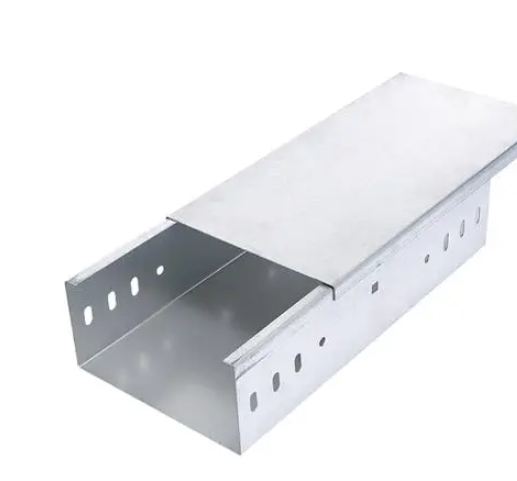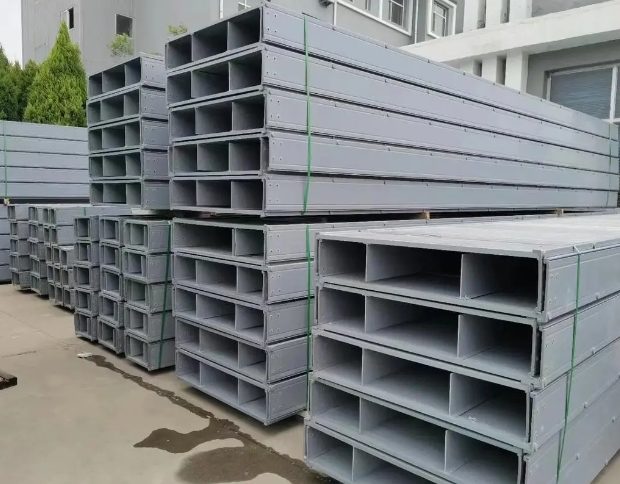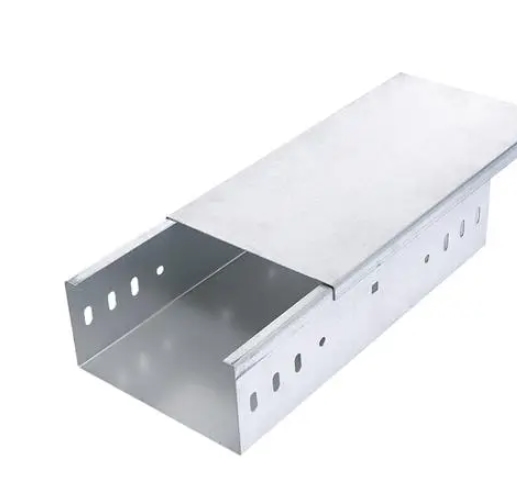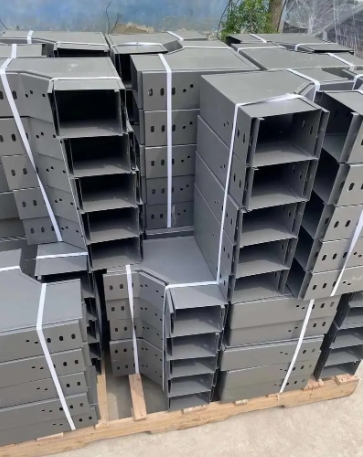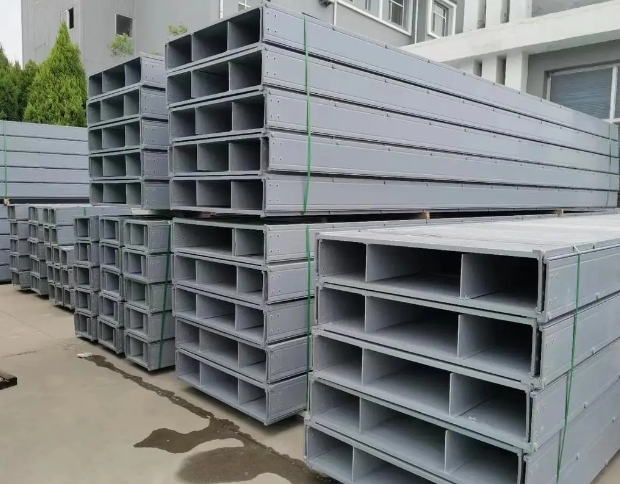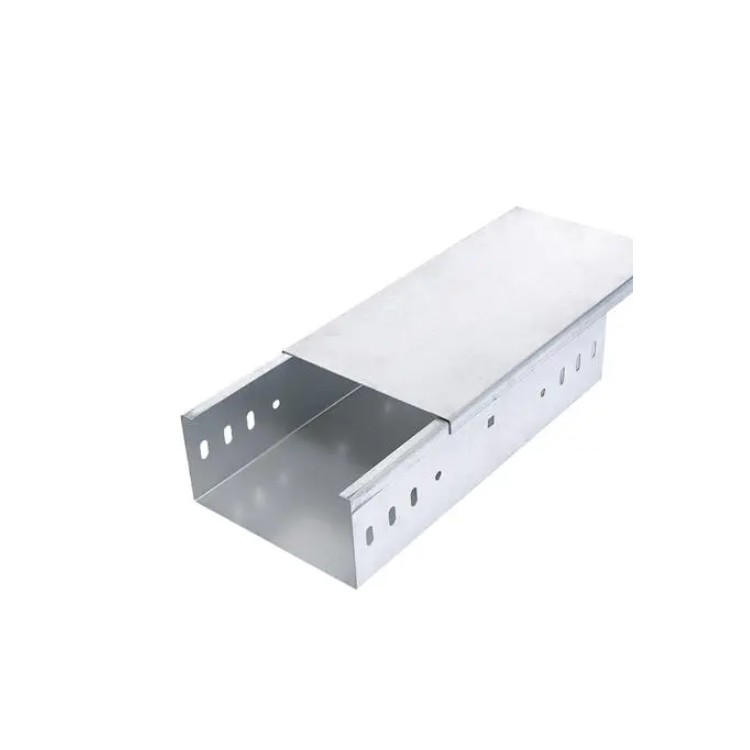
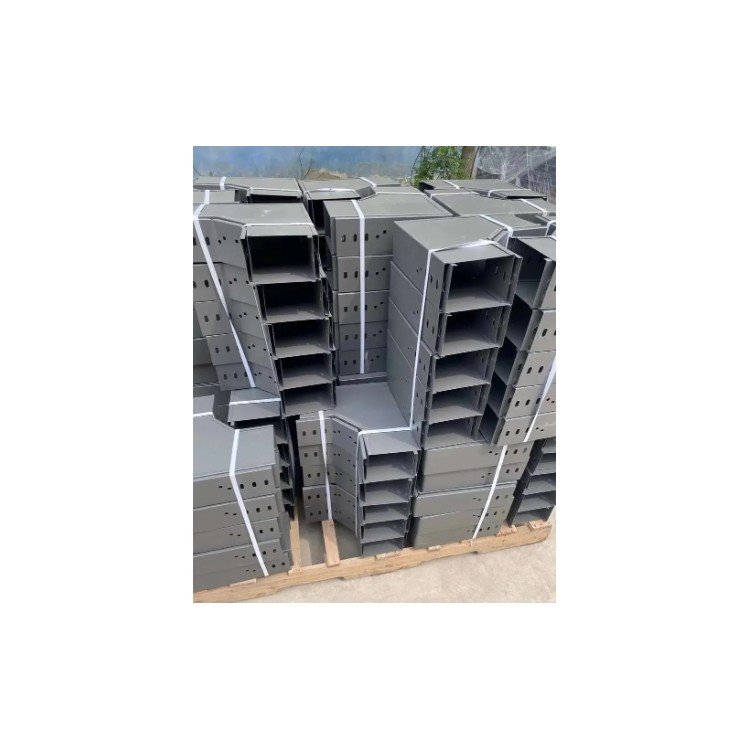
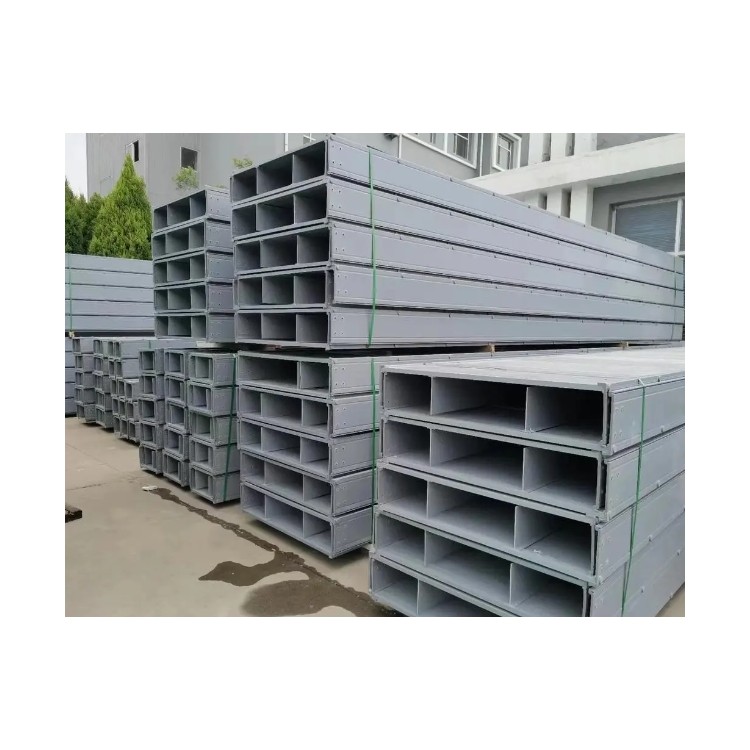









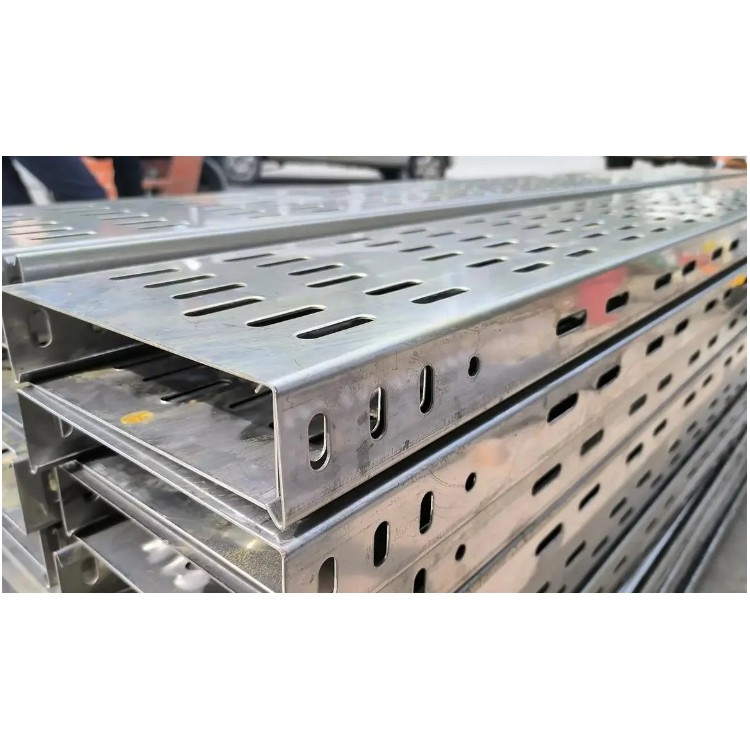
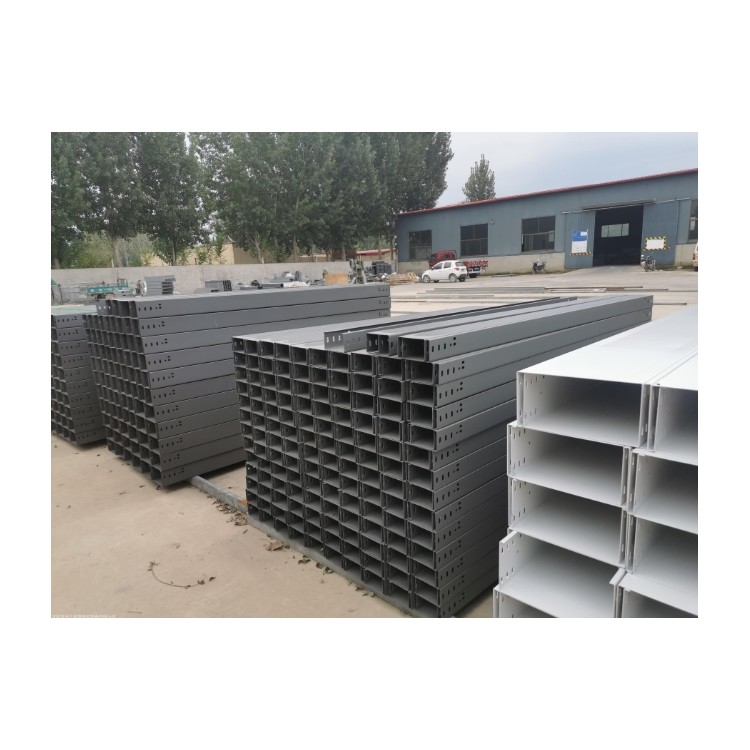
Aluminum alloy bridge supports, as the name implies, are cable bridge supports primarily made of aluminum alloy. Known for their unique properties and wide range of applications, these bridge supports play a vital role in modern architecture, engineering, and communication fields. Below is a detailed analysis of aluminum alloy bridge supports:
I. Definition and Characteristics
Aluminum alloy bridge supports are cable bridge supports produced from aluminum alloy materials, featuring excellent high-anti-corrosion properties, particularly suitable for environments with high corrosion. Their main characteristics include:
LightweightCompared to steel structural bridge beams of the same volume, aluminum alloy bridge beams are lighter in weight, which helps reduce the overall structural load and lower the requirements for the supporting structure.
Excellent corrosion resistanceAluminum alloy boasts excellent corrosion resistance, allowing it to be used in harsh environments for extended periods without rusting or corroding easily.
High strengthDespite its lightweight nature, the aluminum alloy bridge is not lacking in strength, capable of meeting various cable laying requirements.
Excellent thermal conductivityAluminum alloy has excellent thermal conductivity, which aids in cable heat dissipation and extends the cable's lifespan.
Aesthetically pleasingThe aluminum alloy surface is smooth with a fashionable and aesthetically pleasing appearance, contributing to enhancing the overall beauty of the building.
II. Types and Structures
Aluminum alloy bridge beams, differing in structure and application, can be categorized into various types such as channel bridge beams, ladder bridge beams, tray bridge beams, etc. Each type has its own features and is suitable for different scenarios and requirements. For example:
Channel Bridge FittingTypically a closed-type cable tray, suitable for laying control cables for high-sensitive systems such as computer cables and communication cables. It offers good shielding against interference for control cables and protection for cables in heavily corrosive environments.
Ladder-type bridge架Also known as a ladder-type cable tray, its structure resembles a ladder, offering good ventilation and heat dissipation properties.
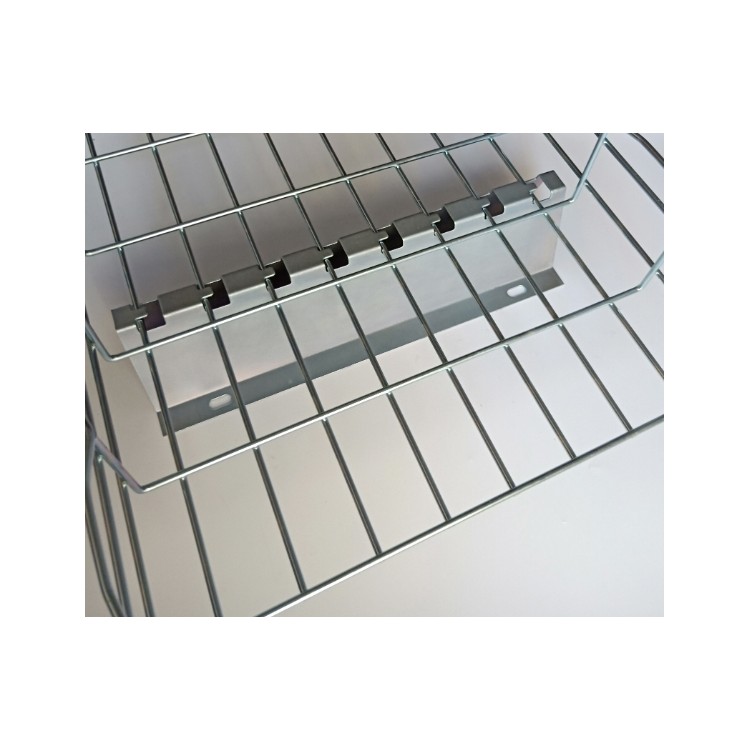
Tray-type bridge bracketFeatures include aluminum alloy and tray-style design, with high strength, low cost, attractive appearance, easy installation, and good breathability.
Section 3: Application Fields
Aluminum alloy bridge beams are widely used in the construction, engineering, and communication fields, primarily including the following aspects:
Power TransmissionAluminum alloy bridge structures are commonly used to support and protect electrical lines and cables, and can be installed in buildings, elevated bridges, highways, railways, etc., safely transporting cables to the target area for power transmission.
Communication NetworkIn the field of communications, aluminum alloy bridgeways are used to support communication lines such as optical cables and cables, connecting communication facilities like urban communication networks and telecommunication base stations.
Environmental Protection FacilitiesAluminum alloy bridge beams can also be used to support environmental protection facilities, such as solar photovoltaic panels, providing support for renewable energy.
Lighting equipmentIn urban streets, parks, and similar locations, aluminum alloy bridge structures can be used to install lighting facilities such as streetlight poles, providing illumination services.
Signal FacilitiesIn railway and subway transportation systems, aluminum alloy bridge structures can be used to set up signal facilities such as traffic lights, ensuring traffic safety and smooth flow.
Pipe SupportIn industrial facilities and buildings, aluminum alloy bridge structures are used to support piping systems, such as water pipes and gas pipes.
Mechanical and equipment bracketsAluminum alloy bridge beams can also be used for supporting and securing machinery and equipment, such as air conditioning units and ventilation systems.
IV. Manufacturing Process and Installation Method
The manufacturing process of aluminum alloy bridge structures primarily includes material preparation, profile processing, assembly, and surface treatment. Among these, surface treatment is a crucial step for enhancing their corrosion resistance and aesthetic appeal. Common surface treatment methods include anodizing and painting.
In terms of installation, aluminum alloy bridgeways offer various methods, including pre-burial, suspension, and bracket installation. Each method has its own pros and cons, suitable for different scenarios and requirements. For instance, pre-burial is ideal for long-term use locations such as buildings and bridges; suspension installation is more suitable for temporary use, like construction sites and exhibition venues.
In summary, aluminum alloy bridge beams play a crucial role in modern architecture, engineering, and communication fields due to their unique properties and wide application scope. With the continuous advancement of technology and the expansion of applications, the performance and uses of aluminum alloy bridge beams will also continue to improve and refine.