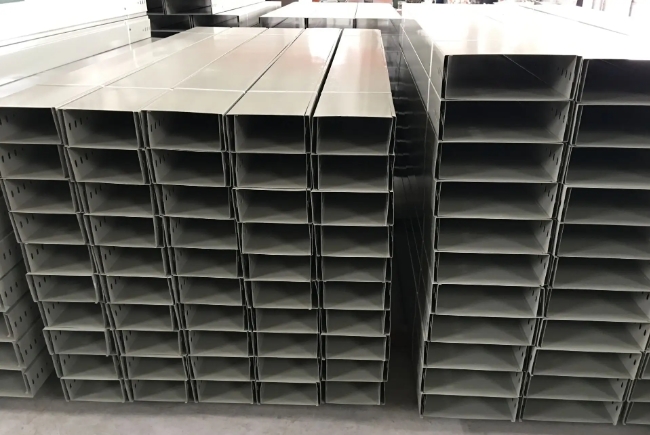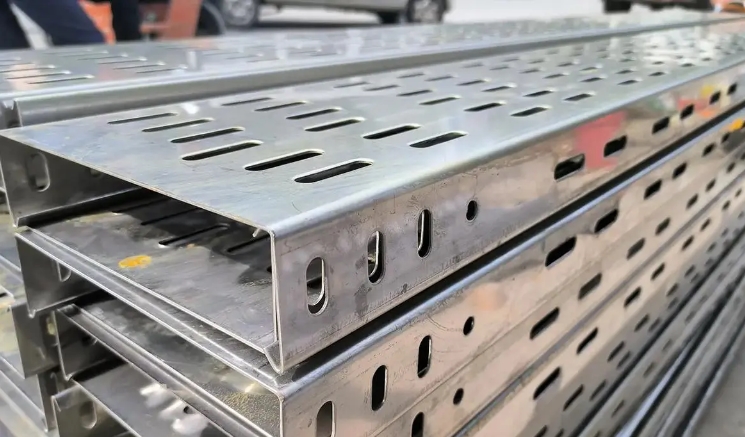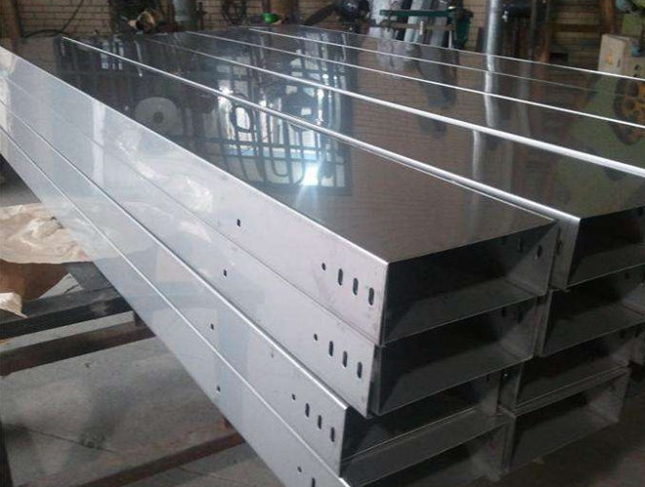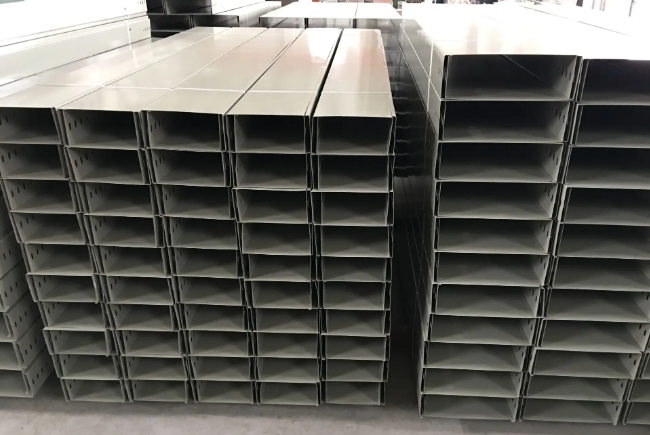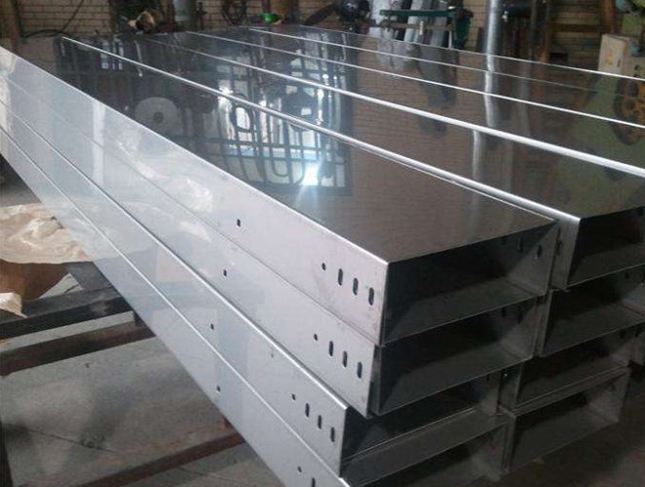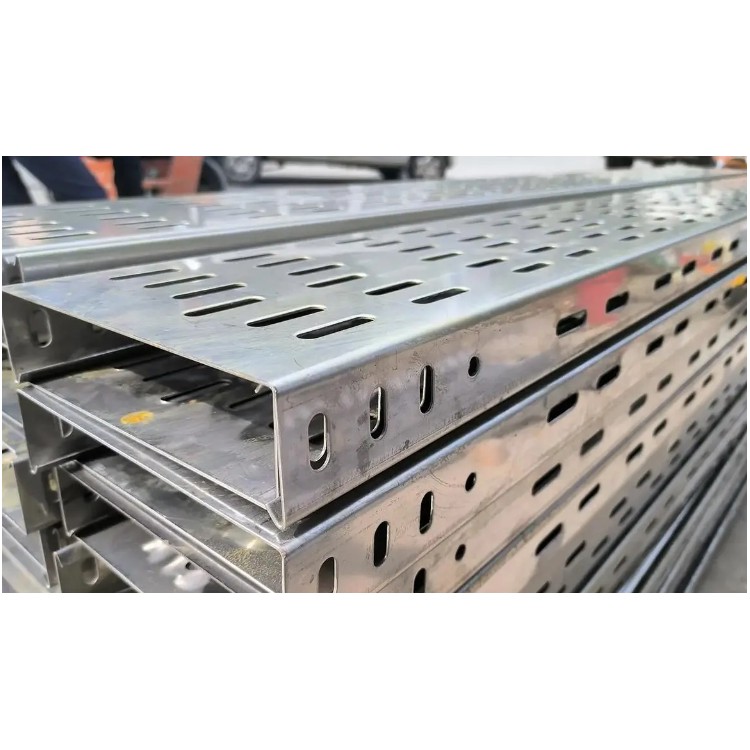

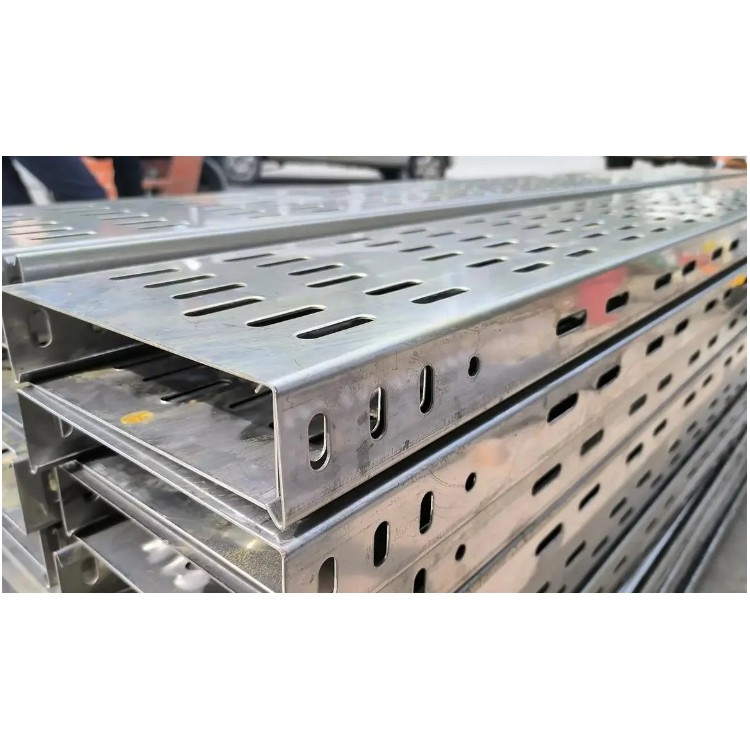
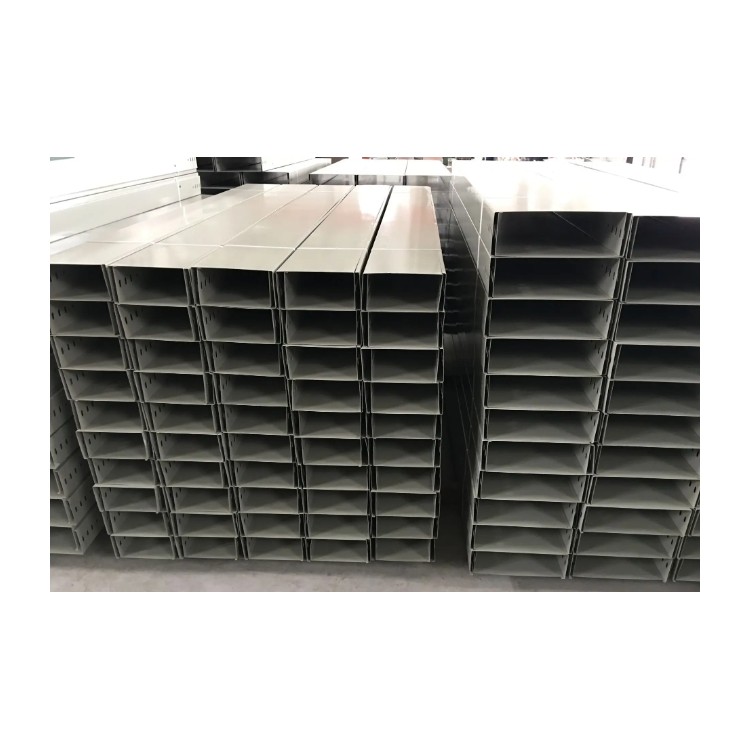
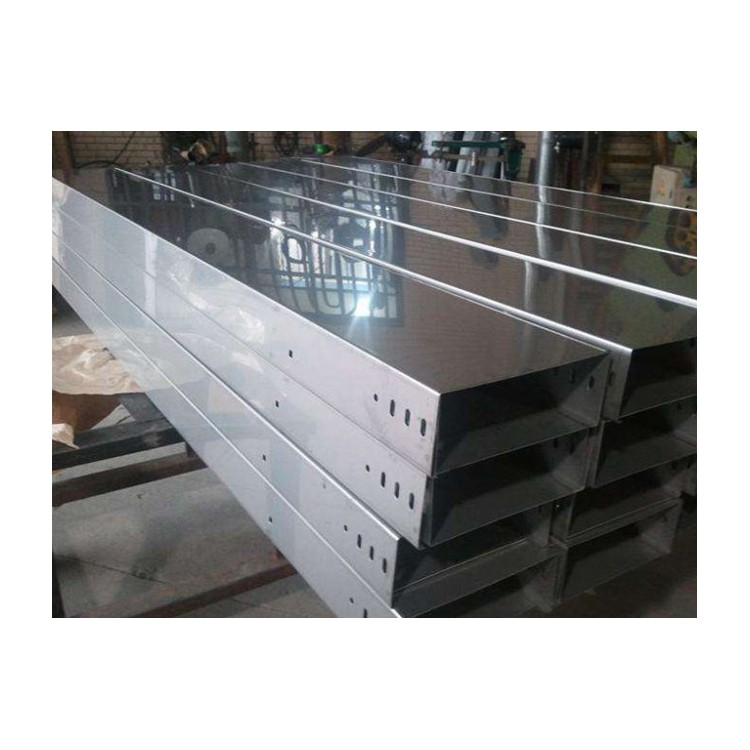









Stainless steel bridge supports are a vital structure for supporting cables or pipes, boasting excellent performance in various aspects and a wide range of applications. Below is a detailed analysis of stainless steel bridge supports:
I. Definition and Characteristics
Stainless steel bridge structures are primarily made of stainless steel and serve as support structures for carrying cables or pipes. Their main features include:
High corrosion resistanceStainless steel material inherently boasts excellent corrosion resistance, allowing it to be used in harsh environments like humidity and acidic or alkaline conditions for extended periods without rusting or corroding easily.
High strengthStainless steel bridge beams are rigorously designed and manufactured, offering high strength and stability, capable of withstanding significant horizontal and vertical loads.
Easy to install and maintainStainless steel bridge structures feature modular design for easy installation. Additionally, their corrosion resistance and stability make them simple to maintain and replace.
Aesthetically pleasingStainless steel bridge channels feature a smooth surface that resists rust, offering a visually appealing and tidy appearance, which enhances the overall aesthetic of buildings or facilities.
Long lifespanStainless steel material is resistant to aging and fatigue, making stainless steel bridge structures have a longer service life, which can reduce maintenance costs and decrease the frequency of equipment replacement.
II. Types and Structures
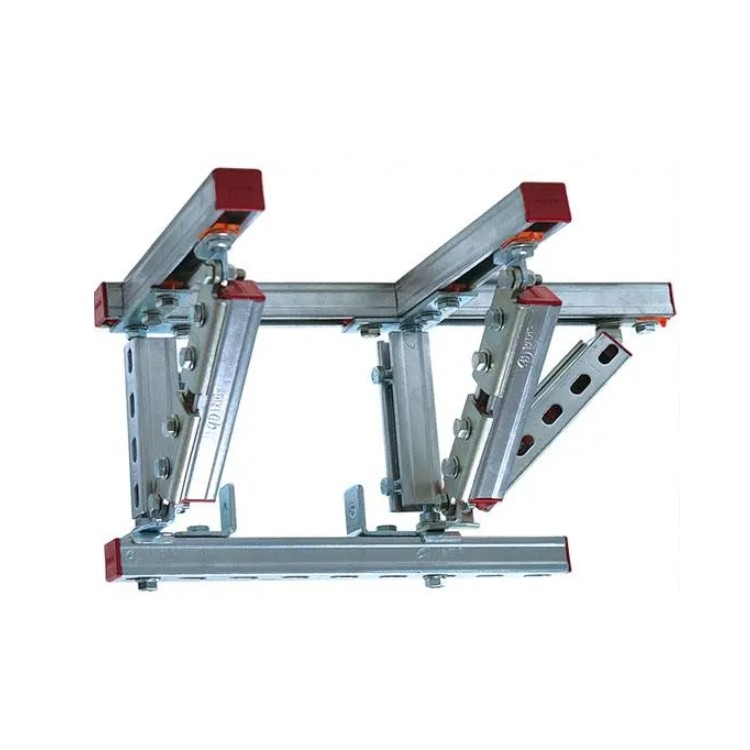
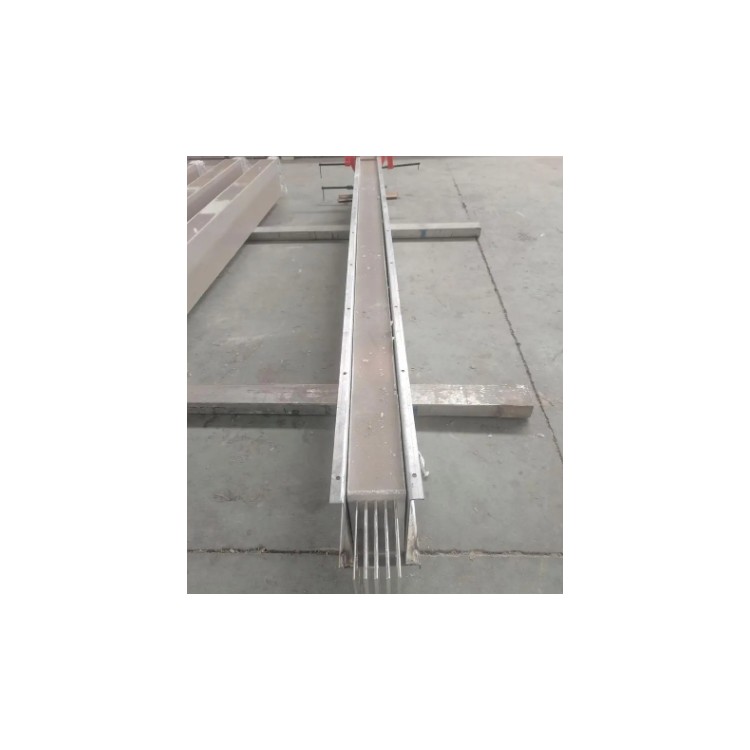
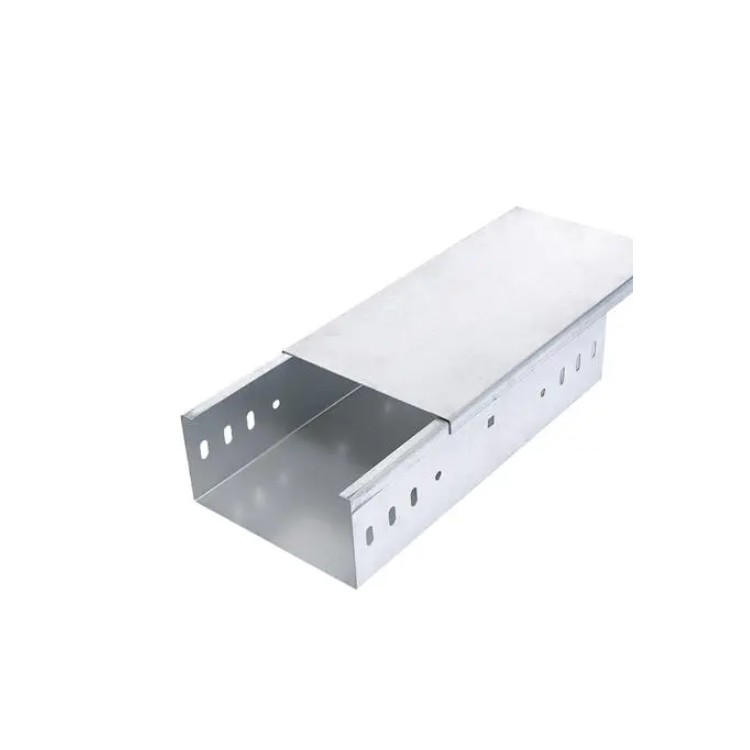
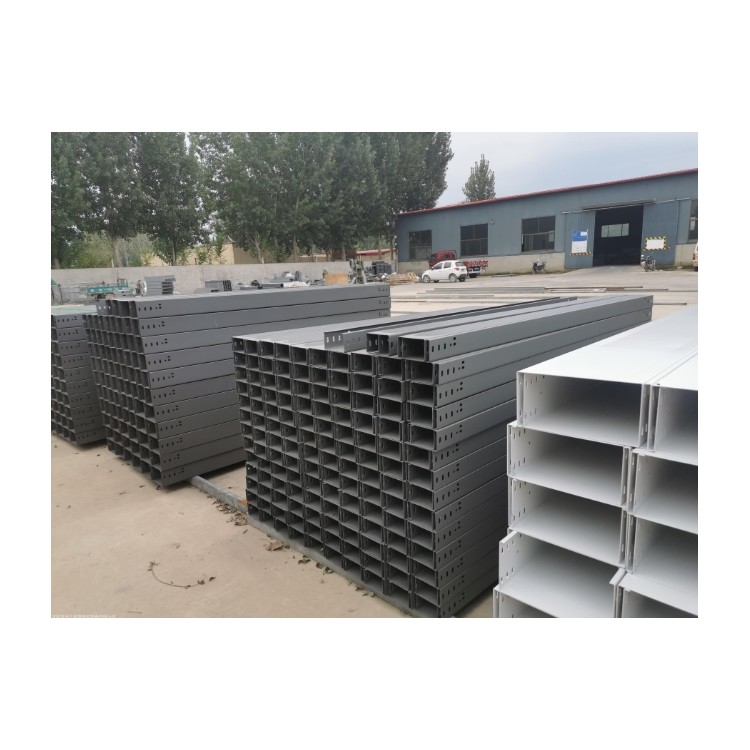
Stainless steel bridge supports are categorized into various types based on their structures and applications, such as channel bridge supports, ladder bridge supports, tray bridge supports, and so on. Each type has its unique features, suitable for different scenarios and requirements. For instance, channel bridge supports are typically enclosed structures, ideal for shielding cable interference and protecting cables in environments with severe corrosion; ladder bridge supports, on the other hand, offer excellent ventilation and heat dissipation properties.
Section 3: Application Fields
Stainless steel bridge beams are widely used in various fields due to their excellent performance, including but not limited to:
Industrial and Municipal Construction ProjectsCable or pipe supports for industrial facilities such as petrochemical, power, and water conservancy sectors.
Medical EquipmentSuitable for environments such as operating rooms and laboratories, requiring high cleanliness and stability.
Food processing plantFood processing workshops and clean areas require high hygiene and corrosion resistance.
Ocean engineering and marine vesselsSupport and routing for cables and lines, ensuring stability and reliability of the electrical system.
High-temperature environmentRefineries, petrochemical plants, and other high-temperature industrial sectors.
Urban roads, highways, airports, ports, and other public buildings and municipal engineering projectsSupplies support and protection for cables and pipelines.
Section 4: Manufacturing Processes and Installation Methods
The manufacturing process of stainless steel bridge channels primarily includes material preparation, processing and shaping, surface treatment, and assembly. Among these, surface treatment is a crucial step for enhancing its corrosion resistance and aesthetic appeal. The installation methods are diverse, allowing for the selection of an appropriate installation technique based on specific scenarios and requirements, such as pre-burial, suspension, and bracket methods.
V. Cautionary Notes
When using stainless steel bridge beams, be mindful of the following points:
Select the appropriate specifications and modelsSelect the appropriate bridgeway specifications and models based on actual requirements to ensure their load-bearing capacity and stability.
Proper installationInstall according to specifications to ensure the bridge is stable and reliable, and avoid safety incidents caused by improper installation.
Regular inspections and maintenanceRegularly inspect and maintain the bridge supports to promptly identify and address potential issues, extending their lifespan and ensuring the stable operation of the electrical system.
In summary, stainless steel bridge supports are a superior and widely-used structure for cable or pipeline support. When selecting and using them, it's crucial to fully consider their characteristics and application scenarios, and adhere to relevant regulations and requirements to ensure their safety and reliability.