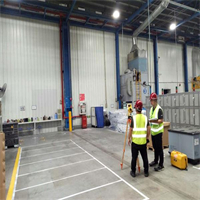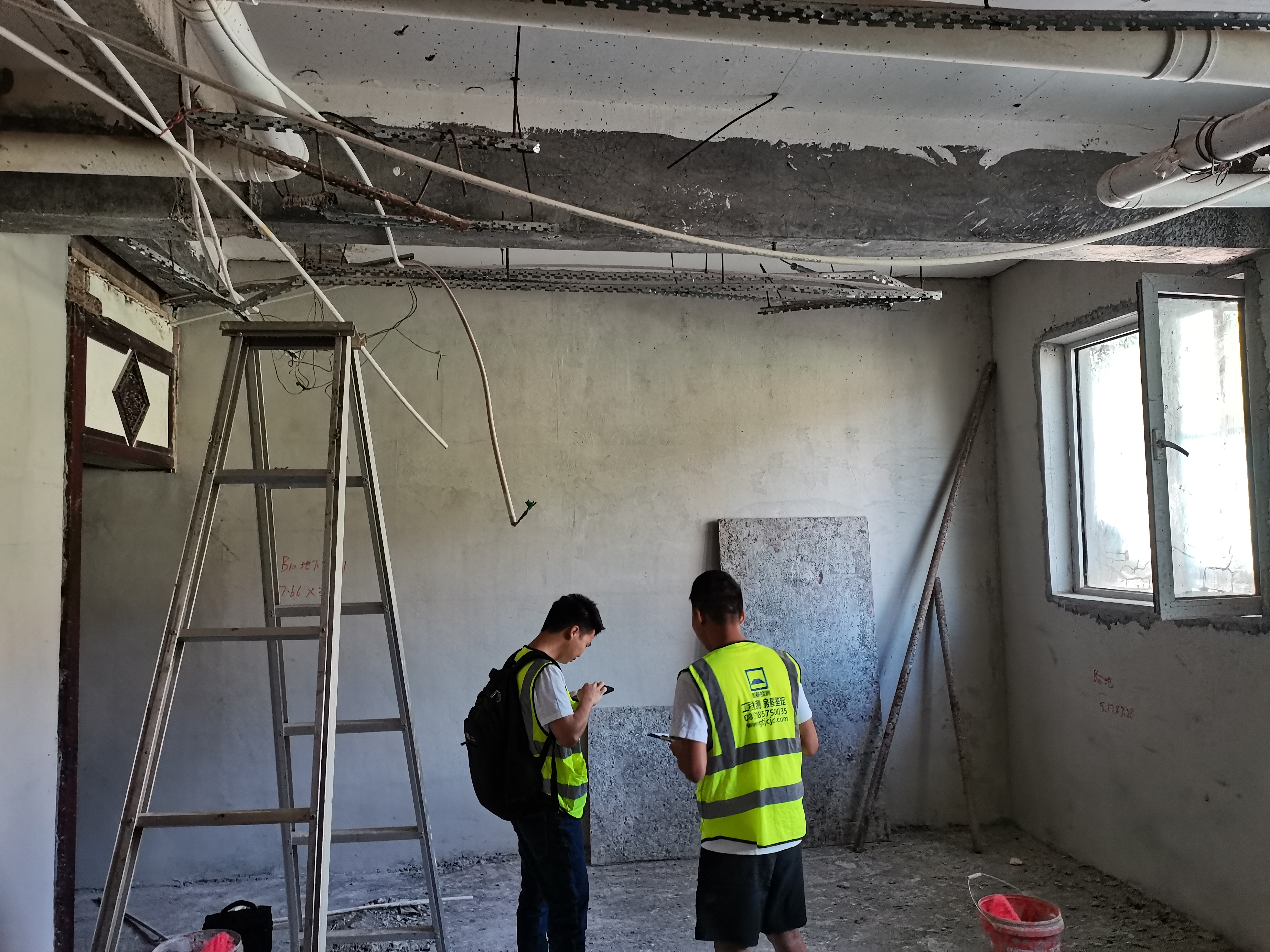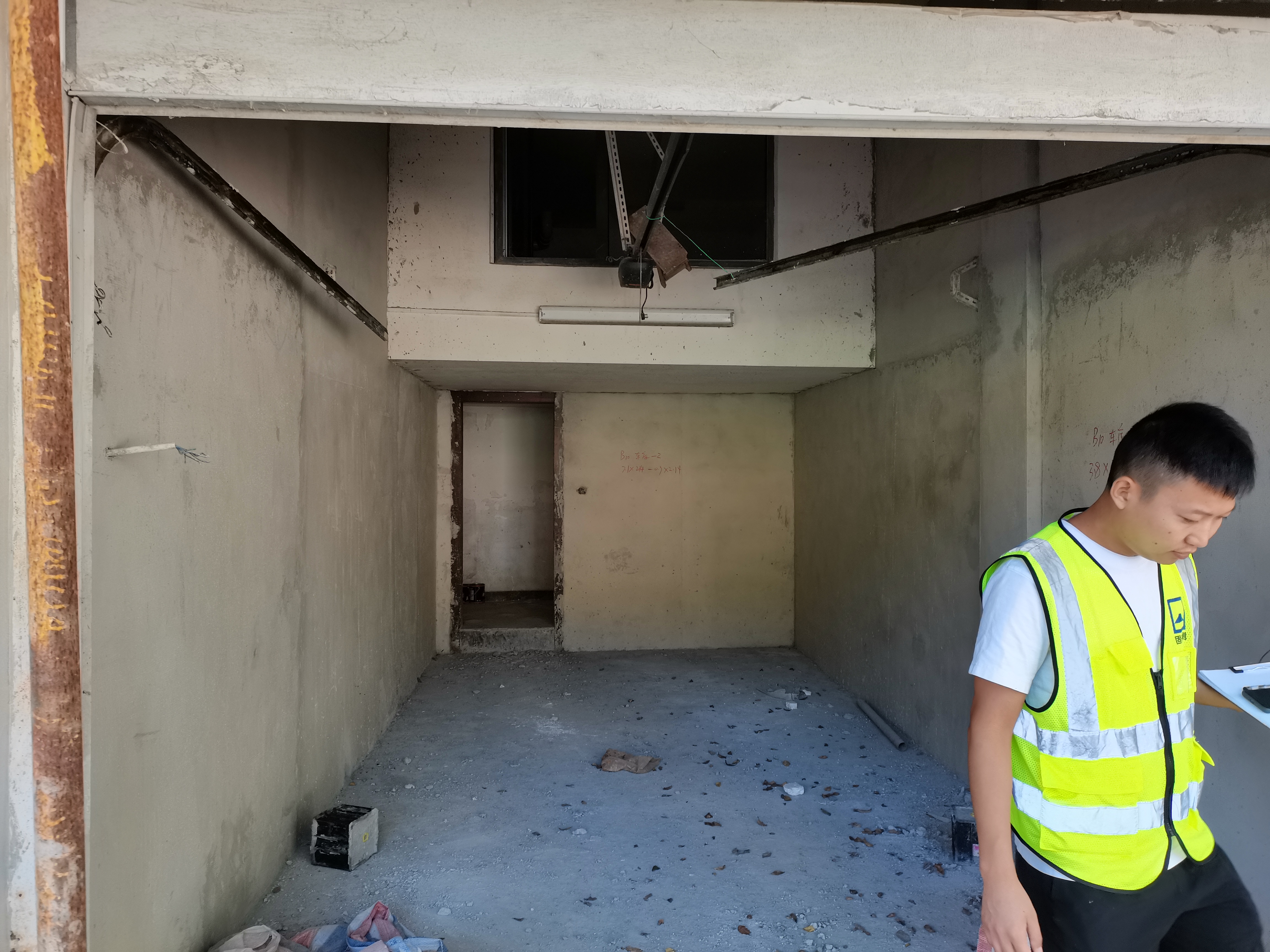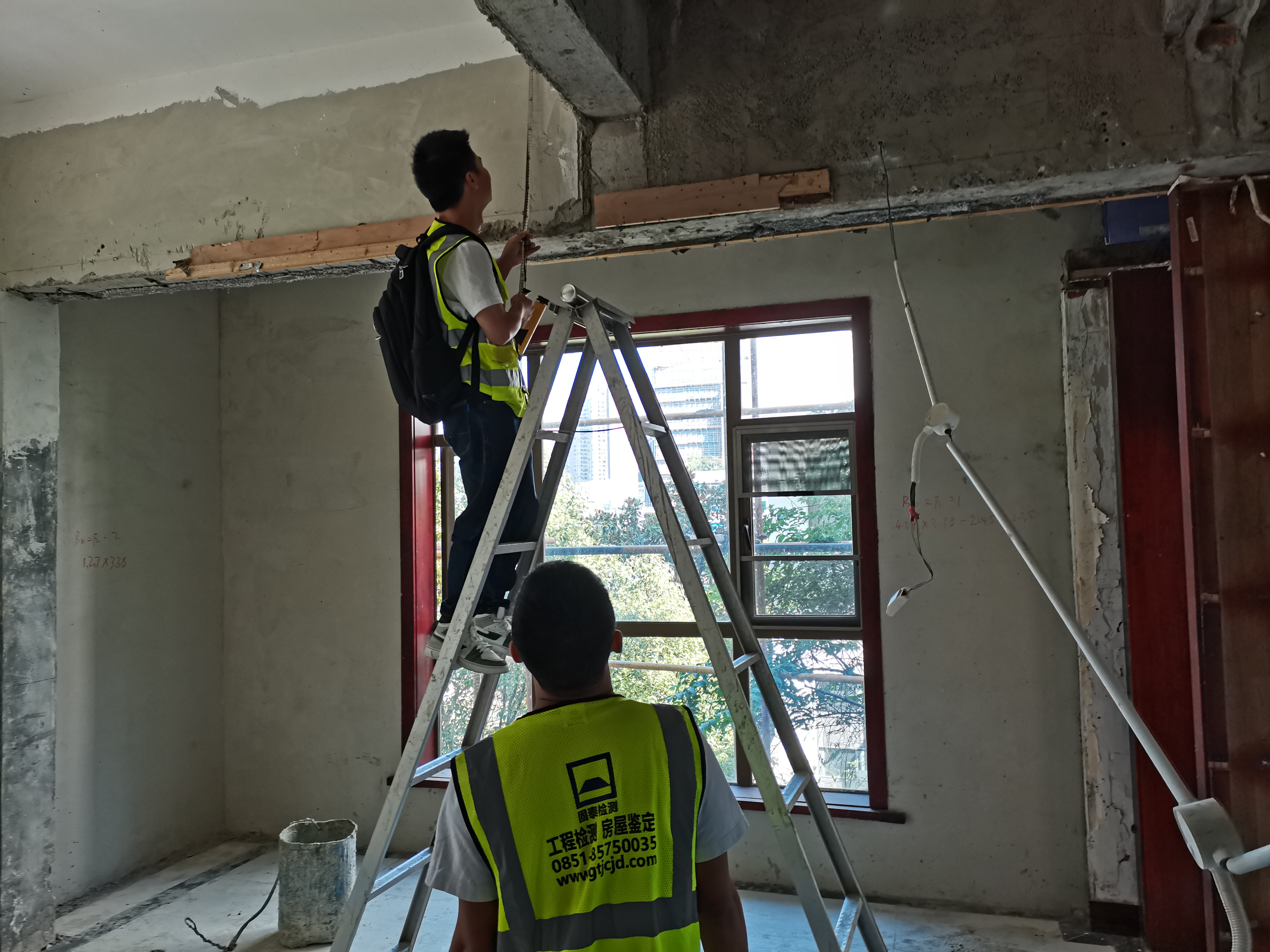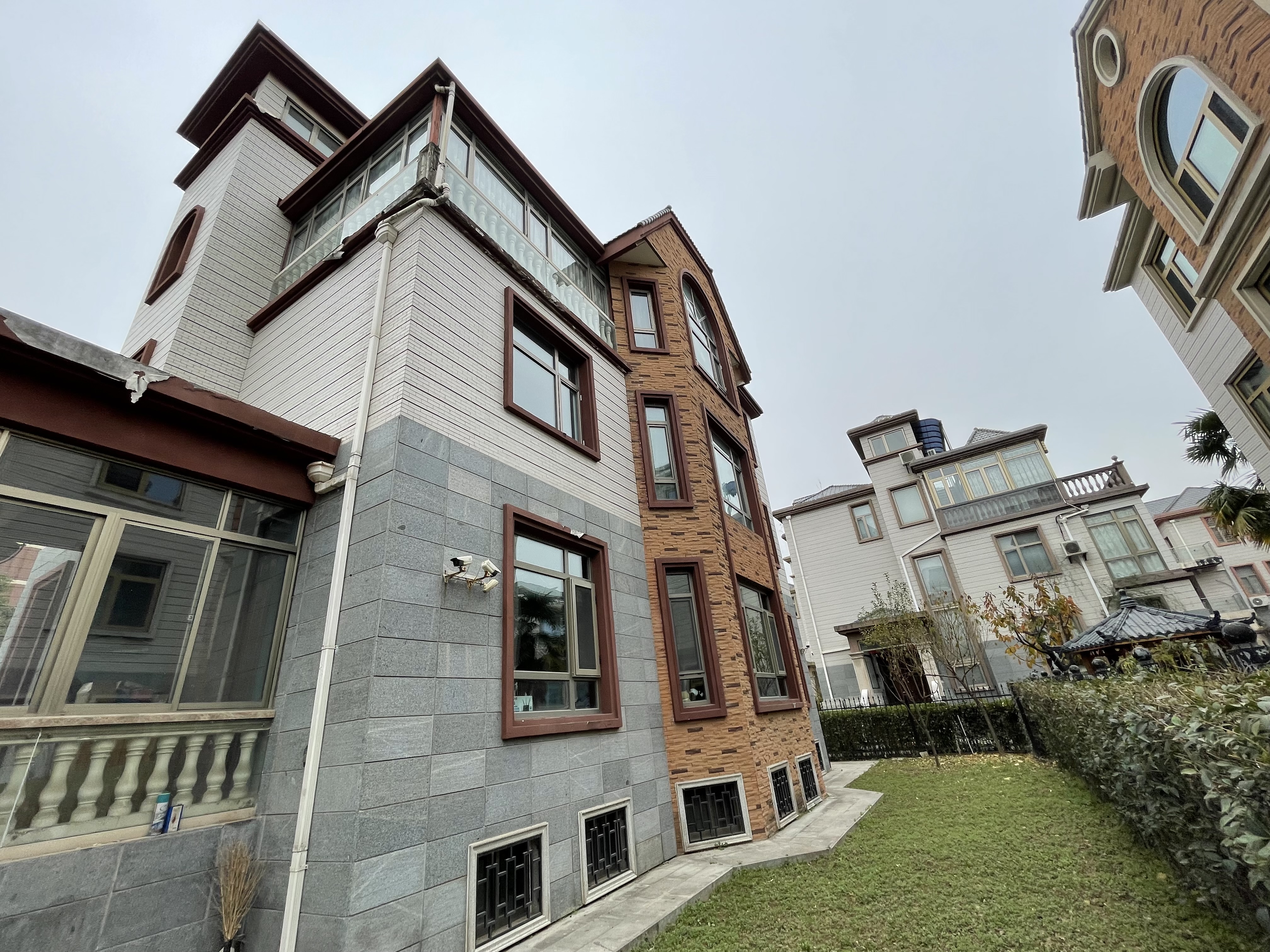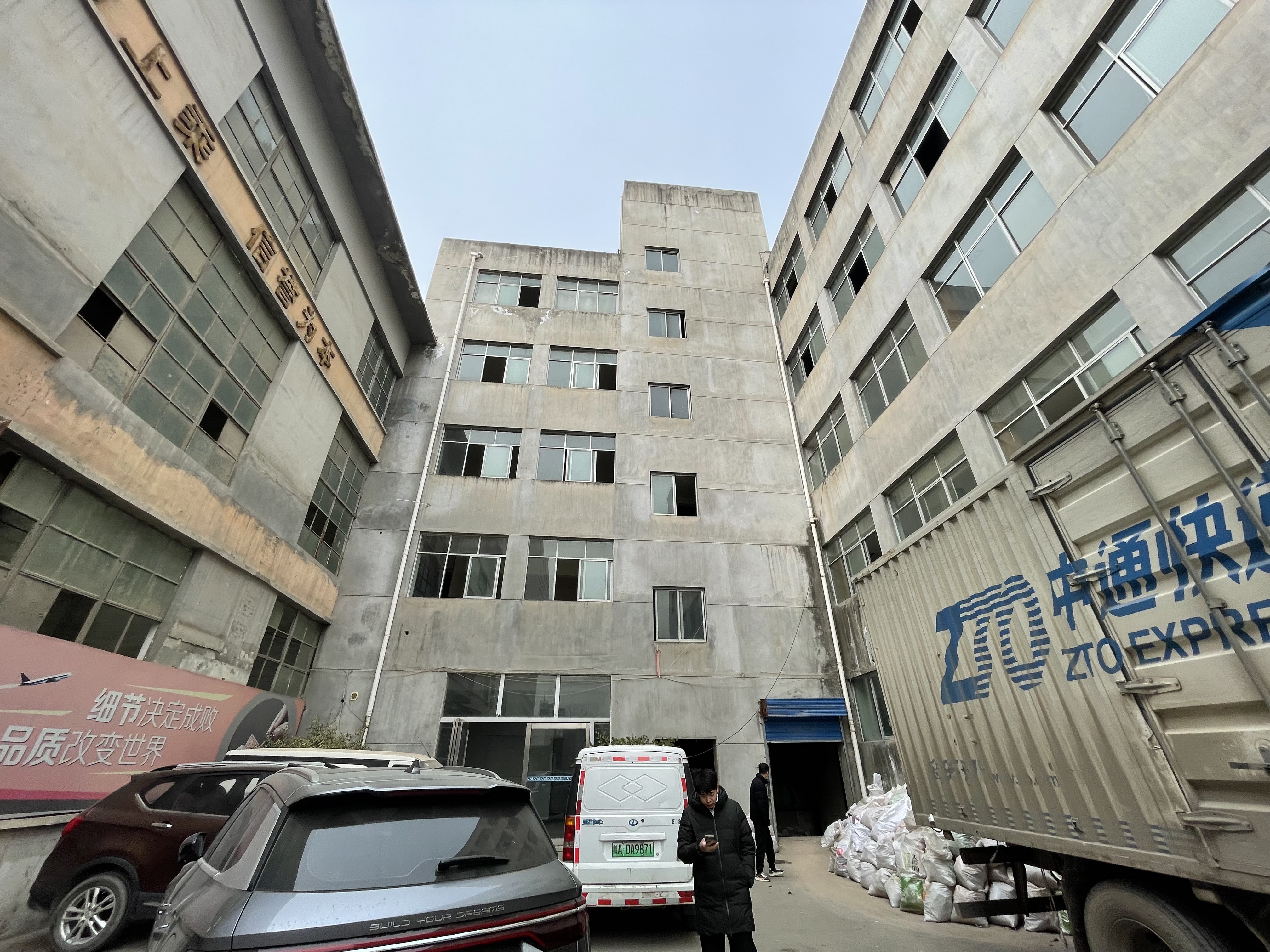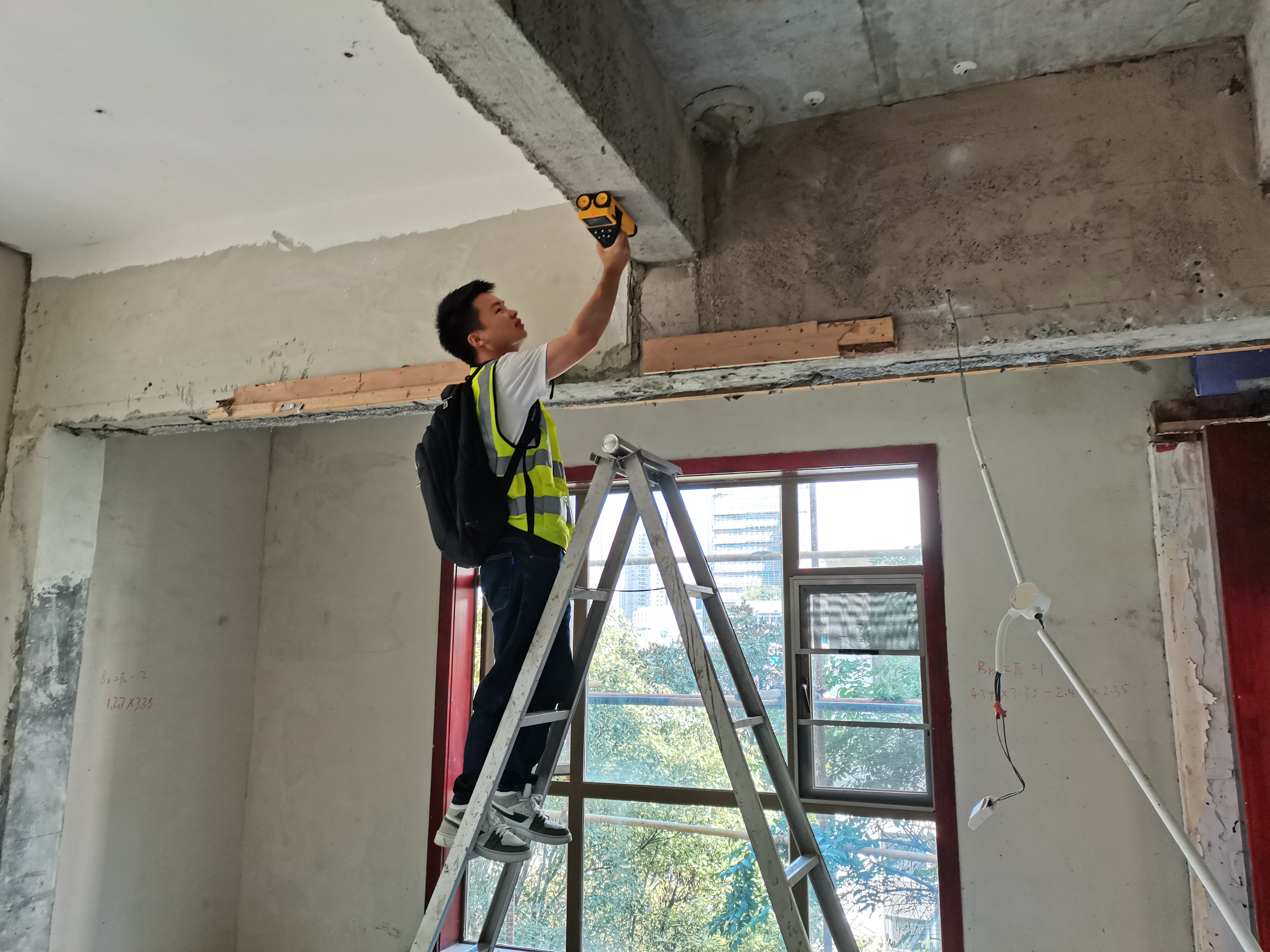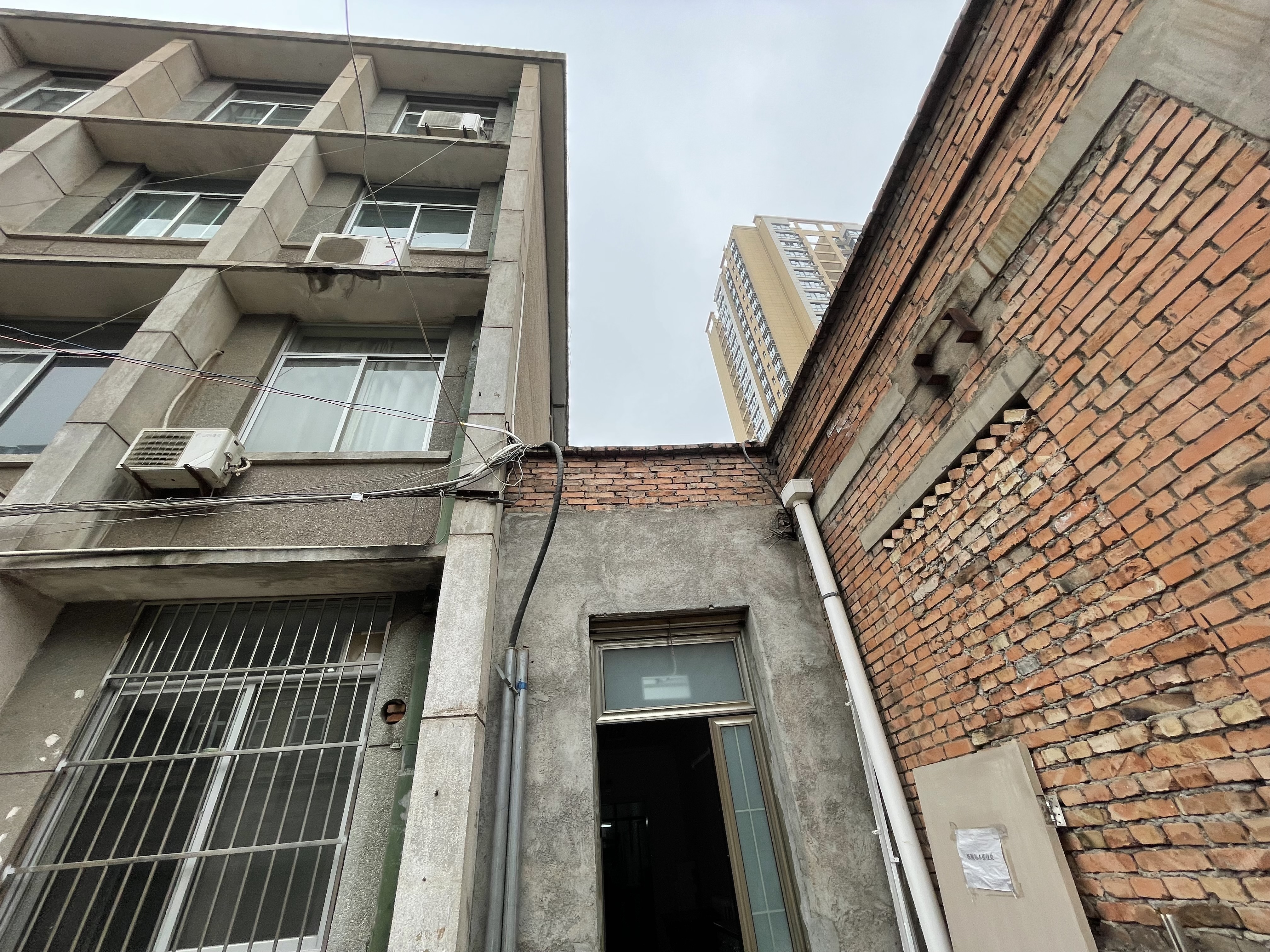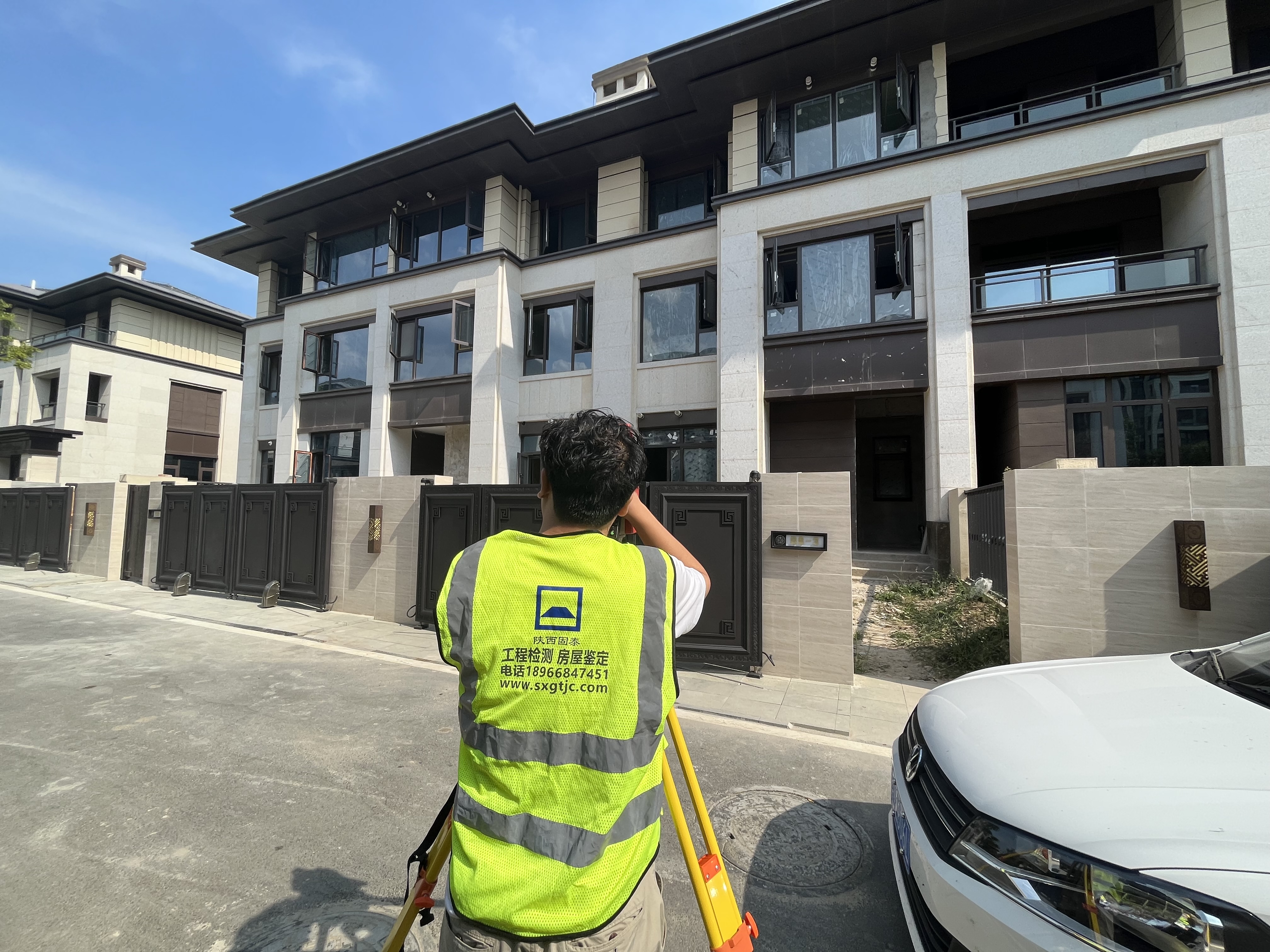


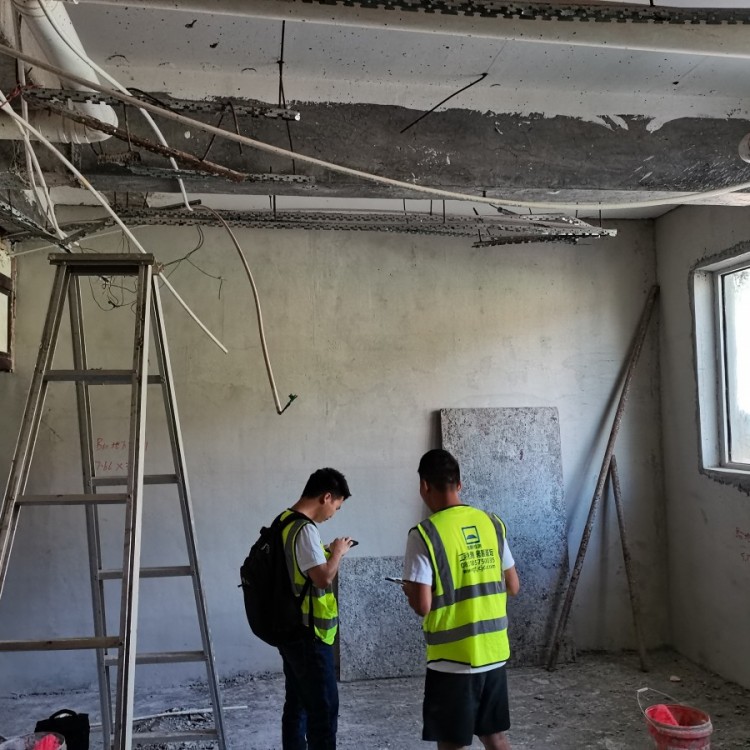
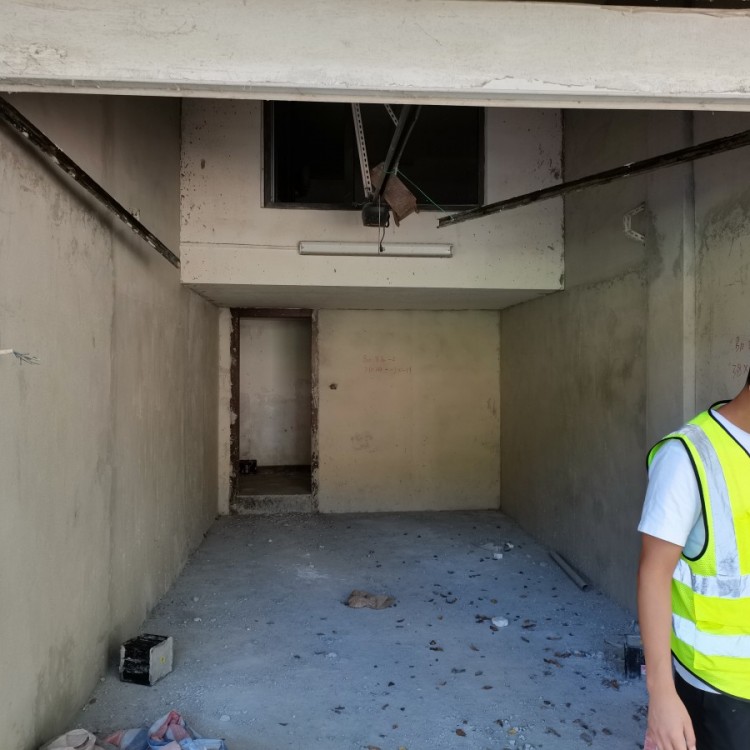
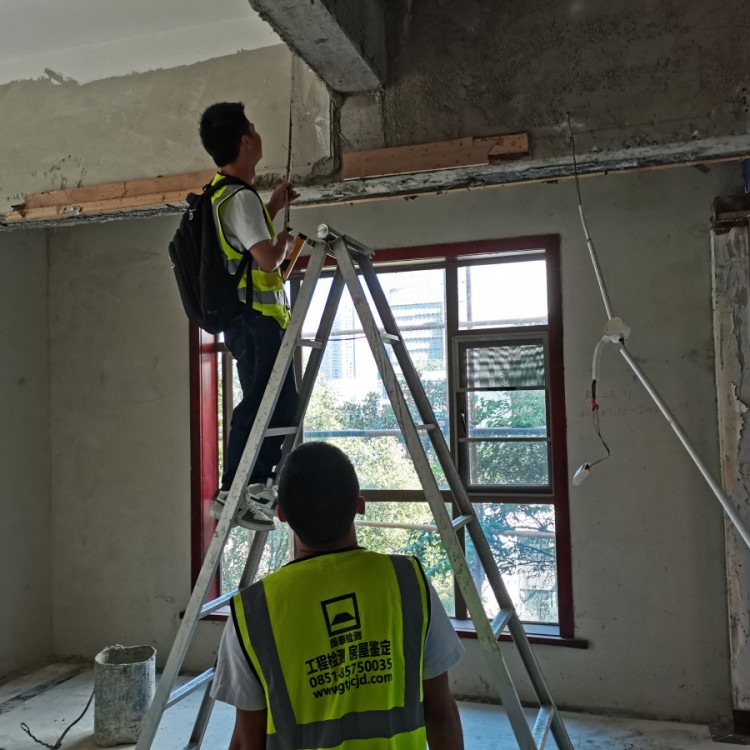


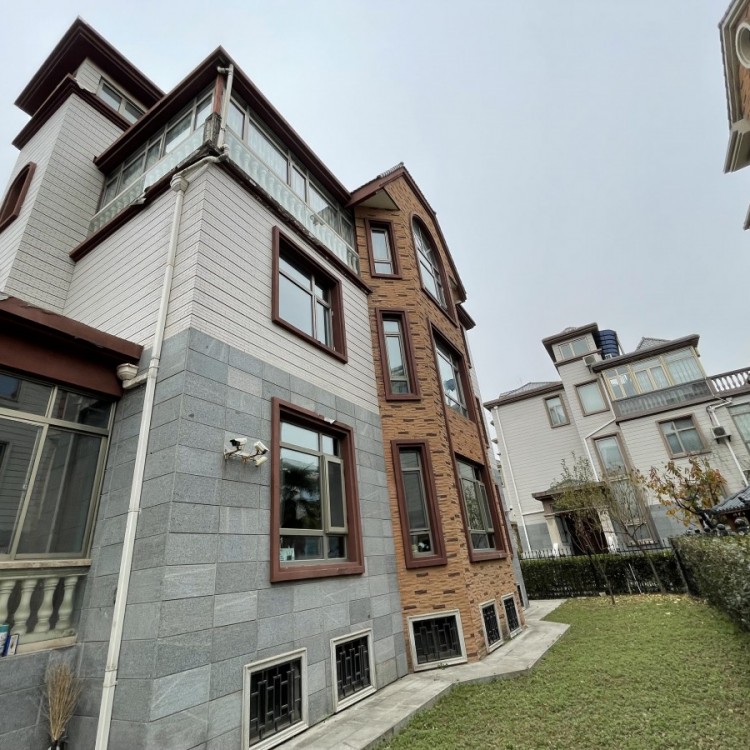
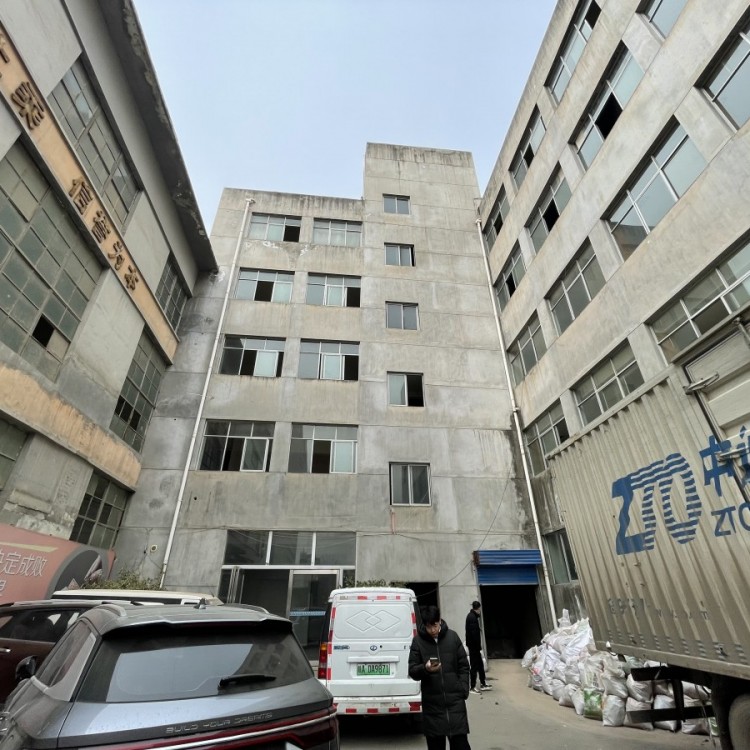





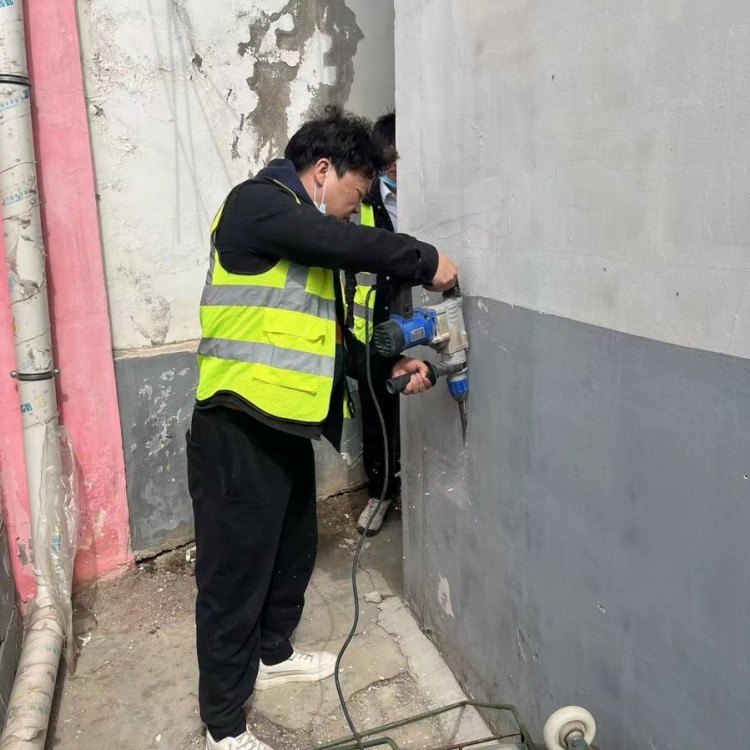
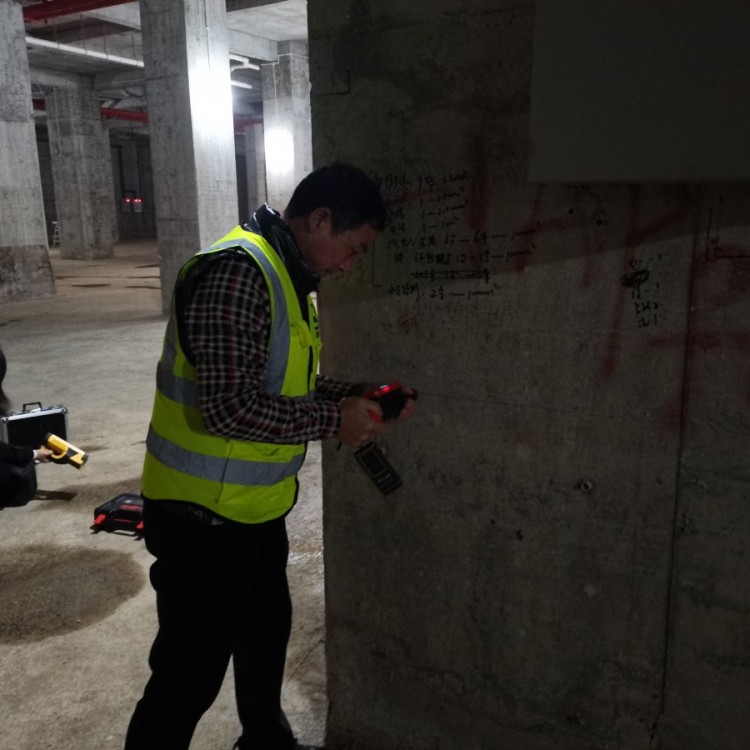
Factory InspectionFactory buildings with steel and concrete structures. Inspections are conducted when the functional use changes, or when structural modifications, expansions, or renovations are planned, or when there are doubts about the safety of the structural modifications.
I. Scope of Factory Inspection:
When the following situations occur, it is necessary to conduct inspections and assessments of the factory's safety:
1. When a factory building shows cracks, damage, or tilting deformation due to reasons such as surveying, design, construction, or use, these projects typically require not only an assessment of structural safety and recommendations for treatment but also an analysis of the cause of damage. This involves determining which phase—surveying, design, construction, or use—led to the current damage, providing a basis for responsibility attribution. Residential quality rectification and arbitration appraisals often fall into this category.
2. When factory buildings experience cracks, damage, or tilting deformation due to adjacent construction projects. The focus of this structural safety inspection and evaluation is to differentiate whether the cracks, damage, or tilting deformation in the inspected factory building are caused by the building itself or the influence of the adjacent excavation project. It assesses the structural safety and proposes reasonable measures for handling. Since such projects are often entrusted after damage or deformation has occurred, there may be conflicts between the parties involved, leading to a higher number of court-assigned arbitration and appraisal projects.
3. Due to various reasons, the design and construction documents are incomplete, making it impossible to process the completion acceptance or business registration procedures for the constructed factory buildings. Some may have complete documents but were put into use without undergoing the completion acceptance procedures. The inspections and assessments for such factories are typically conducted for the purpose of obtaining the completion acceptance procedures or the factory's property certificate. In addition to the standard safety inspection and assessment content, the focus is on evaluating the construction quality of the factory's project, including component cross-sectional deviations, verticality, flatness, surface defects, concealed works such as rebar, and material strength. When the drawings are incomplete, it is also necessary to survey the required architectural and structural drawings.
4. When factory buildings continue to operate beyond their designed service life. Generally speaking, when a factory building operates beyond its designed service life, it will exhibit varying degrees of durability aging signs, with its structural functions showing varying levels of degradation. A comprehensive inspection and evaluation is required, with a focus on predicting the structural service life, setting the next target service period, and proposing durability treatment recommendations, in addition to the routine inspection and evaluation content.
5. When the inspected factory building is rated as a dangerous building according to relevant standards, the inspection report must be submitted to the Shanghai Factory Inspection Center for technical review.
II. Factory Inspection Content and Process:
1. Historical records of building, renovation, and usage of properties;
2. Review of building axis, structural component dimensions, and house architectural layout drawings.
3. Property Condition Assessment
4. House Tilting Detection
5. Relative Uneven Settlement Detection of Buildings
6. Provide testing conclusions and recommendations.