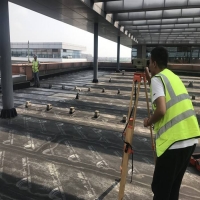






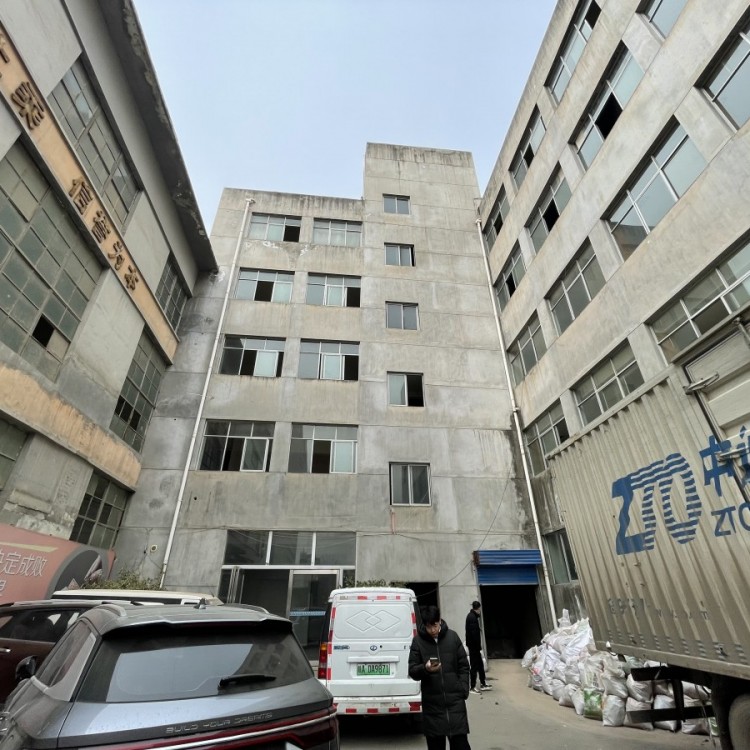





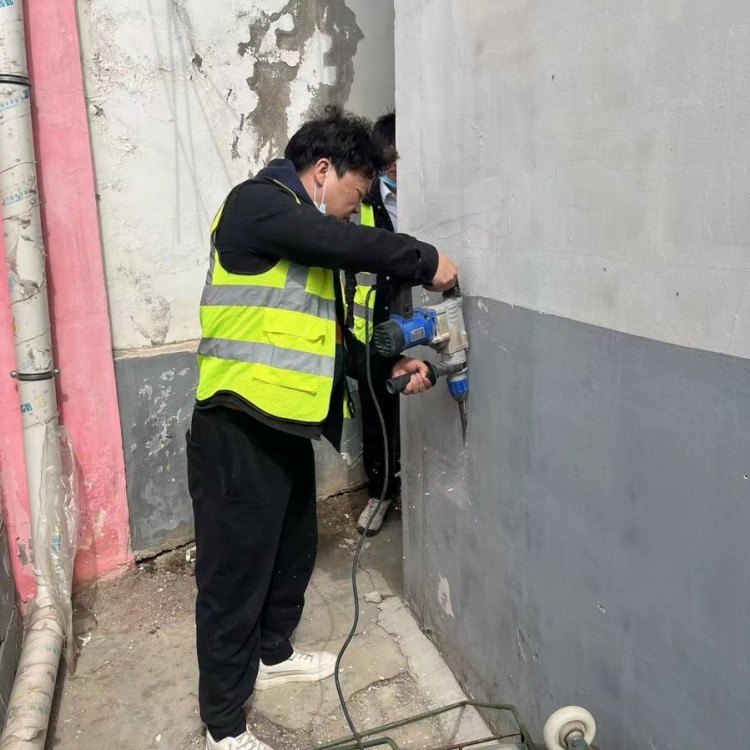
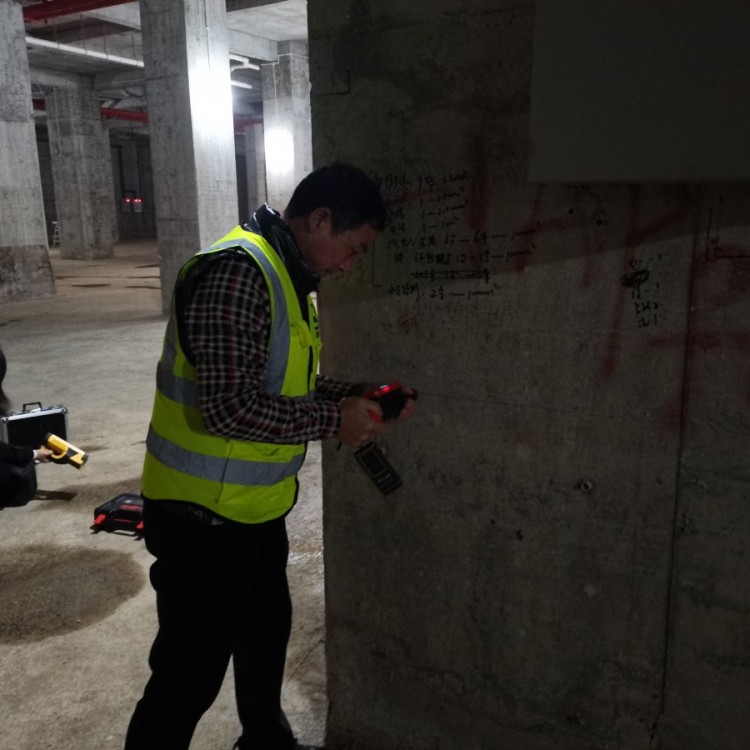
One,What is settlement observation?
To ensure the full operational lifespan of the structure and its safety factor, as well as to provide reliable materials and relevant settlement parameters for subsequent surveying, design, and construction, the importance and necessity of structural settlement observation are even more pronounced. Current standards also require that settlement observation be conducted for high-rise residential buildings, towering structures, key ancient buildings, and continuous production equipment, as well as for basic machinery and equipment, and slope stability monitoring. Particularly inDuring the construction of high-rise residential buildings, the settlement observation and process monitor is utilized to guide the effective construction process, preventing uneven settlement during construction. It provides timely feedback on information content, offering detailed primary data to survey, design, and construction units. This helps prevent damage to the main structure of the building or the creation of harmful structural gaps due to settlement, which could lead to significant property losses.
How many times is the settlement observation generally conducted?
The frequency and timing of settlement observations should be in accordance with the design concept. Generally, the first observation should be conducted immediately after the observation point is securely installed. For industrial buildings, an observation should be made for every 1 to 5 additional stories; for public buildings, observations should be conducted at different load stages, with a minimum of 4 observations throughout the construction period (at least once at 25%, 50%, 75% load increments, and an additional observation each time). In case of temporary suspension of construction, an observation should be made both at the time of suspension and upon resumption. During the suspension period, observations can be conducted every 2 to 3 months.