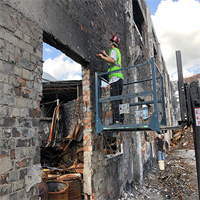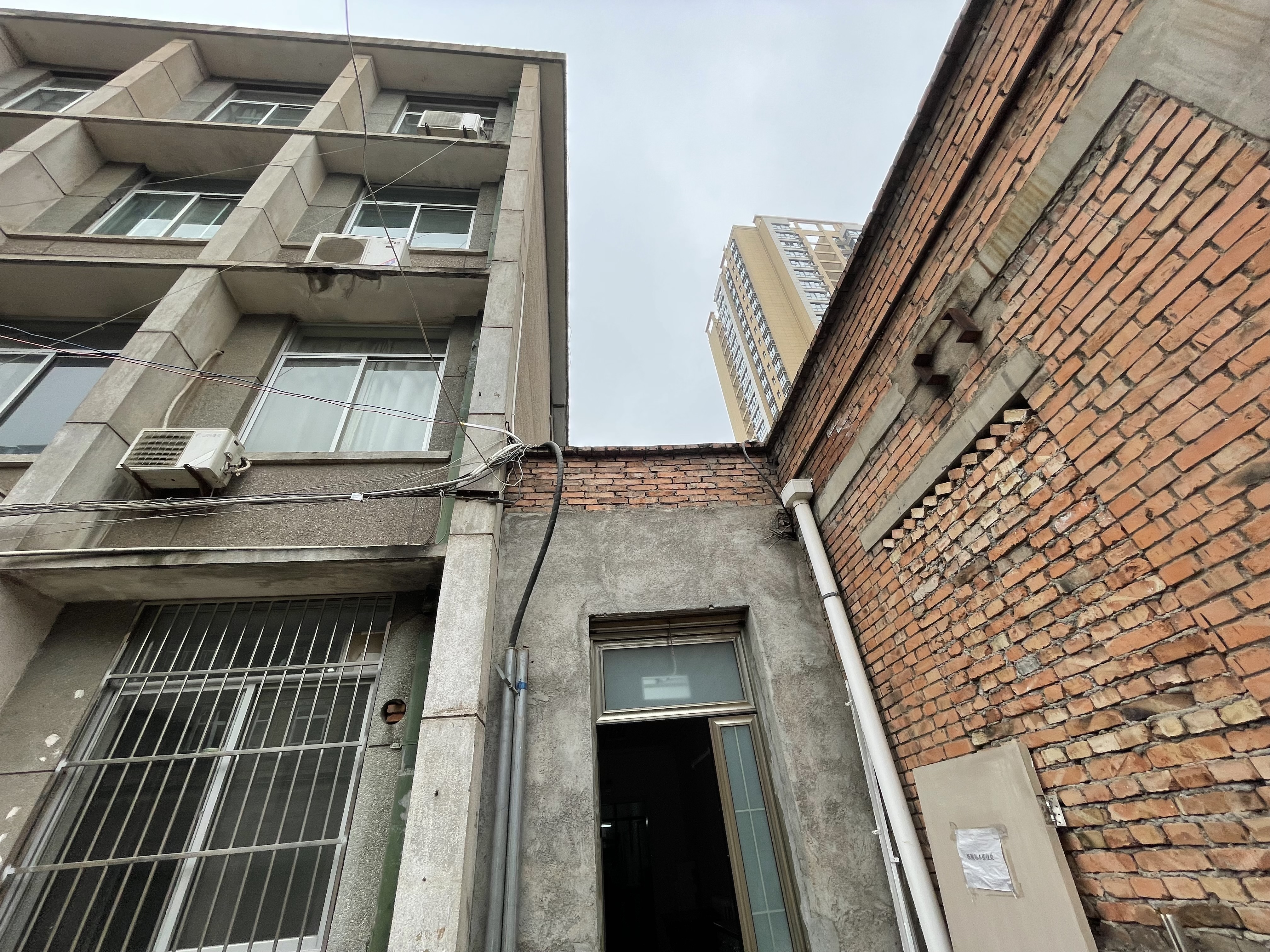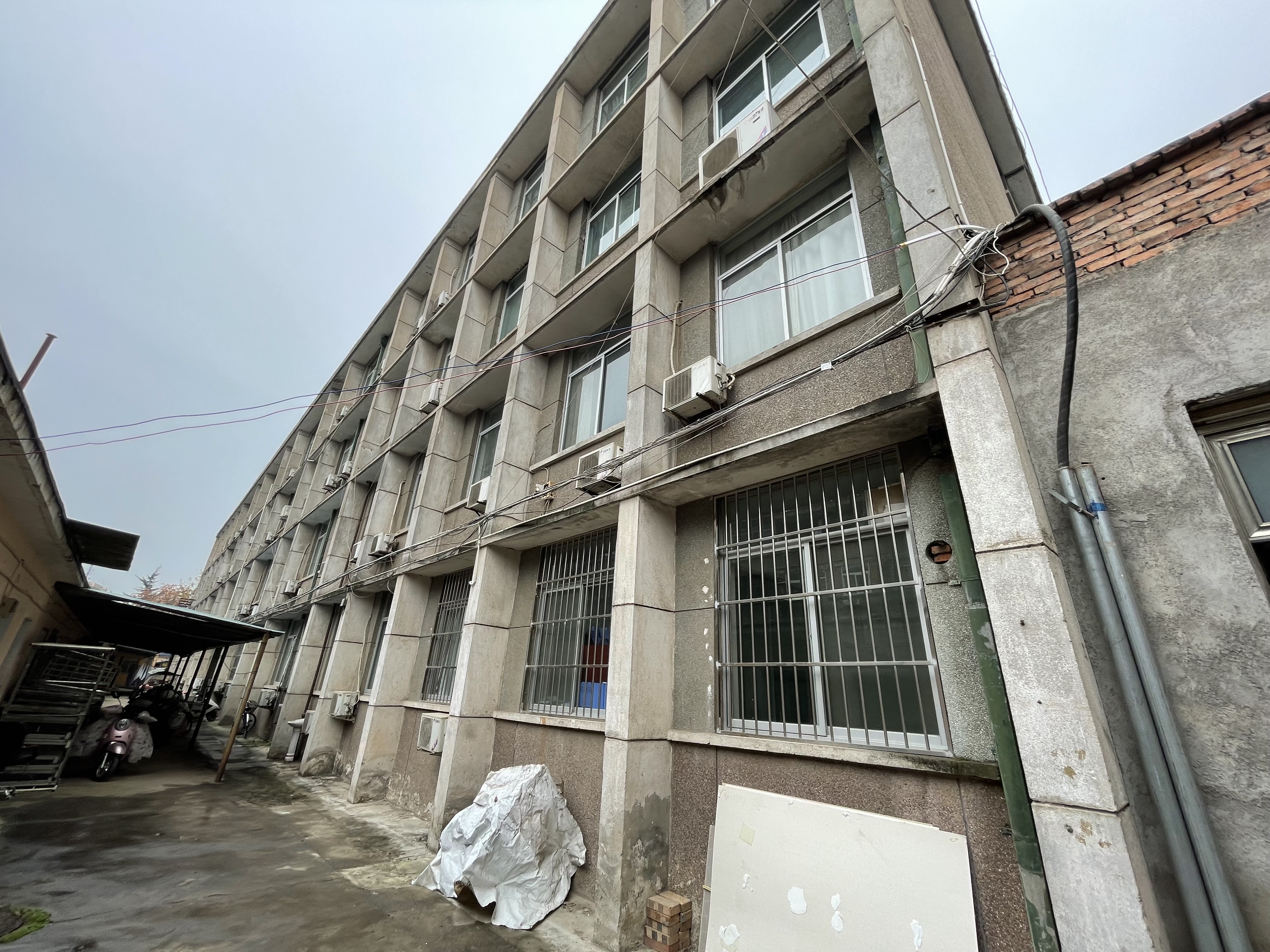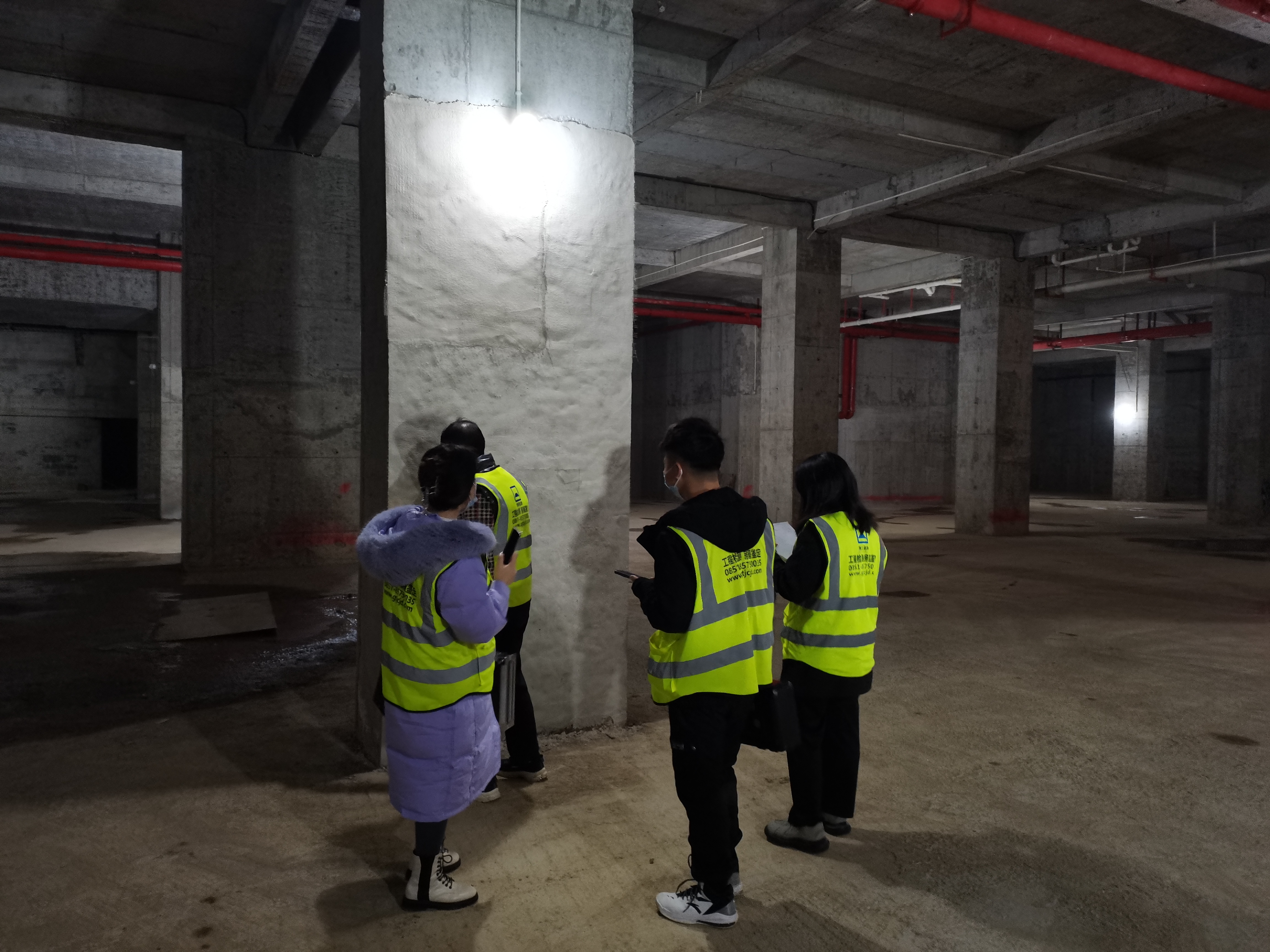


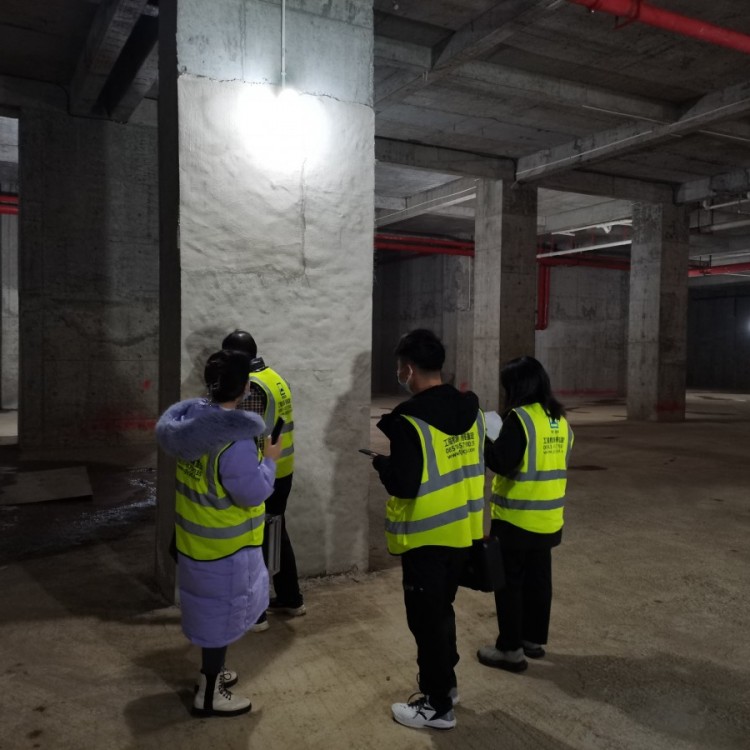


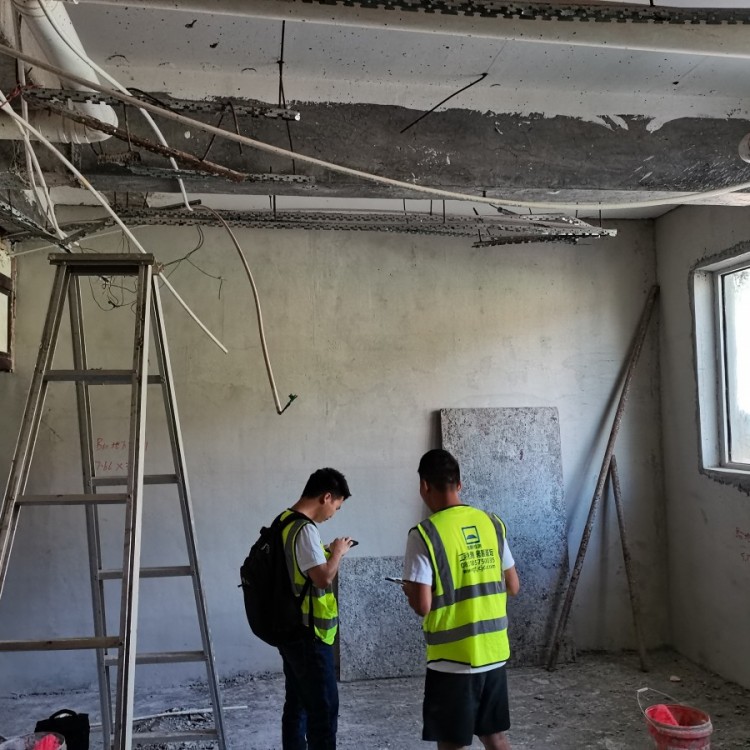






1. Post-fire building inspection
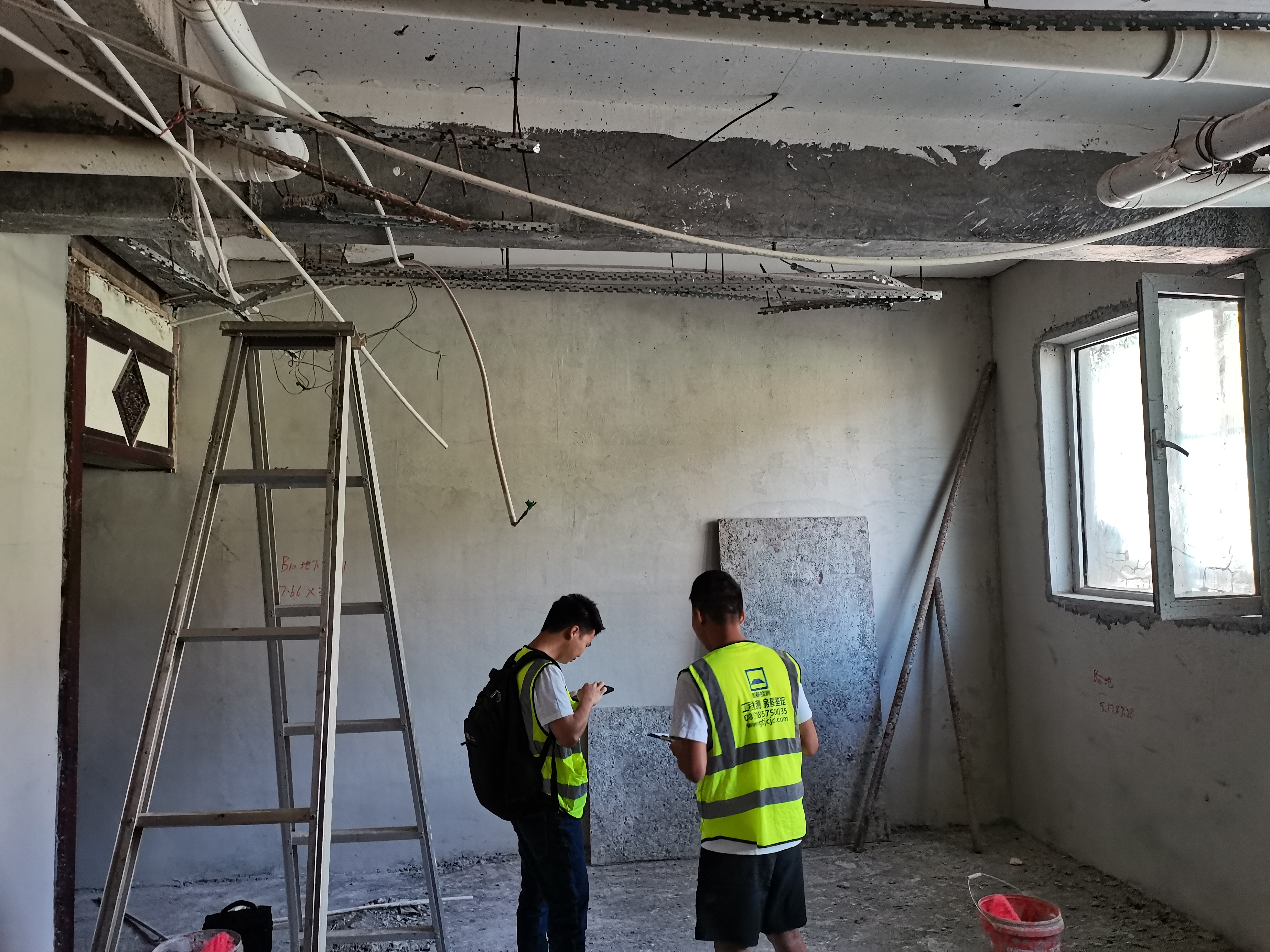
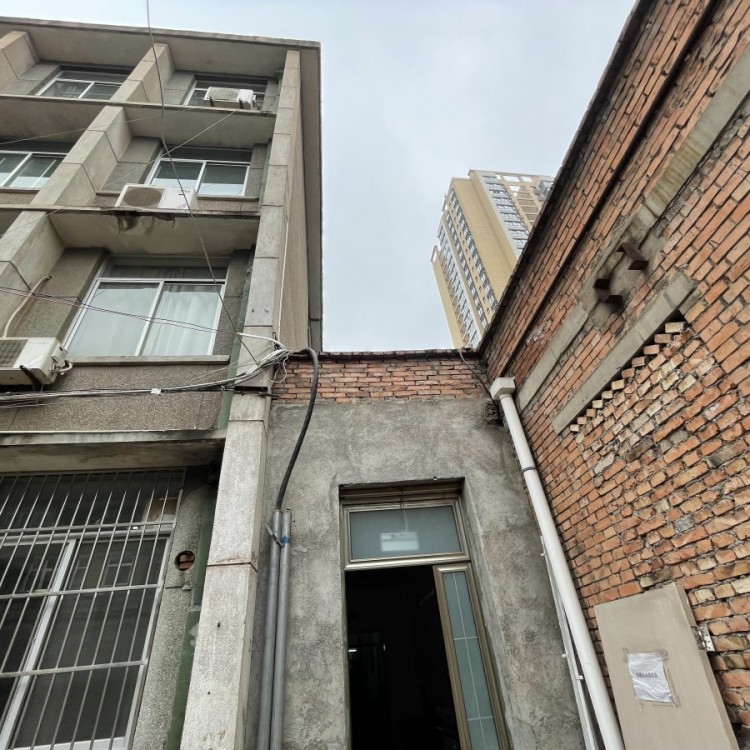
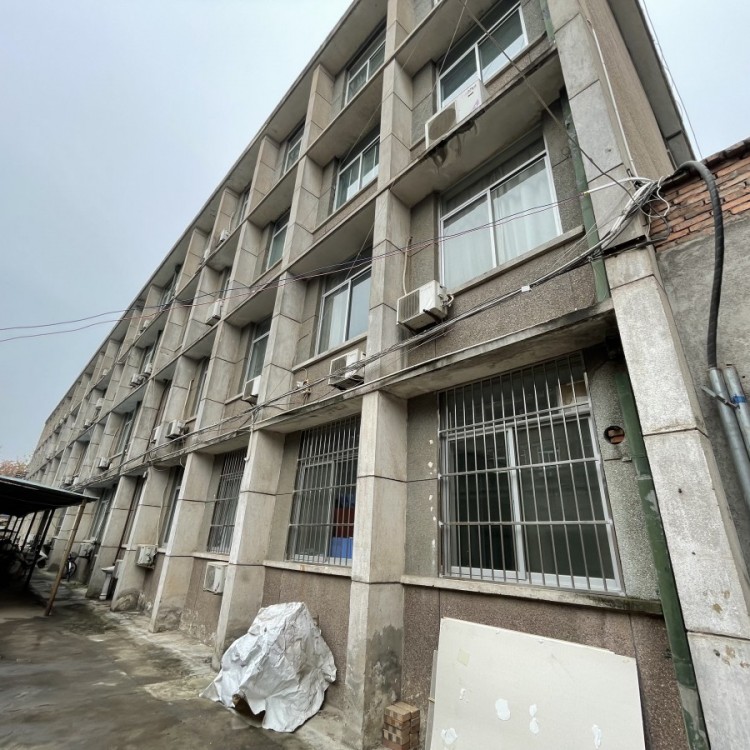
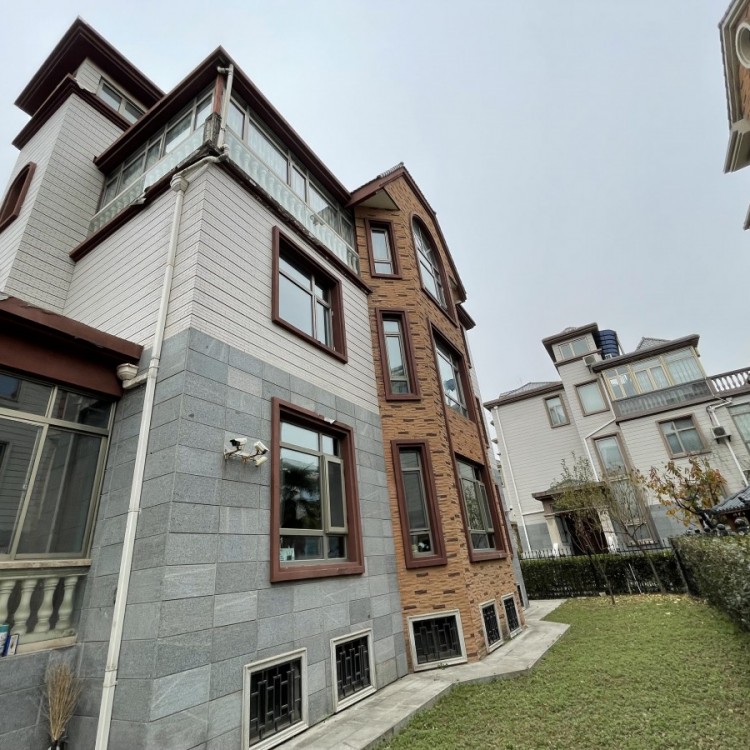
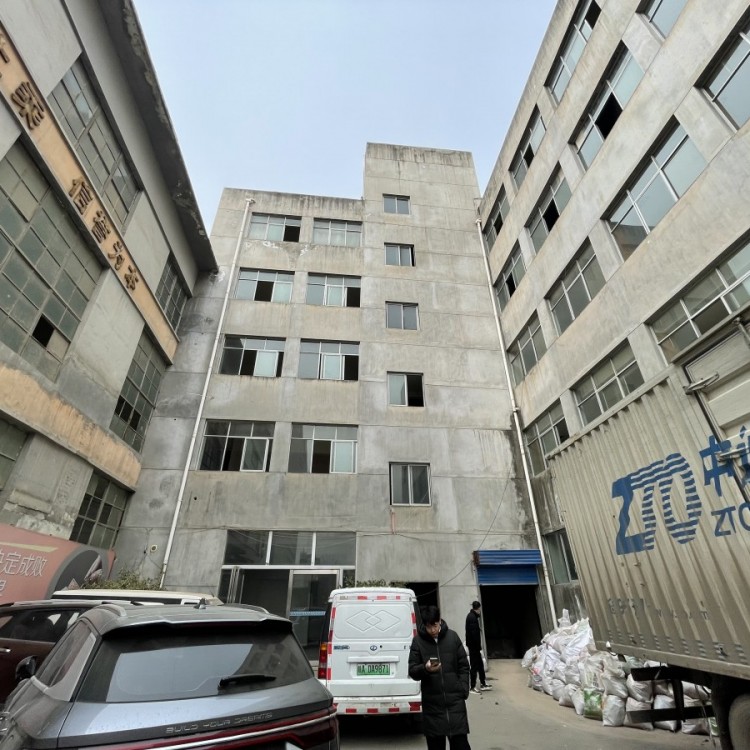
(1) Survey and review of building and structural overview
(2) Review of building structure and floor plan layouts
(3) Dwelling Occupancy Survey
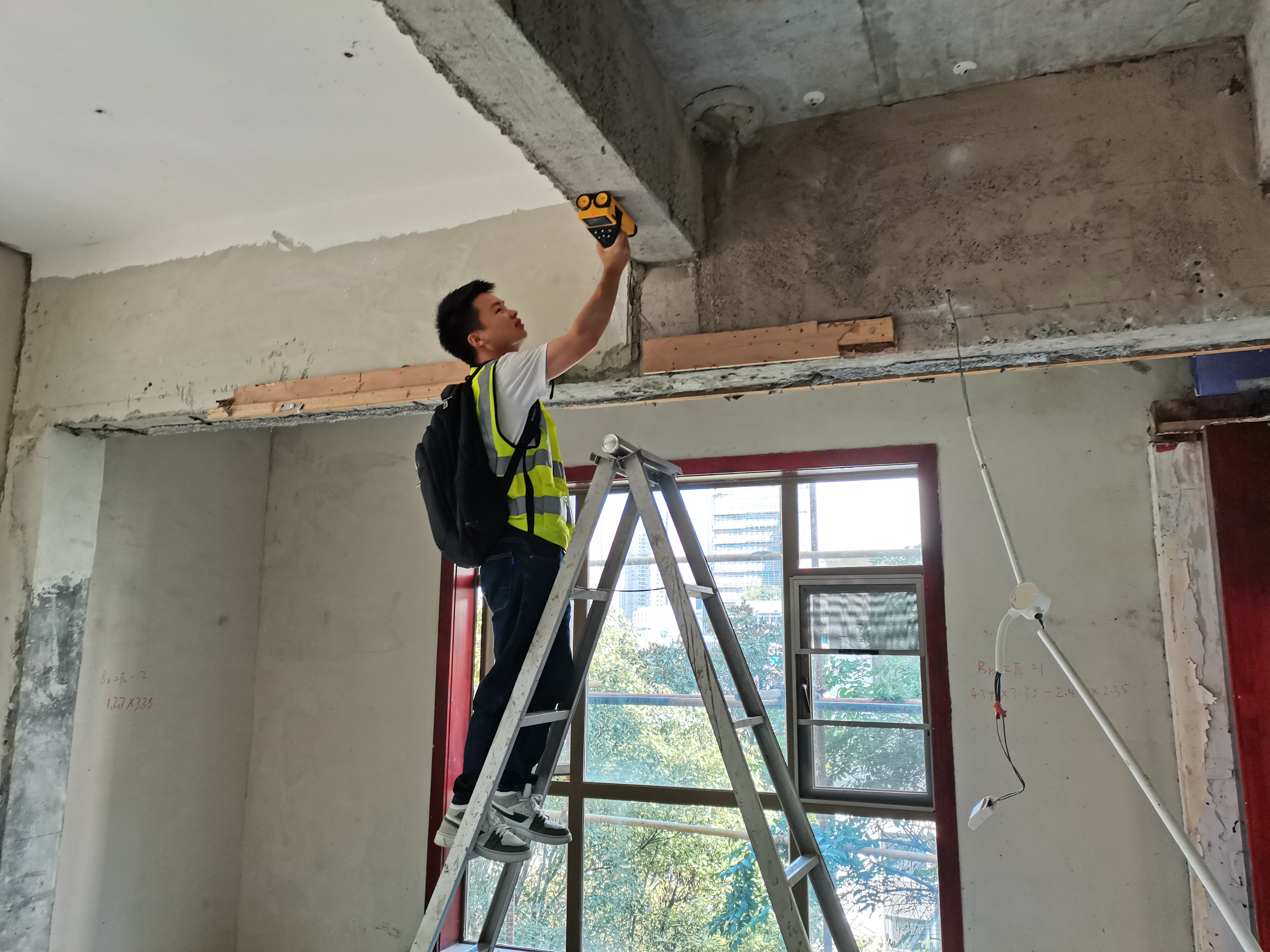
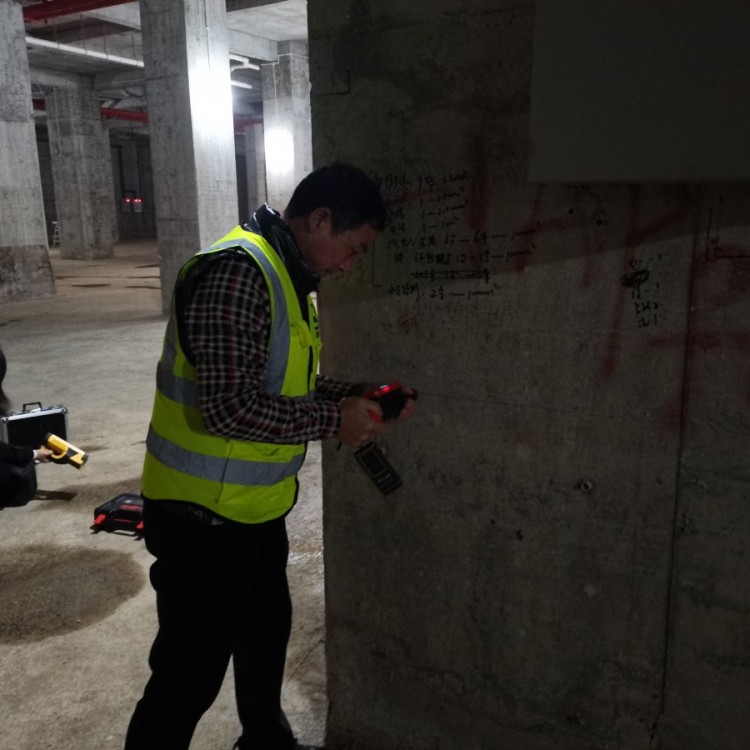
(4) Component Material Strength Testing
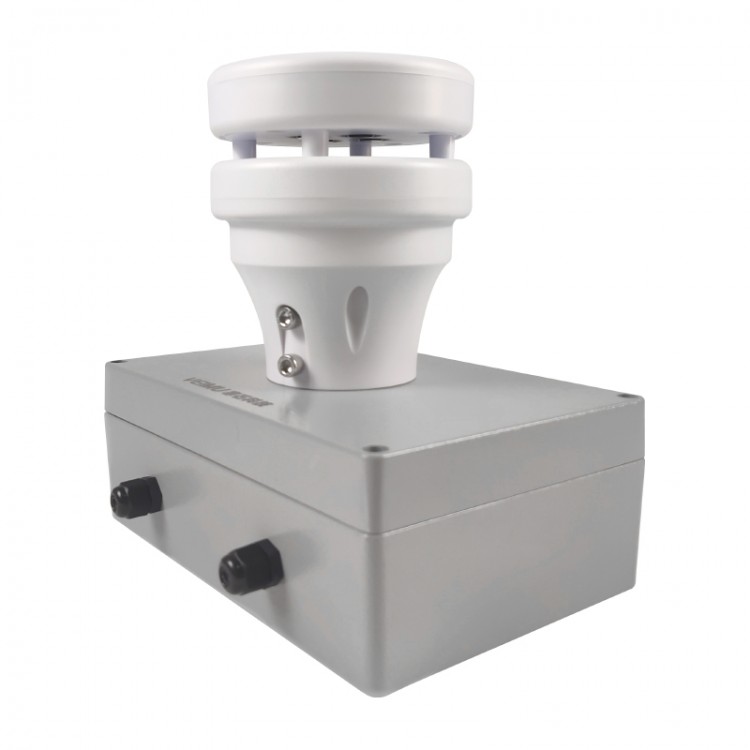
(5) House Deformation Detection
(6) Calculation of Building Structural Safety
(7) Investigate the fire process, the extent of combustion, and the area burned, and determine the temperature at the fire scene by analyzing the condition of the remaining materials at the site.
(8) Post-fire structural damage investigation, mainly including concrete surface color, impact reaction, concrete spalling, exposed reinforcement, and the condition of loose surface concrete; deformation and deflection of steel components.
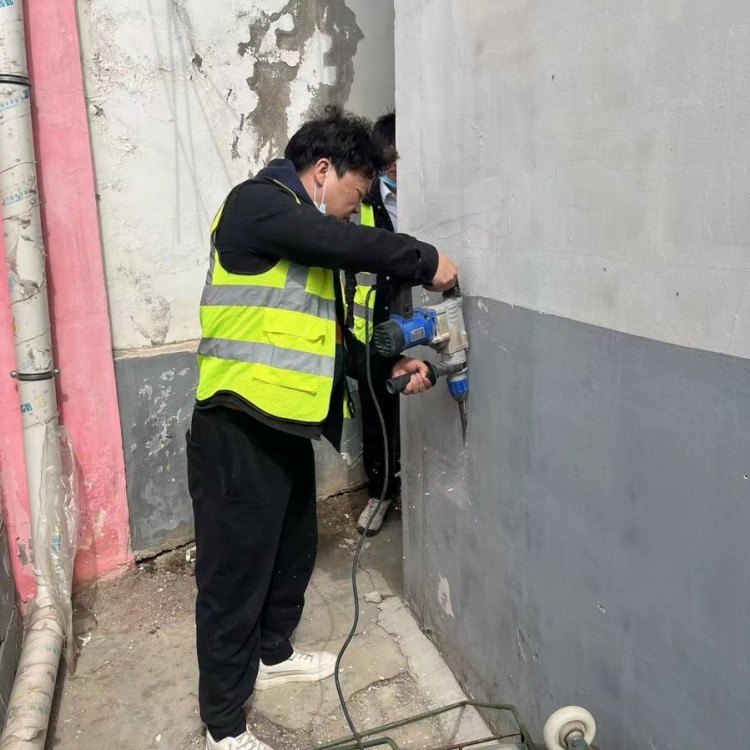
(9) Conducted concrete strength tests at different locations in the overheated area using the core sampling method.
(10) Conduct preliminary assessment and rating of concrete and steel components in overheated areas.
For a major fire, in addition to determining the cause of ignition (which is primarily the main content of the fire report), the temperature analysis at the fire scene, the impact of the fire on the strength of structural materials, and the damage grade of the components in the affected area are the most crucial core contents for post-disaster inspections.
Based on the "Post-Fire Building Structure Assessment Standard" (CECS 252:2009), the initial assessment and rating of components after a fire can be divided into 4 categories (the damage status of structural components after a fire is not rated): based on the extent of burning, deformation, and cracking.
Condition A: Slight or no direct burn damage; structural materials and properties are unaffected or only slightly affected. No action or only durability enhancement measures are required.
Status B: Mild scorch, with no significant impact on structural materials or performance. It does not affect structural safety. Durable or localized cosmetic repair measures should be taken.
Moderate burn at Condition C; not compromised, but significantly affects structural materials or performance, exhibits noticeable deformation or cracking, adversely impacts structural safety or usability; reinforcement or partial replacement measures should be taken.
Condition D damage: structural collapse or component failure during or after a fire; severe burning, deformation, or cracking damage to the structure, resulting in a loss of or significant reduction in load-bearing capacity, posing a threat to structural safety. Immediate safety support, comprehensive reinforcement, or removal and replacement measures must be taken.