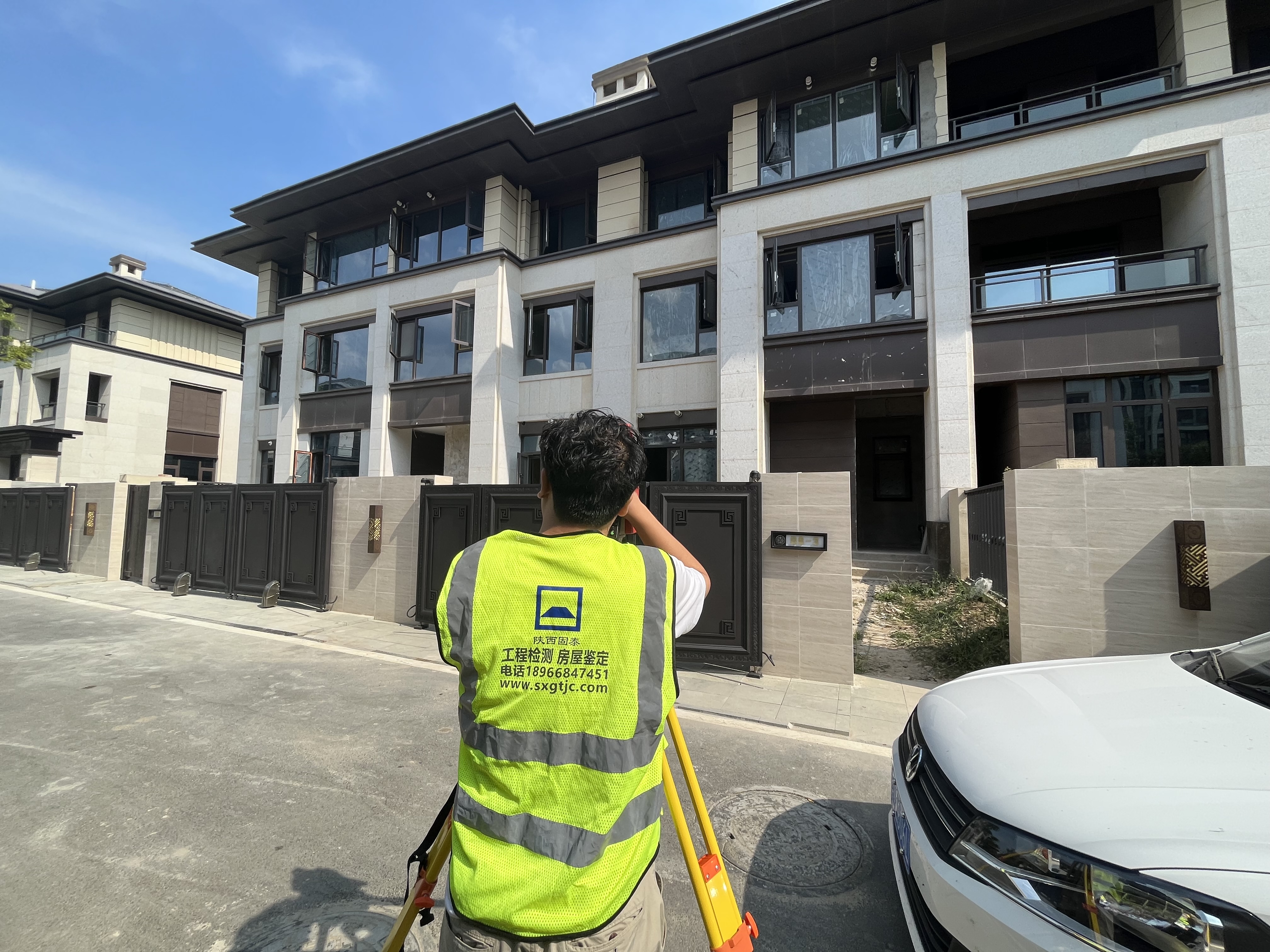

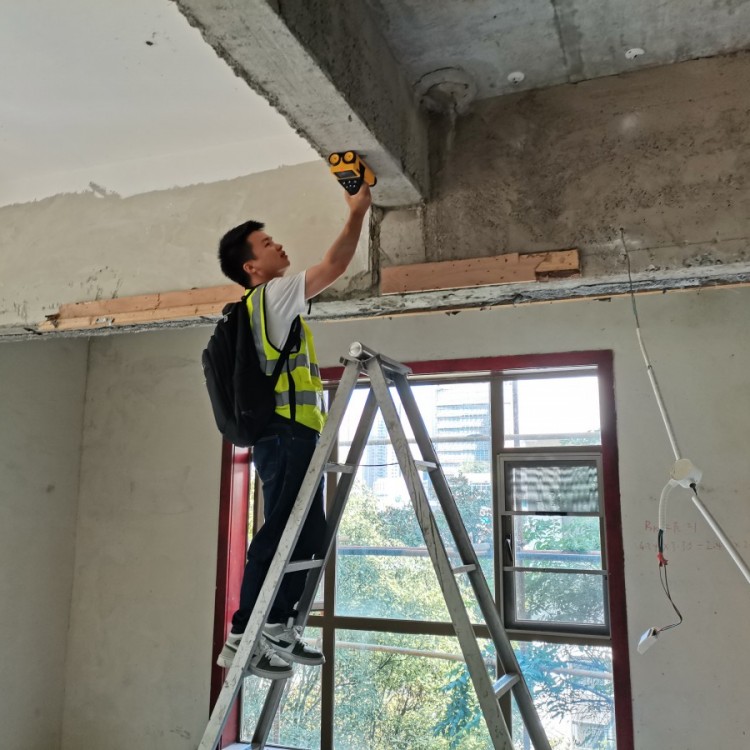

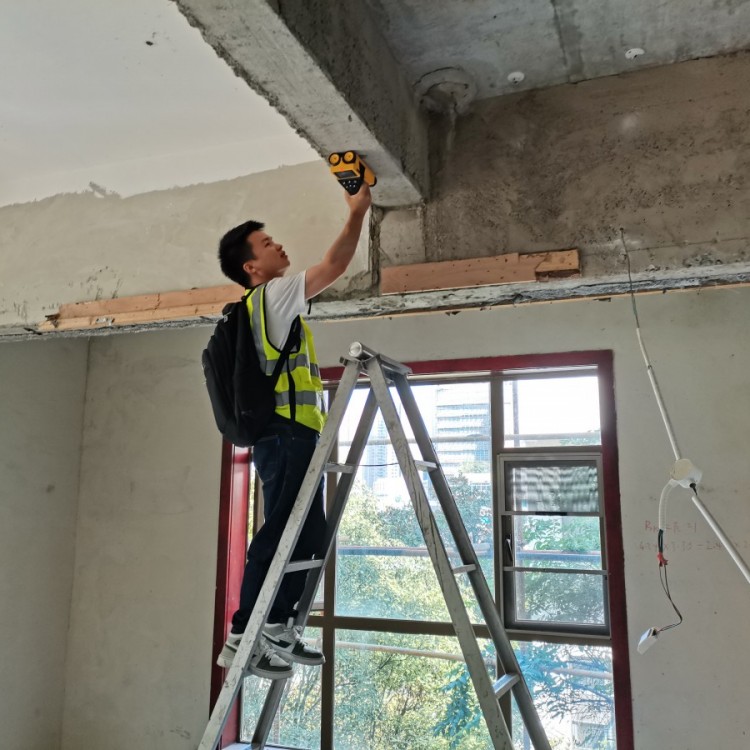

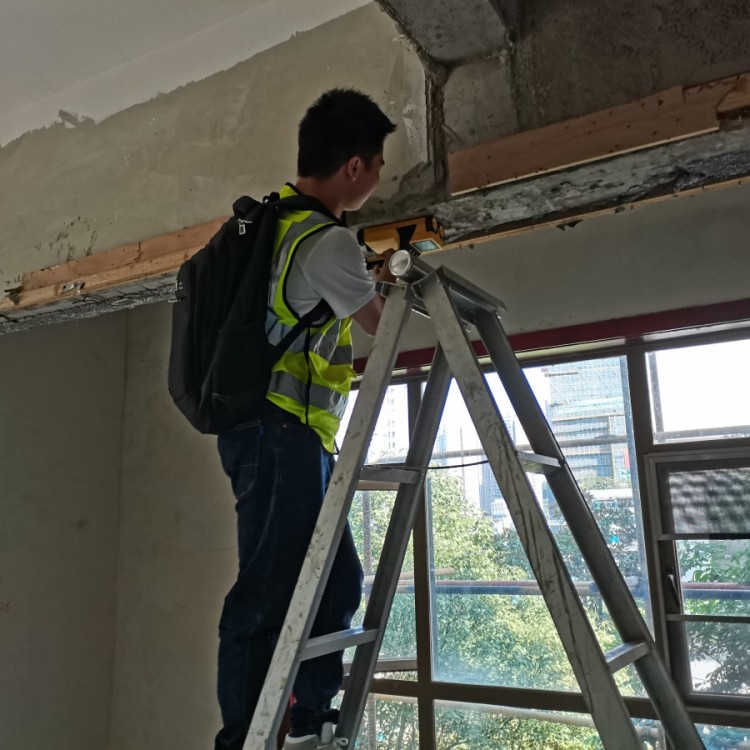


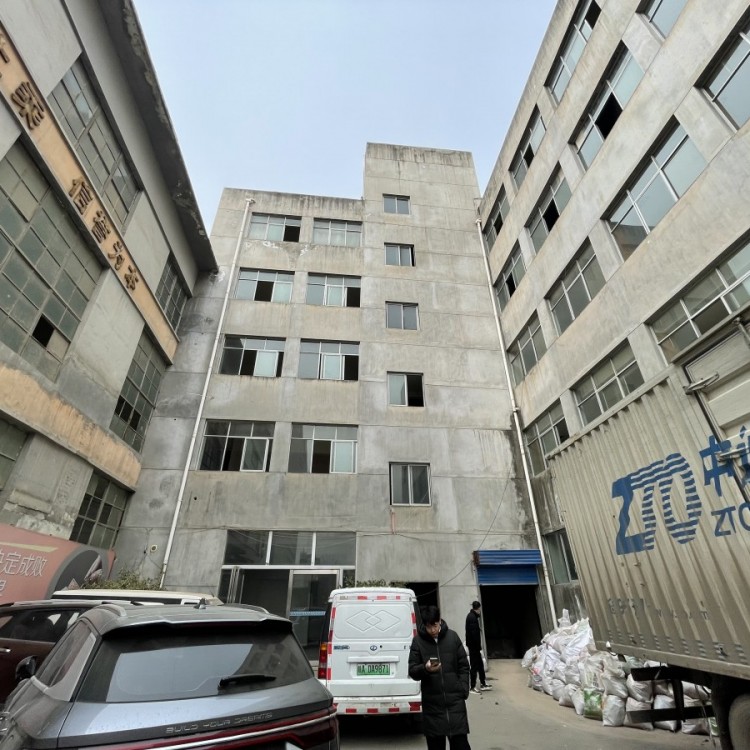





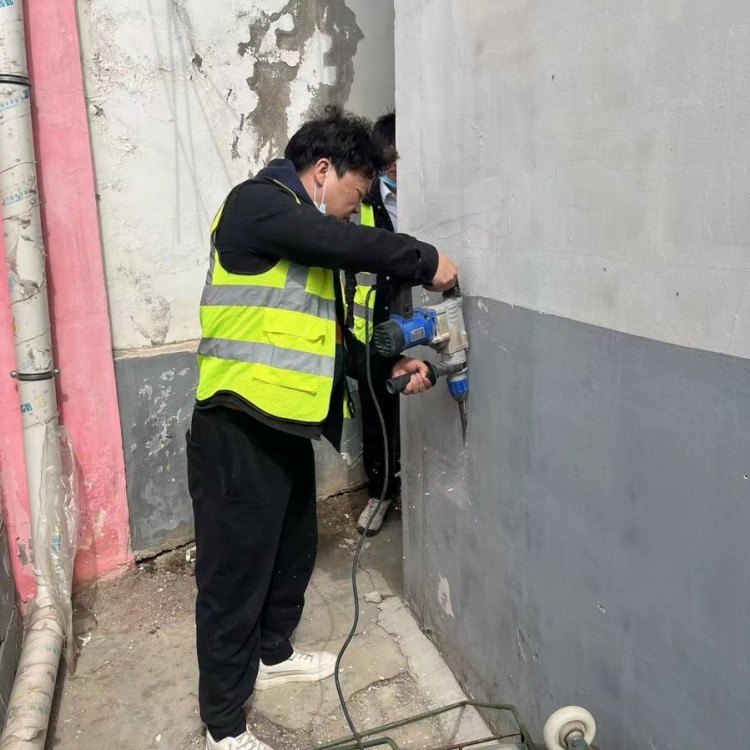
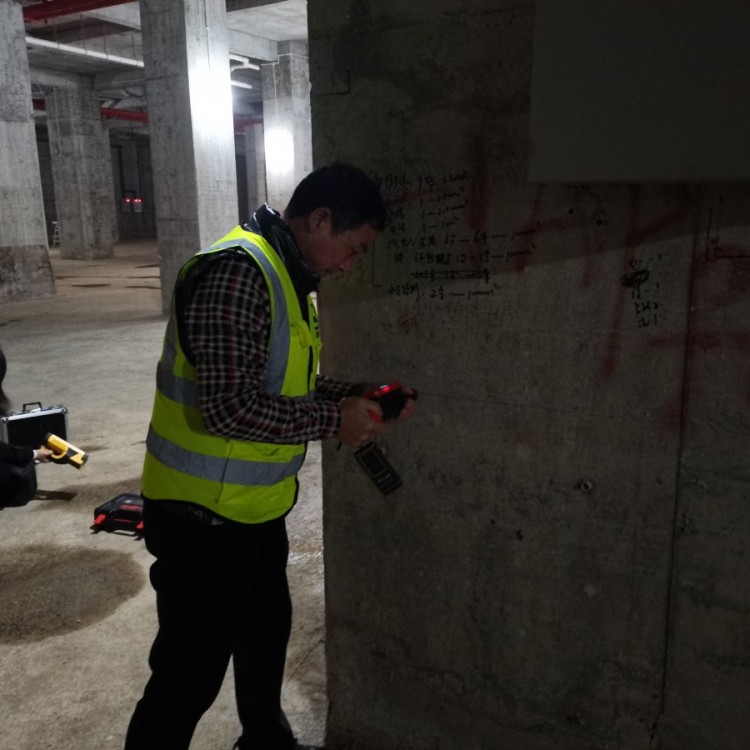
Researching housing is of great significance. With the rapid development of China's social and economic construction, the aging of housing structures is becoming increasingly severe. As people's safety awareness continues to grow, the issue of housing safety has garnered heightened attention. There is an increasing number of houses requiring safety assessments and the standards are becoming more stringent.
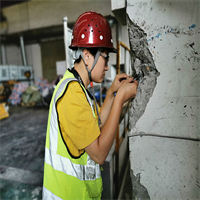
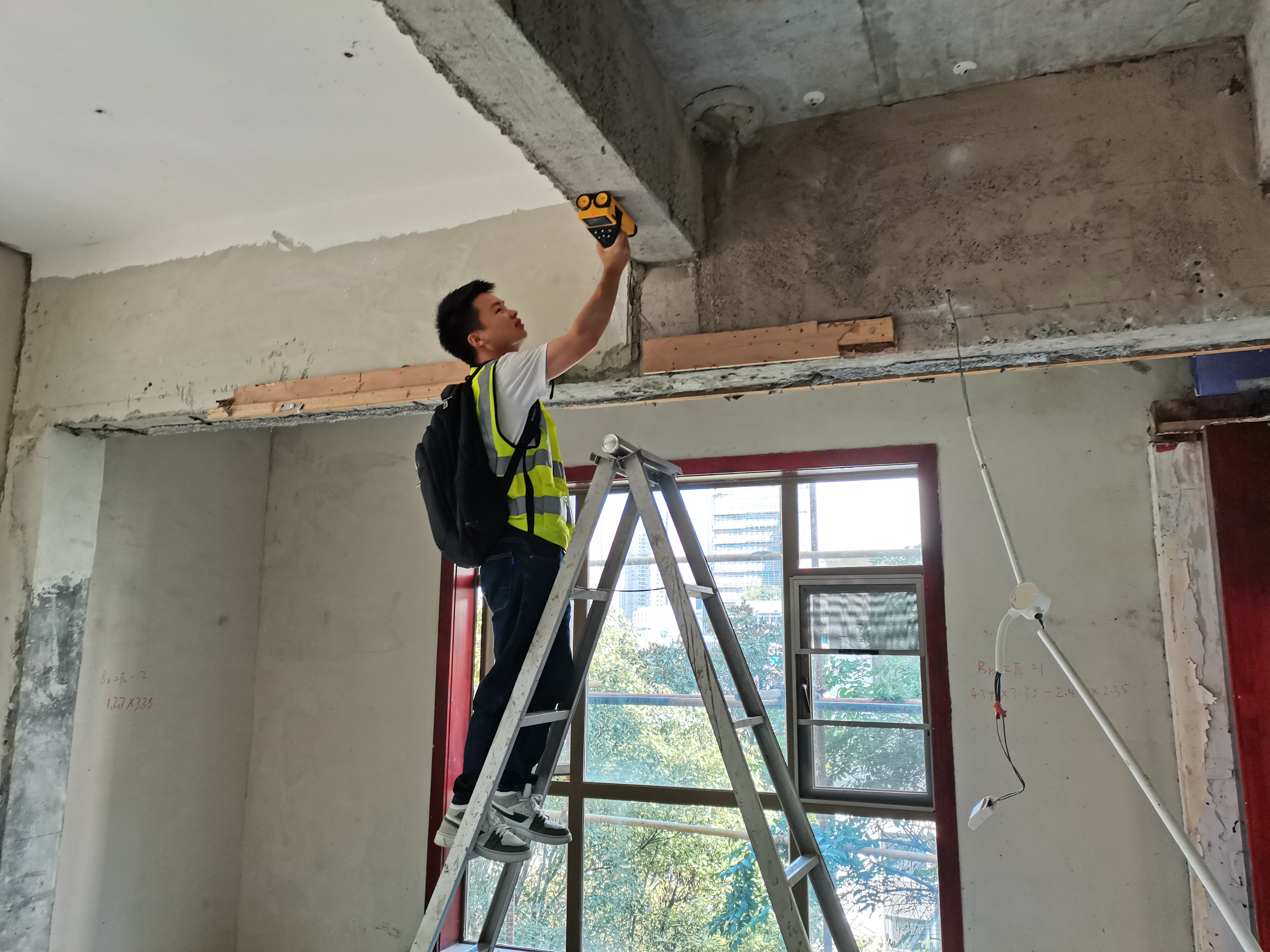
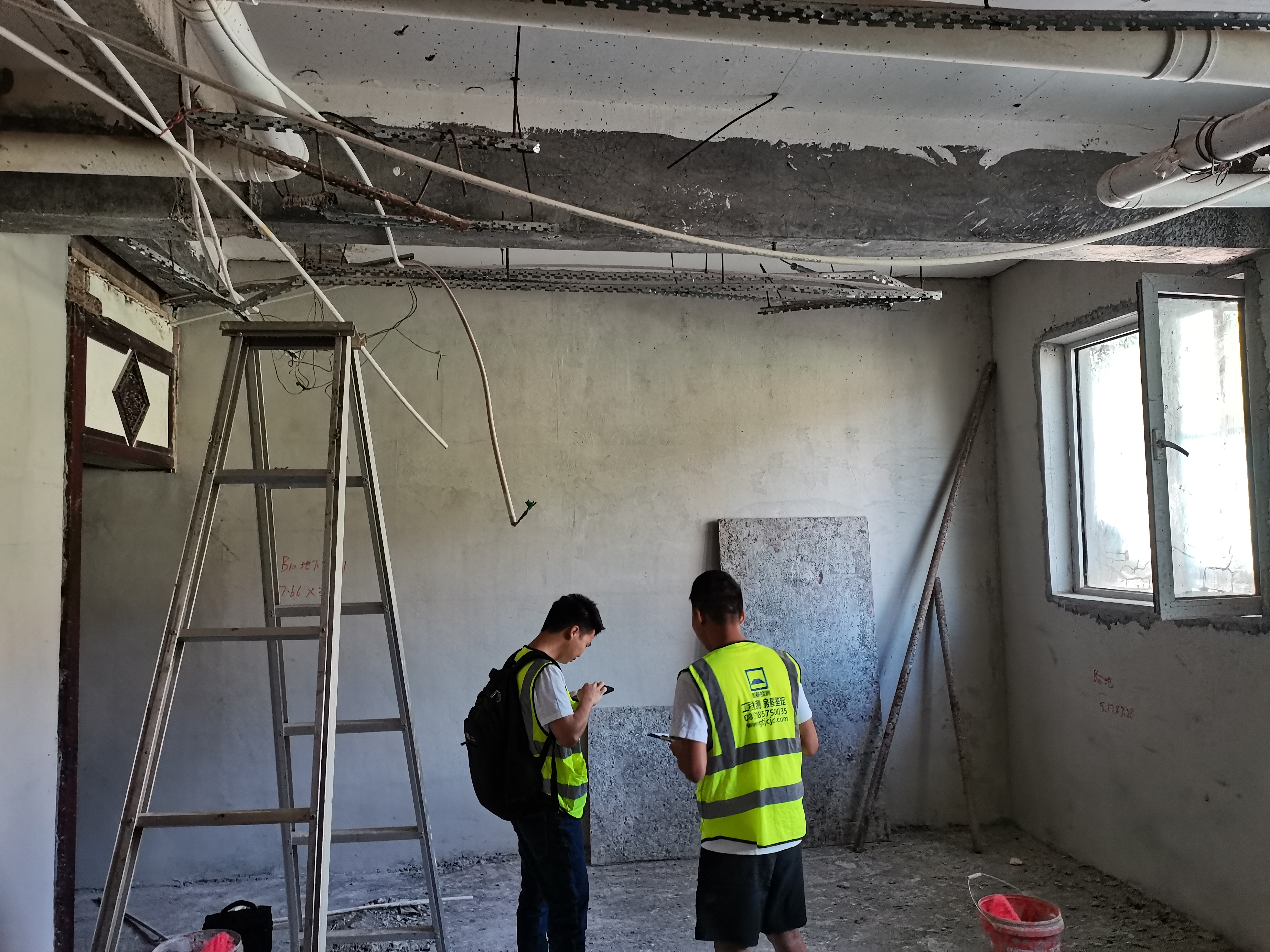
House safety inspection and assessment typically requires on-site verification of structural layout and loading conditions, material property testing, crack damage detection, settlement deformation measurement, and structural calculation and analysis to evaluate structural safety and propose necessary reinforcement recommendations. Inspections and assessments of house safety are necessary under the following circumstances: 1) When a house develops cracks or tilting deformation due to reasons such as surveying, design, construction, or use. In addition to assessing structural safety and proposing treatment recommendations, it is generally necessary to analyze the cause of the damage, determining which stage of surveying, design, construction, or use led to the current damage, to provide a basis for liability identification. Residential quality improvement and arbitration assessments often fall into this category. 2) When a house shows cracks or tilting deformation due to the influence of adjacent construction projects. For such structural safety inspection and assessment, the focus is on distinguishing whether the cracks or tilting deformation of the inspected house is caused by the house itself or by the construction impact of nearby excavation projects, evaluating structural safety, and proposing reasonable treatment measures.
1. When a building shows cracks, damage, or tilting deformation due to reasons such as surveying, design, construction, or use, these projects typically require not only an assessment of structural safety and recommendations for treatment but also an analysis of the cause of damage. This involves determining which stage—surveying, design, construction, or use—led to the current damage, providing a basis for responsibility attribution. Residential quality improvement and arbitration assessments often fall under this category.
2. When residential buildings suffer cracks, damage, or tilting deformation due to the impact of adjacent construction projects. The key focus of this structural safety inspection and evaluation is to differentiate whether the cracks, damage, or tilting deformation in the inspected buildings are caused by the buildings themselves or influenced by the construction activities of adjacent foundation pit projects. The evaluation aims to assess the structural safety and provide reasonable recommendations for treatment measures. Since many such projects are entrusted after damage or deformation has occurred, conflicts between the parties involved may have already arisen, which is why there are also many arbitration and appraisal projects commissioned by courts.
3. Due to various reasons, the design and construction documents are incomplete, making it impossible to process the completion certificate or business registration for the constructed buildings. Some buildings may have complete documents but have been put into use without the completion certificate. The inspection and evaluation of such buildings is typically for obtaining the completion certificate or property ownership certificate. In addition to the standard safety inspection and evaluation content, the focus is on assessing the construction quality of the building project, including component cross-sectional deviations, verticality, flatness, surface defects, concealed works such as steel reinforcement, and material strength. When the drawings are incomplete, it is also necessary to survey the required architectural and structural drawings.
4. When a building continues to be in service beyond its designed lifespan. Generally speaking, when a building operates beyond its designed lifespan, it will exhibit varying degrees of durability aging signs and structural functionality degradation. A comprehensive inspection and assessment are required, with a focus on predicting the structural service life, setting the next target service period, and proposing durability treatment recommendations, in addition to routine inspection and assessment content.