















Residential Seismic Evaluation
Section 1: Seismic Resistance Evaluation of Buildings
During the construction, during or after a halt in construction, or during use, when additional floors, inserted floors, expansion, or significant changes to the structural system or usage function are required for house renovation, an earthquake resistance assessment of the existing structure is necessary. This includes inspection of the original structure, assessment of the original structural system and construction, structural earthquake resistance calculations based on the renovation structure, comprehensive evaluation of the earthquake resistance performance of the renovated structure and the feasibility of the renovation plan. If necessary, recommendations for optimization measures of the renovation plan and suggestions for strengthening the original structure against earthquakes are proposed. The earthquake resistance assessment for house renovation generally must be based on the current earthquake-resistant design standards.
The assessment is used for evaluating the seismic capacity of existing buildings and those planned for renovation. It primarily involves inspecting the structural condition of the buildings, investigating the proposed renovation plans and future usage, and then assessing the building's seismic performance according to prescribed seismic defense requirements.
1. Gather the original documents such as geological investigation reports, completion drawings, and project acceptance files for the house, and conduct additional engineering geological investigations when necessary.
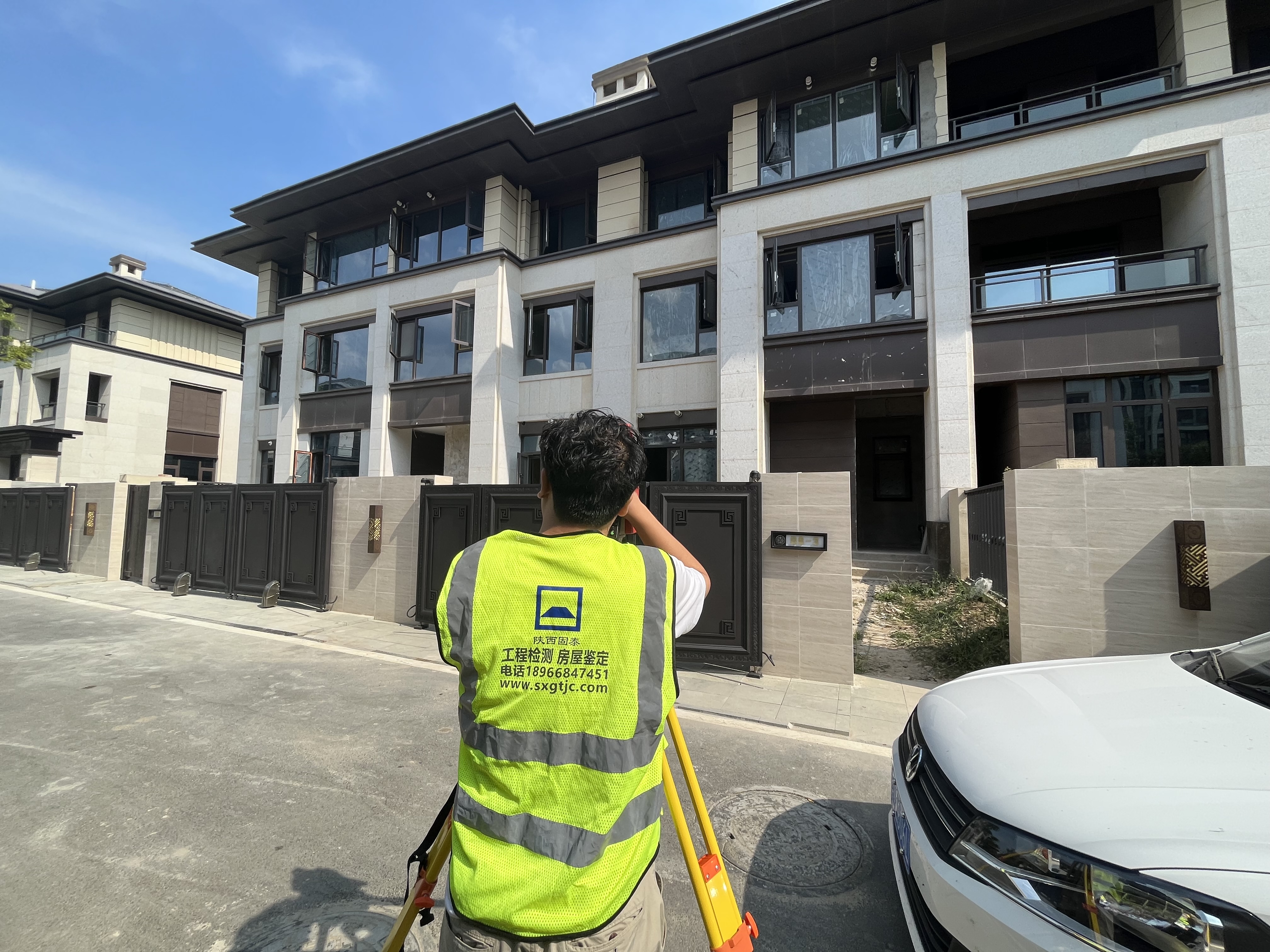
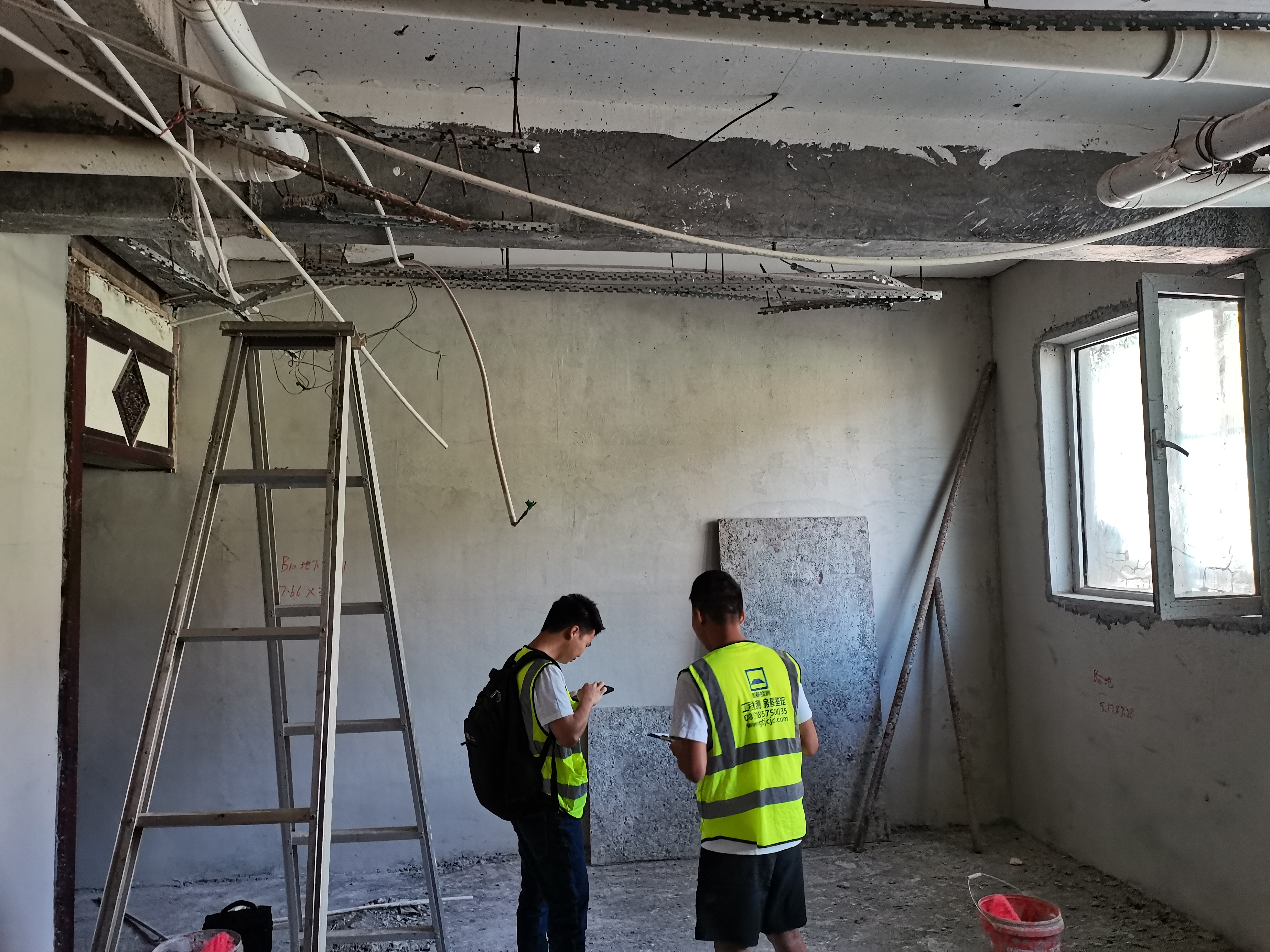
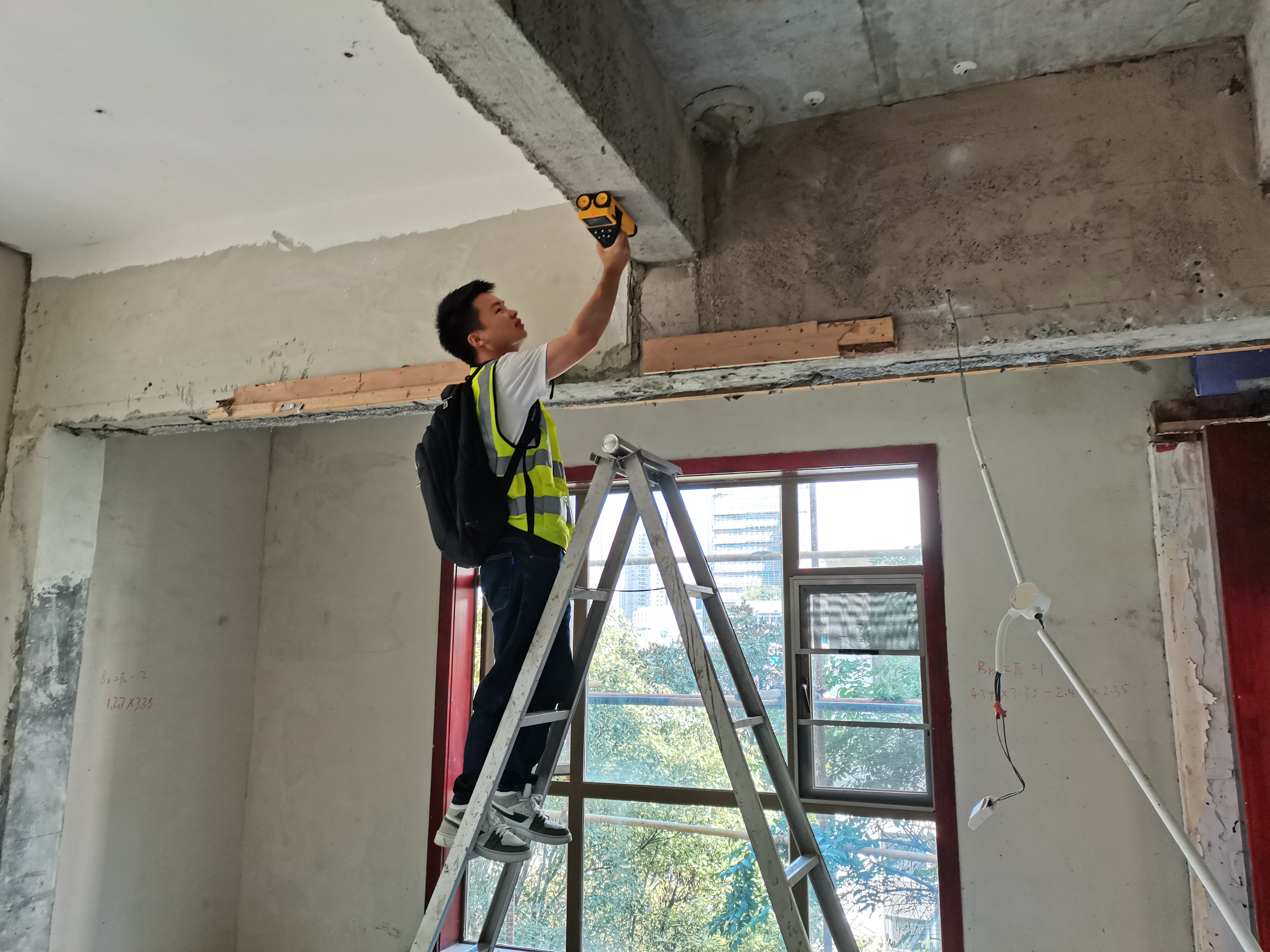
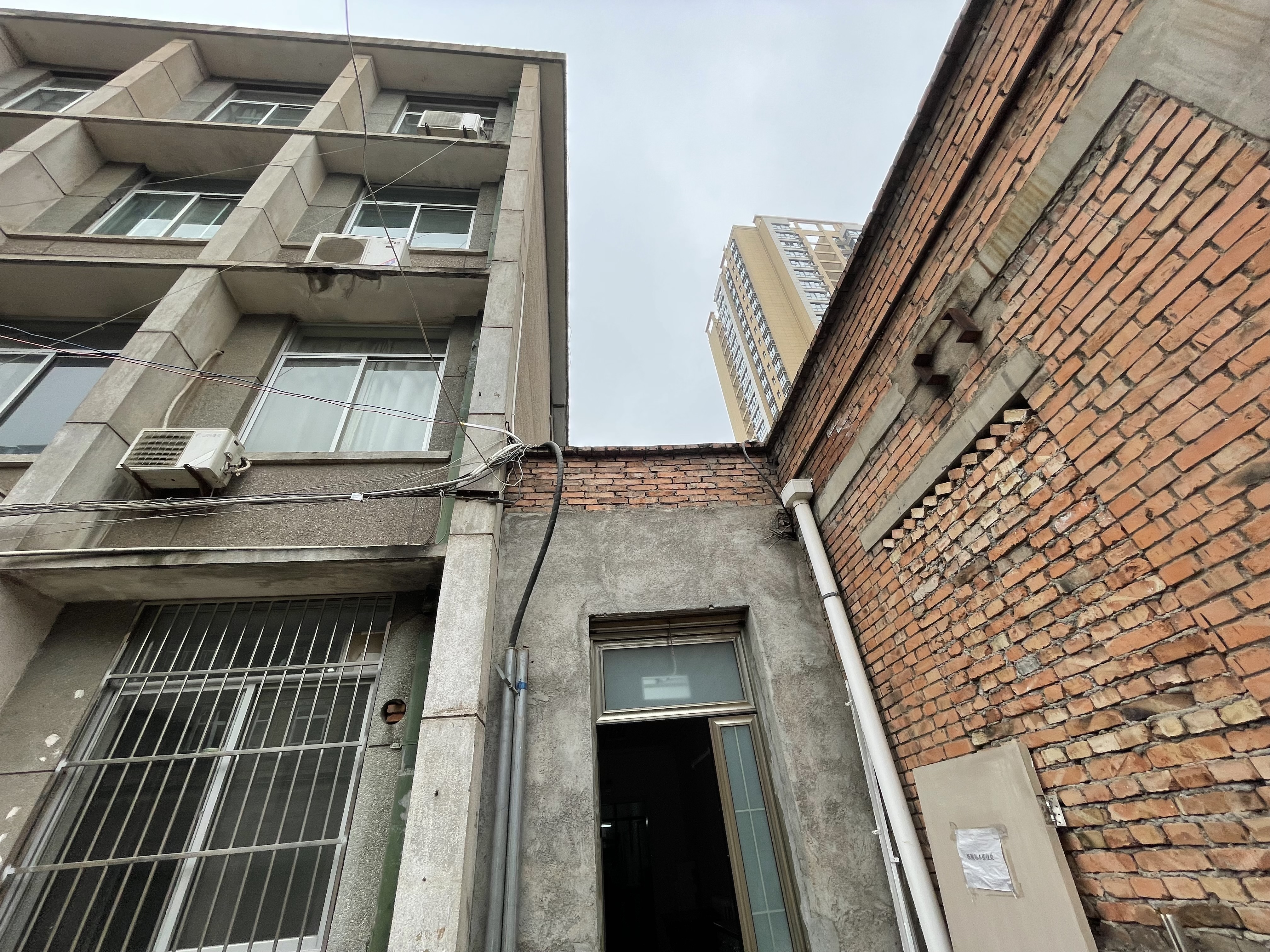
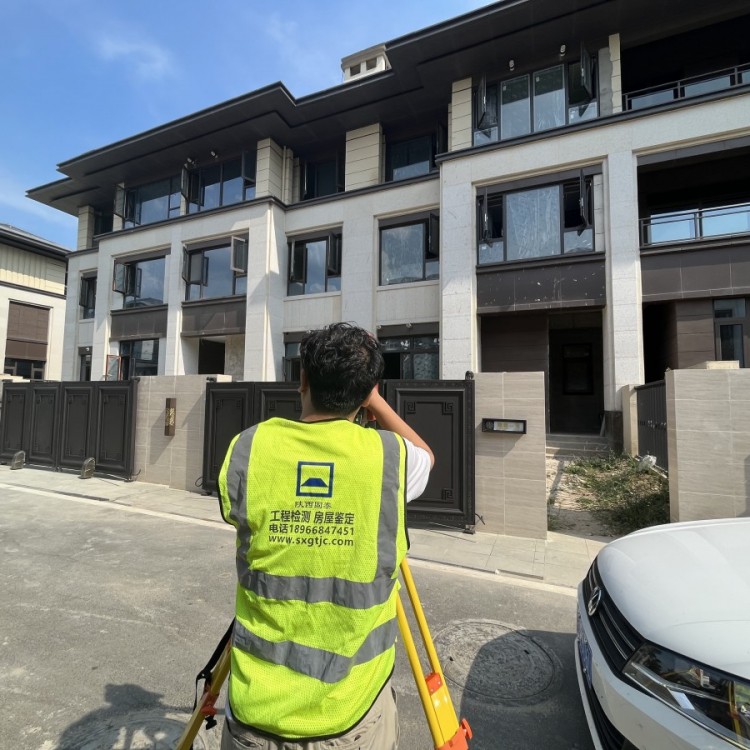
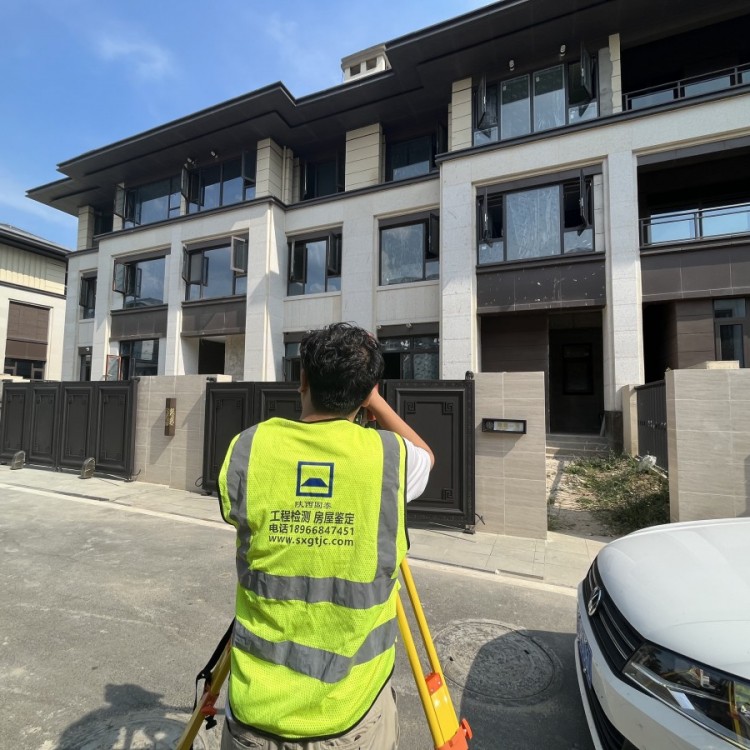
2. Conduct a full inspection and record the damaged areas, extent, and scope of the house foundation, load-bearing structure, and protective structure.
3. Analyze the characteristics, structural arrangement, and construction of building structures, as well as their seismic measures, and verify the seismic bearing capacity.
4. The testing items for the mechanical properties of building structural materials should be determined based on the need for structural load-bearing calculations.
5. Residential buildings should be evaluated according to the "Standard for Seismic Evaluation of Buildings" GB50023-95, employing the corresponding step-by-step evaluation methods for comprehensive seismic capacity analysis.
Seismic evaluation methods are divided into two levels. The first level evaluation primarily focuses on macro control and structural assessment for comprehensive evaluation, while the second level evaluation mainly involves seismic calculations, combined with structural influences to comprehensively assess the seismic resistance of buildings.
If the house meets all the requirements for a ***-level seismic evaluation, it can be rated as meeting the seismic evaluation criteria and no further second-level evaluation is required; otherwise, the second-level seismic evaluation should make the determination.
6. Evaluate the overall seismic capacity of the existing buildings. For those buildings that do not meet seismic requirements, propose necessary seismic reinforcement measures and disaster mitigation strategies in accordance with relevant technical standards.