








Elevator Installation Inspection
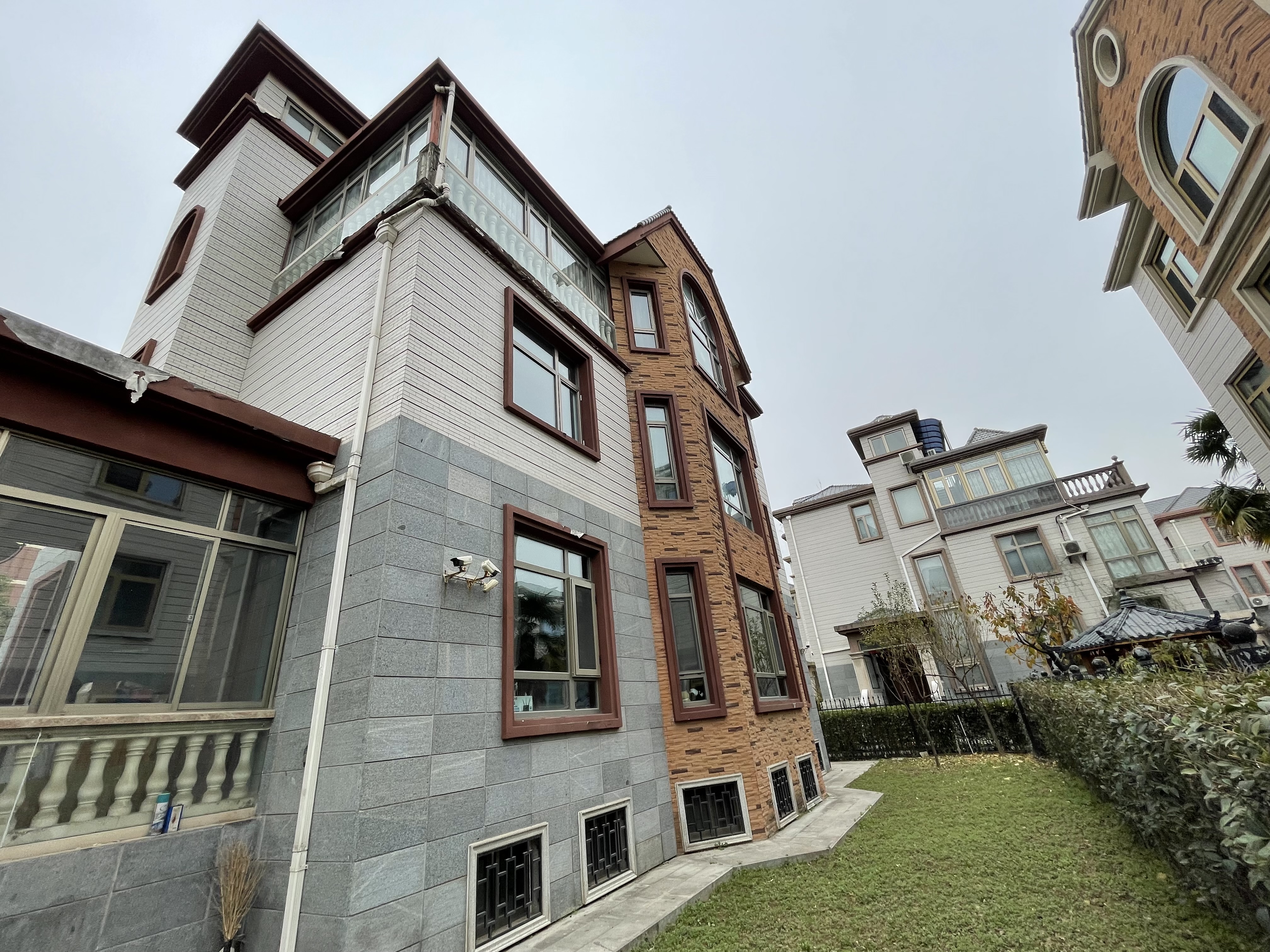
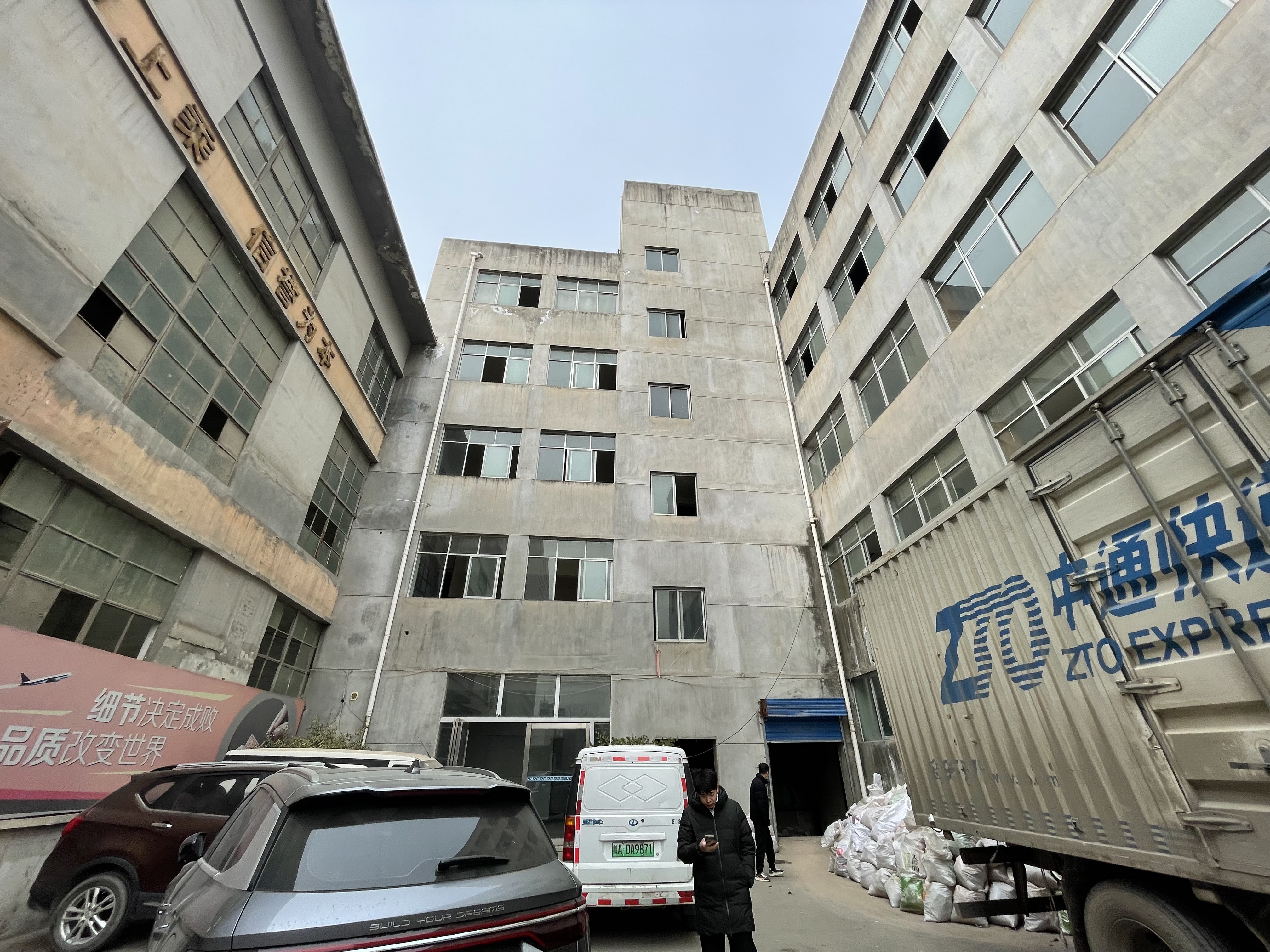
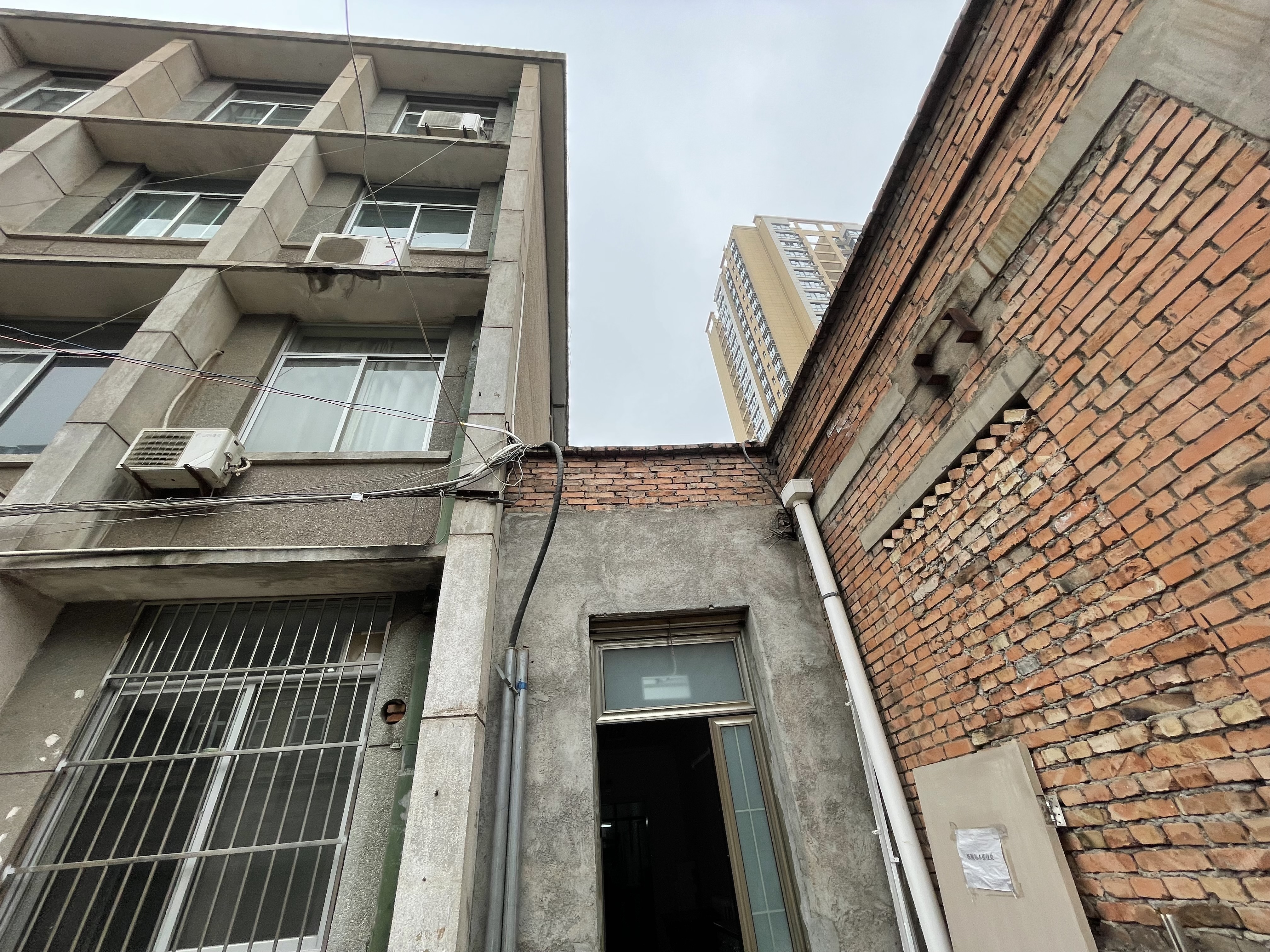
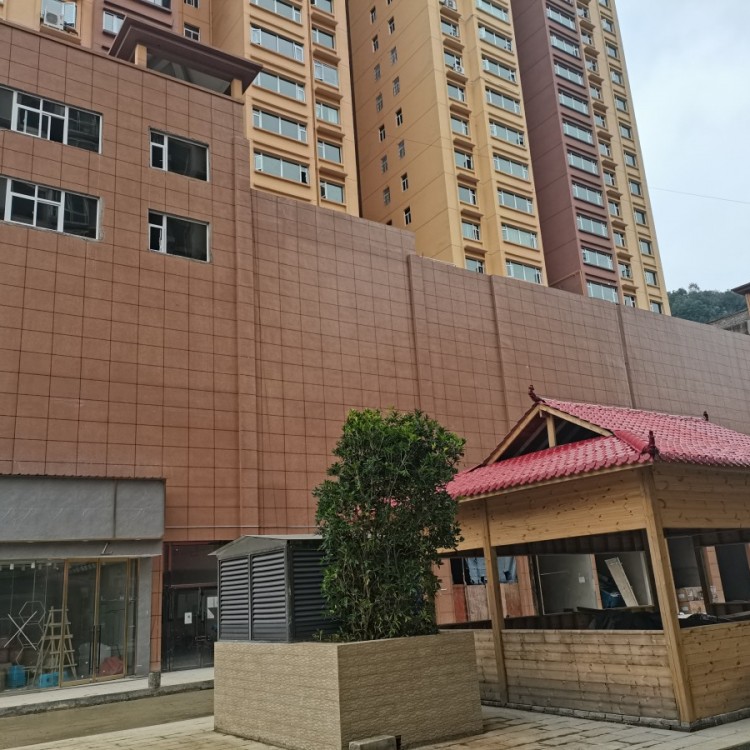
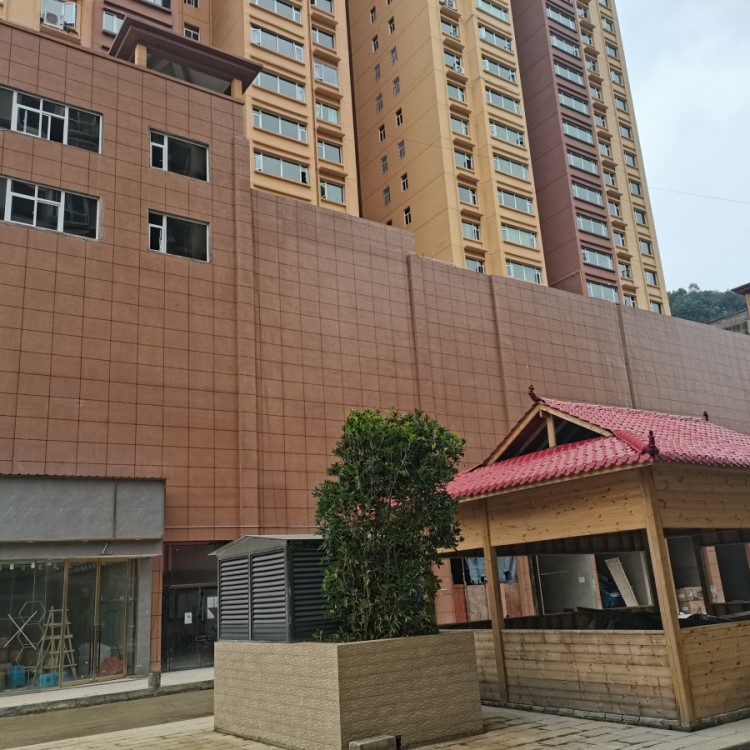
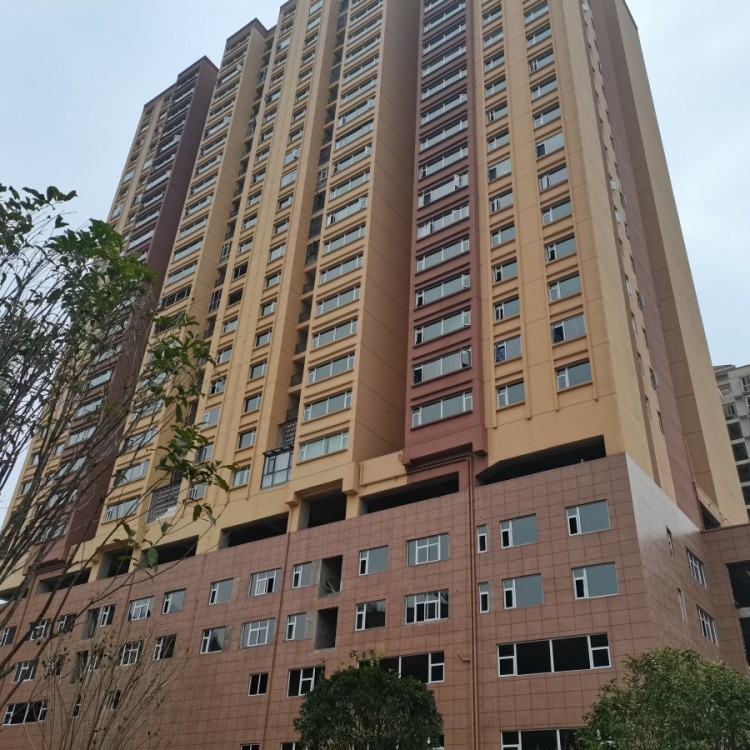
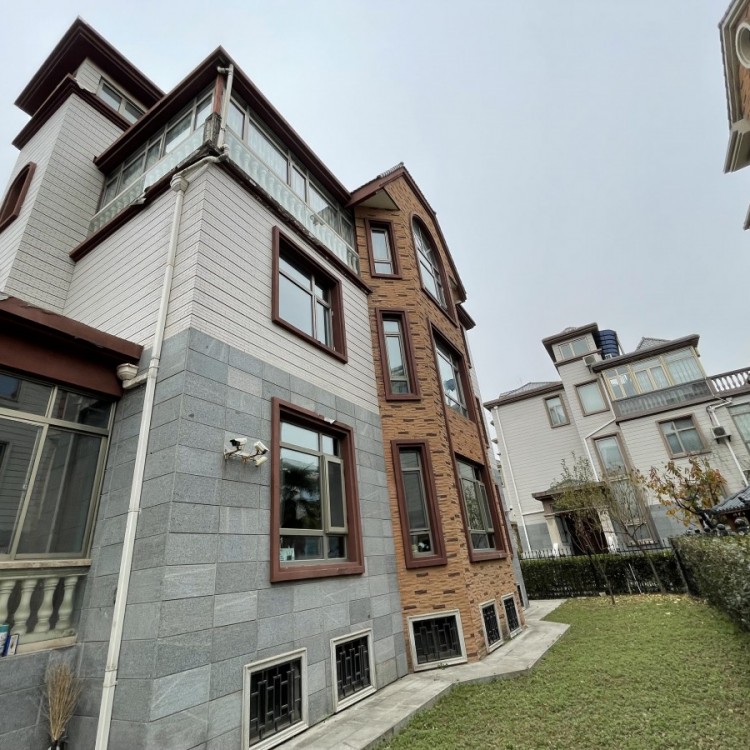
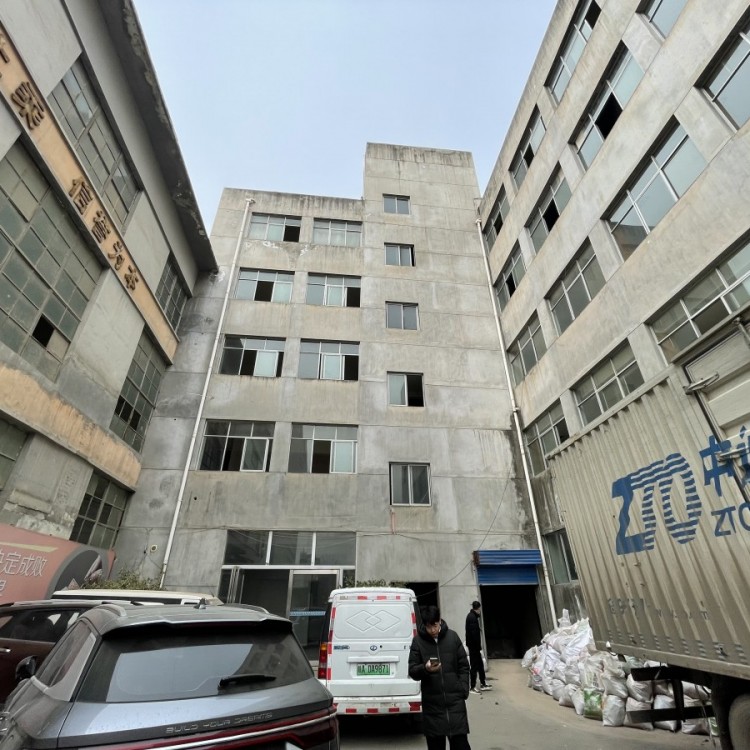
Due to architectural design functions or other factors, many older residential communities built earlier in the day lack elevators. As living standards improve, an increasing number of communities are seeking elevators for multi-story buildings without them.
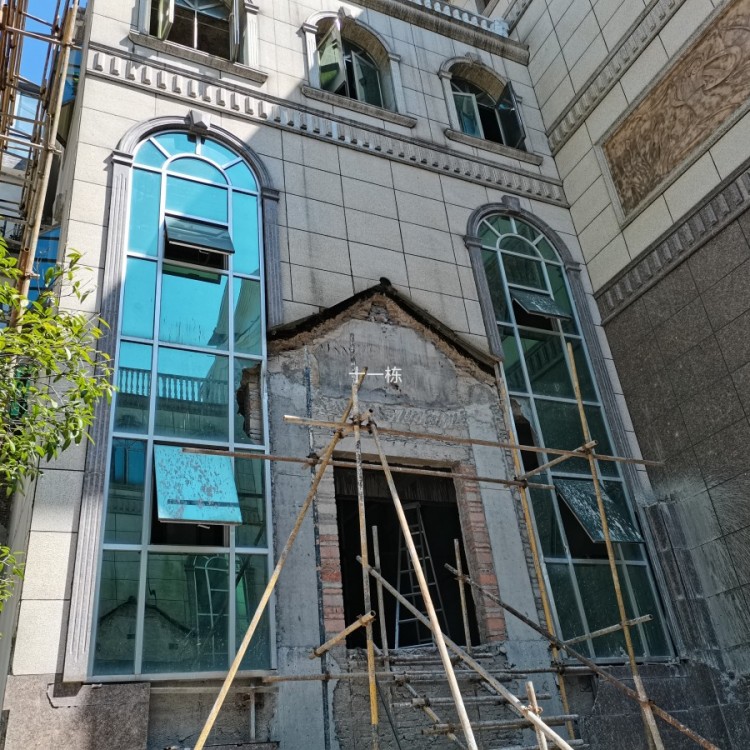
The installation of elevators has been completed. Most old buildings opt for steel-structured shafts for elevator installation, which present numerous design and construction challenges.
One. Sub-grade space issue
Due to limitations such as building strength and underground pipelines, there's an issue with the pit being too shallow for excavation during elevator installation. Although shallow pit technology effectively resolves the contradiction between insufficient pit depth and the increasing demand for elevator installation, it also brings new safety risks. In cases where conventional elevators cannot be installed, careful selection and detailed, feasible installation, maintenance, emergency response, and acceptance guidelines must be formulated.
Section II: Connection to Existing Structures
The shafts for added elevators are typically located outside of old buildings and must withstand loads significantly different from those of standard steel structures. They must account for both the static loads inherent to the shaft itself and the dynamic loads caused by wind and the acceleration/deceleration of the elevator under various operating conditions. Poor design can lead to overall instability in the shaft. We've encountered such cases during inspections: during a 125% load tripping test, the entire elevator shaft trembled, the risk being self-evident.
Section 3: Installation of Load-Bearing Beams
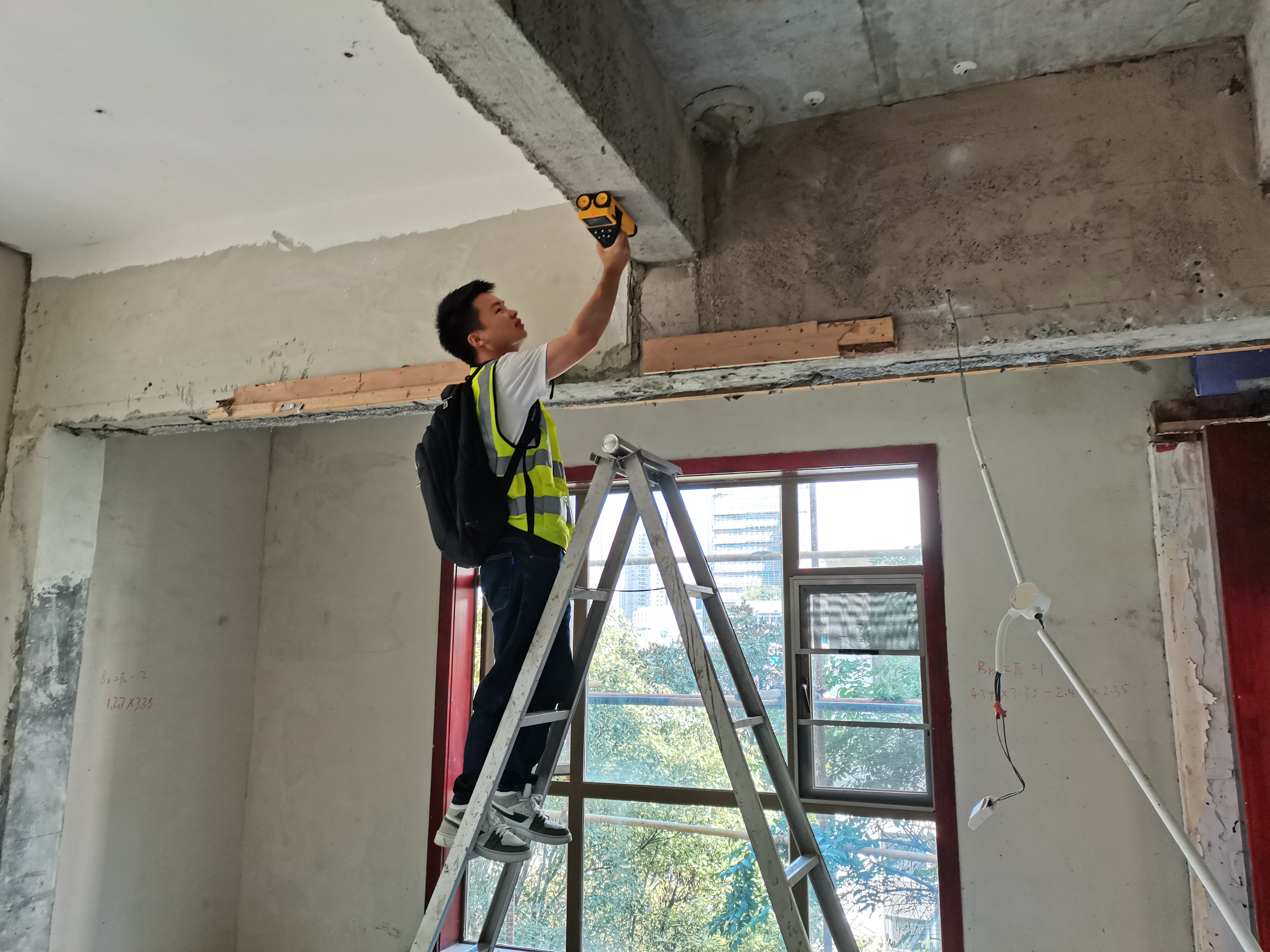
Section 5.3 of the "Safety Regulations for Elevator Manufacturing and Installation" requires that the shaft structure must comply with national building requirements and be capable of withstanding the following loads: those applied by the main machine; those instantaneously applied by the safety brake during the off-center car load; those generated by the buffer action; those from the anti-jump device; and those produced by the car's loading. However, inspectors often lack accurate computational capabilities for the loads on steel structures, and the inspection rules do not have explicit requirements for...
Requests are difficult to assess on-site, and the associated risks are growing increasingly significant.