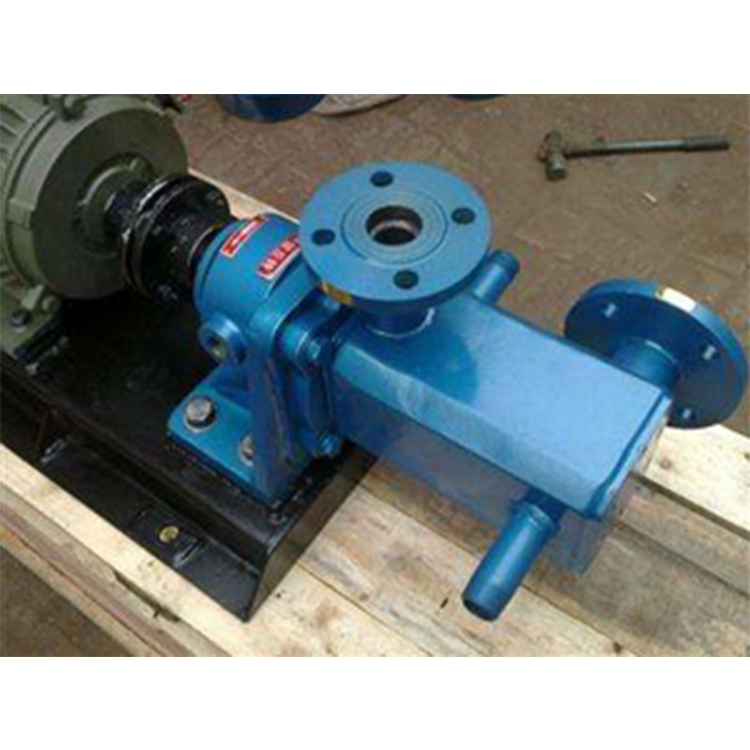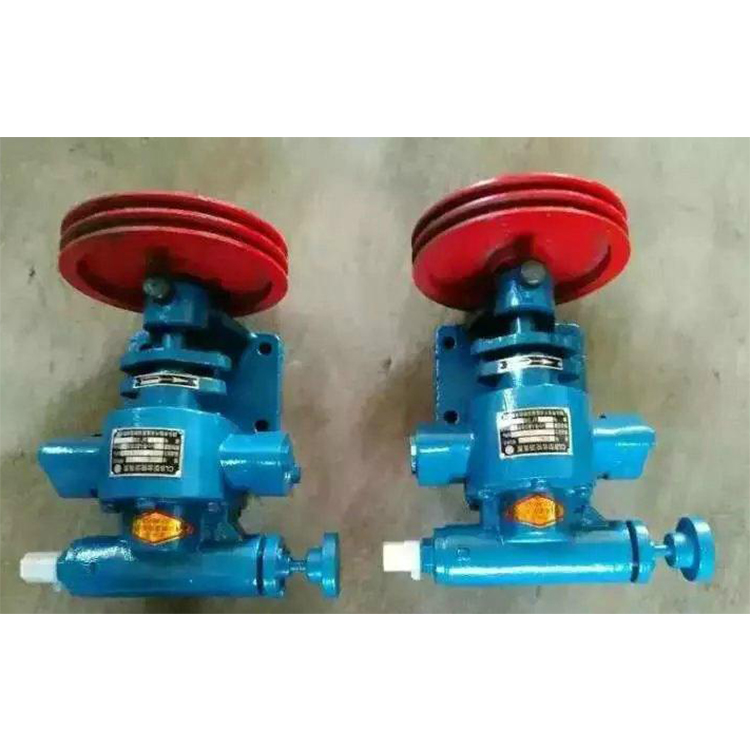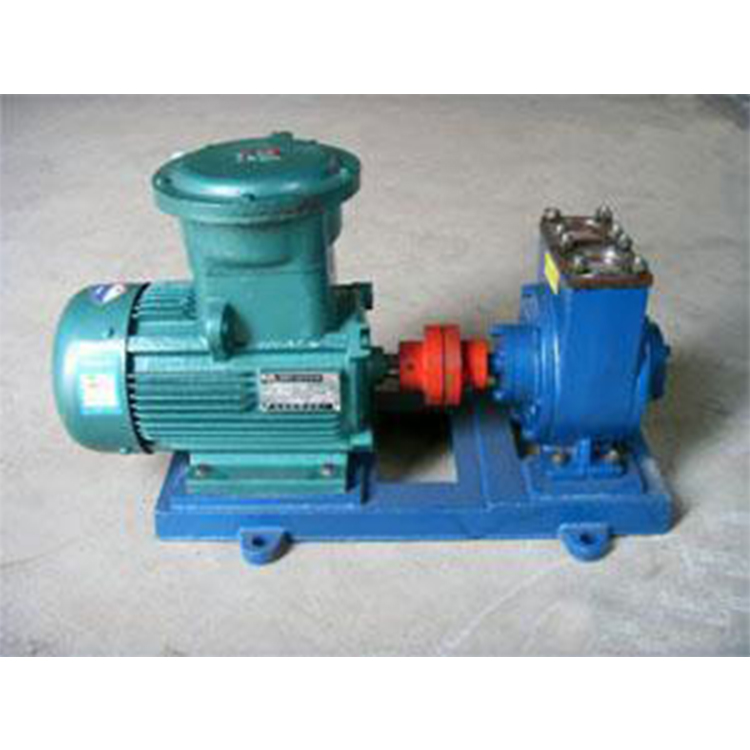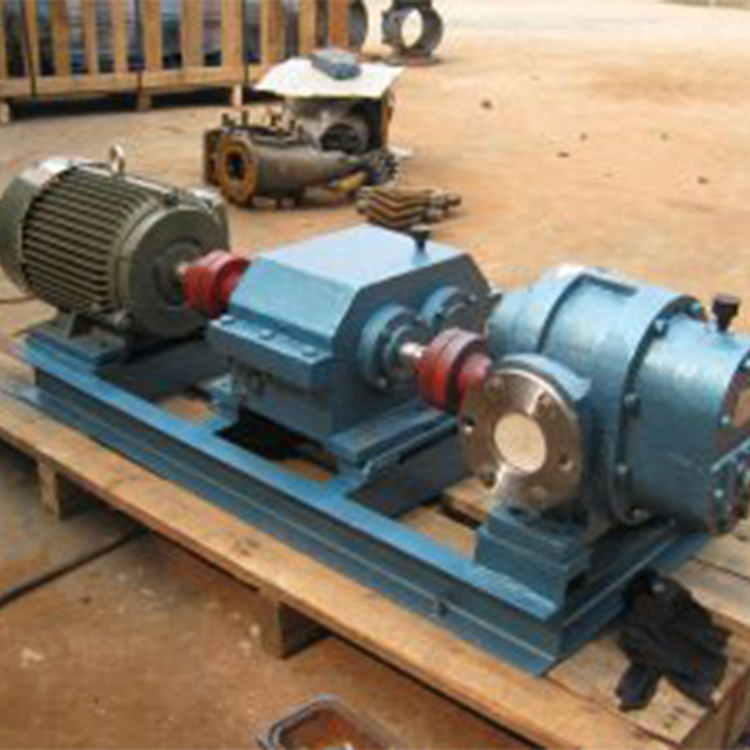









Section 1: Overview of LQ3A Stainless Steel Rotor Pump
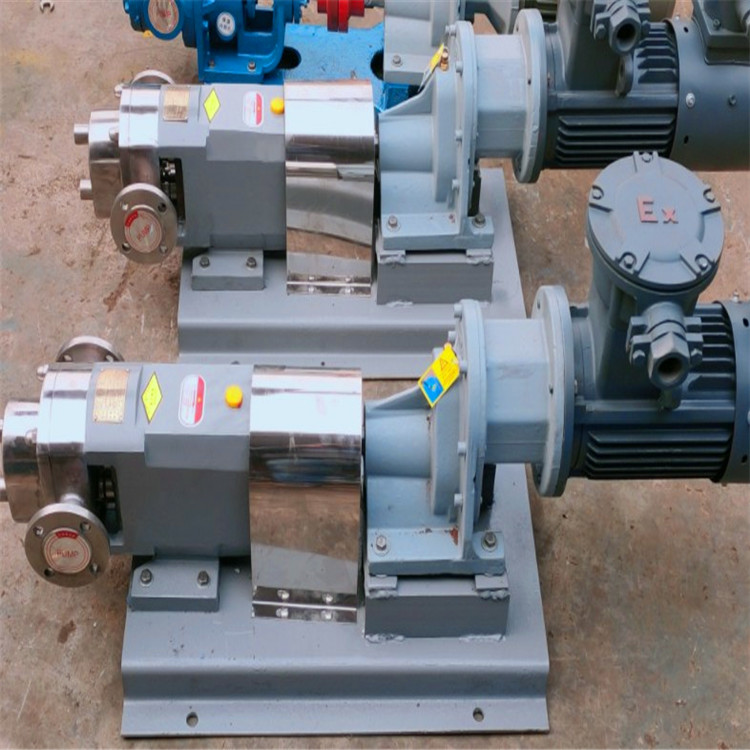
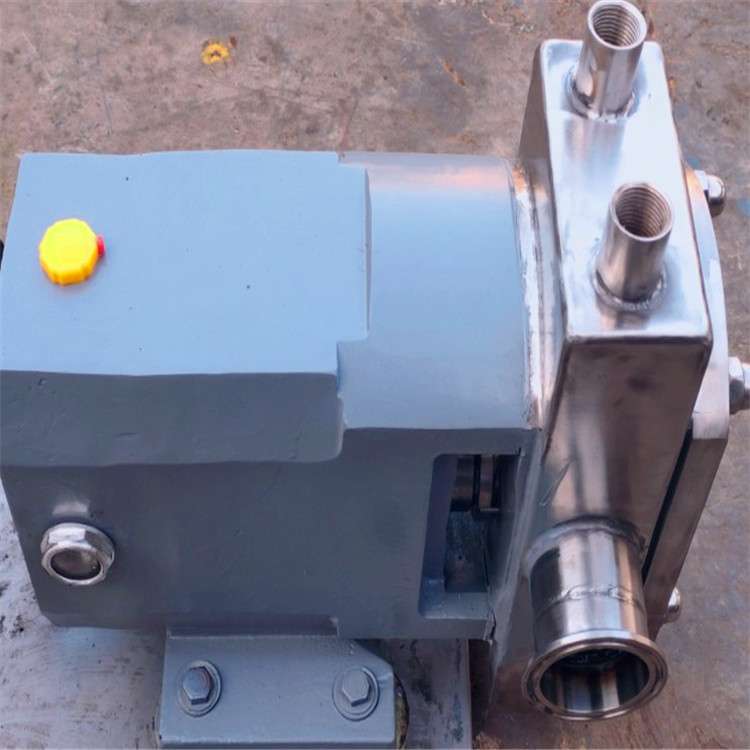
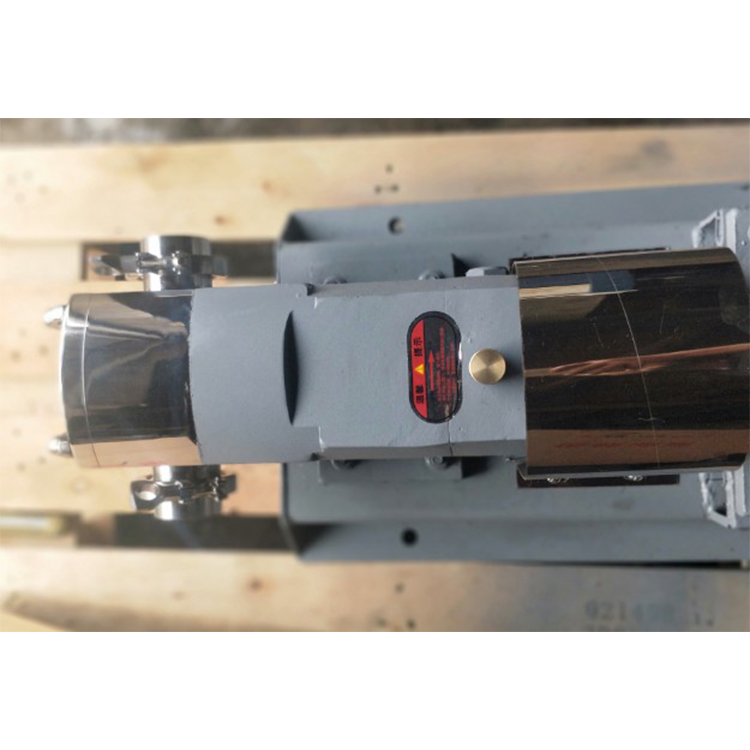
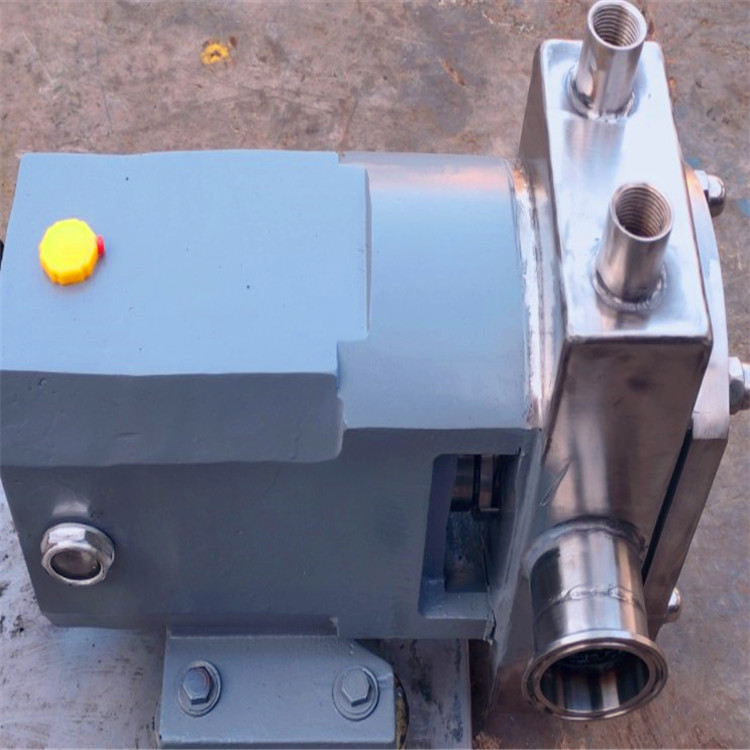
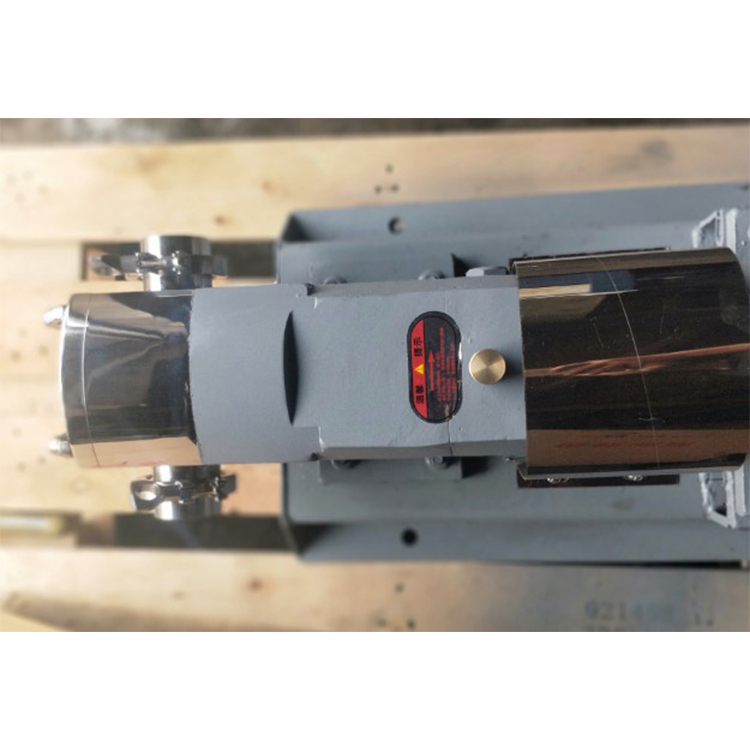
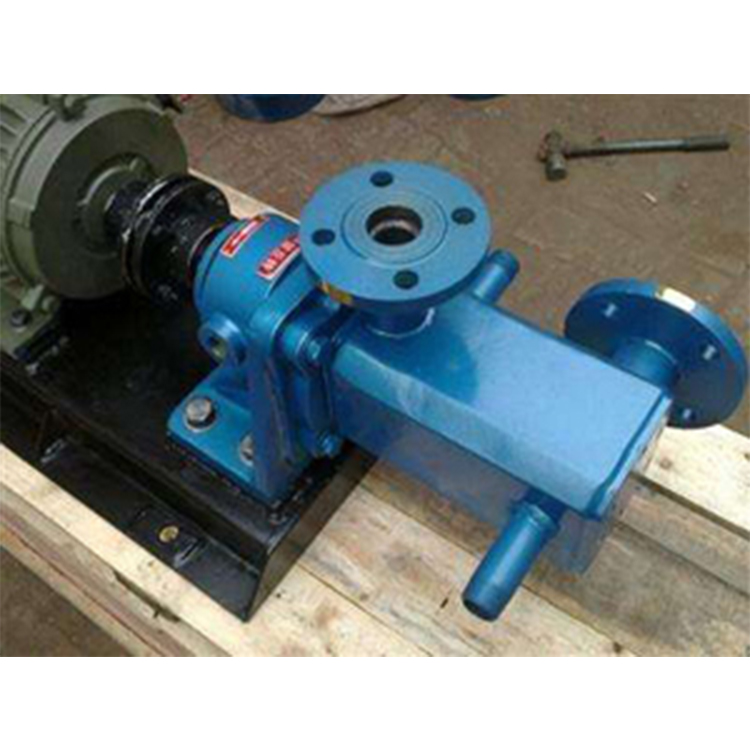
The LQ3A series stainless steel rotor pump (also known as a colloid pump) is characterized by its ability to transport high-viscosity materials, hence, we also refer to this pump as a colloid transfer pump. The LQ3A stainless steel rotor pump not only has the same applications and features as other rotor pumps but also boasts unique uses, suitable for transporting high-viscosity substances like heavy oil, residual oil, grease, rubber, glass fiber, asphalt with temperatures below 200°C and viscosities ranging from 0.02 to 100 Pa.S. It is also ideal for transporting any liquid, whether in a physical or colloidal form, without affecting the original quality, and is applicable for conveying corrosive liquids containing particulate solid particles.
Section 2: LQ3A Stainless Steel Rotor Pump Product Features:
1. Structure: The impeller of the pump is separated from the transmission gears, and there is a certain gap between the impeller and the pump wall, ensuring no contact or wear between them. Therefore, the operation is low in noise and efficient.
2. Sealing: At the pump's inlet shaft, we use face, externally mounted, dynamic, and static ring mechanical seals for the pump, ensuring high-pressure resistance, minimal wear, and no leakage.
3. Superior Material Selection: All parts in contact with the conveying material are made of stainless steel and polished for hygiene. Sealing parts are made of rubber, making them easy to clean and maintain cleanliness.
4. The pump features diverse pipeline interface types, compact size, high flow rate, and high head pressure, along with other advantages.
Section 3: LQ3A Stainless Steel Rotor Pump Application Range:
1. Dairy: Yogurt, fresh cream, ice cream, cheese blocks, and whey.
2. Beverages: Beer, Malt, Yeast, Soda, Fruit Concentrates, Juice Drinks.
LQ3A Stainless Steel Rotor Pump Working Principle:
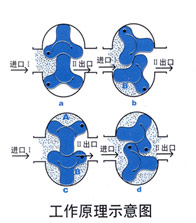
Rotor pumps, also known as colloid pumps, three-blade pumps, and shoe sole pumps, rely on two synchronized, opposite-rotating rotors (with 2-4 teeth) to generate suction (vacuum) at the inlet during rotation, thereby drawing in the material to be conveyed. The two rotors divide the rotor chamber into several small compartments and operate in the sequence a→b→c→d. When at position a, only chamber I is filled with medium; at position b, part of the medium is sealed in chamber B; at position C, medium is also sealed in chamber A; at position d, chamber A and B are connected to chamber II, and the medium is then transported to the discharge outlet. This cycle repeats, continuously conveying the medium (material) out.
3. Food: Tomato Ketchup, Fruit Puree, Vegetable Soup, Pudding, Jam, Jelly, Seasonings, Fruit Filling, Sweeteners, Yeast Paste, Salad Dressing, Face Cake, Meat Filling, Lard, and Edible Oils.
4. Candy: Syrup, whipped cream filling, chocolate.
Cosmetics: Face creams and cleansers, hair gel, hair dyes, essential oils.
6. Medicines: Pellet Paste, Extractum, Emulsion, Ointment.
7. Chemicals: Fats, Solvents, Resins & Polymers, Dyes.
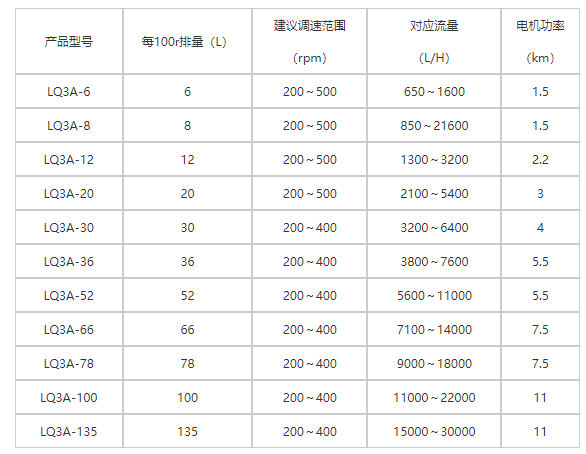
Four, LQ3A Stainless Steel Rotor Pump Specifications: