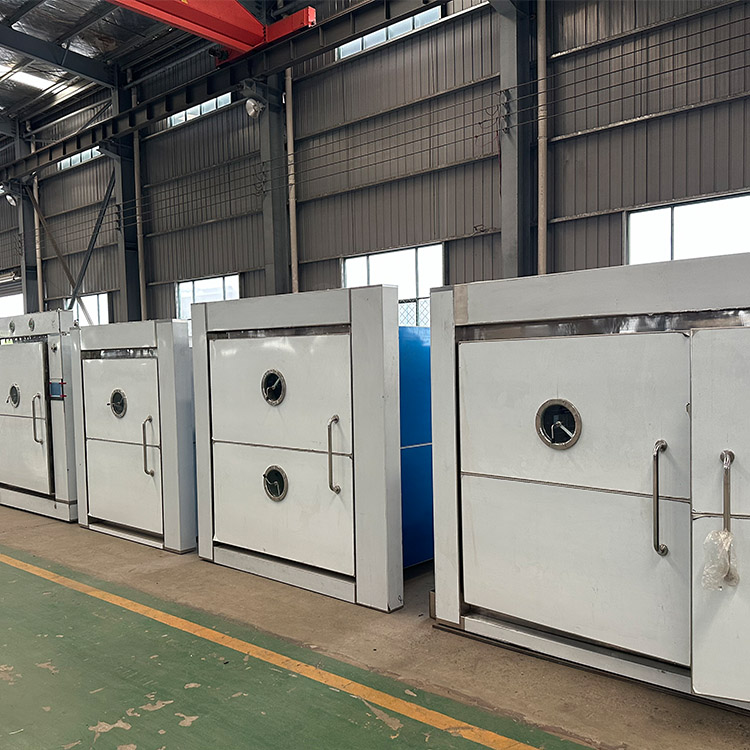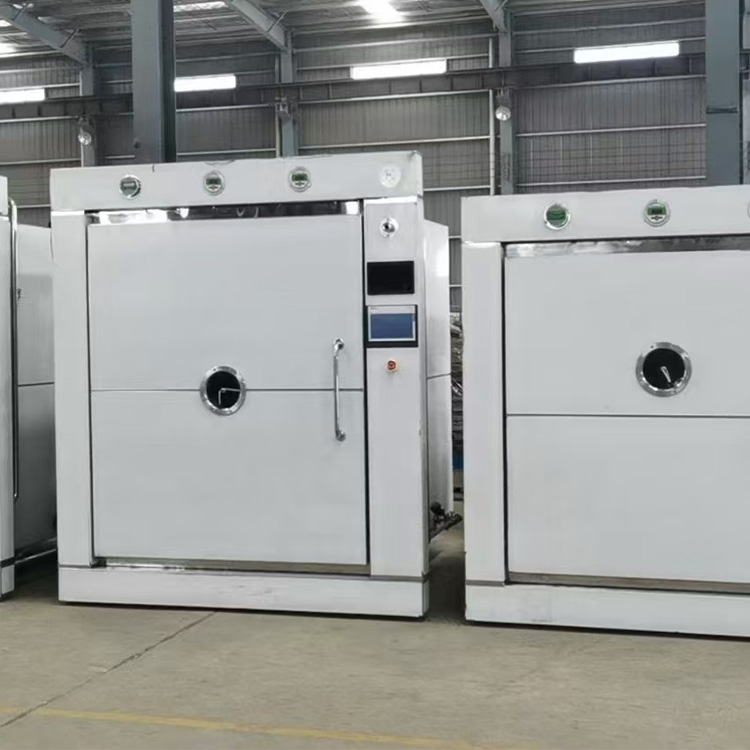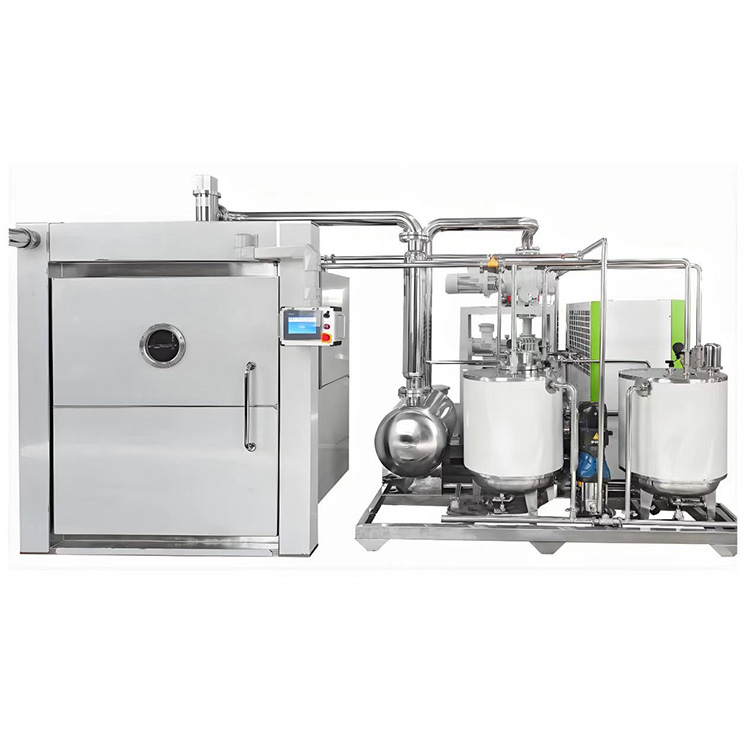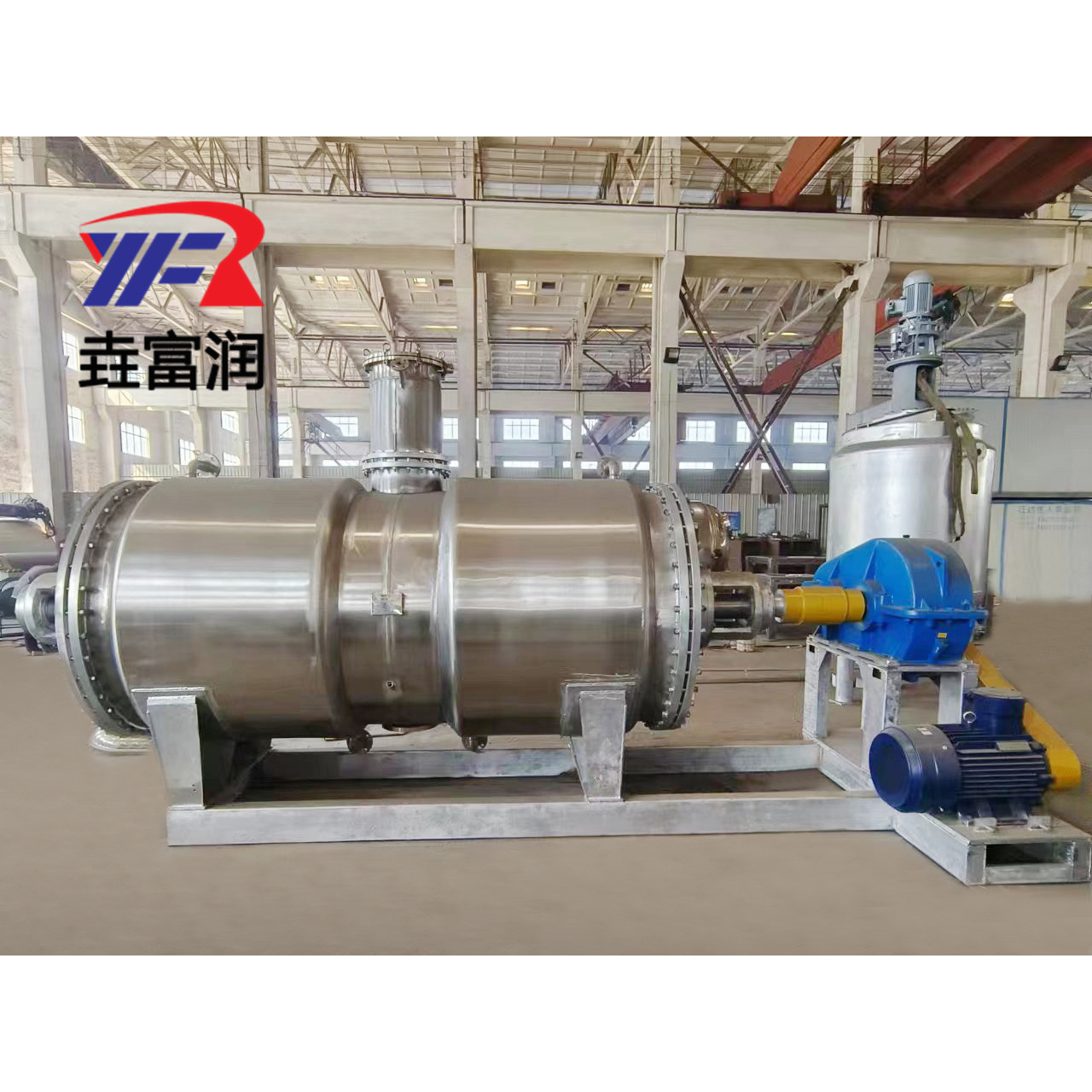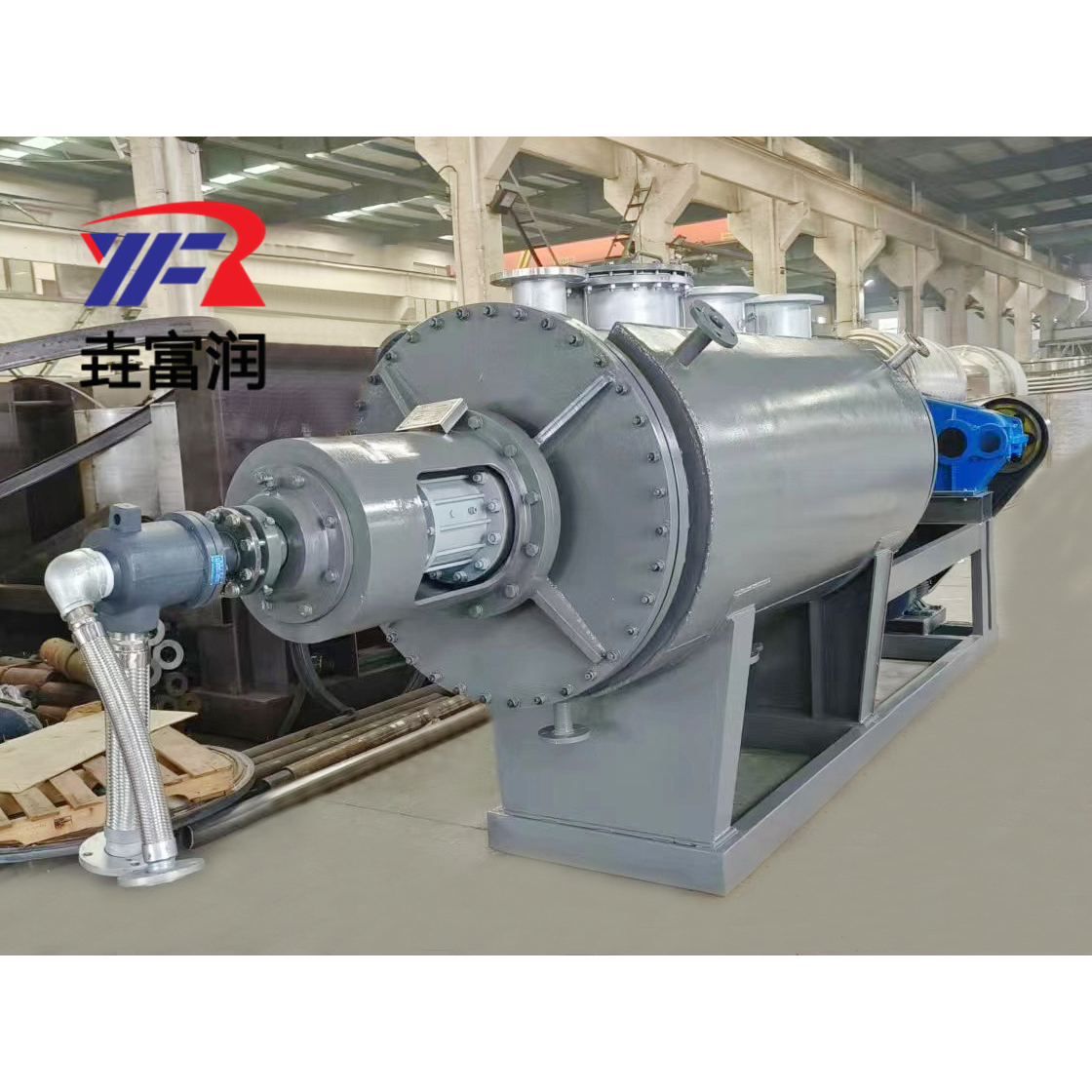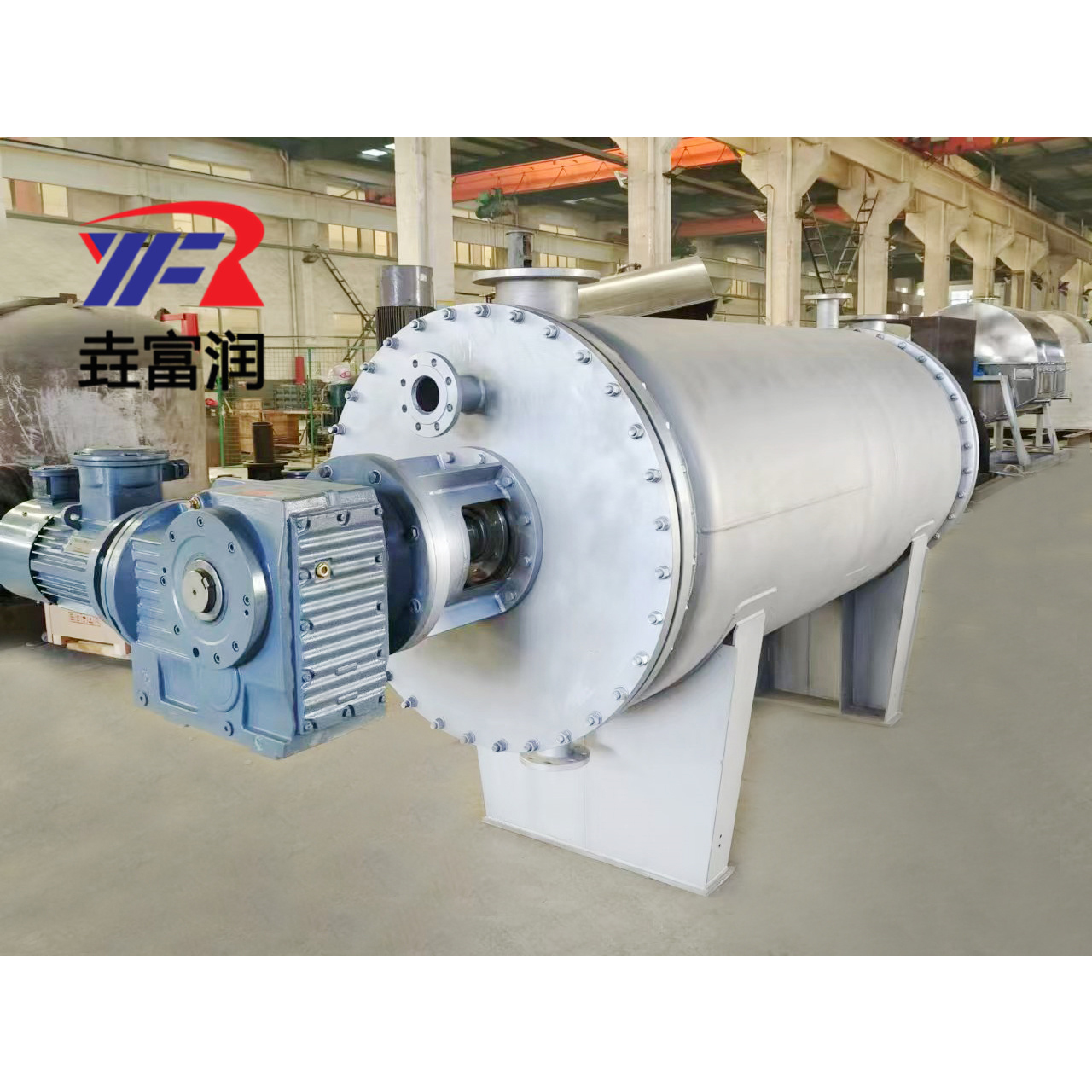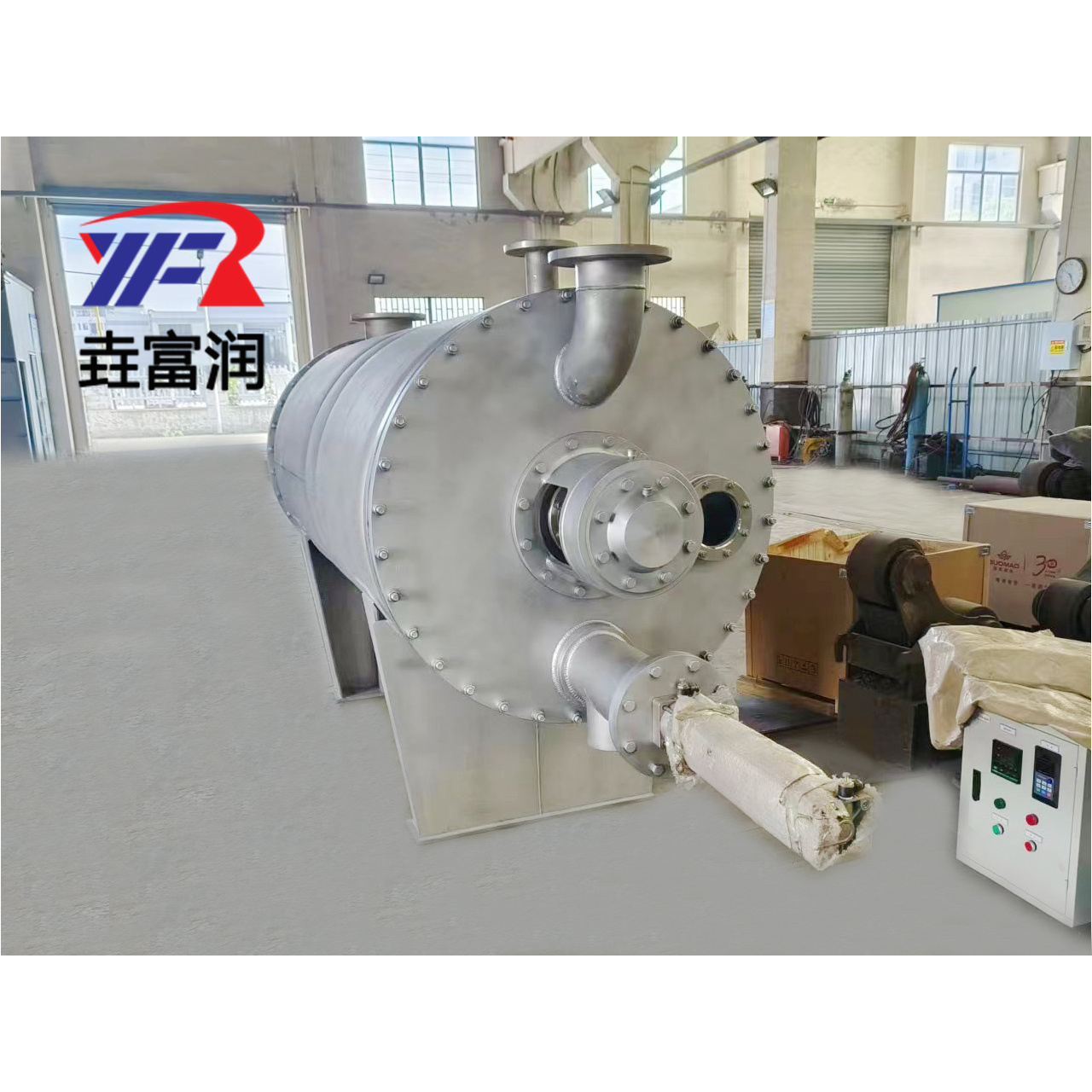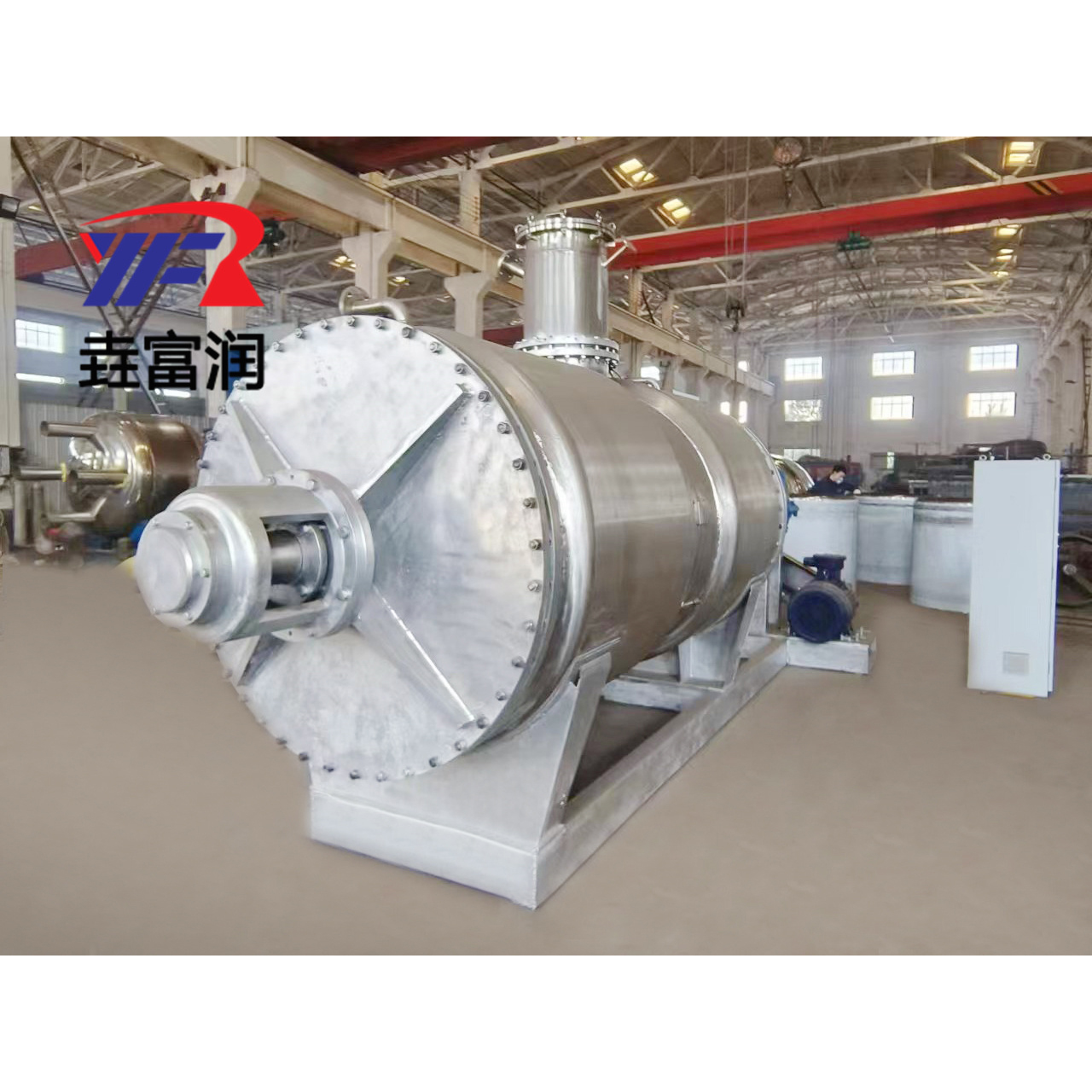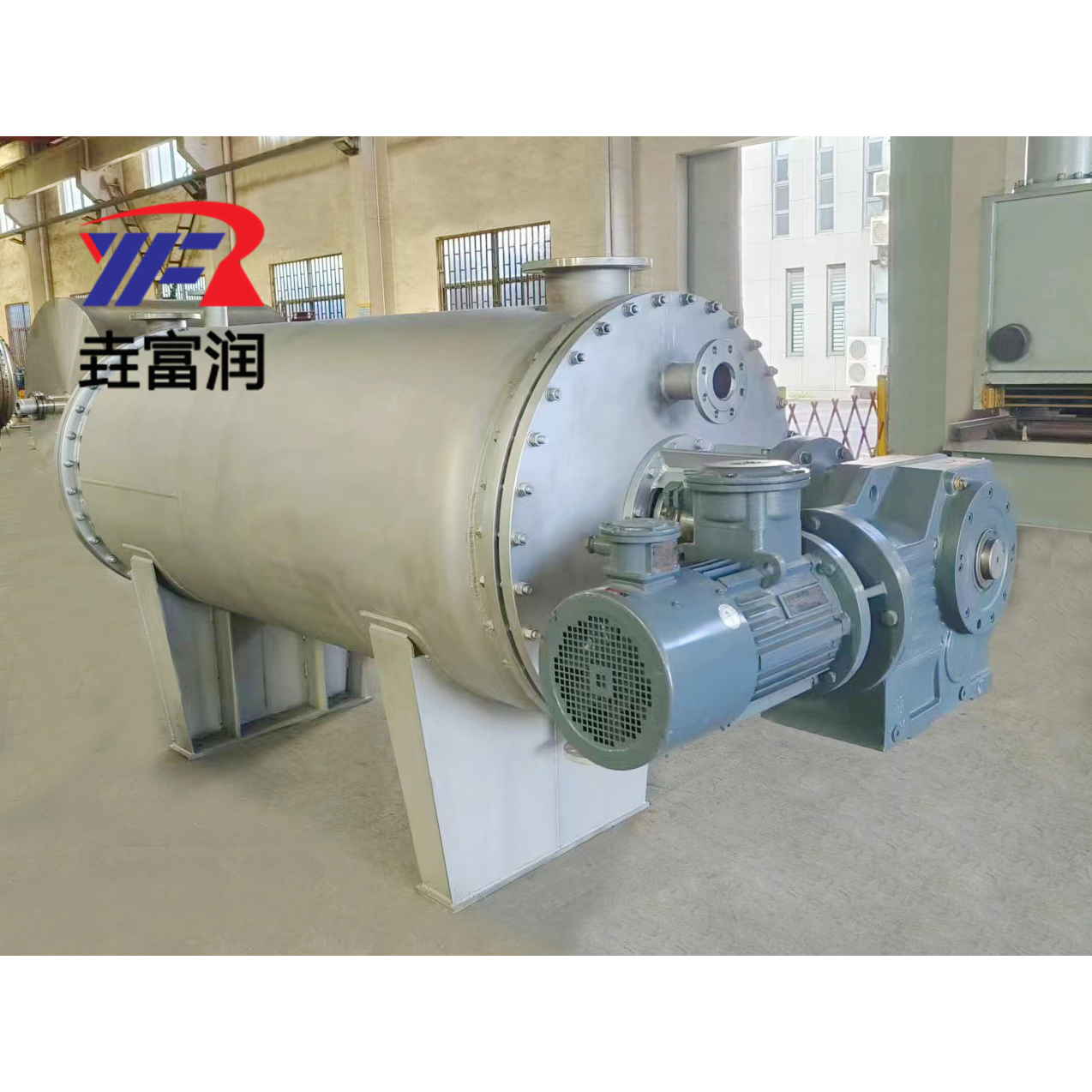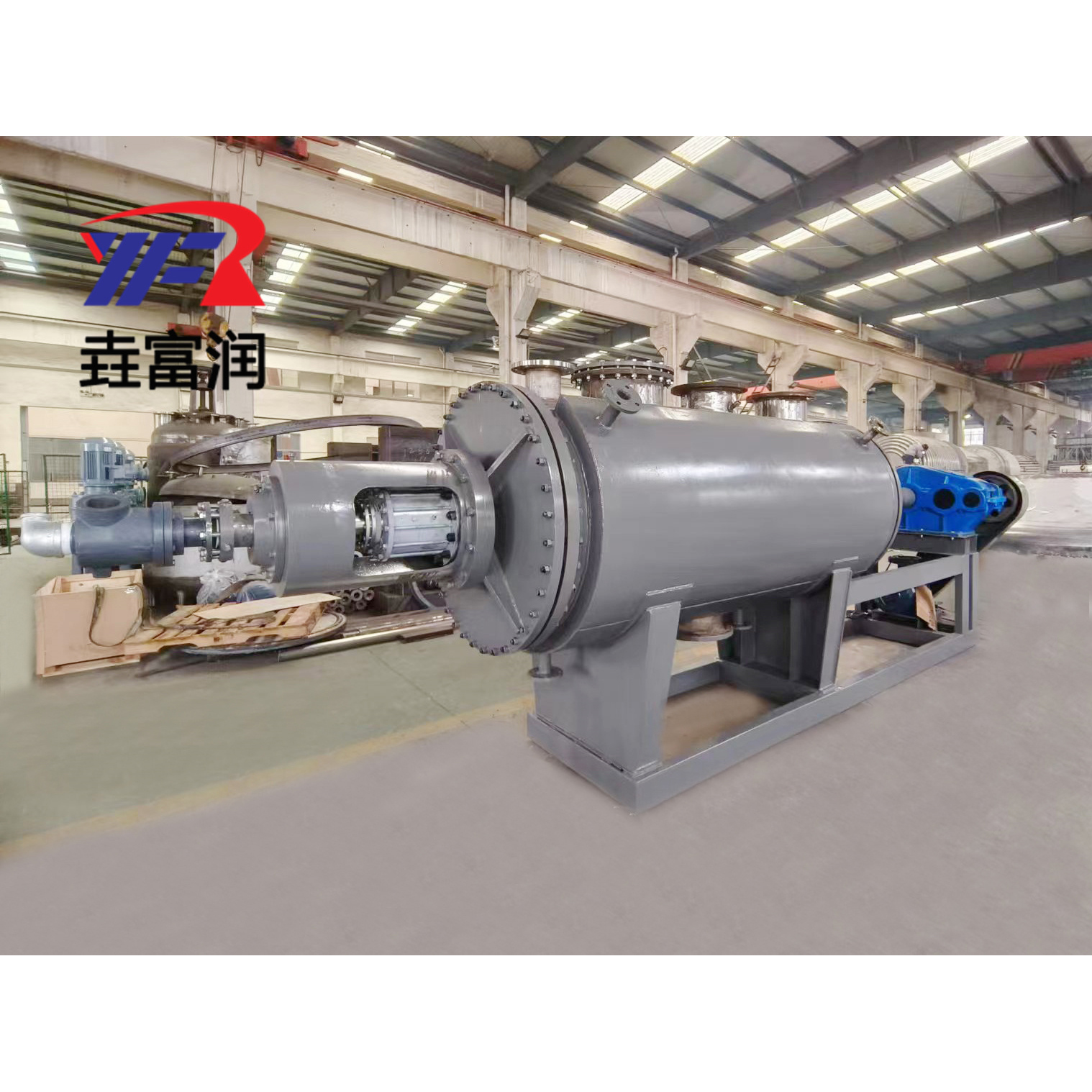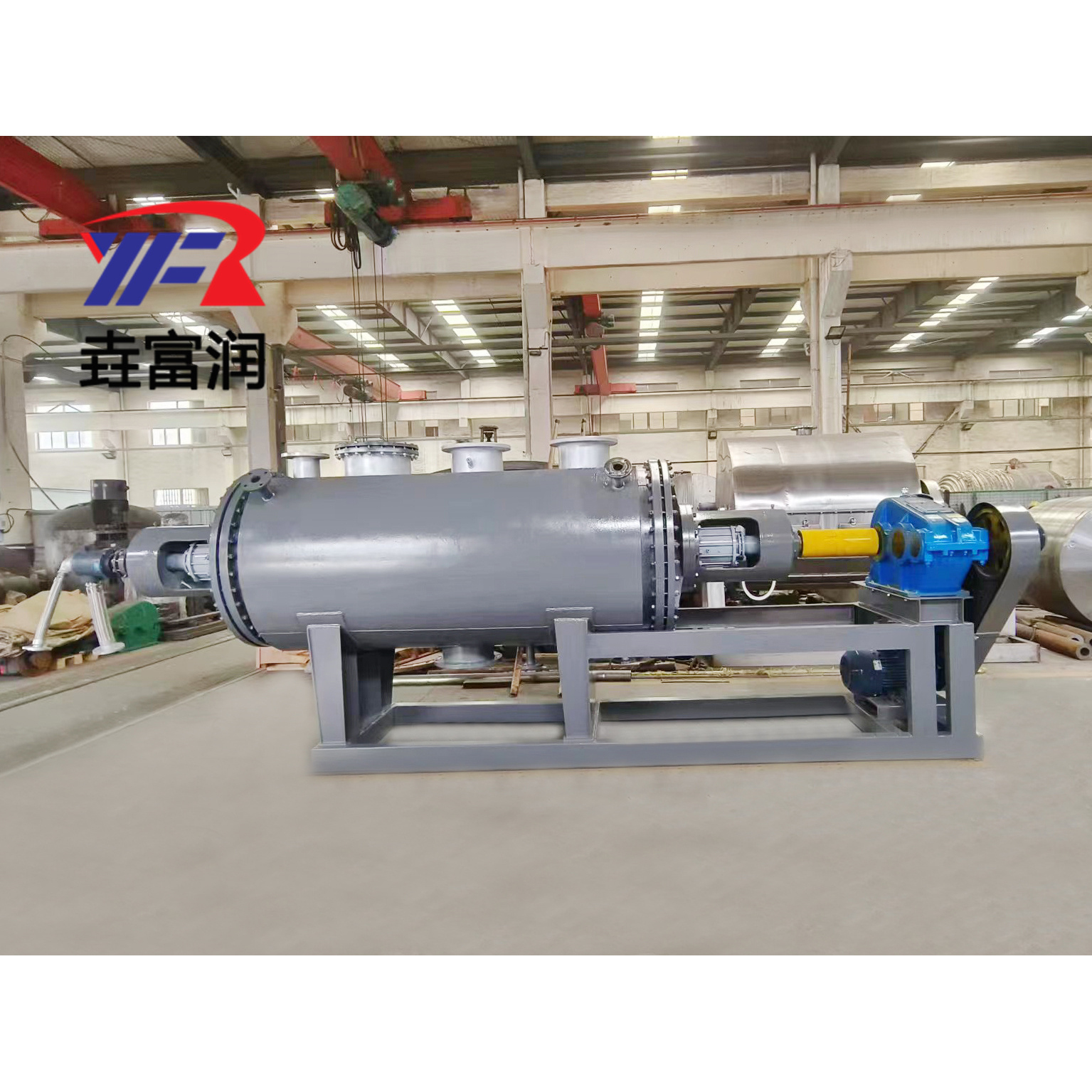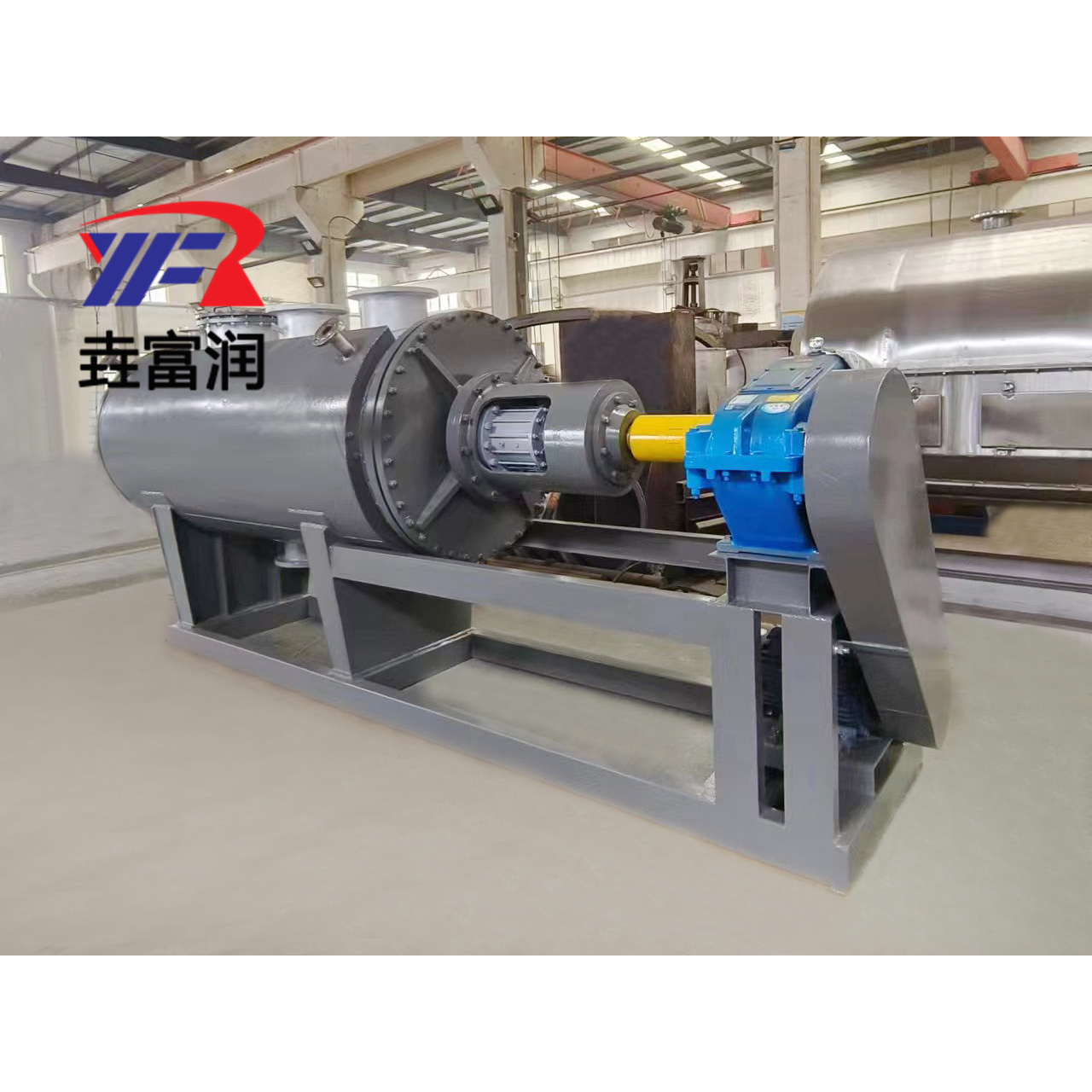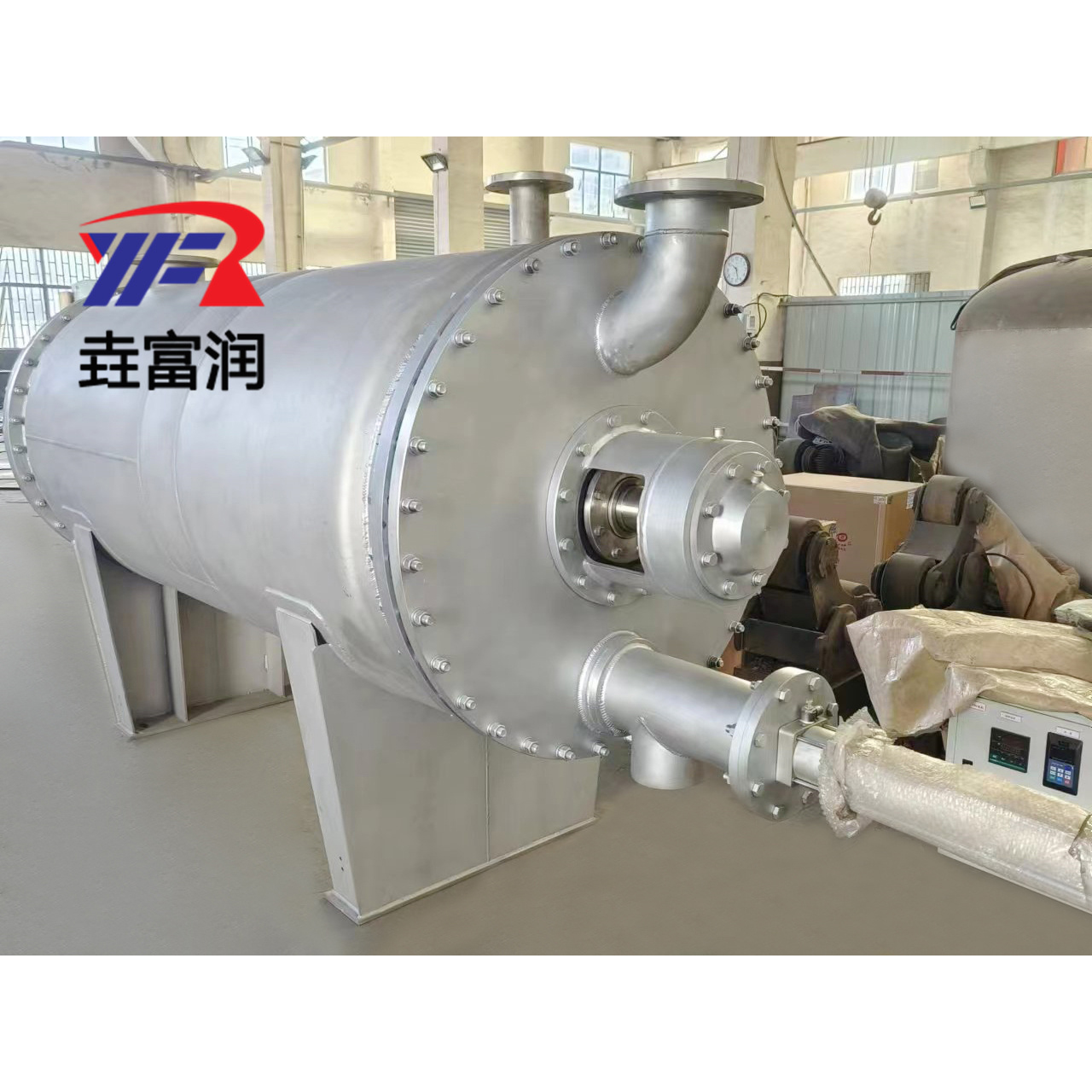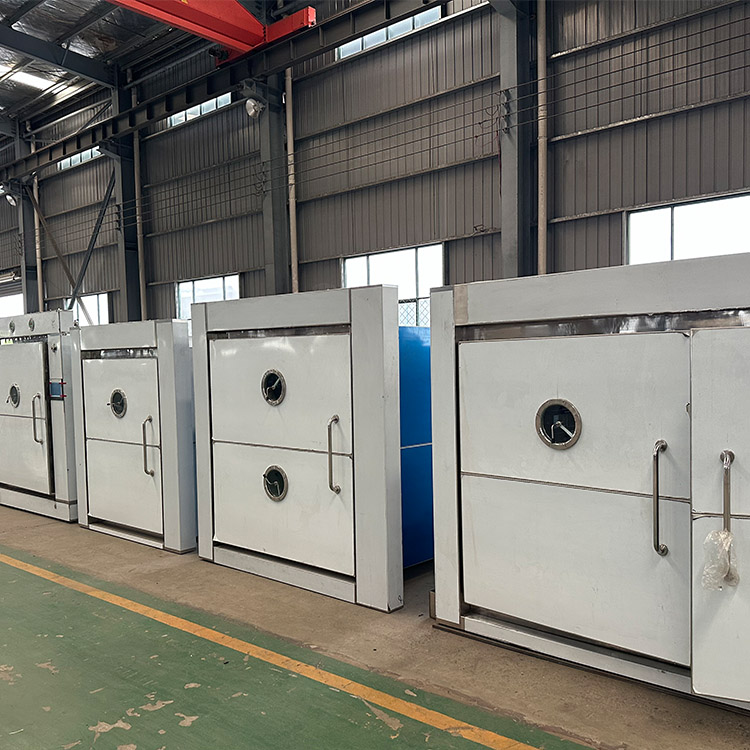

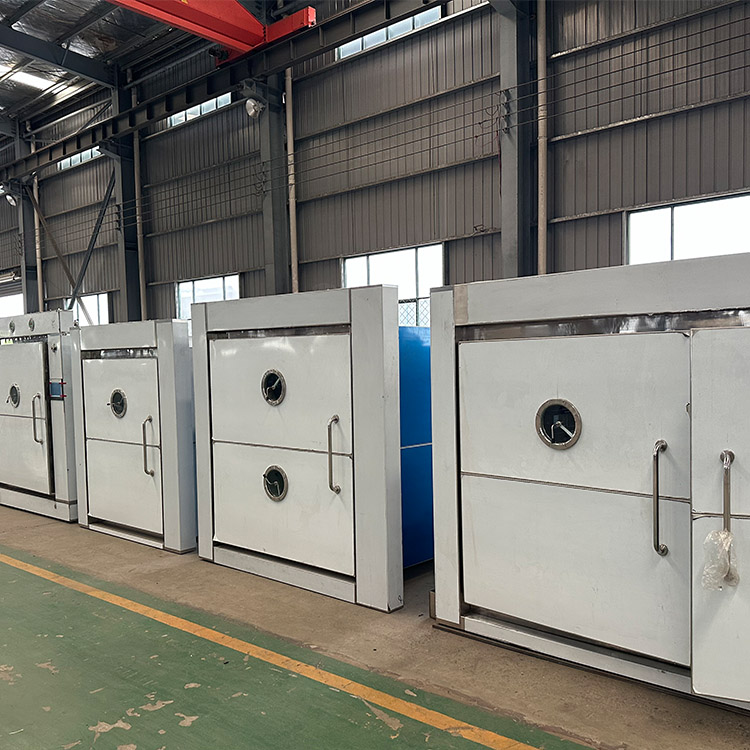
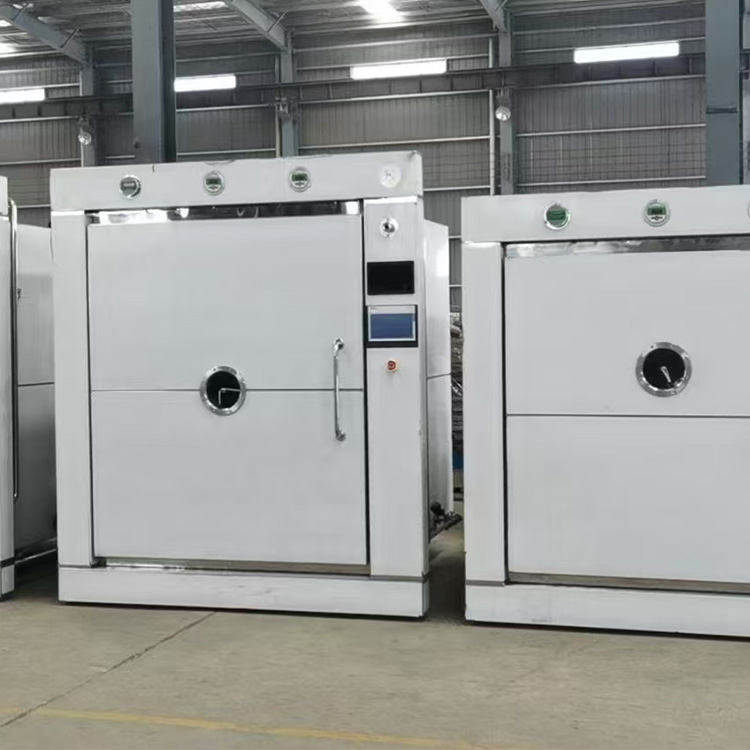
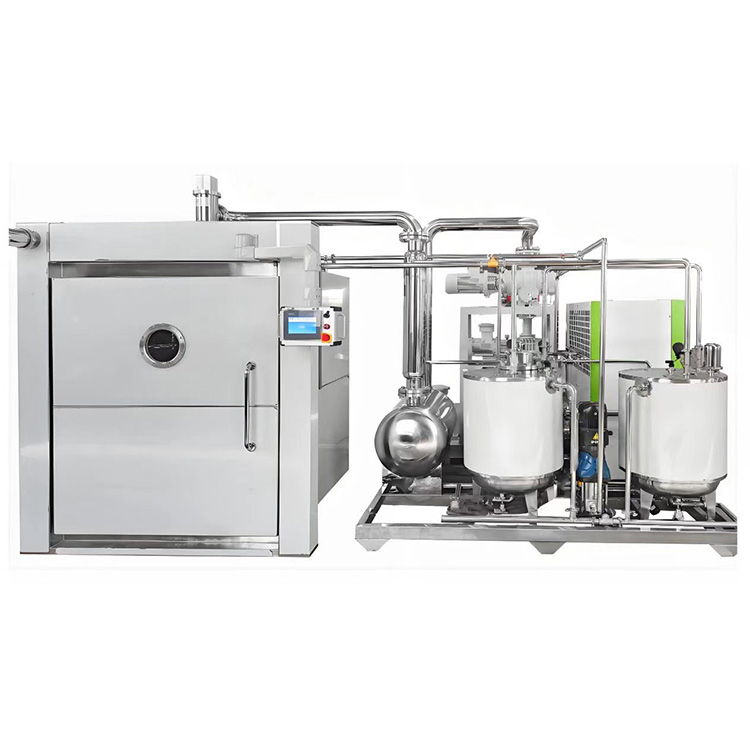


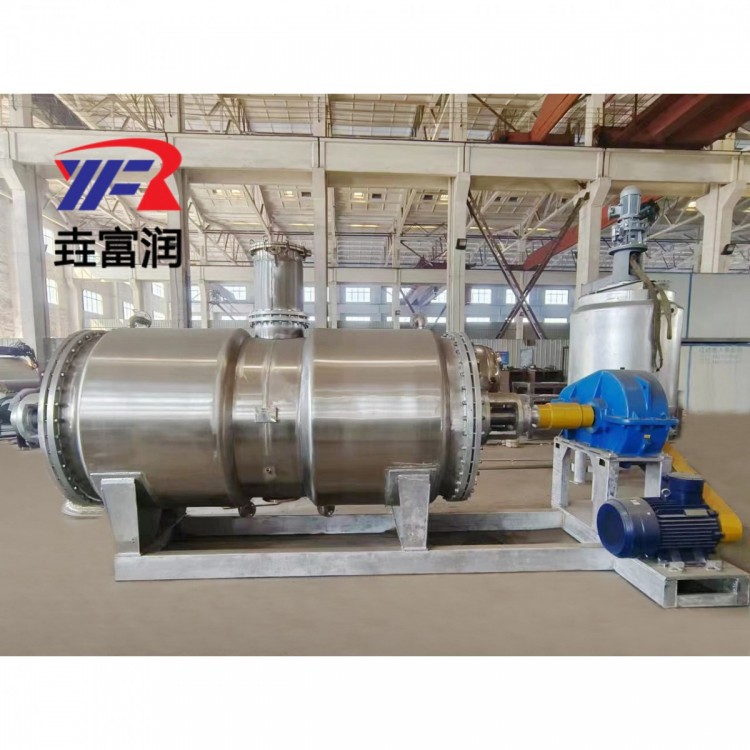
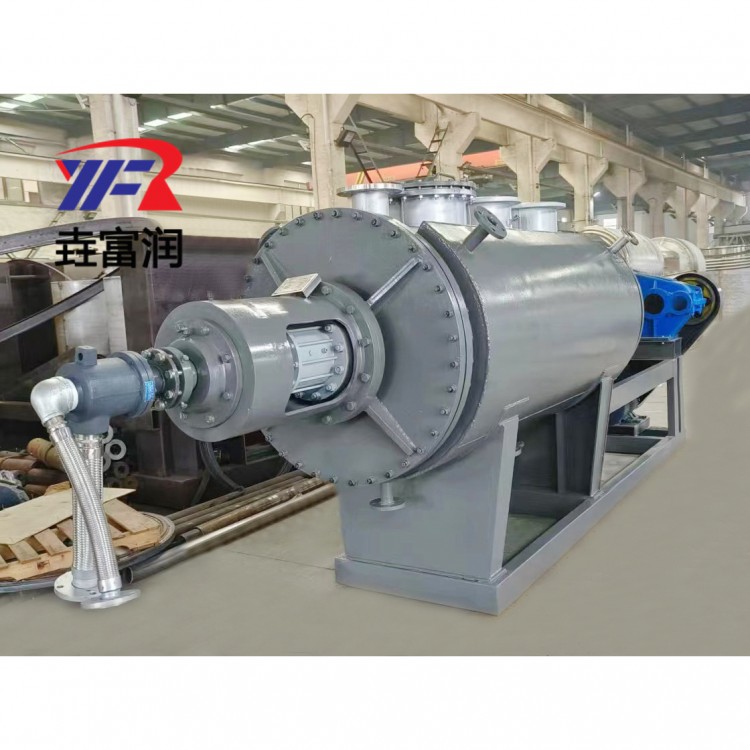
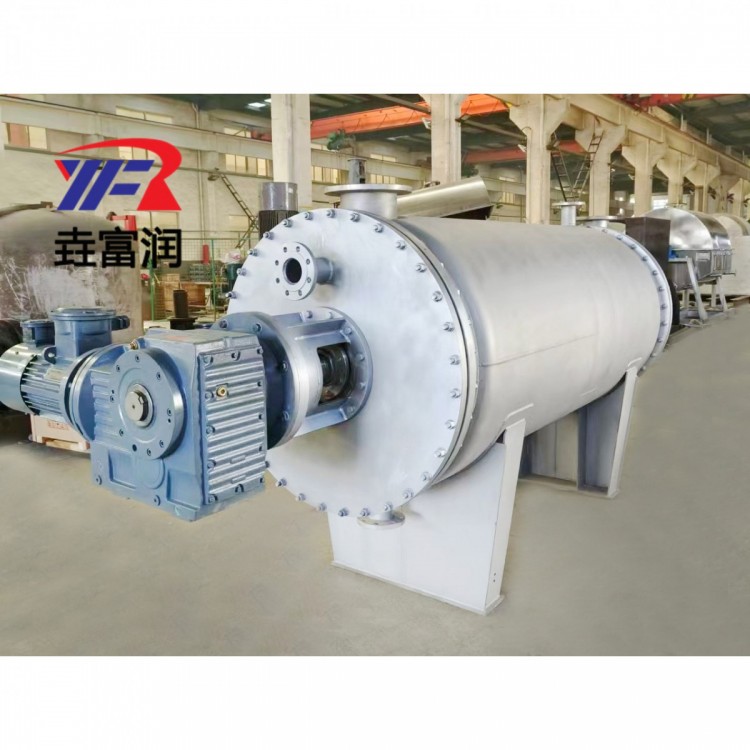
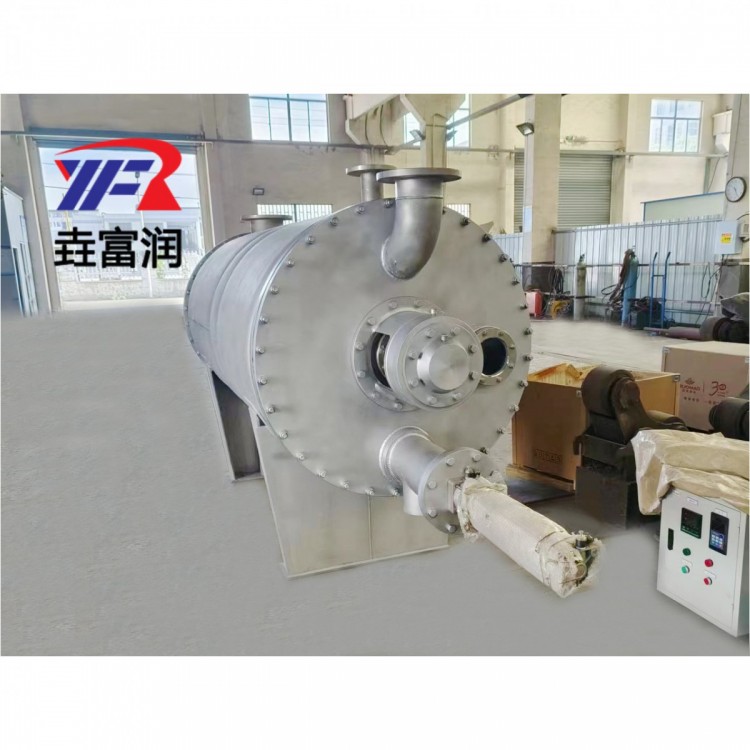
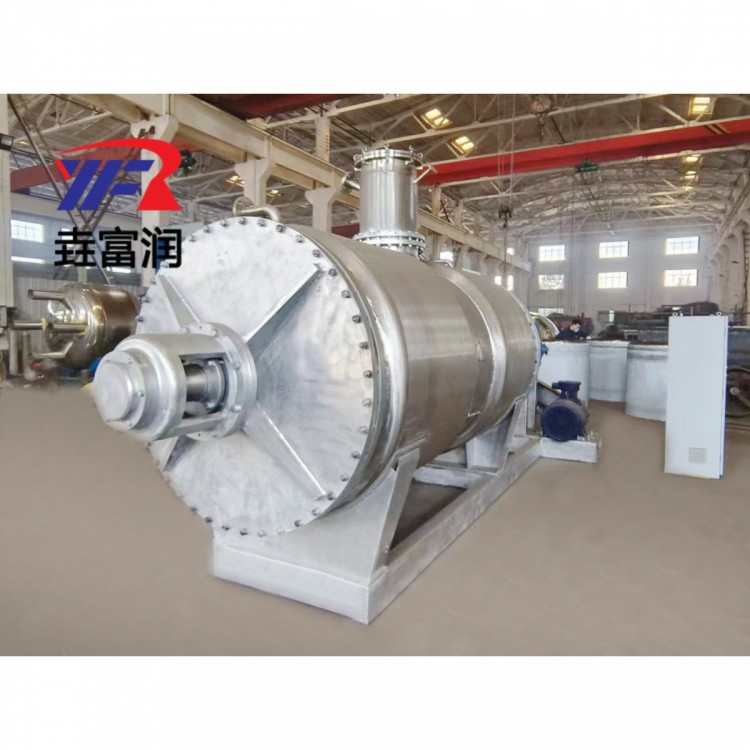





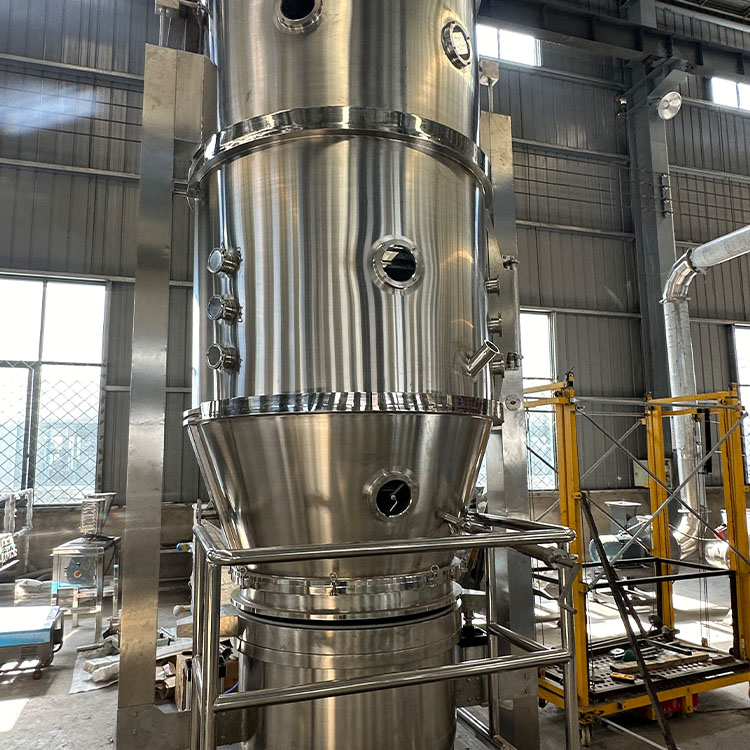

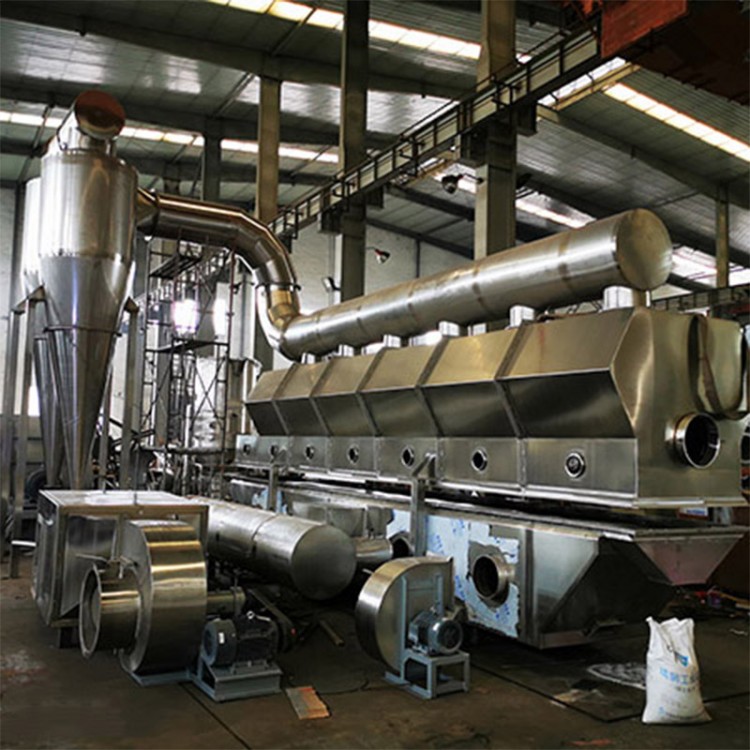
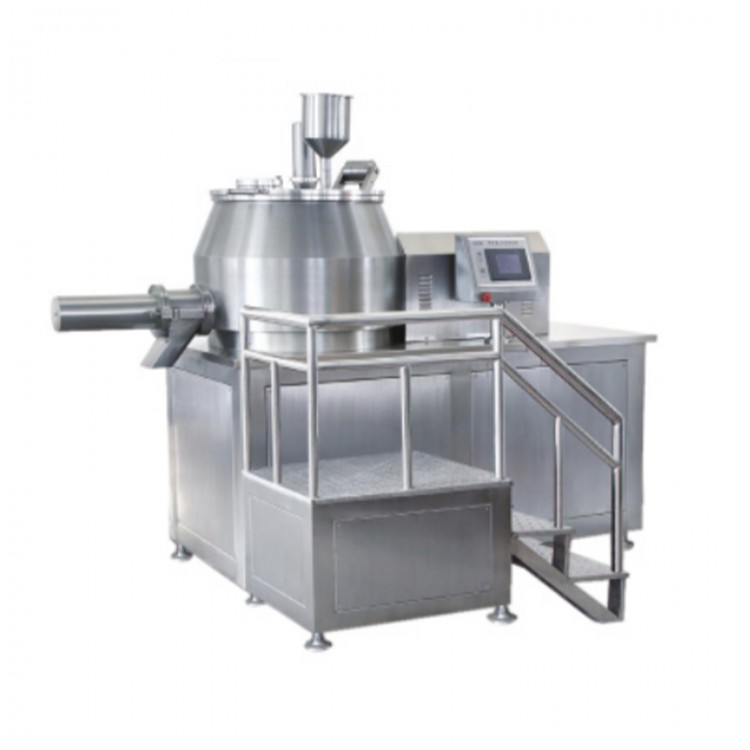
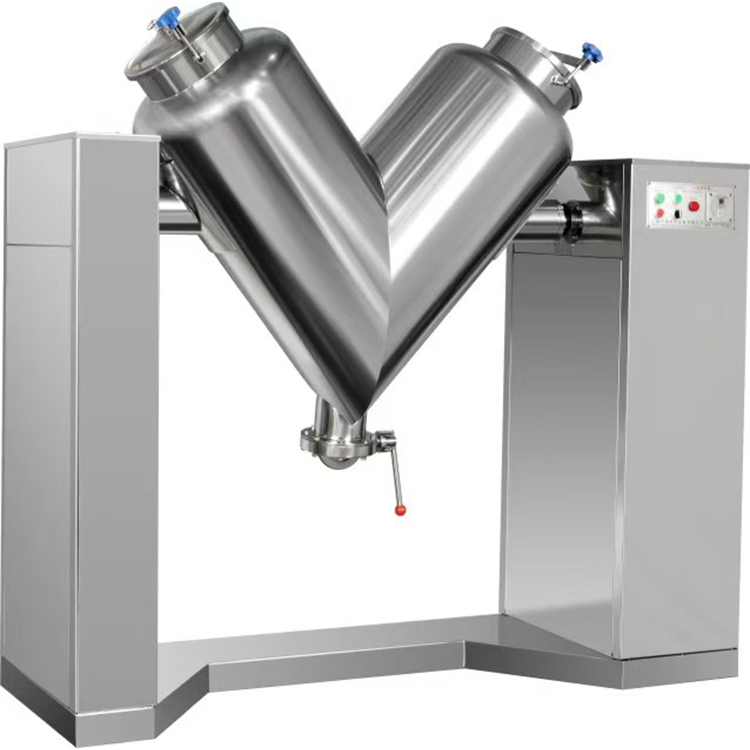
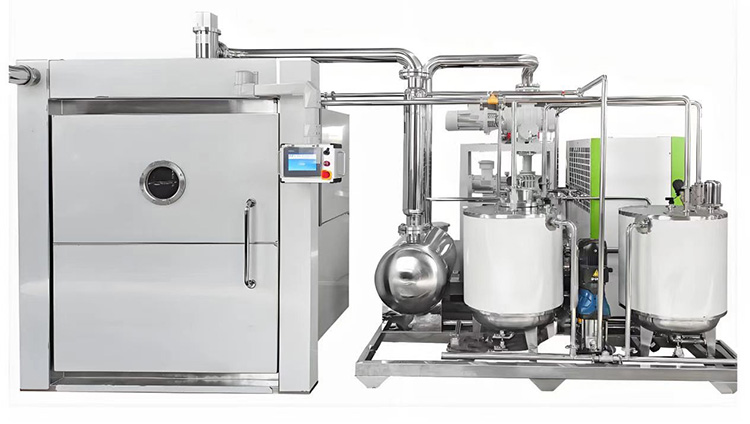
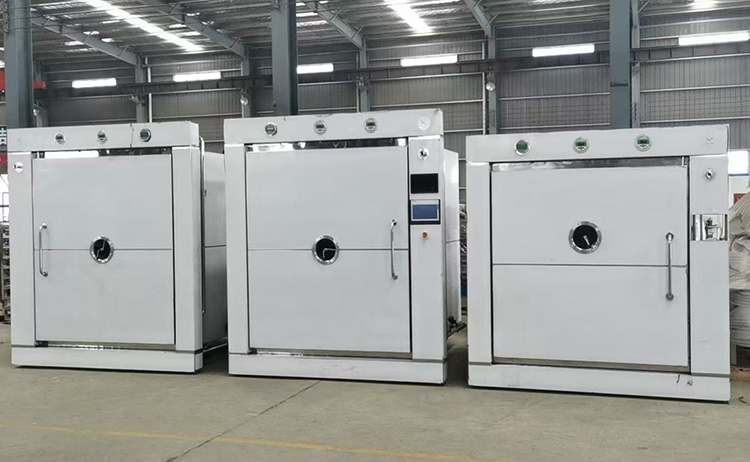
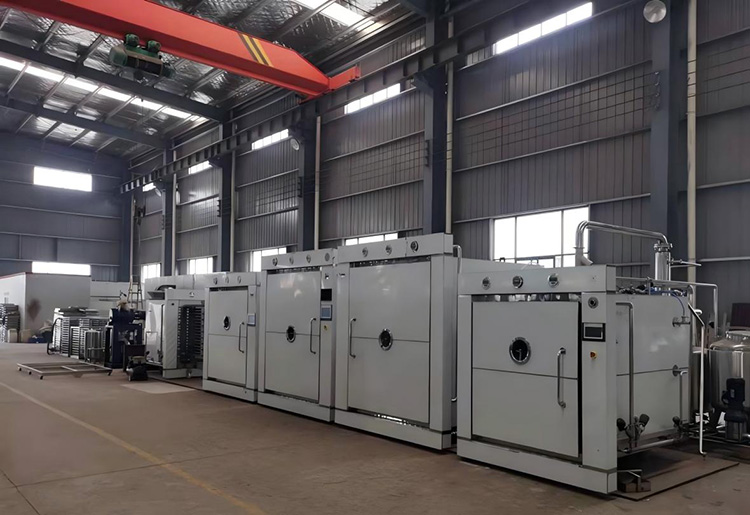
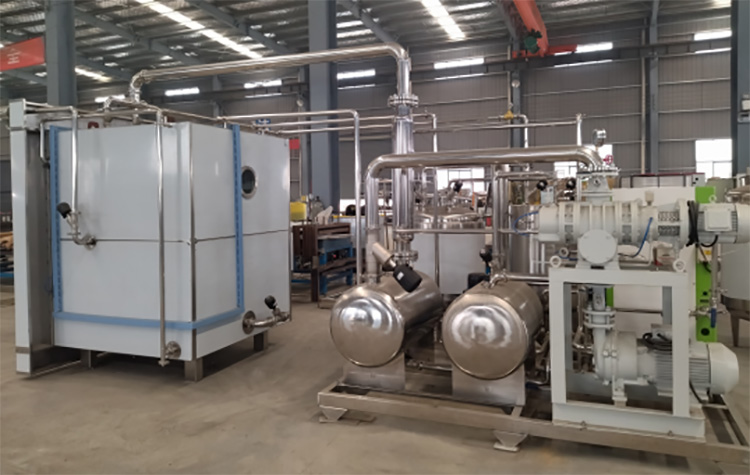
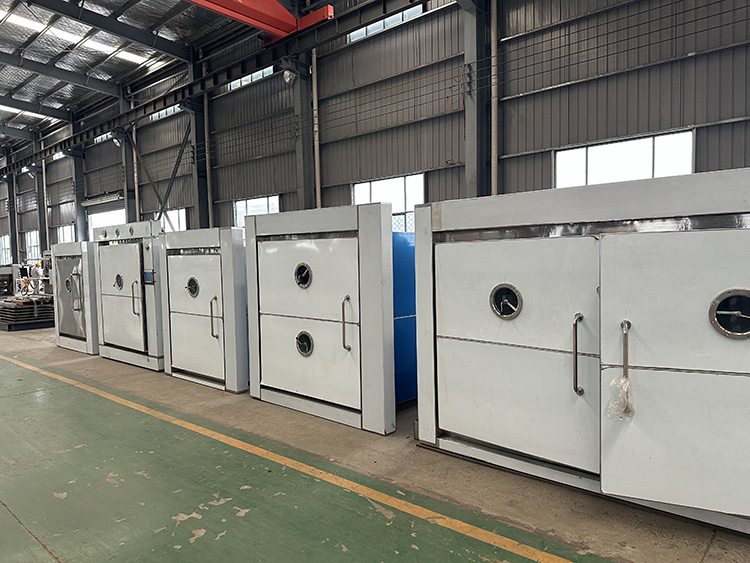
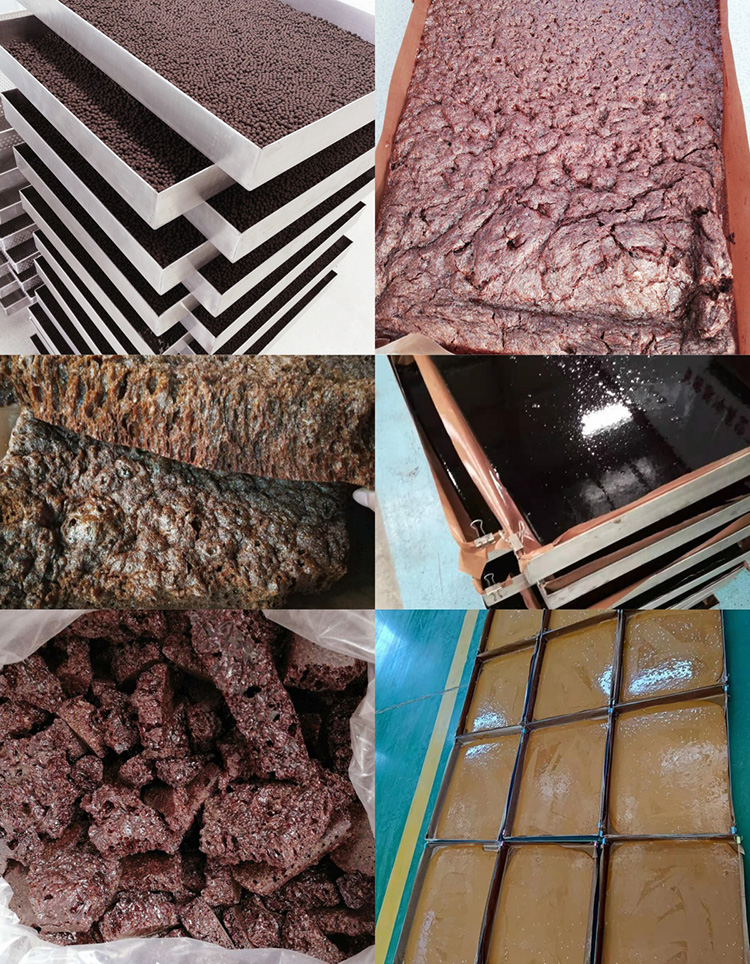
Vacuum drying machines are low-temperature equipment that heat materials under vacuum. They are used for the dehydration and drying of high-value-added, heat-sensitive agricultural and sideline products, foods, medicinal herbs, fruits and vegetables, and chemical raw materials, among others. They are also utilized for the low-temperature concentration of chemical products, removal of crystalline water, and drying of enzyme preparations. Additionally, they are suitable for the vacuum extraction of traditional Chinese medicine and for experiments in scientific research and educational institutions.
Basic Introduction
The vacuum dryer is specifically designed for drying heat-sensitive, easily decomposable, and oxidizable substances. It can fill the interior with inert gases, allowing for rapid drying of complex compositions as well.
Vacuum dryers are devices that remove moisture from the interior of packaging containers by achieving a predetermined vacuum level, specifically designed for drying heat-sensitive, easily decomposable, and oxidizable materials. They can also infuse inert gases into the interior, enabling rapid drying even for complex compositions.
As a green drying equipment, vacuum dryers have a promising market outlook. They bring more benefits and value to society while also securing a significant market share of the drying machine industry.
Although there is still a certain gap between domestic drying equipment production and developed countries, when exploring new paths for the development of drying technology, it is essential to comprehensively consider energy efficiency, environmental protection, and product quality to achieve coordinated and sustainable development. To implement an efficient and green drying development strategy, it is first necessary to pursue a resource-saving development path, transforming from a single, extensive drying method to a combined, intelligent one. Not only should there be a fundamental transformation in the drying process, but also a multi-level energy-saving technology upgrade, and the vigorous development of drying technologies that utilize renewable energy and industrial waste heat.