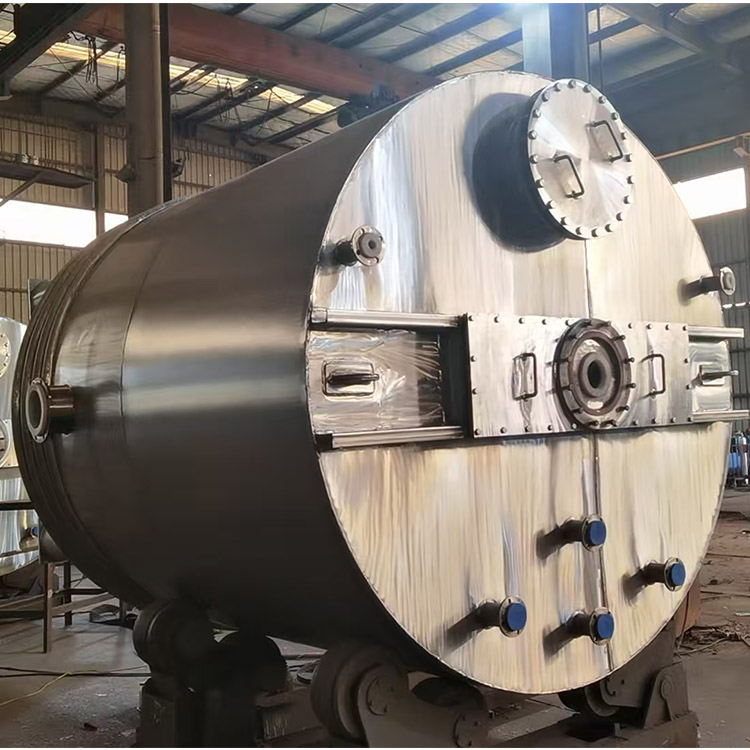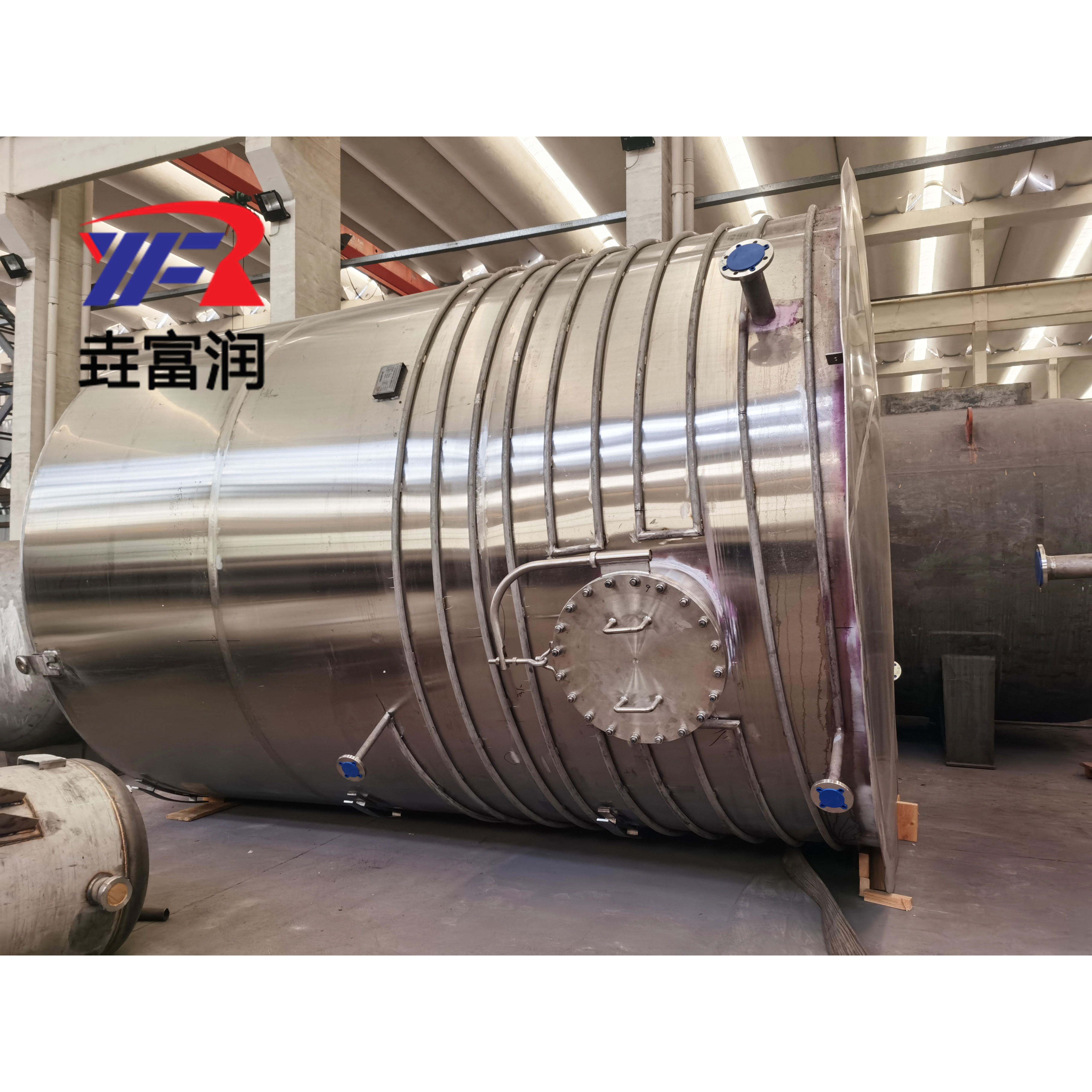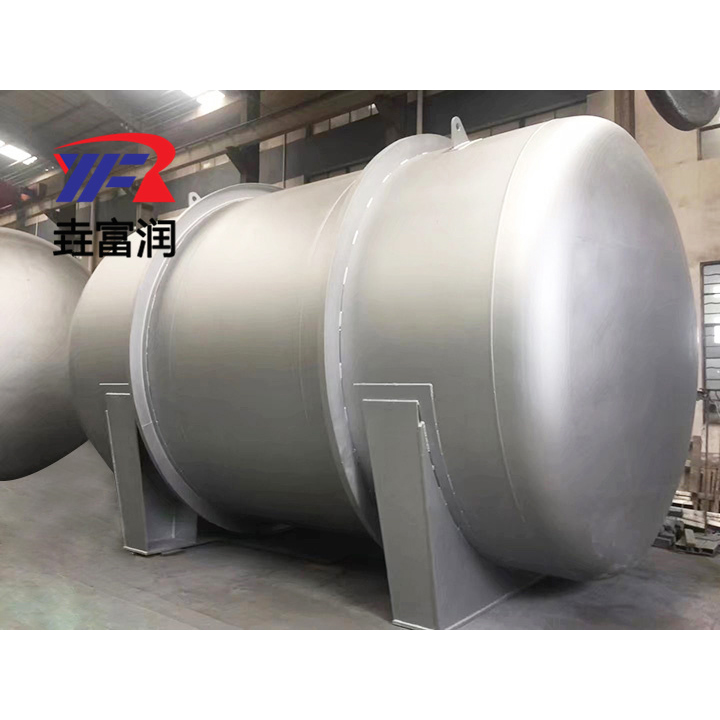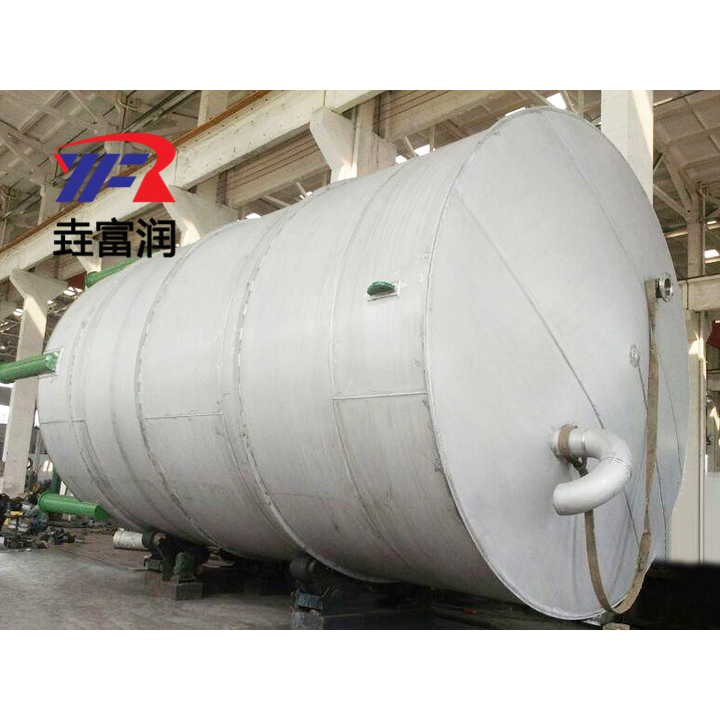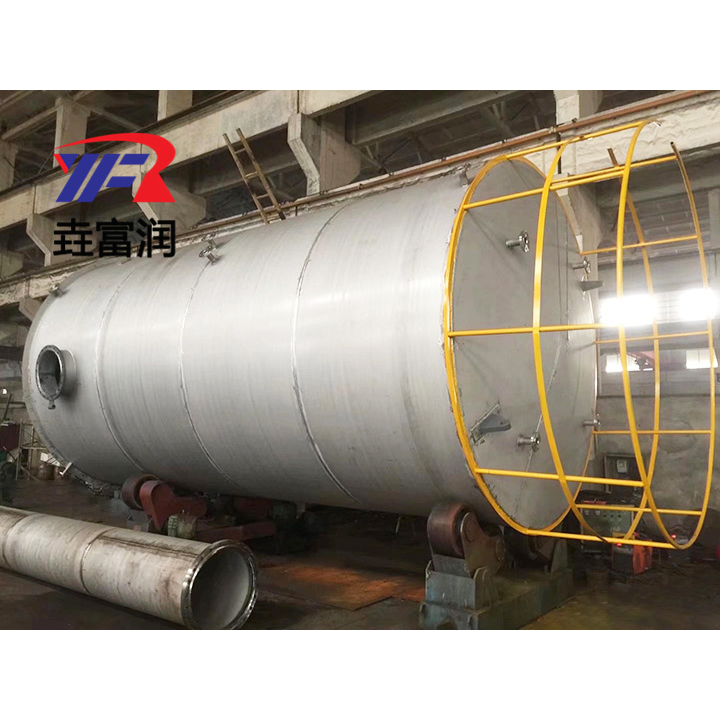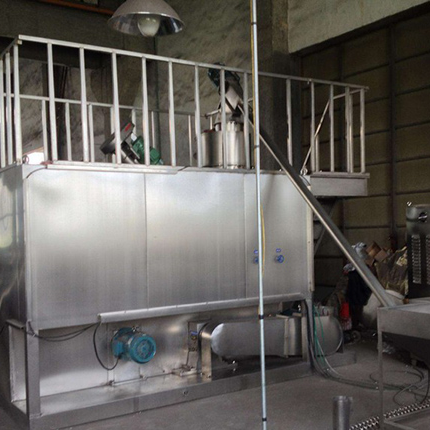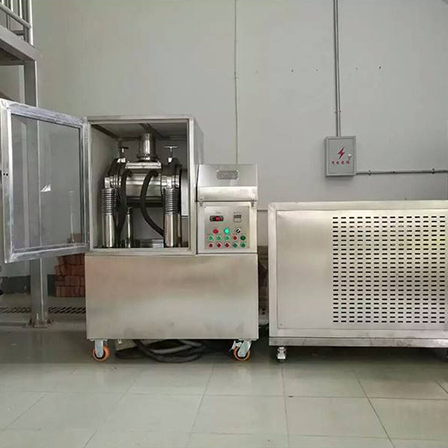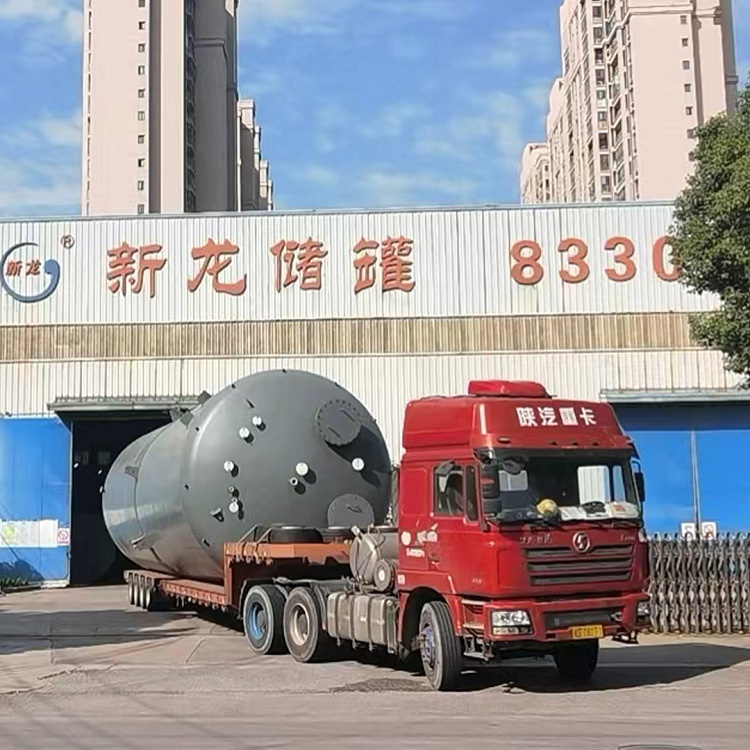

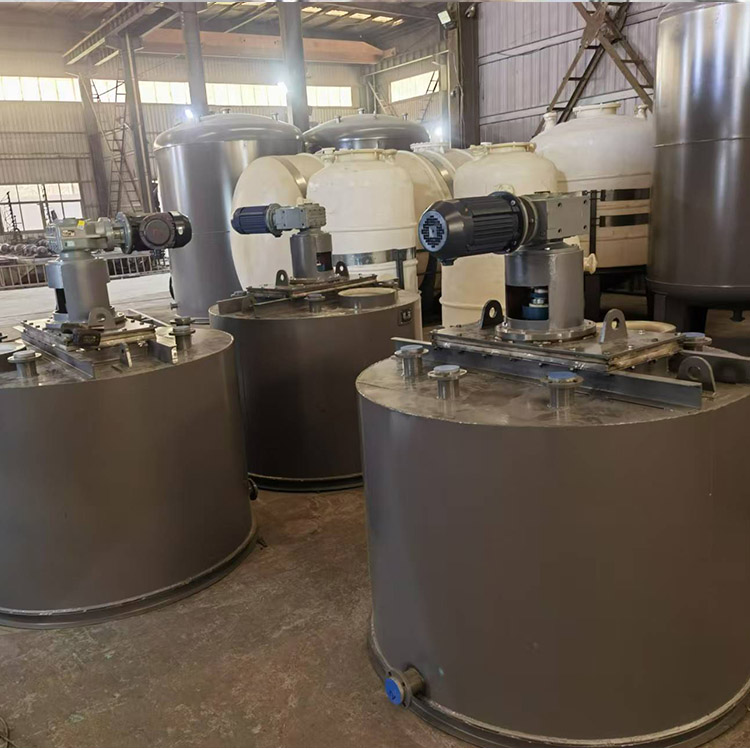

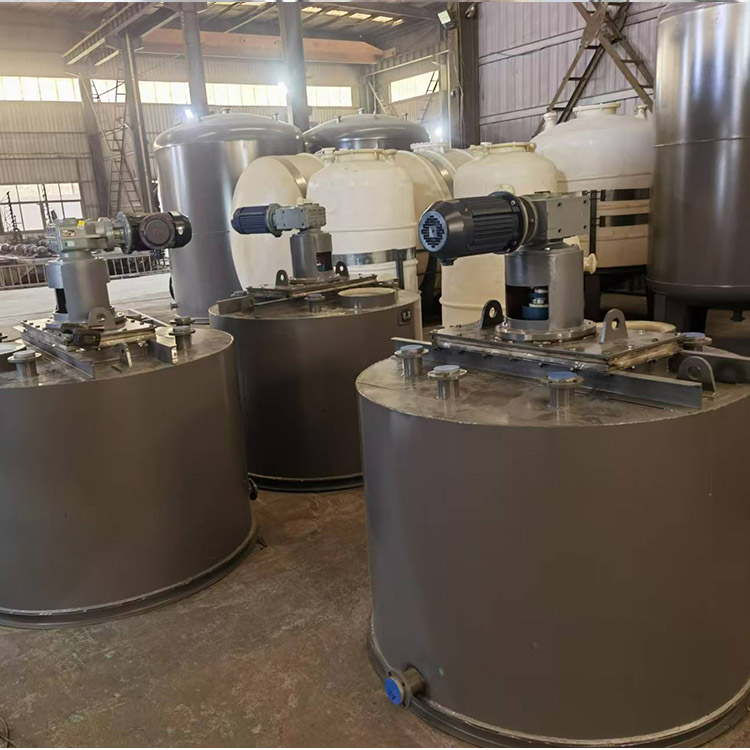
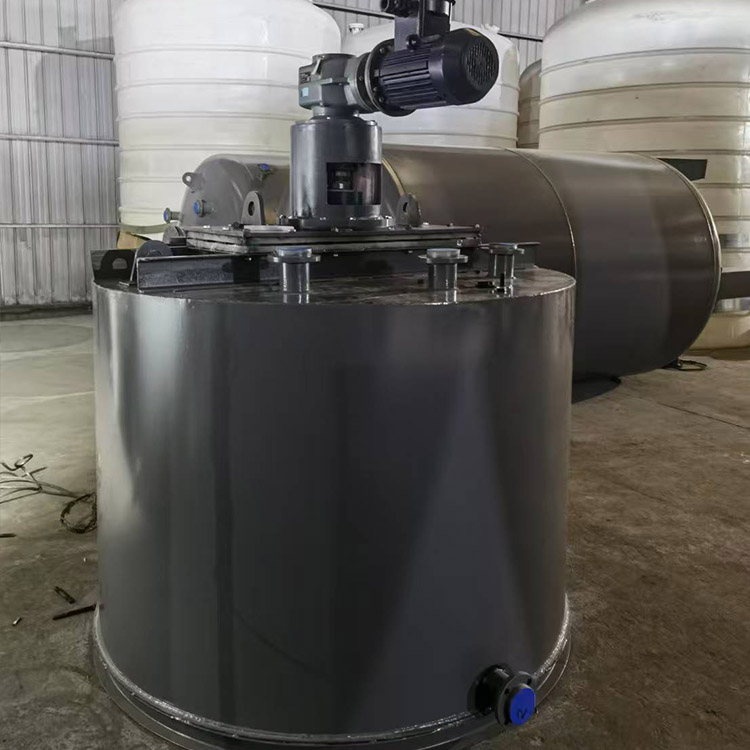
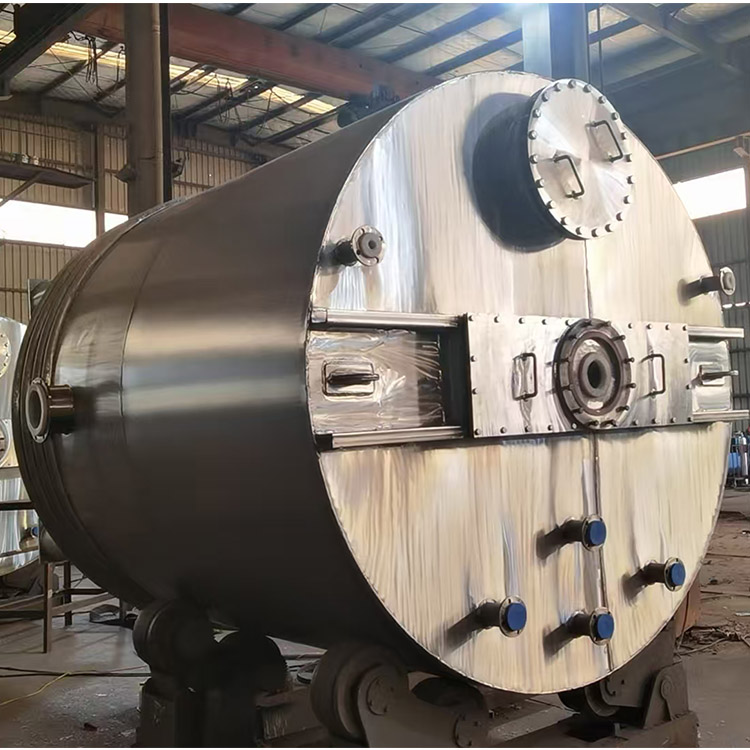


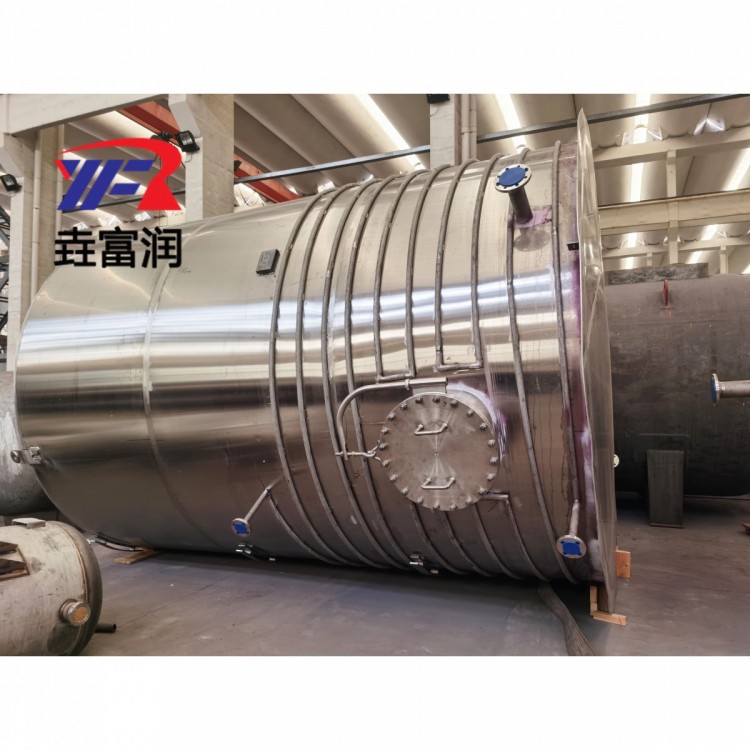
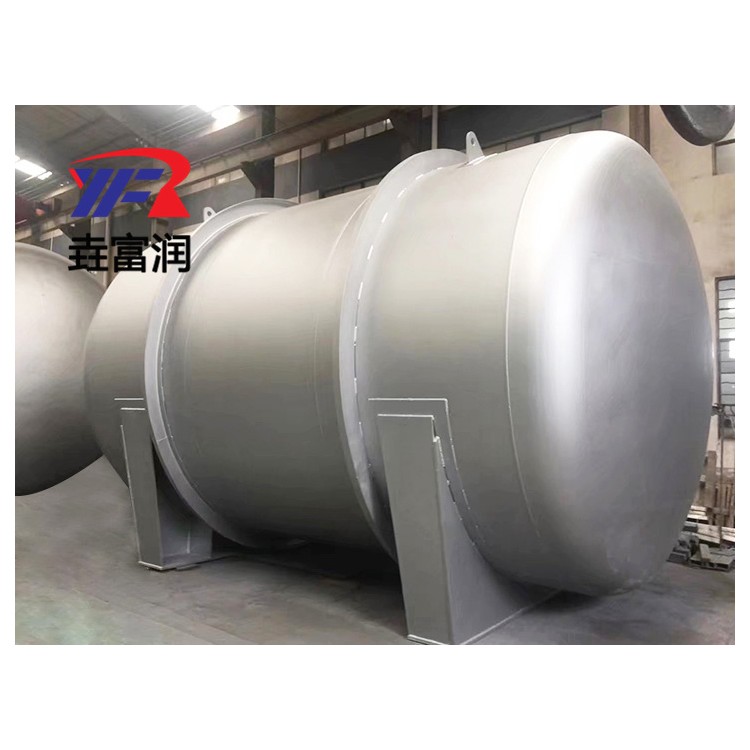
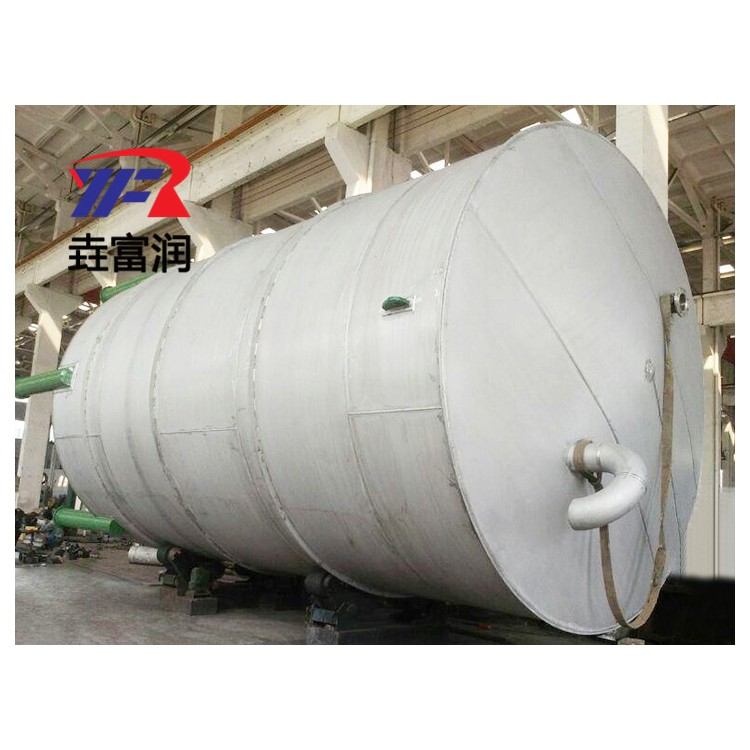
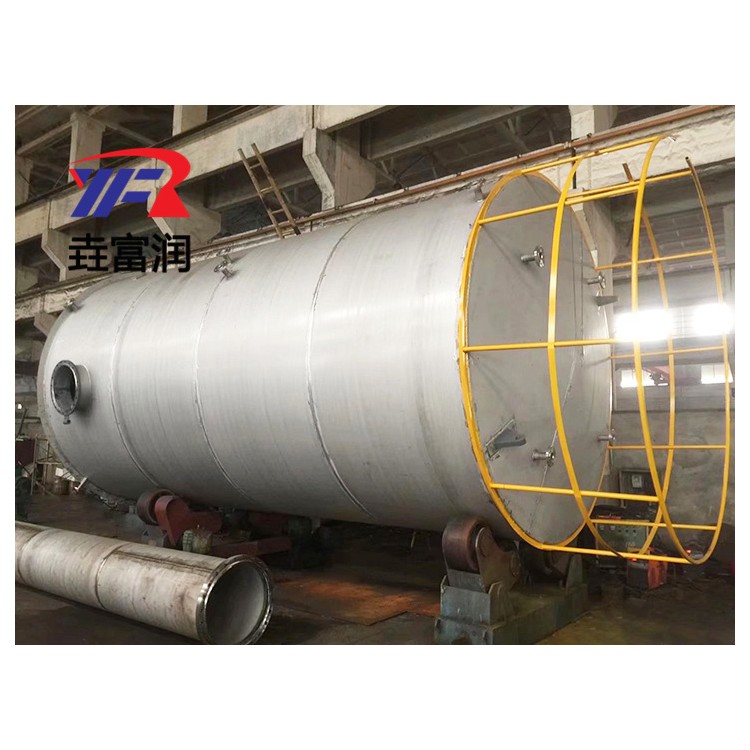





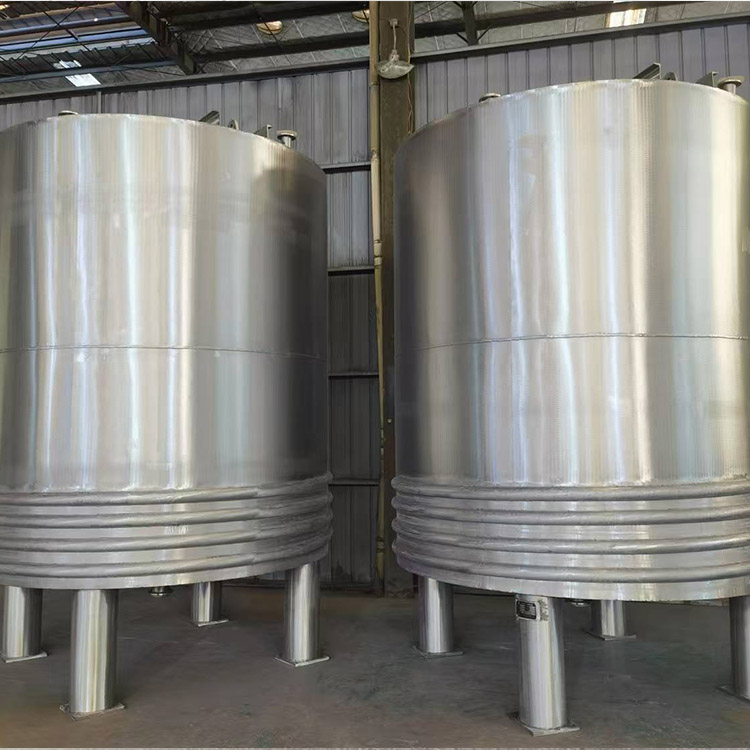
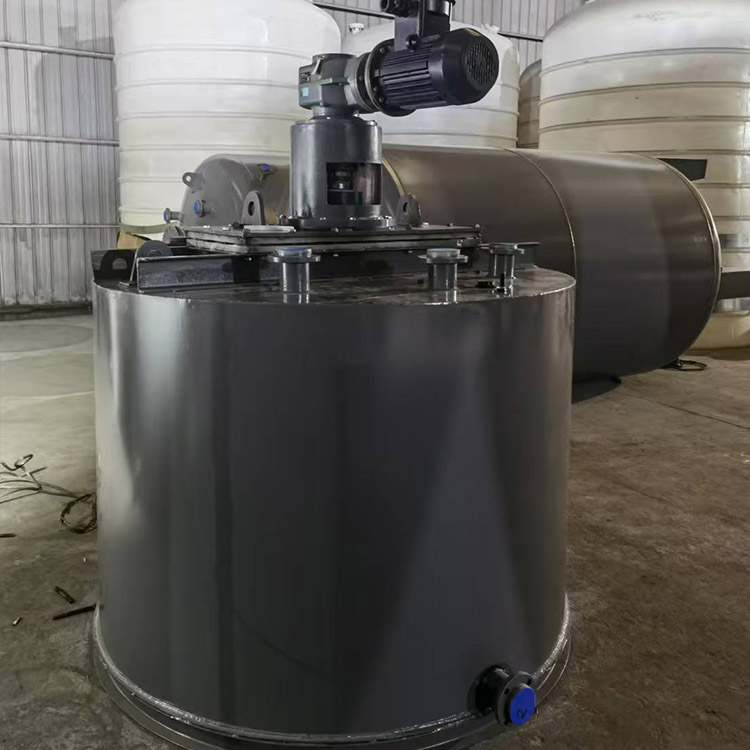
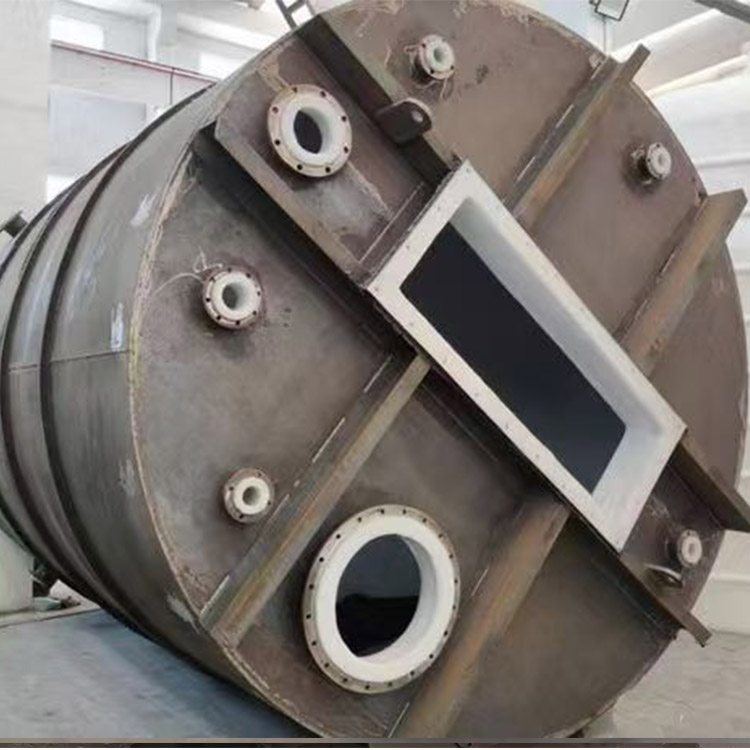

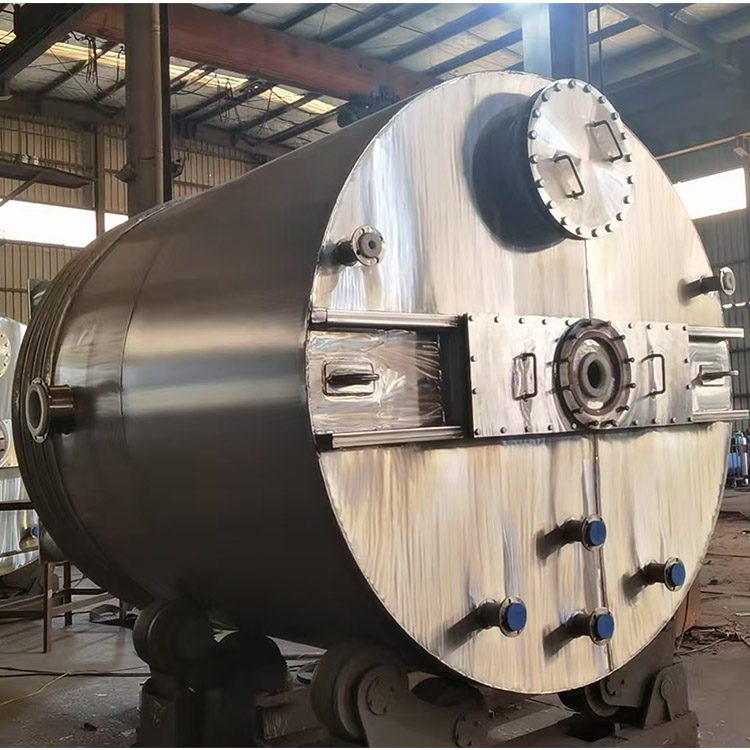
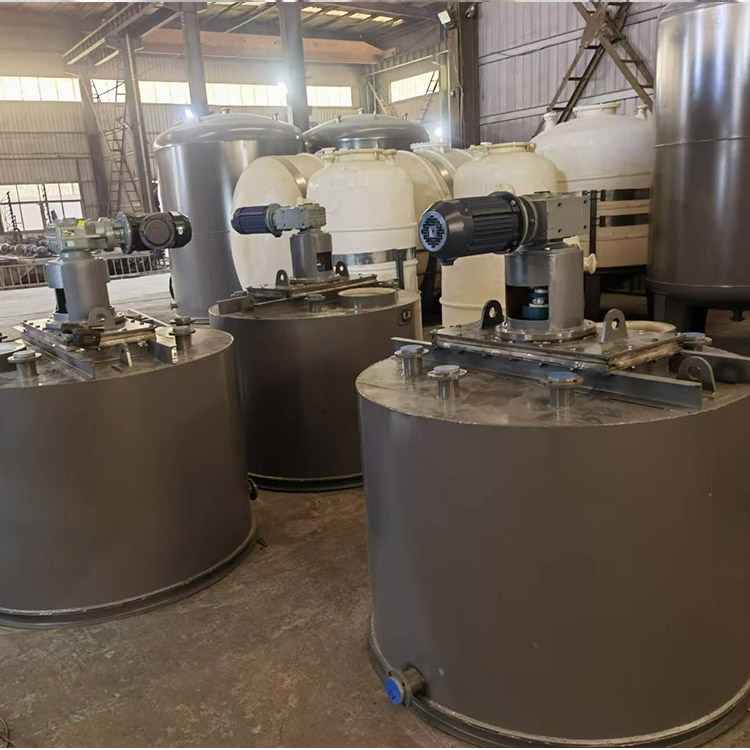
One, The Use of Storage Tanks: Steel storage tanks, which are sealed containers used for storing liquids or gases, are essential and crucial infrastructure in industries such as oil, petrochemicals, grain and oil, food, fire prevention, transportation, and metallurgy. Steel storage tanks are indispensable in our economic life and play an indispensable role in the national economic development. As specialized equipment for storing various liquid (or gas) raw materials and finished products, storage tanks are vital for many businesses, and the strategic material reserves of the country cannot be separated from various capacities and types of tanks. Most of China's oil storage facilities are above-ground, predominantly made of metal structures. Two, Classification of Storage Tanks: Due to the different stored media, storage tanks come in various forms. - By Location: They can be classified as above-ground tanks, underground tanks, semi-underground tanks, offshore tanks, and subsea tanks. - By Oil Type: They can be categorized into crude oil tanks, fuel oil tanks, lubricating oil tanks, edible oil tanks, fire water tanks, etc. - By Use: They can be divided into production tanks and storage tanks. - By Shape: They can be vertical tanks or horizontal tanks. - By Structure: They can be fixed-roof tanks, floating roof tanks, spherical tanks, etc. - By Size: Tanks over 100m³ are considered large, mostly vertical; those under 100m³ are small, mostly horizontal. Hanging ear steel-lined plastic agitator tanks have good strength, do not deform, and are suitable for storing solutions with higher densities. They can be used under low pressure (water pressure of 3 kg, air pressure of 1 kg). They are not suitable for high vacuum conditions and have a maximum use temperature of below 90°C. The combination of steel, wire, and plastic, with rotational molding, provides the mechanical properties of steel tanks and the corrosion resistance, anti-scaling, and resistance to microbial growth of plastic tanks, making them ideal for storing acidic, alkaline, saline, and corrosive gas media. The maintenance of hanging ear steel-lined plastic agitator tanks is generally divided into medium repairs and major repairs. The medium repair cycle is 60 to 120 days, while the major repair cycle is 12 months. For medium repairs, the main work involves eliminating leaks, drips, and other phenomena on the tanks and replacing components that are severely worn or damaged. Major repairs, on the other hand, build upon the medium repairs, including repairs and restorations, to conduct more comprehensive inspections.