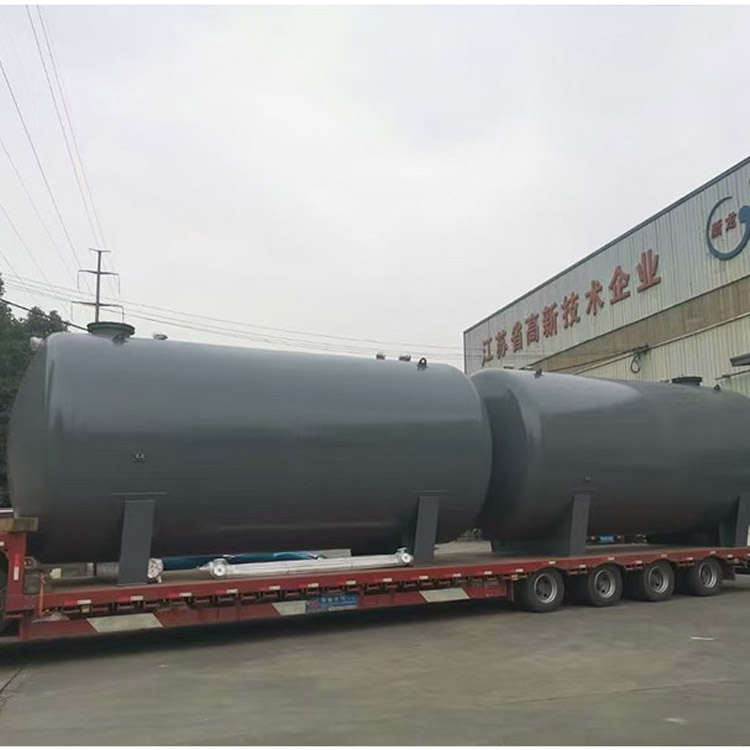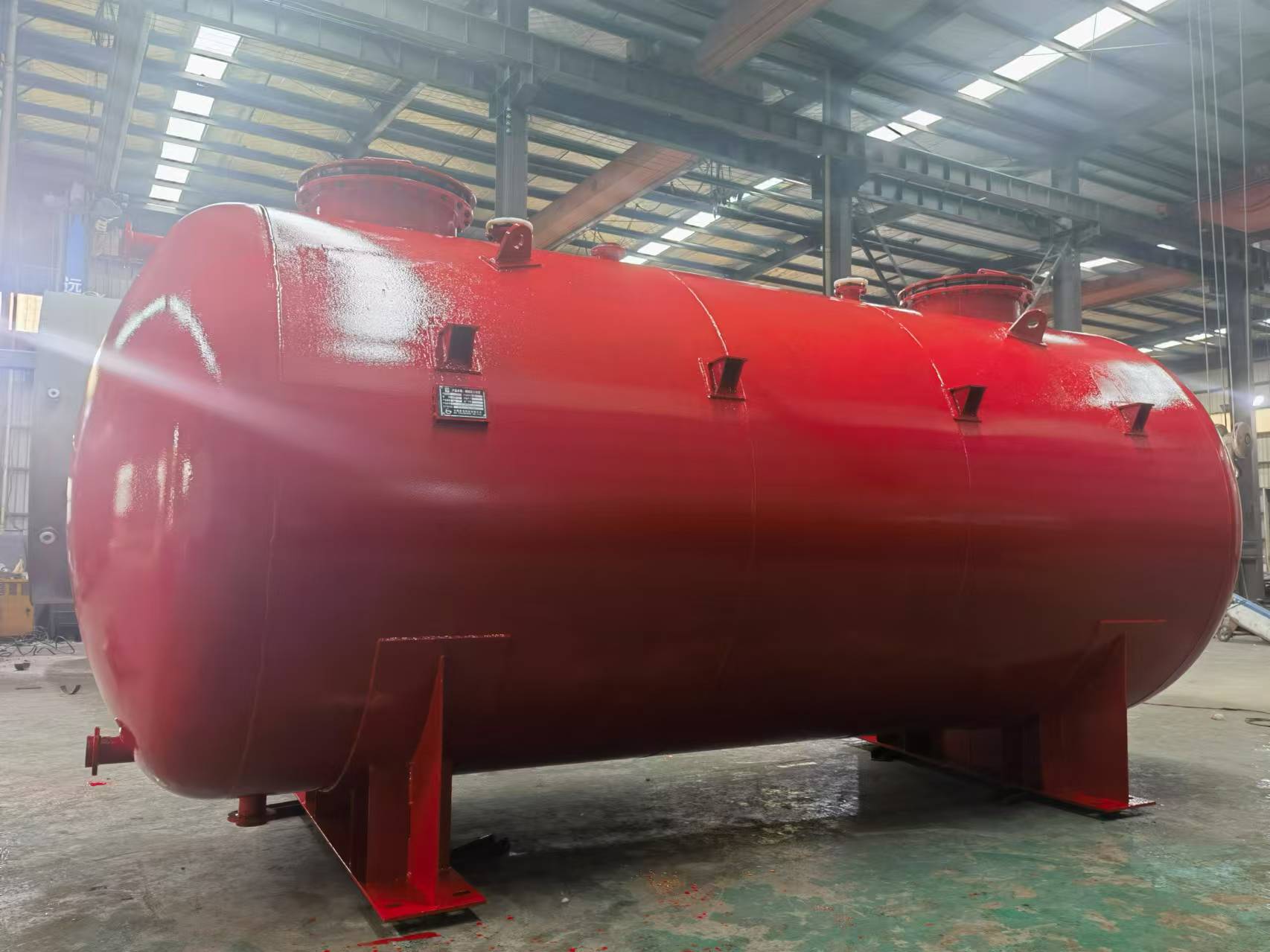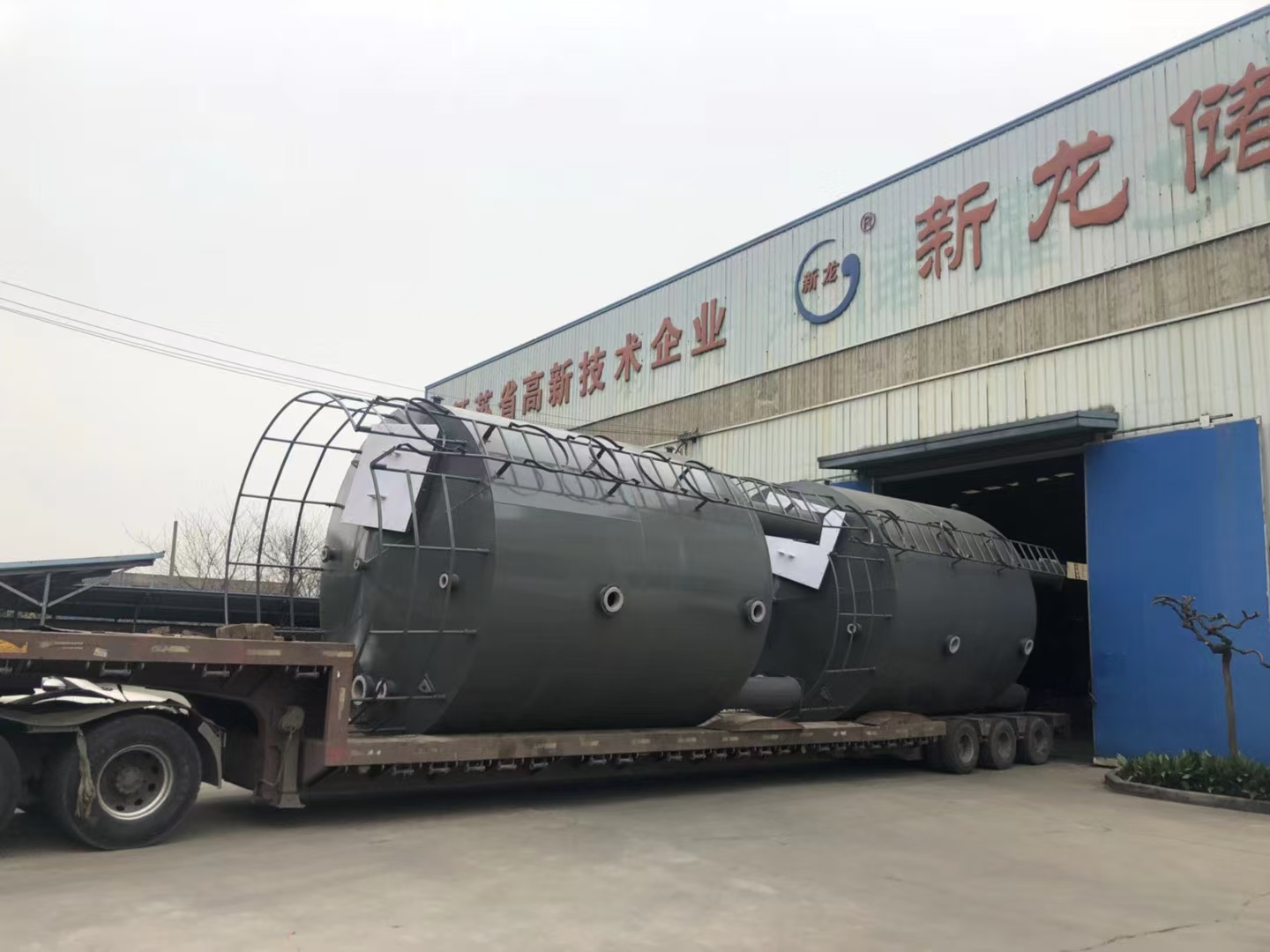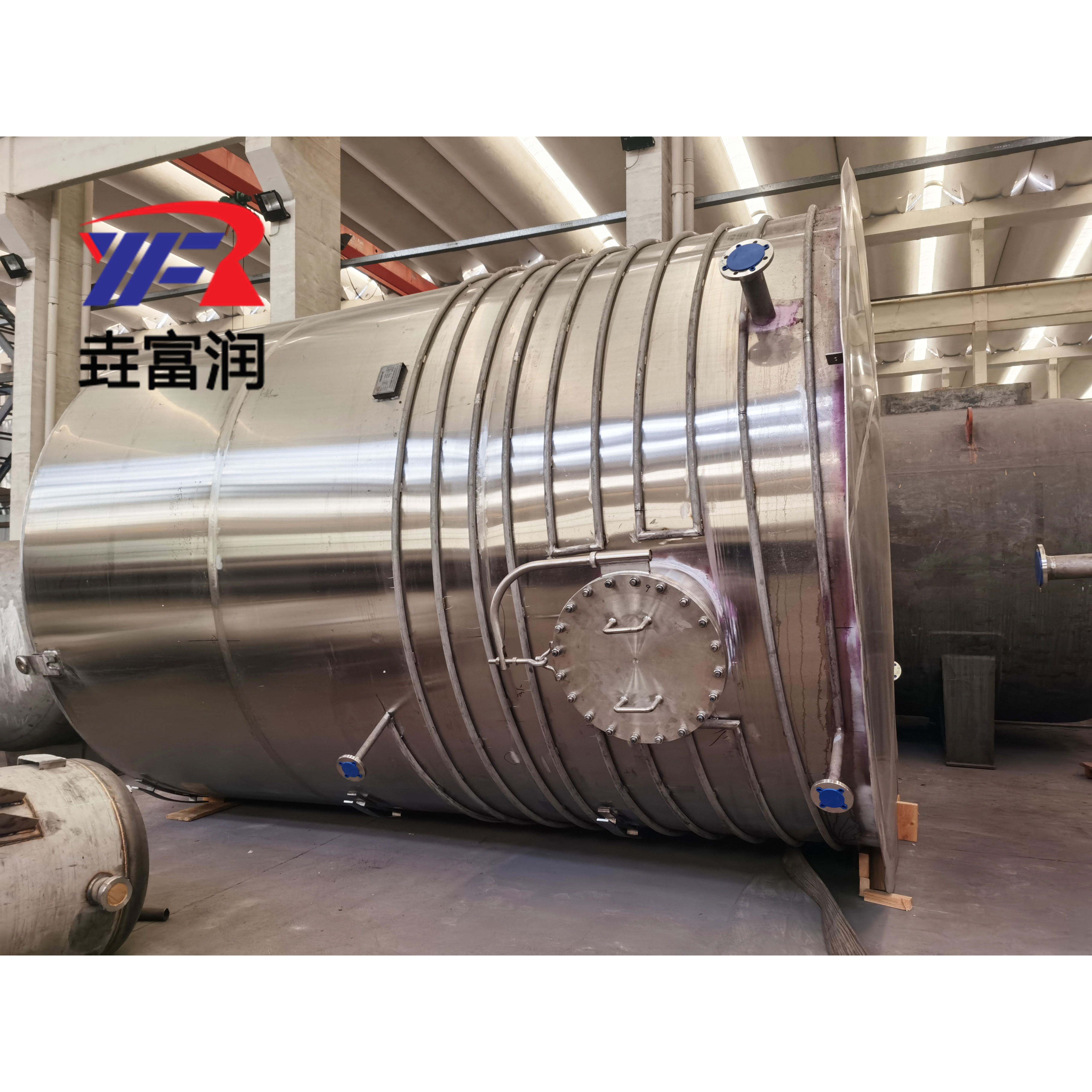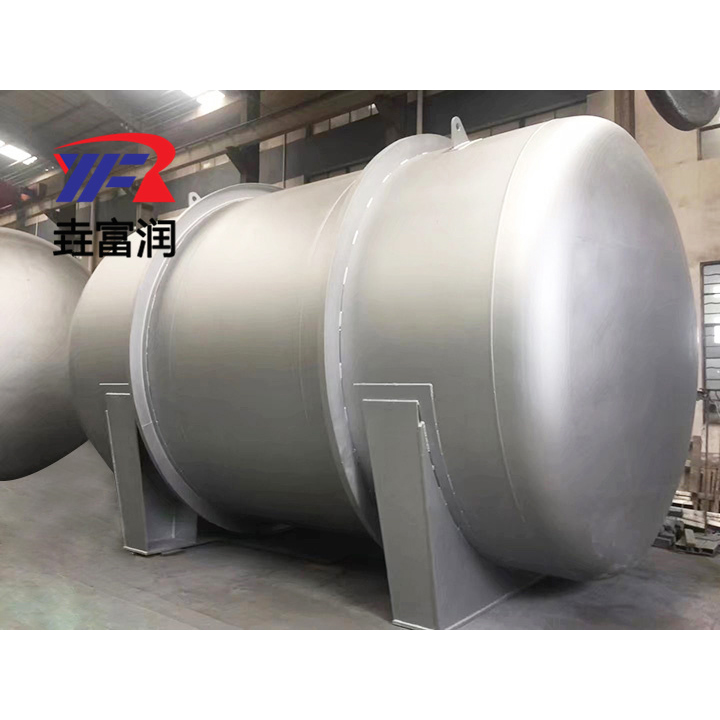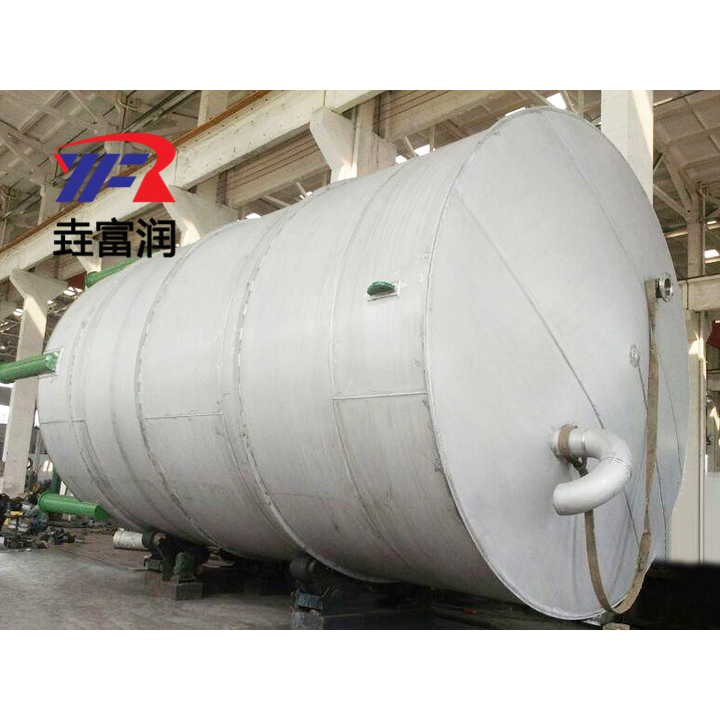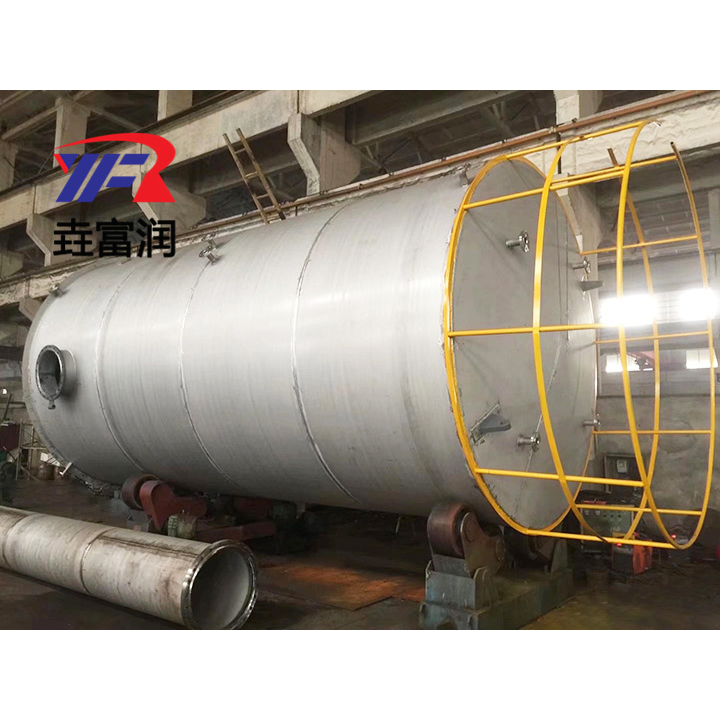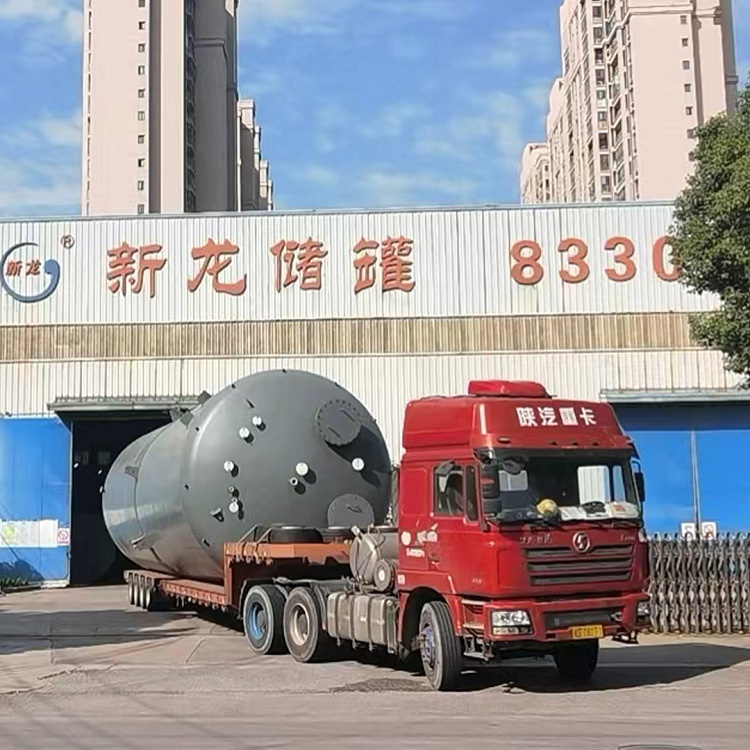

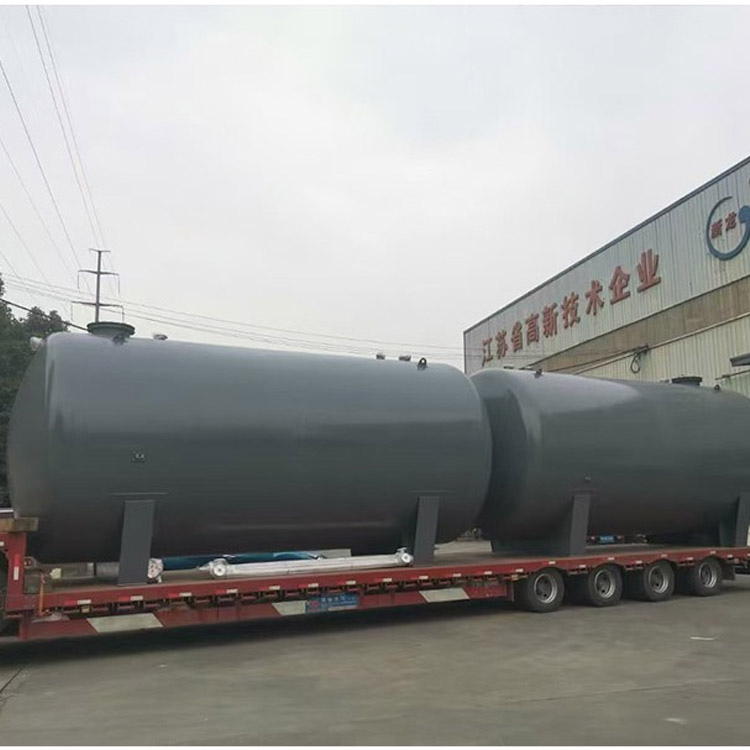

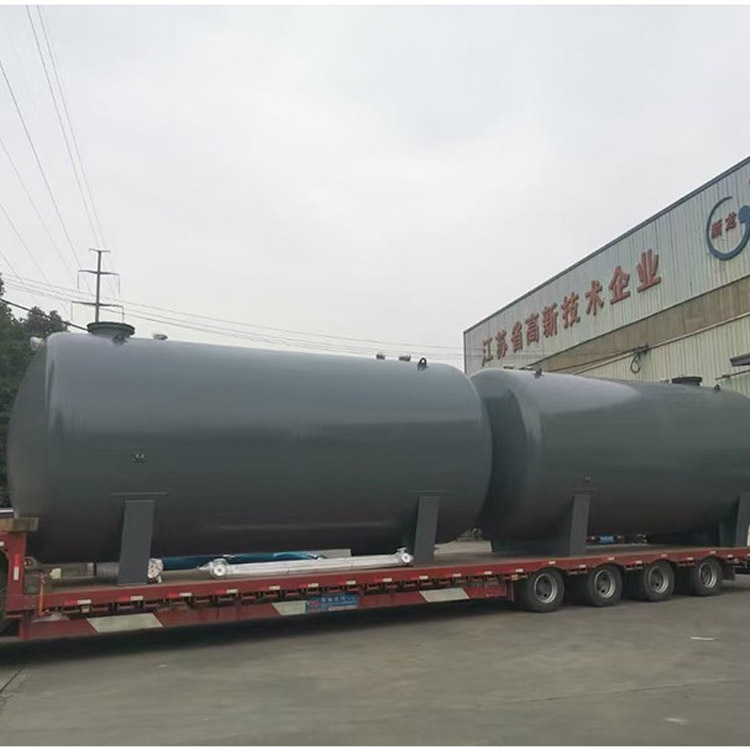

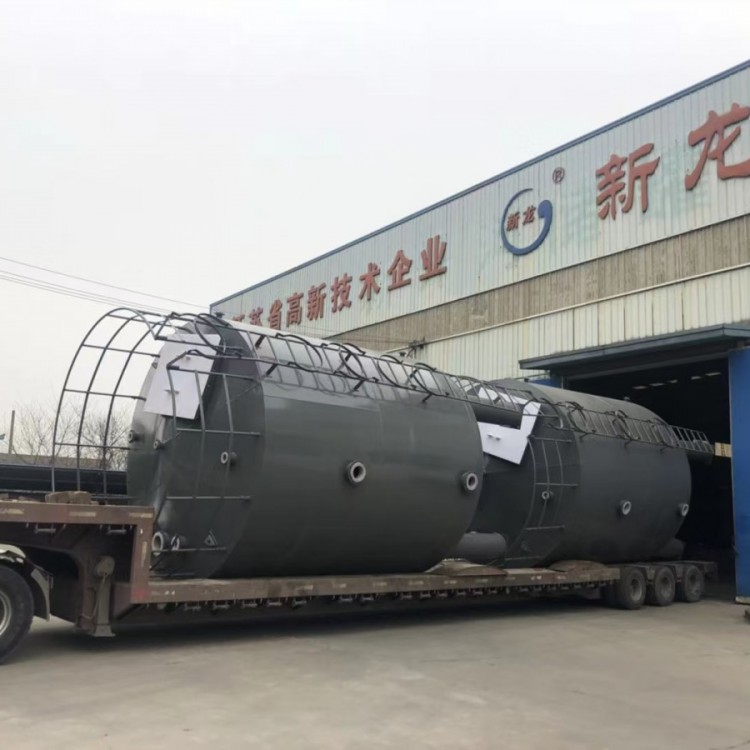


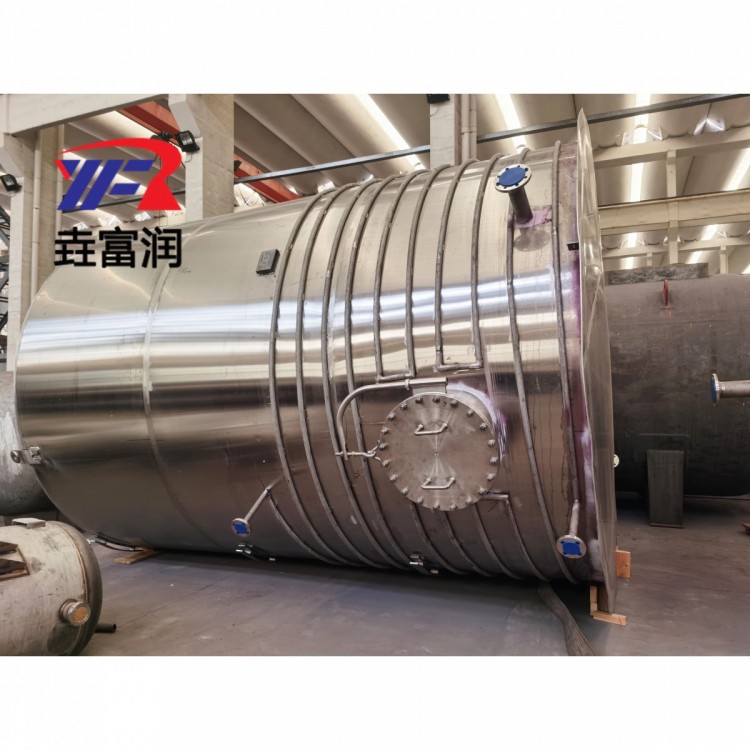
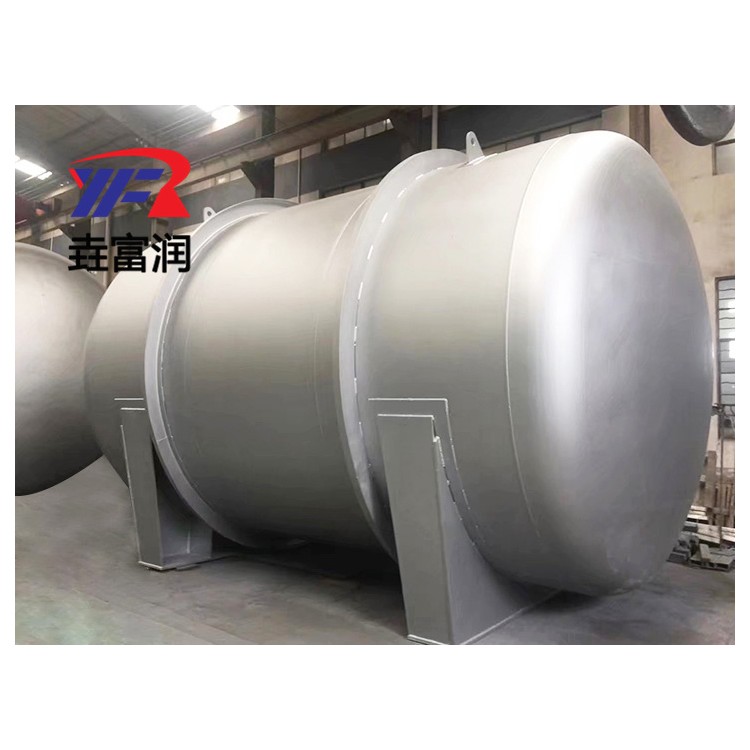
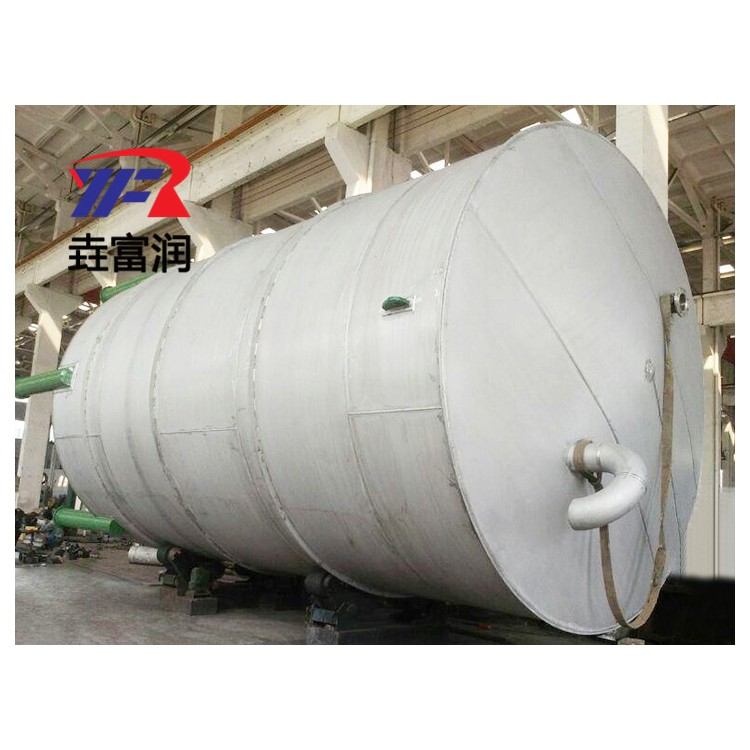
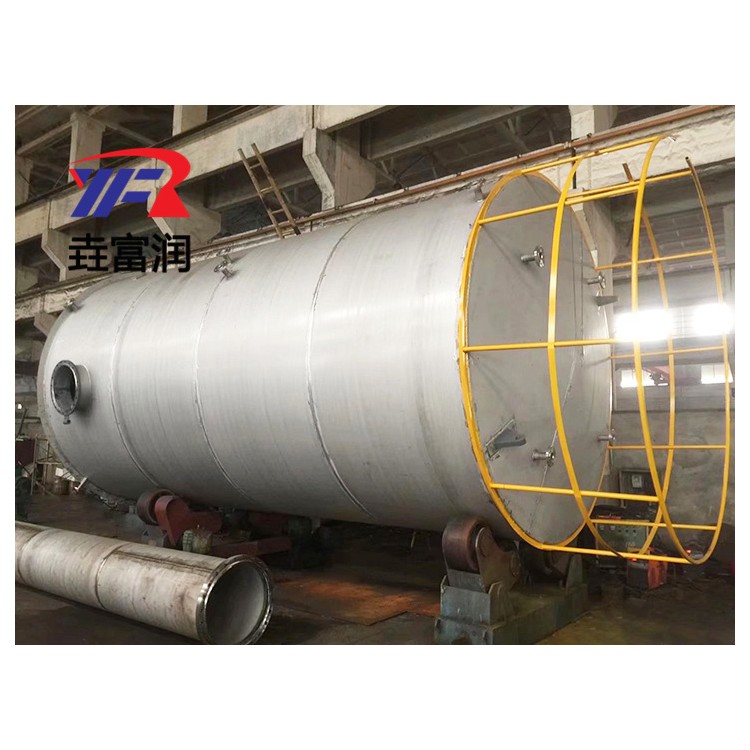





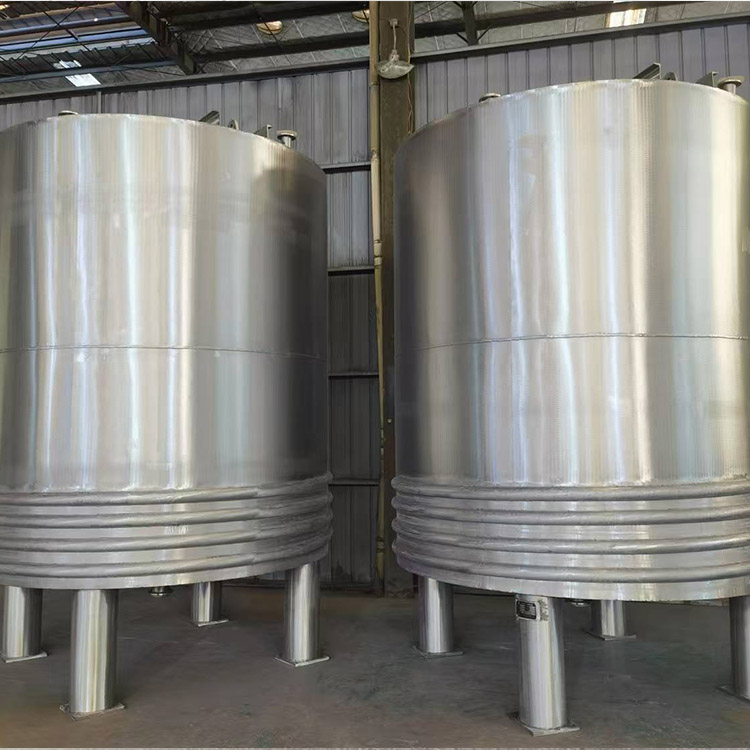
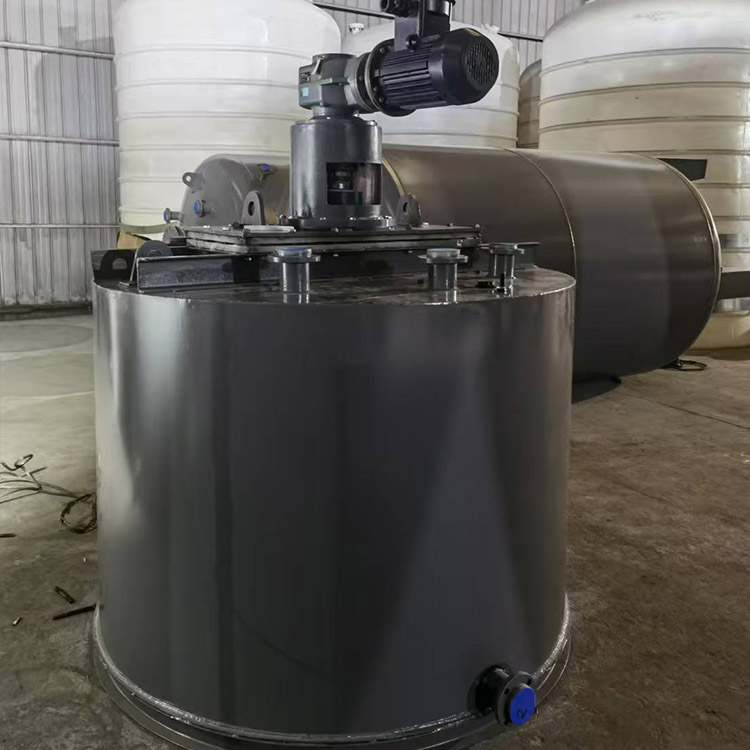
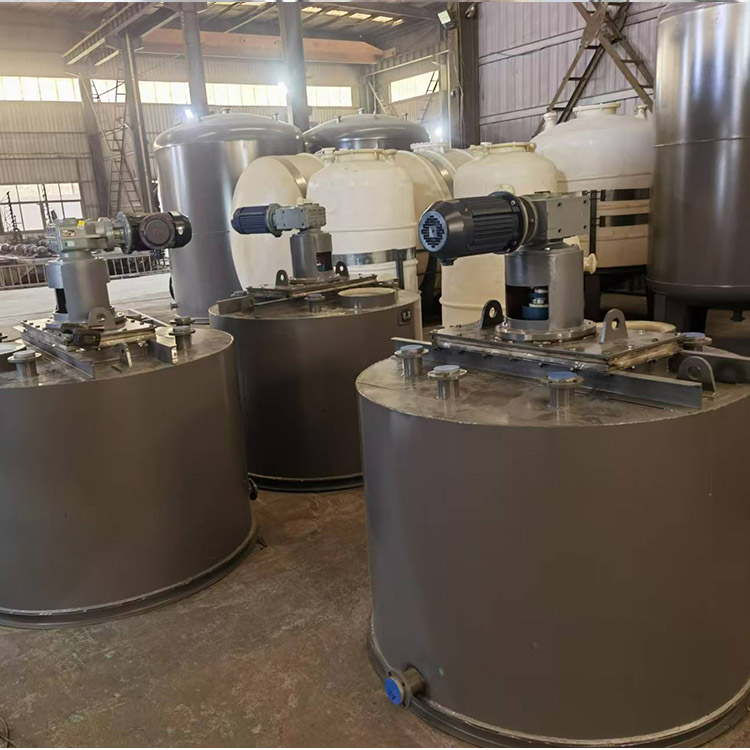
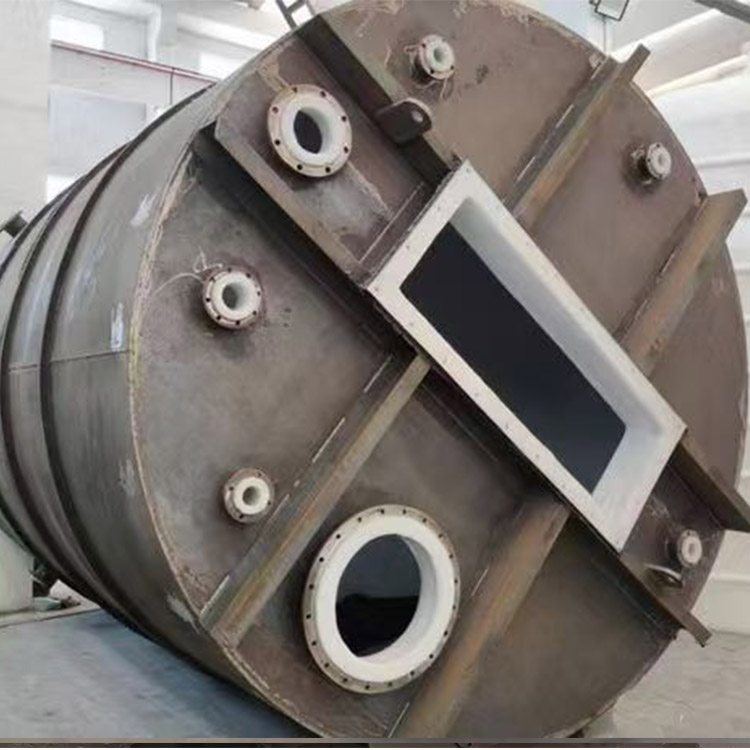

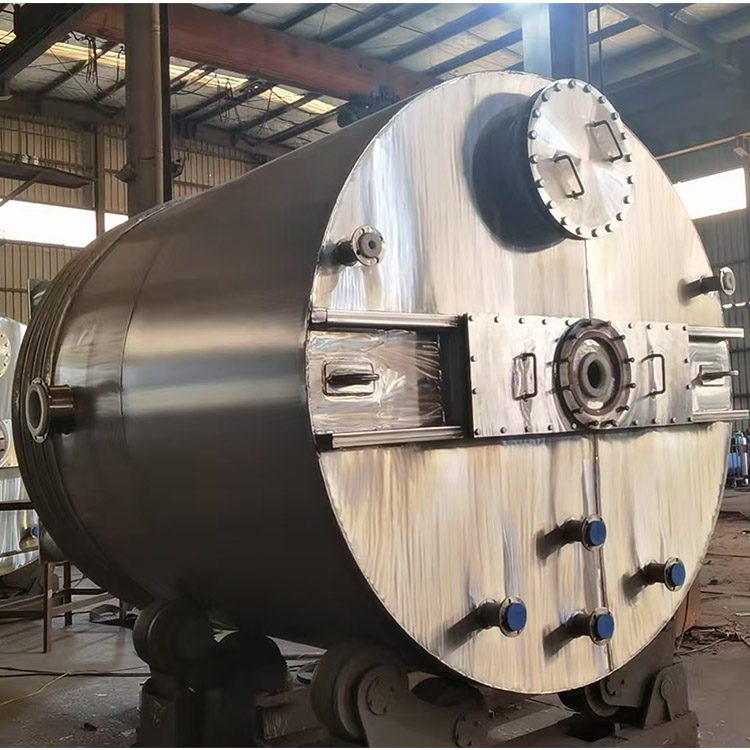
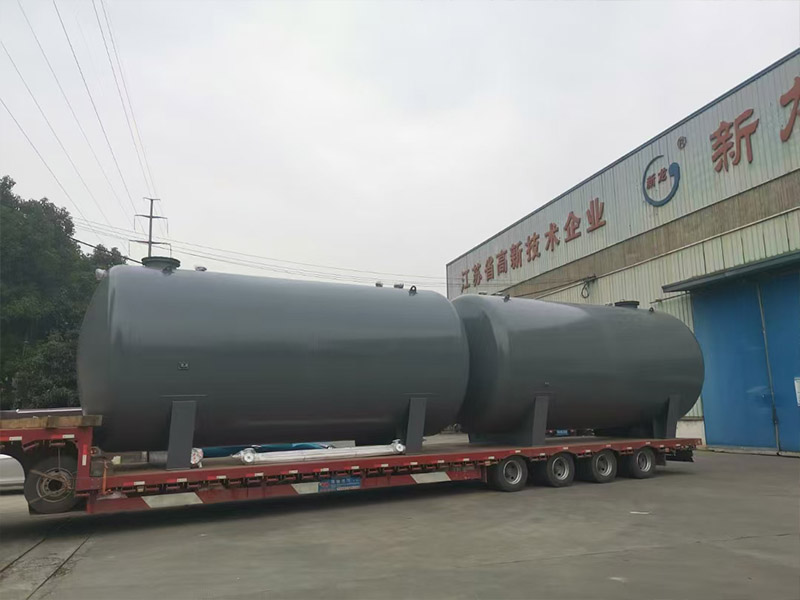
The steel-lined plastic dilution tanks offer excellent corrosion resistance, suitable for non-oxidizing acids (such as hydrochloric acid, dilute sulfuric acid, hydrogen fluoride acid), dilute nitric acid, alkalis, and salt solutions. The steel-lined plastic dilution tank is constructed by welding a steel mesh (tortoise shell) onto the steel body surface, using pure polyethylene (linear low-density polyethylene LLDPE, high-density polyethylene HDPE) as the raw material. The tank is formed through the rotational molding process, integrating the steel plate, steel mesh (tortoise shell), and polyethylene into a single unit. The polyethylene adheres firmly to the steel body surface. The product boasts advantages such as seamless welding, no leakage, non-toxicity, resistance to aging and impact, corrosion resistance, long lifespan, and compliance with hygiene standards. Ordering Instructions for Steel-lined Plastic Dilution Tanks: 1. The operating temperature for steel-lined plastic storage tanks is typically between 70-80℃, with an extreme maximum temperature of up to 90-100℃. 2. The current volume of our steel-lined plastic storage tanks (based on road transport limits) ranges from 1 to 150 cubic meters. They are available in both vertical and horizontal designs. 3. The wall thickness of the outer steel tank body of the steel-lined plastic storage tank can be determined by the specific gravity of the medium it contains, with the inner plastic lining (polyethylene) thickness generally between 15-18mm. 4. The inner plastic lining material of the steel-lined plastic storage tank is polyethylene (PE), so it is not suitable for storing chemical substances that are not resistant to polyethylene (PE), such as benzene, ethers, ketones, esters, etc. 5. Our steel-lined plastic storage tanks are factory-finished with a simple anti-rust paint for corrosion protection.