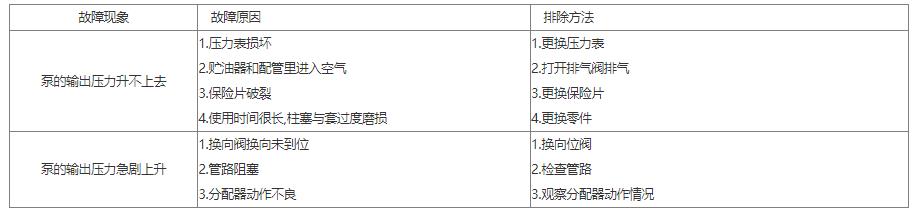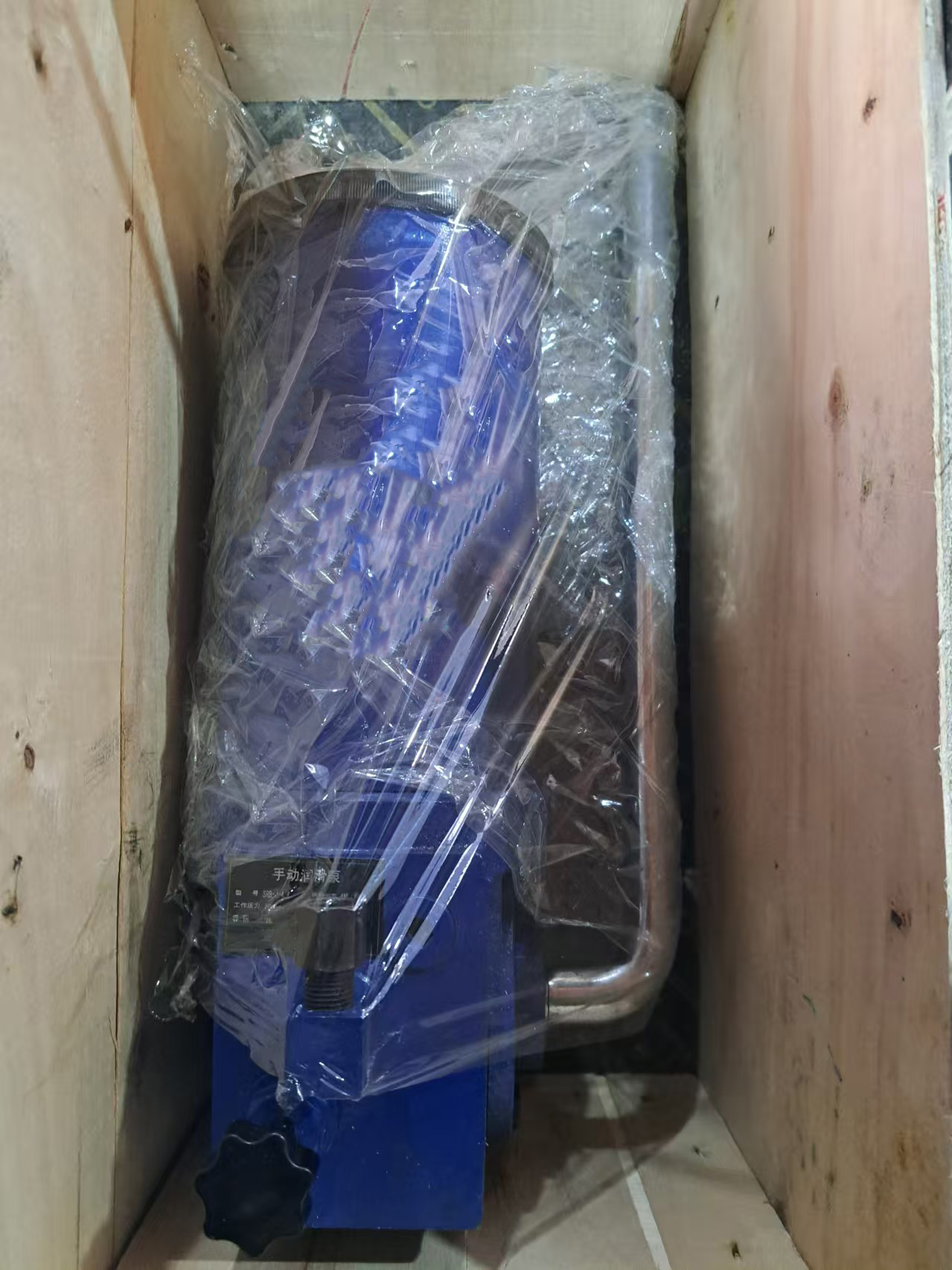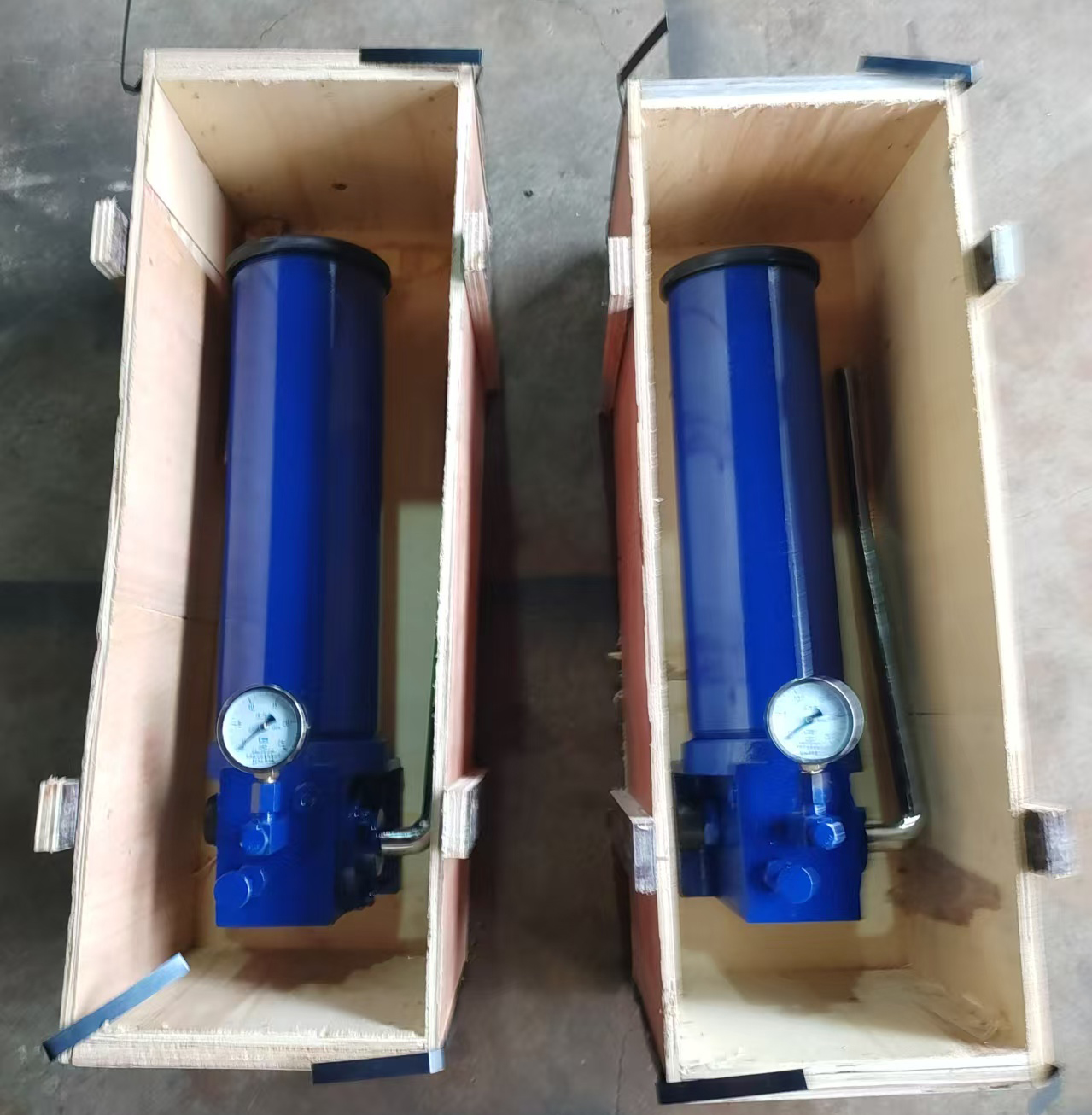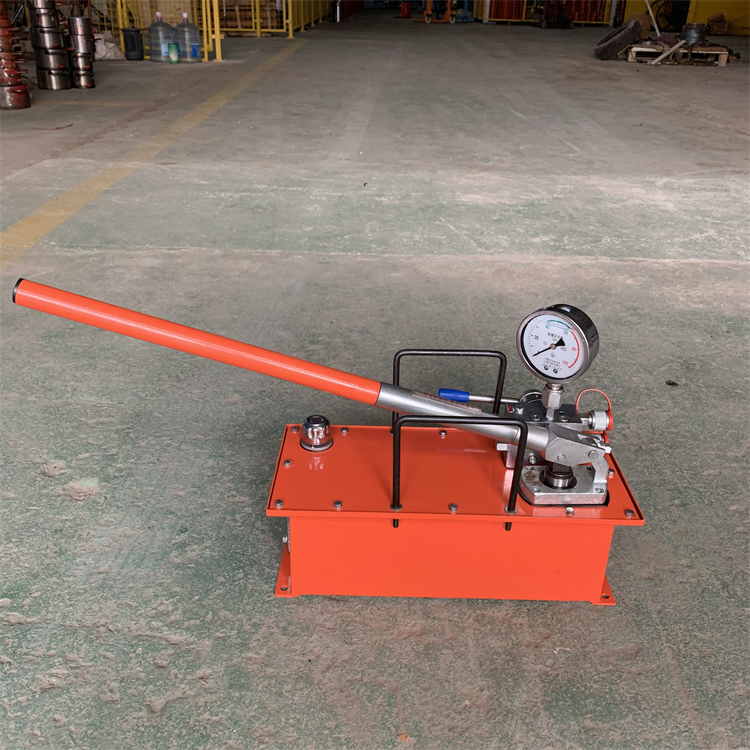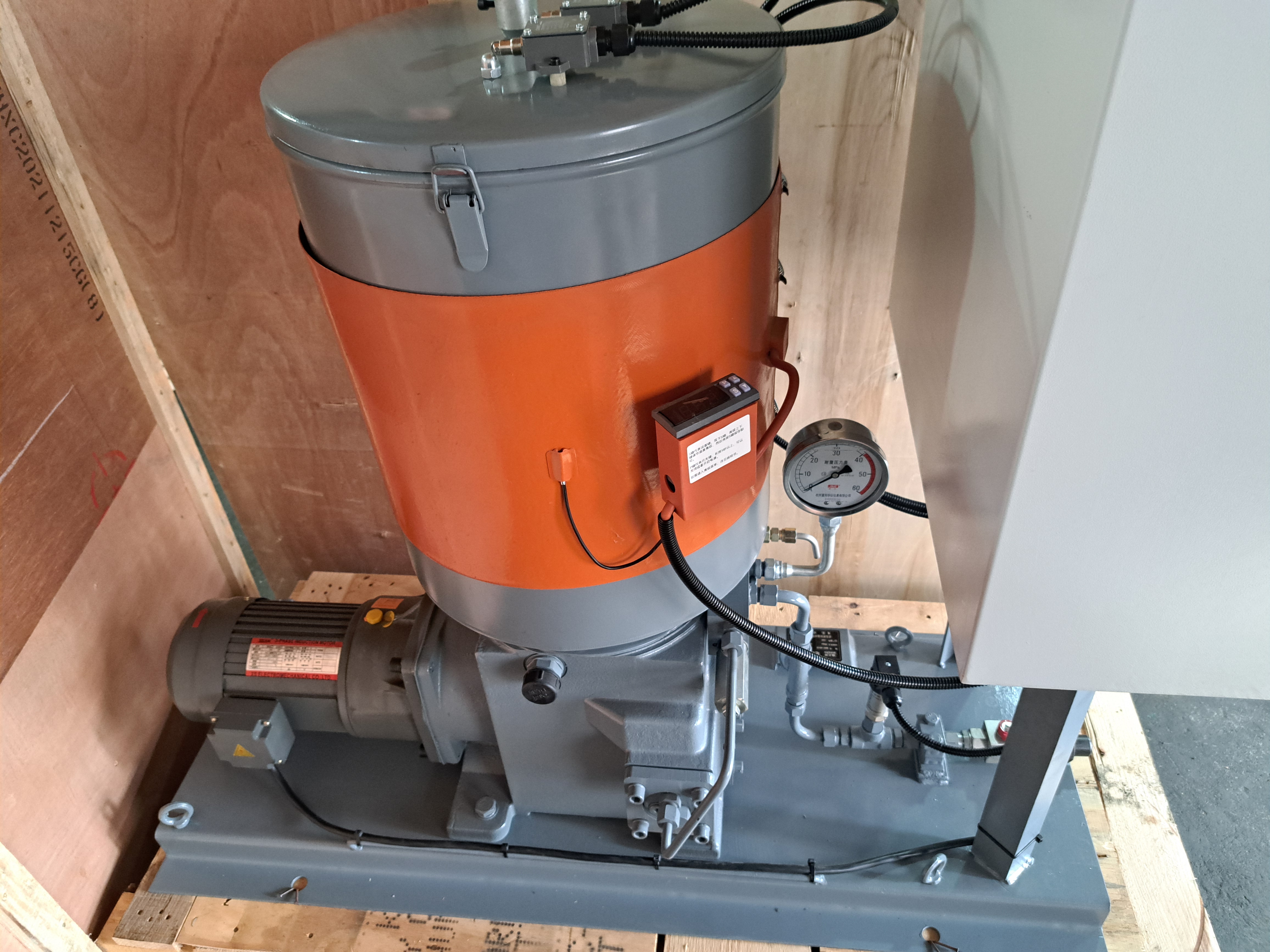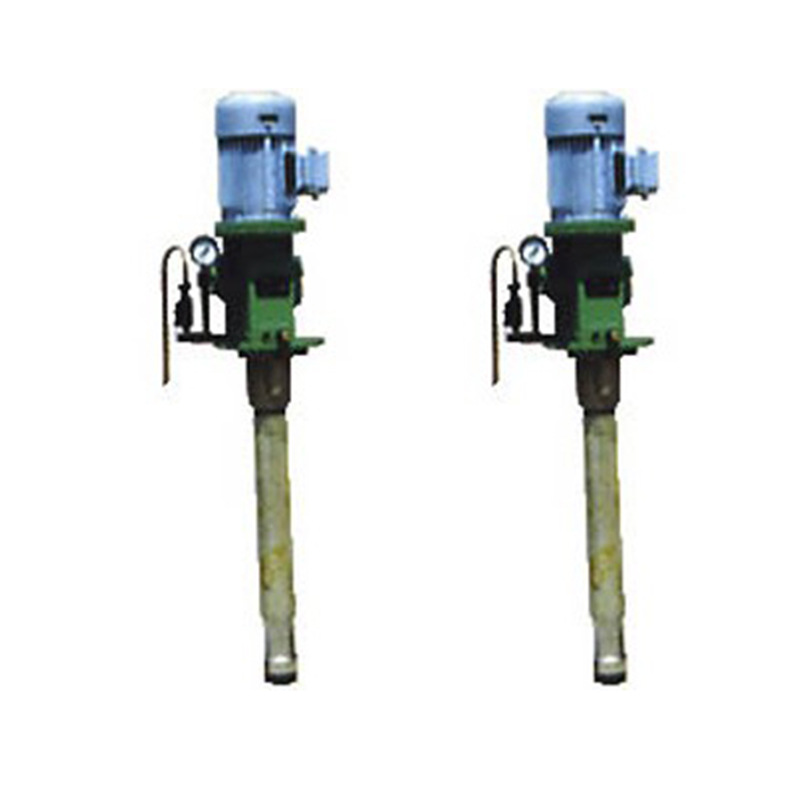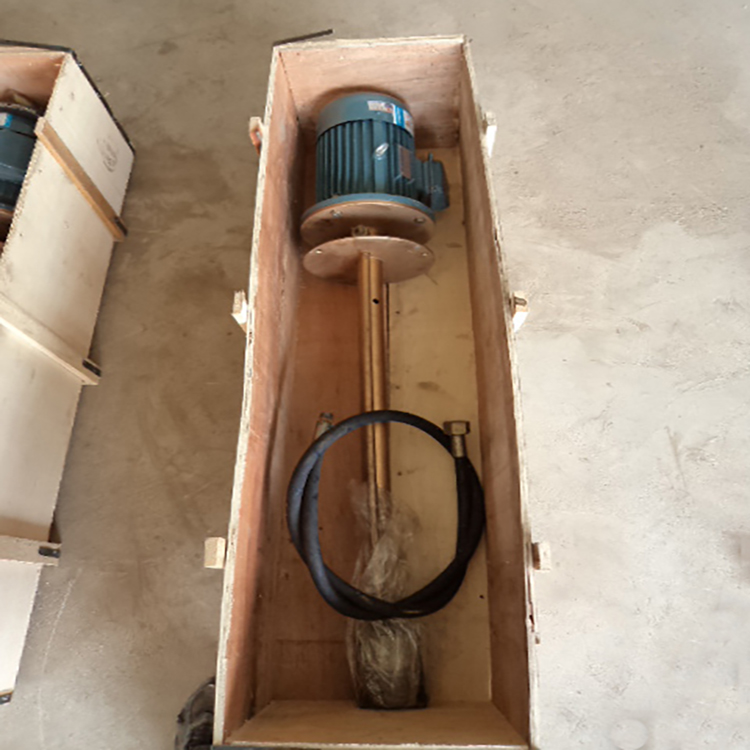

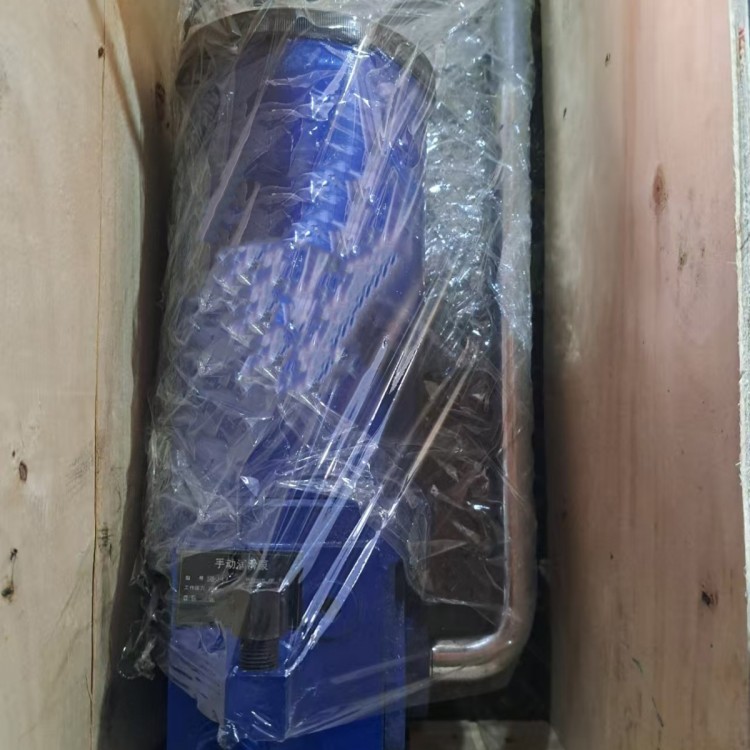

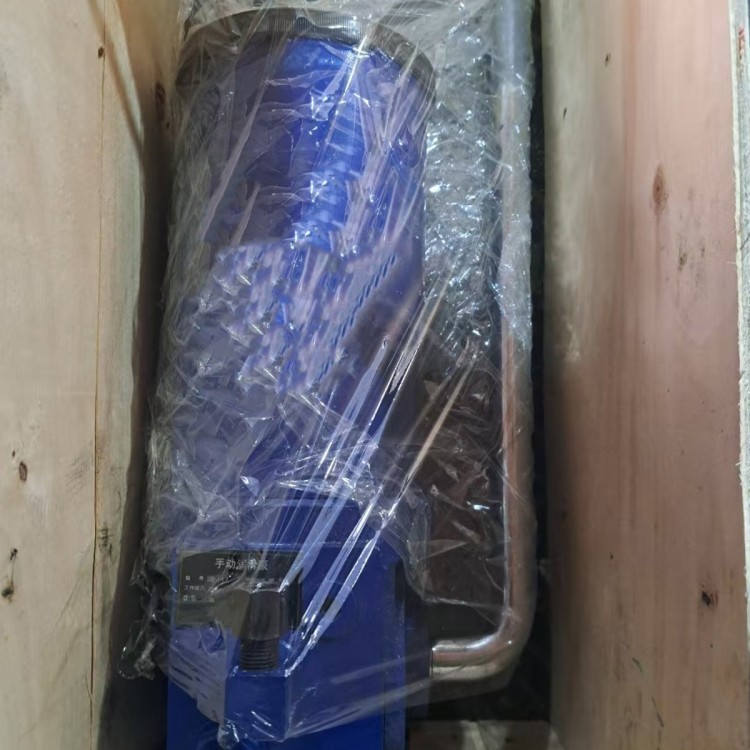
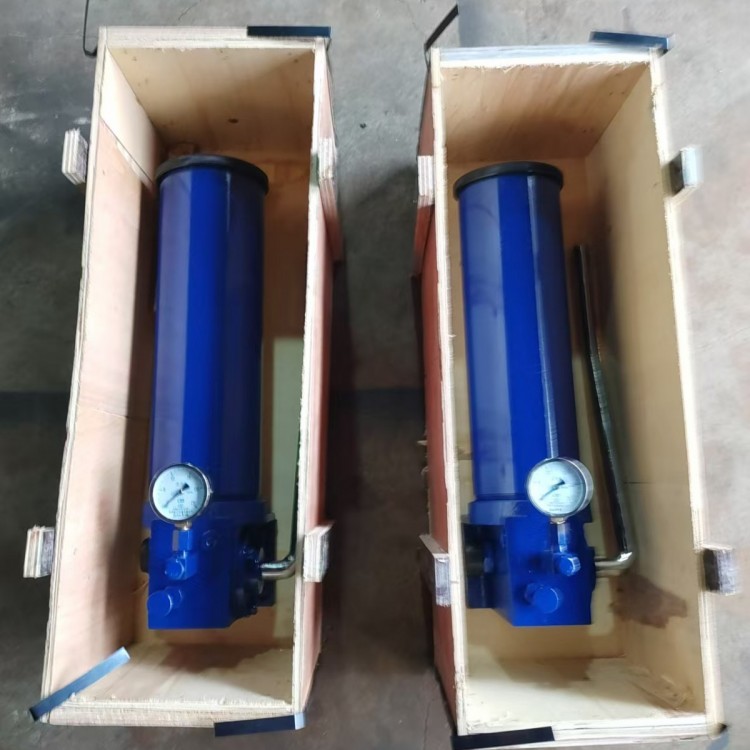
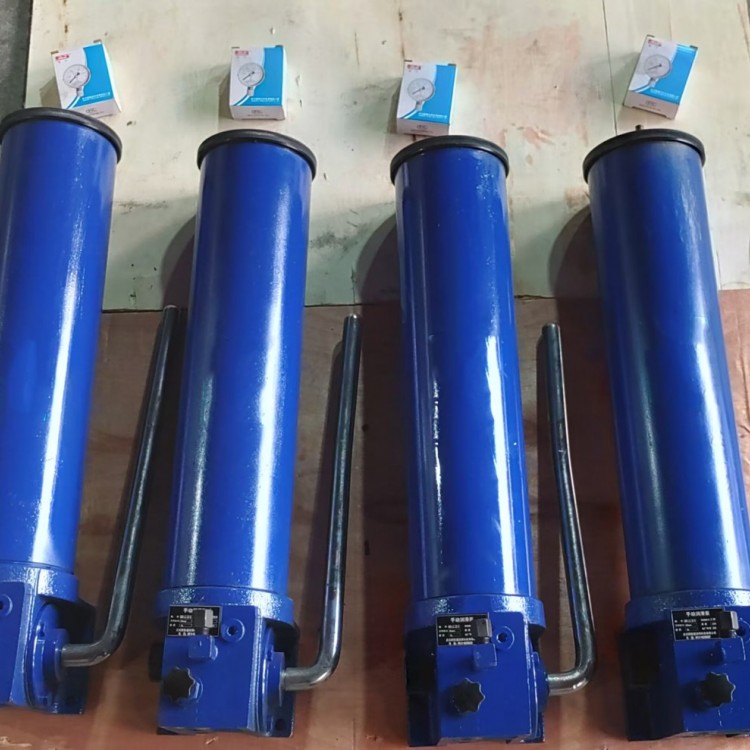


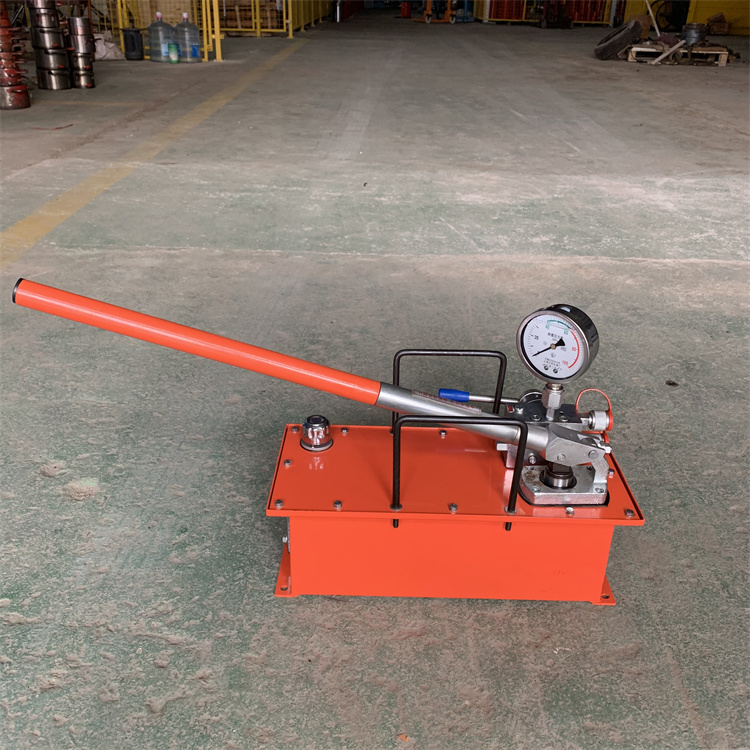
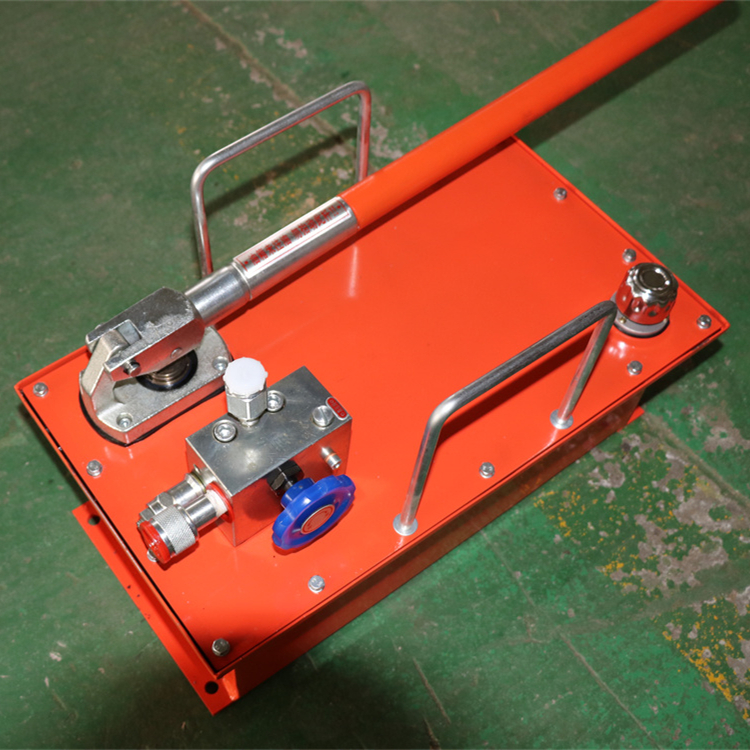
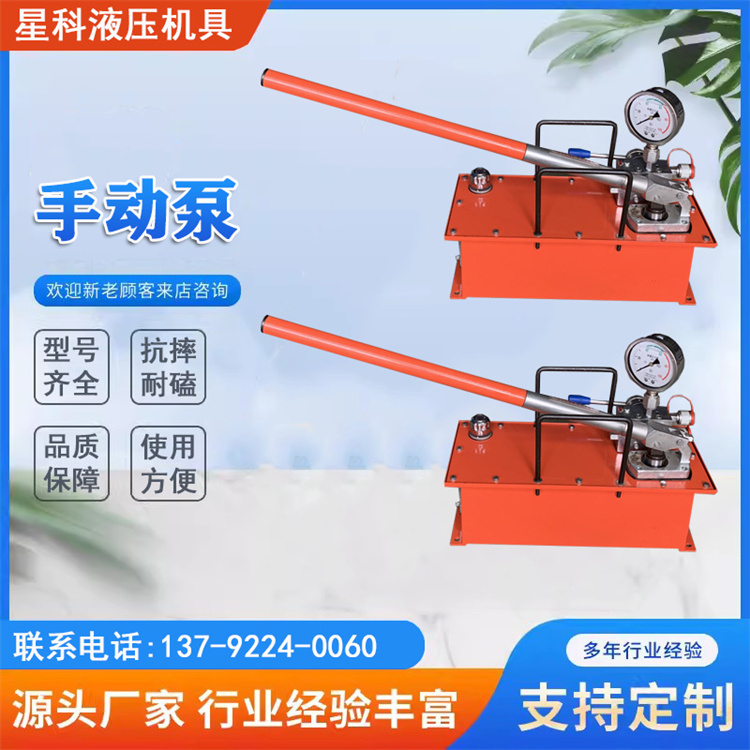
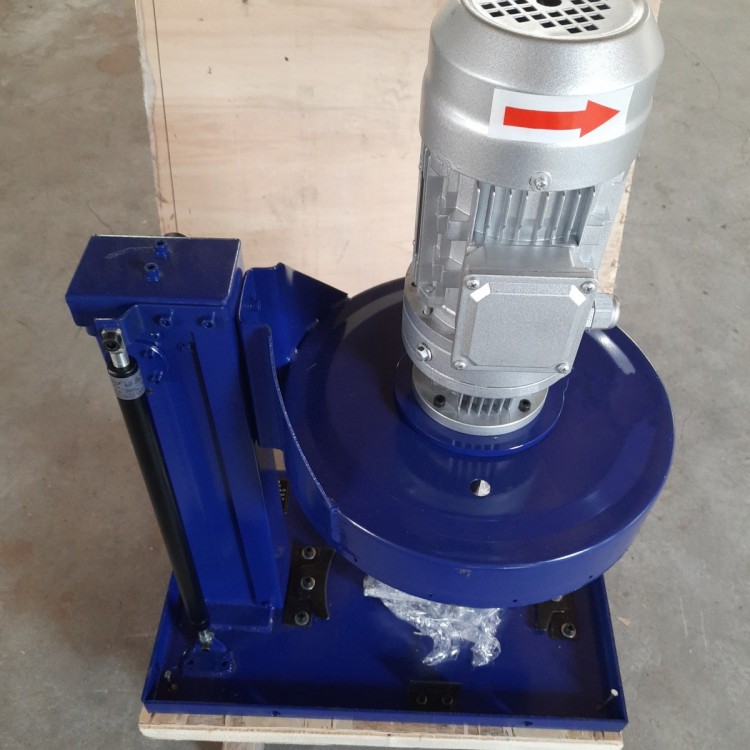
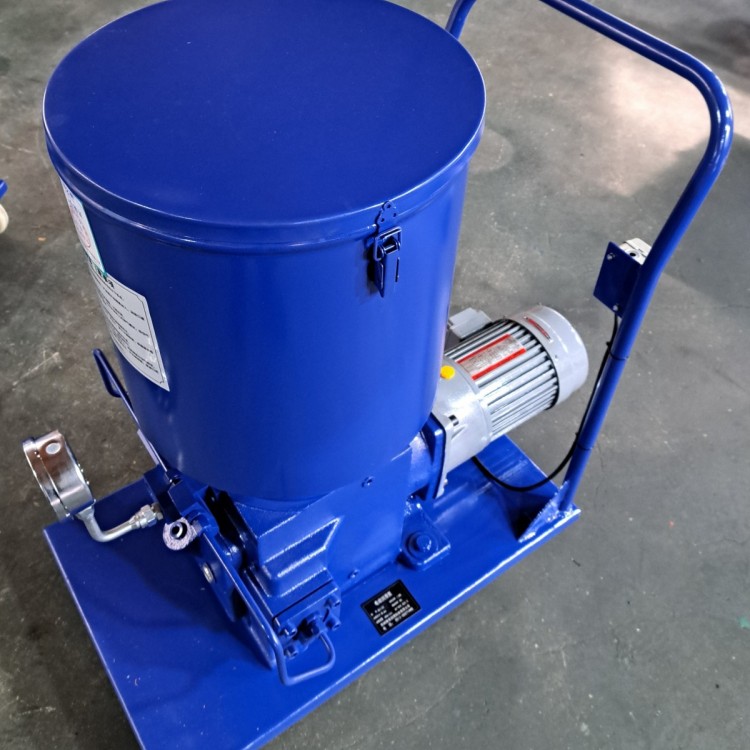






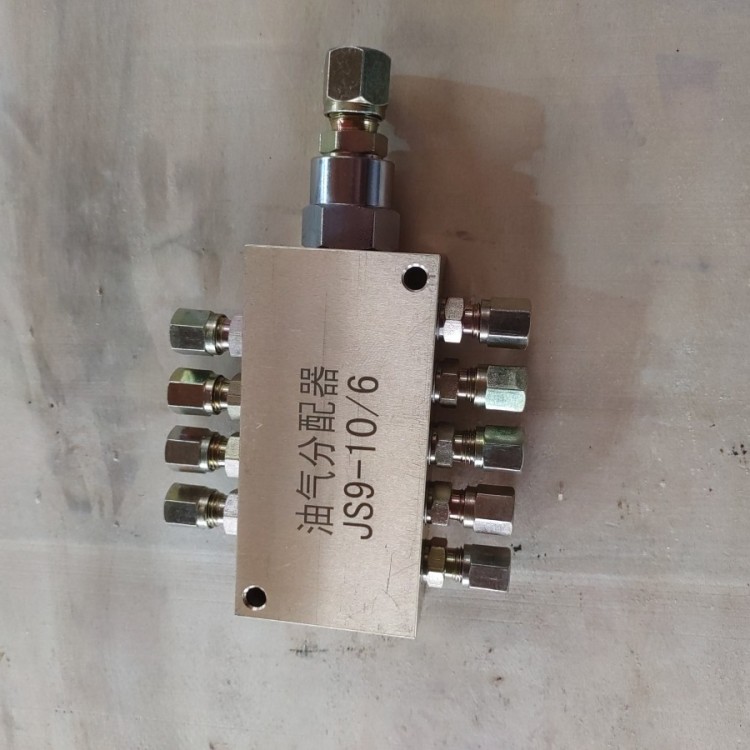
SRB-J/L Series Manual Lube Pumps (10MPa, 20MPa)
I. Overview
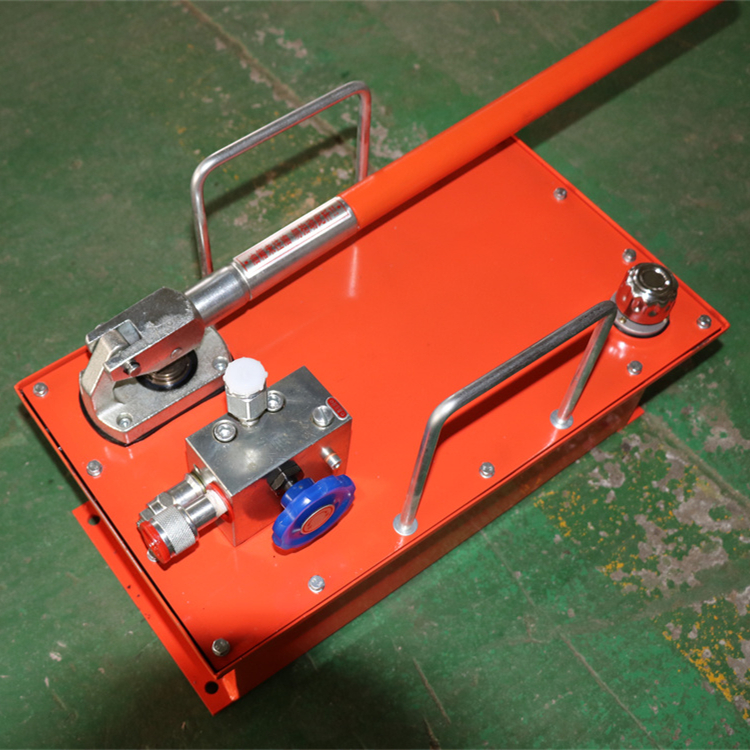
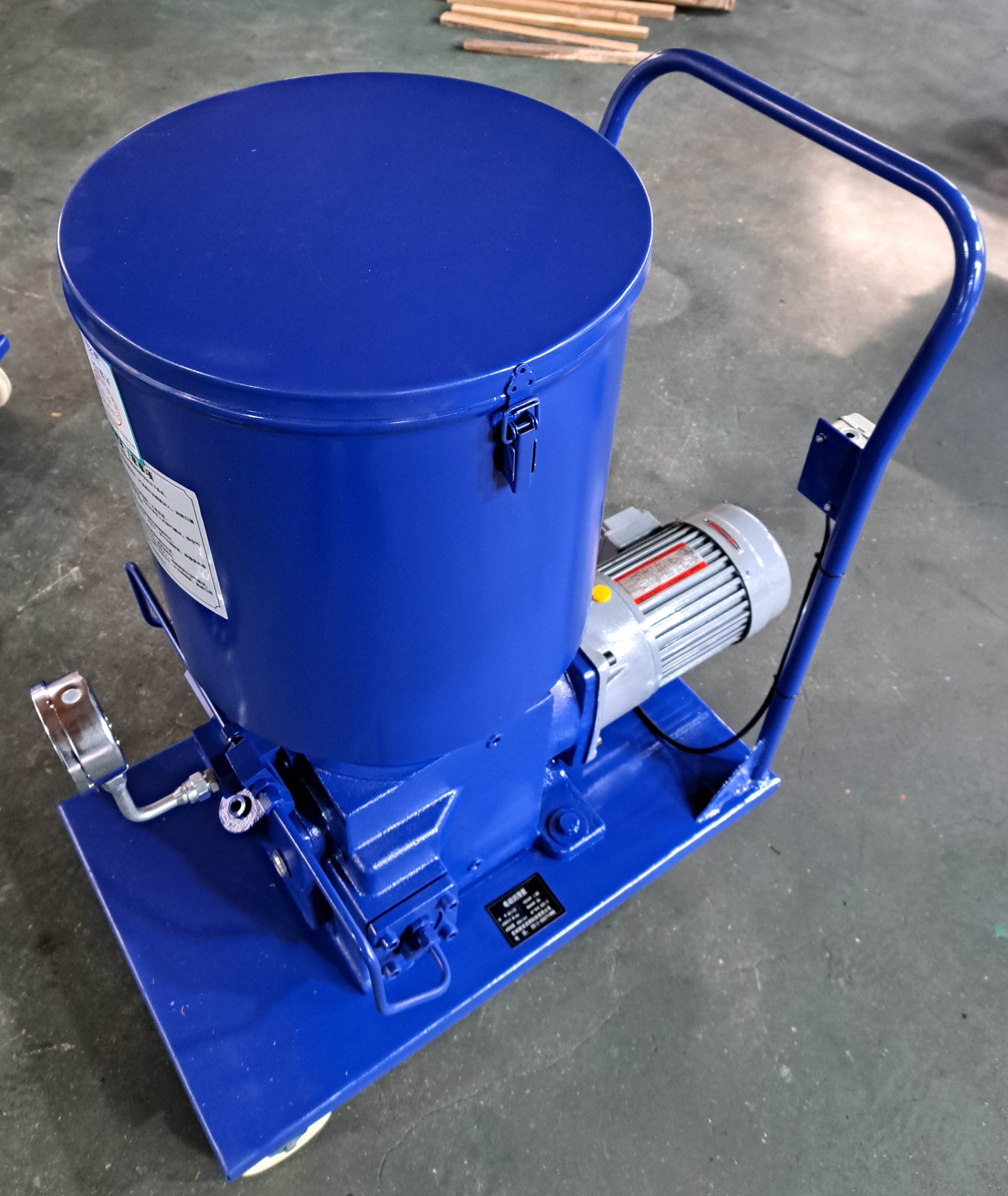
This unit is a compact lubrication pump that can be directly mounted on a machine's wall or frame. Operated manually by turning a handle, it discharges lubricant. It can be paired with a double-line distributor to form a manual centralized lubrication system, delivering a precise amount of lubricant to various lubrication points on the machine. Suitable for single-unit small equipment with a lower frequency (typically an oiling interval of 8 hours or more), piping (DN 15) length not exceeding 50 meters, and no more than 80 lubrication points, this device serves as a centralized lubrication system for supplying lubricant.
II. Technical Specifications

Lubricating grease with a penetration of 310-385 (25°C, 150g) 1/10mm (NLGI 0#-1#) and engine oil with a viscosity grade greater than N68, suitable for ambient temperatures of -10°C to 40°C.
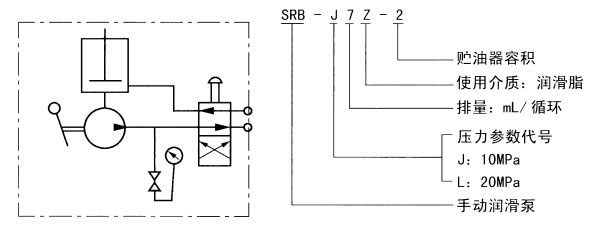
Section 3: Schematic Diagram
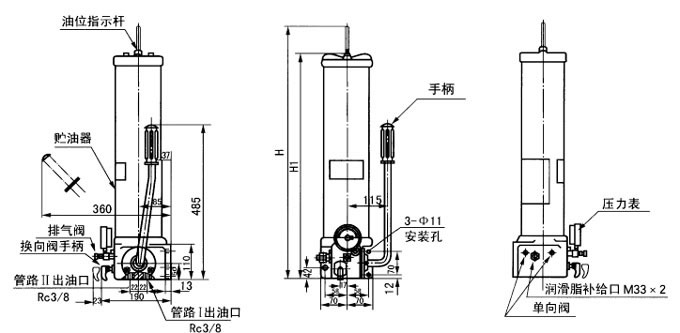
Four: Dimensions

V. Operation Description
Manual lubrication pump oil supply is achieved through manual handle operation, which drives the reciprocating motion of the gear-driven, toothed oil supply plunger. When the plunger reaches the right-end extreme position, the right-end chamber stops pressurizing oil, and the left-end chamber completes oil intake. As the handle is moved, the plunger moves to the left, first closing the left-chamber intake, squeezing the lubricant to lift the one-way valve and flow through the directional valve into the main supply line II for discharge. At this point, the volume of the right-chamber increases, creating a vacuum that gradually intensifies. When the plunger moves to the left-end extreme position, the right-chamber intake opens, and under atmospheric pressure, lubricant is drawn in, reversing the above action, with the lubricant lifting the one-way valve and flowing through the directional valve into the main supply line JJ for discharge. The directional change during the oil supply process is achieved by the directional valve. When the directional valve handle is pushed in, lubricant is discharged from main line II, and when the handle is pulled out, lubricant is discharged from main line I.

Section 6: Operating Instructions
Push the directional valve handle to the full position, supplying oil to the main oil line II.
2. The handle moves forward and backward, and the pressure gauge needle fluctuates, proving the series distributor is supplying oil.
3. The pressure gauge on the pump indicates a stable rise in pressure value, proving that the system distributor has completed all operations.
4. Pull the directional valve handle all the way out to the extreme position, then supply oil through the main supply line I. Proceed with operations as per steps 2 and 3.
5. Relief pipeline pressure, switch to main oil supply line II, prepare for the next working cycle, and pull the handle to the vertical position.
Section 7: Instructions for Use
1. Manual lubrication pumps should be installed vertically. There should be sufficient space for the indicator rod to rise and for grease replenishment operations above and around the pump. When installing in outdoor or harsh environments, the pump should be placed within a protective cover.
2. Do not operate the handle if there is no lubricant in the oil reservoir; promptly replenish the lubricant at the lower oil level.
3. Add lubricant to the oil reservoir, using only a dedicated manual or electric oil pump to fill through the filling port.
4. Do not exceed the nominal pressure of the pump when using the pump.
5. The filter screen of the pump oil filling port should be regularly inspected and cleaned.